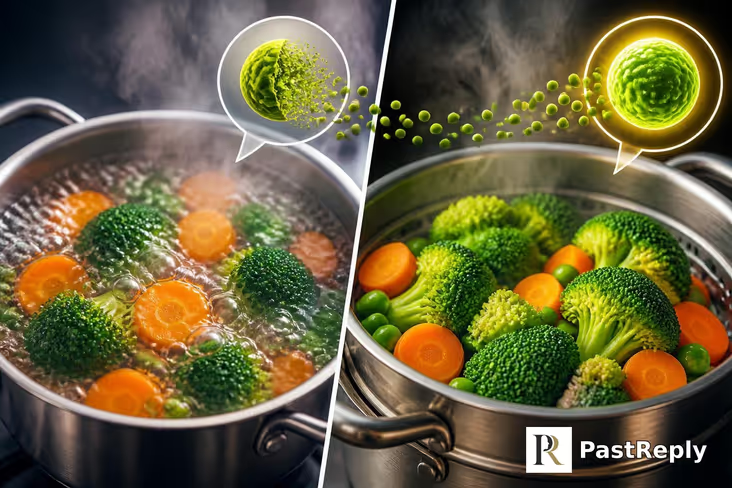
Do vegetables lose nutrients when boiled?
Boiling vegetables can reduce water-soluble vitamins like vitamin C, but steaming retains more nutrients.
100 answers
Boiling vegetables can reduce water-soluble vitamins like vitamin C, but steaming retains more nutrients.
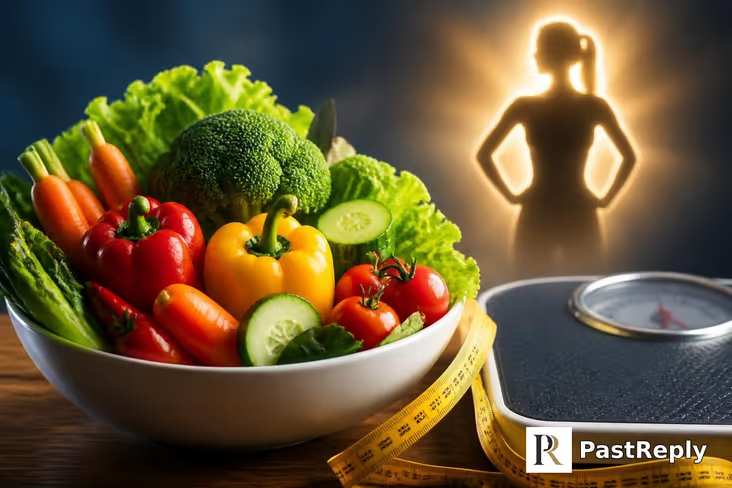
Vegetables are low-calorie, high-fiber foods that can help you feel full and support weight loss, but they don't cause weight loss by themselves.
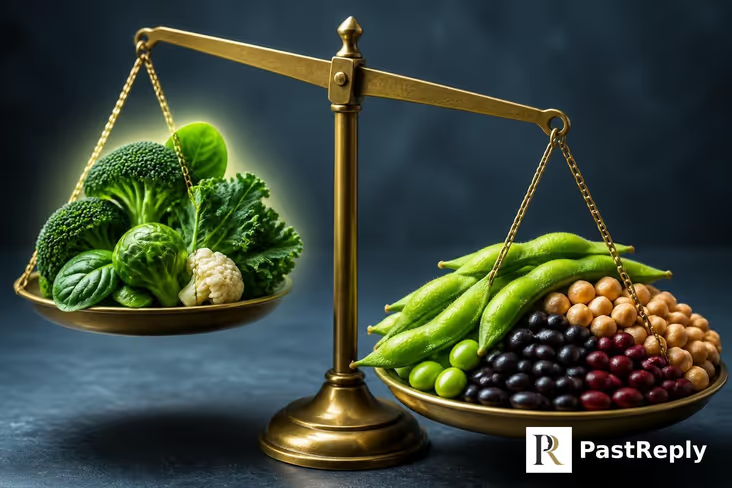
Vegetables do contain protein, but most have only small amounts; legumes like edamame and beans are the highest-protein vegetables.
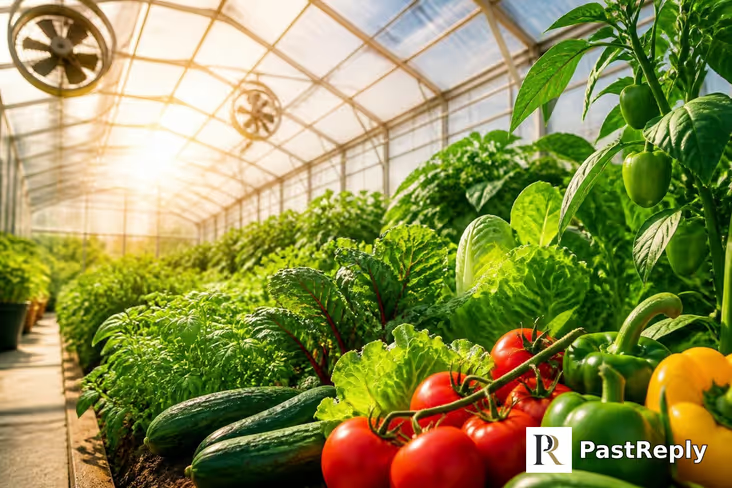
Greenhouses enable year-round vegetable growing by controlling temperature, light, and humidity.
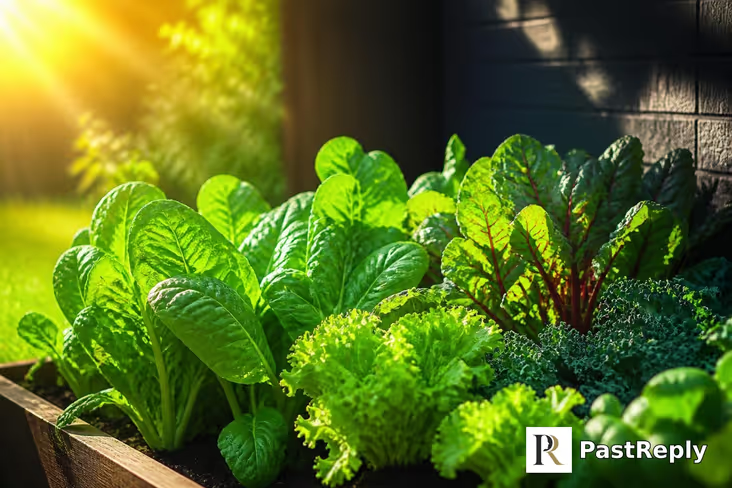
Many vegetables, especially leafy greens, thrive in partial sun (3 - 6 hours daily).
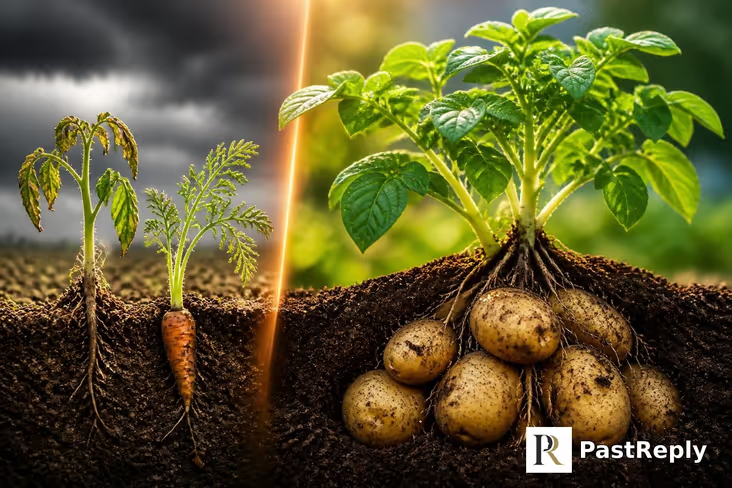
Most vegetables prefer neutral soil, so ericaceous compost (pH 4.0 - 5.5) is unsuitable except for a few acid-tolerant crops like potatoes.
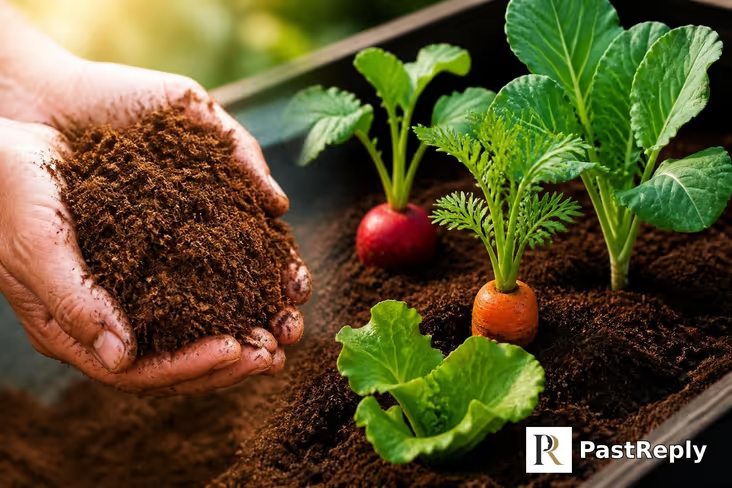
Vegetables can grow in peat moss, but it's best mixed with compost or soil to supply nutrients and manage moisture.

Vegetables are low in calories and generally help with weight management, but starchy types and high-calorie preparations can contribute to weight gain.
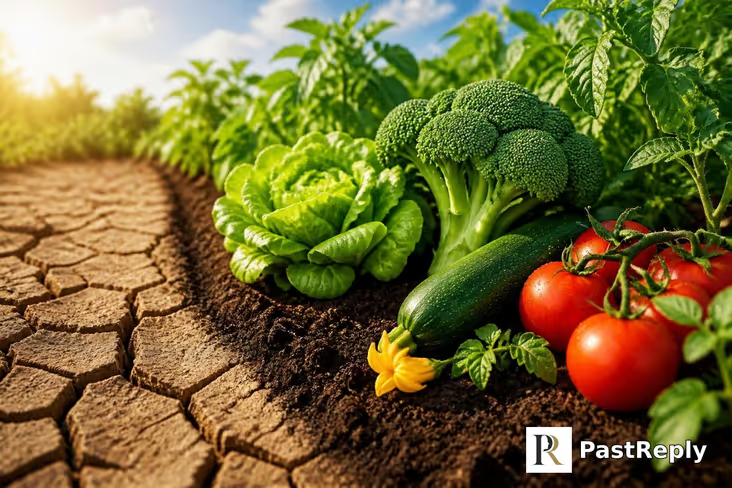
Many vegetables, including lettuce, broccoli, squash, and tomatoes, can grow in clay soil with proper amendments.
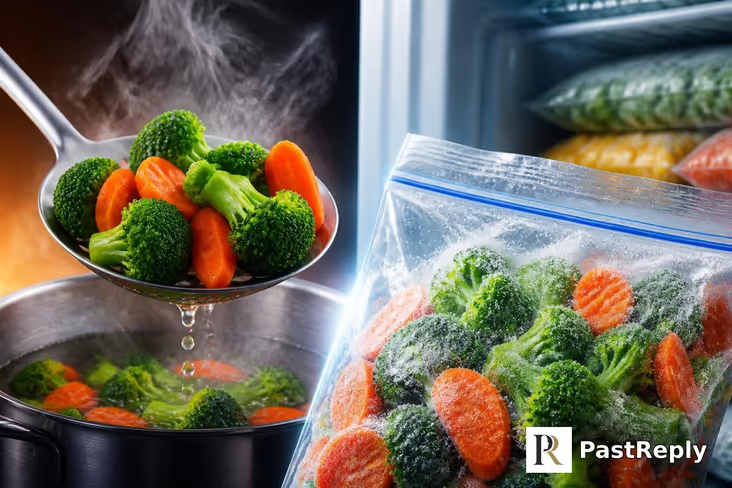
Yes, vegetables can be frozen, and blanching beforehand helps preserve their quality for up to a year.
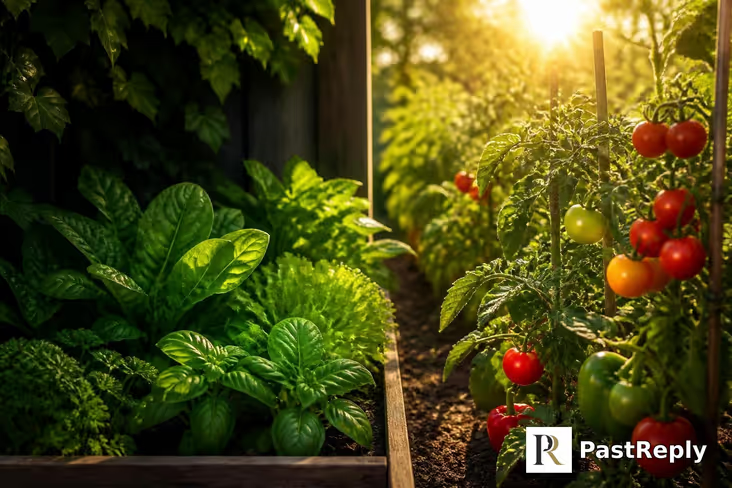
Leafy greens and some herbs can grow in partial shade, but fruiting vegetables need full sun.
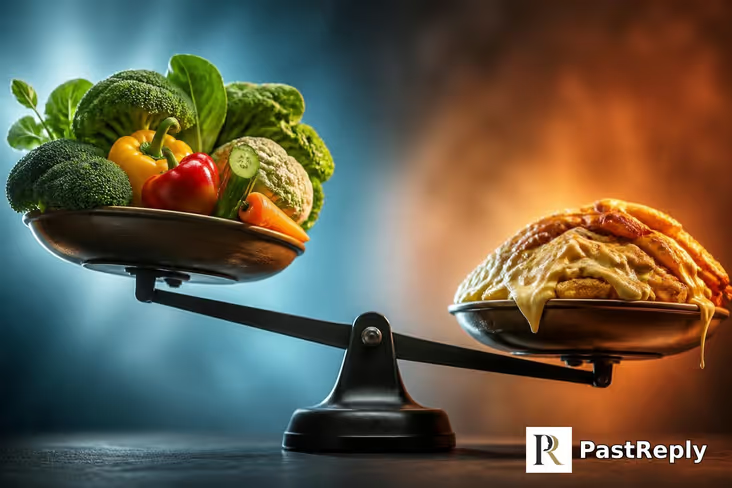
Vegetables are low in calories and high in fiber, so they rarely cause weight gain unless eaten in extreme excess or prepared with high-calorie additions.
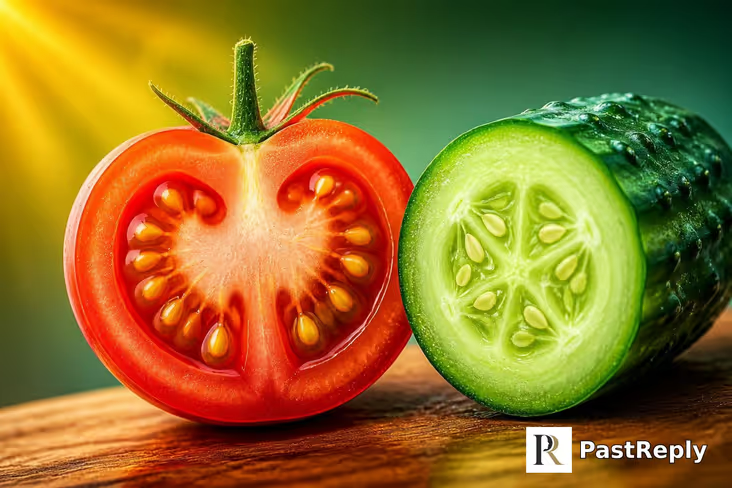
Some vegetables, like tomatoes and cucumbers, have seeds because they are botanically fruits.
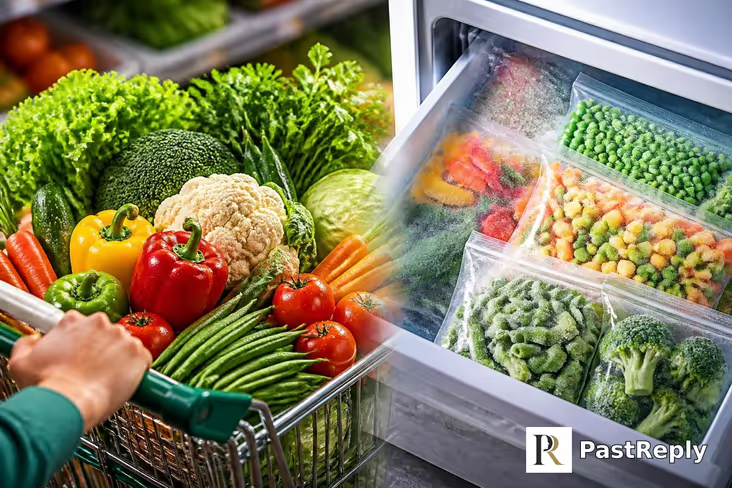
DMart sells fresh and frozen vegetables in-store and online via DMart Ready.
Vegetable is a countable noun; you can have one vegetable or many vegetables.
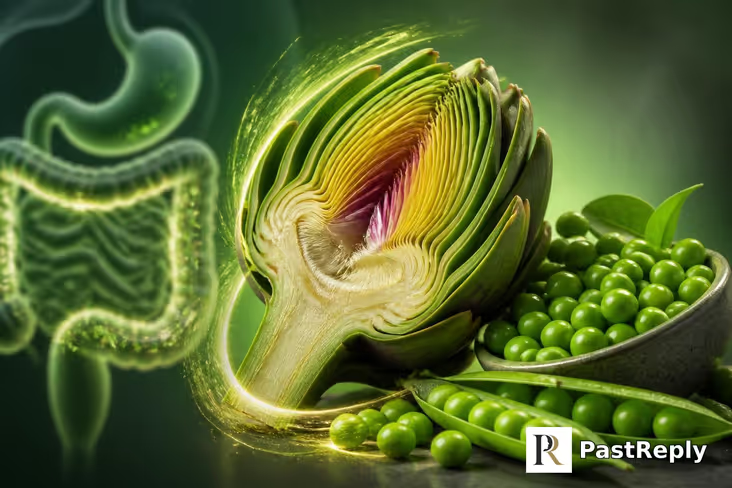
Vegetables are a good source of dietary fiber, with some types like peas and artichokes being especially high.
Vegetables are nutrient-dense foods that support overall health and reduce disease risk.
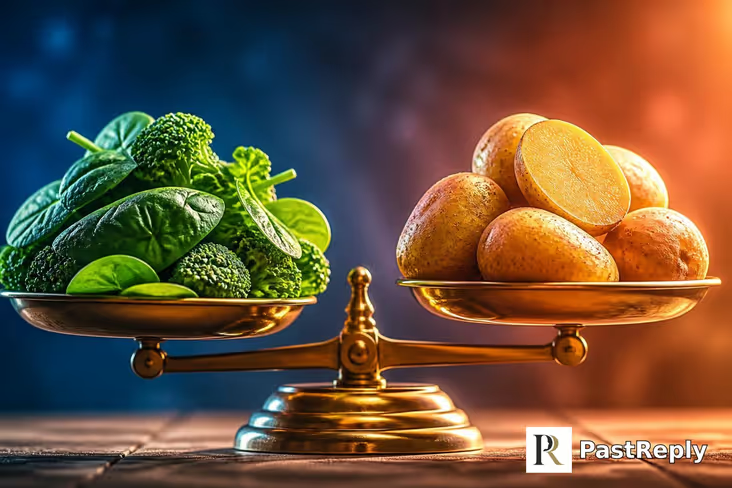
Vegetables contain carbohydrates, with starchy types like potatoes having much more than non-starchy ones like spinach.
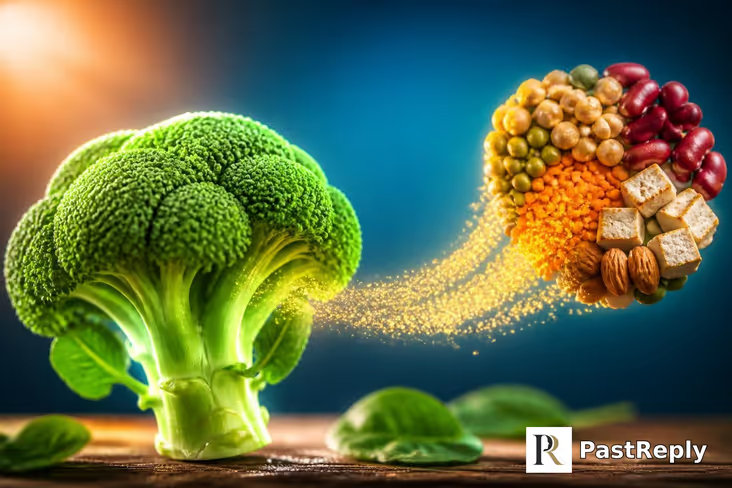
Vegetables do contain protein, though usually less than meat or legumes, and can help meet daily needs when combined with other sources.

Many vegetables like carrots and green beans are safe and healthy for dogs, but onions and garlic are toxic.

PastReply
Sign in with a one-time link - no password to remember.
New here? Create an account
PastReply
Create an account to post your own answers and reply to the 100.
Already have an account? Sign in