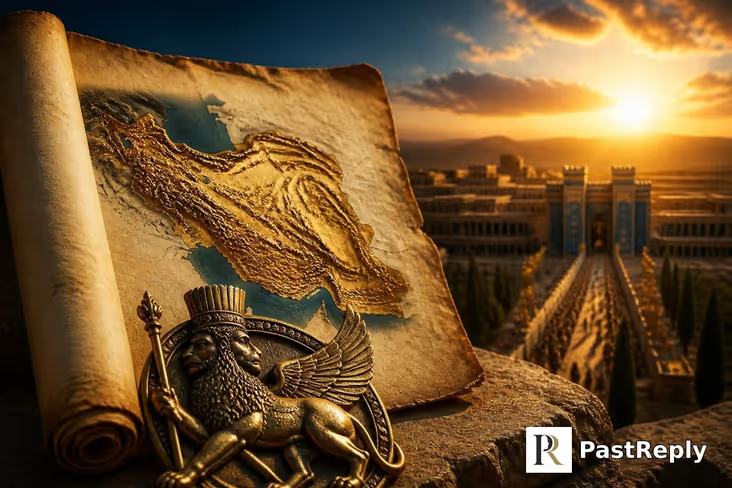
Who is Iran in the Bible?
Iran is historically called Persia in the Bible and appears in both historical narratives and end-time prophecies.
100 answers
Iran is historically called Persia in the Bible and appears in both historical narratives and end-time prophecies.
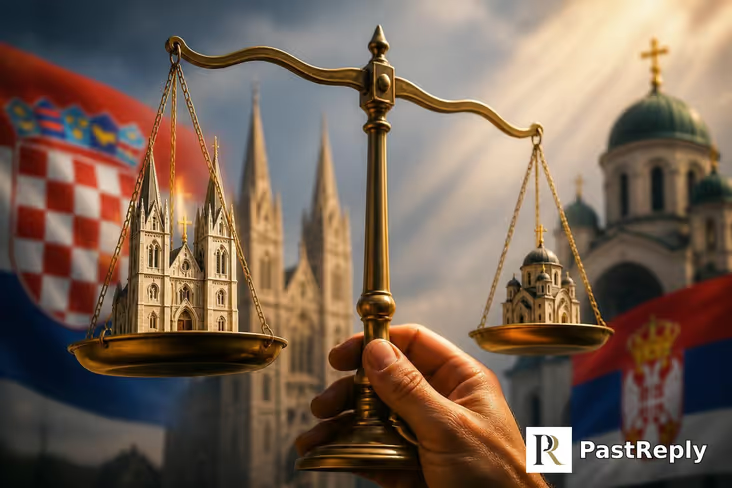
Most Croatians are Catholic (79%), while only 3.3% are Eastern Orthodox, primarily ethnic Serbs.
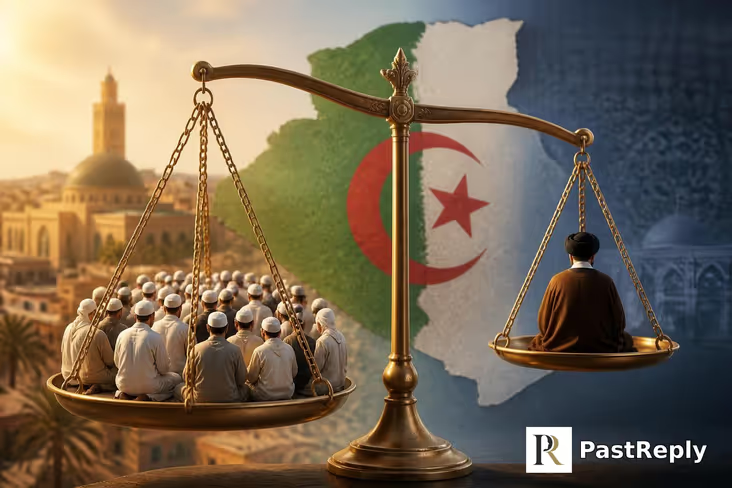
The vast majority of Algerians are Sunni Muslims of the Maliki school, with Shia Muslims comprising less than 1% of the population.
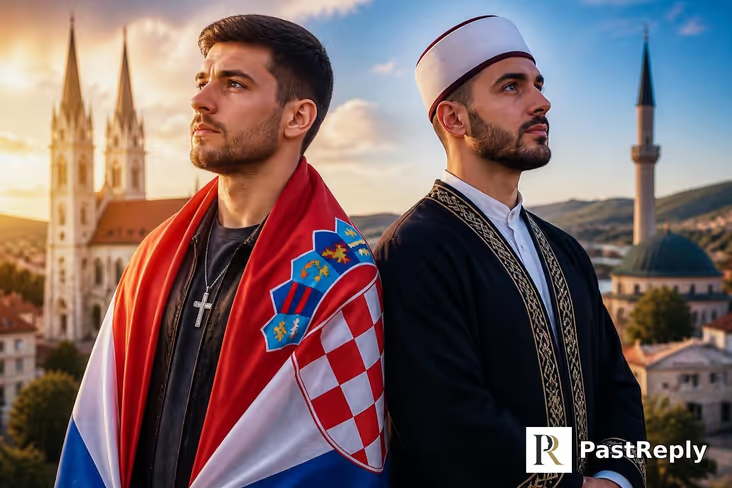
Most Croatians are Catholic, but a minority of ethnic Croats are Muslim, numbering around 10,800 according to the 2021 census.
The Bible contains political themes and has been used in political discourse throughout history, influencing leaders and movements.
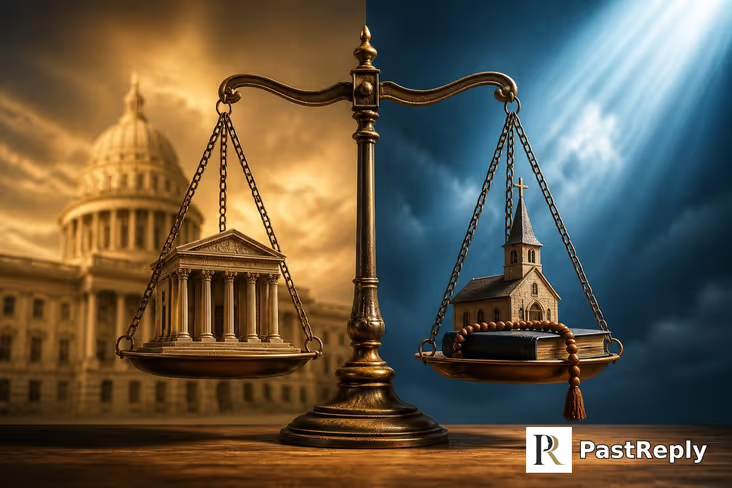
Politics governs states through law, while religion is a personal belief system; they intersect but are fundamentally distinct.
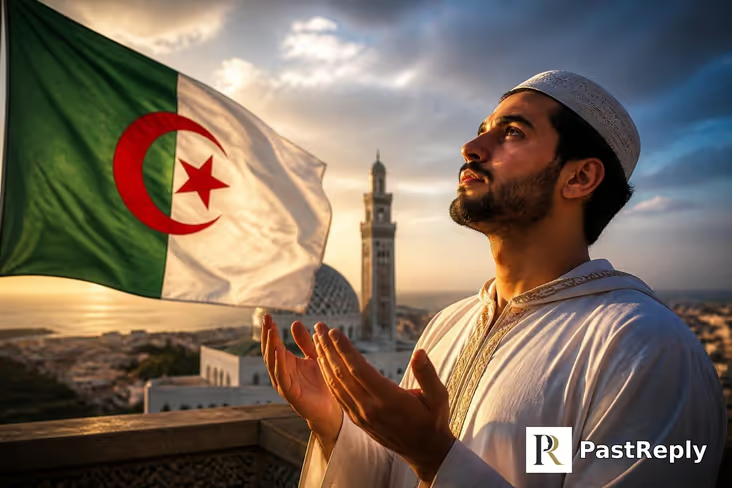
Approximately 99% of Algerians are Muslim, predominantly Sunni, with Islam as the state religion.
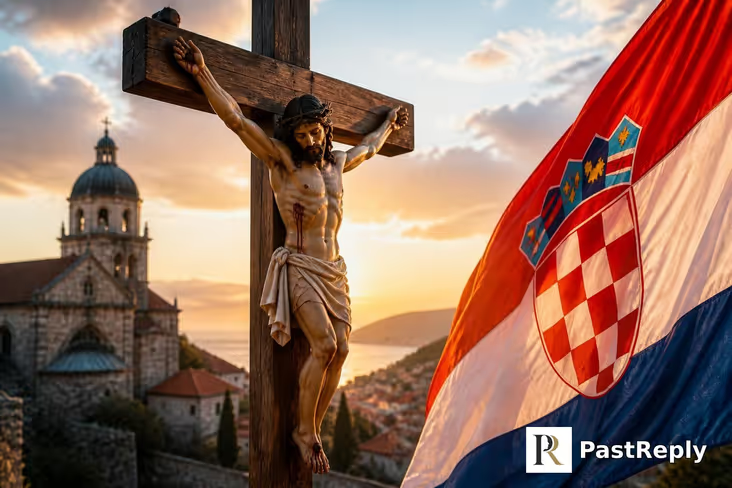
Around 87% of Croatians identify as Catholic, making it the dominant religion in the country.
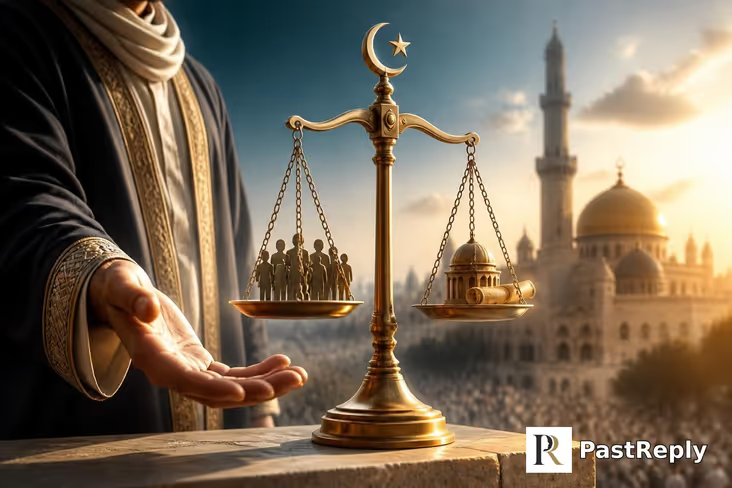
Politics is not inherently haram in Islam; it is permissible when aimed at justice and the common good, as seen in early Islamic governance.
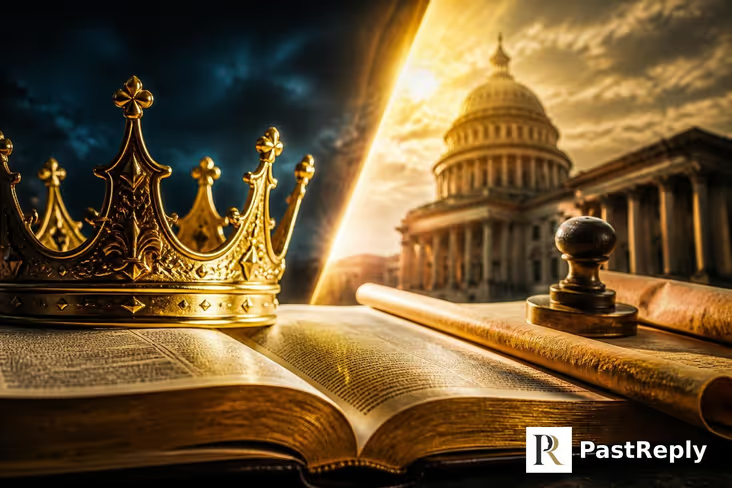
The Bible addresses politics through verses on governing authorities, submission, and moral duties, with key passages in Romans 13 and Mark 12.
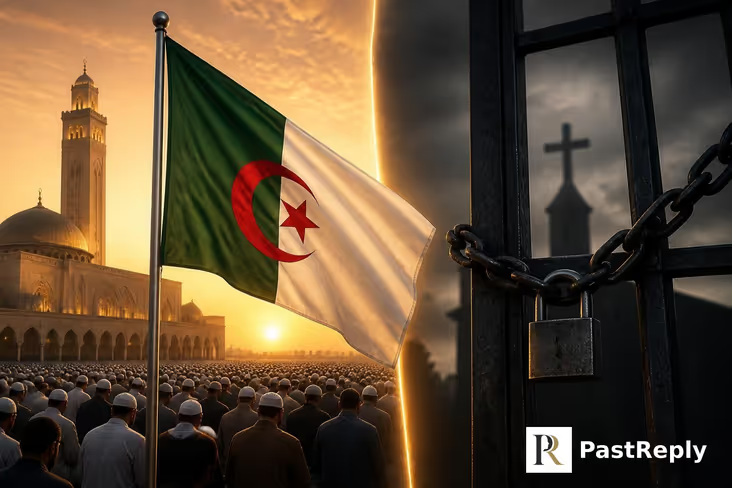
Algeria is overwhelmingly Muslim, with over 99% Sunni population and Islam as the state religion, while non-Muslim practices face legal restrictions.
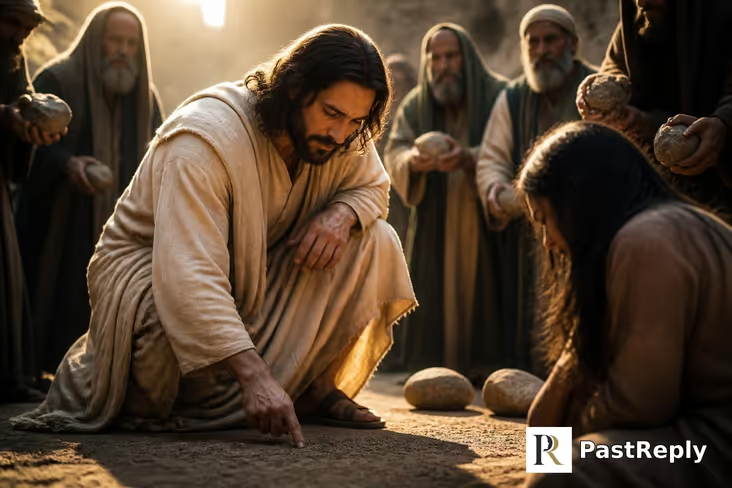
In John 8:7, Jesus challenges the accusers of an adulterous woman, saying only a sinless person should cast the first stone, highlighting mercy and self-examination.

PastReply
Sign in with a one-time link - no password to remember.
New here? Create an account
PastReply
Create an account to post your own answers and reply to the 100.
Already have an account? Sign in