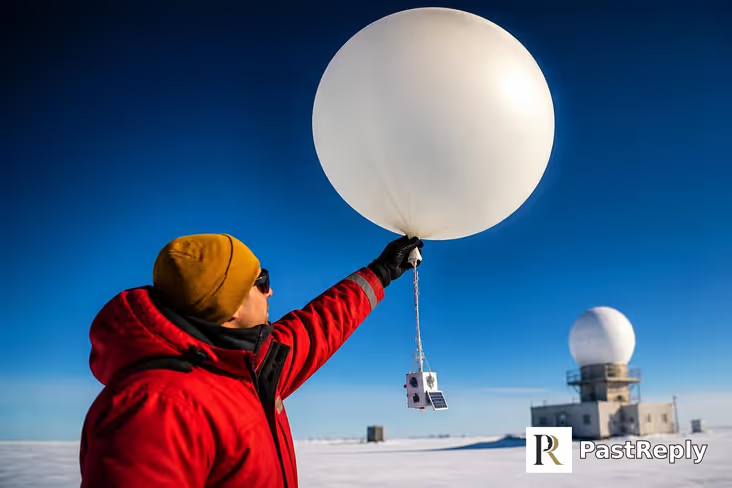
Are weather balloons still used?
Weather balloons remain a vital tool for weather forecasting, with routine launches occurring globally.
100 answers
Weather balloons remain a vital tool for weather forecasting, with routine launches occurring globally.

Official temperatures are measured in the shade to avoid solar heating and ensure accurate air temperature readings.
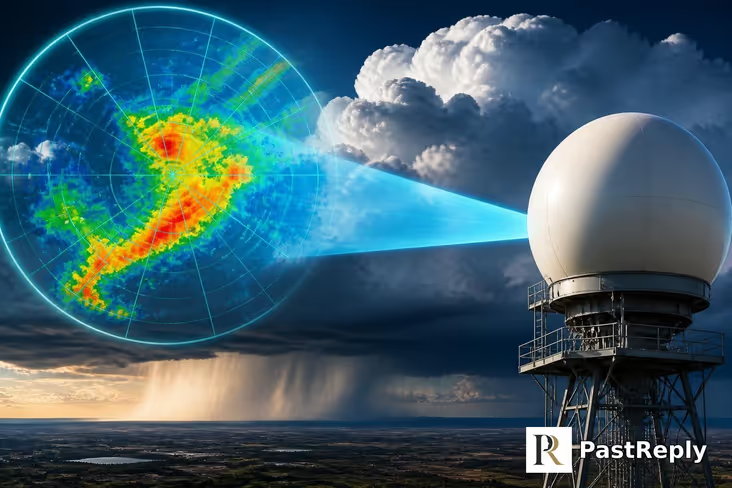
Weather radar detects precipitation, not clouds, but can indirectly show cloud locations through rain or snow.

AccuWeather is generally considered more accurate than The Weather Channel based on independent studies, though both are reliable and trusted sources.

Weather is the short-term state of the atmosphere at a given time and place, including temperature, humidity, and precipitation.
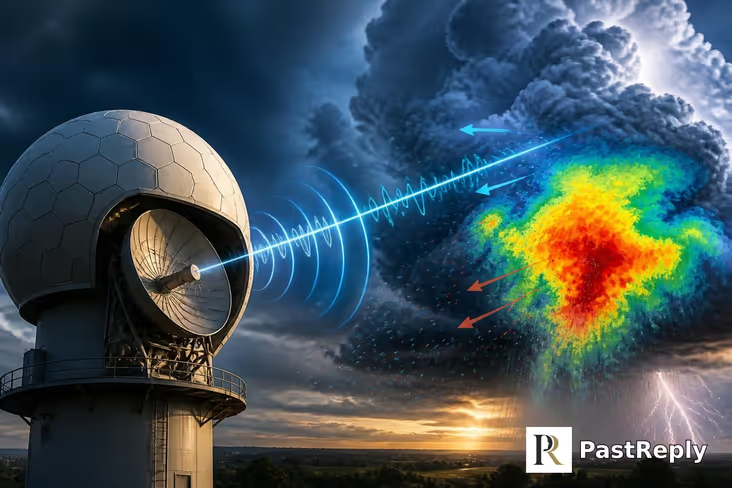
Weather radar detects precipitation by emitting radio waves and analyzing the echoes to determine location, intensity, and motion, using Doppler and dual-polarization technology.
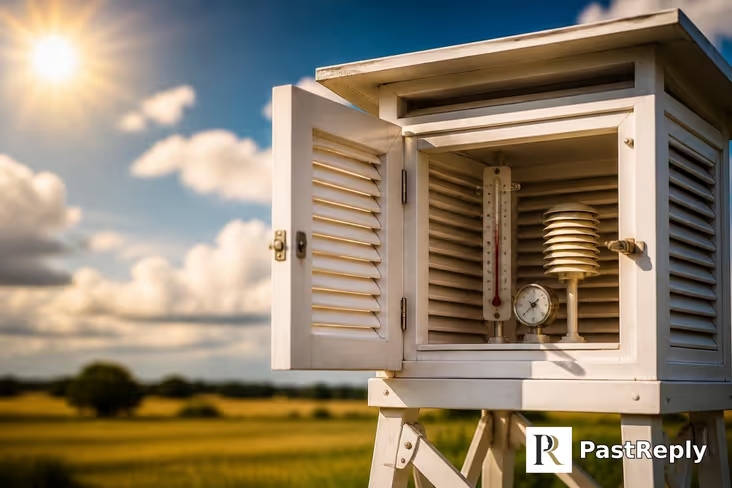
Weather instruments are housed in a Stevenson screen to shield them from the elements while ensuring accurate readings.

Weather forecasts are made to inform and protect people by predicting atmospheric conditions for planning and safety.
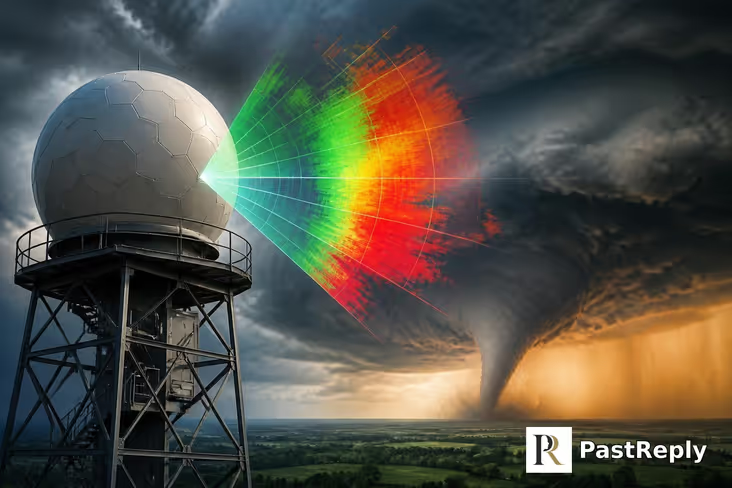
Doppler radar is used to measure the velocity of objects, most critically in meteorology to track storm movement and issue severe weather warnings.
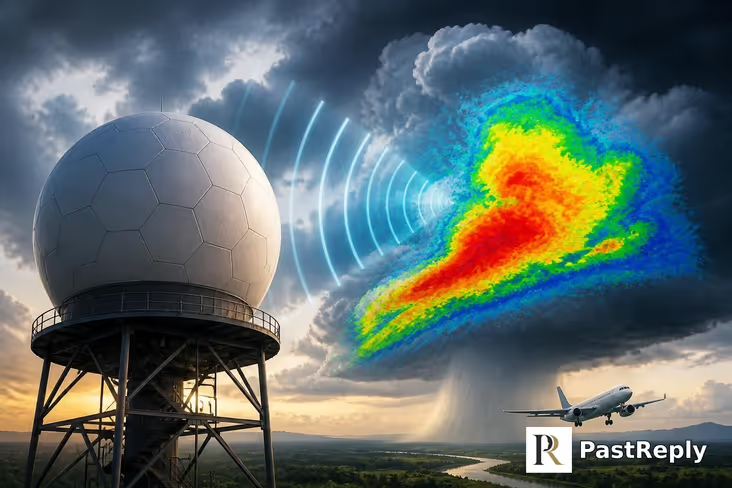
Weather radar detects precipitation and storm structure using radio waves, aiding forecasting, hydrology, and aviation safety.
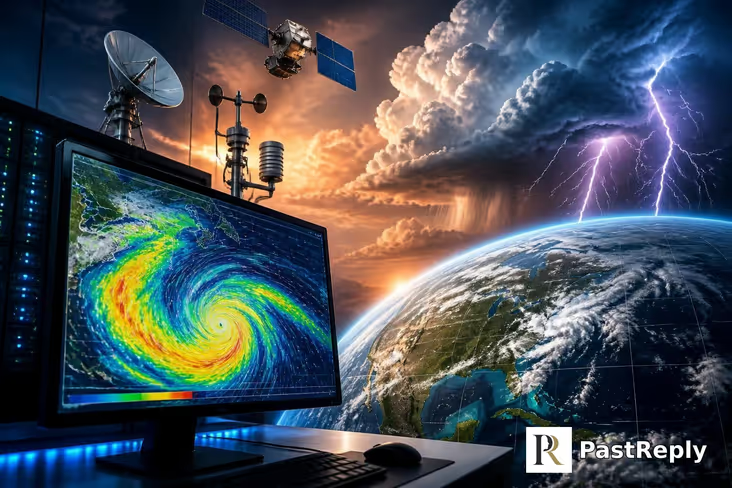
Weather is predicted by collecting atmospheric data and using computer models to simulate future conditions, though accuracy declines over longer timeframes.
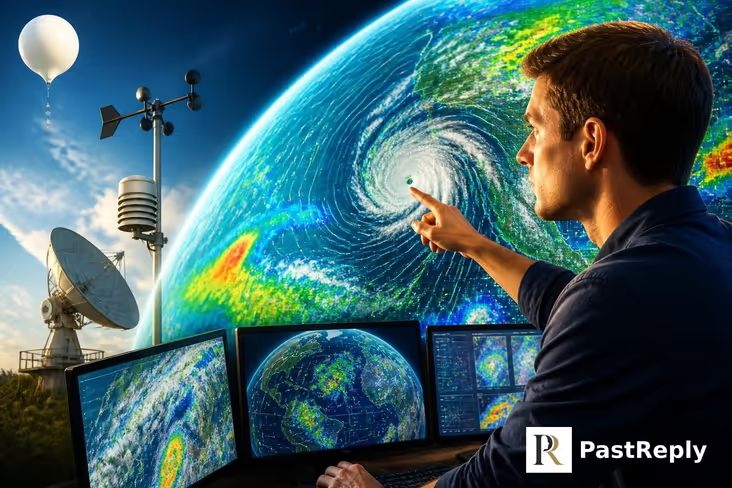
Weather forecasting combines atmospheric data collection, computer modeling, and meteorologist analysis to predict future conditions.

Weather forecasts are limited by atmospheric chaos, model simplifications, and data gaps, making perfect accuracy impossible.

PastReply
Sign in with a one-time link - no password to remember.
New here? Create an account
PastReply
Create an account to post your own answers and reply to the 100.
Already have an account? Sign in