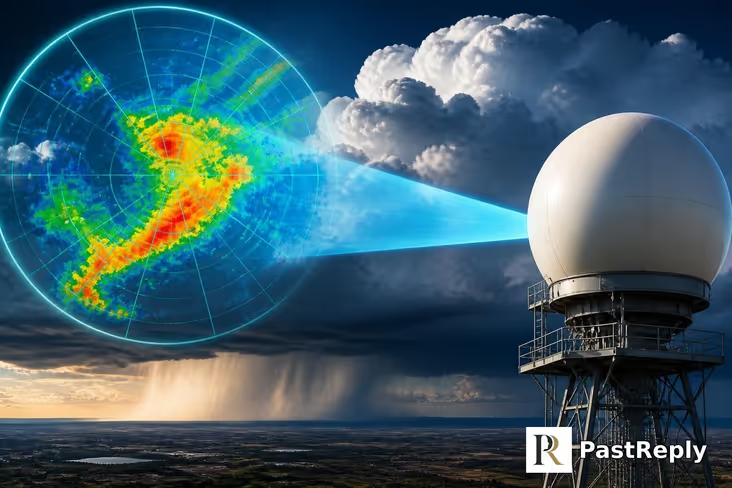
Does weather radar show clouds?
Weather radar detects precipitation, not clouds, but can indirectly show cloud locations through rain or snow.
100 answers
Weather radar detects precipitation, not clouds, but can indirectly show cloud locations through rain or snow.
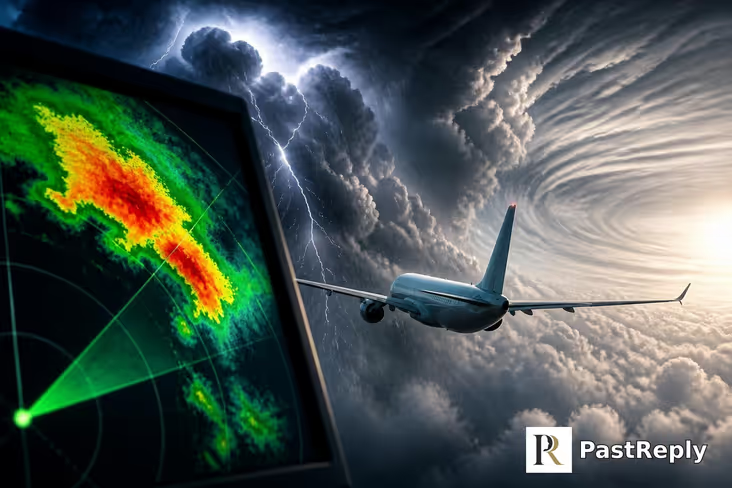
Weather radar detects turbulence indirectly through precipitation, but cannot detect clear air turbulence.
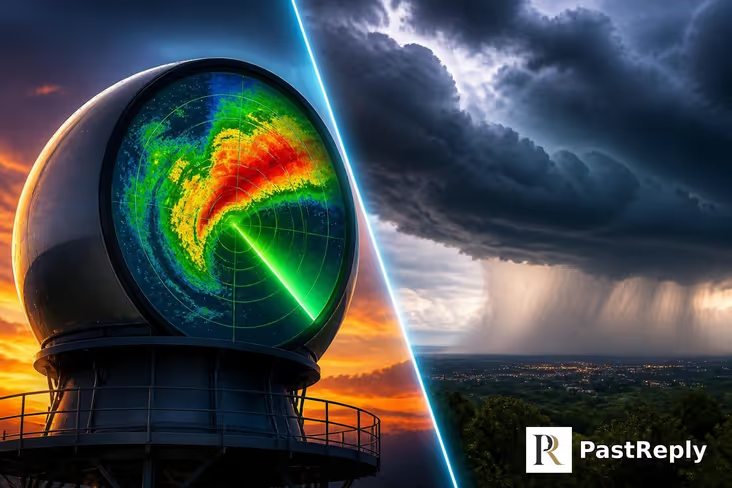
Weather radar is highly accurate for short-term precipitation detection and storm tracking, though limitations exist for long-range and micro-scale events.
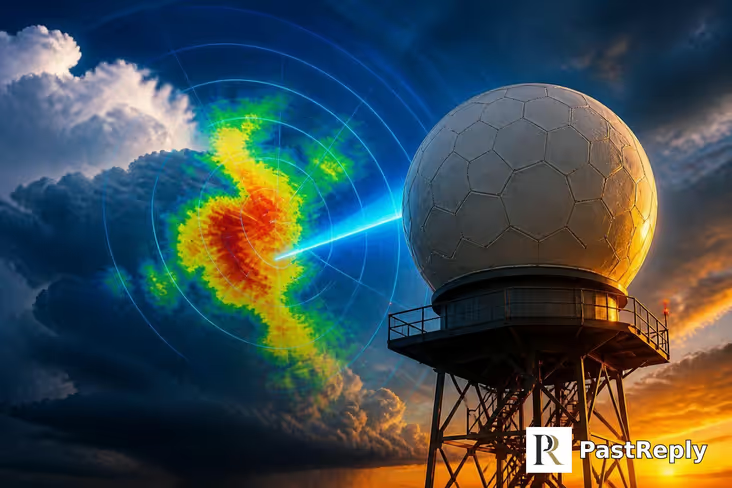
Doppler radar was first used for weather research in the late 1960s, with operational deployment beginning in the early 1980s.
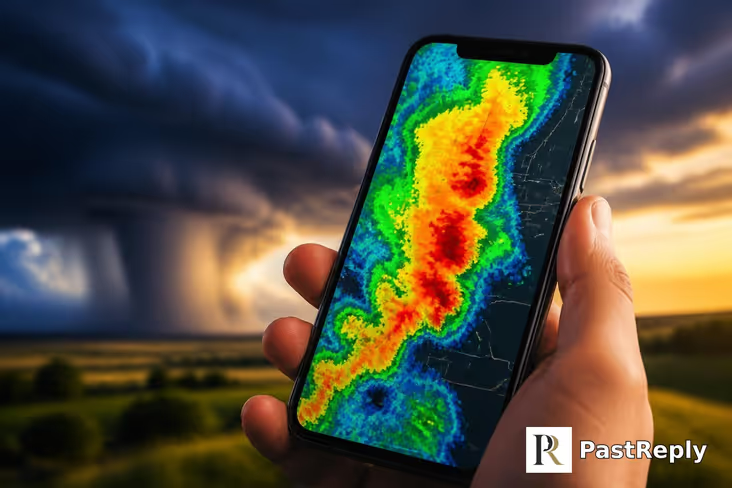
Doppler radar imagery is publicly available through weather websites and apps.
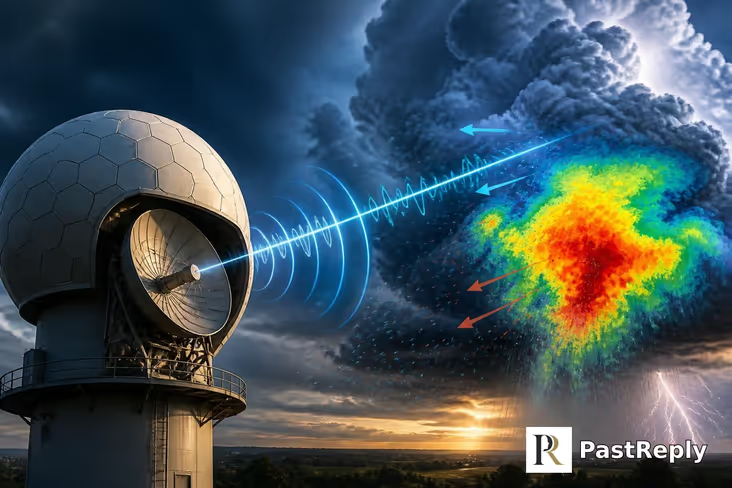
Weather radar detects precipitation by emitting radio waves and analyzing the echoes to determine location, intensity, and motion, using Doppler and dual-polarization technology.
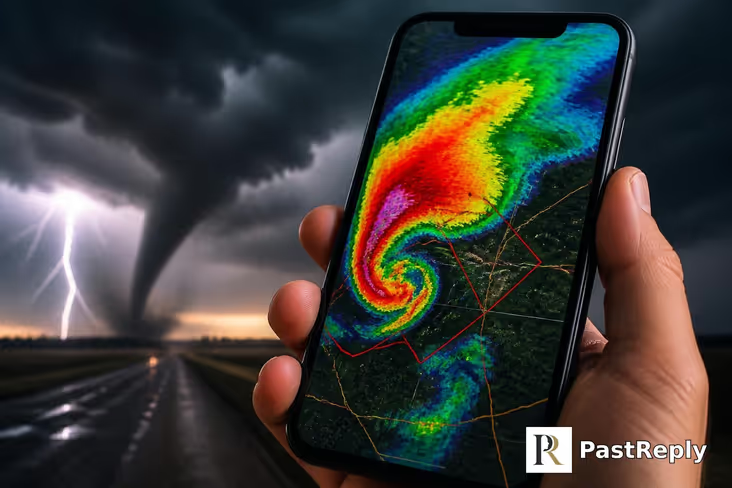
Max Velocity uses the Radar MAX Future Weather Radar app for severe weather tracking.
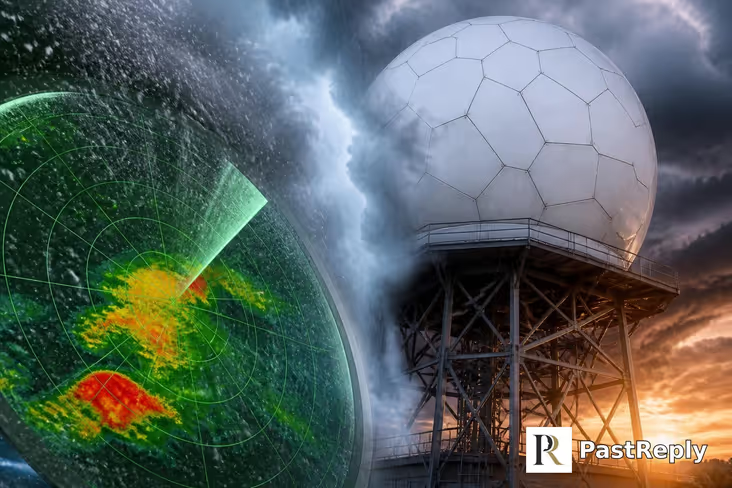
Rain, snow, and storms can degrade radar by attenuating signals and creating clutter.
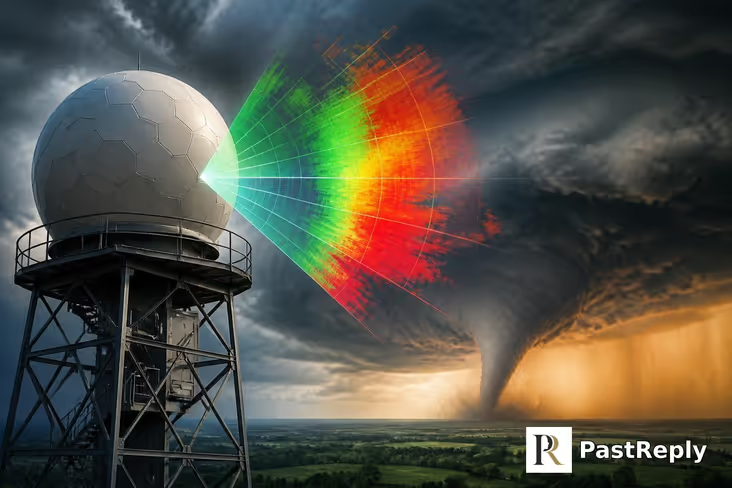
Doppler radar is used to measure the velocity of objects, most critically in meteorology to track storm movement and issue severe weather warnings.
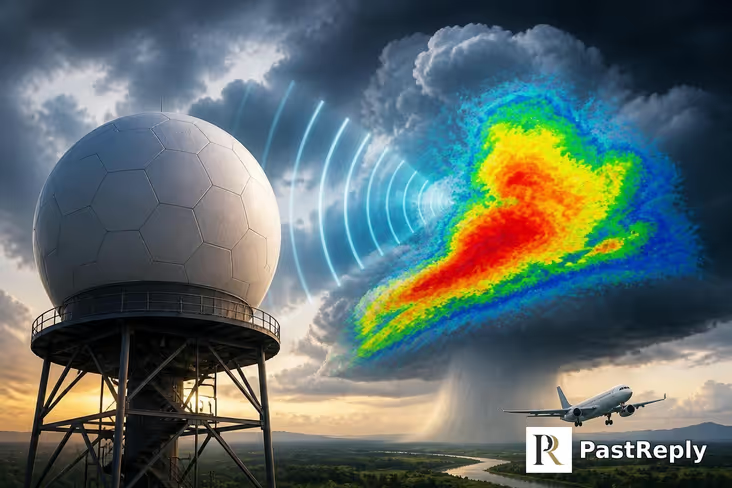
Weather radar detects precipitation and storm structure using radio waves, aiding forecasting, hydrology, and aviation safety.
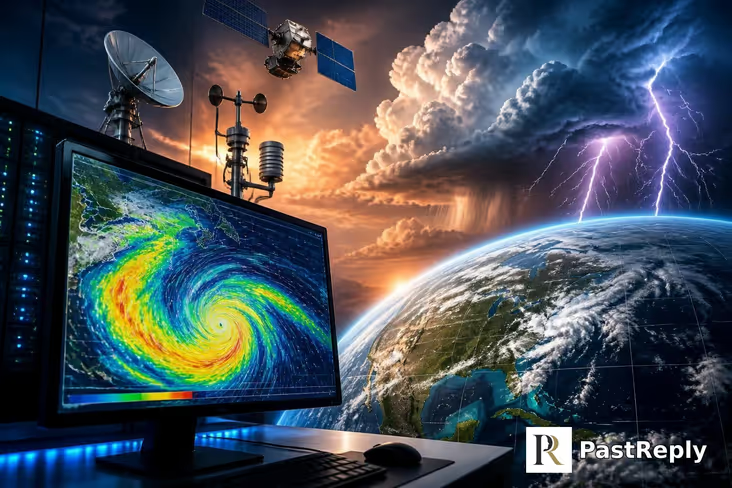
Weather is predicted by collecting atmospheric data and using computer models to simulate future conditions, though accuracy declines over longer timeframes.
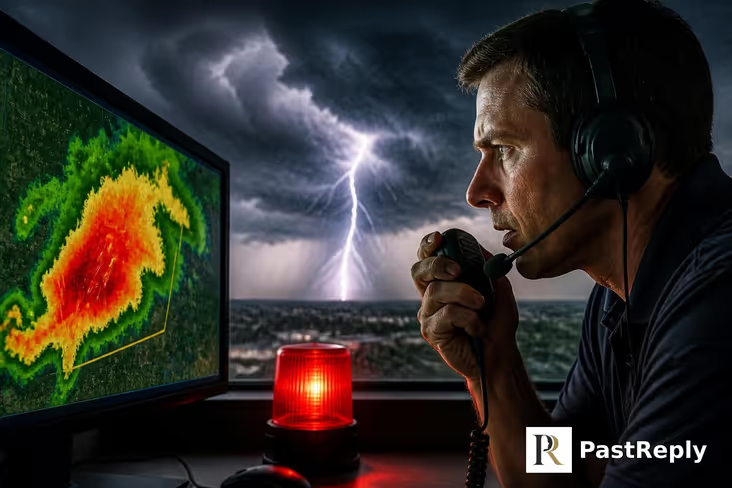
Severe thunderstorm warnings are issued when radar or spotters detect winds ≥58 mph or hail ≥1 inch, prompting immediate shelter.

A severe thunderstorm warning is issued when a storm produces 58+ mph winds or 1+ inch hail, signaling immediate danger.

PastReply
Sign in with a one-time link - no password to remember.
New here? Create an account
PastReply
Create an account to post your own answers and reply to the 100.
Already have an account? Sign in