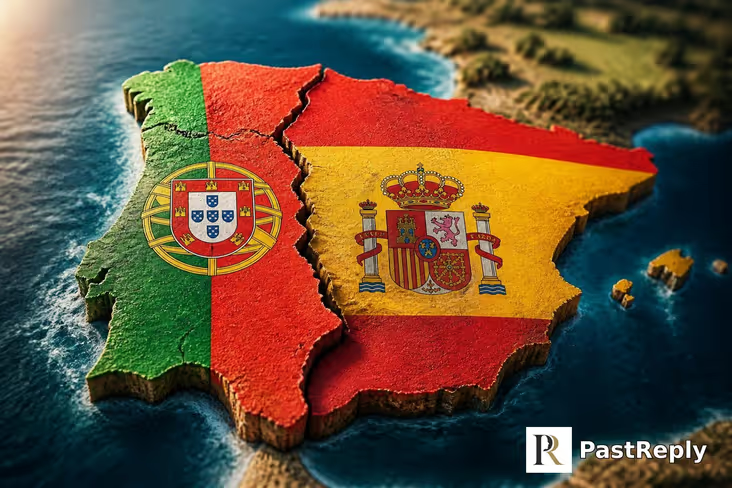
Are Spain and Portugal different countries?
Spain and Portugal are two distinct sovereign countries sharing the Iberian Peninsula.
100 answers
Spain and Portugal are two distinct sovereign countries sharing the Iberian Peninsula.
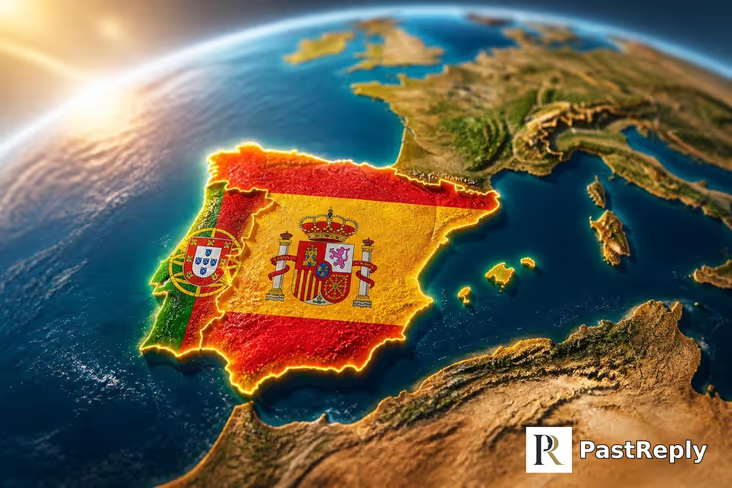
Spain and Portugal are both European countries located on the Iberian Peninsula.
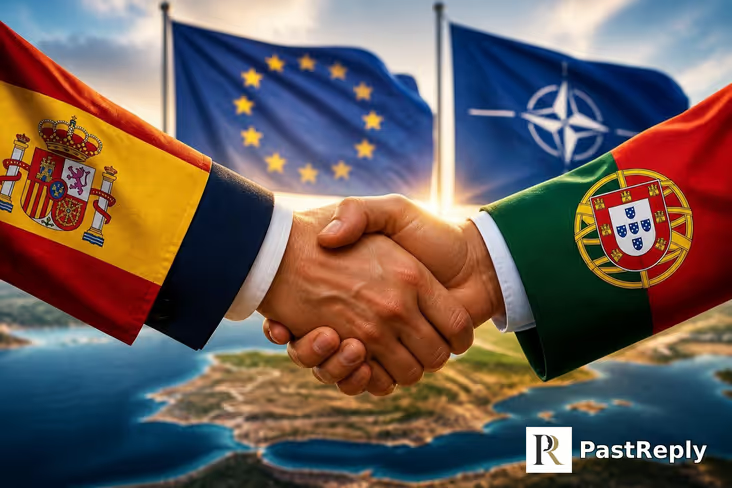
Spain and Portugal are allies through shared membership in NATO and the EU, with close economic and political cooperation.
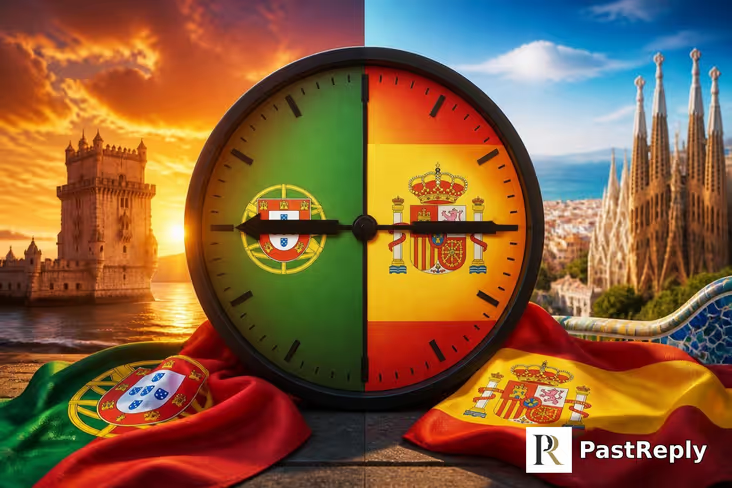
Spain and Portugal are in different time zones: mainland Spain uses CET/CEST, while Portugal uses WET/WEST.

Portugal and Spain are distinct countries with different languages, cultures, and histories, despite sharing the Iberian Peninsula.
Spain and Portugal both use the euro as their official currency and are part of the eurozone.
Spain and Portugal have excellent diplomatic ties as EU and NATO allies, though some historical mistrust lingers.
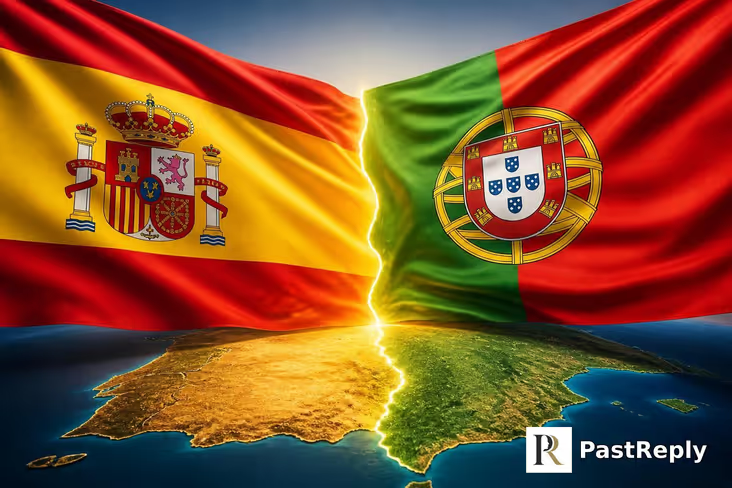
Spain and Portugal are distinct neighboring countries on the Iberian Peninsula with separate languages, cultures, and governments.
Spain and Portugal share a historic football rivalry known as the Iberian Derby, dating back to 1921.
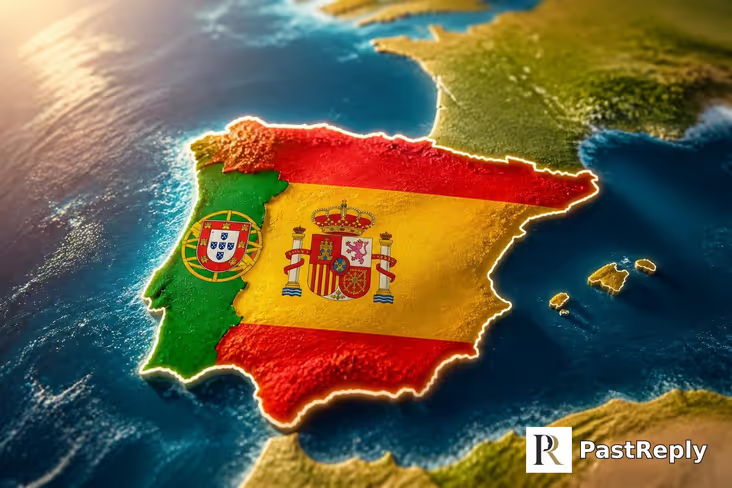
Spain and Portugal are in southwestern Europe on the Iberian Peninsula, with Spain occupying most of it and Portugal to the west.
Spain and Portugal were united under one monarch from 1580 to 1640 during the Iberian Union, but remained separate kingdoms.
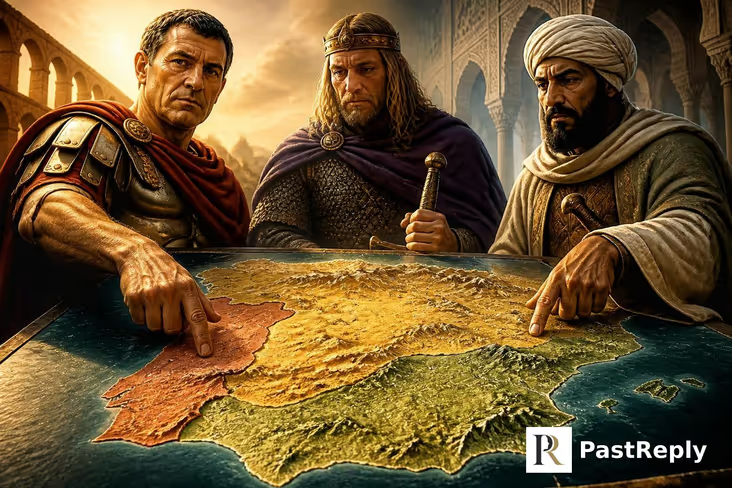
Spain and Portugal were not colonized by a single power but were shaped by Roman, Visigothic, and Muslim conquests over centuries.
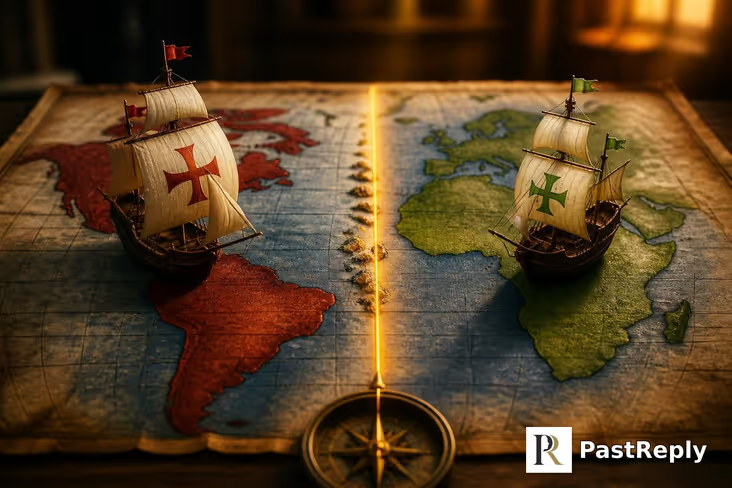
The Treaty of Tordesillas (1494) divided the non-European world between Spain and Portugal along a meridian west of Cape Verde.
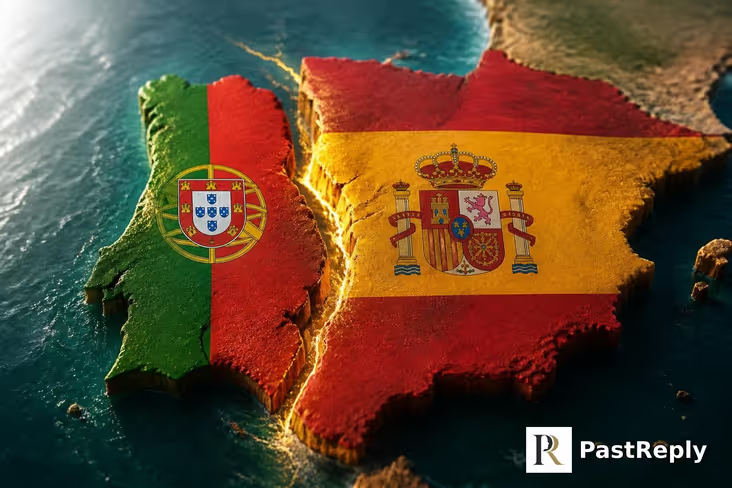
Portugal became independent from León in the 12th century and maintained its sovereignty except for a brief union with Spain, while Spain formed from the union of Castile and Aragon.
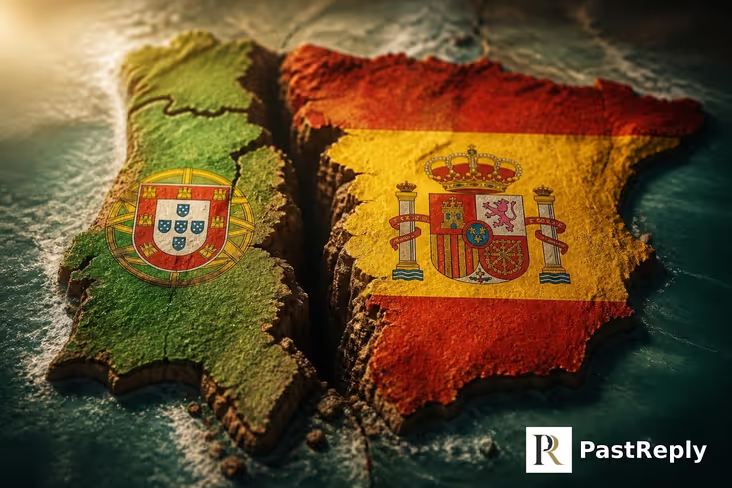
Portugal emerged as an independent kingdom in the 12th century and maintained its sovereignty apart from the later unification of Spain, driven by distinct identity, dynastic breaks, and geographical orientation.

PastReply
Sign in with a one-time link - no password to remember.
New here? Create an account
PastReply
Create an account to post your own answers and reply to the 100.
Already have an account? Sign in