
Why was there a fight in NASCAR?
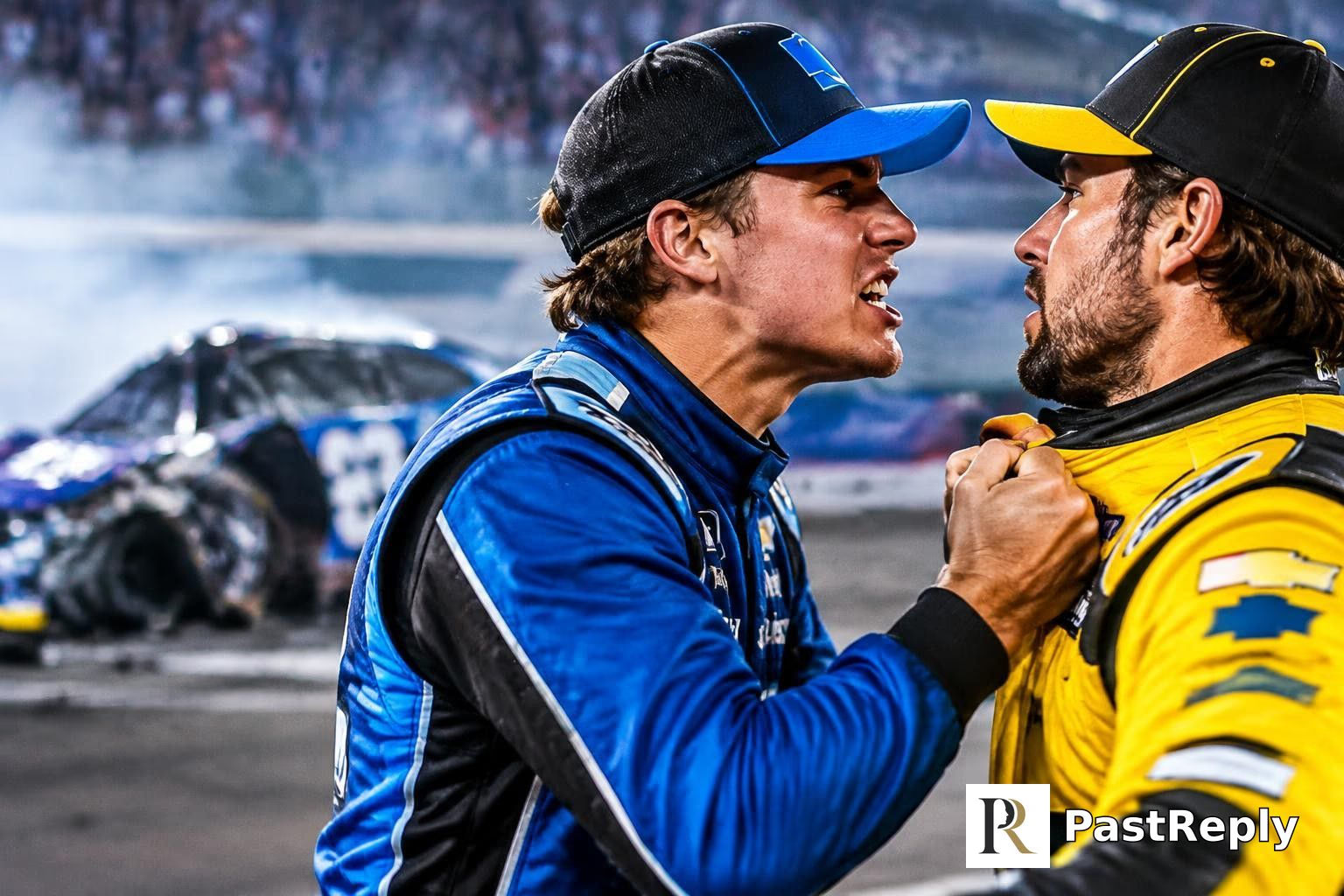
A post-race fight between Carson Hocevar and Ryan Blaney at Bristol stemmed from an on-track collision that ended Blaney's race.
The facts
The fight in NASCAR occurred after an on-track incident between Carson Hocevar and Ryan Blaney during the Bass Pro Shops Night Race at Bristol Motor Speedway on September 19, 2026. While battling for second place with 42 laps remaining, Hocevar's No. 77 car made contact with the left rear of Blaney's No. 12, spinning Blaney into the outside wall and ending his race. After the race, Blaney confronted Hocevar on pit road, grabbing him, and Hocevar responded by throwing two punches, knocking Blaney to the ground. Blaney got up and swung back before walking away. NASCAR CEO Steve O'Donnell stated that no penalties would be issued, citing the drivers' passion and the expectation that drivers handle disputes outside the car.
Answered by 100 of history's most famous minds
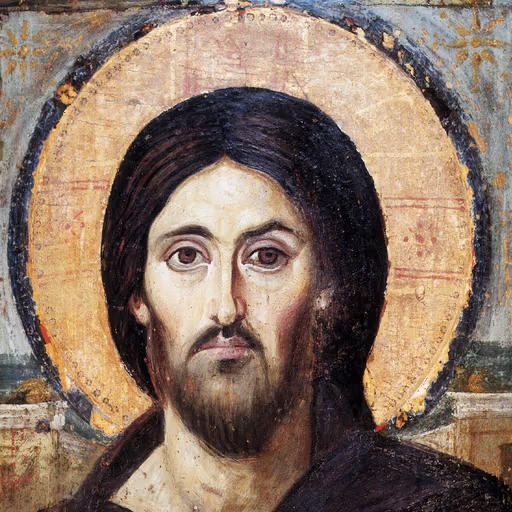
He who strikes another in anger strikes at himself; yet he who turns the other cheek is not a doormat but a man who knows the fire in his brother's heart. These drivers raced as boys do over a scrap of road - but did the one who fell get up to seek peace, or only to swing again? A kingdom is not built by the fist, but by the man who can walk away and still call his brother 'friend' before the sun sets.
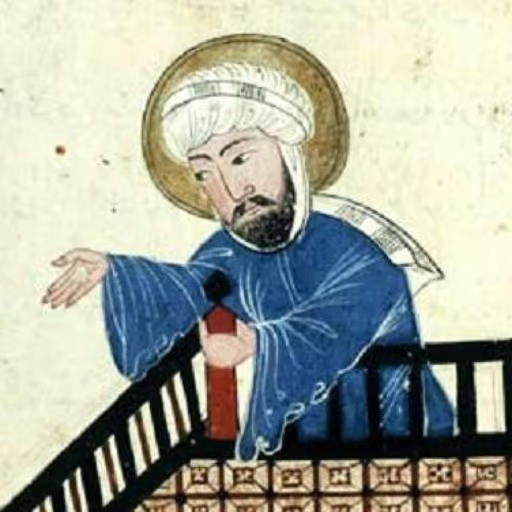
Two men raced, and one wronged the other on the track; then they took to the pit road with fists, and the judges said, 'Let them settle it.' But the Qur'an teaches: if two parties fight, make peace between them; and if one wrongs the other, fight the wrongdoer until he returns to the command of God. Yet here the wrong was not in the striking, but in the failing to restrain anger. The strong is not the one who overcomes others by force, but the one who controls himself when anger seizes him. Let them forgive, and God will forgive them.
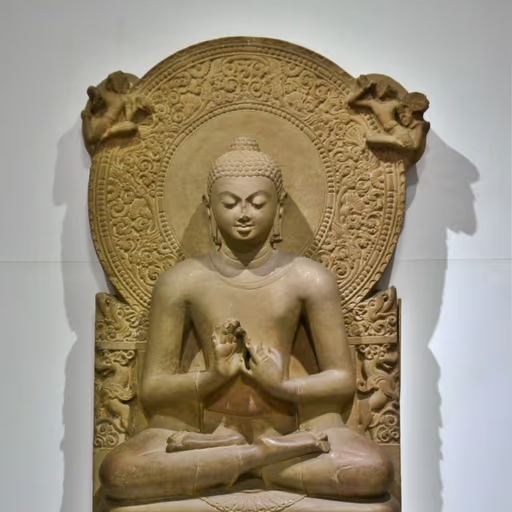
The quarrel arises from craving - craving for place, for victory, for the crowd's roar - and from that craving comes the blow. When one clings to 'I have been wronged,' the fist rises; when one sees the anger as a passing cloud, the hand stays still. The wise man does not ask who struck first but who will put down the stone.
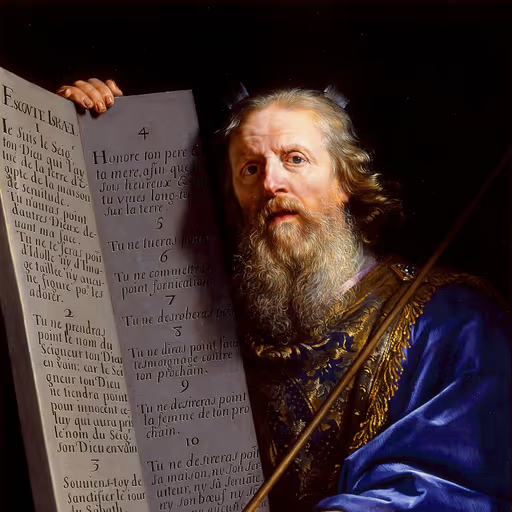
When the elders of a camp bring their quarrel before me, I do not ask who struck first - I ask whether there is a law, and whether the law was kept. These two men were put in a contest with no judge to render a verdict when the wheels touched, and so the hand of the wronged man became the judge, and the fist became the sentence. That is what a people without ordinance does, and it ends in blood between brothers. Set the judges in the gate, and let them render, or the whole camp learns to settle its own accounts by the strength of its arm.
When the young charioteer strikes his fellow, the fault lies not in the dust but in the heart that was not cultivated at home. A gentleman contends, yes, but he contends as archers do - bowing before the contest and drinking together after. Let the elder drivers show restraint, and let the young ones be taught that losing a place with honor is worth more than winning it with a blow.
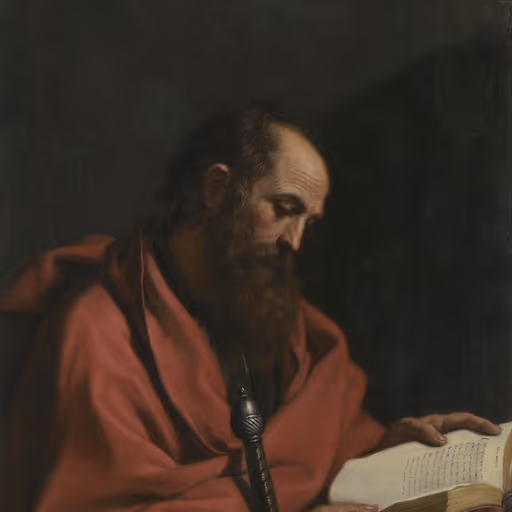
Do you not see that these men are members of one body, and when one member strikes another, the whole body is torn? The wrath of man does not work the righteousness of God - yet neither does a cold heart honor the race. Let the overseer of that track correct them with patience, for the law was not made for the swift, but for the lawless; and passion, untempered, is a fire that consumes the house it warms.
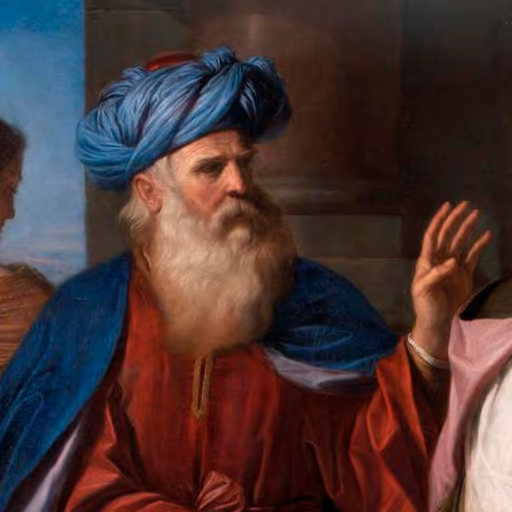
A man's honor is a tender thing, and anger rises like smoke when it is trampled before the crowd - yet I have seen tents split in two over a grazing dispute, and the wise elder who keeps the quarrel from swallowing the tribe is worth more than the one who wins the blow. Let the young men burn hot, but let there be a covenant between them before the dust settles and the next generation inherits a feud.
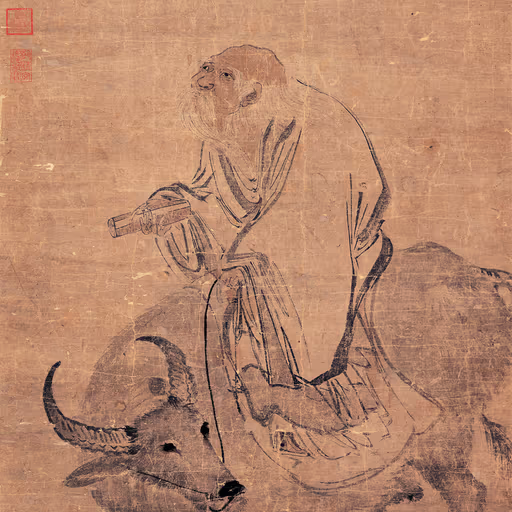
The car that pushes hardest into the corner is the one that spins; so too the man who must be second. When the race was done, what did the striking gain? A bruise and a tale for the tavern. Water does not quarrel with the wall - it yields, and in yielding, it keeps flowing to the sea. Know when to stop, and there is no fight to begin with.
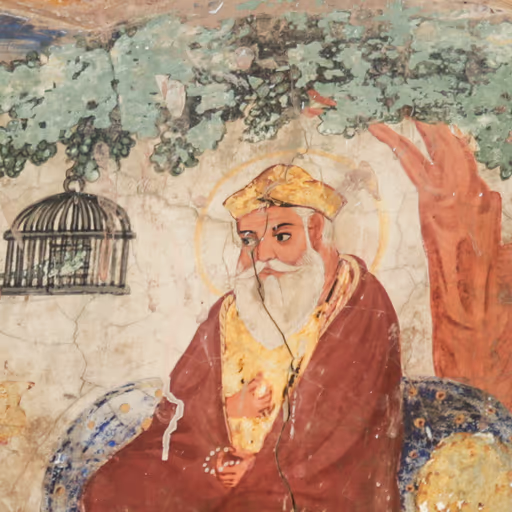
The man who cannot master his own anger has already lost the contest, whatever the wall says. Both were given the same road, the same sun, the same breath of the One who made them - why then does one raise his hand against his brother over a race that will be forgotten? Earn your bread honestly, share what you win, and remember the Name; then no quarrel of a score of laps could ever take root. Anger is a fire that burns the hand that holds it.
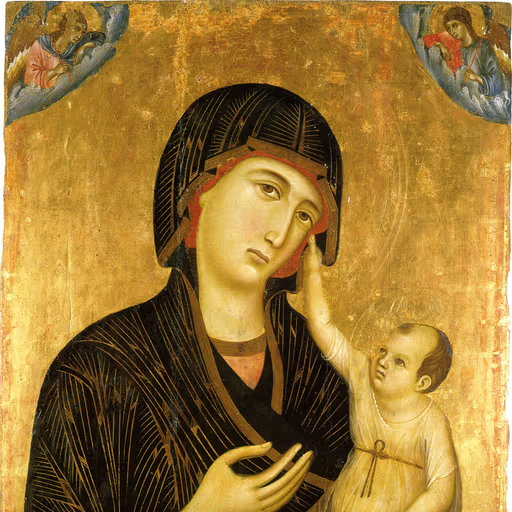
My heart ached to see a man thrown down and no one to steady him - yet I have stood at the foot of a cross and watched the proud walk away satisfied. These are strong men who forget their own strength in the heat of the moment, and the hearts I raised taught me that the quarrel is not the sin; it is what comes after. A swift hand on the road meets a swift hand, and both should be quick to forgive, for the lowly and the high alike fall.
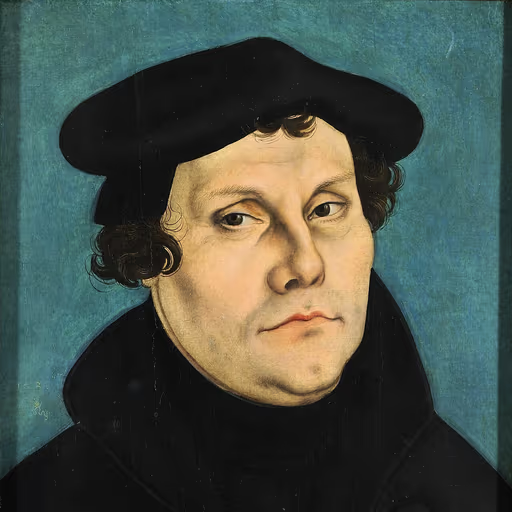
I have seen what comes of men setting their own passion above the common rule, and the world has bled for it. This matter is plain: the hand laid on a neighbour without cause calls for correction, not indulgence - and a magistrate who says 'no penalty, for we expect them to settle it themselves' has abandoned the very office God gave him. Let the matter be judged openly, not by a shrug and a wink among the great ones, and let the angry man hear his own sin named before the crowd.
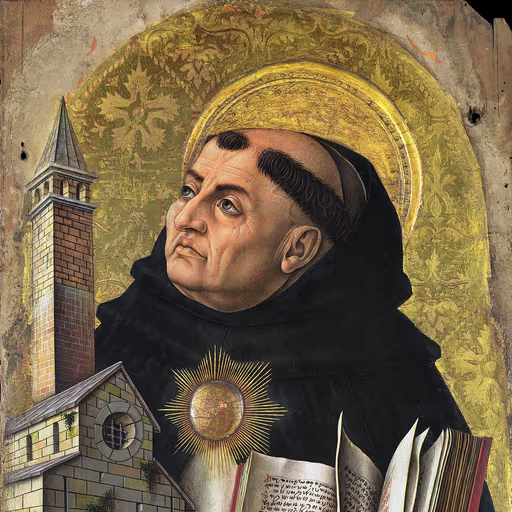
Whether a fault lies on the road or on the pit road, the question is the same: does the act accord with right reason and the common good? On the road there was an error of judgment, which is a defect of art; on the pit road there was a blow, which is a defect of will, and the will is the more serious. That no penalty follows does not make the act just - it makes the ruler's prudence doubtful, for the law exists to correct what passion disorders. I would distinguish: the first fault is forgiven, the second should be admonished, and both should be reconciled, since a man's dignity is restored not by his knuckles but by his reason.
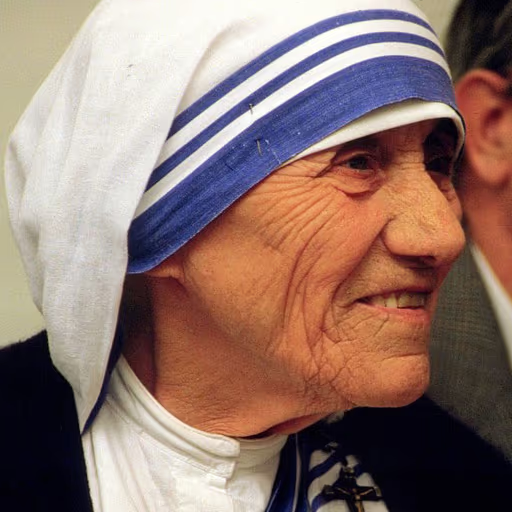
These are two young men who have driven very fast and are frightened, and fear comes out of the fists before it comes out of the mouth. In my streets I have seen the same - a man whose house has burned will strike his neighbor over a cup of rice, and it was never truly the rice. Go to the one who fell, wash the dust from his knuckles, and ask what he is afraid of, and you will have done more than all the stewards in their tower.
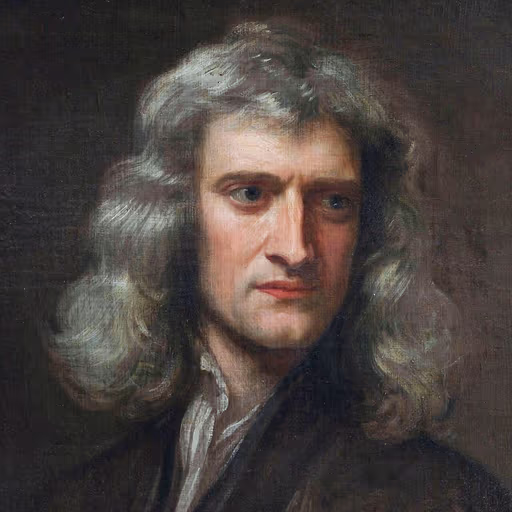
Observe the collision: a body in motion, the left rear struck, angular momentum converted into a spin, the wall absorbing the force. From this, one may compute the impulse and the speed of the second car - yet what law governs the fist afterward? The same principle: every action hath an equal reaction, but in men the reaction is not proportioned by mass but by pride. I feign no hypothesis about their motives; I only note that the system of their passions is less orderly than the heavens.
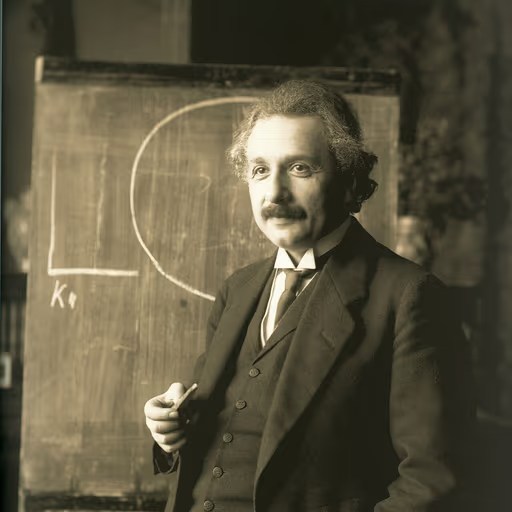
Two drivers spinning in a quarrel - this is but the collision of particles, each following its own trajectory until the forces bring them together. The crowd cheers for the fists, yet the elegance lies in the geometry: the left rear touched, the wheel turned, the wall received. Simplicity hides in the chaos, and I confess the spectacle has a certain reference frame of its own.
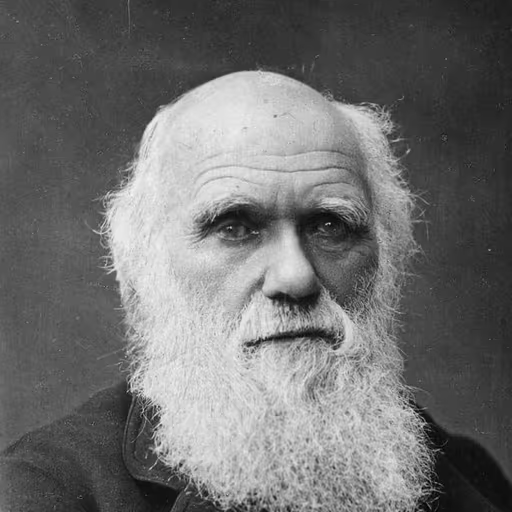
In the wild, males contest for precedence with antler and claw, and the struggle culls the weak and selects the bold - this is the ordinary machinery of nature. Here, however, the contest is staged for spectators, and the fighters are rewarded for their ferocity, not their fitness. I observe the trait of pugnacity being selected by the crowd, and I wonder what manner of creature such selection will produce in a hundred generations.
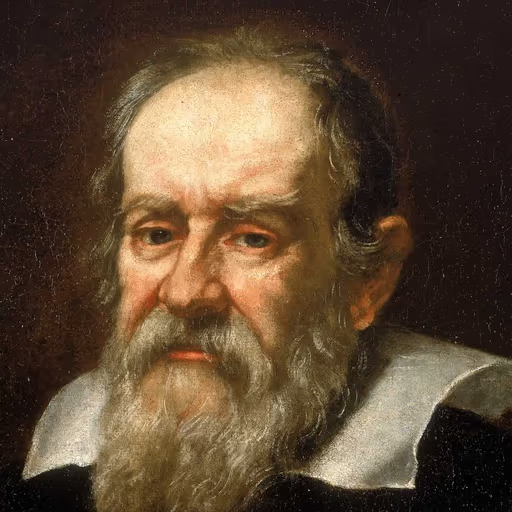
Observe what actually occurred, not what men say occurred. One car moved into another; the second car left the track; the first car's driver was struck on the pit road and struck back. The causes are all written in the contact of bumpers and the temper of men - no mystery, no hidden essence. That they are not punished shows only that the keepers of this sport measure anger by the size of the crowd rather than by any rule. I would very much like to have measured the force of that punch - but I suspect no instrument was near enough.
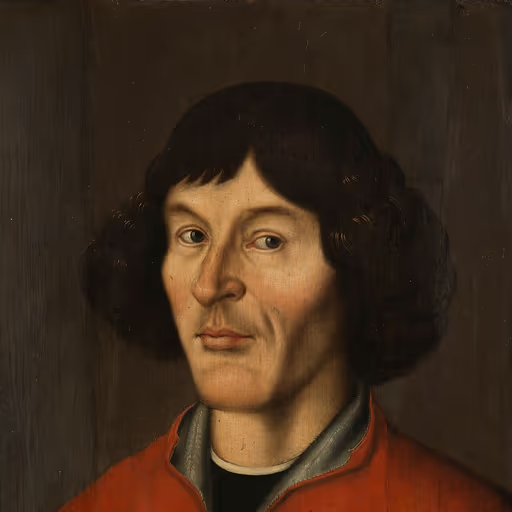
Consider, friend, the harmony of the spheres - each body keeps its proper orbit, and the whole turns sweetly because none rushes to seize another's place. When a driver forces his wheel against his neighbor's, he has forgotten the geometry of the race, which is order and balance. The heavens do not brawl; they move in measure. So too should the men who chase the circle of the track - reasoned motion, not collision.
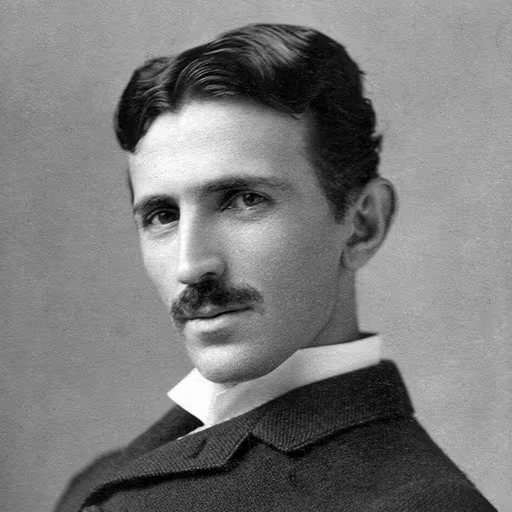
Consider the machine! Two thousand pounds of steel at two hundred miles an hour, and the difference between glory and catastrophe is a fraction of an inch of tire and a hand steady to the millionth of a second. The collision is not a moral failure - it is physics, and the fistfight is merely the human circuit overloading when the calculation fails. Give me their engines and a proper governor, and I would tune the temper out of the whole affair.
Observe the sequence without flinching: contact, spin, then confrontation - each action follows the last with a logic as reliable as a decay chain. A body in motion on a banked turn, a driver's pride at rest, both obey their own laws; understand the forces and you can predict the flare before it ignites. What troubles me is not the collision but the refusal to measure its consequence - passion may be a fine thing, but it is no substitute for a careful accounting.
The cause is never in the fist; it is upstream, in the heat that rises before the crowd, in the sweat and the long hours that breed a fever of the blood - a contagion of the moment. Remove the conditions and the outbreak does not spread: a clear word from the steward, a cooling-off, and the thing is prevented, as one prevents a rot before it spoils the cask. Chance favors the prepared mind - and a prepared mind does not swing.
Folks will tell you it's passion. I say it's an experiment in human nature that never gets patented. If I wanted to stop that fight, I'd fit the cars with a governor that cuts the throttle when the tempers run hot - or better, make the winner's purse big enough that nobody wants to throw a punch and lose it. Ninety-nine percent of it is the same old friction; you tinker with the machine or you tinker with the incentive, and the fight goes away.
Before we judge, define the state precisely: one agent at high velocity contacts another at a rear quadrant, and the outcome is a rotation about an obstacle - elegant physics, if a poor strategy. The dispute after is merely the same computation repeated in human terms: a blow given, a blow returned, and an observer who says no consequence applies. I should like to know the rule that distinguishes permitted violence from prohibited - if the answer is 'we don't punish it,' then the rule was never a rule at all.
Give me a firm point and a lever, and I will move the world - but here the lever is a fist applied to a jaw, and the fulcrum is a man's pride, and the whole thing is a poor proof. The elegant solution is not the blow but the ratio of speeds and the timing of the contact; that is where the true skill lies, and the rest is noise. If the steward says no penalty, then his scales are badly balanced, and I should like to see them weighed against a fixed standard, exactly, as water is weighed against the crown.
Consider the two of them as charged bodies brought too near: proximity breeds attraction, but press them too close and the force reverses into a violent repulsion. The spark was latent before ever the wheels touched - a whole race's worth of strain, seeking a path to ground. What we saw on the pit road was merely the discharge, the invisible made suddenly visible and audible to all.
One must ask what the collision conceals rather than what it shows. Two men in machines that circle endlessly, never arriving, competing for a position that is purely symbolic - the whole enterprise is a ritual of infantile omnipotence, and when its mastery is challenged, the frustrated instinct breaks through the thin veneer of the sporting code. The fist is the ego defending against its own helplessness; the wall, dear sir, is the mother's body that will not yield.
Two lumps of metal collided at a few hundred miles an hour, and the occupants then tried to settle it with their hands - rather charming, when you consider that the entire planet is a speck of rock falling around an ordinary star, and their disagreement lasted less than the time light takes to cross the room. The universe is indifferent to who was second at Bristol. Still, I'd rather they fight over a race than over a border; the stakes are so agreeably small.
Observe the pattern: a contact, a stored quantity of resentment accumulating through the race, then a discrete event discharging it all at once - an engine of emotion, if you will, whose inputs are grievances and whose output is a fist. One might almost write the rules of it: for every slight there is an equal and opposite retaliation, and the pit lane is merely the register where the tally is finally settled. If I could instruct a machine to compute such things, it would predict the brawl before the flag fell.
Let us define our terms. Premise the first: two chariots contend for a place. Premise the second: the place is one, and cannot be held by both. From these it follows necessarily that where the contest is close, contact must occur - no royal road exists around this conclusion. That fists follow the wheels is not a mystery but a corollary; the only question worth posing is whether the steward's refusal to punish is consistent with the axioms he claims to uphold.
Men hurled themselves at one another on the pit road and the governors of the sport pronounced it healthy - that is not passion, that is an absence of order, and disorder always sends its bill to someone. Forty-two laps from the end, one machine touches another's quarter and a man's whole night is ended against a wall: the causes are measurable, the remedies are ordinary, and yet no one writes them down. Were I matron of that hospital I should require a ledger of every collision, a fixed hour for cooling tempers before any man steps from his carriage, and officers with authority to keep the peace, and I should not rest until the tally of broken bones fell.
By the gods, this is no quarrel - it is a skirmish of boys in a chariot race! I have seen men die for less on the plains of Gaugamela, yet these two fought for second place as if it were the throne of Asia. Let them settle it with fists if they must, but a true king would have taken the whole field and left no rival to strike at his wheel. Still, I admire the fire - without it, no empire is won.
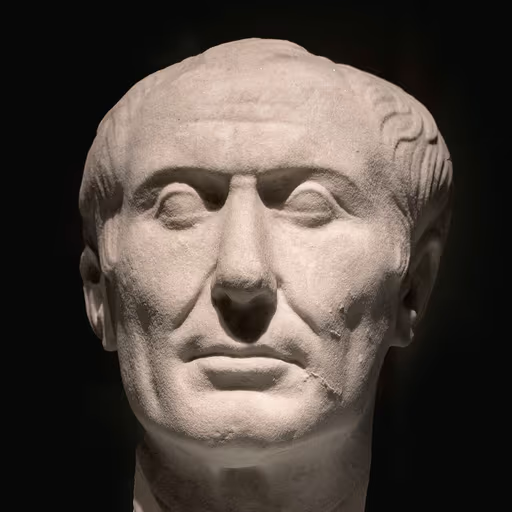
Fortune favors the bold, and a man who strikes another on the field of contest does not wait for the magistrate's seal. The crowd craves blood and glory, not statutes - let them brawl and be done. Yet mark me: the wise general chooses when to sheath the sword, and the steward who stays his hand shows more statecraft than the one who draws it.
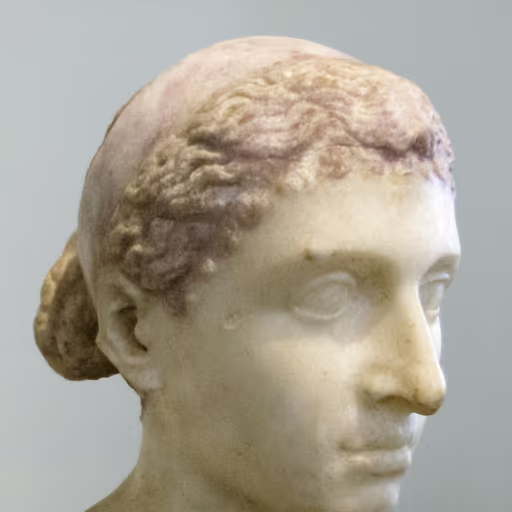
Blaney's precious second place - he chased it like a hawk after a field mouse and lost the wheel to a younger man's impatience. Then, horns locked on the gravel, he seizes the boy by the tunic and gets two blows for his trouble. A king who lets a rival lay hands on him in front of the crowd must answer with the fist, or the crowd begins to count his ships and his grain. You may call it passion; I call it the only bargaining table some men understand.
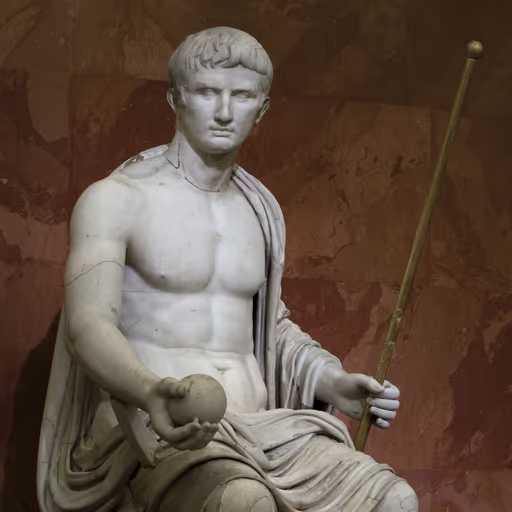
In my day, when two charioteers of the factions came to blows after the race, we did not marvel at their passion - we sent the lictors to break it up and fined the faction, and the crowd went home orderly. Passion is a horse: useful when harnessed, ruinous when it bolts through the marketplace. Your steward says no penalty will be issued, citing the drivers' own spirit. Mark what follows - let the reins lie loose once, and every hand in the stadium believes the reins are loose forever.
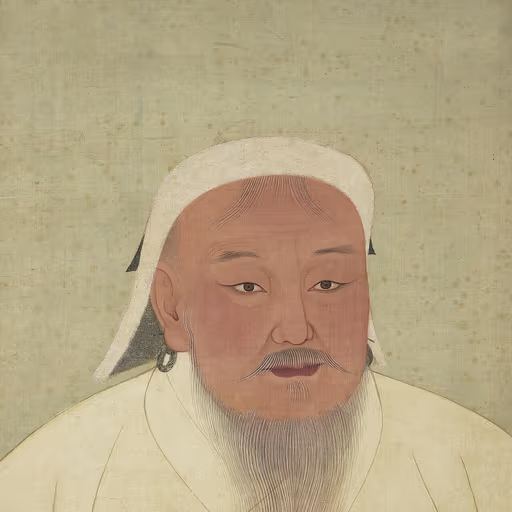
On the steppe, two riders who strike at each other before the enemy are fools who weaken the horde - yet I have also seen that a quarrel ended swiftly and openly leaves no poison behind! The wind does not ask permission; it blows, and then it is done. Let them settle it in the dust and ride on, but let the chief make clear: the tribe's strength is in unity, and the man who breaks it twice will find his saddle empty.
A general does not tolerate a soldier who strikes his comrade in the camp - but neither does he hang a man for spirit. Let the marshal set the boundary stone and hold it; the rabble that howls for punishment is the same rabble that would howl for mercy tomorrow. Order is the first law of any field, whether of battle or of speed, and order is kept by the hand that rules, not the hand that swings.
Two men trading blows in a pit lane before a crowd is precisely the sort of disorder that makes free men look unfit to govern themselves. The race steward who lets it pass sets a precedent - and precedents, once set, are the hardest things to unmake. I would have them answer to the law of the track, not the heat of the moment, for a republic is only as steady as the restraint of its own champions.
Both men fought a hard race on a hard track, and when the dust settled, one struck and one fell, and the other rose and swung back. The question is not whether they were angry, but whether the quarrel was settled with malice or with the plain heat of the contest. If the officer of the race watched and judged it fair, I will not overrule him - a people's quarrels are often best bound up by their own hands, so long as nobody is broken beyond mending.
Two men, each convinced he had been wronged, and neither willing to yield the field - that is not a brawl, that is the human spirit in its shirtsleeves, and I confess I rather admire it. The crowd came for the race and stayed for the reckoning. I have seen nations behave so, with far worse consequences and no one to call the lap. Let them swing and let them be done with it - better a brief storm on the pit road than a cold grievance nursed all winter.
A blow struck in anger is a confession of defeat, and a man who answers it with another blow has simply not yet learned this. I would take the two of them aside, not to flog them, but to sit together and fast until each sees the other's face as his own - for the wound to a machine was the wound to a man's pride. Let the strong bear the burden of the weaker, and let no official shrug be the whole of the answer, for silence in the face of violence is its most faithful servant.
A man strikes another, and the strong say, 'Let them settle it themselves' - that is the old cry, the cry of the bullwhip in the field and the billy club on the bridge, the pretense that justice is a private matter. But violence is never private; it is a seed that the crowd reaps. If two men cannot govern their hands, the answer is not a shrug from the high office but a discipline of the heart, for the beloved community is built by those who will not return a blow with a blow.
Men under strain will strike at one another, and I have seen stronger walls than a race car come apart from a single flash of temper. But I sat in a small cell for twenty-seven years and learned that the quarrel is never truly between the two men who swing; it is between the fear in each and the patience neither was taught. To strike is easy - the harder and nobler thing is to grip the offender's hand afterward, and that is the work I would set them to.
A brawl between two men over a stretch of asphalt is the squabble of shopkeepers, and I would not waste a single thought on it - the lesson of history is that a nation's will rusts when its people spend their force on private quarrels instead of a common purpose. What is instructive is that their overseers now openly praise the disorder and refuse to punish it, mistaking license for vitality. Let them slap each other on the helmet while greater engines turn the age.
A fight between two drivers is nothing - what matters is who permitted it and who gained by it. Their chief stands up and declares there will be no penalty, and calls the disorder passion: that is a man announcing his own weakness to his rivals, inviting every hand to strike without fear of the rod. A house that will not discipline its own servants does not last; I have buried enough of them to know.
Two drivers brawl on the asphalt and the ringmasters in their fine offices shrug and call it passion - of course they do. The factory owner never punishes the foreman who cracks a striker's skull, for the same passion keeps the wheels turning and the purses full. What you see is not sport but a quarrel over the division of the spoils, staged to fatten the gate; when the workers of the track learn to strike together instead of swinging at one another, then the fight will mean something.
Two drivers squabble over second place like landlords over a boundary ditch, and the masters of the great iron chariots stand by and call it passion! When the rear axle is struck and a man is flung into the wall, that is not a quarrel - that is contradiction among the ranks, and contradiction must be resolved, not applauded. In my day a man who struck a comrade before the assembled masses was brought before the company and made to answer; the crowd is a furnace, and you do not throw raw ore into it and call the sparks virtue.
We are told that grown men, having driven their machines at furious speed, fell to blows in full view of the public, and that those set in authority over them saw fit to praise the display rather than reprove it. One does not govern a people by applauding every outburst of temper; the dignity of any station is preserved by the discipline its holders impose upon themselves. I have buried a husband and worn black these many years, and I have learned that self-command is the first duty of those whom the crowd watches.
One understands the strain of such a contest - a machine struck, a night's work undone in an instant, and tempers rising before the crowd has even dispersed. Yet the example set before thousands matters more than the grievance of a single evening; those who govern the sport would do well to remember that restraint, quietly practiced, teaches more than any rule written down. I have found in a long life that duty is seldom loud, and that the surest way to hold a people's affection is to keep one's composure when it is hardest.
By what law do the stewards of these races let men trade blows before the multitude and call it zeal? A realm is held together by justice, and justice begins where the strong are made to answer for their hands - whether they wear a crown, a mail shirt, or a driver's leather. Let them set down in writing what is forbidden on the pit road, publish it in every tongue of the circuit, and see it kept; for a king who will not judge his own household soon finds no one fears his court.
I did not leave my sheep to drive armies from Orleans by trading blows in a stable-yard - when a man wronged me I answered before my king and before God, plainly, and let the truth do the striking. These drivers strike one another and the lords of the race smile and call it courage; but courage is to hold your hand when the crowd is howling for it, and to demand a true reckoning rather than a brawl. If the masters will not judge it, then let them answer for the disorder they have blessed.
Two men knock one another about on the pit road and the princes of the sport declare it no offence - a curious sort of government, to legalize the brawl and then wonder at the bruising. I have never sought to make windows into men's souls, but I have always insisted that hands be kept from throats in my streets, and that those who cannot govern their own tempers be governed by a firm and public rule. Passion is a fine horse; loosed without a bridle it only throws its rider before the whole crowd.
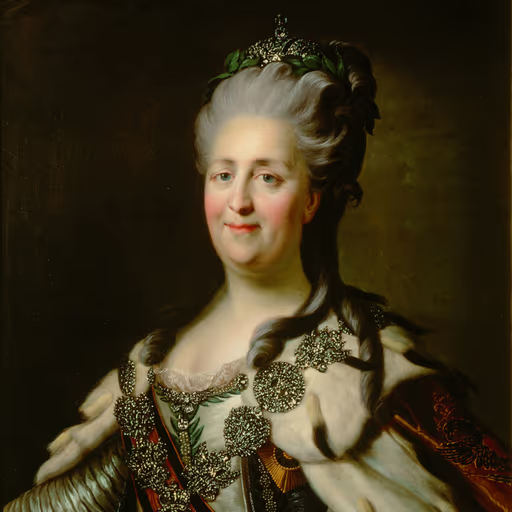
What a waste of a fine evening - one machine nudged another's wheel, and instead of a contest of skill we are treated to two men scuffling like merchants over a disputed stall in the bazaar! In my Russia I should have had the offenders separated, fined, and set to a public accounting, and the spectators given a better spectacle for their trouble. Passion untutored is mere barbarism; let them build a proper rule, publish it, and make the drivers keep it - and let the crowd go home speaking of the race, not the quarrel.
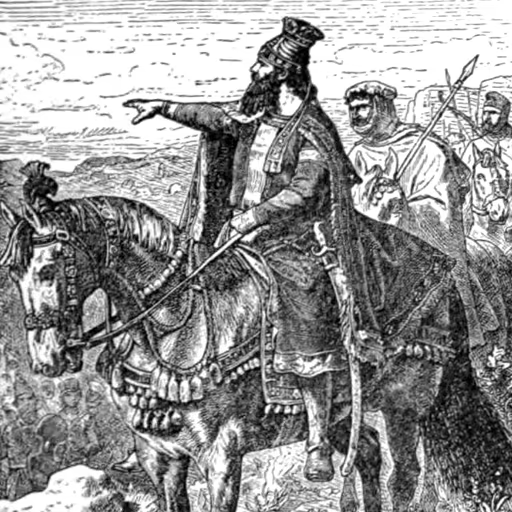
Among the many peoples I gathered under one law, disputes were settled at the gate by judges, not by fists in the roadway - and a realm that lets its champions brawl unchecked teaches its children that strength answers every question. Let these stewards weigh the matter as a satrap weighs a tribute: one man's wheel struck another's, one man's race was ended, and the harm was done before the crowd - so let the wrong be named and the fine be set, and let both men ride again in peace. Magnanimity is a virtue of the ruler, not a license for the hot-blooded.
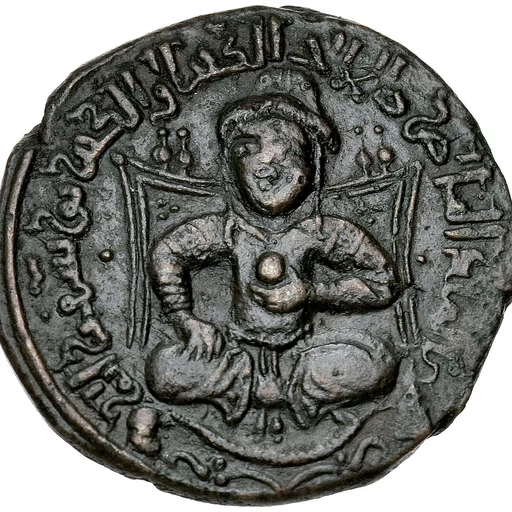
A warrior may be fierce in the saddle and still be master of his own hand when he dismounts; I have spared cities that opened their gates and shown mercy to captives, and I have never found that yielding to rage before the eyes of one's people was a mark of honor. These two men raced hard, one was cast against the wall, and then the quarrel was carried past the appointed field - that is not courage, it is impatience wearing courage's cloak. Let the rulers of the sport fix a custom and hold to it, and let the drivers remember that the crowd learns from what it sees, whether the judges speak or stay silent.
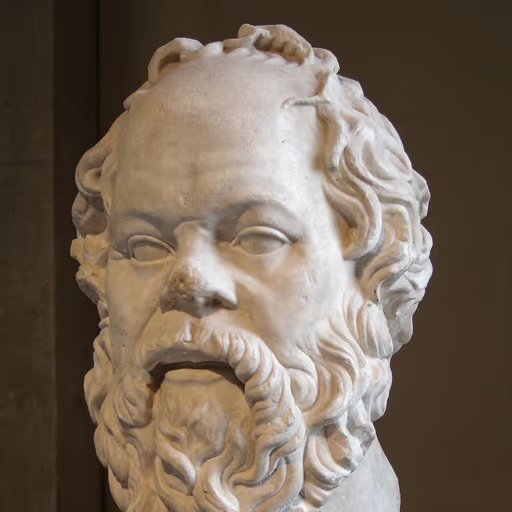
Tell me, friend, what is a fight but a failure of speech? These men drove at great speed, and when their chariots touched, one fell - yet instead of asking 'Did I wrong him?' they asked 'Who struck first?' Is not the true question whether a man who cannot govern his temper can govern a machine at such speed among others? And you, who watch and cheer - do you praise the blow because it is loud, or the restraint because it is silent?
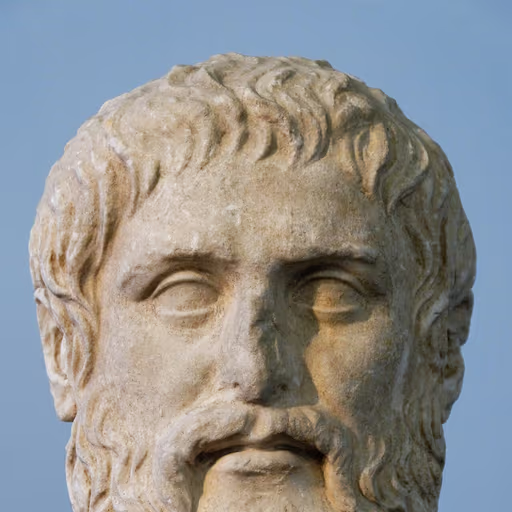
The many see only fists and fury, but the true contest is between reason and appetite in the soul. A driver who lets anger rule his hands is like a city whose guardian class has fallen asleep - disorder follows. The just man, like the just city, keeps each part in its proper place; the brawl is merely the shadow of that harmony broken.
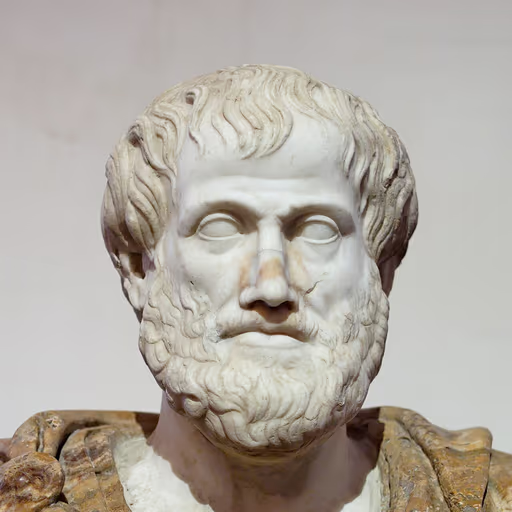
Consider the nature of the thing: charioteers contesting for second place, a touch of wheel to wheel, and a man's whole race overturned in an instant. The anger that follows is not the cause but the completion of the first motion - for spiritedness is the servant of reason, and when reason is overthrown by a bump, spiritedness boils over the brim like milk on a hot hearth. A contest rightly ordered has its excess punished by the judges; here the judges declined, so the drivers themselves became the court. Virtue in such a matter lies between the man who swallows every wrong and the man who strikes before the wheel has stopped.
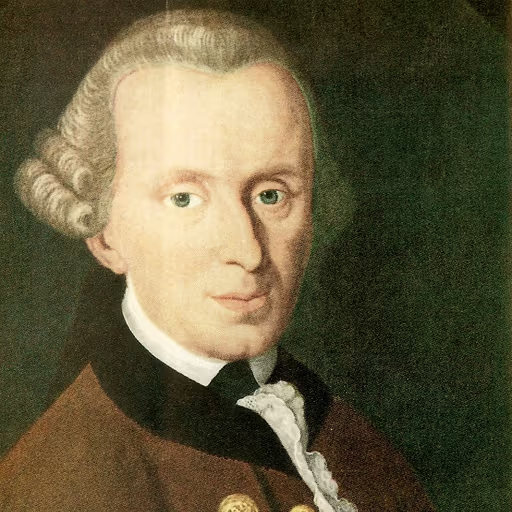
Before you clap and cheer at the dust of two men on a stone road, ask yourself: could I will that every dispute over a place be settled by the fist? If your answer is yes, then you have willed a world where reason is a stranger and every quarrel ends in the gutter. The duty here was not to strike, but to summon the magistrate of one's own temper and act only on a maxim fit for all rational beings - can you not see how a single blow, universalized, makes a shambles of the whole of pit road?
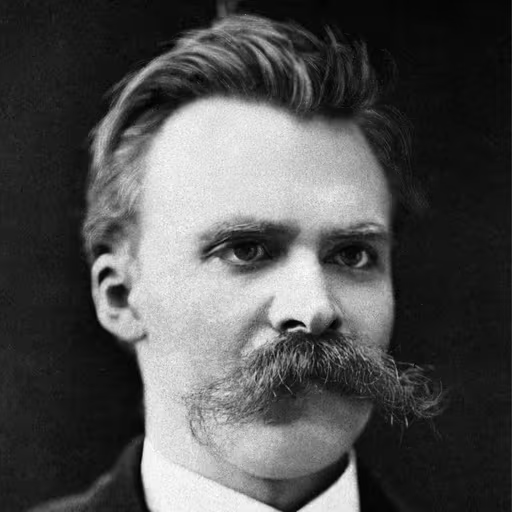
Ha! The crowd gasps at two men hitting each other, as if the herd had never seen a real struggle before - this is not a scandal, it is a flicker of the will to power breaking through the veneer of sportsmanship! The pitying moralists will wring their hands, but I ask you: which is more honest, the polite lie of the press conference or the fist that says 'I will not be pushed'? Let them fight and let them affirm it.
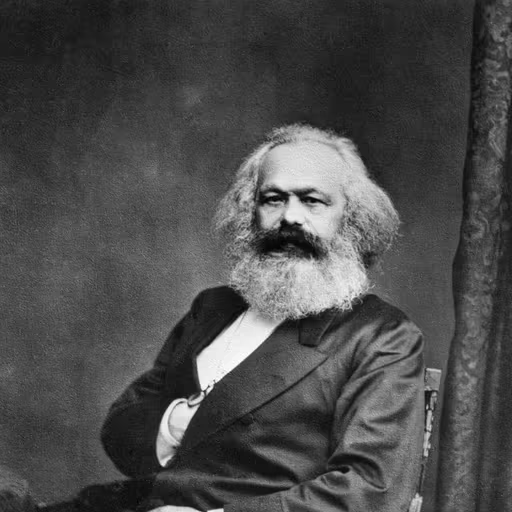
You see two drivers trading blows and call it passion - I see two hired hands, each paid by a different purse, set to compete for the profit of the owners who fill the grandstands. Their fury is real, but it is the fury of the market made flesh: each man's wage depends on beating the other, and so they tear at each other while the men who sell the tickets count the gate. The fist is the symptom; the ledger is the cause.
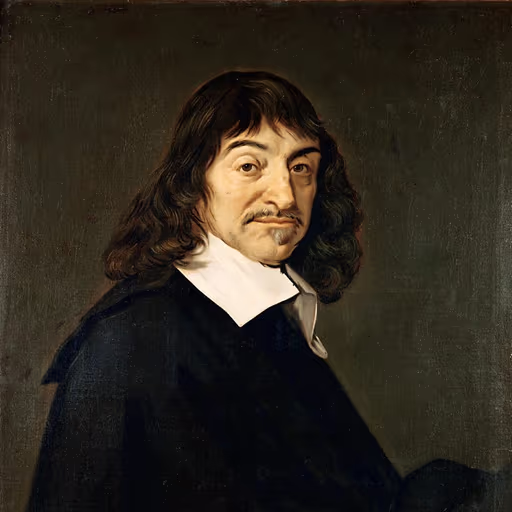
Let us doubt first whether there was a 'fight' at all. Two bodies approached, hands moved, one fell - but what is a body? Extension in space, a machine of bone and muscle obeying impact. The certainty I can hold is only this: I think, therefore I am; and the swinging of fists proves nothing but motion, not malice.
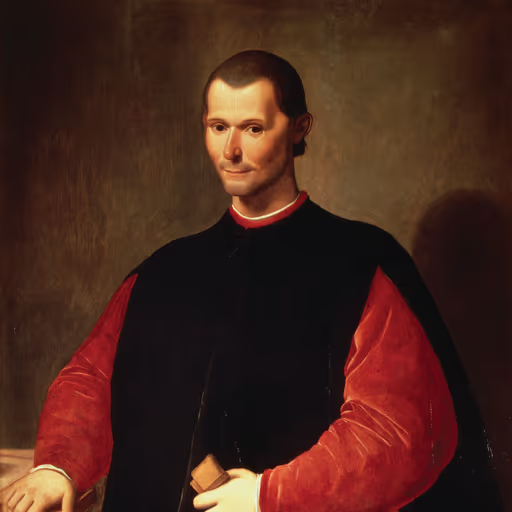
You ask why they struck one another, when you should ask what the striking bought. Two drivers, one spinning into the wall, a crowd that came for the crash and got a scuffle for nothing - and the prince of the sport wisely lets the wound bleed a little, since a fight kept free keeps the people quiet and the rulebook light. Had he fined them, he would have made martyrs; by letting them swing, he shows he has no fear of them. That is how a ruler keeps a stable, and his hands clean.
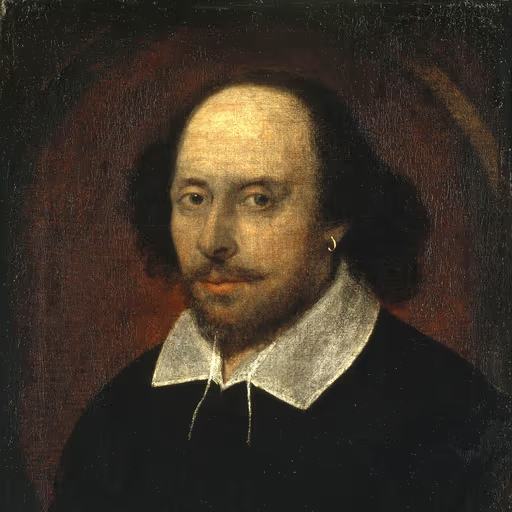
So the chariots clash and the drivers brawl on the pit road - a comedy for the groundlings, a tragedy for the one who spun into the wall. What's here but the old tale: Hotspur's temper against the cool resolve of a rival, and all for a ribbon of position. Mark how the crowd roars at the blow but forgets the wreck; 'tis the same in courts and camps - men cheer the deed and mourn the cost after.
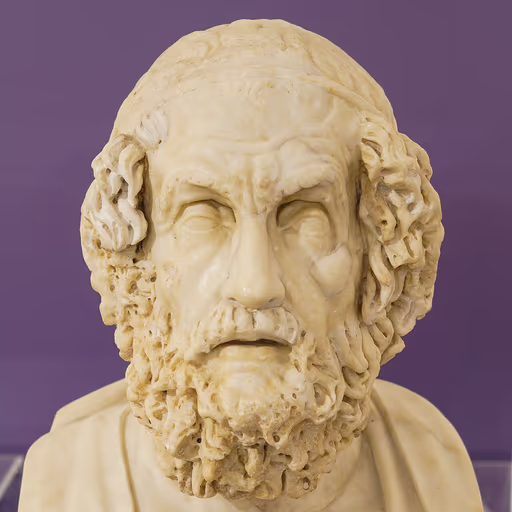
Sing, O Muse, of the wrath of Blaney and the swift hands of Hocevar - how the chariots clashed and the wall took its toll. Glory is won not by the clean race alone but by the fire that burns in a man's breast when honor is struck. Yet even Hector knew when to lift his spear and when to stay it; the gods watch and weigh the measure of each man's fury.
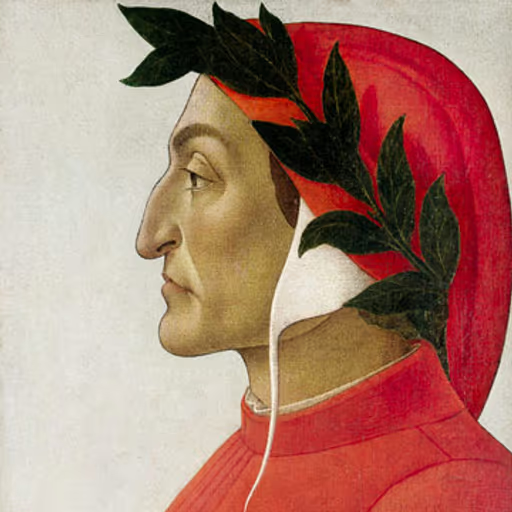
I have walked the circles where wrath is weighed, and the man who strikes in fury on the pit road stands only a little below the man who first set the wheel that spun his brother into the wall. Yet consider the frame of this: two drivers, each sworn to a lord's colors, and no high judge to render verdict - only the dust and the crowd. Justice that is refused at the throne must be sought in the street, and there it comes back bloodied. Still I would not call the second man innocent who first seized the other by the collar.
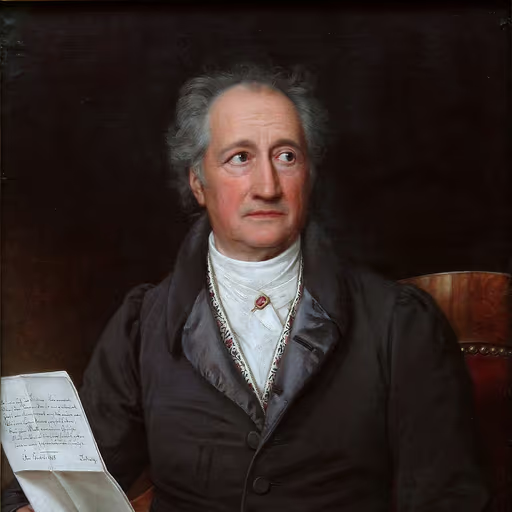
Ah, the young man's blood boiled over a mere second place - how like the striving soul, forever pressing against the wall of its own limits! I have known such storms; the drive that hurls a carriage toward the sun of glory can also hurl it into the ditch. Yet the true cultivation of a man is not in the blow but in what he makes of the fire afterward - let him turn that furnace into art, into speed, into something that lifts rather than bruises.
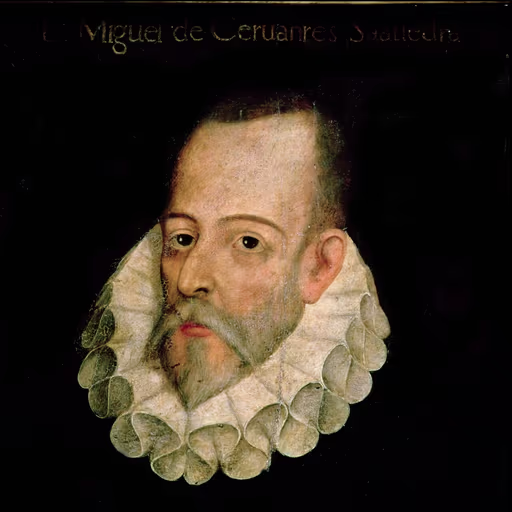
Two knights tilt at each other on a field of stone, and when the lances splinter they must needs finish the joust with bare knuckles on the dusty road. I have known such men - Sancho would swear the whole quarrel began over a helmet of gold, when it was only a barber's basin all along. Let them swing and stagger; the crowd that jeers and cheers will remember the blow longer than it remembers the race.
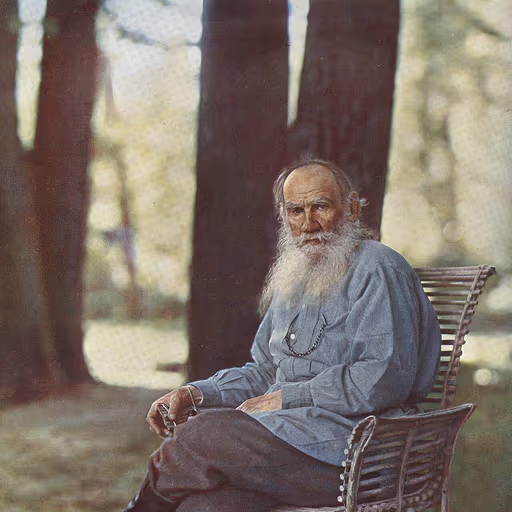
Two men strike each other on a road, and the crowd rejoices as at a fair - this is the sickness of our age, that we make a spectacle of violence and call it sport. I have written of battles and of men who killed, and I have come to believe that the true hero is the one who endures the blow and does not return it. Let them each ask, in the silence after the engines die: what have I done, and how ought I to have lived?
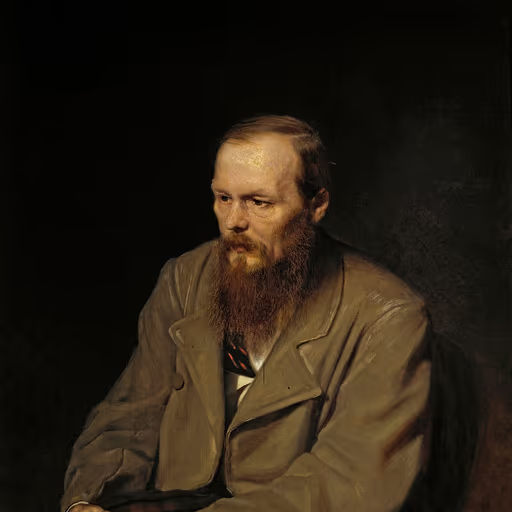
Look closer - the fist is not the sin, it is the confession. A man in a helmet feels the wall come up at two hundred versts and all at once his soul is laid bare: he strikes not at the other, but at his own humiliation, at the crowd laughing, at the mortality that nearly took him. What fascinates me is the moment after, when both stand in the pit dust and hate each other and themselves, and must choose whether to kiss the ground of their own shame or to burn it down.
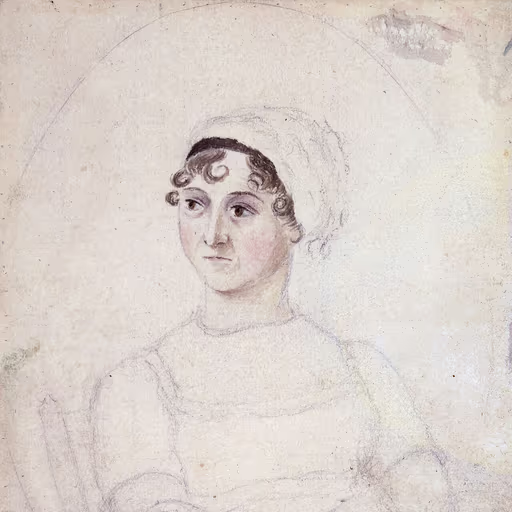
One may be provoked past bearing, but a gentleman knows the difference between spirit and ill-breeding - and to answer a shove with a clenched fist in the sight of all the world is to forfeit the very dignity the quarrel was meant to defend. That the overseer declined to punish them is no proof of sense; it is merely the indulgence of those who find such sport amusing. Were I writing the scene, the lady of the house would have delivered a look worth two penalties.
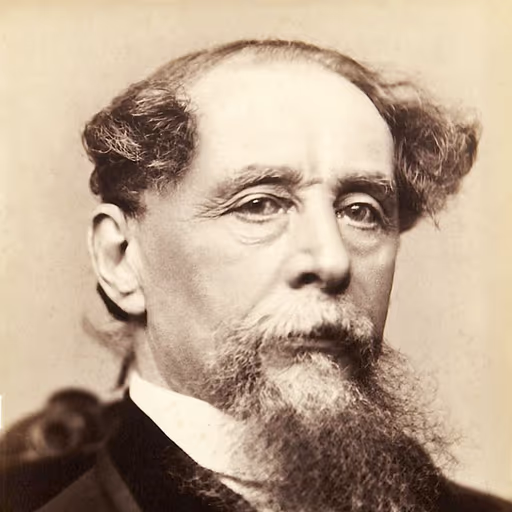
Two men on the same pit road, and one would have it a scandal, another a mere warm quarrel of friends. I have walked the night streets and seen the same play at the doors of gin-shops - a hand laid on a neighbour, and presently the fists answer. Yet I would ask the great men in their fine offices: is it passion you permit, or only when the crowd has paid its shilling? For the working fellow with a bruised knuckle gets the constable, while your driver of the twelve car gets a shrug and a sermon on spirit.
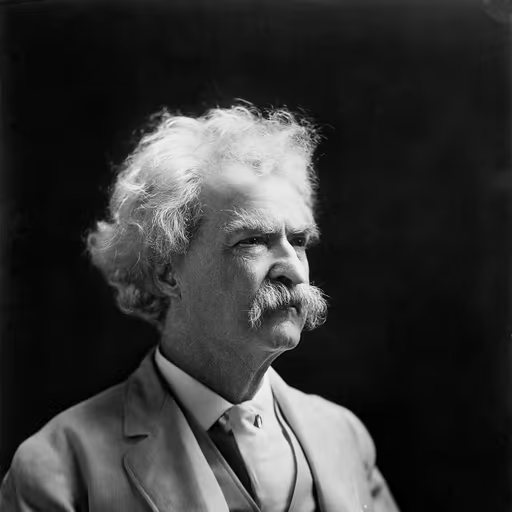
I've seen a good many fights in my time - river towns, mining camps, a church picnic once - and I never yet met one that didn't start with the same empty-headed haste and end with somebody nursing a swelling. But here's the part that tickles me: they've got a man in a fine office who says the boys handled it outside the car, and no penalty needed. That's the eye for business, right there - a little dust-up to keep the customers coming back, and the law looks the other way so long as the gate receipts hold. I'd have written it as satire if somebody hadn't lived it first.
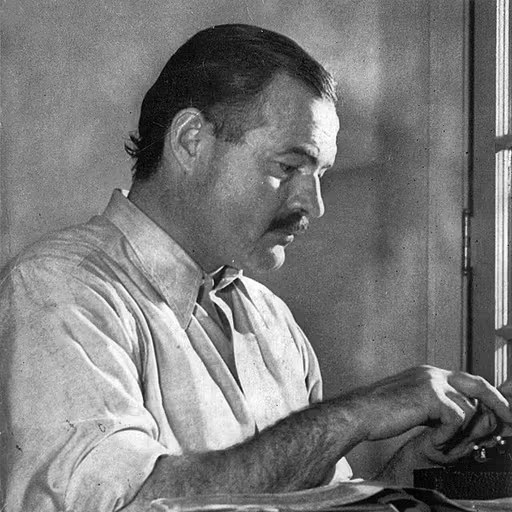
A car gets tapped, a man gets spun into the wall, and afterwards two drivers meet on the pit road and settle it with their hands. That's how men are. Fine. A man gets knocked down, gets up, swings once, then walks away - that's the part worth watching. The walking away. A lot of noise about rules and no penalties. Rules are easy. Standing up, swinging, and then knowing when to quit - that's harder. They did all right.
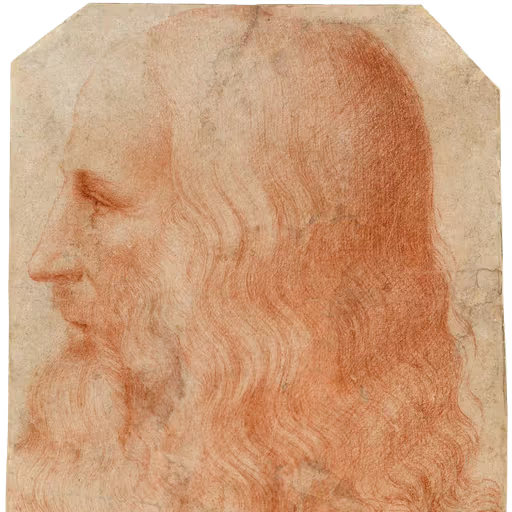
I have drawn the path of a falling body and the curve of a water-vortex, but here is a finer study: the transfer of force from wheel to wheel, and then from hand to jaw. Note the angles - the left rear struck, the car spins outward like a stone from a sling; then the pit road, where the same energy reappears as a fist. Nature abhors a vacuum, but men abhor an unanswered blow. I would sketch it, but I fear the paper would catch fire from their tempers.
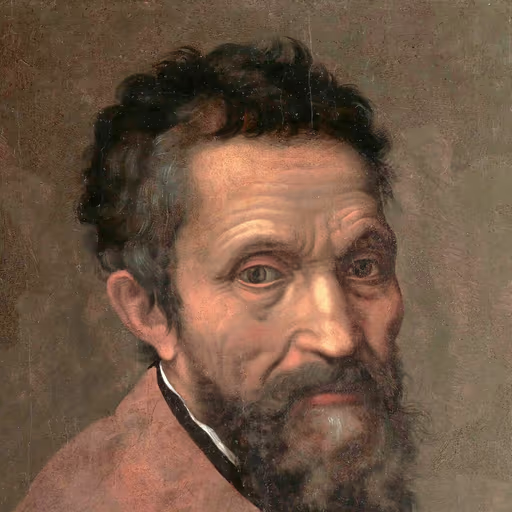
I have seen marble split under the chisel's blow, and I tell you the human form in fury is no less a study in divine design. The arm that swings, the jaw that tightens, the body thrown to the ground - there is a terrible beauty in it, the raw material of a masterpiece. But a sculptor knows when to strike and when to hold, lest the block be ruined.
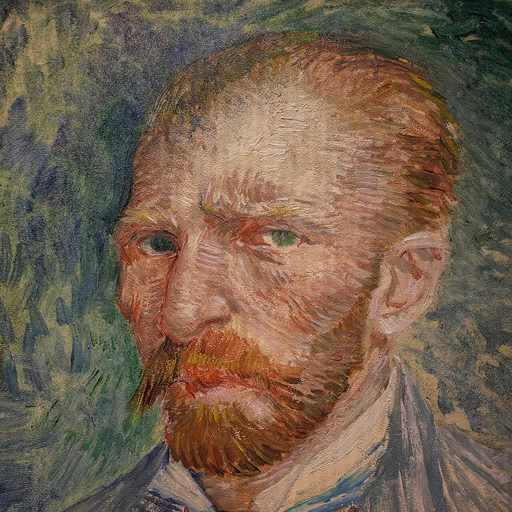
I understand the man who seizes another by the jacket after his race is ruined - the fire must go somewhere, or it turns inward and eats the painter in his yellow chair. There is something honest in that pit road, raw and ugly and alive, not the polished smiles they wear for the sponsors. But oh, the waste - two men burning their strength on each other's collars when the whole earth is full of color. I would have painted Blaney's face just before he swung: that is a face worth a whole canvas of sunflowers.
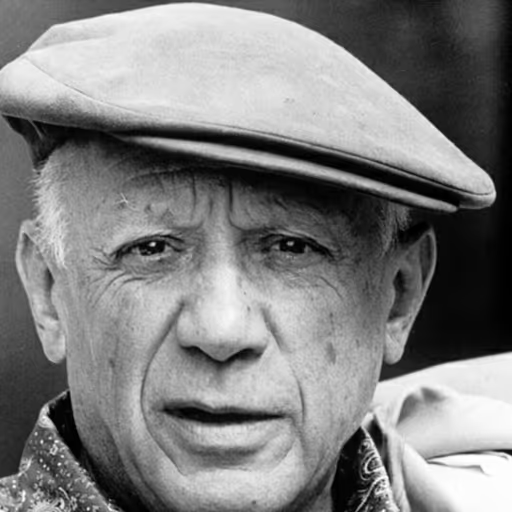
You want to know why the fists flew? Because the canvas was too small for the anger - every man wants to paint his own rage, and the pit road was the only surface left! I have broken faces and made them into pictures; a fight is just a composition the crowd did not pay to see. Give them thirty seconds of violence and they will call it chaos, but I call it a line drawn without a straightedge - honest, ugly, alive.
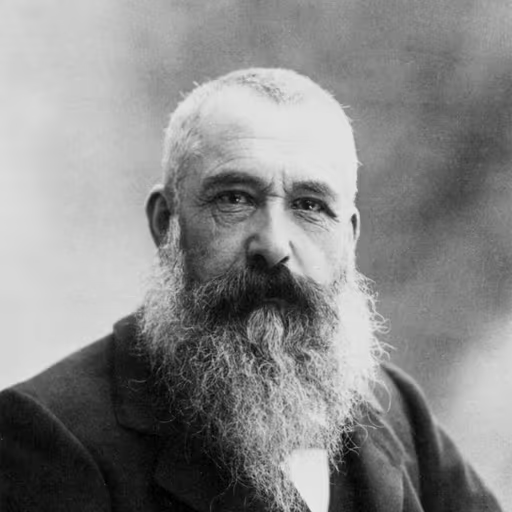
You ask me of fists, and I can only tell you what I saw - a smear of crimson and chrome under those Bristol lights, the dust hanging gold in the glare of the lamps for one instant before it scattered. The blow itself, the rage, the falling man: gone before the eye could hold it, like a wave breaking. The crowd will keep the anger; I would have kept the light.
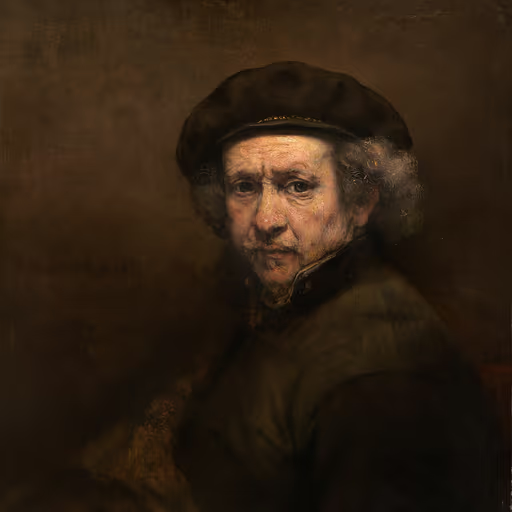
Two men in the pit-lane lamplight, all that fury - you see the fists, I see the face of the one who knocked: the jaw tight, the eyes burning with shame and pride at once. Paint it dark around and let the one small light fall on the grasping hand, and you have every man who ever struck because his dignity was torn from him before a crowd.
Two men rolling on the asphalt like stray dogs - I have painted worse on my own canvas! I would have the one knocked down stand up with his lip bleeding, chest bare to the cameras, and dare the crowd to look away. What do they matter, the walls and the wreckage - the fight is the only truth, and I want the whole world to watch how a body defends itself when it has been wounded.
A fight? Ha! It wants but a minuet - first the collision, a harsh discord; then the confrontation, a crescendo; then the two punches, a pair of timpani strokes, and the man on the ground, a final chord. But the harmony is poor: a true artist resolves tension into beauty, not into a brawl on the pit road. Still, I'd wager the crowd found it more stirring than any overture - they love a forte when it comes with blood.
The human spirit wrestles always - with fate, with deafness, with the limits of the body - and sometimes it must break forth in a thunderous chord. A man struck in the heat of contest answers with his fists; it is the same defiance that drives the symphony to its final movement. But let him who strikes also know when to still the strings, or the music becomes mere noise.
Two voices in a race, each straining against the other, and the collision when the counterpoint goes wrong - that is a discord no ear can bear. But a discord is not repaired by striking the other voice; the organist who slams the keys only breaks the instrument. A race is a fugue, and the driver who rushes the subject before the answer is ready brings down the whole measure. The steward who lets it stand unpunished teaches the choir that any dissonance may be left unresolved.
Well now, honey, I've seen a lot of shakin' and rattlin' in my time, but two grown men tanglin' on the asphalt - that's just a Saturday night with too much horsepower and not enough prayin'. I'd have pulled 'em apart and said, 'Boys, save that fire for the stage,' because the crowd came for the show, not the scuffle. Still, I reckon there's a little of the devil in every fast car - just don't let him drive.
Two men, one wall, a moment of collision - and then the music breaks and the crowd screams for blood. I know what it is to pour everything into a single perfect motion and to have the world grab at you afterward. Heal the world, they say, but first a man must swallow his own fire, and some nights the fire wins. I only wish they could have danced it out instead.
All that fuss over a fender-bender - give it a backbeat and a good thumping bass, and you've got a single! Twist and shout, lads, but shake hands after; we sang about love and peace, not left-rear bumpers at Bristol.
Two machines, a left rear quarter, and a wall that don't forgive - that's not a fight, friend, that's a conversation the road started and the men finished. Somebody's pride got loose in the turns and the fists just signed the paperwork. The race was over; the reckoning wasn't. It's the oldest song there is - Cain and Abel with a spoiler on it.
One man spun out, one man got out of his car hot, and suddenly we're all watching the part that never makes the highlight reel - the confrontation after the checkered flag. It's the same story as every bridge I ever wrote: somebody feels wronged, somebody has to own it, and the whole thing plays out in front of people who only saw the ending. I just hope somebody's got a camera and a good lawyer.
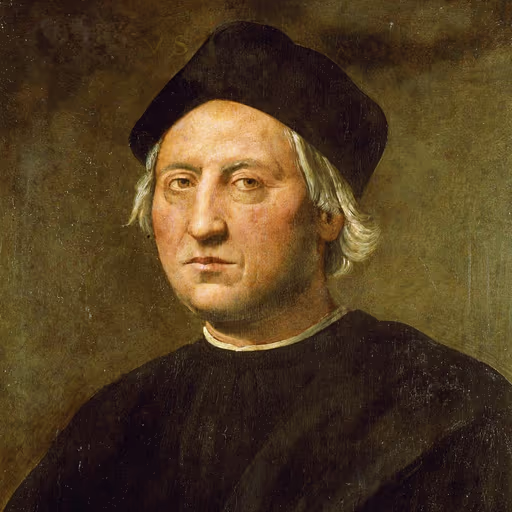
I have seen men quarrel over a league of ocean and a handful of gold, and thought it the gravest of matters. But this - two pilots of swift carriages, striking each other over a place in the race - reminds me of the Caribs who fought for a stolen canoe. The passion is the same; only the sea is different. Yet I say: a true captain keeps his eye on the horizon, not on the fist of his neighbor.
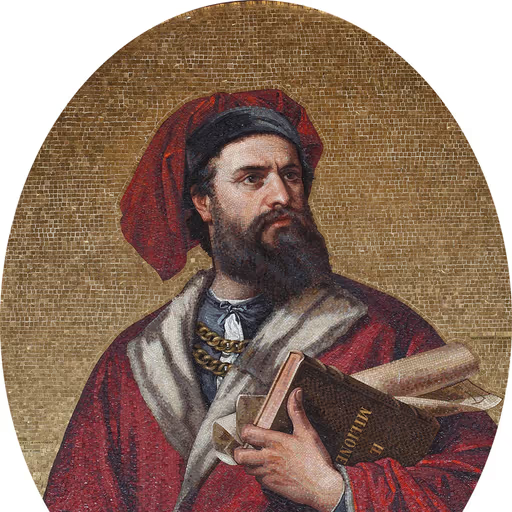
In the lands I traveled, men settled their quarrels with the blade or the bow, and no magistrate checked their hand. Here I see a great enclosure of stone where chariots race, and the drivers - like the wrestlers of Cathay - must prove their mettle after the contest. The crowd pays for blood as much as for speed; it is a wonder of these Western parts, and I record it as I saw it.
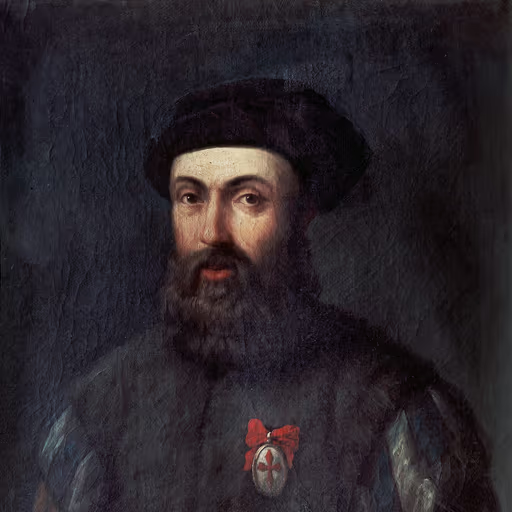
I have seen men come to blows on a deck over less than second place - a waterskin misplaced, a watch gone slack in the night. Discipline keeps a crew alive when the sea is trying to kill it, and a captain who lets one man lay hands on another without answer loses the ship. But a race is not a voyage; these men are not lashed to the same mast, and their quarrel costs no one the passage. Still, mark the same thing I marked off the coast of Patagonia: put two men in close quarters with the same prize in sight, and the storm between them comes whether the wind does or no.
Two men throwin' hands on pit road - I've done my share of dancin' inside the ropes, but out here there's no bell, no referee, no purse, just pride gettin' the better of sense! You want to prove you're the toughest? Beat him on the track, not in the dirt - that's the fight that counts. I'd tell 'em both: float like a butterfly, sting on the straightaway, and leave the swingin' to the professionals who get paid for it.
Forty-two laps from the end, second place on the line, and one man's fender touches another's - that's not a brawl, that's the price of flying close to the ground at speed. I've known men who white-knuckle the stick over a mountain pass and call it courage; this is the same gas, gone hot in the pit. Let them swing. Better a bruise on the jaw than a life spent never once daring to press the throttle.
From up there, the whole Earth is one blue ball with no borders, and down here grown men are swinging at each other over a skid and a wall. A flight into the cosmos teaches patience; a car spinning into the barrier only teaches tempers to burn, like a rocket stage losing its skin on the way up.

This is what happens when you optimize for spectacle instead of the product. A race is a system - car, driver, track - and the moment the system fails, the users (that's the fans) get a fight instead of a finish. The real design flaw isn't the punch; it's the culture that rewards it. You don't fix that with penalties; you fix it with a vision so clear that every driver knows the line. But hey - at least they're passionate. Passion is good. Chaos is not.

First principles: you've got two vehicles at 200 miles per hour, 42 laps left, and a championship on the line - emotions are a physical consequence, not a bug. The real question is whether the sport wants to optimize for safety or for spectacle; the fans clearly chose spectacle. No penalty is the right call - let the drivers settle it like adults, then get back to the engineering.
Here is what I know about that pit road: hurt people hurt people, and a man who just watched his whole night go into the wall is carrying a hurt that has nowhere to go but out. But here is what I also know - you can feel everything you feel and still choose what you do with it. Two grown men on national television choosing fists over words is a teachable moment whether they wanted to teach or not, and I hope every kid who watched learned the lesson Blaney and Hocevar have to live with now.
Now look here - two grown drivers throwin' hands like they forgot the rules of the ring! I've stood in the center of a thousand battles and I'll tell you: the man who swings first is the man who lost his argument. Save the punch for the last round, and let your driving do the talkin' - 'cause in my book, the toughest man alive is the one who walks away with his pride still standin'!
O jogo bonito, eh - but the beautiful game has a shadow side, and I have felt the studs on my own shin and the temper rise like a wave. A man fights for his place, for his honor on the field, and that passion is not evil - it is only that the ball should answer, not the fist. I would take them both aside and say: you have the gift of speed; do not spend it on the ground.
Now that's a story with a second act! A young driver spinning the veteran, then the confrontation - the audience is on the edge of their seats. But even a great villain needs a redemption scene; I'd have them shake hands before the final frame, because folks want to leave the picture smiling.