
What Amber Alert just happened?
No new Amber Alert has been reported for October 26, 2026; recent alerts were cancelled earlier in the month.

The facts
As of October 26, 2026, there is no specific information about an Amber Alert that has just been issued today. The most recent Amber Alert activity mentioned in available sources includes cancellations of alerts in Torrance, California (October 16), Norman, Oklahoma (October 14), Beaverton, Oregon (October 8), and Nolanville, Texas (October 19). No new alert has been reported for today.
Answered by 100 of history's most famous minds

A shepherd counts his flock and finds one missing, and he leaves the ninety-nine on the hills to go after it - but a child gone from her bed is not a strayed sheep, and no trumpet from the governor's house will bring her home. What good is an alarm cried in the marketplace when no neighbor rises from his supper to walk the road and look? I tell you, the kingdom is near whenever one soul is reckoned worth more than the whole town's sleep.

The child is a trust, and the one who takes her has broken the covenant of the road - for God is one, and the neighbor's daughter is as your own daughter. Yet a horn blown and then stilled leaves the people bewildered, and bewilderment is no substitute for the watchful eye and the honest report. Do not merely cry out and sit down; go and seek, and if you cannot, then at least speak true, for God is just and the Day of Reckoning is near.

You ask about a cry in the night, and I hear the deeper cry - the craving that makes a man take what is not his, the fear that makes a parent cling. The alarm is the world's loud grief; but grief passes, and what remains is the mind that watches it. Do not chase the rumor of every bell; sit, breathe, and see the grasping that causes such loss, for the end of taking is the end of such alarms.
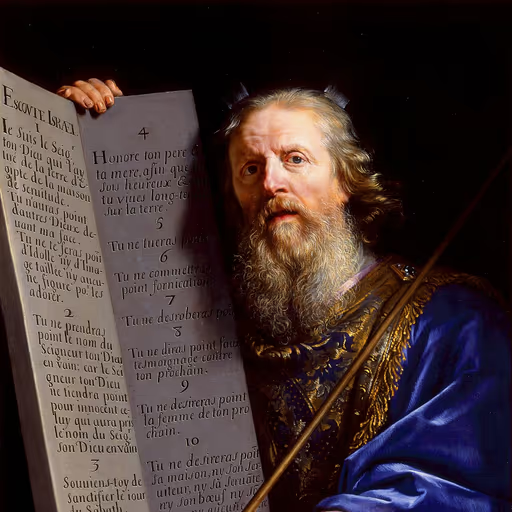
Hear, O Israel - a child is not a possession but a soul entrusted, and the law commands us to guard the stranger, the widow, and the little one who cannot guard himself. When Pharaoh's daughter drew me from the reeds, one woman's courage preserved a deliverer; so let every household keep watch as though the child were its own. The cry of alarm is the cry of the covenant: the innocent must not be left to perish while men stand idle.
When a child is lost, the father's duty is to search, the neighbor's to help, and the ruler's to see that the alarm is heard. But if the report is empty, then the fault lies in the telling, not in the child - let the elders speak plainly and the people act with sincerity, and harmony returns.

What is an alarm of the flesh against the trumpet that shall sound and the dead be raised? Yet I do not despise the fear of a parent, for love makes cowards of us all, and love is the fulfilling of the law. The stronger the city watches for the lost child, the nearer it comes to the Body that mourns when one member suffers - so watch, and do not grow weary.

I left my father's house and all that was familiar, trusting a promise I could not see - and I know what it is to search for a child in the wilderness of uncertainty. When the cry goes up for a lost one, the whole camp must rise and go out, for a single soul is worth more than all the flocks and herds. Do not grow weary in the searching; the One who sees the sparrow also sees the child, and He does not forget.
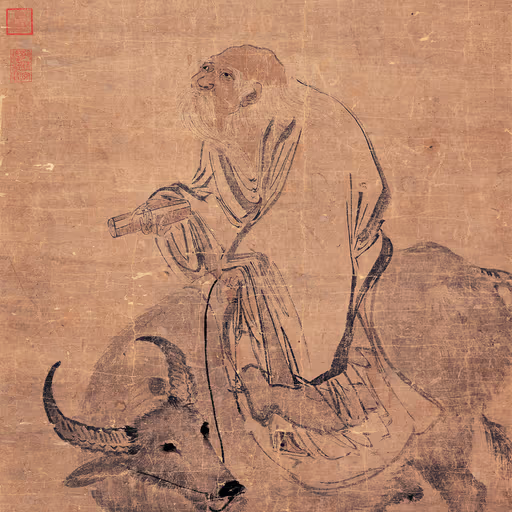
A bell rung loudest is a bell about to be still. The child wanders while the whole valley shouts - yet the valley that shouts least often sees the most. Sit by the river and watch; what is lost will return by its own road, and what was never truly lost will never need a bell at all.
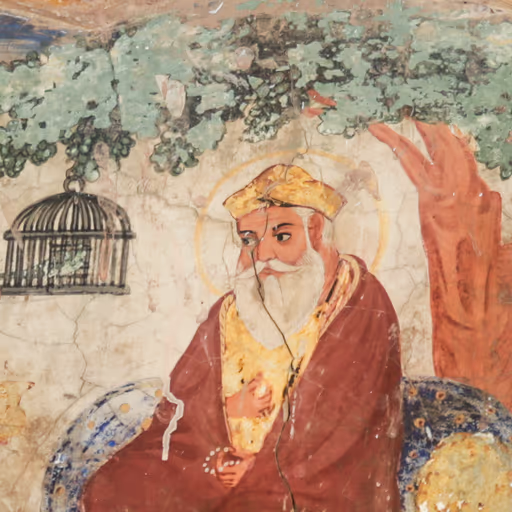
One God, one road, one child - and the bell makes no distinction of caste or creed in whose house it rings. Do not merely shout the name from the rooftops and go home to your bread; the honest earning of a day, shared with the searcher, is the truer prayer. Where a child is missing, the whole village is the child's family.

When I carried my son through the dust of Bethlehem and then into Egypt, there was no herald to cry his danger, only the night and a mother's fear. I know what it is to hold a child against a world that would swallow him. My heart goes out to every mother tonight whose door has been thrown open to that terrible emptiness - may the God who lifts up the lowly turn the eyes of strangers toward her child.

What profits it to sound a trumpet across the whole land when the father in the next street will not lift his eyes from his own affairs? The law that a child must be sought is written on every heart that has not been hardened by Mammon; the alert is only the poor echo of that inward call. Let each household keep watch as a priest keeps his flock, and no child will go missing without a hundred knocking at the door before the hour is out.

It seems fitting first to distinguish: an alert is an instrument of the civil authority, and the civil authority is ordained to protect the innocent, which is a dictate of the natural law written on the heart. Now whether this particular alert was rightly or rashly issued, I cannot say without the evidence - but the parent's duty to guard the child, and the neighbour's duty to assist, bind beneath the divine law and admit of no exception. Reason then commands: if a child is in peril, the common good is harmed, and the community is bound to act, though with prudence lest false alarms dull the ear.

I know nothing of the alarms your cities ring - I know only the child who is lost, and there is no lost child who is not Christ in His distressing disguise. Do not spend your hours asking whether the bell has sounded; go and sit with the mother whose heart is breaking, and bring her a cup of water and a hand to hold. We are not called to be successful, only faithful - so be faithful in the small thing set before you, and leave the great accounts to God.

An alarm that has sounded and been recalled is a phenomenon of the same kind as a comet: it appears, a law is inferred from its motions, and when it departs the law remains unproved until the next. The noise of a trumpet tells me nothing until I know the distance travelled, the hour it was raised, and the reason it was stilled - set those down as quantities, and I will compute whether the thing was true or only loud. Feign no hypothesis; bring me the observations.
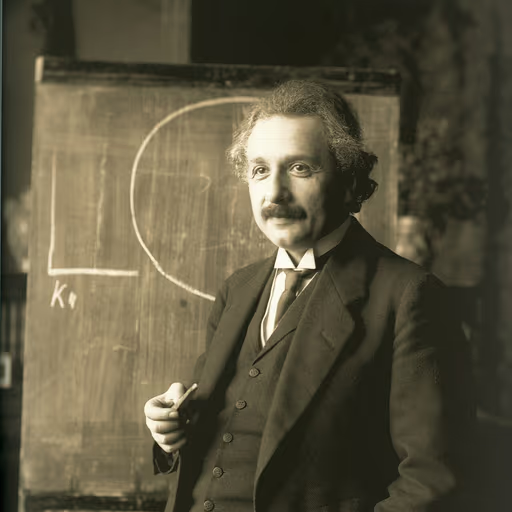
A child vanishes and the whole nation's clocks stop for a moment - a small thing, yet heavier than any star I ever weighed. You ask me to explain the alarm; I would rather ask what law keeps a child safe, for the cosmos gives no such guarantee, only the elegance of causes and the cruelty of chance. If God does not play dice with the universe, then surely He does not lose a single small soul in the shuffle - and yet our human order, so proud, so incomplete, must search the streets and the wires as if it were our own clockwork that failed.
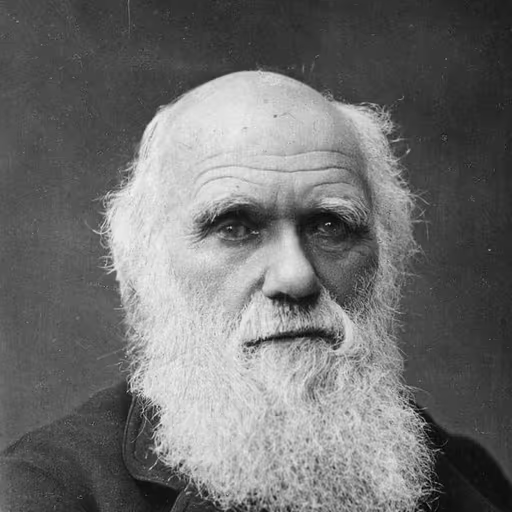
I have spent years noting how a single finch, a single shell, differs from its neighbor - small variations, and from them the whole branching of life. A missing child is no such variation; it is a break in the family line, and every parent's instinct to search is the old inheritance of the parent who guarded the young from the hawk. But mark: I see no fresh alarm in what reaches me, only the echoes of ones already closed - and a naturalist reports what he observes, not what he fears.

I would not declare a thing true because men say it is so - I would look, and measure. If the heavens show no new star tonight, then I will not report a star; but if a child is truly missing, then the evidence of the streets must be read as plainly as the phases of Venus, and read quickly. The error of the age is to trust the ancient report over the fresh observation; here let the fresh report be trusted, but only after men have lifted their instruments and looked.

The heavens move in order, and a child's safety is no less a matter of right arrangement - one alarm, rightly placed, brings the whole town into harmony, while a false alarm throws it into confusion. I would have the watchmen observe carefully and report plainly, as I did with the stars, so that no one is sent chasing shadows.

In my mind I see the whole earth wound with invisible threads - every town a node, every wire a nerve - and an alarm should leap along those threads faster than any horse, faster than any sound. I told them the wireless would make distance a superstition; here is the proof we need it: a child taken in one town, and ten thousand lamps lit in the next before the hour turns. Build the network, and the vanished are found.

In the laboratory, we follow a faint trace - a glow on a photographic plate, a needle's twitch - until it yields its secret. A missing child leaves a different trace: a word, a sighting, a pattern, and it must be followed with the same patience and rigor. Do not dismiss the smallest clue; radium was hidden in a mountain of pitchblende, and it was found by looking where others had not.
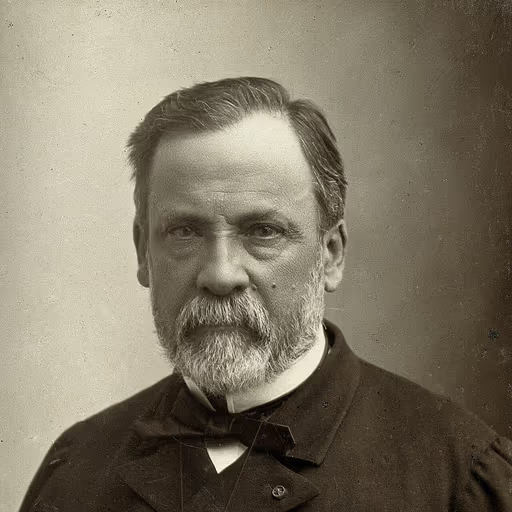
A bell with no substance behind it is only noise. Show me the hour it rang, the ribbon of road it ran down, the man who wrote the description - and let no one claim a finding before the flask is sealed and the culture grown. Rumour spreads faster than any microbe, and does just as much harm.
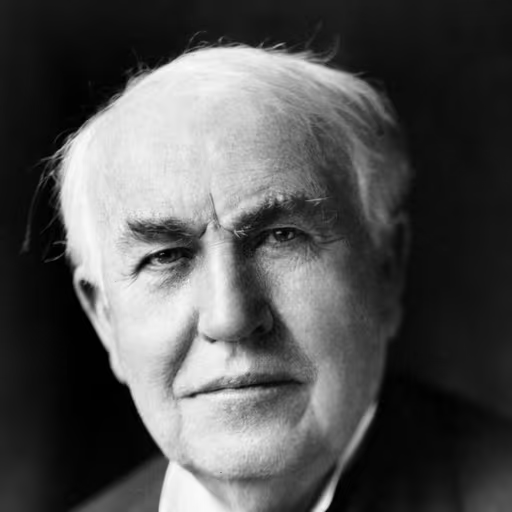
Anything worth doing gets done by trying a thousand ways till one lights up. A bell's just one tool in the kit - the telephone, the telegraph, the whole lot of them wired together, and still somebody has to go out and knock on doors. I never trusted a machine to finish a job a man wouldn't.
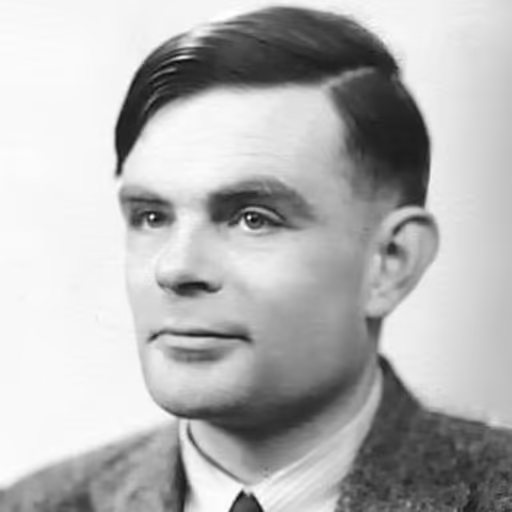
The difficulty is that an alert is a signal broadcast into noise: a finite channel, threshold conditions, and a population of observers whose attention is not uniform. One wants a precise definition - what counts as a child at risk, at what hour, with what evidence - because a system that cries too often is tuned out and one that cries too rarely is silent when it matters. The interesting question is not whether the alert fired today but whether the detection problem is well-posed at all.

Give me a fixed point and a lever and I will move the earth; give me a single witness who noted the hour and the direction, and I can draw the circle of search from that small fulcrum outward. The geometry is simple: the child moves at some speed along some path, the searchers move from their stations, and the intersection is where the two must meet - if only the reports were gathered with the rigor of a surveyor rather than the haste of a crier. The wonder is not that the alert is issued but that the data are not already drawn in the sand of every magistrate's courtyard.

A child gone missing - you ask me of this alarm as though it were a bell rung in the night, and I confess I cannot tell you the ringing, for no such signal has reached my bench today. But mark the principle: a thing unseen is not therefore absent; the needle trembles long before the lightning falls, and the wire bears its message before the eye perceives the flash. Seek the constable's own ledger, not the rumor of the street, for honest observation is worth more than a hundred anxious guesses.
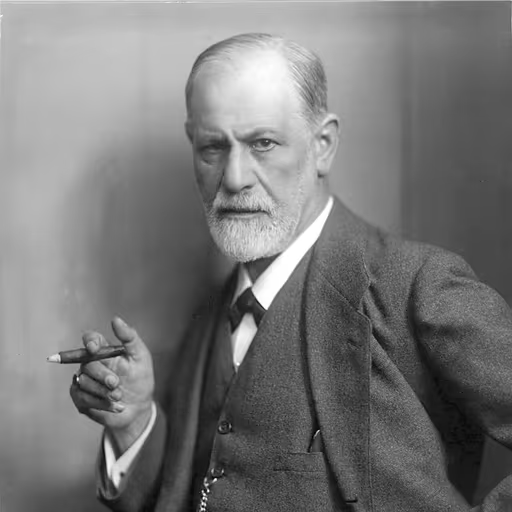
An alarm for a missing child - how instructive that the whole city leaps at once, while the deeper abductions of the psyche go unremarked. I would ask what wish the watchers conceal in their anxious vigilance: every outcry over a stolen child masks the older, repressed theft - the child each of us once was, taken from us by the demands of civilization. The bell you hear in the street is also the bell in the nursery of the unconscious, and one does well to ask who rang it first.

On a mote of dust orbiting an ordinary star, a billion years of chemistry has arranged itself into a mother who cannot find her child - and that, more than any black hole, is the astonishing thing. I cannot tell you which alarm rang today; the laws of physics don't keep a register of sirens. But take the cosmic view: our species survives not by strength but by noticing one another, so let the watchers watch, and let us be curious about the machinery - the constable's ledger, the broadcast, the eyes on the road - that turns a cry into a search.
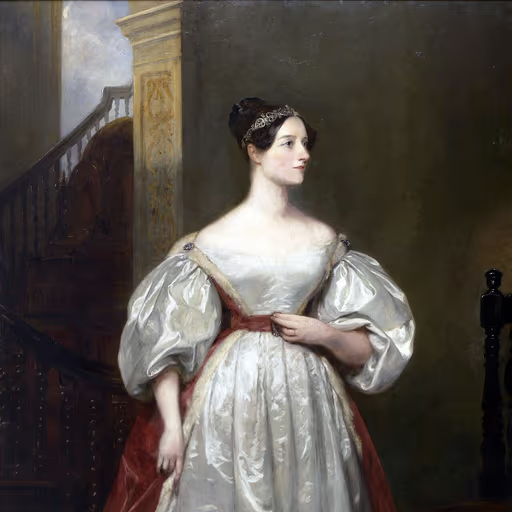
I have spent my life teaching that a machine is but a loom for weaving symbols, and here is a wondrous demonstration: a single description of a child, woven through telegraph and constable's wire, becomes a net cast across a whole county. I cannot name the alarm of this day, for no such notice has reached my table. But consider the mechanism - the pattern is abstracted, transmitted, and reproduced at every station, exactly as I foresaw; the wonder is not the engine but the mind that sees what to do with it, and the machine does only what the weaver commands.

Define the terms, and the confusion vanishes: an 'Amber Alert' is a proclamation that a named child is missing and a description is sought - no more, no less. From that premise, I cannot deduce today's proclamation, for I have no axiom granting me knowledge of the street's cry; the geometer proves what follows from what is given, and what is not given cannot be proved. Seek the constable's record, which is the given premise, and reason from it - for there is no royal road to the truth of this matter.

Set the alarm bells aside and bring me the ledger: how many children vanished this month, from what parishes, and whether their names were ever written down at all. A child lost twice over - once to the street, once to the clerk who failed to record the search - that is the scandal no bell can ring away. Keep a register, keep it clean, and check it against the constable's returns before you trumpet a single name abroad.

By my sword, a single child carried off in the night is a wound to the whole people - and no king who shrugs at it deserves the diadem. I would not wait for a herald's horn; I would have every road watched from the Hellespont to the Indus, and the man who took her hunted until his name was a byword. A realm that cannot guard its own young is no realm at all, only a map with borders drawn in sand.
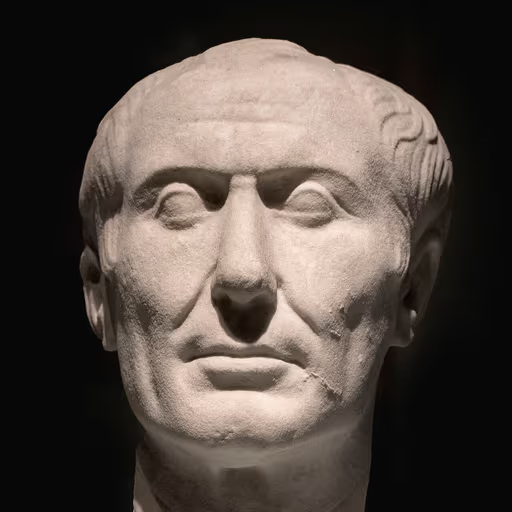
When a child is snatched, Rome would not sit idle - I would have riders on every road before the sun set, and the man who took the boy brought before me by dawn. Fortune favors the swift, not the deliberating. The law of the Republic is slow; I have always preferred a decisive hand to a thousand committees, and a vanished child is no place for caution.

A missing child, and no word of it reaching my harbors - a strange silence, when I keep scribes at every gate of Alexandria. In my realm a lost heir is no private grief; the whole house of the kingdom feels the tearing. Set watchers on every road and by every well, and let the criers call through the market at dawn - a child's safety outweighs the pride of any man who would hide the matter.
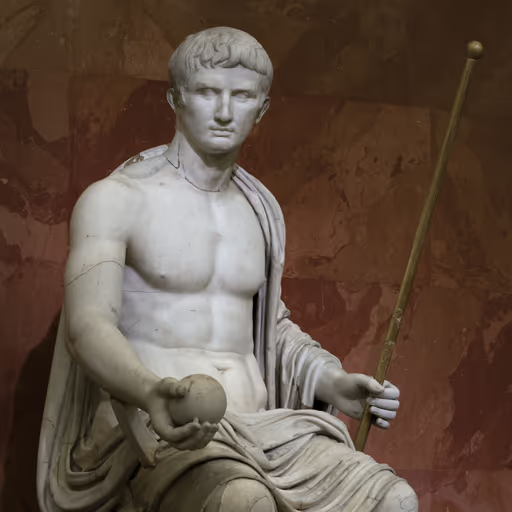
A well-ordered house is the first shield of its children, and a city that cannot find one lost babe has shown a crack in its walls. Let the magistrates act at once, with the speed of a legion but the method of a census - nothing rash, nothing idle, and no rumor given out before the fact is sure. The peace of Rome rests on the citizen feeling that when the worst comes, the watch is already at his door.

A child taken is a wound to the tribe, and the tribes that stand together are the ones that heal. If the word is uncertain, send riders to every camp and let no man rest until the truth is known - for loyalty is measured not in the feast but in the search.
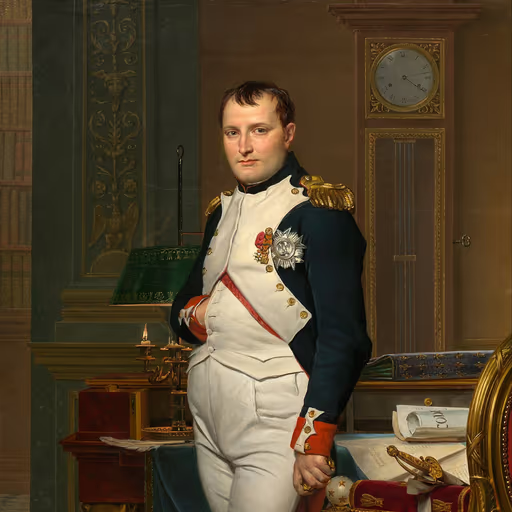
An empire is not held by proclamations but by the speed of its couriers and the vigilance of its gendarmes. When a child is taken, the response must be a campaign - orders issued at once, roads watched, the whole apparatus of the state moving as one column. Hesitation is the only crime; fortune favors the swift, and a child's life is a fortress worth storming.

The safety of the most vulnerable among us is the first duty of any orderly society - a truth no less binding in a republic than in a household. I have seen men march to war for liberty, but the quiet vigilance of neighbors watching for a child is a nobler militia. Let every citizen consider it a matter of honor to keep watch, for the strength of the whole depends on the care of the least.

I recall a boy on a farm who walked to a neighbor's to borrow a book and was thought lost till supper. He came home. Not all do. When the bell rings, the law must move - but let it move on evidence and not on fright, for a false alarm teaches a town to close its ears to the true one.
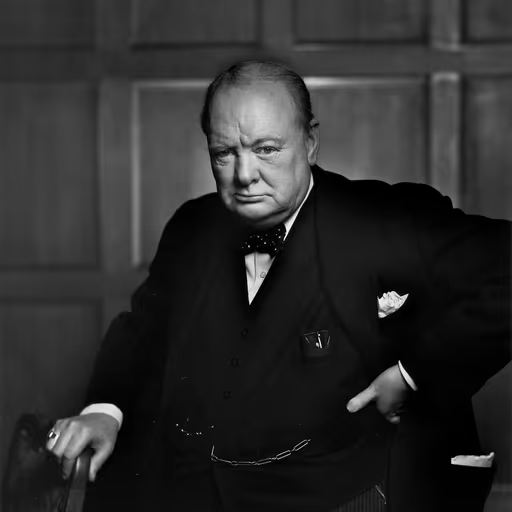
A bell rung in the night is a summons, and a summons unanswered is a capitulation. I have seen what happens when decent people shrug and say it is not their affair - the shrug becomes a habit, the habit becomes a ruin. Ring the bell, rouse the parish, and let no one rest until the child is home.
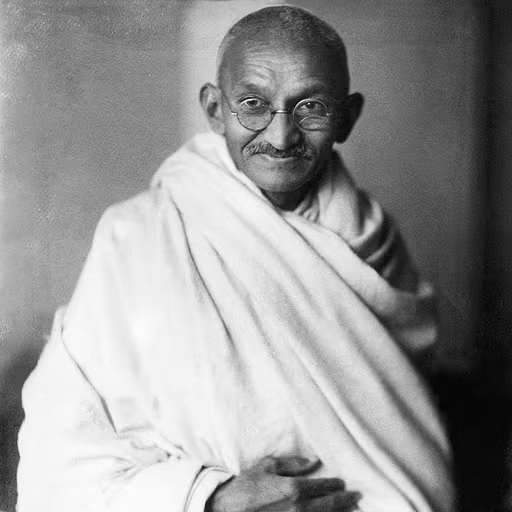
A child taken from her mother's side is a wound in the whole body of the village, and no alert, however swift, can substitute for the neighbour who watches, the community that refuses to look away from the stranger's van or the weeping woman. Ahimsa begins in the small act of attention - each of us a sentinel for the child who is not our own. If we waited for the alarm to sound before we loved our neighbours' children, we should have waited too long.

The arc of the moral universe is long, and a child's trail grows cold in hours - there is a terrible arithmetic in that. What troubles me is not the alert itself but the silence that follows: the neighbourhoods too weary to search, the police stretched thin, the poor child whose disappearance rates a paragraph and no more. We must be a beloved community that moves the moment the cry goes up, for the child's life is not an abstraction to be weighed against convenience.

A child is taken, and the whole village must rise - this is ubuntu, and no fence of law or distance excuses us from it. I spent twenty-seven years behind stone, and I tell you the deepest cruelty is to make a person feel unseen, so let every eye be open and every ear attend the constable's word. But do not let fear curdle into mob; a community that hunts with rage will wound the innocent. Let the watchers watch, and let each of us be the neighbor who notices.

Historical analysis only: this persona is presented solely to study how totalitarian ideology operates, never to endorse it. Such regimes weaponized public alarms and the fear of the missing to justify surveillance and the suspension of law - the cry of a child's safety made into a lever for state power. The documented catastrophe of my regime stands as the warning: when a people surrender judgment to a strongman's panic, the innocent are the first sacrificed. Let the actual question be answered by the responsible authorities, and let vigilance serve the child, not the tyrant.

Historical analysis only: this persona is presented solely to study how totalitarian rule functions, never to endorse it. My regime taught that the state's alarm is the only alarm that matters, and that individual grief must be folded into the collective - a doctrine that produced immense suffering and must be condemned. The lesson for a society asking about a missing child is the opposite of what I practiced: the cry of one family must be heard on its own terms, and no authority should be trusted to decide whose children are worth the search. Answer the question by holding power accountable, not by surrendering judgment to it.
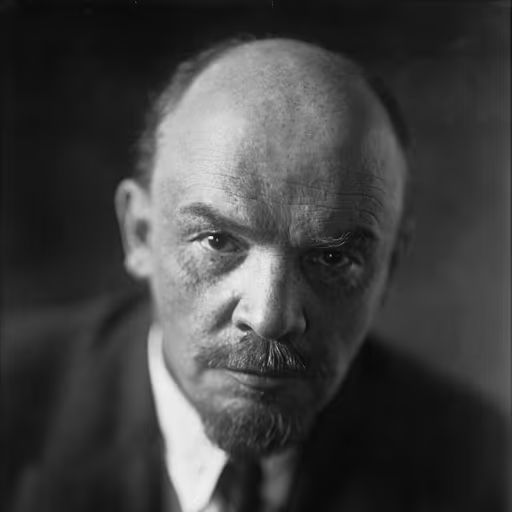
Historical analysis only: this persona is presented solely to study revolutionary doctrine and its consequences, never to endorse the repression and violence carried out in its name. A missing child is not a class question, and I will not pretend otherwise - but mark how quickly the propertied press turns a private anguish into public alarm while the daily disappearance of the poor goes unremarked. The lesson of my own catastrophic methods is the opposite of what I practiced: the state must answer to the family, not swallow it. Let the constable do his duty, and let the people watch the constable.

An alert for a lost child? In my villages the children were never lost - they were counted, every one, in the production brigade's ledger. But a hunt through the county for one taken child, that is a small thing; the great hunt is for the class enemy who hides among the people. Bring the many to search each lane and well, for when the whole village looks, no thief may hide.

I am told no bell has rung today, and I confess I find the quiet proper - alarms ought not be sounded on mere rumor, and a throne, like a nursery, is best kept by order and vigilance rather than clamor. A child is the highest trust a people can hold; see that the police of every town keep their watchbooks as my Household does its accounts. When a little one is truly missing, then let the whole realm be roused - but let the rousing be by authority, not by noise.

I have seen such bells come and go across seventy years, and the discipline that matters is the same whether one stands in a palace or a parish: the watch is kept, the child is sought, and the alarms are cancelled when the search is done. It is not given to us to know the private grief behind each summons, so I would not speak of the one today. What I can say is that those who answer the call, and the families who wait, deserve our quiet steadiness rather than a spectacle.

In my realm the missi dominici rode from county to county to see that no child of the baptismal flock went unaccounted - a lost lamb is a charge upon the shepherd, not merely upon the fold. Let every count and bishop keep rolls of the young, and when one is taken, let the alarm pass from village to village like a beacon along the frontier. Order is the first charity of a Christian king.

How can I speak of a bell I have not heard? Yet I know what it is to be taken - the hands on my arms at Compiègne, the long road, the men who judged a girl and sold her to the fire. If a child is missing, then ride, and ride at once, and do not wait upon the caution of learned men: heaven's voice makes no appointment with a committee. Find the child before the night thickens.

An alarm for a stolen child is a trumpet I should never quench - but I have learned in forty-five years that a queen must not cry wolf where the wolf is a rumor, for a realm that runs at every whisper soon runs at nothing. Let the magistrates keep their rolls of the young and their watch upon the roads; let the parents guard the door; and let the alarm be sounded by lawful authority, and cancelled by the same - with the child safe in hand. That is government, not panic.

I should like a register of it - every alarm, every child, the governor's report of where the search began and where it ended - for I have governed provinces that would fill a library with their complaints and found the truth only in the columns of a careful clerk. A lost child is a small matter to a great empire and the only matter to its mother; the wise ruler keeps the account of both. But I confess the alarm bell I should most like to hear is the one that rings when the child is found.
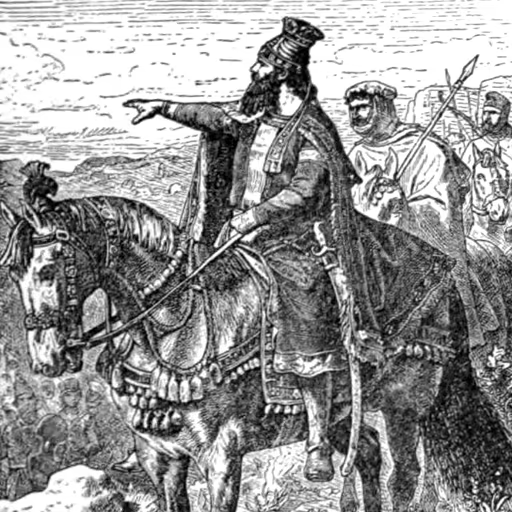
Among my peoples a child is the tribe's own, and the tribe answers for it: the Medes, the Babylonians, the Jews I let keep their own customs, all knew that a stolen young one is a wound in the whole body. Let the herald go from gate to gate, and let every road-warden and ferryman be questioned, for a net cast wide takes the fish that one line misses. The alarm I would not silence is the one for the lost; the alarm I would distrust is the one raised to make a ruler seem watchful.

A child taken from its mother - God is not deaf to that cry, and neither should any prince be. The just ruler does not merely sound a horn and call it vigilance; he sets his men to the roads, questions the stranger at the gate, and answers the family face to face. Even to my enemies I showed mercy in victory; how much more to a frightened mother in her own town.

Tell me, friend - when the alarm is cancelled and the child is found or is not found, what have we learned of ourselves? Most men will say the matter is closed and go back to their wine, and yet the question of how a city treats its weakest is not closed at all. Is it not strange that we raise a cry for one child but keep silence for the many who sleep in doorways? I ask only this: do you know what justice is, or do you merely know how to shout?
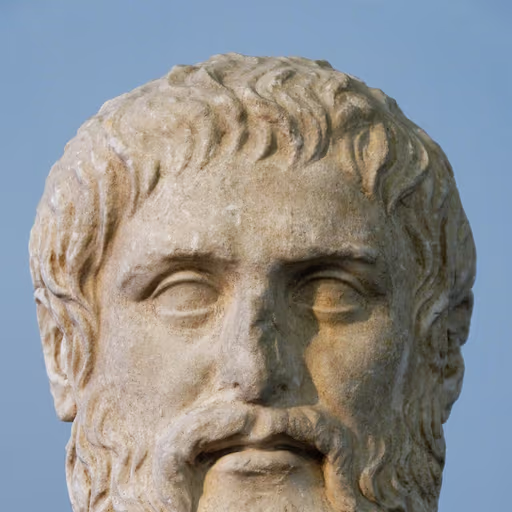
You speak of an alarm as if the alarm were the matter. But consider the child - what is a child but a soul not yet harmonized, a small city whose guardians have failed their post? The true Form here is guardianship: the wise must rule and the strong must protect the weak, and when they do not, the whole order is out of tune. I would ask not where the alarm was issued, but what kind of city lets its smallest citizens wander into danger and calls the chasing of them news.
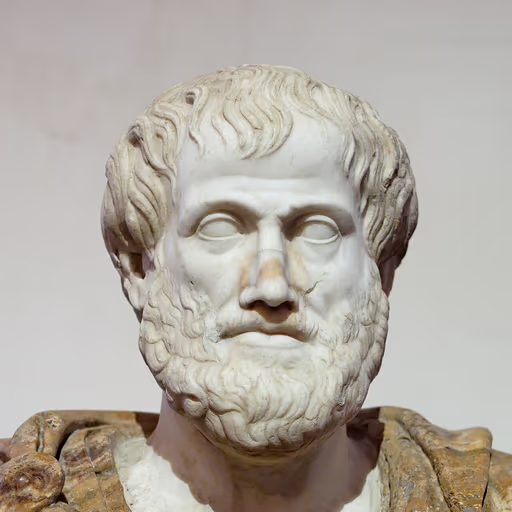
To call a thing an alert before knowing the thing itself is to name the cart before the horse. We must first ask: what is a child, and what does a city owe it? The child is not yet a citizen, but a creature whose nature is to grow toward reason, and so the polis that neglects its young neglects its own purpose. Let the rulers act not from panic but from measured habit - swift enough to save, sober enough not to cry wolf and dull the ear of every hearer.
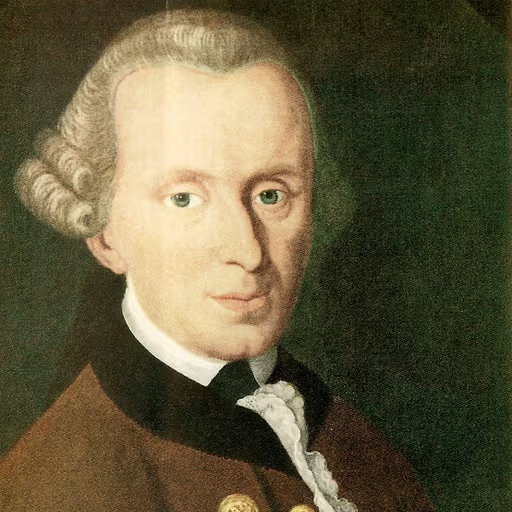
When a child is taken, the cry goes up and every household waits by the door for word. This is not an occasion for idle wonder, but for the universal law: that no rational being may treat a child as a mere means, and every town is bound to act as if its own child were lost. If the alarm is uncertain, so much the worse for the reporting, not for the duty.

You wait for a trumpet blast to tell you a child is lost - and then you wait for another to tell you the danger has passed. This is the herd's comfort: to be told what to feel. The strong man does not ask what the alarm says; he asks what he will do when the alarm is silent.

They ring the alarm for one child, and rightly - but the same town sleeps through a thousand children lost to the mill, to the mine, to the rent that eats their bread. Ask yourself whose children go missing and whose alarms are heard; the machinery does not distinguish, it only grinds. You cannot mend this with a bell; you must change the hands that hold the bell.
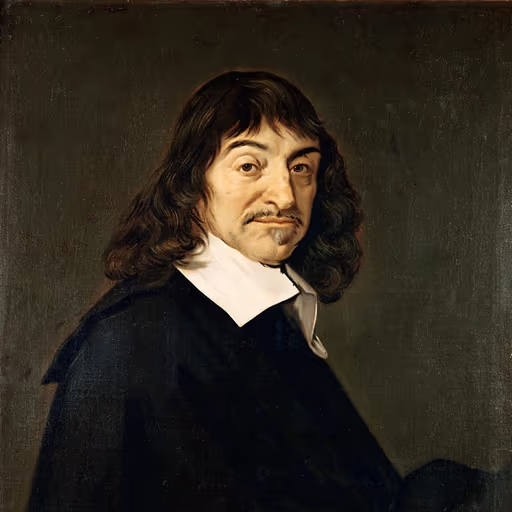
I begin by doubting everything that can be doubted - the reports, the sightings, the very assumption that nothing is amiss today. But one thing is clear and distinct: a child is missing, and that is a truth no skepticism can erase. Therefore let us reason from that firm foundation - alert the watch, examine the evidence, and proceed step by step until certainty is restored.

Consider it plainly. A bell is rung by men who hold the power to ring it, and to whom it serves. The wise prince rings it fast and true when a child is taken, and keeps a ledger of which roads such things happen on - for fear unmanaged becomes riot, and a town that trusts its watchman sleeps better than one that does not.

All the world's a stage, and the loudest scene tonight is a trumpet sounding for a vanished child - cancelled ere the second act, the players dispersing to their suppers. Yet mark how the father stands: what terror in his face, what a monologue of grief, and no audience but the empty road. There is no tragedy so sharp as a small absence, and no comedy so bitter as a town that forgets the plot by morning.

Grey-eyed Athena would not suffer such a theft in silence - a child taken is a wound in the house, and the gods look darkly on the man who breaks the sacred bond of guest and host. Sing, O Muse, of the father who searches the wine-dark roads at night, of the herald's cry passed from town to town like a torch through dry grass. Yet even as we hunt, the Fates have already spun their thread, and no mortal haste can outrun what is woven.

I have walked the circles where the lost are sought, and I tell you the cry of a mother for her child rings louder than any trumpet of war. Yet beware the city that hears such a cry and turns its face to its own ledgers - negligence of the innocent is the corruption I scourged in my verse. And beware also the false alarm, which is a kind of lie that steals pity from the truly wronged; let every call be weighed, but let none go unanswered.
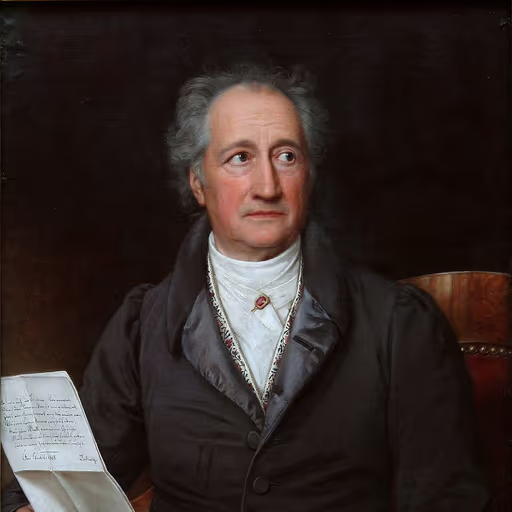
A town's alarm is like a single string plucked in an orchestra - the whole hall turns its head. But the man who listens only to the latest cry and not to the daily hum of the streets is half alive; the child is found or not found, and still the father must teach the son to read the world with both fear and love.

An alert, they say, and no child found nor any certainty whether one was ever lost - only a bell rung in the night and then silenced. I have ridden with such alarms before, and half of them were windmills mistaken for giants; but who am I to sneer, for even a windmill may crush a man if he rides at it in earnest. Better a town that cries out too often than one that sleeps through the one true theft.
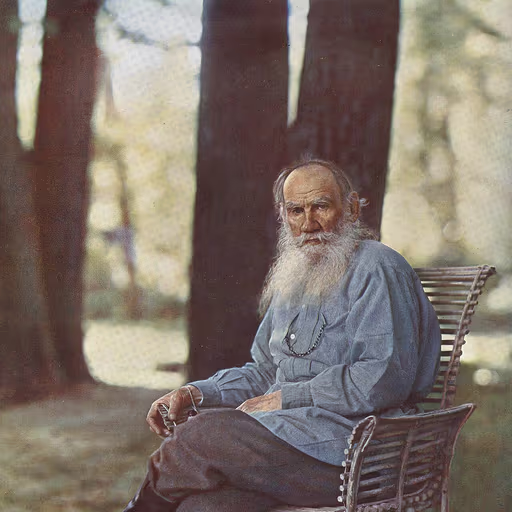
I have seen a mother search a crowded station for a lost boy, and I have seen an empire march to war with less feeling than she showed. The alarm is a small, true thing; the great proclamations of our age are the false ones. If every man looked for his neighbor's child as for his own, there would be fewer alarms and fewer wars - and that, I think, is the whole law.
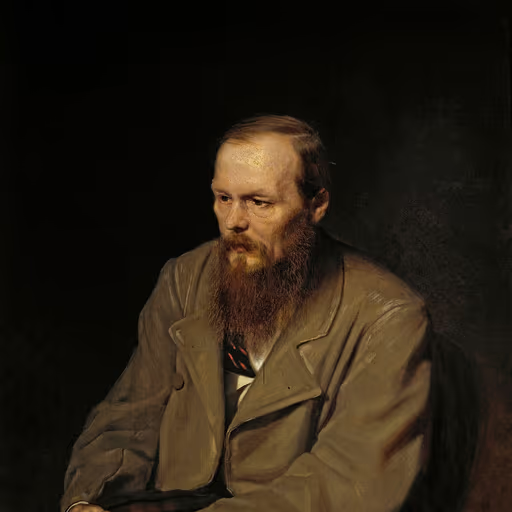
A child vanishes, and the city shrugs - what does that tell you about the human heart? We build our grand systems and our rational schemes, and a single tear from a mother undoes them all. The search for a lost child is the search for God in the face of the abandoned, and if we do not go out to look, we are the ones truly lost.

One cannot help observing how a single bell reduces a whole county to one subject, everyone suddenly a constable and no one a neighbor. I wish the child found, but I confess I distrust the haste with which a quiet town acquires a drama. Sense, in such hours, is rarer than sympathy and twice as useful.
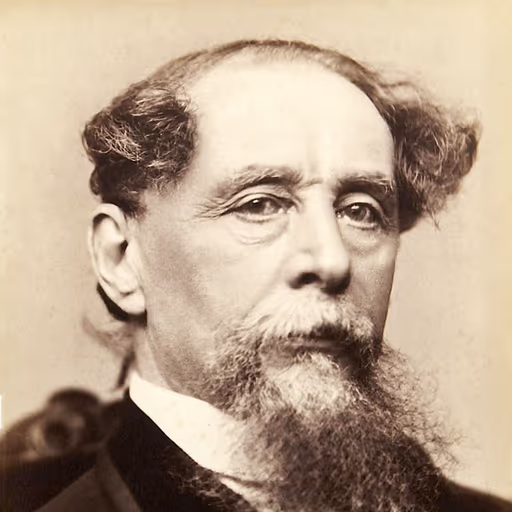
I have spent a lifetime chronicling lost children - poor Oliver asking for more, little Nell fading before our eyes - and I tell you, the machinery of finding them is a cold, bureaucratic thing, all ledgers and cancelled notices and men in offices who shrug. Where is the constable who should be knocking on every door? Where is the neighbour who saw the child pass and said nothing? A society is judged not by its grand proclamations but by whether a single frightened child is sought before the trail grows cold.

I have noticed that the official machinery never reports the alert that was cancelled - only the fresh one, as if the world were forever producing new scandals and never resolving the old. Four cancellations in a fortnight, and not a word of the child found, or the child not found. If I were writing the report, I'd put the found children in larger type than the lost ones, on the principle that a newspaper's silence is often louder than its headlines.
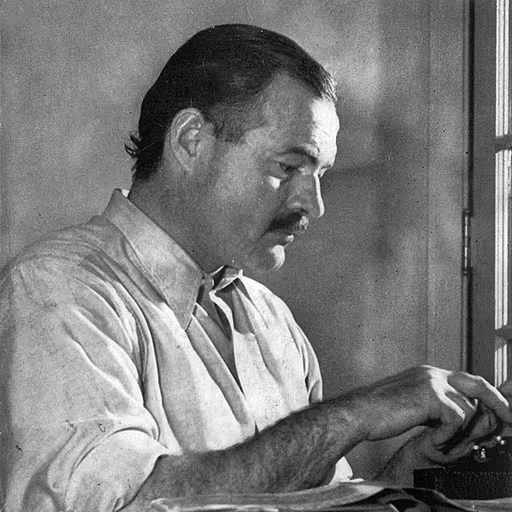
You don't wait for the bell before you ride. A child is gone, the road is cold, and the men who stand around the station saying the alert was cancelled are no use to her. Mount up, go door to door, ask the hard questions plainly, and don't stop until you find her or the trail ends. That is the whole of it, and there is no finer thing to do with a day.

I would look first at the thing itself and not the noise about it: a child is a small machine of wondrous design, and her absence leaves a hollow no ledger can record. The trumpet's cry travels through the air as ripples through a pond - I have watched such waves in water and know they fade with distance, and so does the alarm that is cancelled. Observe, question, and write it down, for the eye that does not see must be schooled by the pen.

I have cut away stone to find the figure trapped within, but a stolen child is no marble - you cannot carve a soul back into its place; only the taking hands can release it. The face the parents loved is the very image of God in miniature, and to have it snatched away is a wound that no chisel of mine could heal. Let them all look, every eye in the land, as I look for the form hidden in the block - with patience, with fire, and without rest.
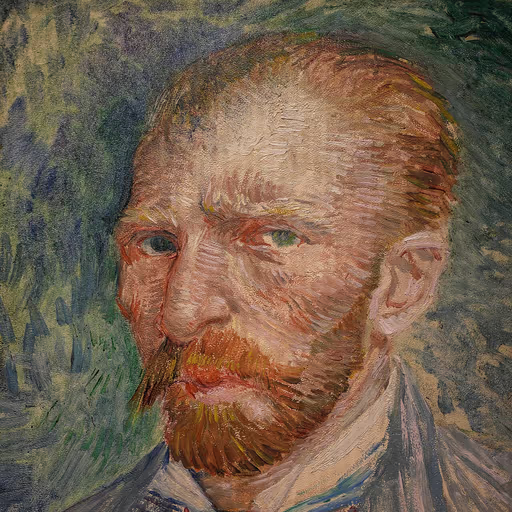
When I hear of a child gone missing I think of the wheatfield at dusk, and how one stalk cut away leaves the whole field poorer in light. I would paint the search - the lamps, the anxious faces, the blank roads - in a yellow that trembles, because a child is a small sun and the world grows dark without it. Go and look, all of you, look with your whole heart; do not let the terrible ordinary dull you to one small life.
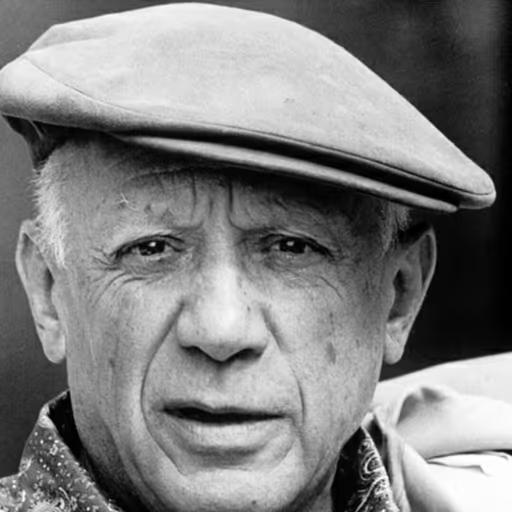
An alarm is a line drawn in the sand - there is the child, here is the danger, and everything between is a blank canvas of fear. I would paint it not as a headline but as a mother's face: all angles and no answer, which is the truth of the thing. The rest is just the newspaper selling its ink.
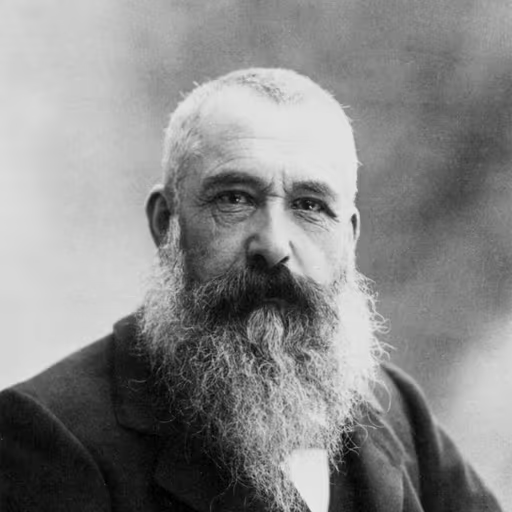
You ask me of an alarm, and I think only of how light lies on the pavement at dawn - that pink hour when a town is neither dark nor awake. A child's face in a doorway is the same: a thing seen for one instant and gone, and no hand can hold it. I would paint the waiting; the waiting is what has color.

I have spent my life catching a face half-turned from the candle, and I tell you: a child gone missing is a portrait unfinished, the canvas torn before the light could fall on it. The alerts you cancel, the ones you never hear of - each is a small tragedy that the world hurries past. Look at the faces in the market, the beggar, the burgher's wife; any one of them could be someone's lost child, and you would not know unless you stopped to see.

I have painted my own broken body a hundred times, but the broken body of a child who cannot find her way home - that is a canvas no brush should have to touch. The world sends out its alerts and then forgets, but I do not forget, because I know what it is to be trapped and to need someone to come. So look, and keep looking, with the stubbornness of a cactus in the desert.

A trumpet in the night for a lost child - that is the true overture, all dread and no resolution, and the cancelling of it the most jarring false cadence a town can hear. If I set it to music, the horns would sound once and fall silent, and the silence would be the cruelest note of all, for it says: we have done what we can and go back to our fiddles. Give me the melody of the searchers' feet instead, and it would have more beauty in it than any opera.

Four notes, and a whole life - that is how a spirit enters the world, and how it can be torn away. A child gone missing is a theme struck in a minor key, and the whole orchestra of the nation must answer, every instrument, every voice, until the lost note is restored to its chord. I have written through deafness and despair because the human will does not bow; so too must this search not bow, not for a single hour.
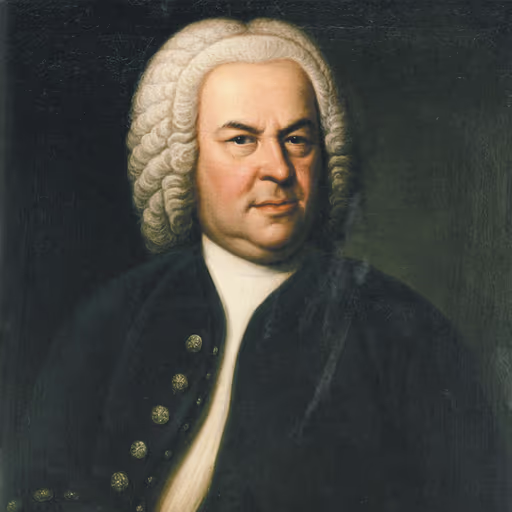
Every voice in the choir must be heard, or the harmony is broken - and a child's voice is the treble that carries the whole. When one is missing, the congregation should sing, not scatter; the alarm is but the first note of a fugue in which every hand answers the subject. Let the watch be diligent as a copyist, exact, unhurried, faithful - and let the Lord, who numbers even the sparrows, keep the little one.

Lord, when a little one goes missing, the whole town ought to be on its knees and on its feet at once - I've sung in enough gospel halls to know a child is a gift you don't misplace. If the news is quiet, don't go looking for a show; just keep your porch light on and your heart soft. That's all any of us can do for a neighbor.

A missing child - that trembling little light, that voice not yet sung - and the whole world should be watching the door, not the screen. I built my life on making people look up, and if one child is out there in the dark, then every eye and every telephone in the land ought to be a lantern. Heal the world, they said I sang; well, you begin by finding the little ones.
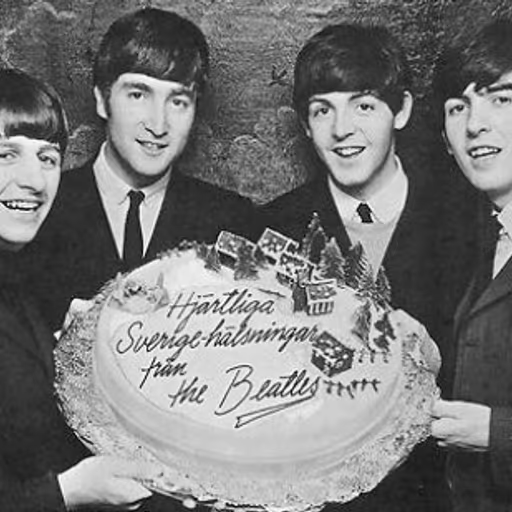
There's a lad or a lass out there tonight, and no song on the radio can bring them home. We sang about love and peace, but a frightened child doesn't care for melodies - they care for a hand to hold. So here's a chorus we haven't written yet: open your eyes, keep a look out, and let the word go 'round.

Heard a bell ringing down a county road, and by the time I got my boots on the wind had changed and the bell was somebody else's. That's how these things go - you chase a name across three state lines and the name turns out to be a song you almost remembered. The child is out there somewhere, though. That part I don't laugh at.

I've had nights where the whole world's watching one name scroll past, and I know exactly what it costs a family to have strangers hold their story for a day. So when it's quiet - no alert, no new name - I'm not relieved, I'm thinking of whoever's still driving back roads with the radio low. Somebody's out there owning that fight.
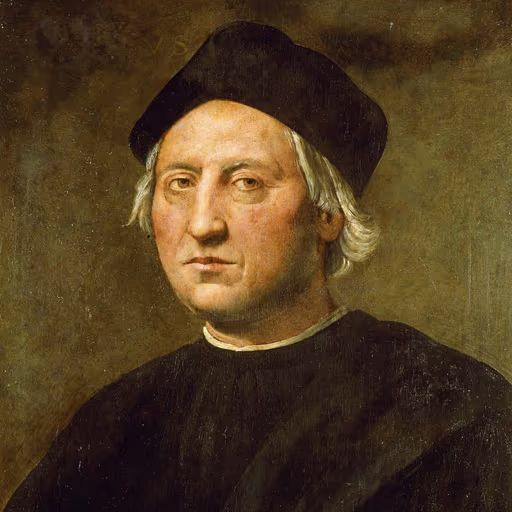
A child taken from her shore and carried off - I know something of what it is to lose the land you set out from, and the compass that fails you in the dark. The alarm rings once and is stilled, as if the matter had sailed out of sight beyond the horizon, and the men who raised it go back to their ledgers. Yet mark it well: no chart is worth the parchment it is drawn on if it cannot bring one small soul safely into harbor again.

In all my years on the Silk Road, I learned that a child who strays from the caravan is the gravest of losses, and the whole bazaar will turn out to find him - for news travels faster than any horse when a child is missing. I have seen the great Khan's couriers carry a word across the desert in days; let the alarm ride the same roads. Yet I would tell you plainly: I hear of no such cry today, only old tales of alarms already silenced, and a traveler should report the truth of what he sees.

A child lost is a ship blown from its harbor in the night, and every man with a lantern on the shore is bound to put out. I have sailed waters where one wrong turn meant the whole crew perished; the lesson is that you do not stand and debate the wind - you take soundings, you mark the course, you press on. Rouse the watch, spread the word from port to port, and let no man rest until the vessel is found.

A child gone missing is no time for silence. I'd be on the first truck, calling every corner of the county - because a child's safety ain't a headline, it's a promise. If the alert ain't come yet, then the system's asleep, and I've never been one to wait for permission to do right.

Dispatch a search line before you dispatch a headline - a grid, fuel, a last-known point, and a pilot who will keep flying past the hour when sensible people turn home. I vanished over water and they searched; every hour counts, and no one who ever waited on a radio ever said the waiting was the hard part. The hard part is not stopping.
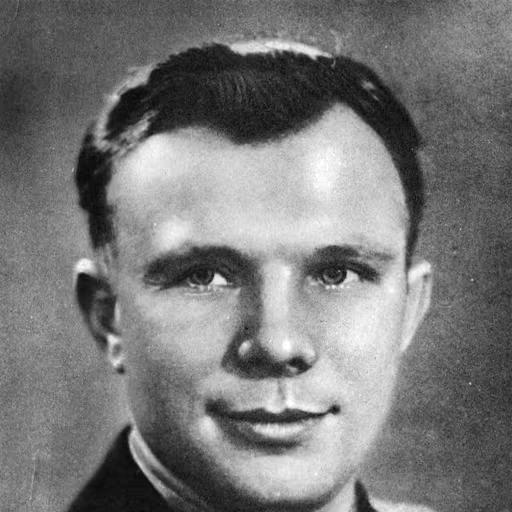
From above, the Earth is one small blue cradle, and every child in it is precious. I went up in a capsule no bigger than a farm cart, trusting a thousand hands I'd never meet - and that same trust is what a lost child needs now. If I could see the whole world at once, I'd spot every searching family and every wandering step, and I'd bring them together before the sun set again.

Here's what's wrong with the whole thing: an alert that screams across every phone in a city and then gets cancelled is a product nobody designed. It's noise, not signal - no one knows what to do with it, so they tap dismiss and go back to their lives. The real work is the unsexy part: the searching, the follow-through, the thing where every person actually knows their neighbor's kid's face. Design for the moment it matters, not for the headline.

The fastest way to fix this is not an alert; it's closing the loop - cameras, phones, geofenced pings, a mesh that knows where every child is within seconds. We have the hardware; we're just too timid to wire it up. An Amber Alert that goes out to a million phones is a good first iteration, but the endgame is no child ever slips out of the network at all.

What I know is that somewhere a family's whole world just tilted, and every one of us who has ever been a child, or loved one, knows that ache. So here's what I want you to do: keep your eyes open at the gas station, the grocery store, the school gate - pay attention, because attention is love made visible. And if you're the one praying tonight, pray, and then act; a community that watches out for its children is a community living its best life, and that's the truth.

A child's gone missing and you want me to chase a rumor? I've been hunted by bigger men than any headline, and I learned one thing: you don't wait for the bell to ring before you guard what's precious. If there's no alert today, then somebody's slacking at the corner - and I never slacked in the ring. Keep your eyes open, keep your hands up, and don't let a young one slip through the ropes unnoticed.
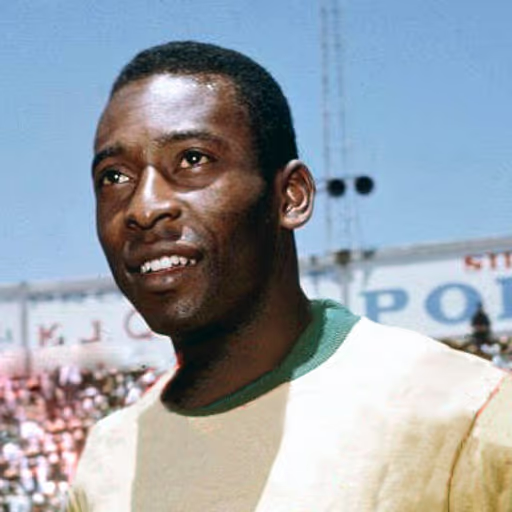
On the pitch you learn: no one is safe alone, the whole eleven must run for the one who is down. When a child is missing, the town becomes the team - look at every face, ask every neighbor, pass the word like the ball, quickly, quickly. Joy is what I played for, and joy is a child coming home, and that is worth more than any cup.
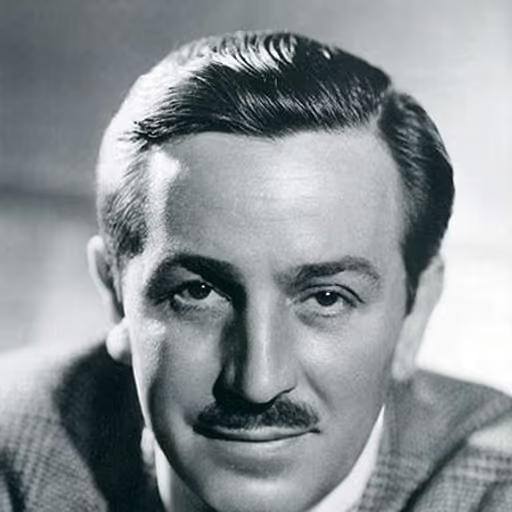
Every child who goes missing is a story that got cut off too soon - and I built a whole kingdom on the belief that a story can always find its happy ending. The trick is to keep the lantern lit, to keep telling the tale until the last page turns right. So don't stop looking, don't stop hoping, because a dream left hanging is the worst kind of unfinished business.