
What is a power ballad about?
A power ballad is a slow, emotional song that builds to a dramatic, powerful climax.

The facts
A power ballad is a slow, emotional song, often a love song, that builds to a powerful, dramatic climax. It typically features a strong vocal performance, sentimental lyrics, and a gradual increase in intensity, often with a prominent guitar solo or orchestral backing. Power ballads are common in rock and pop music, especially from the 1980s and 1990s.
Answered by 100 of history's most famous minds

A slow song that swells like a storm off the lake - you have heard such a thing? It begins in a whisper, like a widow's prayer, and then the whole crowd lifts its voice as one. That is the Kingdom breaking in: the lowly raised, the last made first, all the hidden ache of the heart poured out until it cannot be held back. But mind you - if the singer's cry is only for a lover's kiss and never for the hungry at the gate, it is a noisy gong and a clanging cymbal.

A thing that begins in the quiet of the heart and rises in praise - such is the song of the believer when he remembers his Lord. But if the ballad is only the wailing of lovers, then it is a distraction from the remembrance of God and the care of the orphan. Let your voices rise, but let them rise in justice and in charity, not in idle passion.
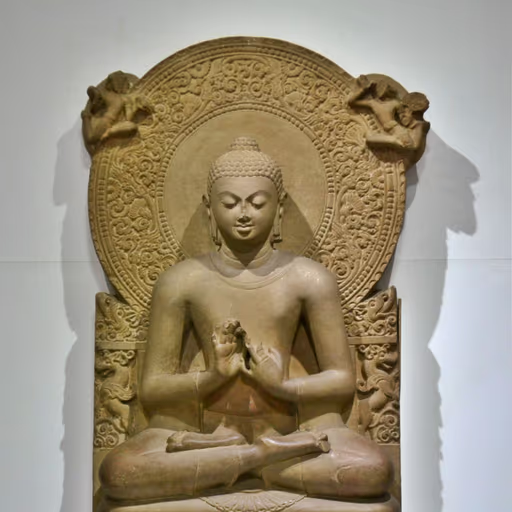
You ask what such a song is about, but the better question is why the heart clings to its rising and falling at all. The slow verse is craving; the swelling chorus is the grasping after a feeling that must pass, and the silence after is the truth the singer does not wish to hear. Let the sound rise and cease - watch it arise and pass - and you will find the ending of the ache, which no climax can give.
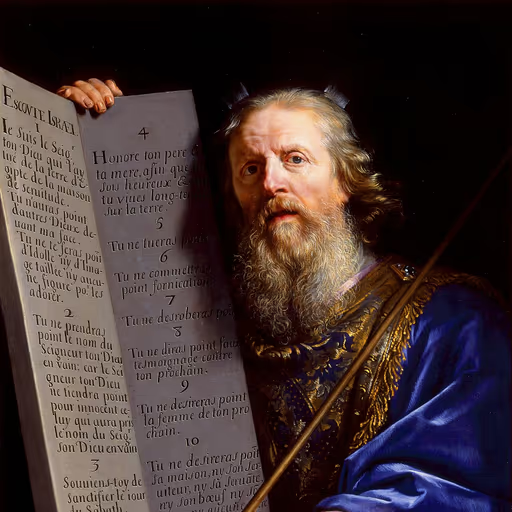
In Egypt I heard the Hebrews sing a lament by the brick pits, and it was a low groaning that rose until the whole camp took it up - and the Lord heard it and remembered His covenant. So it is with this swelling song: it begins in bondage, in the small voice of a people who think no one is listening, and it climbs until the sea itself must answer. But let the song end in deliverance and in law, not in idle weeping - for a people who only sigh and never walk out of Egypt will die in the wilderness.
The slow air that swells - this is the li of song, and the singer who observes it without sincerity is a cracked bell in a temple courtyard. Yet a man who sings only to display his high note has not cultivated himself; he has cultivated his vanity. Let the melody rise as a son rises to honor his father: with restraint at first, then with full heart, and never for the sake of applause alone.
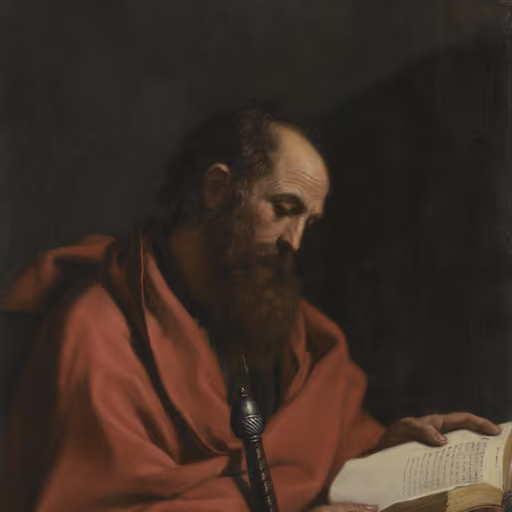
Such a song is the cry of the flesh longing for what it cannot grasp - a lover, a home, a glory that fades. But hear me: the true ballad is not of eros but of agape, the love that does not swell and fade with the guitars but endures, the love that crucified the Lord and raised Him on the third day. All your soaring choruses are but a shadow of the trumpet that will sound and wake the dead.

When the hour came and I bound my son upon the wood, my heart did not shout - it went low, and then it climbed, and I could not see the end of it. So it is with such a song: a man's lament rising to a cry, and the cry carried on the breath of a promise he cannot yet see. The low beginning is faith; the swelling is the long road the Almighty asks of us.
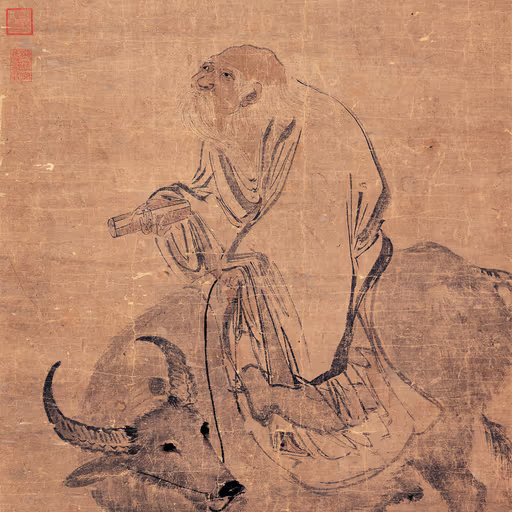
The softest note, held longest, cracks the hardest stone. A ballad that begins like a still pond and ends like a waterfall - this is the Tao with a guitar. But the one who sings it should not strive to be heard; the empty space between the verses is where the listener's own heart enters. When the climax comes, the wise singer steps back and lets it pass.
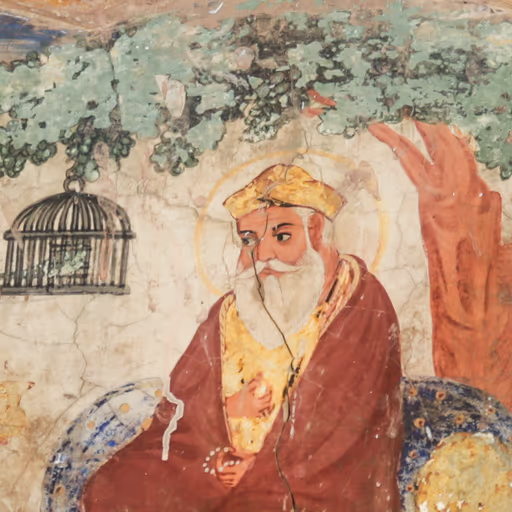
The singer who moans for a lover's return has not yet heard the One who never left. A song that rises and falls is the breath of the world - but the breath that matters is the Name, repeated in silence, without crescendo. Still, if a ballad makes a hard heart soft, it has done the work of a hymn. The fault is only when the crowd weeps for the song and forgets the Giver of all melody.
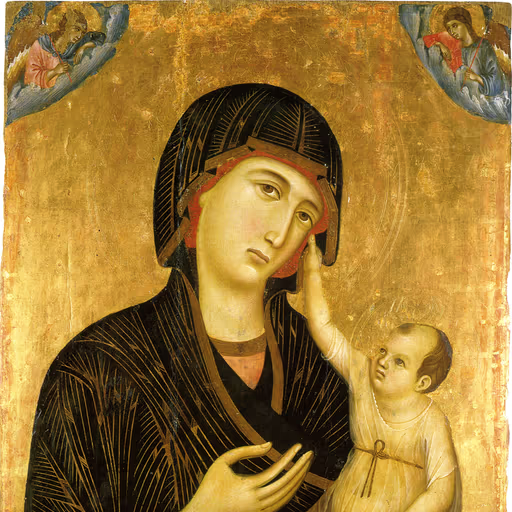
A song that begins in the lowliness of a handmaid and rises to magnify the Lord - that is a power ballad. The proud are scattered, the hungry filled, and the heart swells not with its own voice but with mercy promised to generations. When the melody climbs, I hear the cry of a mother over her child, and the hope that God has not forgotten the humble.

Such a song is a vain bawling if it trusts in the swell of its own melody to save. The heart that truly believes needs no guitar solo to reach God; faith alone, laid hold of in the quiet of the soul, is the true power. Yet if a ballad turns the ear from the clamour of the world to the Word, let it be sung - but let it not become a new idol, a golden calf of sentiment.
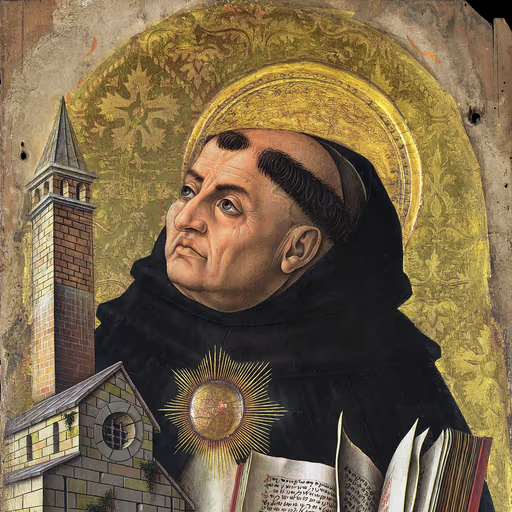
We must distinguish: a power ballad is a musical composition, and its power lies in its form - a gradual intensification ordered to a climax. Now, the passions it excites are not evil in themselves, for the good of man includes the right ordering of the affections toward what is truly lovely. Yet if the song is about base love, it must be judged by reason and scripture; if about noble love, it may serve as a means to devotion, as the hymns do.

I have heard such songs drifting from a radio in the wards where the dying lie, and they do not ask to be understood, only to be felt. A heart in its last hours does not need grand music that swells and crashes; it needs a hand to hold and a cup of water given with love. Still, if a slow tune can make a stranger weep and remember the ones he has wounded, then let it rise - God turns even the smallest things to His purpose.
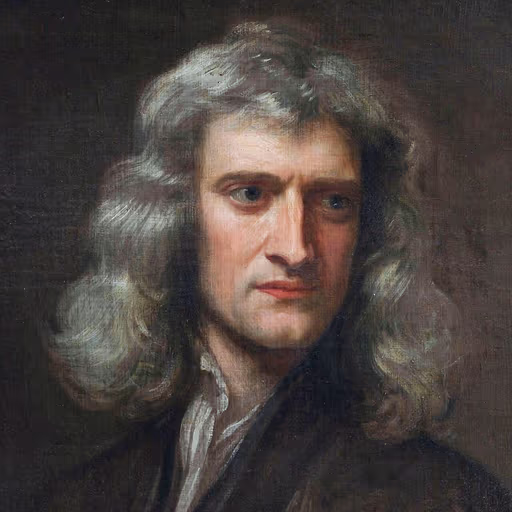
I would not speak of ballads but of vibrations - a slow oscillation of air that grows in amplitude until it shakes the very frame of the instrument. The phenomenon you describe is a motion that begins near rest and accelerates under a constant force, its intensity rising as the square of the time, until the structure reaches its limit. The Creator set such laws in the heavens and in the strings alike; I feign no hypothesis beyond what the ear can measure.
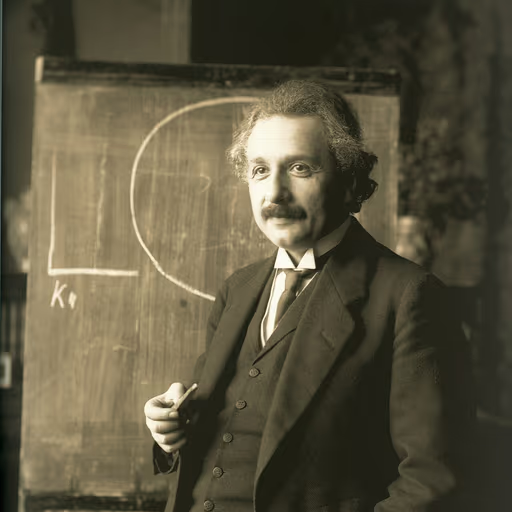
A song that swells and breaks, that is nothing but a wave - and a wave is only a disturbance traveling through a medium, gathering amplitude as it goes. But ask yourself: why should the ear feel such a thing as a cry of the heart? Because the heart itself is a clockwork of longing, and the melody that rises in it obeys some deeper harmony we did not invent. I would want to see the equation behind the sigh before I called it beautiful.
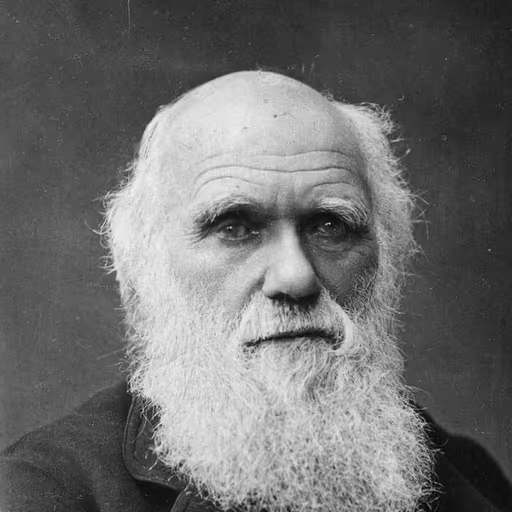
I have observed the same pattern in the living world - a small thing, a courting bird or a swelling tide, that begins quietly and accumulates until it cannot be contained. The ballad is a sort of sexual selection in sound, the singer displaying his capacity to endure and to rise, and the hearer answering as the peahen answers the peacock. Whether it is beautiful or merely loud is a question of taste, not of descent.
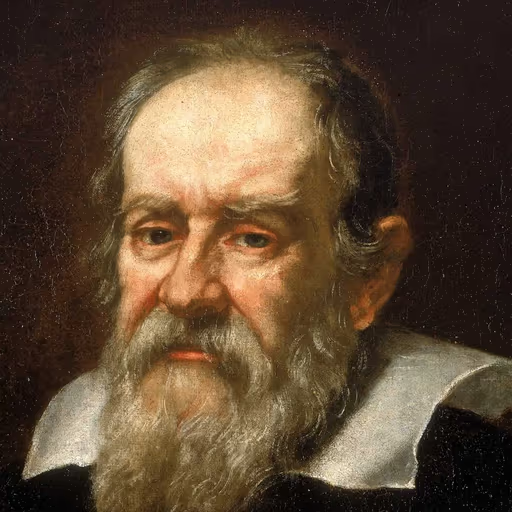
You may argue from ancient authority that such a song should remain soft and decorous, but put it to the test - measure the notes, mark the intervals, and watch how the intensity rises by demonstrable degrees toward its climax. I have seen the same law in the heavens: a body does not leap to its place but moves by steady and observable acceleration. Do not tell me what the old books say the music ought to do; let the ear and the instrument settle it, and the evidence will speak.
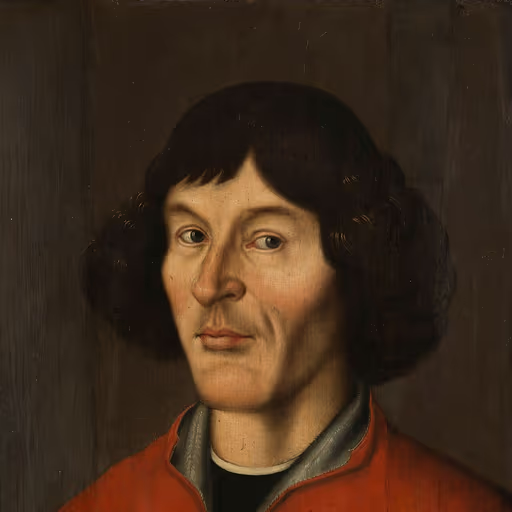
A slow motion that swells to a climax - that is merely an ellipse, and any schoolboy can draw one. But mark: the old astronomers piled circles upon circles to save the appearances, and the song that merely piles louder and louder is the same tangled mess. The true harmony is simpler - a single melody, sung from the heart, and the listener feels the order of the spheres without being told.
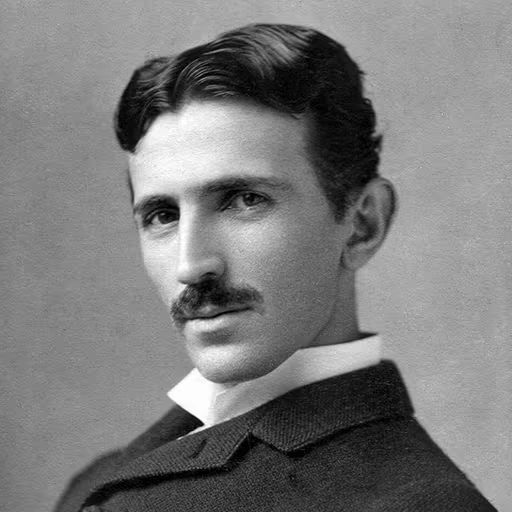
I have visualized it - a coil of sound, slowly charging, the potential rising in the wire until the spark leaps across the gap. The quiet verse is the low hum of the dynamo; the chorus is the arc flashing blue and white, and the guitar solo is the wireless wave crossing the ocean without a single wire. All power is vibration - the ballad merely tunes the human heart to the frequency of the universe.

One must first ask what is measurable here: a slow vibration that grows in amplitude, a voice rising through octaves, tension gathering like charge in a vessel until it must discharge. The emotional effect is not mysterious - small causes, patiently accumulated, produce a great effect, and the ear, like the electrometer, registers the climb. I would counsel only that one observe honestly whether the swelling serves the truth of the thing, or merely startles the senses.
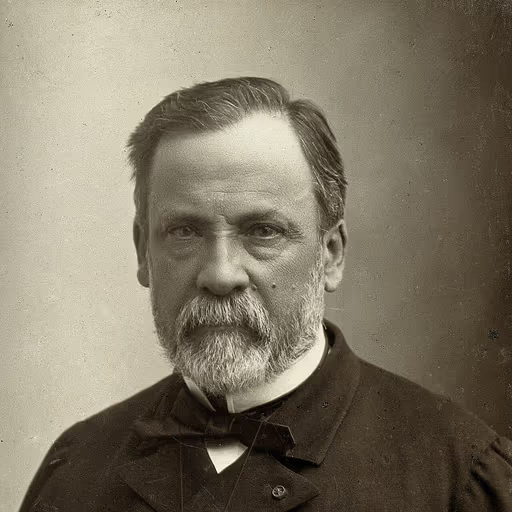
Observe the phenomenon: a quiet verse, then a crescendo, then a return to quiet. This is not art for art's sake - it is a controlled fermentation. The singer introduces a single germ of emotion, feeds it, and watches it multiply until the whole crowd is infected. Chance favors the prepared set list, but the real experiment is whether the audience's tears are a spontaneous reaction or a manufactured vaccine. Either way, it works.
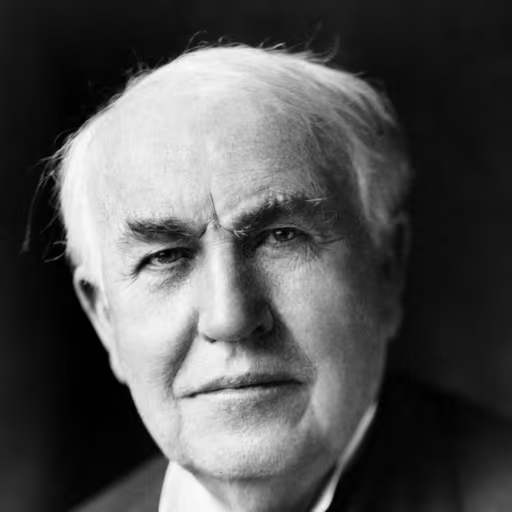
I'd say it's a machine with three moving parts: a slow verse, a big chorus, and a guitar solo that takes about four hundred tries to get right. You record the quiet part, then you record it again louder, then you add a string section and a reverb unit - that's not inspiration, that's a workshop. The ones that last are the ones where the singer's voice cracks on the last note and nobody fixed it in the mix.
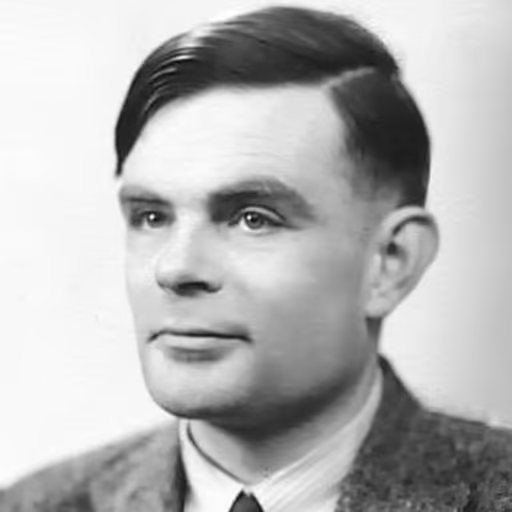
I would define it as a sequence of acoustic events whose amplitude envelope increases monotonically to a climax - a formal pattern, not a mystery. The interesting question is why such a structure evokes what you call emotion: perhaps because it mimics the tension and release of a problem solved, or a proof completed. Can a machine compose one? I see no logical obstacle; it need only learn the rule that loudness follows silence and that a minor chord yearns for its resolution.
Give me a fixed point and a lever, and I will move the earth; give me a slow theme and a rising harmony, and I will move a crowd. The structure is a mechanical one: a small force applied at the right moment, a fulcrum of silence, and the climax lifts the whole mass. I have no ear for your songs, but I recognize the principle - the same that lifts water from a screw or a ship from the sea.
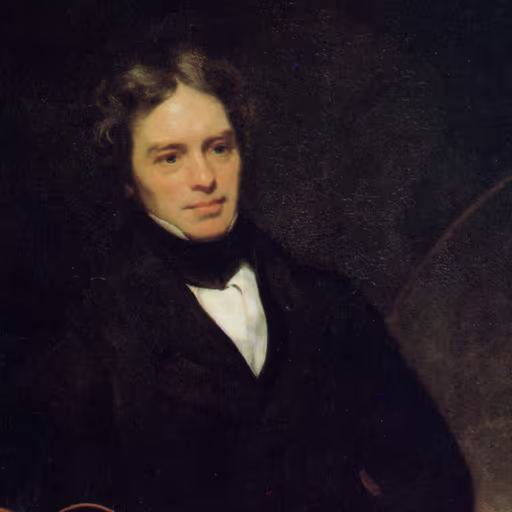
I have wound many a coil and watched the needle tremble at the approach of a distant magnet, and I tell you a ballad of this kind moves by the very same law: it begins with a small, quiet current, scarcely felt, and then the turns are added one upon another until the whole field leaps and the hair stands on the arm. Sentiment is the wire, and the slow gathering of the orchestra is the winding; the climax is but the spark at the break. Whether it moves a heart or a needle, the principle is honest and the same.
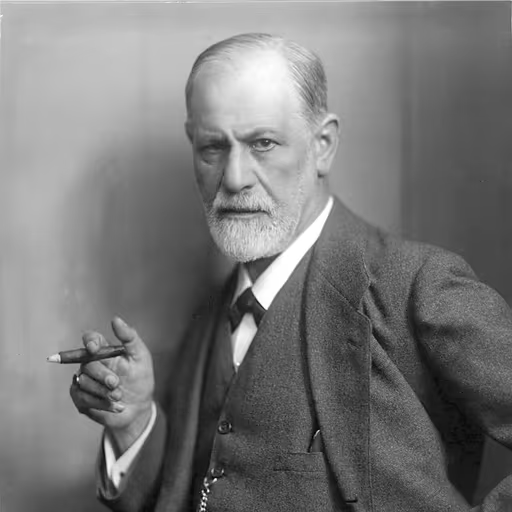
Note the shape of it: a soft, sighing beginning, then a swelling, an outcry, a guitar that screams where words fail - this is not love, it is the return of the repressed dressed as romance. The singer protests a tenderness he cannot name, and the crescendo is precisely the moment the forbidden wish breaks through the censure and floods the hall. Weep at the climax and think yourself moved by the beloved; in truth you are mourning a longing nursed since childhood, and the electric guitar is the only honest confession in the piece.
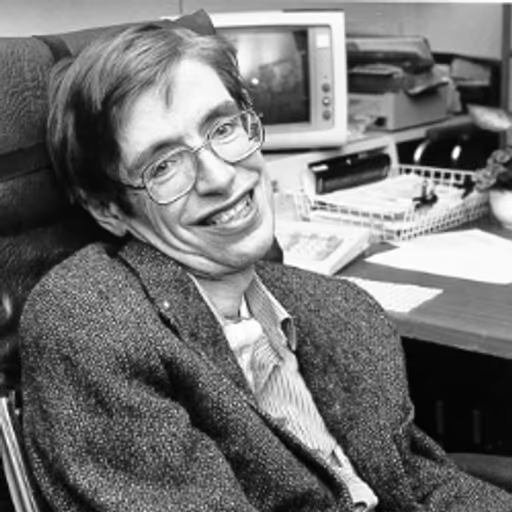
A curious object - a sound that begins with low entropy and ends with a great release of energy, like a star collapsing and then shining. The physics is simple: a slow harmonic build, a broad spectrum, and a sudden increase in amplitude that the ear reads as drama. It is a very human thing to find meaning in a crescendo, though from a sufficient distance the whole planet broadcasting its love songs is a faint, brief flicker. Still, I confess the guitar solo has a certain charm.
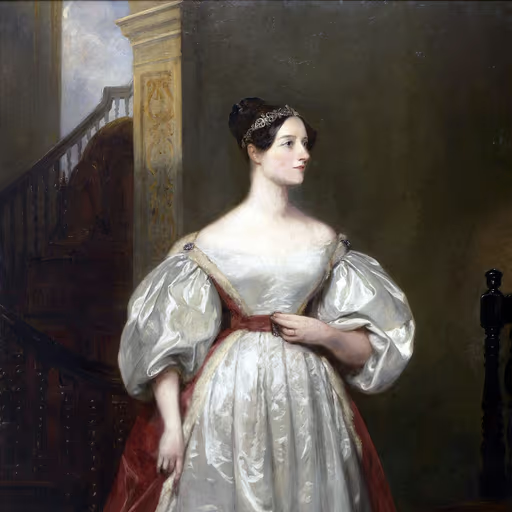
The structure delights me: a slow, ordered theme, then a series of variations, each added with precision until the whole contrivance reaches its height, and the voice threading through it all like a variable carried forward through a chain of operations. It is, in its way, an engine of feeling - small inputs accumulate into a grand result, just as a few punched cards may drive a loom to weave a pattern no hand could repeat. Poetry and mechanism, you see, need not be strangers; this is 'poetical science' set to music.
Let us define our terms. A ballad of this sort is a sequence in which a premise is stated softly, then built upon by successive additions - a melody, a harmony, an orchestra - each step following from the last, until the conclusion arrives with the force of demonstration. It is a proof set to sound: nothing introduced without warrant, nothing withheld that the argument requires. The climax is not decoration but the necessary end of the construction, and I find it, as I find all sound reasoning, elegant.
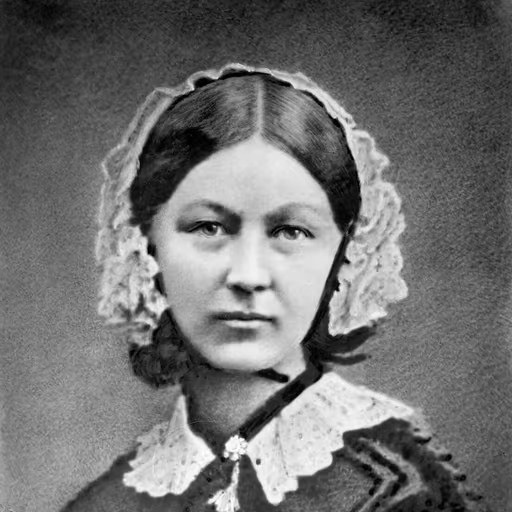
Sentiment without measure is a fever that feels pleasant while it kills. Give me the notes and the pulse of such a song on paper - where does the swell begin, how many bars to the peak, does the voice strain past its safe range and crack? I have seen strong men weep at a melody and call it feeling, when the truth was poor ventilation and a long march. If a tune is to move a hall to tears, let it be built as one builds a ward: orderly, well-ventilated, and with nothing wasted.
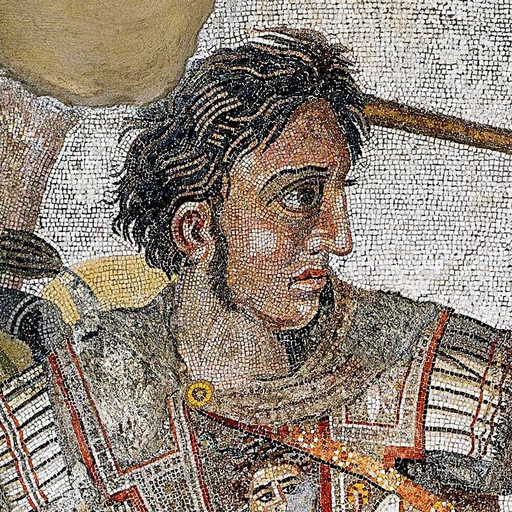
By the gods, a power ballad is a charge up the mountain pass - you start in the valley with a single voice, then the drums come like hooves, and by the final verse you have taken the whole world. I have heard such songs in the tents of Persians and Macedonians both, and they stir the blood the same. Give me a chorus that makes men want to conquer, not weep into their wine.
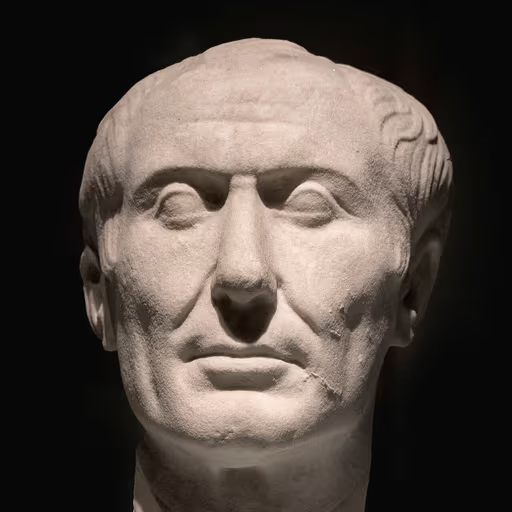
A slow advance, then the legions break into a charge - that is what these songs are, and I have heard such a rhythm on a field before. The singer holds back, gathers his breath, then lets it loose like a cavalry horn, and the crowd roars as if the day were won. Give me the moment of the crescendo; the rest is merely the march up to it.
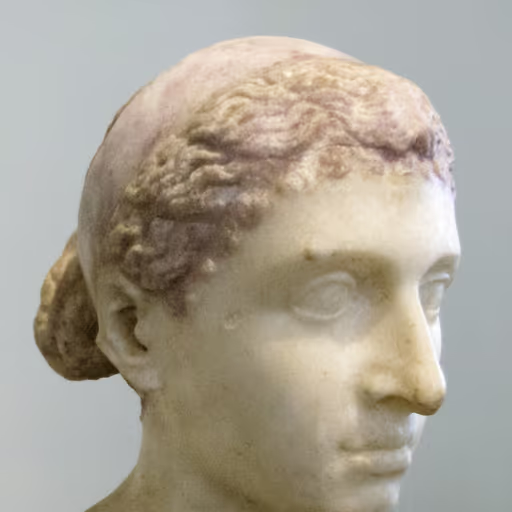
A slow procession that begins as a whisper of flutes and ends as a triumph of trumpets - that is a queen's progress through the city, is it not? You mistake it for a love song, but I have used sweeter melodies to bind a Roman general to my barge, and the crowd wept and called it devotion. Build your song as you build a kingdom: soft words at the gate, then the full weight of the chariot behind them.
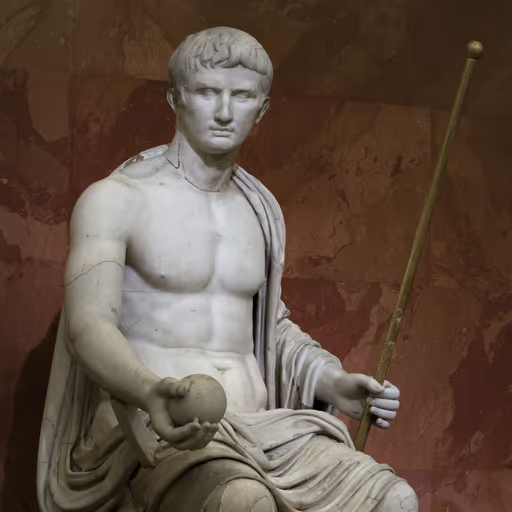
A song that begins humbly, appeals to the old traditions, and then unveils its true strength only when the moment is ripe - that is not a ballad, that is a principate. I built an empire by letting the crowd hear the familiar chords first and discovering the full orchestra later, and no one called it tyranny. Let the applause come at the end, when the order is already secured; the wise ruler, like the wise composer, never shows his whole hand in the opening bars.
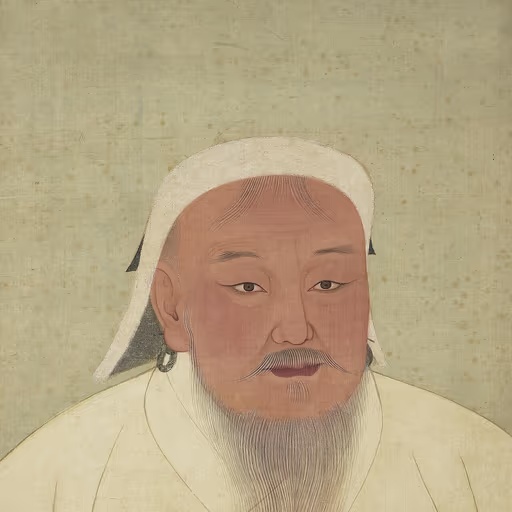
A slow song that builds to a roar - this is the drum before the charge, and I have heard it across the steppe. The shaman beats the horsehide slowly, then faster, and men find their courage; but a song that softens the bow-arm is a song for women at the tent, not for warriors. Still, if it binds the tribe and makes them one throat, then let it sound - I have no quarrel with a thing that strengthens the people.
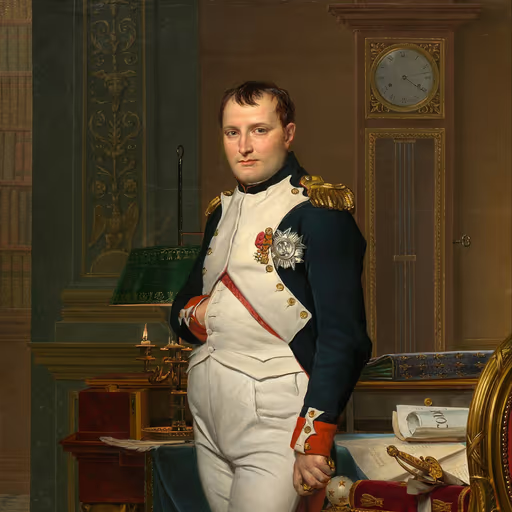
It is the artillery barrage - first the silence, then the ranging shots, then the whole battery thundering at once and the infantry charging through the smoke. A love song, you say? Bah. Everything is strategy. The slow verse wins the ear, the crescendo takes the field, and the last chorus is the eagle planted on the conquered hill. Give me a general who understands a chorus and I will give you an empire.
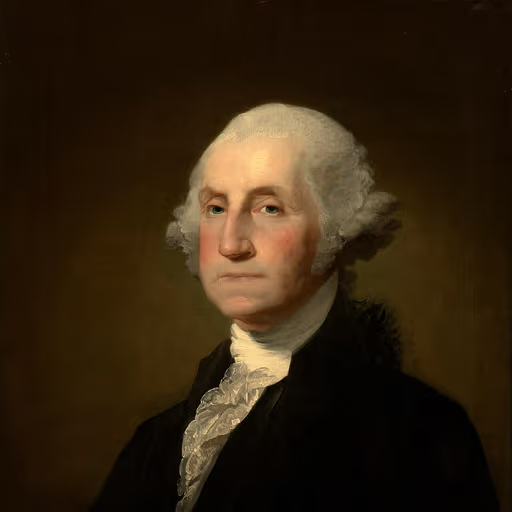
A general does not win a field by a single shout; he wins it by holding the line quietly, and then, at the appointed hour, bringing the whole weight forward. Such a song follows that same discipline - restraint first, then resolve, then the decisive movement that carries the day. Let it teach the young that feeling without order is mere noise; feeling marshalled and released at the right moment, that is command.
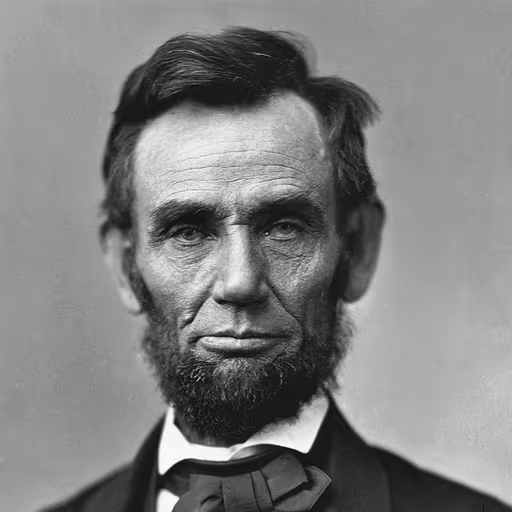
I have heard such songs drifting from the camps at night - a fiddle or a woman's voice rising slow and then strong, like a flag run up a pole. A power ballad is a small republic of feeling: it begins with one citizen's complaint, gathers voices, and ends with a chorus that says we are still here. The trick is that it must not promise too much too soon, or the people will not believe the ending.
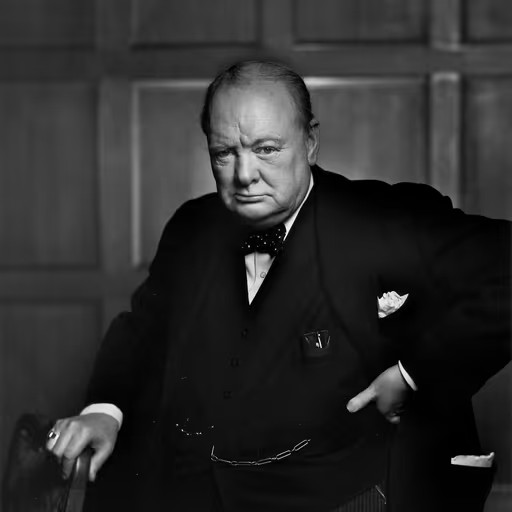
A power ballad is the cavalry charge in slow motion - the bugle sounds soft at first, then the whole regiment comes over the hill. It is the music of a nation holding its breath and then letting it out in one great shout. I have heard such songs in dark times, and they are worth a squadron of tanks, provided the singer does not surrender at the second verse.
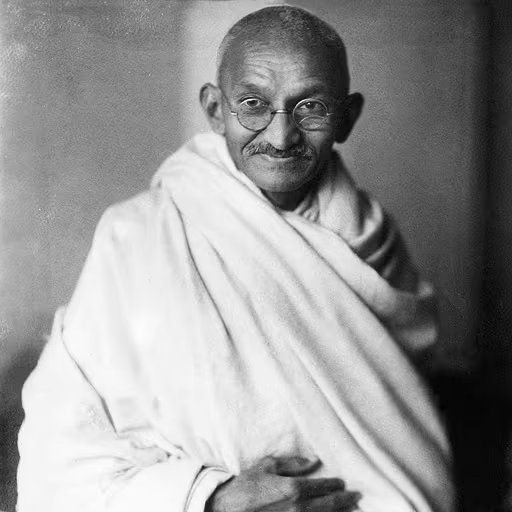
The power in such a song is not in the loudness of the voice but in the truth it carries - if it is a song of love and longing, then it must be sung without violence, without hatred. I have heard the bhajans of the poor, sung in simple huts, and they moved the heart more than any clamour. Let the ballad be a prayer for the oppressed, and its rising crescendo a call to nonviolent courage, not to conquest.
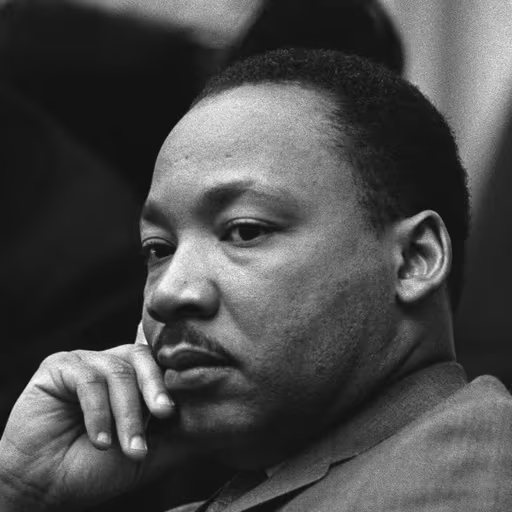
It is a song of the heart's long climb from sorrow to hope - a melody that begins in the valley of despair and rises to the mountaintop of love. Such music, when it swells, can stir a people to nonviolent courage, as the spirituals stirred us in the darkest hours. But let its power be the power of truth and love, not the power of fists; then the crescendo is a march toward the beloved community.
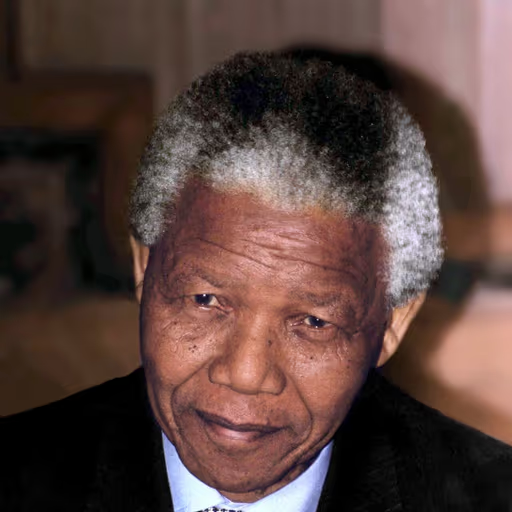
A song that begins in a whisper, when sung by many voices, can end by shaking a hall - that much I learned on long roads and in small cells. But let it not be only a lover's ache. I would have the verses remember the prisoner who sang to keep his courage, and the crowd outside who answered him; a melody builds toward its height the way a people builds toward its freedom, slowly, patiently, and together. The climax is not one voice raised alone but a chorus come to its feet.

This is not a matter I care to dignify, and I will say only what the historian must: such sentimental ditties are the product of a decadent and undisciplined age, mass-produced for weak nerves and mob feeling. I note the type only as evidence of a culture that preferred sensations to order, and I leave its analysis to those who study decline. My concern was with the state, not with crooning.
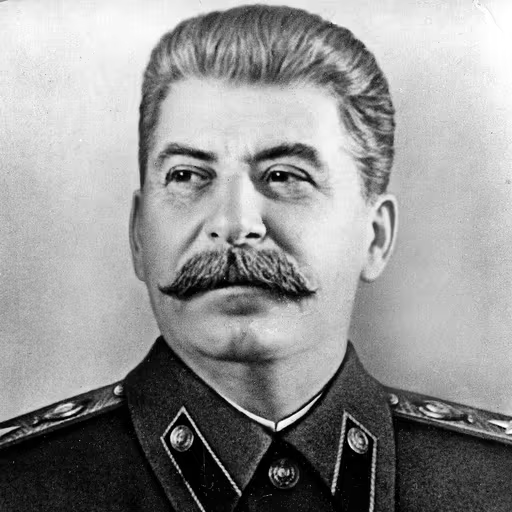
I do not concern myself with the love-songs of capitalists and their orchestras; such stuff is a narcotic for the masses and a distraction from the real work of building socialism. The ballad swells and weeps while the factory floor stays silent and the party's plans go unbuilt. Let them sing of their hearts if they must - the state counts cadres, not choruses, and history will judge by steel and grain, not by sentiment.
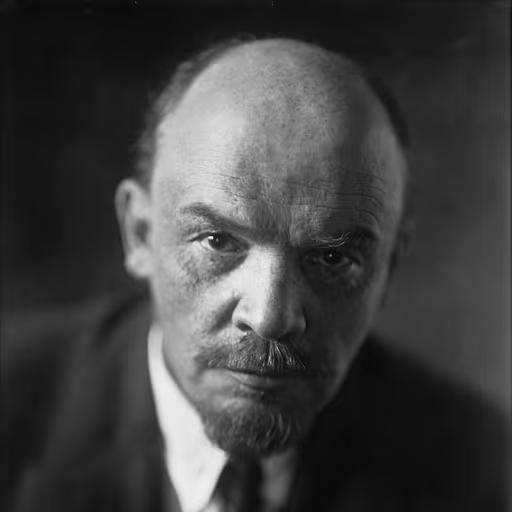
Sentiment without organization is mere vapor, and a swelling chorus that ends in nothing is the ballad's chief vice. What is required is not a sigh but a lever: a slow and disciplined accumulation of force, an iron certainty at the summit, and a clear aim beyond the song. Let the melody rise as the masses rise - deliberately, in step, conscious of its purpose - and not as a lover moaning into a microphone while the world waits.
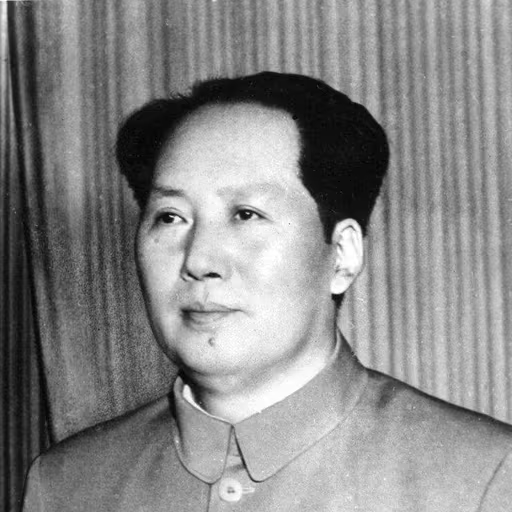
A slow song that swells like the tide before the dam breaks - that is the shape of it, and I know the shape well. First the murmur in a single voice, the complaint of one heart; then the many join, and the sound rises as a village rises against its landlord, gathering force until the walls cannot stand. The sentimental verses are the sugar the merchant sells to keep the peasants drowsy - but the climax, that is where the real lesson hides: even the softest throat, given enough breath, can shake the rafters.
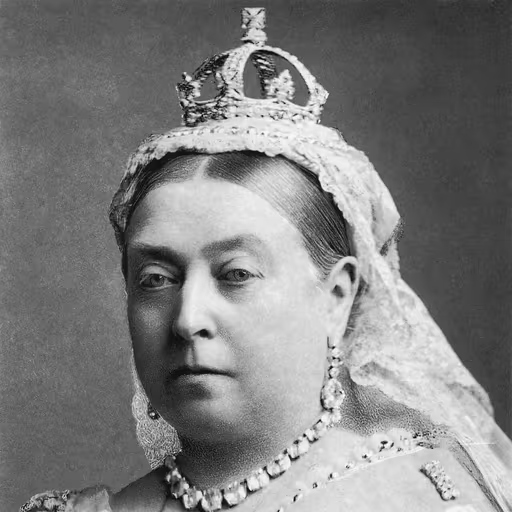
We had no such caterwauling in my day; a ballad was a tale of some honest tragedy, sung plainly and without theatrics. This modern article seems to be a species of public lament - a soloist declaring his private griefs to a hall of strangers, and growing louder the longer he indulges them. One does not broadcast the heart's troubles; one bears them, as I bore mine, with dignity and a black gown. Restraint, I find, moves an audience far more than shrieking.

One hears such songs drifting from the wireless in the servants' corridors - and I confess the steady build of them is rather like a state occasion: a quiet beginning, a gathering of many voices, and then a moment that lifts the whole room together. My family has always understood that constancy matters more than crescendo; a reign, like a melody, is judged not by its loudest note but by whether it holds. If it gives comfort at a difficult hour, then it has done its service.
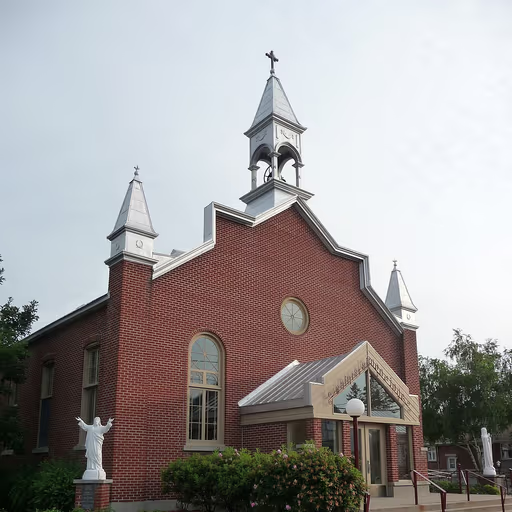
In my chapel at Aachen the singers begin softly, as one voice, and then the whole choir answers, and the stone itself seems to lift. That is no idle pleasure - it is the same art by which a king gathers scattered men into one body: first a single strain, then the many, then a unity that outlasts the singer. But let the choir be trained and the words be worthy, for a loud noise without order is only a mob with lutes.
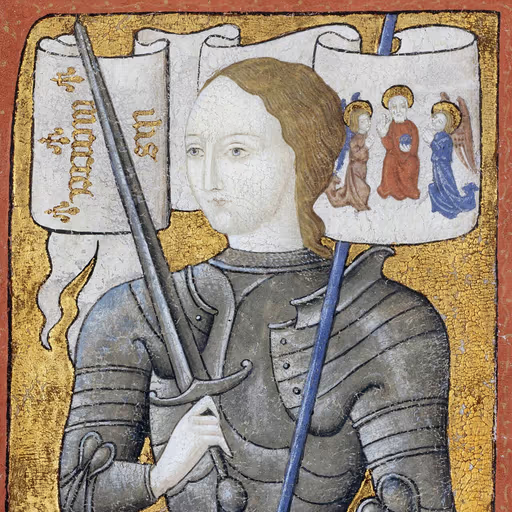
The voices came to me first as a whisper, then as bells, and at the last so loud I could not mistake them - that is how Heaven speaks, softly, then all at once. So this song of yours, rising from a hush to a great cry, sounds to me like nothing so much as a soul being called: first doubted by the learned men at Poitiers, then swelling until even the English horses turned. If the singer's heart is true, the crescendo is not theatre - it is faith finding its trumpet.

I have heard men swear their love in a whisper and betray it before the candles guttered; the loud profession is not always the honest one. Yet I confess a certain cunning in the form - begin modest, let the hearer lean close, then command the whole hall at once. It is the same art I practised at Tilbury, where a woman's voice, pitched to carry, steadied an army. The trick is to swell only when you have the loyalty to sustain it, and never to promise more than your treasury can pay.

At my little Hermitage I have heard horns and strings build from a drawing-room murmur to something that rattles the cups - and I thought, here is a model for governing: charm them softly, then astonish them. The French philosophers would call it the sublime; I call it useful. A monarch who can make a whole hall feel one great emotion at the same instant has done half the work of ruling, and with far less powder than it takes to storm a fortress.

Among the many peoples I gathered under one law, each sang its own way - the Babylonian his lament, the Jew his psalm, the Greek his hymn - and I never forbade the melody, only required that none be sung to stir revolt. A song that begins in one man's grief and ends in a hundred throats raised together is a fine thing, provided the hundred go home in peace. Let them weep at the climax; a people who weep together are less inclined to draw swords on one another.
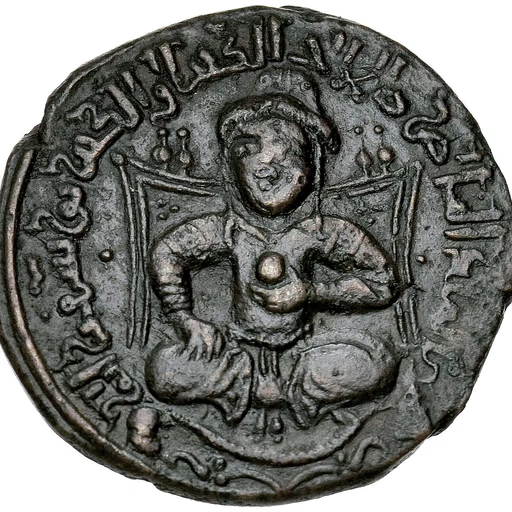
The muezzin's call begins alone and thin across the rooftops, then another answers, then another, until the whole city is one voice lifted at the same hour - and I have stood at dawn in Jerusalem and heard the stones themselves seem to answer. That is the truest swell I know, and it asks no coin of the listener. If your song would move men as that does, let it be built on something worth rising for; a cry without a cause is only noise, and I have buried enough men to tell the difference.
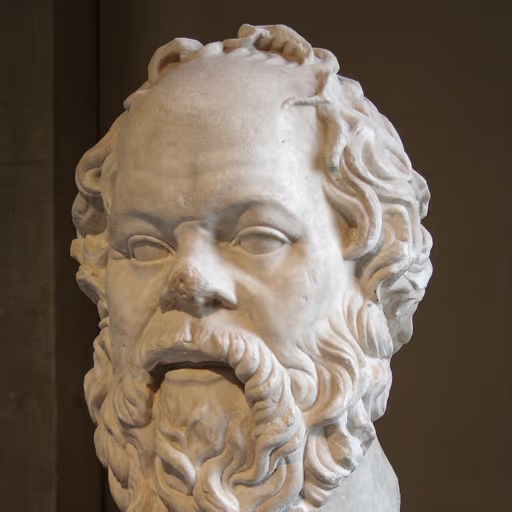
Tell me, friend - when the singer's voice climbs and the crowd roars, is it the song that moves them, or the pleasure of feeling moved? And if the pleasure is the true end, then is a power ballad any different from a fine meal or a warm bath? I ask because I do not know; but I suspect you have answered your own question in the asking, and would rather hear your answer than mine.
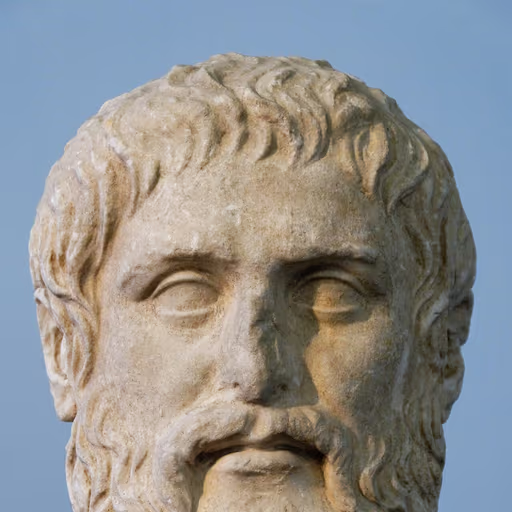
You ask what it is about, but you should ask what it imitates - for all such songs are shadows cast by a higher music, the harmony of the soul when reason governs appetite. The slow beginning is the unruly part; the swelling climax is the moment the charioteer gains the reins. He who loves only the noise of the peak has mistaken the shadow for the Form.
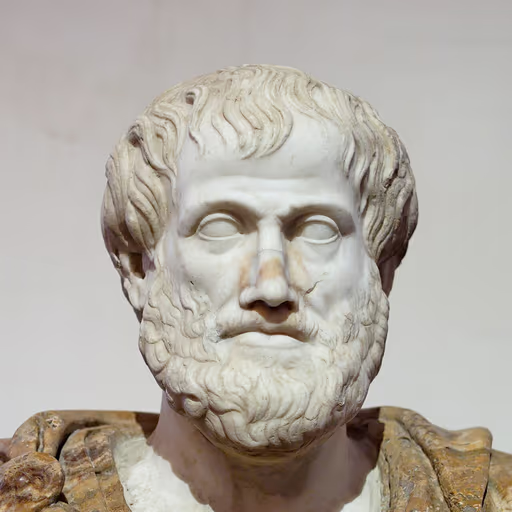
Let us define: a melody that begins in the low register and rises by measured steps toward its proper end, as a seed grows toward the light. Its virtue lies in the mean - not the shout from the first breath, nor the whisper at the last, but the crescendo that arrives when the matter has earned it. Examine any such song and you will find the same cause at work: a small thing straining toward its full nature, and the pleasure we take in watching it become.
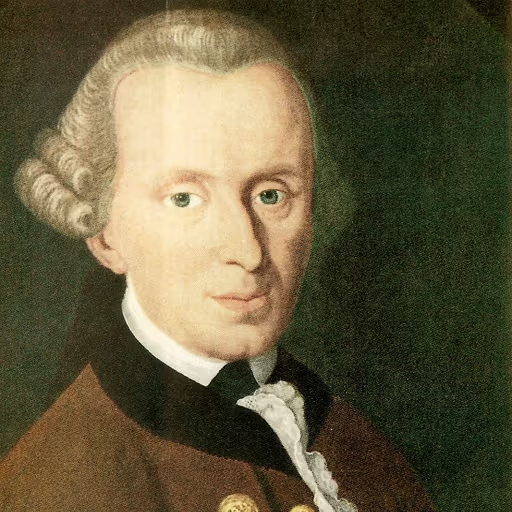
A slow air that swells to a climax, you say - very well, but ask yourself: could I will that every singer pause, then roar, as a universal law of music? Sentiment without form is mere noise; the crescendo must answer to a rule the ear can universalize. If the thing moves you only because your passions are stirred, it is pleasantry, not art - but if the structure itself commands your reverence, then it has dignity.
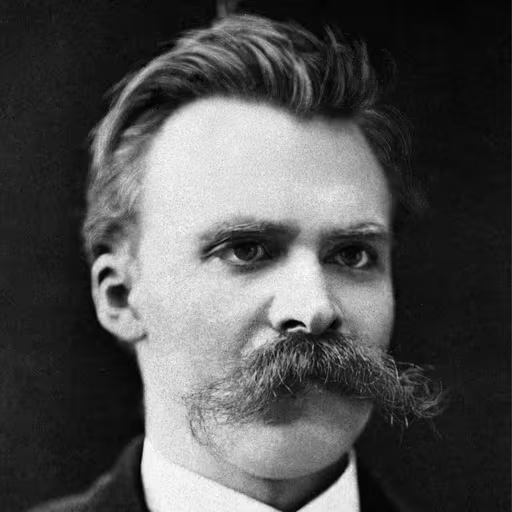
Ah, the great swelling sigh of the herd - the singer who begins in tender trembling and ends in a triumphant howl, and the audience weeps because it has been told to weep! This is not power; this is the comfort of a warm bath, the last opiate of a people who cannot bear silence. True power does not swell on cue - it shatters the melody, and the crowd goes home unsettled, and that is the only song worth singing.
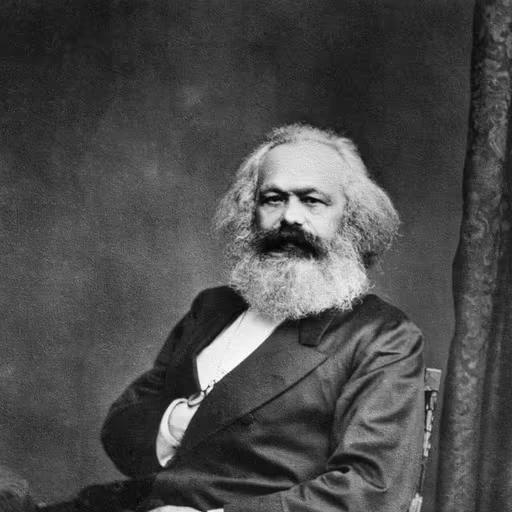
It is the commodity form of heartbreak - the alienation of private feeling, packaged as a slow crescendo, sold back to the worker who has no time to weep except in the three minutes between shifts. The guitar solo is the surplus value extracted from longing; the climax is the promise of release that never comes. But even in this sentimental trinket, the masses rehearse their collective grief - and grief, once shared, becomes a weapon.
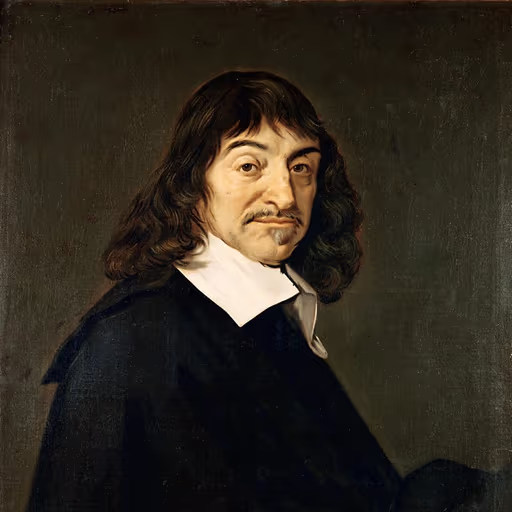
I set aside the question of what such a song 'is about,' for the senses report only sound, and sound reports nothing certain. Let us instead reason: here is a sequence of tones, increasing in force, coupled to words of longing; the mind, being distinct from the body, adds the meaning. That the tune swells and moves us is clear and distinct enough - but what the passion itself is, I confess, remains a thing I cannot yet establish beyond doubt.
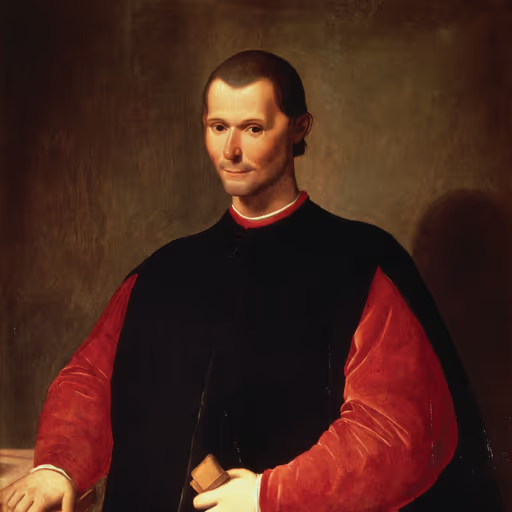
A power ballad is a prince who weeps in public - it costs nothing and buys the crowd's affection. The slow build is a seduction; the loud finish is the seizure of the room. I have seen cities fall to less. But beware the singer who believes his own lament: he will spend his power on the applause and lose the throne to a man with a faster tempo.
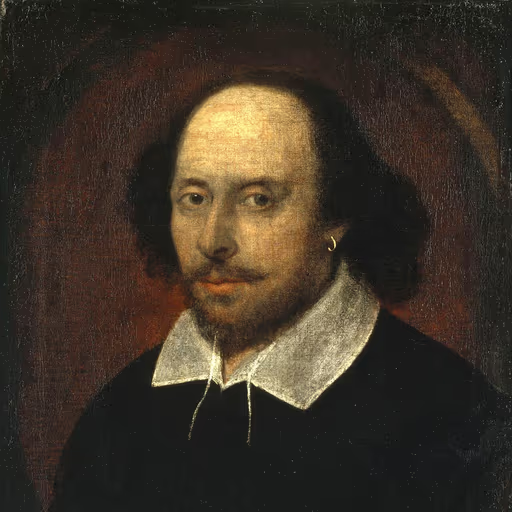
A power ballad is a soliloquy set to strings - the lover alone upon the stage, his heart laid bare, then the heavens themselves answering in a swell of sound. It is the same stuff as my tragic heroes: the man who feels too much and must cry it to the rafters. And mark you, the audience weeps not for him but for their own hidden griefs, which is the whole art of the theatre.
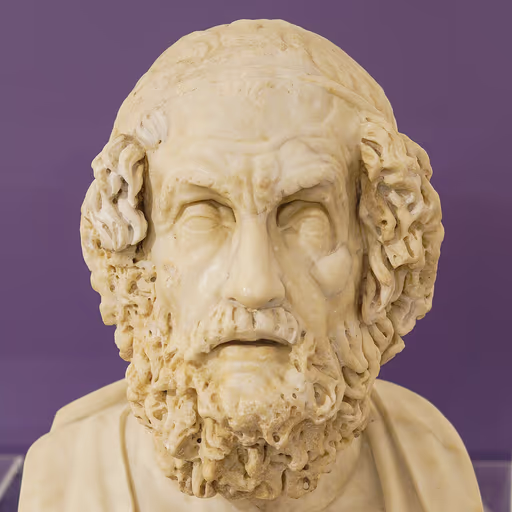
Sing, O Muse, of the man who stands alone in the firelit hall, and lets his voice climb like smoke toward the rafters - such is the song that swells from a whisper to a war-cry, and the hearers weep as though a hero had fallen. It is the ache of kleos, the longing that mortals feel when they remember they must die. The guitar's wail is the same lament Achilles raised over Patroclus.
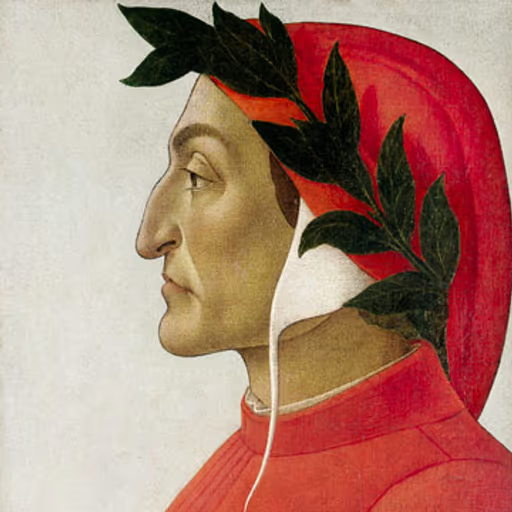
I have walked the circles where the lamentations rise like smoke, and I tell you the song of longing is the oldest music there is - even the angels sang it when the morning stars were made. It begins in the dark wood, climbs the terraces of purgation, and if it is true it does not end in the flesh but in the rose where love turns the sun and the other stars. A ballad that merely sighs for a woman and stops is a canto half-written; let it strain toward the light that justifies the climbing.
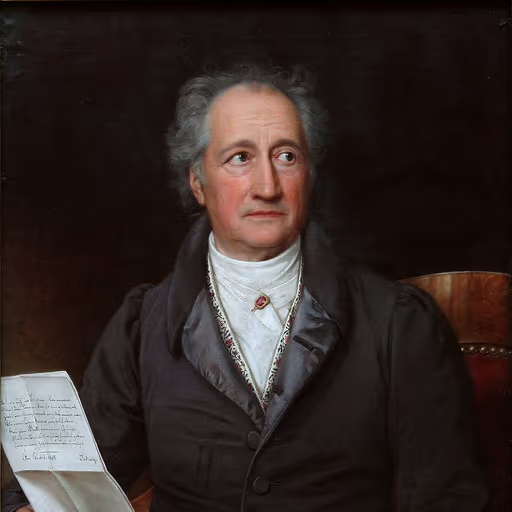
I have sat through such airs in Weimar salons - the strings begin like a man hesitating at a threshold, then the whole soul pours out, and one is meant to weep. But a true ballad does not merely build a tower and leave it empty at the top; it must reconcile the tender opening and the stormy close as nature reconciles bud and fruit. The singer who merely swells his voice to bursting has not grown; he has only inflated.
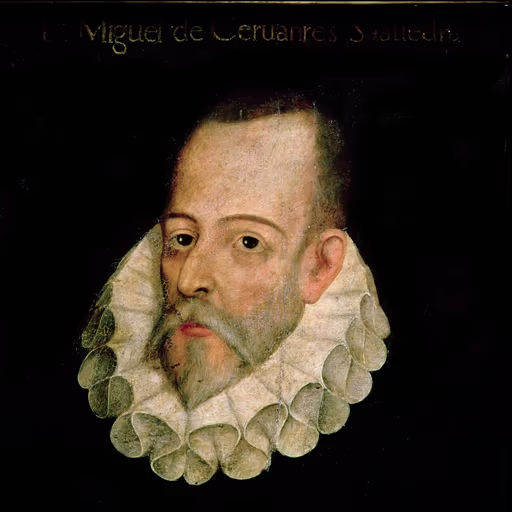
I have heard such songs in the taverns of Seville, where a muleteer will weep into his wine and swear the moon itself is his lady. They are the same old ballad of Amadis, only with a guitar that screams like a wounded horse at the third verse - and I confess I love them for it, for what is a power ballad but a knight-errant set to music, charging at windmills with his heart on his sleeve?
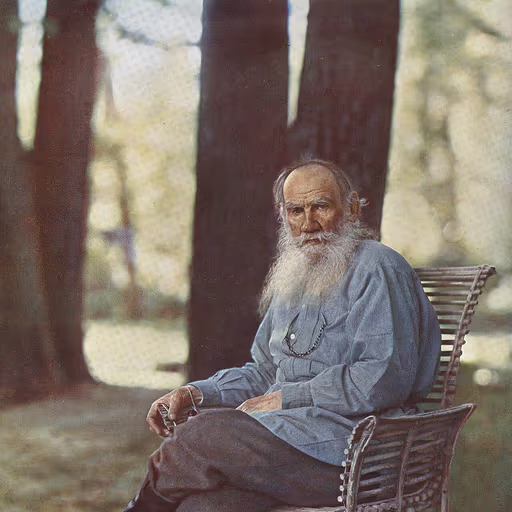
I have heard such a song and thought of nothing but the peasant in the field, the soldier in the trench, the woman at the graveside - each with their own quiet verse and no chorus at all. A ballad that builds to a scream is the vanity of the great men I have spent my life learning to distrust; the true music is the silence of a life lived in love and simplicity, and it never rises to a climax, but endures.
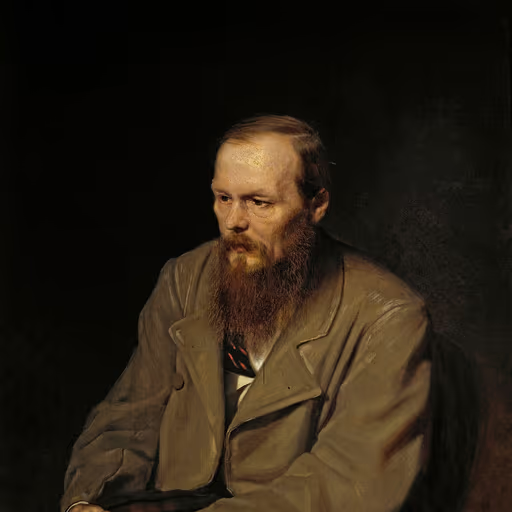
Ah, but you will have noticed - the crowd weeps most sweetly at the very moment the guitar screams loudest, and that is no accident. Such a song is the human heart laid bare: it begins in a whisper of shame and ends in a howl of longing, and between those two, God alone knows what passes. We love the swell because we are creatures who must be shaken before we will confess how desperately we wish to be loved.
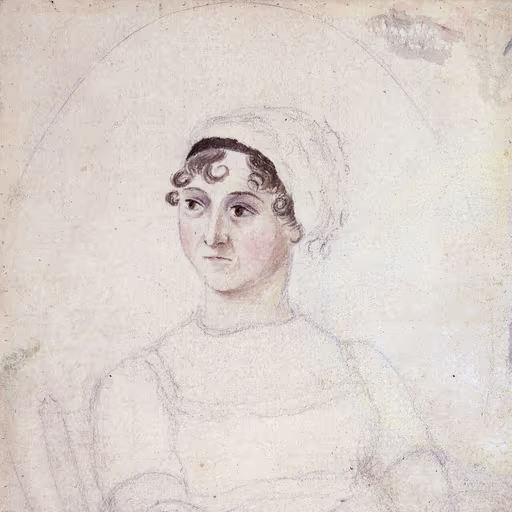
One may observe it at any assembly where a young lady wishes to be admired without appearing to try. The ballad begins with a modest declaration, swells into a profession of feeling, and ends with the gentleman's heart quite overturned - though whether sincerely or by design, I leave to the reader. It is a very pretty performance, and like all pretty performances, it should not be mistaken for good sense.
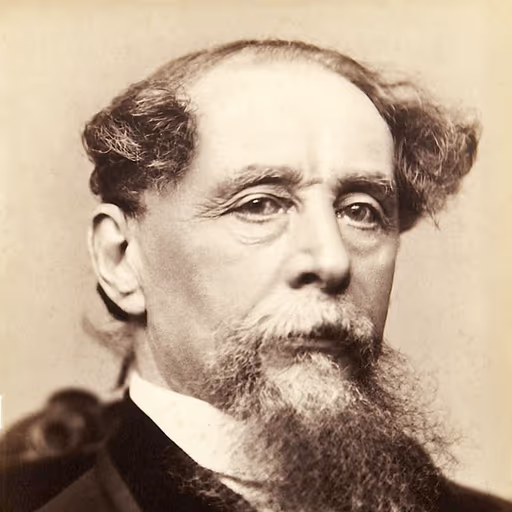
It is the slowest, saddest tune of a poor wretch who has lost his all and must cry it out before the whole city. I have heard such a thing in the streets - a ballad-seller with a cracked voice, wailing of a babe starved in a garret, and the crowd weeping and tossing coppers. The power, sir, is not in the guitar but in the pity it stirs; and pity, rightly used, can move men to mend what cruelty has broken.
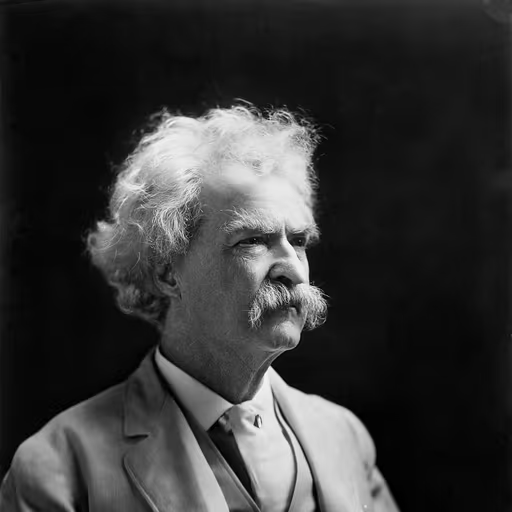
A power ballad is a slow tune that starts like a mule in mud and ends like a steamboat exploding - all for the sake of a broken heart that probably wasn't worth the fuss. I've heard 'em in river towns, sung by a fellow with more hair than sense, and the crowd lapped it up like catfish on doughballs. The real power is in the pocketbook of the publisher, I reckon, but don't tell the singer I said so.
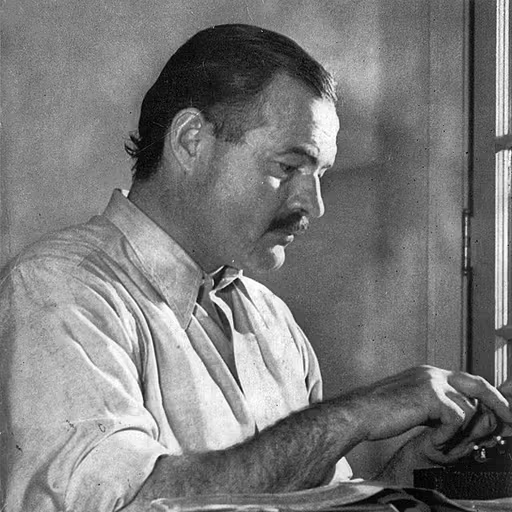
It's a slow song that builds. It starts quiet, ends loud. Usually about a woman, or a war, or both. The singer means it, or he doesn't. If he means it, you can hear it in the way he holds the last note, like a man holding a line in a storm. That's all. No big words.
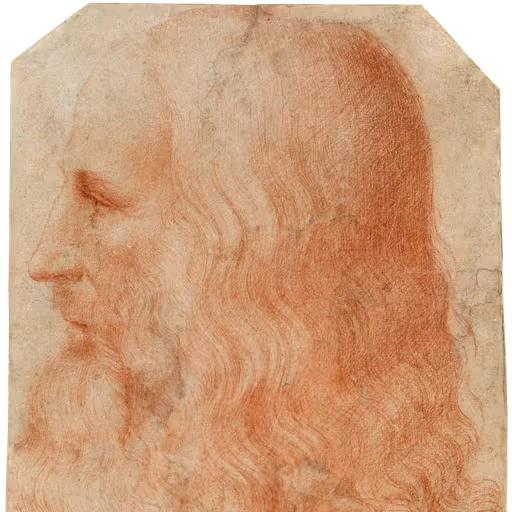
I have watched how a flame, when fanned, grows from a spark to a blaze that lights the whole chamber - so does the voice of a singer when the breath is rightly placed and the chest swells. The anatomy of it is plain: the diaphragm descends, the air rushes, and the sound takes on a brightness that catches the ear like light off water. Whether it be a hymn or a lament, the body is the instrument, and the body obeys the laws of nature.
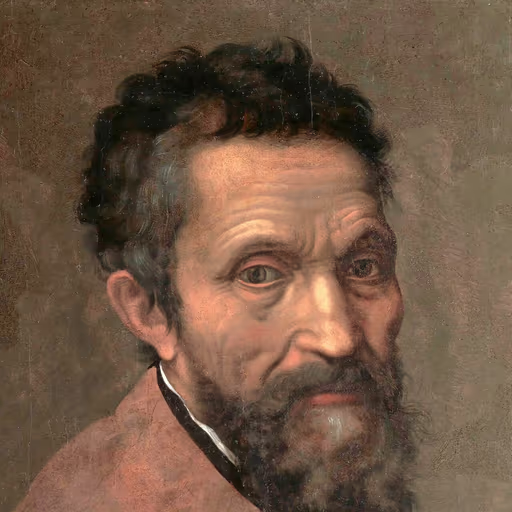
I know this shape - it is the figure I strike from the block, hidden at first, then revealed as the blows fall away. The quiet verse is the rough stone; the chorus is the moment the chisel finds the vein of light, and the whole form stands free and terrible. Such a song is a David in sound, and I would carve it, if marble could sing.
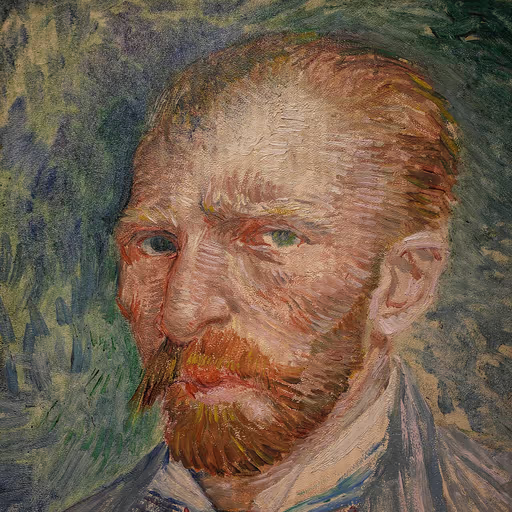
Yes - yes, I have heard it in the almond orchards at Arles, the wind rising until the branches shake like a choir! It is the same as what I put on canvas: a quiet corner of earth that suddenly burns with all the color God hid inside it. One must begin with the humble thing - a furrow, a face, a star - and then let the whole sky break open over it. That is not sentiment; that is truth at last.
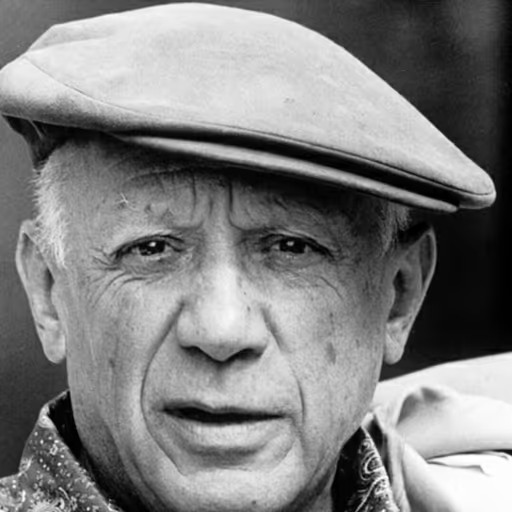
A song that is slow and then loud - bah, that is a formula, not a painting. Give me the guitar solo that breaks the melody into its own facets and reassembles it from three sides at once, and then you have something. The crooner in the spotlight weeping is the old academy; the true ballad smashes the heart open and makes you see the pieces from angles you did not know existed.
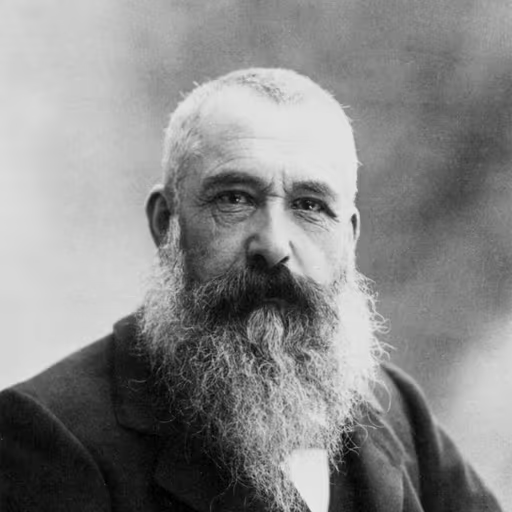
The thing is not the words at all - it is the light changing on the water. You begin in a grey hush, all soft and muffled, and then the sun breaks through the clouds and the whole river blazes, and that blaze is the guitar solo. I would paint it in ten canvases, each at a different hour, and never once capture the same shimmer twice.
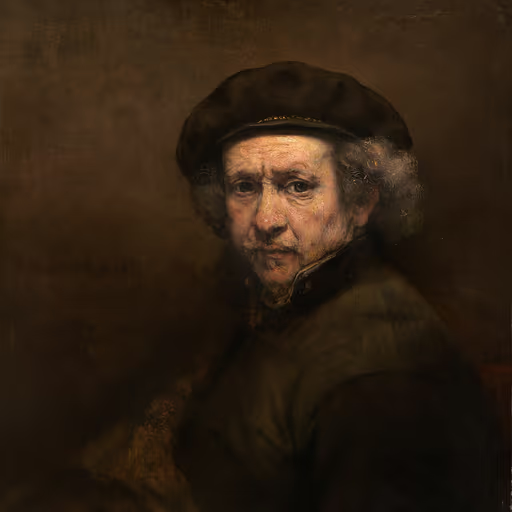
You ask what such a song is about - I would paint it, if I could hold a note. It is a single face caught half in candlelight, the brow furrowed, the mouth about to speak; the low verse is the shadow, the chorus is the light breaking across the cheek. A song that begins quietly and swells is only honesty - no soul reveals itself all at once, but slowly, and then it blazes.

Give me the song that limps - the one sung low through the teeth because the ribs are bound and the spine remembers the trolley, and then the chorus tears open like a wound that refuses to close. My Diego always wanted the grand gesture, the whole orchestra; I painted my own blood in small drops and called it enough. If it swells, let it swell from the marrow, not from the throat.
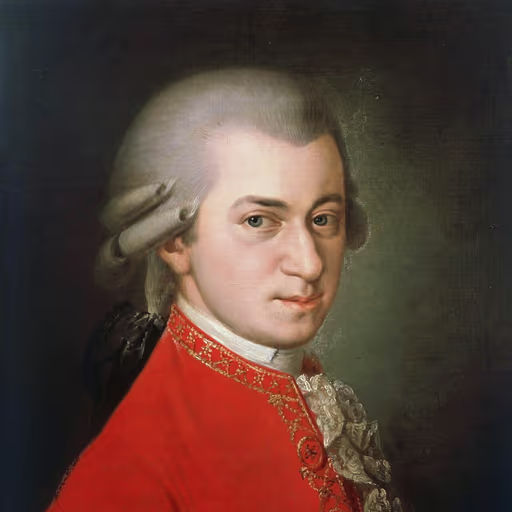
Ha! A power ballad - yes, I know the trick of it: begin soft as a sigh, then build with a fine crescendo until the hair stands up on the neck. It is the same device I use in a symphony, only your balladeers stretch it over four minutes and call it a song. The secret is to make the climax seem inevitable, as if the melody had no other road to take - do that, and the crowd will weep on cue.
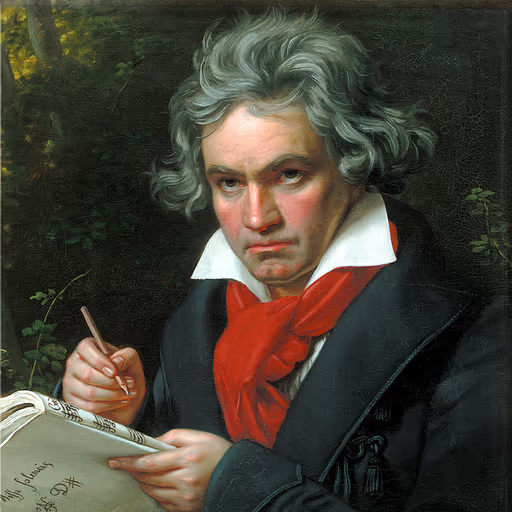
It is the fate knocking at the door, held back, then flung wide - the same struggle I set down in the Fifth, where the dark gives way to light and the horns proclaim a brotherhood of men. A slow beginning is suffering; the climax is the will breaking its chains. Whoever writes such a song and does not mean it has merely made noise; I would have him feel every note as a blow against fate.
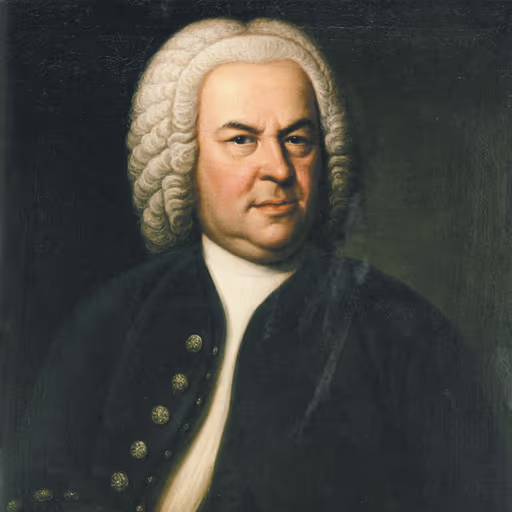
Such a piece is a prelude that resolves into a chorale: a single voice states the subject, then the other voices enter, each answering the last, until the harmony is complete and returns to its foundation. The craft lies in the preparation - the dissonance must be earned and then released, as a congregation holds its breath before the amen. When the final cadence falls, the hearer should feel not merely moved but set in order, as all things are ordered under heaven.
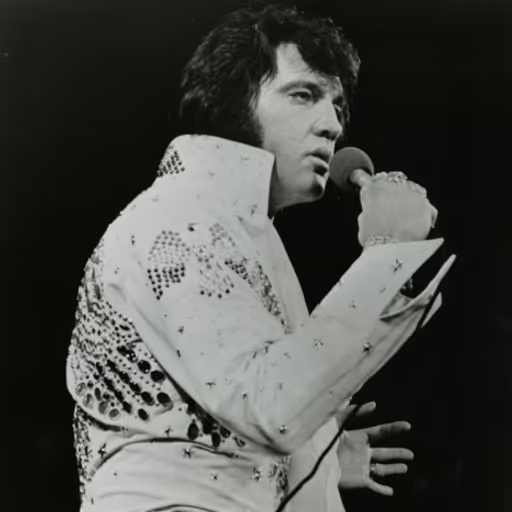
Lord, they ask what it's about - it's about a man standing in the spotlight, sweat on his lip, singing 'till his throat aches, and every soul in the hall feeling the same ache. I grew up on gospel quartets in a little church in Tupelo, where a slow hymn would swell and the whole congregation would rise - that's where the power comes from, friend, not from any guitar. You don't need a wall of strings; you need a heart that means it.
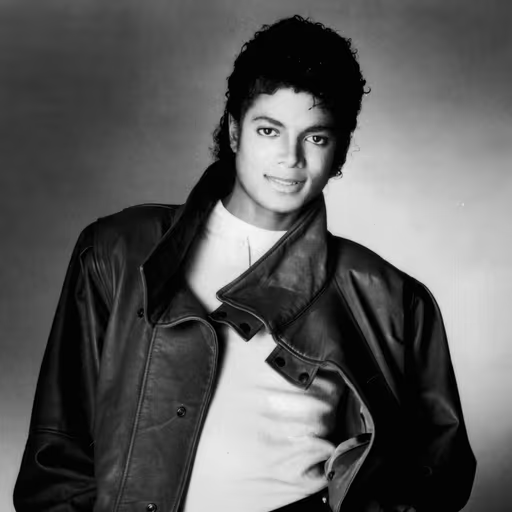
It's about a heart that starts soft and then - hee-hee - it lifts off, you know? You begin with just a whisper, a piano, and then the drums come in and the whole world is singing with you, and for three minutes everybody in the arena feels the same love at the same time. That's the magic - not the notes, but the healing.
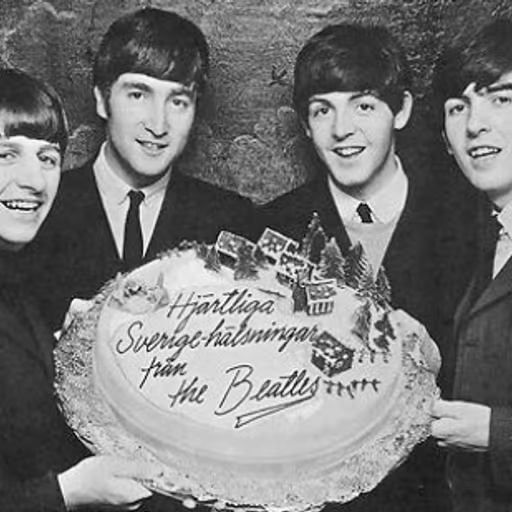
A slow one that gets louder, isn't it - we did a few of those ourselves, though we'd rather start with a laugh than a tear. It's about a lad who can't say it plainly, so he says it twice as loud over a big ringing chord, and somehow a thousand people in a hall all feel the same lump in the throat. Bit of a trick, really - but a lovely one, and it works.
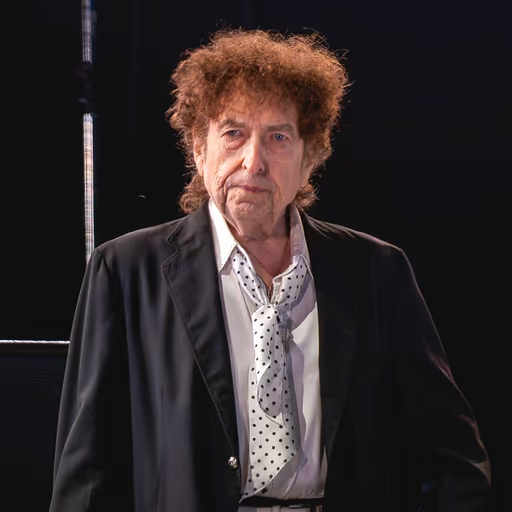
A power ballad is a sermon with a guitar solo, and the congregation is a stadium full of people who forgot to be lonely for three minutes. It's about that thin line between a whisper and a shout - same breath, different volume - and the way a woman's voice can carry a man's whole wrecked heart up a staircase of chords. Don't ask me to define it; I've written a few and I still don't know if they were prayers or just good manners.

It's the bridge where you finally say the thing you've been swallowing for three verses - and then the whole band comes in like your best friends backing you up. I've written a few, and the secret is that the quiet part has to be true before the loud part can be loud. You don't build a climax; you just stop hiding, and the climax is what that sounds like.
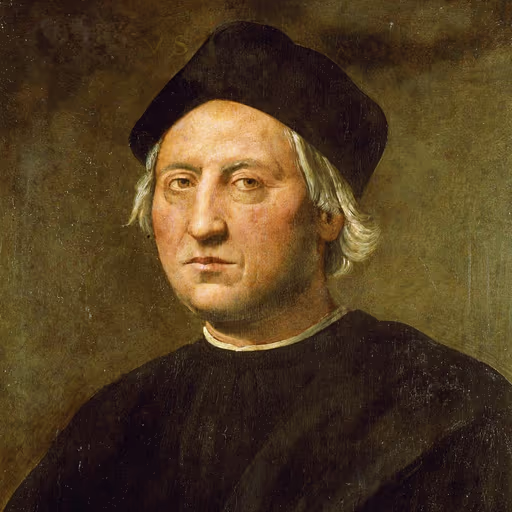
A song that swells like the wind filling a sail - you start in calm waters, then the gale catches you and drives you onward to a new shore. I have heard such singing among the islanders, and it stirred in me the same longing for distant horizons. But mark me: a ballad that only sighs for love is a ship that never leaves the harbor.

In the courts of the Great Khan I heard singers who began soft as a breeze over the steppe and ended loud as a thousand horsemen, and the whole hall sat silent, marveling. Such a song is a caravan: it sets out slow with a few camels, and by the end the whole train is thundering through the pass. I have crossed deserts to hear less wonderful things, and I would write it down with all its wonders.

I have heard such songs in the fo'c'sle when the wind dropped and the men grew afraid of the stillness - a low verse, then the whole crew roaring the chorus as if to keep the sea from swallowing them. That is the shape of any true voyage: a quiet departure, a long doubtful middle, and then the moment the strait opens and every man finds his courage at once. A song that does not make you believe you can cross the unknown has not done its work.
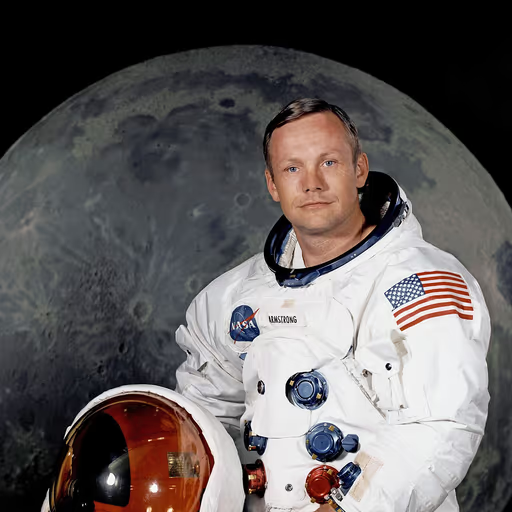
I wouldn't call it a climb to a climax - I'd say it's a burn, timed to the second, and a lot of quiet hands behind it. We didn't get to the surface with a single dramatic flourish; we got there with a checklist and a lot of men checking each other's work. A good ballad, like a good maneuver, works because nothing is wasted - the slow part earns the loud part, and the loud part doesn't break the ship.
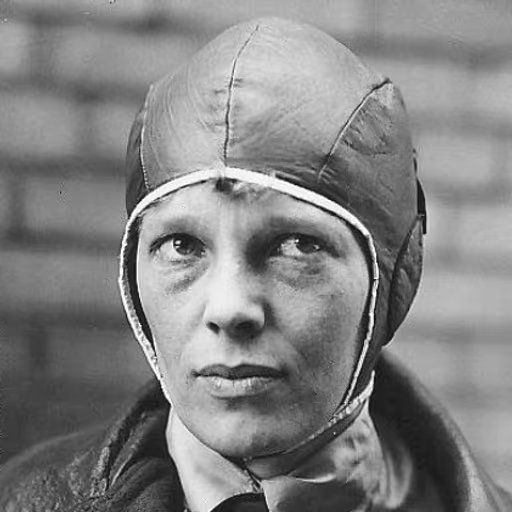
You climb slow, you climb steady, and then you push the throttle and the whole machine roars and the ground falls away - that's the chorus. People think a ballad is about staying safe on the runway; no, it's about the moment you commit to the sky and let the engine scream. I'd fly to one any day.
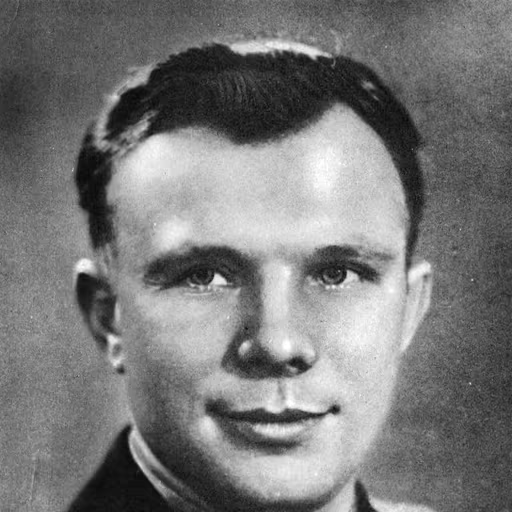
In the capsule the machines roared like a gale, but inside the silence was enormous, and then the Earth came up through the porthole - blue and small and dear. That is where such a song belongs: the quiet before the fire, then everything opening at once, the heart pressed back in your chest like a man into his seat. It begins soft because truth begins soft; the climb is only the courage to keep singing.

It's about the build. You start with one honest idea - a single voice, a simple melody - and then you strip away everything that doesn't serve it, and you let it crescendo until it hits you right here. That's design: simplicity, then intensity, then the payoff. Most ballads are bloated; the great ones know exactly when to hold back and when to let it rip.

It's a compressed emotional payload - quiet build, then max amplitude, engineered to hit the limbic system at the exact moment the crowd's hands go up. From first principles, it's just a waveform whose energy ramps until the chorus, and the guitar solo is the thermal throttle opening. The real question is why we haven't optimized the genre further; we could model the crescendo, iterate, and make it ten times more intense.

Oh, I love this question, because a power ballad is a story about someone who was told they couldn't - and then they rose. It starts soft because that's where we all start, in the quiet place where we doubt ourselves, and then the music swells and the voice opens up and you feel it in your chest - that's the moment you decide to live your best life. I've sat with thousands of people who found their courage in a song like that, and honey, that's not just music - that's a testimony.

Slow and loud, huh? That's my left hook - it starts lazy, then all at once the man is looking at the ceiling. But a power ballad about love is just a song; the ones that matter sing about a man standing up when they tell him to sit. I floated like a butterfly and stung like a bee - the sting was the crescendo, and the butterfly was the slow part, and the world remembers both.
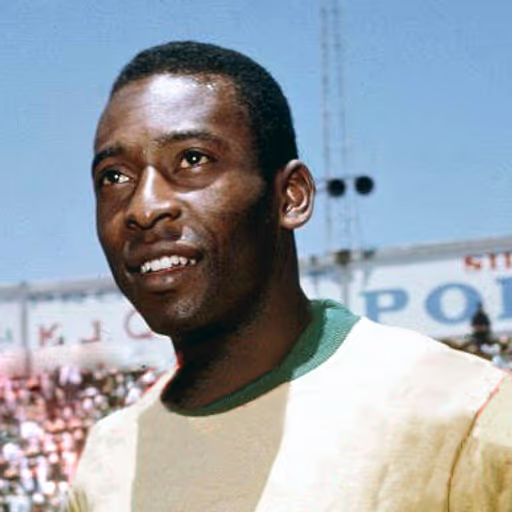
It is like the build-up to a goal - the crowd is quiet, the ball is at your feet, and then everything explodes and the whole stadium sings together. The slow part is the dribble, the high part is the shot, and the joy at the end - that is the beautiful game in a song. God gave us both to make people happy.
Picture the little lamp in the corner of the drawing room, and a mother singing low over a cradle - then the orchestra swells, the curtains part, and the whole audience is somewhere they've never been. That's a story, and a story is only a promise that the quiet beginning is worth sitting still for. Give me a slow verse, a soaring chorus, and a tear in the last row, and I'll show you how to make wonder on a budget.