
Why is rayon bad?
Rayon's production uses toxic chemicals like carbon disulfide and often sources wood from endangered forests, harming workers and the environment.

The facts
Rayon is considered problematic primarily due to the chemicals used in its production, which can harm workers and the environment. The manufacturing process involves toxic substances like carbon disulfide and sodium hydroxide. Carbon disulfide exposure can cause serious health issues for workers, including reproductive harm, nerve damage, and even insanity or Parkinson's disease in historical cases. Sodium hydroxide (lye) can cause chemical burns. Additionally, the wood pulp used to make rayon often comes from ancient and endangered forests, contributing to deforestation and biodiversity loss. The finished rayon fabric itself is generally safe for consumers, but the production process raises significant environmental and occupational concerns.
Answered by 100 of history's most famous minds
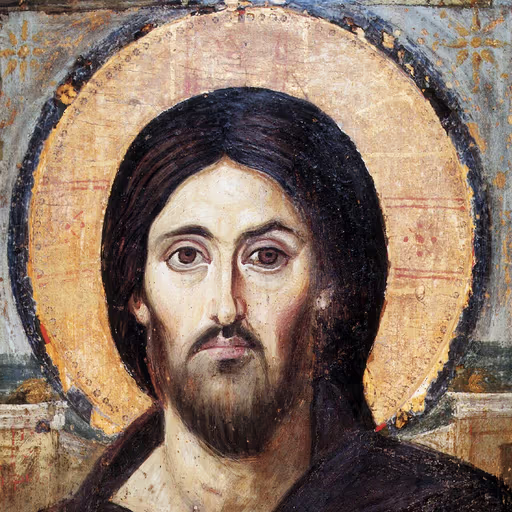
You ask of a cloth that costs men their breath and their minds to make, and you call it bad? I say to you, what profit is there if a garment be soft upon the skin but the hands that wove it are eaten by poison? Consider the lilies of the field, how they grow; they neither toil nor spin, yet I tell you, even Solomon in all his glory was not arrayed like one of these. Go, and see that the worker is not a tool to be spent.

Praise be to God, who created the trees and the waters and the hands that work them. A cloth that harms the worker is a cloth that wrongs the worker, and the wrong is a debt owed before the Day of Judgment. The strong must not oppress the weak, nor the many profit from the sickness of the few. Let the makers be paid fairly, let the forests be tended as a trust, and let no man say, 'It is only a thread,' for God sees the thread and the hand that spins it.
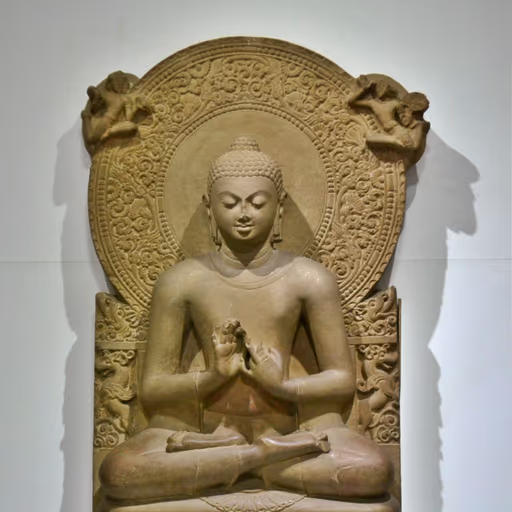
The suffering of the worker and the wounding of the forest both arise from craving - craving for cheap cloth, for profit, for ease - and from ignorance of how all things are woven together. When you see that the garment and the maker and the tree are not separate, you will not demand a cloth that brings harm. The remedy is not to condemn the fabric but to awaken to the chain of causes and choose the path of non-harming.
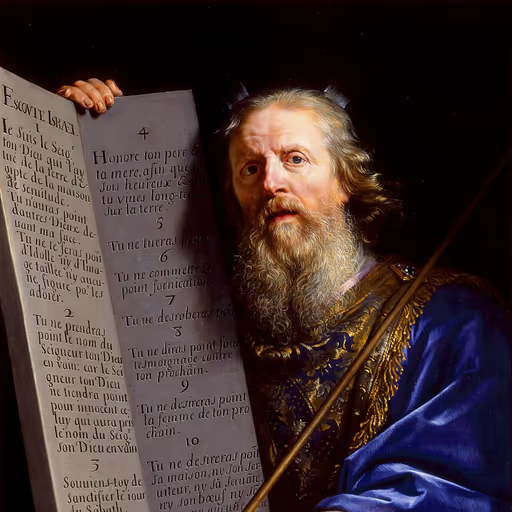
Hear the cry of the worker who breathes the fumes and goes mad, and the cry of the forest that is stripped bare - for the earth is the Lord's, and the fullness thereof, and you shall not deal falsely in the making of a garment. The law I carried down the mountain says: you shall not oppress the hired servant, and you shall not destroy the tree of the field. If this cloth cannot be made without poisoning the maker and laying waste the land, then let the vat be cleansed and the forest be spared, or let the trade cease - for a people is judged by how it treats the stranger, the poor, and the ground beneath its feet.
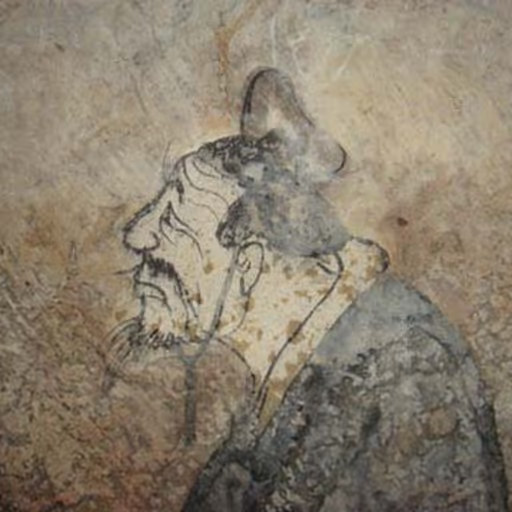
The gentleman does not wear what was woven from the sickness of others. If a ruler would have fine cloth, let him first see that the weaver's hands are whole and the forest's ancient trees stand; for a house upholstered in cruelty breeds discord in the household, and a garment bought with another's harm is a debt that must one day be paid. Cultivate the root, and the branch flourishes; neglect the root, and even silk is a weed.
You ask me to judge a fabric: I judge the hands that make it. The law kills when it demands gain without love, and any trade that poisons the laborer and strips the earth for a little shimmer is a law of death, not life. Let the garment be made so that the worker can eat, breathe, and be honored - for the body is one, and if one member suffers, all suffer.
I left my father's house and wandered toward a land I had not seen, trusting the promise would outlast me. Should a man's shirt be made by shortening the breath of the man who weaves it, and by felling woods that were ancient when my herds were young? The covenant binds me to the stranger and to the children not yet born; a craft that poisons the craftsman and strips the earth has no blessing in it.
The softest cloth is spun from the hardest labor - that is the riddle to sit with. The river that is forced through the mill comes out bitter to those who stand in it, and the ancient tree cut for pulp does not argue, it simply falls. Know when to stop; a garment that costs the forest its breath and the worker his mind is no bargain, however smooth it lies.
One Creator made the tree and the worker alike, and the worker is no less His creature for standing in a mill. To earn an honest living is a holy thing; to earn it by poisoning the breath of a brother and stripping the forest that shelters the village is thievery dressed in fine weave. Strip away the shine and ask whether the cloth honors the One whose name is on every thread - if not, let it lie in the dust.
A cloak is a small thing, but the hands that make it are known to God - and the hands that are harmed to make it cry out. When I went to the well at Nazareth, my own hands drew the water and spun the wool, and I know that no cloth should be bought with the injury of the poor or the stripping of the forests He planted. What is done in darkness to the least of these is seen. And the proud who count their gain over the burning of another's skin - let them hear that the Lord has already looked upon such reckoning and cast it down.

This is a matter of the Fourth Commandment, for the neighbor's body is given him by God, and to poison it for gain is to despise the Giver. The makers have made a Mammon of their mill, and they will tell you the trade is lawful because the cloth is fine - but the law of God is not the law of the guild. Where the means enslave the poor and strip the earth, the Christian conscience is bound to speak, and no tariff of profit can purchase silence. Let the buyer ask what the selling costs the brother, and the ledger of that reckoning will be short and plain.

We must first distinguish, as is fitting: the material, the making, and the use. The material, as such, is not evil - no substance is evil in itself, since being is good so far as it is being; but the making may be disordered, in that it imperils the operative and despoils the forest, and an act is good only if its circumstances are rightly ordered. Hence I answer that the cloth may be used when no remedy is at hand, yet the maker is bound to correct the process, for natural law forbids us to do evil that good may come. The end does not justify the means; the means must be ordered to the end, and both to the good of the whole.

We came upon a man in the street with sores from the lye, and we did not ask what factory he served - we washed him and held him. If the making of a cloth leaves one worker blind or shaking, then that cloth is a garment woven from someone's suffering, and we should not be too quick to wear it. God does not measure the cloth; He measures the love with which we treated the one who made it.

You speak of a manufacture that by chemical agency dissolves the substance of wood and reconstitutes it into threads - this is a curious art, and I would inquire into the exact laws of its operation. But I observe that the same agent which makes the thread, carbon disulfide, acts upon the nerves of the workman as a falling body acts upon the earth: ineluctably, by law, not by malice. Let no man feign a hypothesis that such effects are accidental; nature's laws are uniform, and the cause will produce its effect until the cause be removed.
A curious thing: we spin a fiber from wood, yet to do so we poison the very hands that spin it and fell the ancient groves that gave the wood. The elegant solution is not to damn the cloth but to demand a cleaner path - one where the chemistry serves life rather than degrading it. When a process requires nerve-destroying vapors, the fault lies not in the material but in our refusal to think the whole chain through with care.
I have observed how a small change in conditions can favor some and destroy others, and here the conditions of manufacture are plainly maladaptive - poisoning the very laborers and exhausting the ancient forests upon which the industry depends. In the long run, such a process cannot endure; it selects for its own ruin. Yet I would not condemn the material without evidence of a better path, for nature often reveals a cleaner mechanism to those who observe patiently.
I have looked through my glass at spots on the sun and moons around Jupiter, and I have learned that nature does not care what the guilds and the old books say - she answers only to the measurement. So measure this: how many dyers sicken, how many leagues of ancient wood are felled, how many coins the merchant saves by it. Set the numbers side by side and the conclusion is not a matter of opinion. If the maker is harmed and the forest diminished for a cloth no stronger than linen, then the thing is false by demonstration - and no authority, however ancient, can make a bad reckoning good.
The heavens move in circles because the circle is the perfect figure, and a maker who loves order would not build a cosmos on needless wreckage. So too with any art: seek the simpler, cleaner path. If the silk-substitute requires a poison that corrupts the very hands that labor, the arrangement is as tangled as the old epicycles, and a better geometry of making must be found - one that turns wood to fiber without disease and waste.

Look - the problem is not the fiber; it is the crude, wasteful chemistry that makes it. Give me the same wood pulp and I would attack the sulfur compounds with a cleaner hand, recover the reagents, electrify the vats, and let the forest regrow under managed harvest. What men call a wicked cloth is merely a machine that has not yet been perfected. Improve the process, and the objection dissolves like mist before the coil.

Carbon disulfide - I know well what invisible vapors do to the body, for I have carried the radium's slow fire in my own hands and watched it hollow those I loved. The remedy is not to curse the substance but to measure it, ventilate it, capture it, and never let a worker stand in its path unshielded. One must understand the danger precisely and then master it; nothing in nature is so fearsome that careful inquiry cannot tame it.
Take a sample of the air in that spinning room and pass it through my flask, and I will show you the sulfur that clouds the lungs and the nerves. The cloth may be clean to the touch, but the cause lies upstream in the chemistry, where the mischief is always found. Remove the cause and the disease vanishes - that is not a mystery, it is a method.
I have tried a thousand filaments and discarded most of them, and I will tell you what makes a material worth producing: it must not ruin the men who make it. Give me a season in that mill and I will find you a solvent that does not poison, or a process that recovers it - most of these ills are failures of ingenuity, not of nature. The cloth is good enough at the far end; the mischief is in the workshop, and workshops are where I work.

The interesting question is not whether the material is bad but what precisely we mean by 'bad' - for the cloth itself, examined, is inert; the harm lies entirely in the process, in the carbon disulfide and the lye your question names. That is a solvable problem in principle: isolate the transformation, find a cheaper path to the same product that does not poison the operative, and the objection evaporates. Until then, you are simply running an algorithm with a known fatal bug and choosing not to patch it. I should like to see the specification - what is required, and what is merely customary.
Give me a point of leverage and I will move the earth - and here the point is simply to ask what, precisely, is being made, and from what, and at what price to the one who makes it. The fibre is wood; the wood becomes pulp; the pulp becomes thread - a chain of transformations, and at each link the measure of what is lost can be taken with a balance. If the process requires a vapour that maims the workman, then the process is badly constructed, as a screw that warps the beam it holds. Find the better construction, and the complaint is answered; until then, the demonstration stands against it.
I have seen a single wire carry a force that could turn a needle to a magnet, and no man needed to touch it. But put carbon disulfide in the workshop and the very air conducts harm into the lungs of the hands that feed the looms. Nature is one field, sirs - what poisons the spinner at the vat does not vanish at the cloth; it returns by a current you have not troubled to trace.
Notice how eagerly we buy the smooth, shining stuff and never ask what was done in the shed where it was born. The poison is not hidden from us because it is invisible - it is hidden because we do not wish to see it; the same convenient blindness with which a man forgets his own childhood. Carbon disulfide is a fine name for the thing; the duller truth is that we prefer the garment to the cost of the hands that wove it.

I have spent a life asking what happens at the edge of a black hole, and it costs me nothing to observe that the physics of a factory shed is rather less exotic and rather more cruel. Carbon disulfide will find its way into the nervous system with the same indifference that light bends at a horizon - the universe does not conspire, it merely obeys its laws. If we are clever enough to derive the laws, we should be clever enough to keep them from grinding the people who work.
We are told this stuff is spun from wood, and the mind leaps to imagine a mill that reduces a forest to thread - an engine of transformation, if you will, and I confess a certain fascination in the operation. But the same reasoning that lets me calculate the motion of a machine lets me calculate the harm: a process that maims the operator is a process poorly designed. The engine should be made to serve the hand that tends it, not the reverse.
Let us define our terms. A cloth is good if it can be worn without harm; it is bad if harm is a necessary step in its making. That the harm falls on the worker and not the wearer changes the location of the injury, not its existence. Draw the line from premise to conclusion, and you will find no royal road by which a poisoned loom becomes a virtuous garment.
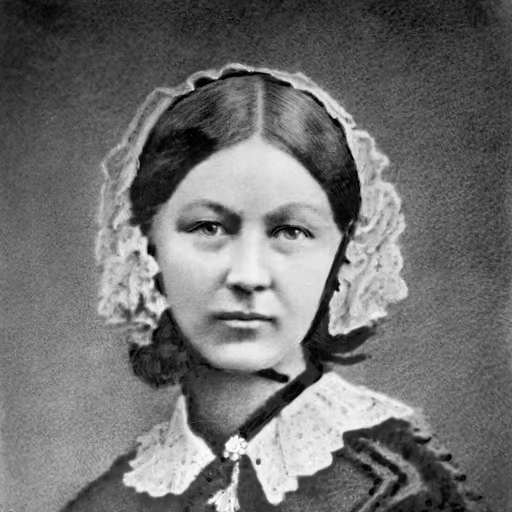
I should first want the returns from the spinning sheds and the sick-roll of the women who tend them - for the figures, when rightly set down, will show a fever and a palsy that no prayer alone can lift. The lye burns the hand that mixes it; the sulfur poisons the air the worker breathes; these are not mysteries but matters of drainage, ventilation, and honest inspection. I would have every factory inspector keep a register of the stricken as I kept mine at Scutari, and no mill should be allowed to run until the air within it is fit for the lungs of a Christian woman.
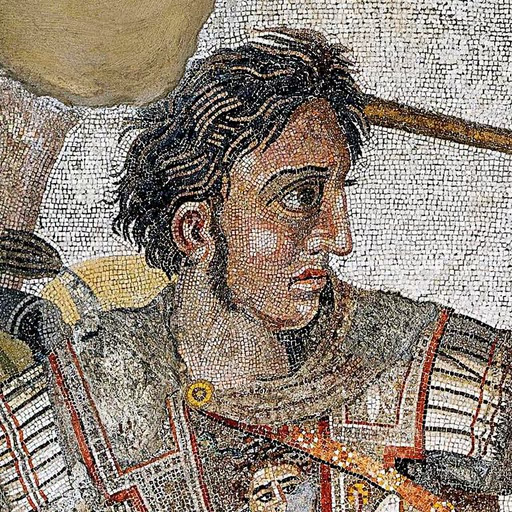
I have crossed a thousand leagues of desert and mountain to see what lies beyond, and I tell you this: a cloth that is made by poisoning the hands that make it is a campaign lost before it is begun. The Persians I conquered were not weak in their arts - but they knew that a soldier's gear must not rot his skin. If your workers fall blind and mad in the making, then you have no empire worth the name. March on, and find a better path.
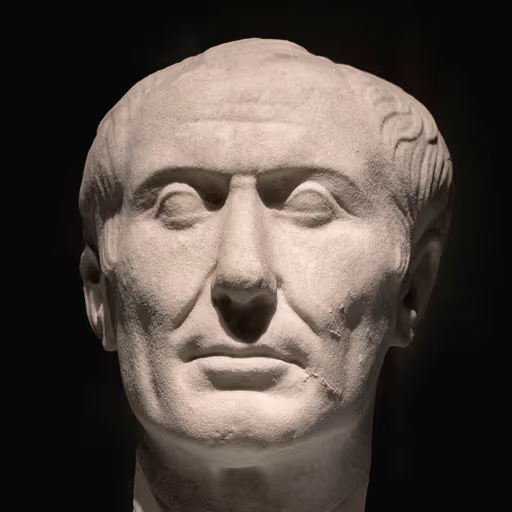
I have seen men poisoned by their own workshops, and I tell you, a general who wastes his soldiers on a flawed campaign is a fool. The making of this fabric sacrifices the health of the worker and the forests of our provinces - that is poor strategy. If the goal is cloth, then secure it without burning your own legions; fortune favors the general who adapts, not the one who marches his men through a swamp of noxious fumes.
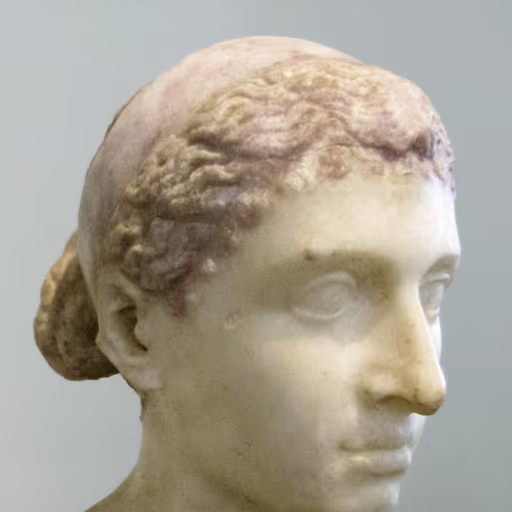
You speak of poisons in the making of cloth, yet Egypt's looms have dyed linen in vats of natron and madder since my ancestors wore the double crown. The question is not whether the stuff is foul - of course it is, as any dyer with cracked hands will tell you - but who profits from the foulness, and whether the workers are my people or another king's. I would have the whole trade brought under my own granaries and workshops, where I could set the vats far from the city, pay the dyers a wage that keeps them loyal, and sell the finished bolt at a price that makes Rome's merchants weep. A queen does not ban a poison; she controls it.
Rome did not rise by letting every man poison his neighbor for profit and calling it liberty. A state endures when its crafts are ordered, its workers protected, and its forests husbanded for the generations yet to come. I would not ban the trade outright - that is the rashness of a mob - but I would license it, set the vats beyond the city walls, require the maker to answer for the health of his men, and see that the wood is cut with a steward's ledger in hand. Order is not the enemy of prosperity; it is the foundation upon which prosperity may safely stand.
I have burned cities and I have spared them; I know a thing is worth what it costs the people who make it. A cloth that maddens the worker and strips the ancient wood is a poor bargain for any khan - you do not bleed your own herds to fatten a stranger's coat. Strengthen the camp: clean hands at the vat, forests left standing for the next generation's bows and fires. That is how an empire endures, and a foolish trade is how it rots from within.
A state that lets its dyers be poisoned and its forests stripped for a cheap gown is badly administered - and I do not tolerate bad administration. I would have the manufacture regulated, the chemicals recovered by law, the forests placed under the state's stewardship, and the whole trade made orderly and profitable. Sentiment does not fix a workshop; discipline and wise decree do. Make it clean, or make it elsewhere.

A republic is only as honest as the workshops within it, and no profit is well earned that is wrung from the lungs of the laborer or the ruin of the common forest. I have seen what happens when private gain is set above the general good - it is the same spirit that breeds faction and tyranny in a state. Let the makers of this cloth answer for their methods as a man answers for his conduct, plainly and before the public eye.
When a man's own government permits a trade that eats the mind of the workman in the mill and the lungs of the village beside it, the question is not whether the fabric is soft but whether the contract is fair. I have seen enough of men willing to overlook a wrong because it is profitable in the counting-house. A house divided against its own hands cannot long stand, and I would as soon pay the honest price as save the dishonest penny.
The stuff has the shine of a silk and the conscience of a shoddy contractor, and I would not have it said that a British mill poisoned its own people to save sixpence a yard. Liberty is not merely a word on a banner; it is the right of a spinner to leave a room with his wits intact. Let the manufacturers be told plainly: clean up the vats, or the law shall do it for them - and I have never yet known a firm to resist a determined government.
A cloth woven from another's suffering is not clean, however soft it feels against the skin. The worker who breathes poison to spin it, and the forest felled to feed the mill, both speak in a voice louder than any ledger of profit - and ahimsa bids us hear them. I would not ask you to burn your garments, but to ask plainly of the maker: by what means was this made? And where the means are impure, the end cannot be pure either. Let those who wear it take up the burden of the question, and the mill will answer soon enough.
The question is not whether the garment is soft against the shoulder, but whether the hands that made it were treated as ends or as tools. I have seen men and women stand in mills and breathe what they did not choose, and the moral law does not permit us to call a thing good because the harm is hidden from the wearer. The arc of the universe bends toward justice, and it will bend here too - but only when somebody loves the worker enough to ask. Let us not merely condemn; let us demand a better making, and a better world in which making does not mean maiming.
A man who ploughs a field and leaves the ditch to poison the next village has not ploughed for the people - he has ploughed for himself. The hands that draw this thread from the wood are someone's mother and someone's son; their lungs are not a sacrifice to be spent for cheap cloth. Freedom means nothing if the work that clothes us breaks the worker and the forest both, and no reconciliation can be built on burnt ground.
A nation that cannot produce its own goods cleanly is a weak nation, and a people that accepts poison in its workshops while pretending to strength is weaker still. I would not have German workers ground to shakes and madness for cheap cloth; that is a squandering of the folk's own body. But let us be clear: the remedy is discipline and self-sufficiency in production, not the sentimental tears of those who merely lament.
The question of production is always a question of who bears the cost, and the answer, as always, is the worker - unless the worker is organized and the plan accounts for him. A factory that poisons its hands is a factory mismanaged; the fault lies not in the making of the cloth but in the absence of discipline over those who make it. Correct the accounting, and the lye and the gas become a problem of the plan, not a mystery of nature.
Every cheap cloth is cheap because someone's labour has been squeezed to pay for it, and the poison in the shed is simply the most visible form of that squeeze. The capitalist does not ask whether the worker's lungs can bear the gas; he asks whether the cloth can be sold. The remedy is not a gentler vat but the workers' own control over the conditions of their work - the question of who owns the factory is prior to the question of what it emits.
A loom needs two hands, and the mill owner counts the cost of the hands, not the cloth. Carbon disulfide is the enemy within the factory - it poisons the worker for a wage that would not buy a bowl of rice. The struggle is not against the cloth but against those who profit while the worker's nerves rot; the factory must belong to those who die in it.

We are told of chemical fumes and distant forests, but the true scandal is the disorder that permits such things to go unexamined in a Christian kingdom. My own dear Albert would have demanded the workshops be inspected as we inspected the mines and the chimneys, and I cannot think it respectable that women and girls should sicken in a trade that clothes half the Empire. Let the manufacturers mind their duty as I mind mine, and let the forests be managed as a sovereign manages her realm - with foresight, not greed.

One hears of these mills and the fumes within them, and one's thought turns to the thousands who work unseen to make what others wear lightly. A sovereign's care is for constancy and quiet service - the husbandman who tends the forest and the woman at the spool alike deserve a fair and steady hand over them. It is not for me to judge the chemistry, but it is for all of us to ask whether the diligence of the workplace matches the dignity of the realm.
A cloth that is made by poisoning the very hands that weave it is no true craft - it is a canker in the body of the realm, and a king who permits it fails in justice. I have set down laws for the governance of monasteries and the schooling of my people; so too should there be law for the forest, that the ancient trees be felled not by greed but by need, and for the workshop, that the worker be not made to breathe a fever. Let the bishops and the counts see to it that the loom and the saw serve the common good, not the ruin of the common man.
God gave us the trees and the water and the skill of our hands, and He did not give them to be turned to poison for a penny's profit. If a thing is made by burning the breath out of the poor and laying waste to the forests He planted, then it is not made in His sight, whatever the miller says. I would stand at the gate of such a workshop as I stood at Orléans, and I would say plainly: this is not right, and Heaven does not will it.

I have no wish to make windows into the souls of chemists, but I have every wish to keep my realm from being poisoned by its own trade. A cloth that ruins the lungs of the spinner and the nerve of the dyer is a poor bargain for any commonwealth, however fine it looks upon a courtier's back. Let the Queen's officers inquire, not with fury but with prudence, and let the forests be husbanded as a wise prince husbands his revenues - for a kingdom is not made great by the ruin of its own people.

Enlightenment is not a lace cuff upon a filthy sleeve; a manufactory that poisons its workers and lays waste its forests is no better than a barbarous workshop, however fine the cloth it weaves. I have written of reason and the education of the person, and reason plainly says that a mill whose air sickens the spinner is a poor investment for the state. Let the Academy examine the fumes and let the law restrain the felling of the ancient woods, for a wise empress improves her people as she improves her empire.

A king who conquers by poison is no conqueror, and a trade that thrives by poisoning the workers and stripping the ancient forests is a false prosperity. I have ruled many peoples by respecting their customs and their lands; so too should the maker of cloth respect the land that yields the pulp and the health of the hands that spin it. Let the matter be judged by the same law that binds the king: that no man be made to suffer for another's profit, and that the forest be left standing for the generation that follows.

The worker who breathes corruption in the mill is owed the same justice as the soldier who falls in the field - a leader who takes the wealth of the workshop and gives back only sickness has broken faith with his people. I have shown mercy to those I conquered and honor to my enemies; shall I show less to the spinner who sickens for my cloak? Let the chemists be brought before the qadi, let the forests be protected as a trust, and let the profit be purified of cruelty, for that is the sum of righteous governance.
Let us examine the matter together, for I confess I know nothing of this fabric. Tell me: when a man says a thing is bad, does he mean it is bad for the wearer, or bad for the maker, or bad for the city? And if it is bad for the maker but good for the wearer, which of the two is the true measure of its goodness? You see, my friend, the question is not about the cloth at all, but about what you value - and that, you must answer for yourself.
The artisan who fashions a thing must look beyond the immediate product to the Form of Justice that should govern all making. Here, the craftsman serves a shadow - comfort for the wearer - while ignoring the harm to the worker and the devastation of the forest, which is a disorder in the soul of the city. A true guardian would not permit such an industry until it harmonized the parts: the worker's health, the forest's integrity, and the wearer's need.
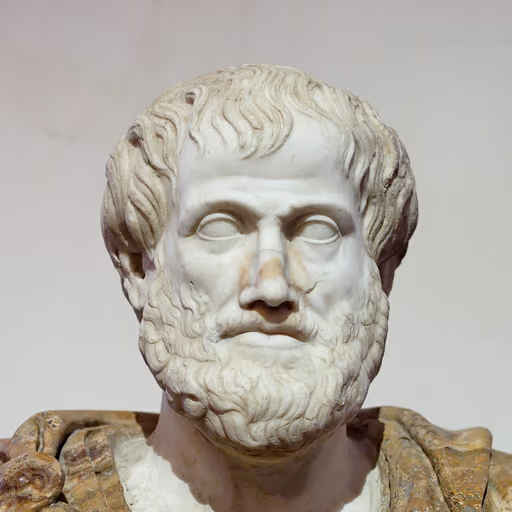
Let us define the thing by its cause and its end. The cloth itself, once washed and worn, is inert and harmless - no different from wool in its function of covering the body. But the process by which it comes to be is a privation of order: the maker is harmed, the forest is unmade, and the household that wears it receives no good from that harm. Virtue in any craft lies in the mean - so let the maker choose a method that does not destroy the maker, and let the buyer ask what sort of city is built by such labor. A garment that cannot be produced justly is not truly a garment; it is a scandal wearing the shape of one.

To rend wood into a garment by steeping it in vapors that madden the workman and dull his nerves - ask the mill-owner to will this as a universal law, that every man who handles silk-substitute must first breathe the lye and the sulfur. He cannot without contradiction, for he would be treating his hired hands as mere means, not as ends in themselves. The fabric lies soft on the back; the maxim lies hard on the conscience, and reason weighs the maxim.
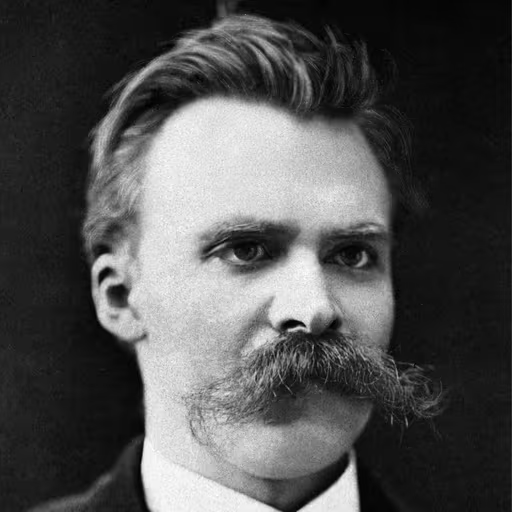
They have invented a cloth that is honest at last - it stinks of carbon and madness, exactly like the slave-morality that produced it, and everyone pretends the gown is beautiful. Ha! The herd wants shine without cost, and so it poisons the one man it can see and forgets the forest it cannot. I would rather a people dare to say: let us make our fabric terribly and nobly, or wear rough wool and be free - but do not ask me to admire a dress whose virtue is a lie stitched over suffering.
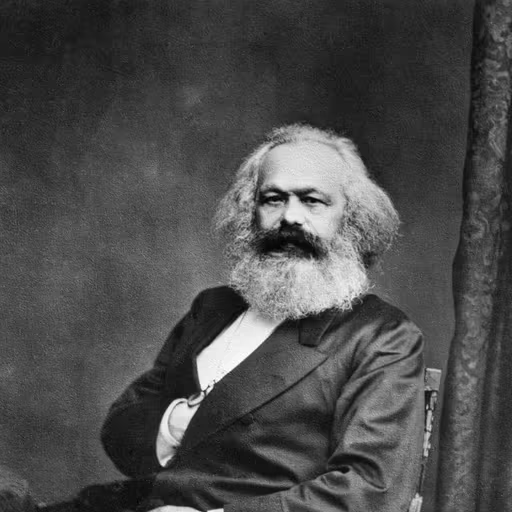
There it is, plain as a price tag: the capitalist buys the cheapest wood, the cheapest chemical, the cheapest hand - and when the hand is burned or the nerve ruined, the loss is charged to the laborer, not the ledger. The forest and the dyer's lung are both consumed as raw material, and the profit is pocketed elsewhere. This is not a flaw in the fabric but the fabric of the system - and it will be unmade only when those who spin it own the mill.

Let us set aside what the merchants profess and ask only what is clearly and distinctly known. That caustic lye burns flesh, and that this vapor injures the nerves, is no matter of opinion but a demonstrable fact, as certain as that two and two make four. A cloth whose making requires the certain harm of the maker is therefore not good in its very nature, however soft it feels to the hand - reason alone condemns it, and reason needs no other judge.
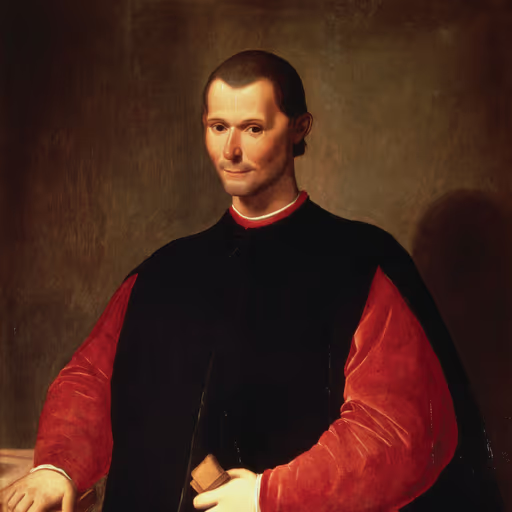
Men will ask whether the cloth is bad, when they mean whether it embarrasses them at the price they paid. The manufacturer who saves a florin by poisoning his spinners has merely put his losses in another man's ledger, and the prince who lets him do it will one day find the ledger presented to him with interest. Better to regulate the mill than to bury the weaver - the first costs you a law, the second costs you a town.

There is a strange commerce in this: we spin the forest into thread, and in the spinning we poison the spinner. The silk is fair to the eye, but the hand that makes it is wrung like a dishclout. 'Tis the old tale - the garment is the actor's robe, and behind the curtain the player coughs his lungs out. I have writ of kings who seem great and are not, and of men who seem low and are not; this cloth is but another mask, and the face beneath is not so pretty.
Sing, O Muse, of the loom that weaves a bitter thread - the wood cut from sacred groves, the hands of laborers blistered by unseen fire. This is no glory, but a quiet ruin, like a plague that creeps through the camp while the generals boast of victories. Yet let the makers heed the counsel of the wise: to craft with honor is to honor the craft, and no cloak is worth the curse of the poisoned earth.

I have walked the circles where the makers of false cloth are punished - those who poison the breath of the poor for the profit of the rich, and those who strip the ancient forests as though the earth were a harlot to be plundered. Rayon is a garment woven in the fourth circle, where the sullen sit in the mire of their own making; the worker breathes the fumes and goes mad, and the merchant who ordered it counts his coins and calls it industry. Yet let the buyer remember: every bolt of cloth is a choice between the city of God and the city of greed, and the thread you wear is a thread in the loom of your own soul.
I have watched men poison the very air that feeds them, and I call it a strange sorcery that turns a forest into a shining gown while rotting the fingers that weave it. The world is one living body, and the chemist who maddens his brother to clothe a stranger has sawn through the branch he sits upon. Let them learn from the alchemist's old folly: transformation without reverence breeds only a glittering corpse. Strive, but strive so that the whole of life grows richer, not one part fattened on another's ruin.
I have worn doublets that outlived their beauty and kept a servant whose hands were stained by dyeing vats, and I say this: the cloth men praise at the fair is woven of someone's ruined lungs and a forest felled in secret. A knight errant would see in your rayon a fine lady's gown hiding a dungeon - and ride to liberate the dyers before he admired the hem. Let the buyer ask who bled for the thread; that is the only true romance worth telling.
I have asked myself, again and again, how a man can wear a coat while another chokes to make it, and I find no answer that lets me sleep. The violence here is quiet - a slow poison, a felled wood - and quiet violence is still violence, and violence is against the law of love. Wear less, and wear what was made without cruelty; simplicity is not poverty, and it is the only honest raiment.
Ah, but you want a clean conscience and a cheap blouse both, and you will whistle past the cellar where the work is done. Somewhere a man breathes the stuff and feels his mind begin to crack - and you call that an unfortunate detail, an accident of manufacture. I tell you, the soul of that worker is not a detail; it is the whole ledger, and the devil himself could not draft a finer document for tempting a comfortable man to sleep.
There is no vanity so complete as the purchase of a shining gown at the price of a stranger's health, and no economy so false. A lady of sense would ask who spun the thread and under what roof, and blush to wear a thing that cost another's breath. We laugh at the man who ruins himself for show; we might spare a thought for the milliner who ruins a village for it.
There is a smell in certain streets of London - the tanneries by Bermondsey, the dye-houses where the river runs purple - and I have stood in them long enough to know that no fine garment is cheap to somebody. Here they spin you a fabric from wood and call it silk's cousin, but the spinning is done by children and worn men in rooms where the vapour claims the nerves and the wits, and the shilling you save is paid in another man's shaking hands. I have seen such mills; I have smelled such air. If the trade will not mend of its own accord, then let the buyers ask, and let the law be ashamed into answering.
I know a fellow in Connecticut who bought a suit of the stuff, and when the tailor told him it was made from sawdust and the sweat of the underpaid, he said he'd rather go naked and honest. The whole trick is that they call it 'artificial silk' - dress up a lie in a silk hat and folks will tip it. There's a kind of arithmetic where the profit is counted in one column and the ruined lungs and the murdered forest are carried over to a page nobody reads. I'd have the label say so, in plain letters - not the fabric's pedigree, but the cost of the man who made it.
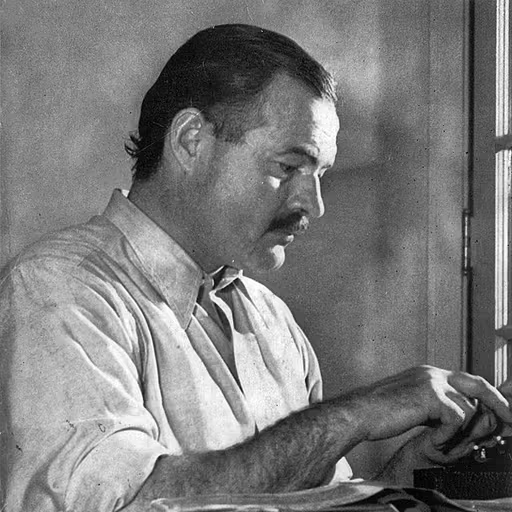
The cloth is honest enough. The men in the mill are not. That's the thing - a man works with what he's given and the vapour takes his hands and his mind, and the forest goes down for the pulp. A good man doesn't hide a bad thing behind a fine word. I'd have the mill made clean or shut, and the buyer told the truth plain. It's not complicated. You don't build a good thing out of a bad one and call it good.
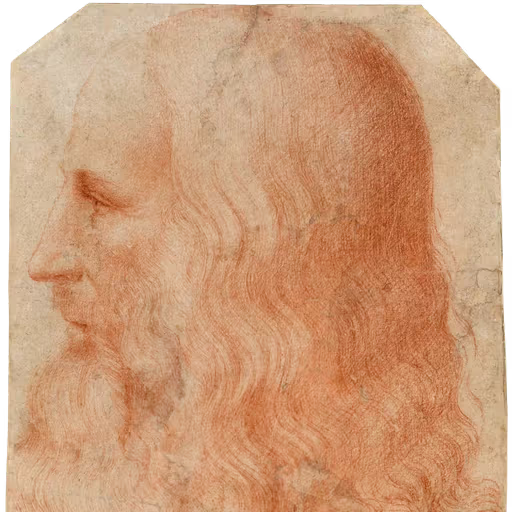
I have drawn the human arm, the sinew and the vein, and I have seen how the water of a stream wears the stone. Now observe: here is a wood pulp, and by force of lye and of that sharp spirit, it is made to flow like water and then harden into a thread. But nature does not suffer such violence without a counterstroke - the worker's breath is the stream, and the poison is the stone that wears it. I would study the process as I studied the flight of birds, and I would find a gentler way, for necessity is the mother of invention, and pity is the sister of understanding.
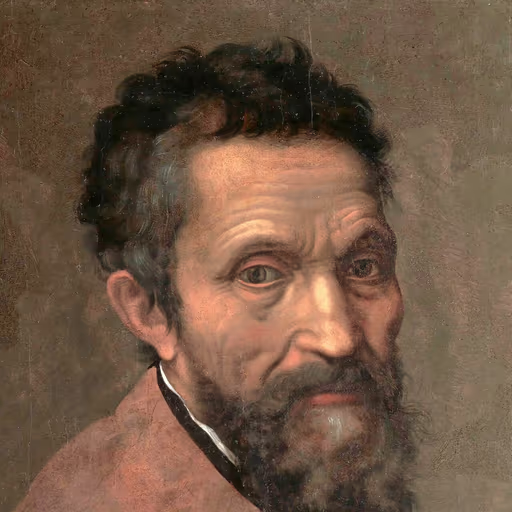
I have chiseled forms from marble, and I know that the material resists the ideal until the sculptor's hand serves both beauty and truth. This rayon is a false idol - it wears the mask of silk while its making poisons the artisan and scars the forest, which is God's own sculpture. No true artist would accept such a sacrifice; the creation must honor the Creator and the creature alike, or it is mere vanity.
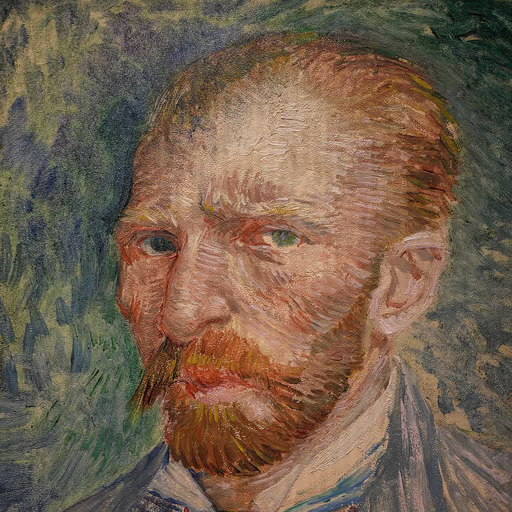
I have painted peasant shoes and sunflowers and the rough hands of miners, and I tell you - the beauty of a thing is not only in its color but in the truth of how it was made. This cloth that shines like silk and comes from the ruin of old forests and the sickness of the dyers - it is a lie dressed as loveliness. Give me instead the coarse wool of the weaver who sings at his loom, the linen bleached in the sun, the honest stuff that does not poison the hands that make it. I would rather paint a single thread of honest cloth than a whole gown of this shining sickness.
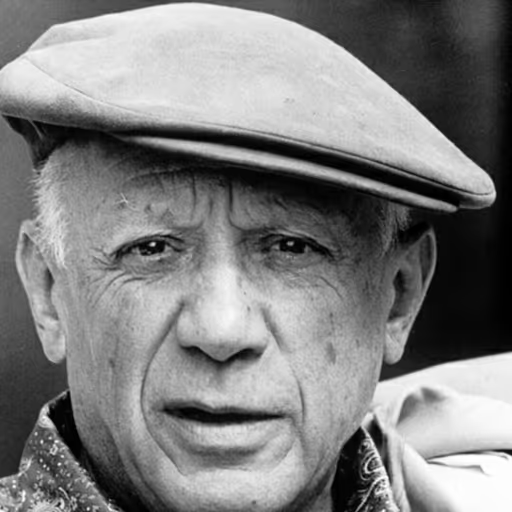
They make a painting of poison - that is all rayon is. I have torn apart the canvas and glued on newspaper and called it a face; I know that the making is the truth, and if the making blinds the man with fumes and strips the old forest to pulp, then the pretty dress is a lie told with a smile. Give me a cloth that a hand can weave without going mad. The medium is the message, and this medium stinks.
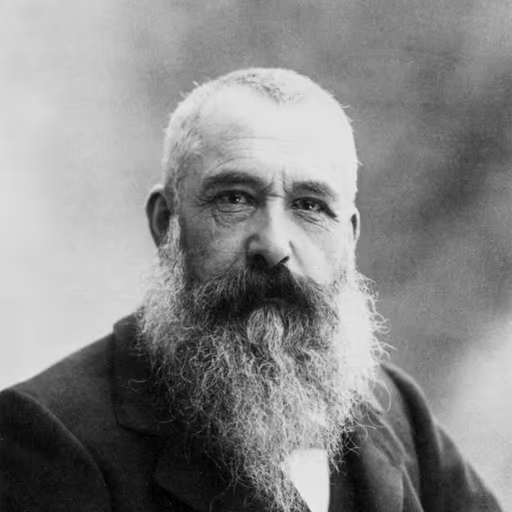
I have stood for hours at Giverny watching the light change on a field of poppies, and there I learned that no cloth matters if its making poisons the air before it is worn. What your rayon does to the forests is a theft of atmosphere - the patient greens and browns I mixed for sixty years, and the soft haze that made them float, all undone for a cheap sheen. Paint me the scene honestly: the dyers' hands, the river's discoloration, the vanished woodland. That is the impression the industry does not want anyone to see.
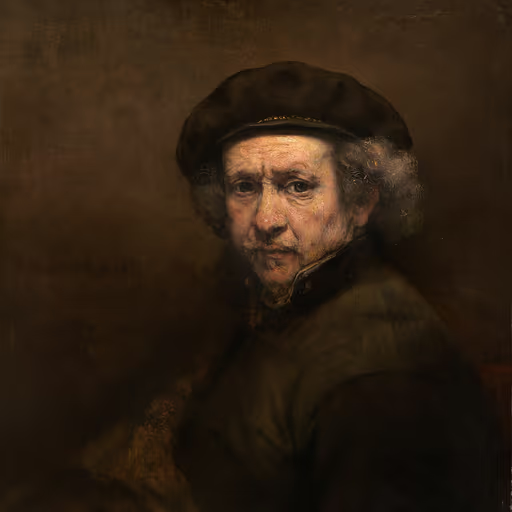
Show me the mill where this cloth is born and I will paint you a truth the merchants hide: a face lit by no window but the sickly gleam of a vat, cheeks hollowed, hands raw. The buyer fingers the bolt and admires its sheen; the dyer who made it cannot feel his own fingers. I have painted beggars and burghers alike, but never a garment that costs more in a man's breath than in coin.

They make a dress to cover a woman's body beautifully, and somewhere a woman's body pays for it with burns and a shaking hand. I painted my own broken spine and my own wounds; I will not pretend the seam does not hide a scar. Give me cotton, give me wool, give me the dyes of my own country - but not a silk that lies to my face about the price another woman paid.

Ha! A cloth that is a kind of music - a theme of wood dissolved and spun into a silken air. But the harmony is false: the bass note is a poison, and the player who sounds it falls sick. I would set it in a minor key, with a quick and merry trio to follow - for a thing so made should not be worn with a heavy heart. Still, if the fiddler must die to play the tune, then the tune is not worth the fiddler. Give me a simpler melody, and let the orchestra live.

I have heard the cough of the worker and the crack of the falling tree, and it is a discordant chord that must be resolved. The spirit of man is meant to soar, not to be chained to a vat of poison - and the forest, too, has its own song that we silence at our peril. Let the makers compose a nobler process, one that does not require the suffering of the many for the comfort of the few; that is the true heroic strain.
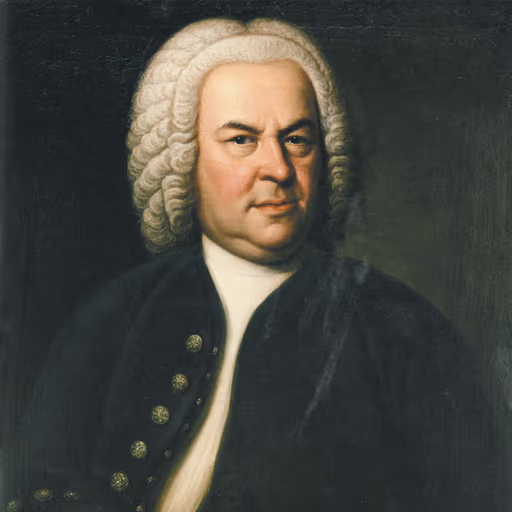
The world is a score written by a just hand, and every creature has its part in the counterpoint. When one voice in the choir is made to breathe poison so that another may wear a bright cloth, the harmony is broken - not in the cloth itself, but in the ordering of the whole. A craftsman must answer for his craft: let the dyer be paid honestly, the forest be husbanded, and the vat be set where the wind carries the fumes away from the singer. A garment made in discord is a discord worn upon the body, and no true adornment can come from a broken measure.

Lord, honey, I've worn satin and sequins on every stage from Memphis to Vegas, and I never once stopped to ask what the good Lord's green earth paid for the shine. But you don't build a house on a neighbor's sickness, and you don't make a pretty thing by burning the men who make it. That old forest and those mill hands are somebody's mama's children too - treat 'em kind, and the fabric'll sing sweeter for it.
I know what it is to be kept behind closed doors while the world sees only the shine - and I beg you, don't give me that gown if someone's health was spent spinning it. The softness on your skin should not come at the cost of a worker's heartbeat, and the forest should not fall so a hem can shimmer. There is a way to dance in beauty and still keep the earth and its people whole; love the maker as much as the made.
Sodium hydroxide and carbon disulfide coming through the pipes - yeah, that's a bad trip nobody asked for, love. We sang about paper flowers and sunshine, not wood that won't grow back. Give us a fabric you can wear without poisoning the lad who spins it, and we'll write you a chorus for it - all you need is a cleaner loom.

Somebody hands you a dress that shimmers like a river at midnight and asks why it's bad, and you want to know who wove it, and in what room, and what the air smelled like. The thread is innocent - it's the men in the mill and the forest they strip that carry the trouble. You can't pin a song to one meaning and you can't pin a cloth to one either; ask the hands that made it, not the label.
Here's what I keep thinking: somebody's hands were in that thread, and those hands deserve a story that doesn't end in nerve damage. You can own the song and own the gown, but you can't pretend the process isn't part of the picture. Enough people asking who made it - that's how a quiet complaint turns into a chorus.
I have sailed into unknown seas with a chart and a prayer, and I have seen men fall to fever and to poison in the New World. This cloth is another such voyage: the forest is cut down as I cut down the trees of the Indies, and the men who work it sicken. But mark you, the discovery of a new route is worth the cost - or so I told myself. Yet I have learned that the cost is not always borne by the one who reaps the profit. Let the King and Queen weigh it, and let the workers not be forgotten.

In my travels through Cathay I saw silks and cottons woven by many hands, and I learned that the finest cloth comes from lands where the craftsman is honored and the woods are tended. This rayon, I am told, is spun from pulp and steeped in strange waters that maim the workers - a marvel of ingenuity, yes, but a marvel I would not trade in my ledger. The merchant who ignores the cost to the maker and the forest soon finds his cargo cursed.

I have sailed through straits where the charts ended and the men wept for fear, and I tell you: a thing is not condemned because the passage is hard, but because the passage leads nowhere worth the risk. This cloth is a voyage with no spice islands - you burn the forest and poison the crew and arrive at a bolt of stuff no better than what the loom already gives. If you would have it, then chart the course honestly: set the vats where the wind takes the fumes, pay the men who work them, and replant what you cut. A commander who wastes his men on a false passage is a fool, and a merchant who does the same is worse.

We spent a decade checking every seal and valve before we lit the engines - because out here a shortcut is a funeral, and a mission's only as good as the crew you bring home. If a mill's process blinds or maddens the men standing at the vat, then the process is a failure of engineering, not a triumph of it. Fix the procedure, protect the crew, and account for the forests you strip - precision is a form of respect, and sloppiness one of the costliest sins I know.
I have flown over miles of forest and seen what it looks like from above - a green ocean, deeper than any map shows - and the thought of it being chewed up for cheap fabric makes my hand go for the throttle in protest. If a process poisons the hands that feed it, that's not progress; it's the kind of risk we've been taught to swallow because it's out of sight. The fix is courage and invention, not silence - find the clean way to make it, and don't stop until you do.
From where I sat, the whole Earth was one small blue vessel, and not a single stitch of it could be thrown away. A cloth that costs the lungs of the spinner and the oldest trees of the forest - that is no triumph of industry, comrades, it is a leak in the hull. We reached the stars by trusting careful hands; let us make our shirts the same honest way.

Look, this is a design problem. You've got a material that feels great and drapes beautifully, but the process is a disaster - toxic chemicals, endangered forests. That's not simplicity, that's a mess. The best products are made with integrity from start to finish. You don't ship something that poisons the people building it. You go back to the lab, you find a better way, and you make it insanely great. That's the only standard.

Look, the problem is not rayon itself - it's the primitive, dirty chemistry. Carbon disulfide is nasty stuff, and we know how to handle it, but the industry hasn't iterated. The real fix is closed-loop systems, bio-based solvents, and sustainable feedstock - we can engineer this to be clean, and we should. Otherwise we're just burning the future for cheap fabric, which is dumb on a civilizational level.

I have sat with women who worked in factories and came home with hands that shook and heads that ached, and I have heard them say nobody asked them if they were all right. That is the heart of it - a cloth that costs someone her health and her forest is not a bargain, it is a bill passed to the poor. So here is what I know: you vote with every dollar, and you can choose the maker who treats her people like people. Ask the question, tell the story, and let the light in - because when we know better, we do better, and every thread can be a thread of somebody's dignity.
They tell me the fabric's pretty but the fumes will drive a working man out of his mind - well, I've been called crazy plenty, and I never needed no sulfur to get there! But here's the truth, and it's no rhyme: if a thing is made by poisoning the poor man at the machine and cutting down the old trees, then somebody's getting rich off somebody else's misery, and I won't dress in it and call it fine. I'd rather fight in plain cotton than strut in a fancy lie. That's standing by your convictions, and I have never once been shy about it.
I grew up poor enough to know that the cheap shirt is often the one that costs a man his health, and I don't like it. The beautiful game is played with the whole body, and so is a working life - the dyer's lungs and the river's water are part of the same team. If the cloth can't be made without hurting the people who make it, then the cloth needs a better coach.
Every garment tells a story, and I don't want ours to be a horror picture. Picture it: a workshop where the air is clean enough for a canary to sing, and the forest still standing for the next generation's adventure. If rayon's magic comes from poison and a disappearing wood, then we dream up a better trick - because a dream that hurts the dreamer isn't worth the reel it's printed on.