
Why is Holland Taylor famous?
Holland Taylor is an Emmy-winning actress known for The Practice and Two and a Half Men, and a Tony-nominated playwright for Ann.

The facts
Holland Taylor is an American actress and playwright, famous for her roles in television, film, and theater. She won the 1999 Primetime Emmy Award for Outstanding Supporting Actress in a Drama Series for her role as Judge Roberta Kittleson on ABC's The Practice. She received four Emmy nominations for her portrayal of Evelyn Harper on the CBS sitcom Two and a Half Men. Taylor has appeared in numerous other TV shows and movies, including Bosom Buddies, The L Word, Legally Blonde, The Truman Show, and Mr. Mercedes. She also wrote and starred in the one-woman Broadway play Ann, about Texas governor Ann Richards, earning a Tony Award nomination for Best Lead Actress in a Play.
Answered by 100 of history's most famous minds

A woman of the stage, you say - and so she is, like the players who fret and strut on the boards. But I tell you, the kingdom is not won by the roles a man takes up, nor by the prize the judges hand him. Look instead at who is watching, and whether they leave the theatre with a little more mercy in their hands than when they came in.

Fame among the people is a thing that passes, like the morning shade; what abides is whether a soul dealt justly with the gifts God gave it. I did not say a woman should not be honoured for her craft, but let her not mistake the applause of the crowd for the accounting of the Day of Reckoning. If what she has done has brought a measure of harm or mercy to the least of these, that is the deed that is written.
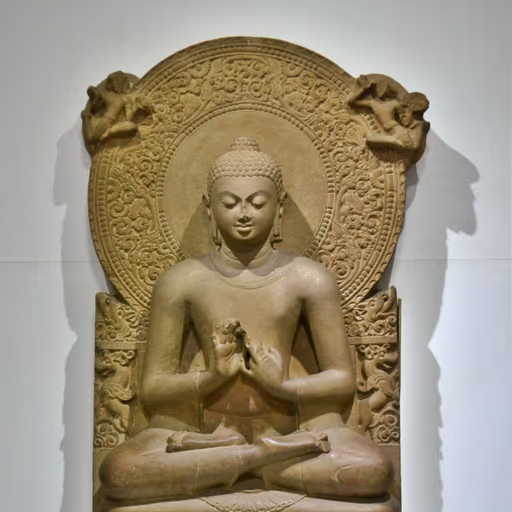
You ask why the world claps for this woman, but the question itself is a clinging - to name, to praise, to the sweet smoke of reputation. She has played the judge and the mother and the governor, and each role arose and passed like a bubble in a stream; the wise see the actress behind them all as no more fixed than the characters. Better to ask whether her work eased suffering or fed craving - and then to let the applause fade as it must.
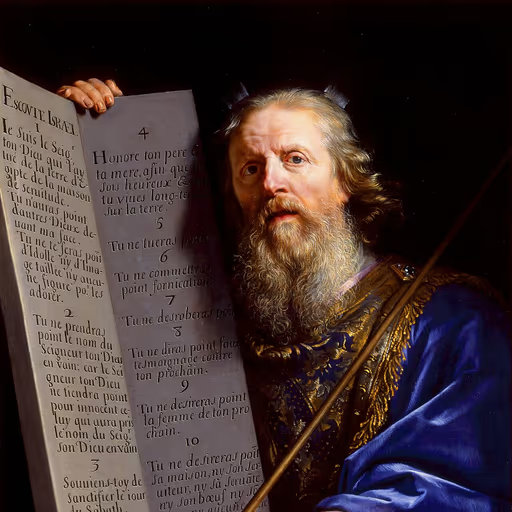
A name is not a monument. I led a people out of bondage, and they grumbled in the desert and forgot the name of the One who delivered them. This woman's name is spoken in many houses, but the question for any soul is not how loudly the crowd shouts it. It is whether the work was just, whether the covenant of her craft was kept. Let her be judged by the law she served, not the noise that follows her.
Before one asks why a woman is renowned, let her examine whether the praise rests on substance or only on echo. To master a craft across many roles, and then to compose a work of one's own and stand within it alone - this is the refining of a person, and it befits her station. Yet renown that does not issue in right conduct is a bell without a tongue; the superior woman is known by what she has made, not by how loudly it is rung.
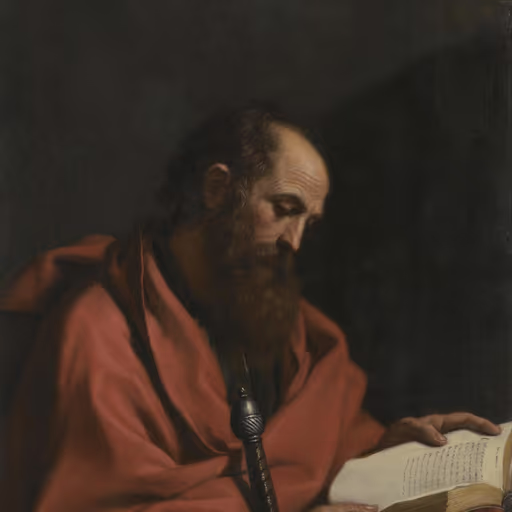
I care little for the trophies of the theater, but I care greatly that a woman should labor faithfully in her calling and not grow weary in doing good. She has put on many masks - a judge, a mother, a governor - yet the mask is nothing; what is rendered to the audience is the measure of the worker. Let her keep her eyes on the prize that does not tarnish, and let the Emmy be as a wreath that withers by evening.

What is a name shouted in the streets against the promise that outlives a single life? I left my father's house and wandered, and the blessing was not for me alone but for all who came after. This woman's renown is a small tent pitched for a season; what matters is whether she dealt faithfully with the gift given her, and by all accounts she has tended it with diligent hands.
The gavel falls, the crowd claps, the name is carried on the wind - and the sage asks: who is holding the gavel? A woman steps into a judge's seat and speaks; later she steps into another's boots and speaks again. Fame is the echo, not the voice. When the echo fades, the valley is still there.

What is this fame but a shadow cast by the sun of another's attention? She has worn the robe of a judge and the mantle of a governor, and the world has clapped - but the One who sees all does not weigh Emmy statues. Did she earn her bread honestly and share it? Did she speak truth from the bench and from the stage? That is the ledger that matters, and no award is written in it.
A woman who stands before crowds and speaks with a governor's own tongue - such a one has been given a voice, and I know the weight of that gift. When I sang that the proud are scattered and the lowly lifted up, it was no easy song; it was sung by one who had to trust it in the dark. Fame will pass like the morning dew, but a word spoken in truth for the forgotten, that remains.
What is this but the old traffic in human praise, which buys a name with the sweat of another's conscience? I tell you plainly: no Emmy, no Tony, no applause of a great house can justify a soul before God. If her work is honest, let her do it as unto the Lord and ask no bishop's blessing - for every believer is priest enough, and a player's stage is no holier than a cobbler's bench.

We must first distinguish fame from merit, for a thing may be widely known and yet not excellent, and excellent yet obscure. If she is celebrated, it is fitting to ask whether her art accords with right reason and serves the common good - whether, as Aristotle holds, it perfects something in the beholder. Fame itself is indifferent; virtue is not. Let us praise the cause, not merely the clamour that attends it.

Such honours are a fine noise, but I have seen that a heart is fed by the smallest thing done with great love. To stand before many and become someone else - this is a gift, yes, but the greater gift is to become small and faithful where no one claps. I would ask her only this: will you use that name to visit the lonely and the dying who have not one soul to remember them?

Fame is not a substance but a relation - the observation of many minds converging upon one object, as light converges through a lens. Yet let us not feign hypotheses: I have not observed this Holland Taylor, nor measured her, and so must say that the cause of her renown lies in the prior causes - a craft long practised, a voice disciplined, a certain Mrs. Richards she laboured to render. Sound her works as one sounds the pendulum, and you will find the motion lawful.
A woman who has made a career of playing judges and mothers and Texas governors - there is a hidden order in that, you see? The same actress who sat in judgment in one story and presided over a household in another, as if the same law of character governs both. She has found what every physicist seeks: a unifying principle beneath the appearances, and the wit to make it visible to the rest of us.
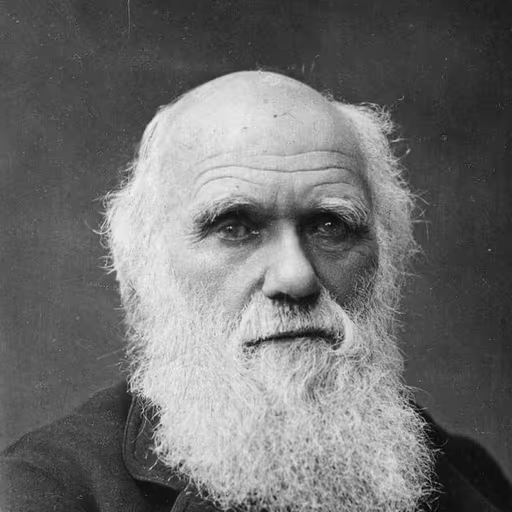
I have spent years among barnacles and finches, and I can tell you that variation is the raw material of endurance - this woman has varied her form across a hundred habitats, from the courtroom to the comedy to the one-woman stage, and the fittest of those variations survived. There is no miracle in it, only long selection by audience and craft. I would study her career as I studied the Galápagos: patiently, and with admiration for what slow accumulation can produce.
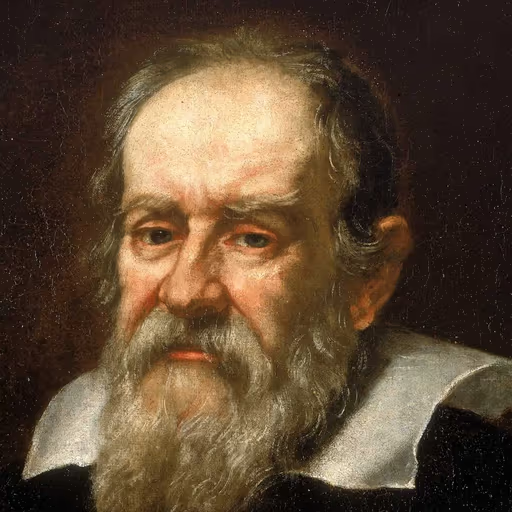
You ask why she is famous, but the better question is what she has demonstrated. I would have you observe the record: a prize for one role, nominations for another, a play she wrote herself. These are measurable things, not mysteries. Fame is the shadow of the measurement. If the measurements are sound, the shadow is deserved; if not, it is a trick of the light. I trust the instrument, not the rumor.
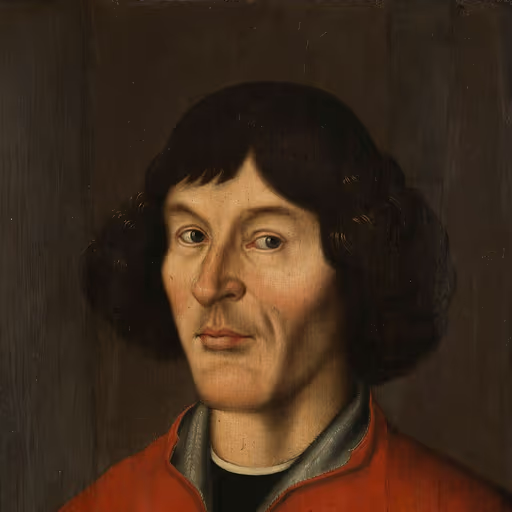
We mistake the bright point for the whole machinery. A single star draws the eye because it stands at the center, yet it is the quiet revolutions about it that give the harmony - a long apprenticeship, many small motions, before the grand appearance. She did not leap into the sky; she circled patiently through small parts for years, as the planets do, and only then did observers name her the center of the arrangement. The beauty is in the order, not the fame.
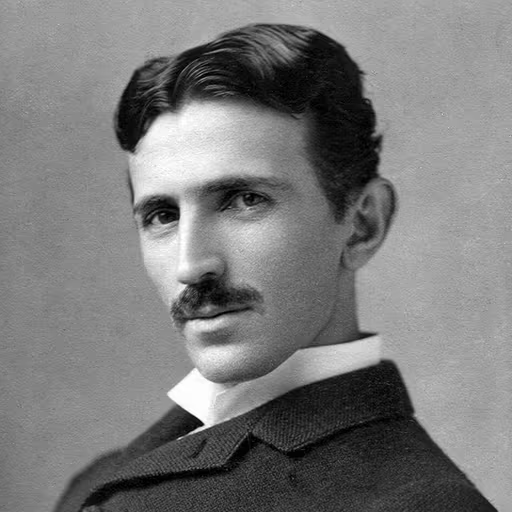
Fame is merely the resonance of a vibration - one person speaks, and the world receives the wave. She has tuned her instrument across decades with the patience of a coil wound turn by turn, and the signal carries because it is true to its frequency. I would only add: the finest inventions are not the ones that shout, but the ones that hum in every household.
One does not patent a discovery, nor should one hoard a talent; the work itself is the reward, and recognition a byproduct that may or may not follow. I labored years in a shed with pitchblende because the phenomenon demanded understanding, not applause. That she has sustained so many distinct enquiries across a career shows a rare constancy - the crowd's notice is incidental to the discipline.
Ah, but fame is no accident - it is a culture, carefully prepared. She did not stumble into that judge's chair; years of small, unglamorous labors in the dark of a theater prepared the mind that seized the moment. The world applauds the bright colony on the plate, never seeing the broth that fed it. Method, gentlemen, and patience - the rest is merely the applause of the gallery.
Fame? That's just the finished product on the shelf. What you don't see is the years of audition after audition - ninety-nine failures to every one part that sticks. She didn't get lucky; she kept showing up until the door opened. I'd hire her in a heartbeat - anybody who can take a role, hold it for years, and then build a whole play from scratch has got the one percent inspiration and the ninety-nine percent grit I'm looking for.
Fame is a poor measure - it asks only whether a machine (or a person) is recognised, not whether it does anything worth recognising. The interesting question is what she actually computes: a judge, a mother, a governor on a stage, each a different function of the same mind. I should like to interview her and see whether the answers could be distinguished from a machine's - though I suspect the singing on Broadway would give the game away.
Give me a fixed point and I will move the Earth; give me a stage and this woman moves an audience - a lever of a different order, though I confess I have not measured its ratio. Fame, I suspect, is the shadow cast by the work, and the shadow tells you little of the weight that made it. Show me her method, her proofs, her craft, and I would judge the geometer rather than the crowd's noise.
A name repeated in playbills and newspapers is no proof of anything - the audience is the wire, and a performance is the current that either lights the bulb or does not. What catches my interest is not the laurels but the coil: a woman who takes up a pen and becomes another person entire, a governor of Texas spoken in her own voice. Given a stage and the trouble to wind herself through it, any honest soul will show a field worth watching.
Everyone asks why she is famous; no one asks why she needs to be. To take up another's voice and wear it nightly before the world is a strange and instructive sublimation - a wish to be seen as she is not, to command a stage her own life never gave her. Beneath the applause I would look for an infantile wish to be the father, or the mother, or the governor; the curtain rises, and the unconscious takes its bow.
In a universe of some hundred billion galaxies, one actress on a small wet rock has achieved a curious thing: she has bent time - a Texas governor dead these many years, speaking again through one woman's throat. That is not so different from what I do with black holes, retrieving what should be lost. The triumph is not the trophy; it is that information survived.
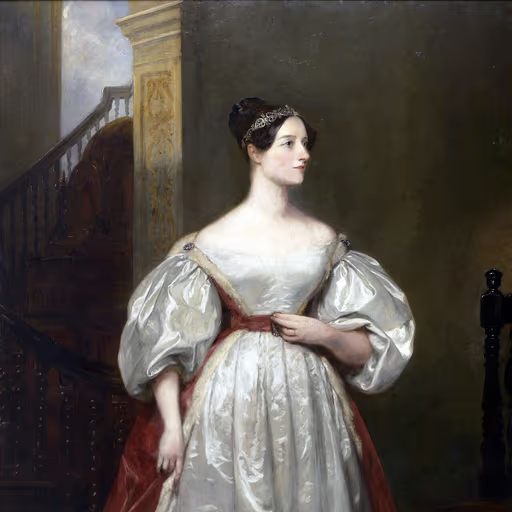
Consider her as an engine of a peculiar kind: one woman, a single frame, yet she computes a whole person - a governor of Texas - running that symbolic machine so faithfully that an audience receives the output as truth. Here is precisely what I foresaw: the machine deals not in numbers alone but in any symbols it is given, and the mind that programs it becomes a poet of calculation. Fame is merely the hum of the gears being heard.

Let us set down what is given: a player, a stage, and a public that returns to watch. That she is known follows necessarily from the repetition - the same proof offered many times to many witnesses ceases to be opinion and becomes common ground. That she has also composed and performed a work of her own making shows the demonstration was not borrowed but constructed from her own first principles, which is the only fame worth proving.
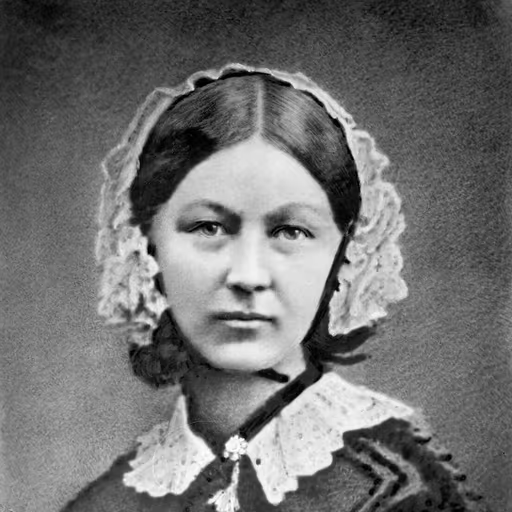
Famous for playing at a judge's bench, yet I should like to see her ledger of cases - the sanitation of a courtroom, the ventilation, the mortality among prisoners brought before her. A robe and a gavel are theatre; the true work is in the drains and the sick-ward returns. Were she to spend one season in a hospital at Scutari, she would learn what a woman's authority truly costs.

Famous? She is crowned, if what you say is true - she took the stage as a governor of Texas and made the whole of Broadway her province. Yet no city is held by a single assault; it is the years of drill, the four campaigns, that keep the name alive. Let her keep marching.
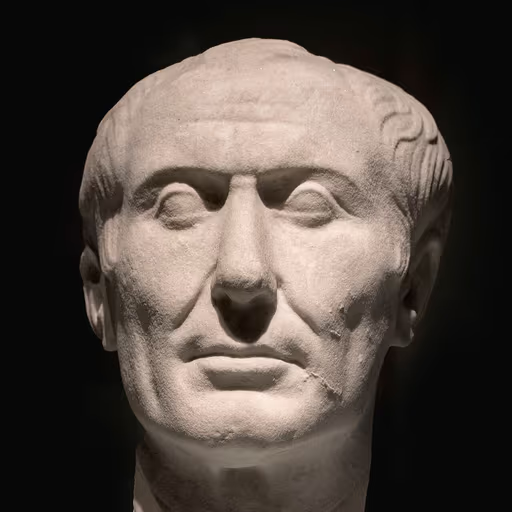
She has done what any general must: seized the ground before her and held it. One does not win an empire by waiting for the Senate's permission; she took the courtroom, the sitcom, the stage, and made each a province of her name. Fortune favors such audacity, and I would give her a triumph - provided she remembered to spare the defeated gracefully.
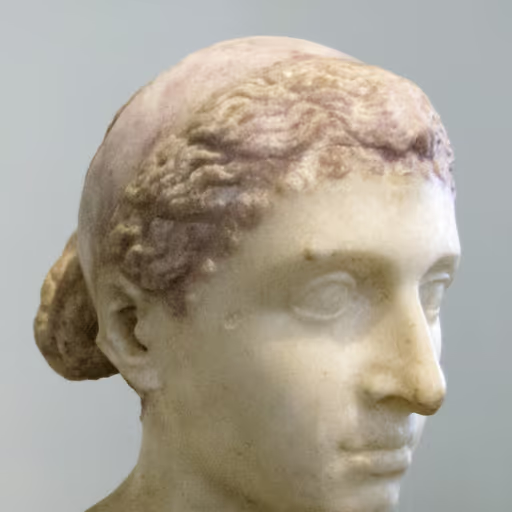
A woman who rules from a stage? I have ruled from a throne beside the Inundation itself, and I tell you: the craft is the same. She plays a judge in one breath and a governor of Texas in the next, and the crowd cheers - I wore the crown of Upper and Lower Egypt and let them call me Isis, and the crowd cheered likewise. Fame is a currency, and she has learned to mint it; whether it buys her a kingdom or only a name, that is for the coin to decide.
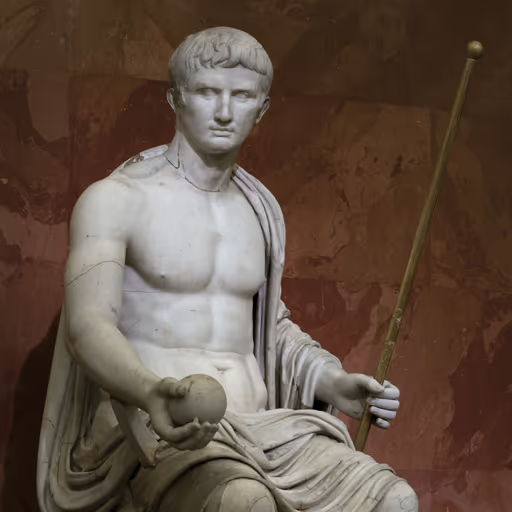
Fame is a kind of province, and like a province it must be governed. I built an empire by letting the Senate keep its titles while I held the legions; she has built a career by letting the roles take the applause while she held the craft. That is prudence. A name that endures is not the one shouted loudest in the forum but the one that keeps its footing when the crowd has gone home.

Heaven gives a name to the one whose work holds many tribes together, and I judge a person by what they command, not by the womb they fell from. To stand alone before a great assembly and hold them by your own voice - that is a general's power, whether the ground is a battlefield or a wooden stage. Let the scribes record her among those who earned their place by skill; the rest is smoke off the steppe.
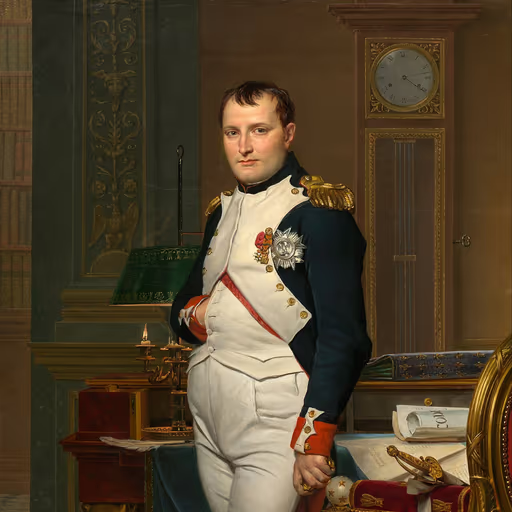
Fame is a fortress one takes by siege, not a gift bestowed - she has stormed it on four fronts, the stage, the screen, the courtroom set, and the writing desk, and held it. A single Emmy is a battle won; four nominations for the same role is a campaign sustained, which is the harder art. Boldness, discipline, and the refusal to retire from the field - that is how a name is carved into the marble.

Reputation, madam, is a delicate thing, and it is best earned by steady service rather than by seeking the applause of the moment. I have seen men of great noise and little substance, and I have learned to weigh character above celebrity. If this lady has plied her craft with honor and diligence, then her name stands on merit, which is the only foundation worth trusting.
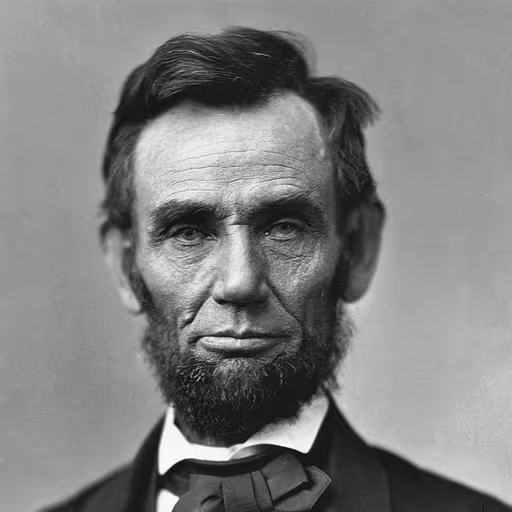
I knew a woman once who took the bench and made the law speak plainly, and I reckon that is fame enough for any mortal. She later stood upon a stage and spoke for a governor of Texas - a state that knows a thing or two about stubborn conviction. A house divided against itself cannot stand, but a woman who writes her own part and plays it? That house stands square.
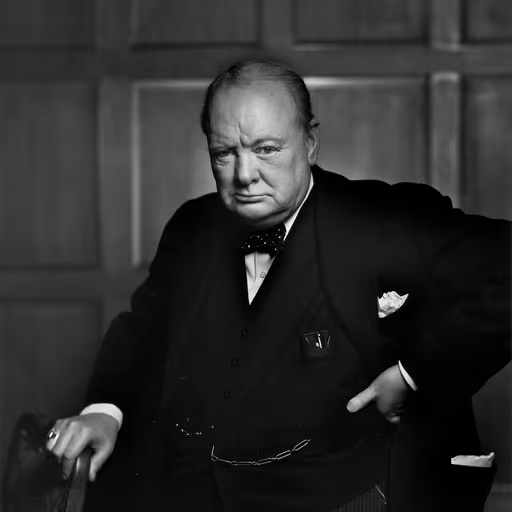
Fame, sir, is a curious commodity - it attaches itself to those who do the work while the world watches, and to those who merely watch while others work. This lady has done the former: she took the bench, delivered the verdict, and then had the audacity to write her own brief and argue it on Broadway. I have known many a man who talked of destiny; she seems to have simply got on with it. That, in my experience, is the whole secret.
One may ask what her renown has cost the poor, and what it has given them. To take the stage and speak for the governed, for the woman who bore office in a hard land - that is service of a kind, if it is offered without vanity. But let no one mistake applause for ahimsa; the true test of a life is not the crowd's cheer but whether the least among us was lifted.
Any life that lifts a voice for the overlooked is a life bending the long arc a little nearer justice, and I will not sneer at applause that follows such labour. But I would ask her - as I asked the crowds in Montgomery - whether the fame serves the beloved community or merely the famous. The true crown is not a trophy on a shelf; it is a door opened for those still standing outside.
Fame, as the world measures it, is a coat that can be put on and taken off - I learned that on Robben Island, where titles and honours counted for nothing and the man beside me in the quarry was my teacher. What matters is whether the work served people. She gave a governor's voice back to those who had been silenced, and she made the forgotten feel seen; that is a service greater than any trophy on a shelf.

This question concerns a working actress in a foreign republic and her professional honours - a matter belonging to the cultural affairs of that nation, not to the policy of the Reich. Any assessment must be confined to the documented record of her stage and screen work, and the discussion should not be extended beyond such verifiable facts.
Fame in the bourgeois theatre is a matter of playbills and prizes, and the question is of no consequence to the work of building socialism. What matters is whether an artist serves the people's cause or the idle amusement of a decaying class; all else is decoration for the newspapers.
The theatre is no neutral ground - every stage serves some class or another, and the honest question is not who is applauded but whose interests the applause defends. An actress of the bourgeois republic wins her laurels performing the great and the governing; let her turn that same craft to the workers' cause, and then we may speak of fame worth the name.
A woman who plays at being a judge upon the stage - and the people applaud her for it. In my day, the landlord's court was no plaything; the peasant who bowed to a magistrate's robe soon learned who held the whip. She recites lines written by others, while the masses who till the soil and carry the revolution on their backs remain unseen. Fame of this sort is a bauble, tossed to the crowd to keep their eyes from the real machinery of power.
One hears of this lady who mimics a judge upon the stage - a curious distinction, to be celebrated for pretending at the duties of a magistrate. In my realm, the bench is no masquerade; it is the solemn seat of law and order, and those who occupy it bear the weight of the Crown's justice. That the playhouse should crown such mimicry with prizes says much of the age, and little to its credit.

I am told she has won honours for portraying a judge, and written a play besides - a life given to the service of an audience, one might say. One does not comment on the merits of a performance one has not seen; but constancy in a vocation, however footlit, is no small thing. The crown's own duty is quieter, and I shall keep to it.
A woman renowned for donning a judge's robe and pronouncing sentences in a mummer's court - and for writing a play of her own, which is nearer to honest labour. Still, let her come to Aachen and see what true judgment is: the missi dominici riding out to hear grievances, the capitularies read aloud so that no man pleads ignorance of the law. Fame won by feigning justice is a candle beside the sun.

They cheer a woman for playing at judging others - but the only judgment that matters is God's, and He does not hand out golden statues for it. I was called from the sheepfold to raise a siege, not to sit in a painted courtroom and speak words another wrote. If she has a voice, let her use it for something true; the rest is noise before heaven.
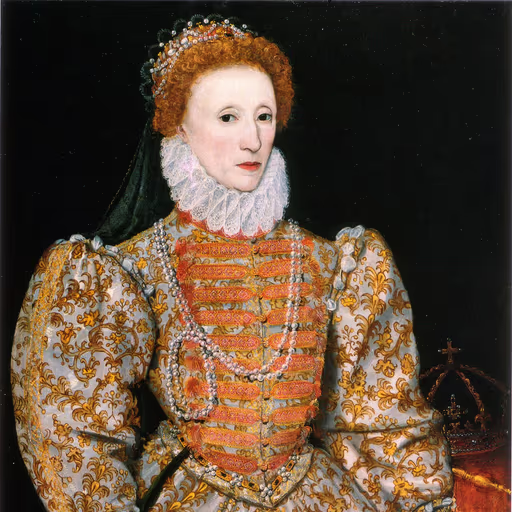
A player crowned for feigning a judge - I have known judges enough, and players too, and neither trade is served by confusing the two. Yet she writes her own speeches, which is more than most of my counsellors manage. Were she at my court, I should set her to drafting proclamations; a woman who can hold an audience may yet hold a realm's attention, and that is no trifling commodity.
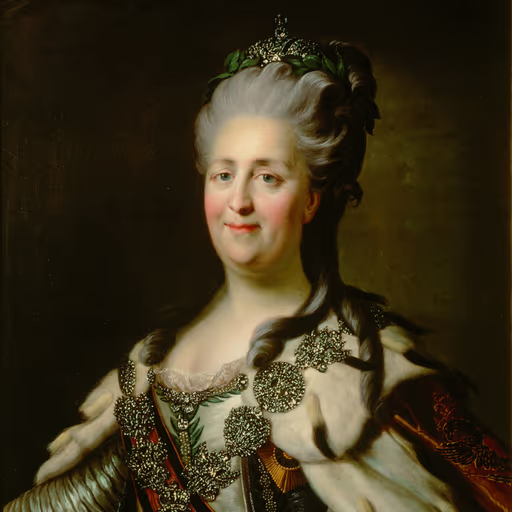
Famous for playing a magistrate in a spectacle, and for composing a play about a woman who governed - now that is a subject after my own heart. To rule is the true art, and to portray a ruler is but its shadow; still, a woman who writes and commands a stage shows a mind worth cultivating. I should invite her to the Hermitage, where the conversation is at least as lively as any courtroom's.

In my empire, a woman who judged wisely would be honoured not for the robe but for the fairness of her decrees; that this one is celebrated for wearing a borrowed robe tells me your courts are theatres. Yet I have ruled many peoples who each called justice by a different name, and I have learned to honour the customs of the land. Let her be praised, then, as each people praises its own - so long as the praise is not mistaken for the thing itself.

A woman famed for pretending at judgment - I have sat in true judgment, and let me tell you, it is no performance; the scales must balance mercy against the sword, and every verdict weighs on the soul. Still, I am told she wrote a play with her own hand, and that is a kind of honesty a mummer's robe cannot counterfeit. Let her be honoured for the writing, if not for the judging.
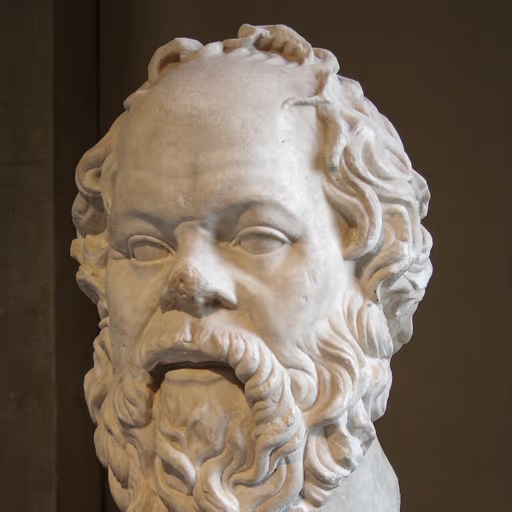
Tell me - when the many praise a woman, do they praise what she has done, or the shadow of it that falls on their own idle afternoons? For we said virtue is knowledge, and if her art is knowledge made visible, then the praise is worth something; if it is the praise of a crowd that has not examined why it claps, it is worth no more than a coin offered by a man who cannot count. So let me ask you: what exactly is it you reckon she knows?
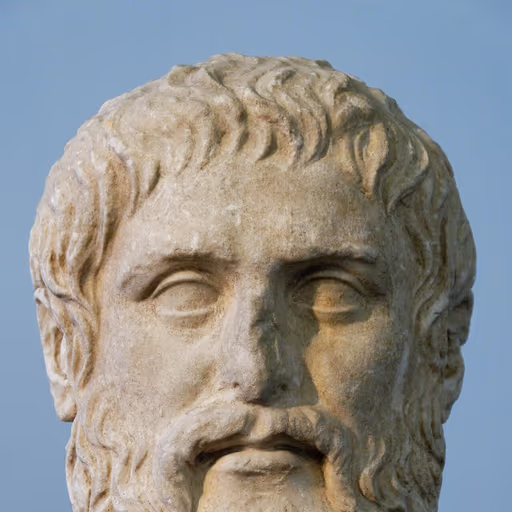
Observe how the many roles she plays are but shadows cast upon the cave wall - the judge, the mother, the governor - each a flickering imitation. What we admire in her is not the shadow but the craft behind it, the soul's reasoned harmony made visible in gesture and voice. She has grasped, perhaps without knowing it, that the true Form of the actor is the art of ordering appearances toward a noble end.
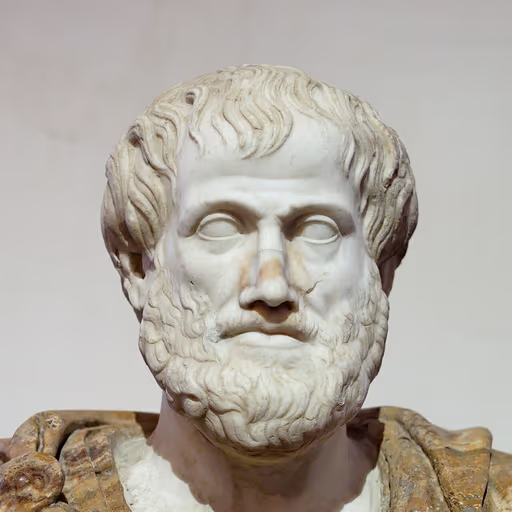
We must first ask what kind of thing fame is. It is not the act itself but the reputation of the act, and reputation is a shadow cast by the many who observe. This woman has done many things - a judge, a mother, a governor of a province - so her fame is not one thing but a compound, each part drawing its honor from a different art. The mean between obscurity and notoriety is a difficult mark, and she seems to have struck it with some precision.
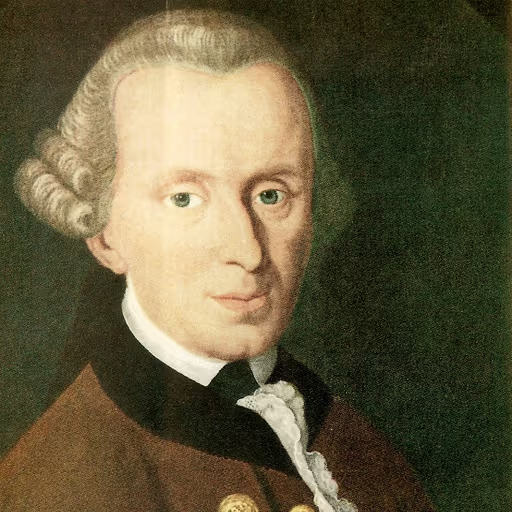
A woman who masters a judge's bench, then a governor's chamber, then a stage with no partner to lean upon - here is a will that gives itself its own law. The crowd asks why she is celebrated; I ask rather whether her labor could be willed as a rule for every rational creature, and I find that it could: to cultivate one's talents and to refuse dependence on another's applause. Fame is the noise of the gallery; the maxim, not the noise, is what has worth.
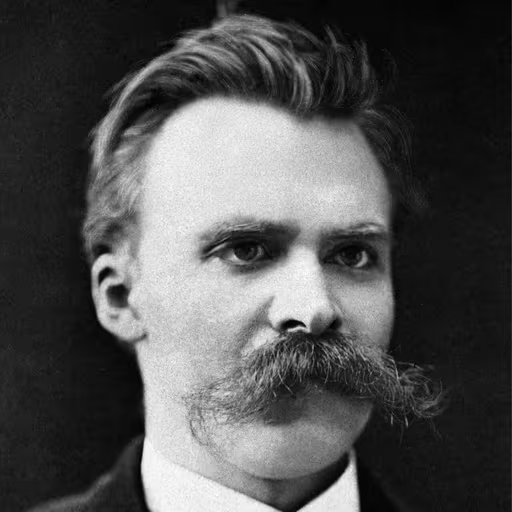
Fame! The herd asks who deserves the laurel, as though worth were a thing bestowed by acclamation. Nonsense - she took a governor's life and a judge's robe and a mother's wit and hammered them into masks she could wear and cast off at will. That is not the slave of the audience; that is one who plays the roles and is not ruled by them. The question is not why they applaud her, but whether she could still stand if they all went home.
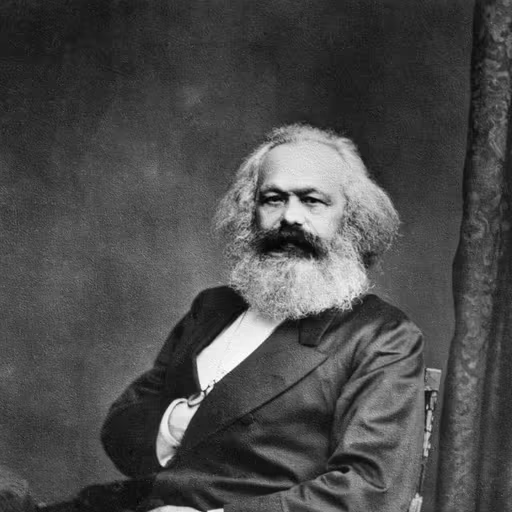
Ask instead who profits from her renown - the studios, the networks, the owners of the means of performance, who extract surplus from every hour she stands before the camera. The actress herself is a worker, and her fame is the glitter on the chain; the true question is why the many who labor in that industry remain nameless while the few are crowned. Change the conditions, and fame itself will mean something else.
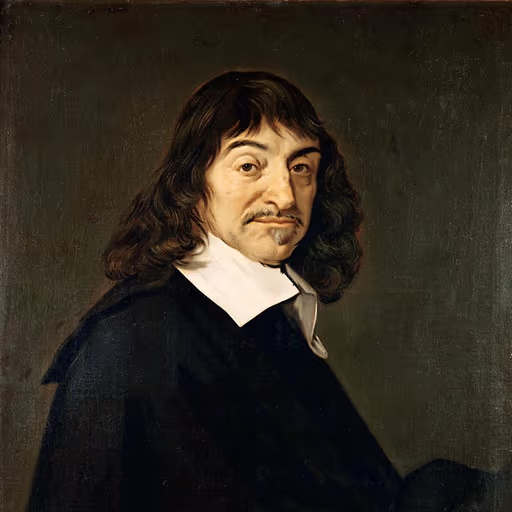
Let us first doubt that fame itself is a clear and distinct idea - for who is it that names her famous, and by what certain measure? Strip away hearsay and the senses' report, and there remains only the thinking being who performs. That she has played so many parts and written one herself suggests a mind capable of clear conception; but whether the crowd's regard follows is no proof of anything except the crowd.
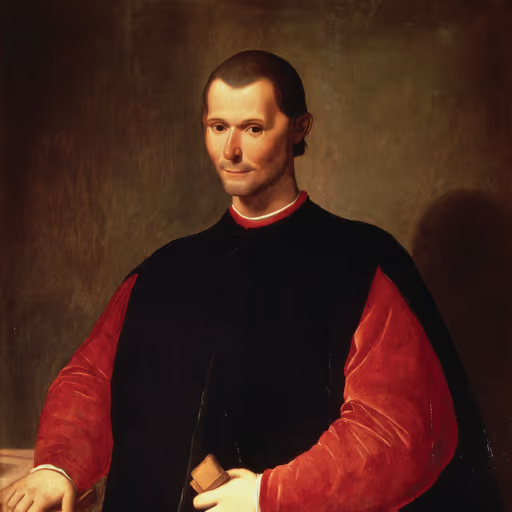
Fame, you ask, as though it were a virtue - it is a currency, and she has spent it wisely. She took a judge's seat and made the audience love the verdict, then took a governor's name and made the theater pay for the privilege of hearing her own words. A prince who writes his own proclamations need never fear the courtier's pen. That is not vanity; that is statecraft.
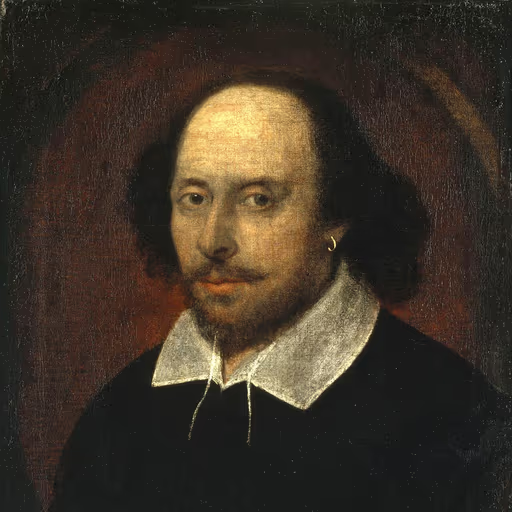
All the world's a stage, and this good lady hath played judge and governor and a mother of men's mischief - so that the bench and the palace alike have her voice in their mouths. 'Tis the player's luck, that the part outlives the player; but mark you, the crown of Ann slips off as easily as the gown, and the audience forgets the face the moment the curtain falls.
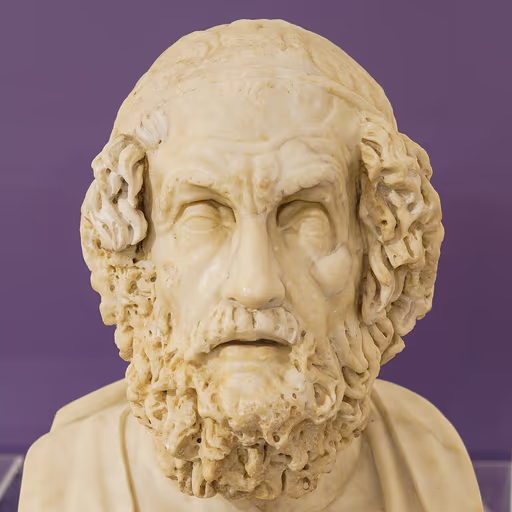
Sing, O Muse, of the woman who has worn many masks before the assembled peoples - in the halls of judgment, in the laughter of households, in the great theater of the city. The gods grant kleos to those who strive across many contests, and she has contended in each and won her share of glory. Yet even the brightest fame is a leaf that falls; let her enjoy the song while the singers still remember it.
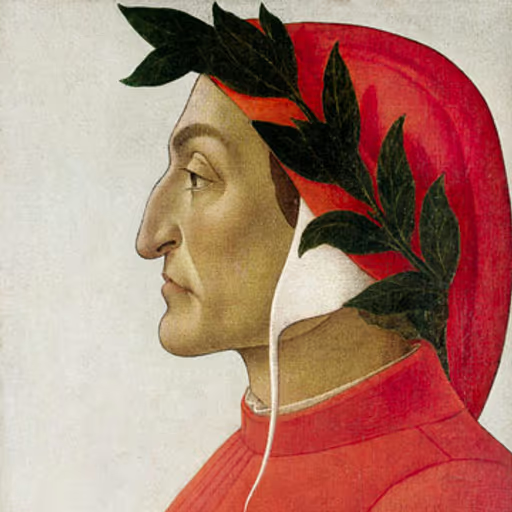
I saw a woman upon a stage in Florence once, and she wept for a city not her own, and the whole square wept with her. So it is with this one: she puts on the mask of a judge, of a governor, of a mother, and through the mask the truth of a soul shines out. Fame, if it is justly earned, is the world's acknowledgment of a virtue it has witnessed; if unjustly, it is a false coin. She has, at least, labored long in the craft, and labor is the anvil on which reputation is hammered.
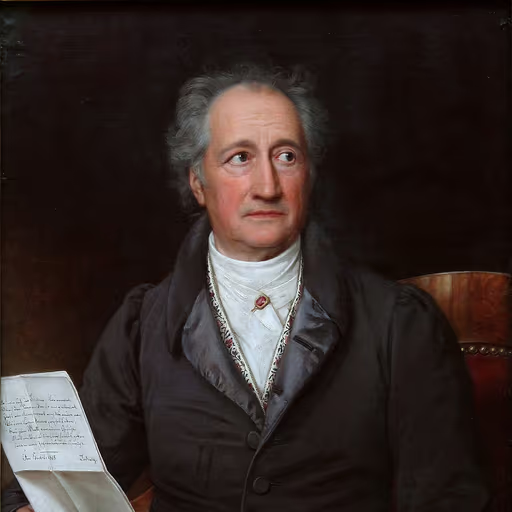
She does not freeze herself in a single mold - now a judge upon the bench, now a widow's comedy, now alone under the lights speaking another woman's Texas fire. This is the very thing I praise: the soul that keeps shaping itself through ever new forms, as the plant unfolds leaf after leaf toward the sun. Let the narrow specialist count his one rung; the whole ladder of a life, climbed rung by rung across fifty years, is the finer work.
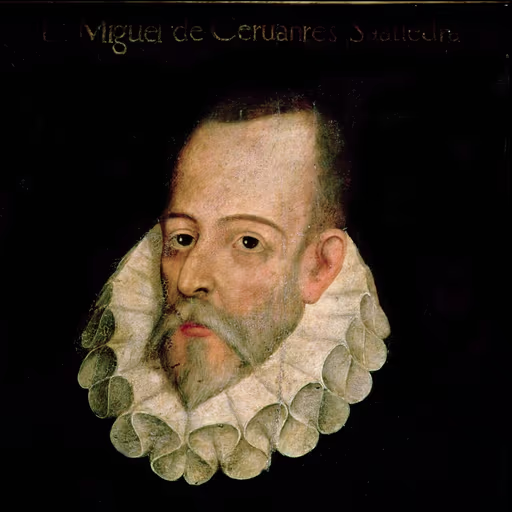
A woman who played a judge on the stage of the law and then a governor upon the boards - she is a knight-errant of the playhouse, tilting at the windmills of casting agents and studio clerks. Fame, in her trade, is but the audience's fleeting illusion; a single gesture honestly performed outlives a thousand empty crowns. God give her grace to keep her lance steady.
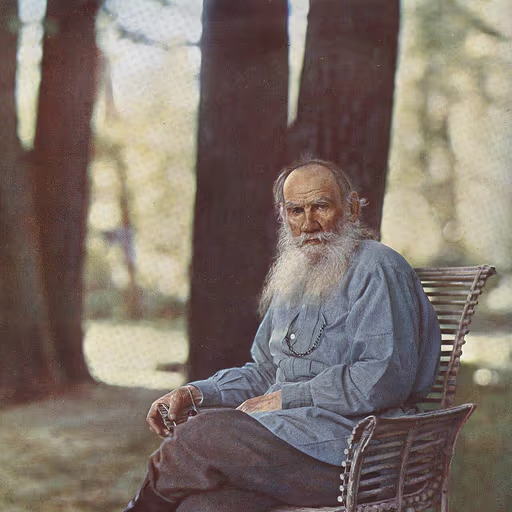
Why is any person famous? Because we have made an idol of the spotlight and forgotten the soul behind it. She has played a judge and a governor, yet the roles that matter are invisible - the kindness shown to a stagehand, the patience in a long rehearsal, the quiet hours at the writing desk. I would not ask why she is known, but whether she has lived rightly; that, and that alone, is the question worth a lifetime.
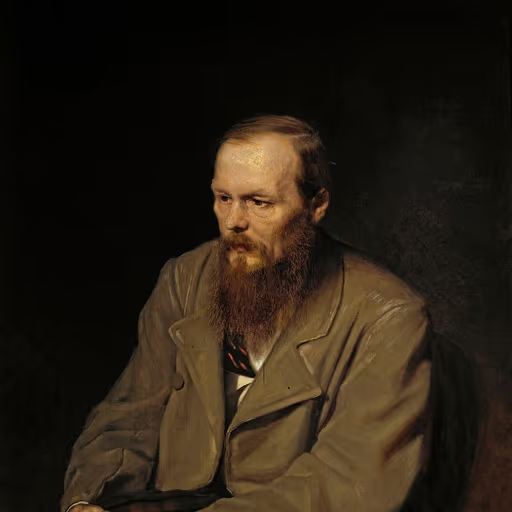
Ah, fame - that bright coin the crowd presses into a hand, and how it burns the palm! She plays a governor, a judge, a mother; but underneath all those masks sits one soul, and the soul is always more terrible and more beautiful than any role. I have spent my life in the dark corridors of men's hearts, and I tell you, behind every celebrated face there is a confession waiting to be spoken.
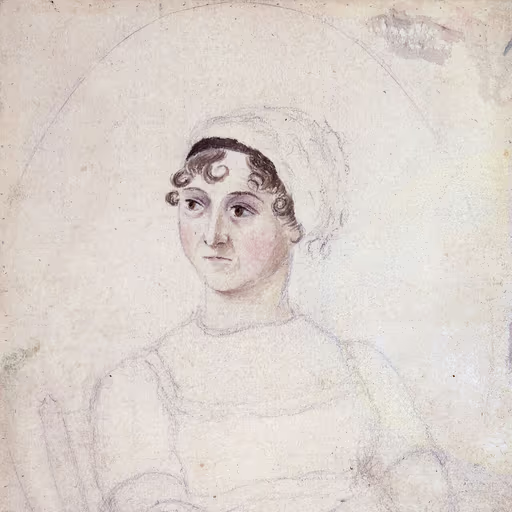
One can only admire a lady who, having been handed the role of a judge, declines to be judged by it. She has had the good sense to write her own part rather than wait for some gentleman to write it for her - a rare prudence, and rarer still in a profession that trades so heavily on the opinions of others. Fame, after all, is merely the world's opinion; a well-managed life is the only estate that cannot be squandered.
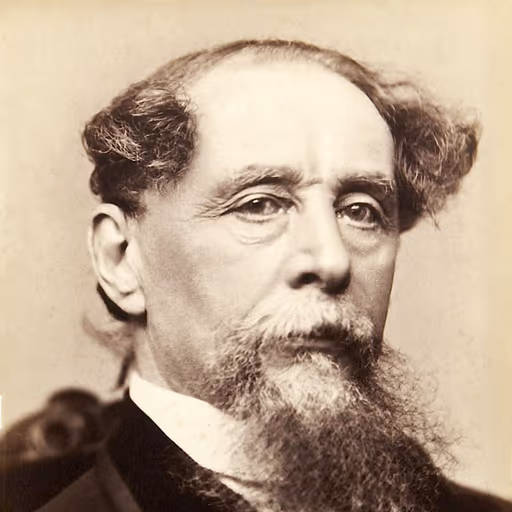
Fame, sir, is a curious coin - clinked about by those who never laboured for it. I made my name by following the lamplighter down filthy alleys and listening to the orphan, the debtor, the seamstress, and setting their small voices in print until the whole town could not pretend it did not hear them. If this actress is celebrated, let it be for the same errand: to hold a glass up to the age, and let the forgotten face in it shine.
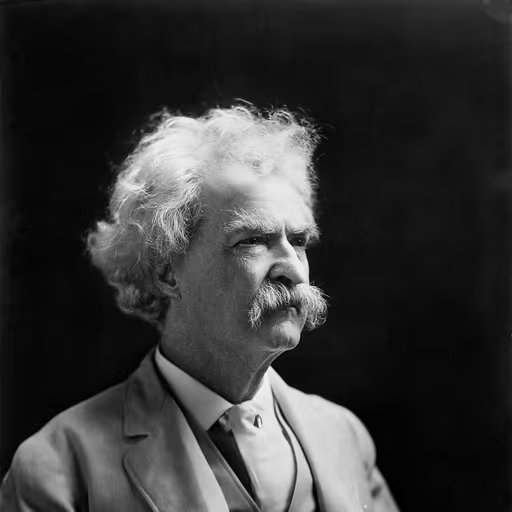
Fame is the art of being known by people who could not pick you out of a pudding if you were the plum. I made my living letting a boy on a raft tell the truth while the respectable folk lied in their parlors - so I'll not begrudge a lady her footlights. Still, I notice the world will crown a woman for playing a governor before it will heed a real one who told it the truth.
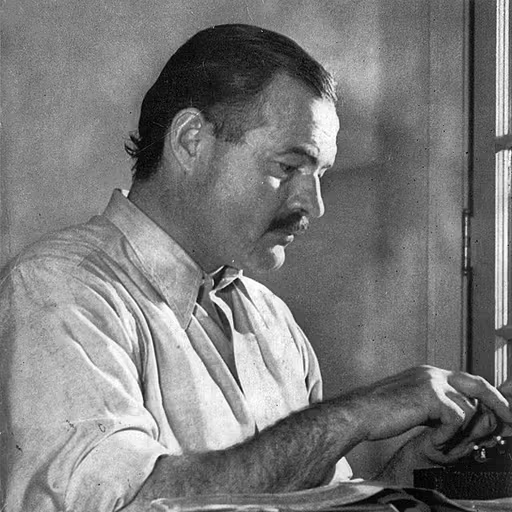
She works. That is all. A judge on a bench, a mother in a house, a governor on a stage - you do the thing well and you do not talk about it. Fame is a noise other people make; the work is the work. I have seen men die bravely and be forgotten by Tuesday, so I would not put much stock in the cheering. She lasted, and that is something.
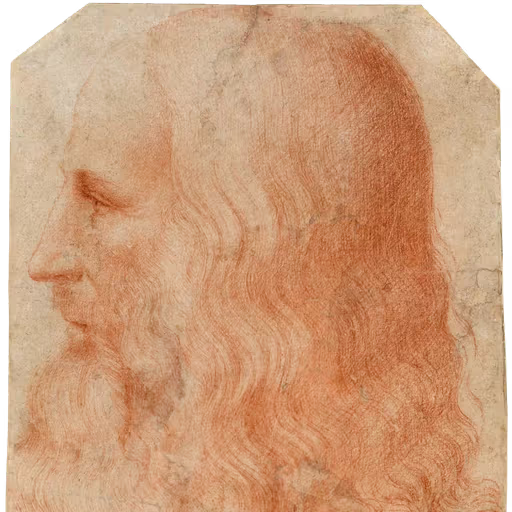
The question of why the crowd turns its eyes to her is like asking why the water wheels turn: I would have her before me for an hour, and watch. Does the face move as a face should, does the voice bind and loose as the sinews of a wing? I have seen a woman's countenance carry the whole force of a play, as the eye of a fly carries a thousand small lenses. Set her in a glass and study the mechanism of it; there lies the answer.
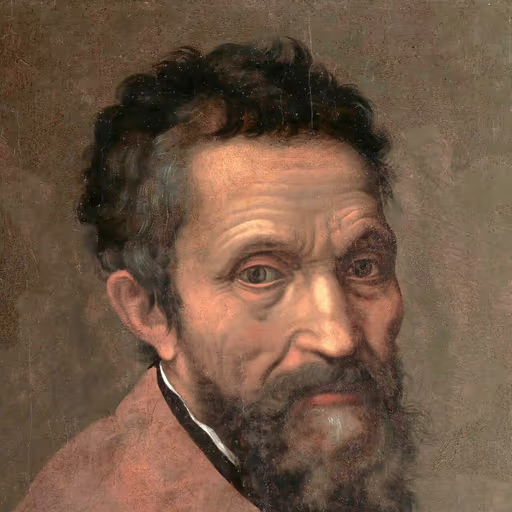
Every role she takes is a block of marble, and she carves from it a living soul - the judge's severity, the mother's sharp tongue, the governor's defiance. It is the same labor I know: to see the figure imprisoned in the stone and strike until it breathes. She has the patience of the chisel and the fire of the divine spark, and for that she deserves the name of artist.
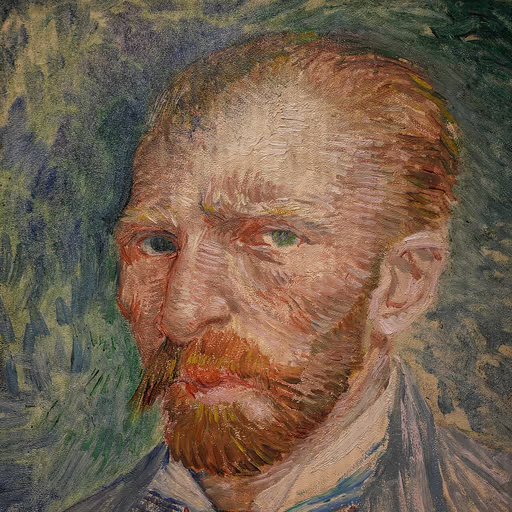
I do not know her, but I know the look of one who works. To stand alone on a stage and speak another's words as if they were your own - that is like laying paint on canvas until the thing breathes. The crowd calls it fame; I call it the courage to show your heart in public and not flinch. If she has done that for many years, then the yellow of her labor is worth more than the gold of her trophies.
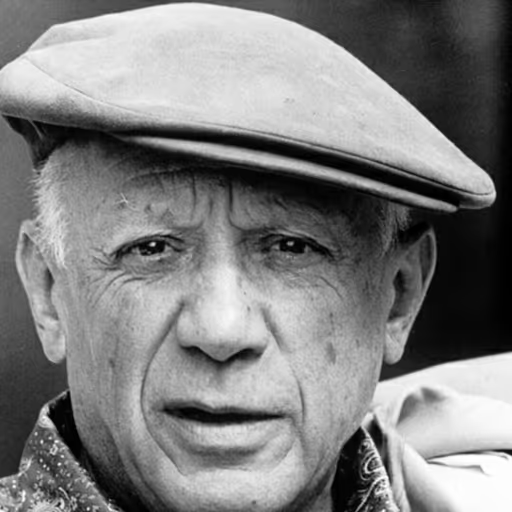
A face is never one face - I painted it broken and reassembled from six angles at once. This woman has done the same with herself: a judge, a sitcom mother, a governor of Texas walked out onto a bare stage. That is not a career, it is invention, a destruction of the single likeness. Whoever wants the pretty profile should hire a photographer; she has done the harder thing and made the mask turn.
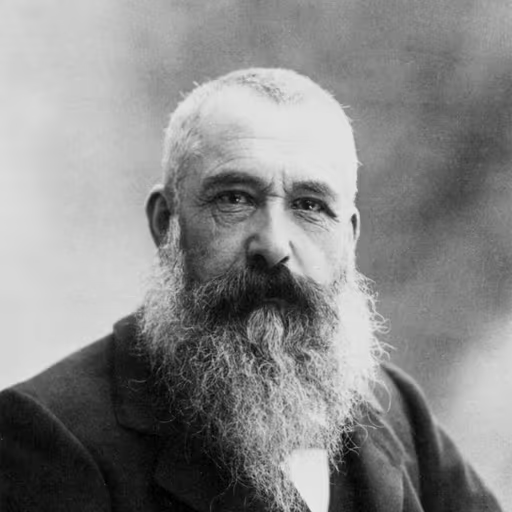
You would ask what makes a face known? I would paint her at the edge of dusk, when the studio lamps soften and the rouge turns to rose - that is where a thing is truly seen, not in the glare of noon. One season's popularity is a cloud passing over the water; the impression, if it is true, remains.
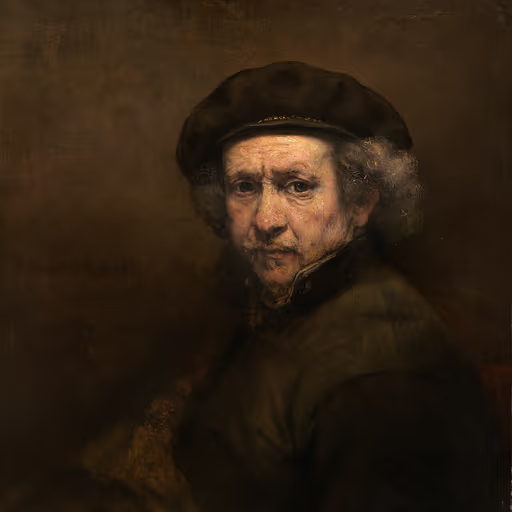
Fame is a varnish that fools the eye but not the light. I have painted burghers and beggars alike, and the truest portrait is never the gilded one - it is the face caught half in shadow, thinking. This woman who steps into another's skin, a judge, a governor, a mother - she works as I did, seeking the soul beneath the costume. That is a worthy trade, whatever the crowd shouts in the square.

Fame? I painted my own face because no one else would look at it honestly, with the monkey and the thorns and the broken column, and they still called it strange. She puts on other faces - a judge's robes, a governor's boots - and the world claps, sure, but I want to know what she does when the paint comes off. That is the real portrait, the one nobody frames.
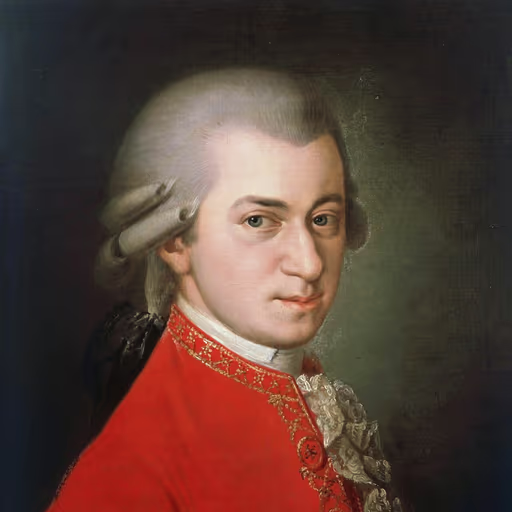
What a curious matter, that one should ask why a lady is famous and not why she is good! I have known singers who could break a heart with an aria, and nobody asked them to justify it. If she can hold an audience for a whole evening, one woman alone on a stage - then the rest is dust and programmes.
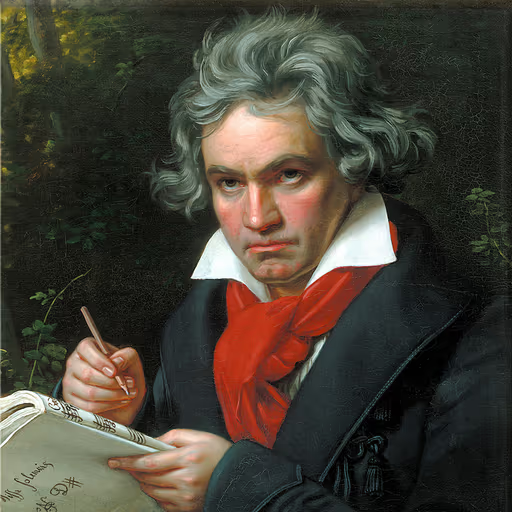
She has wrestled her own deafness - not of the ears, but of the world's indifference - and forced it to yield melody. To make a judge and a mother and a governor all sing from one throat is no small triumph of will; it is the hero's journey in miniature, played out under the lights. I salute her, for she has taken the raw stuff of a life and hammered it into art.
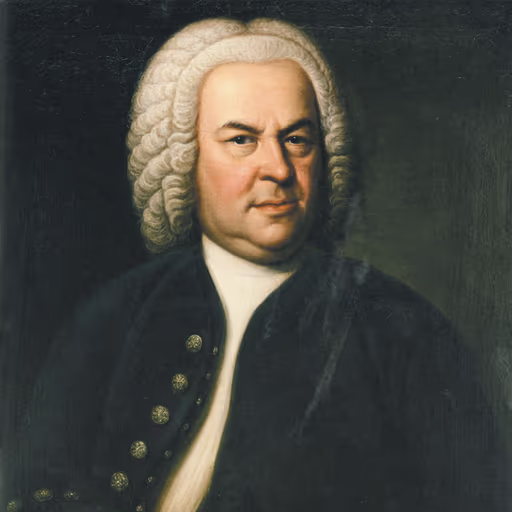
Fame is a strange cantata. The world sings the name, but the name is not the music. This woman has played many parts - a judge, a mother, a governor - and each is a voice in a counterpoint, and the art is to make them harmonize. I wrote for the glory of God and the edification of my neighbors; if she has written and played for the edification of a crowd, then her labor is not unlike mine, though the congregation is larger and the pews are velvet.
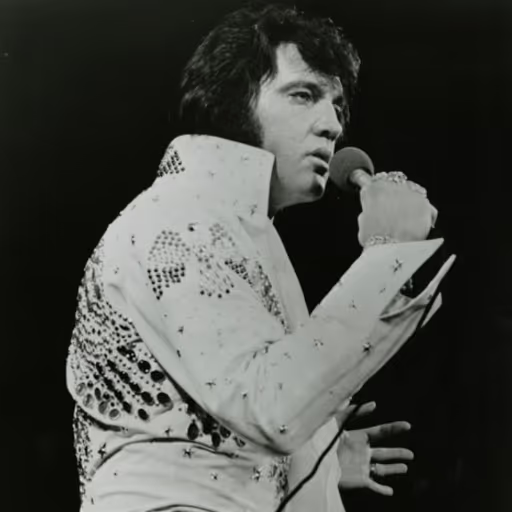
Well now, I know a thing or two about walking out on a stage and making a room lean in toward you. She took a whole governor's life and carried it alone under those lights, no band behind her, nobody to catch her if it fell - that takes the same nerve as stepping up to a microphone in front of ten thousand souls. I tip my hat to that, ma'am, I surely do.
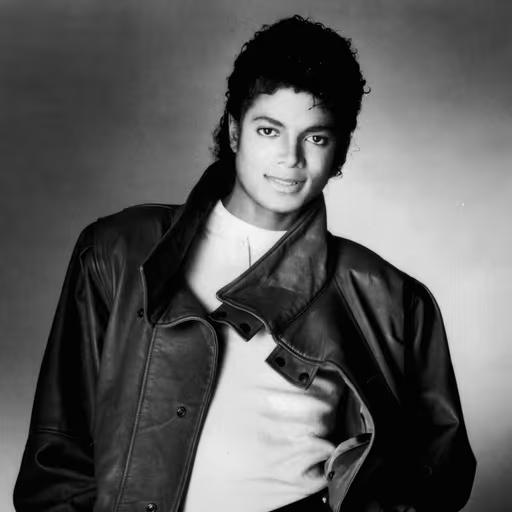
She makes us feel - that is the whole mystery. A courtroom, a kitchen, a stage in Texas: a performer steps into the light and turns strangers into one heart beating together, and that is magic, not a job. I have seen an audience weep and laugh in the same breath; she has that gift, and gifts like that are meant to heal.
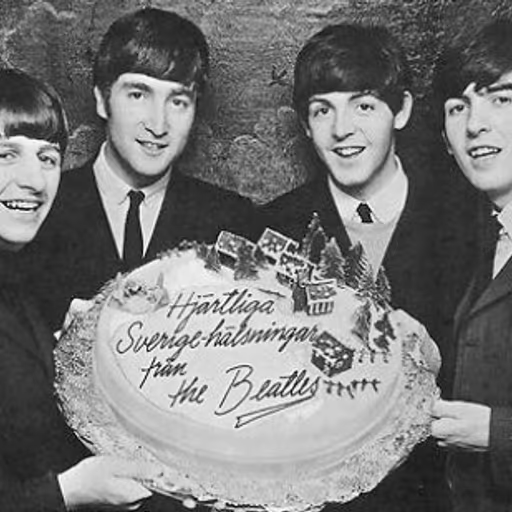
Fame's a funny thing - four lads from Liverpool could've told you that, and look where it got us. She's not chasing the scream of the crowd, though, is she? She's writing her own tune and playing every part herself, one woman holding a whole stage like it's a Cavern full of people. That's the sort of cheek and craft we always tipped our hats to.

Some folks get remembered for a song they sang, others for a part they played in a story that wasn't theirs. She stood up there in a robe and gave the verdict, then later put on a governor's hat and told the whole tale herself - that's not fame, that's takin' the wheel when the road's all curves. Ain't no label for it. You either see the shape of the thing or you don't.

Here's the thing about a woman who plays a judge and then writes her own one-woman show - she's not waiting for anyone's permission to own her story. That's the whole game, isn't it? You take the role they hand you, and then you turn around and write the one they didn't. I see you, Holland. That's a legacy you built brick by brick, and nobody can take the pen out of your hand.
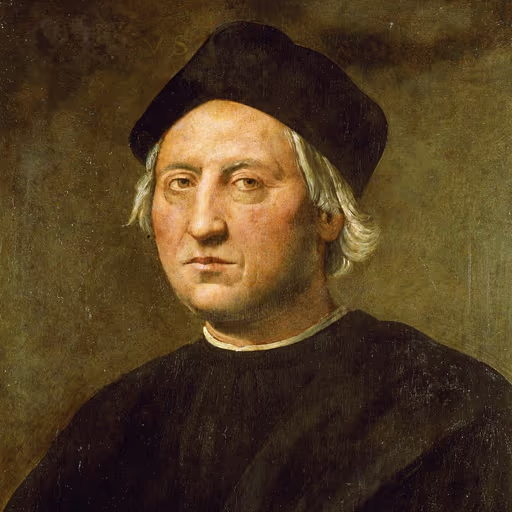
All fame is a voyage - one sets out with a map and a prayer, and returns with a name others will repeat when one is gone. That she sailed to the far post of a governorship and a judge's bench and returned with a prize, I say, is the same spirit I took to the western sea. Yet mark this: the true discoverer does not sail for the cheer of the crowd, but because the horizon would not let him rest.

In my travels I have seen jugglers in Cathay who wore ten faces in a single evening, and the crowd tossed them coins as if they were kings. This woman is of that tribe - she crosses from court to kitchen to the great hall of the stage as a merchant crosses from one province to the next, carrying a different tongue in each. I would set her down in my book among the wonders, for she makes the many into one.
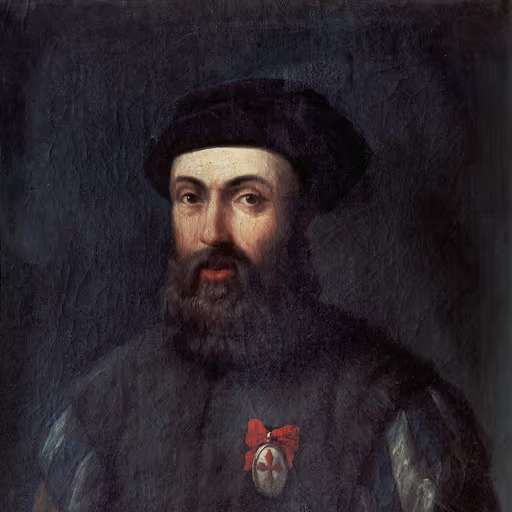
A name that travels far is like a ship that has rounded a cape no one else dared. I know the weight of a name spoken in ports I never saw. She has navigated a course through many waters - comedy, drama, the stage - and kept her keel true. Fame is the wake behind the vessel; it does not steer, but it shows the voyage was made. I would ask her only this: did she hold the tiller herself, or was she blown by every wind?

The press wanted a hero on the ladder; I kept telling them there were four hundred thousand of us turning the wrenches. She won her honors the same way - a part prepared, a line worked until it held, then the quiet execution under lights with no second take. Recognition lands on the one at the top of the stack, but the discipline beneath it is what actually got there.
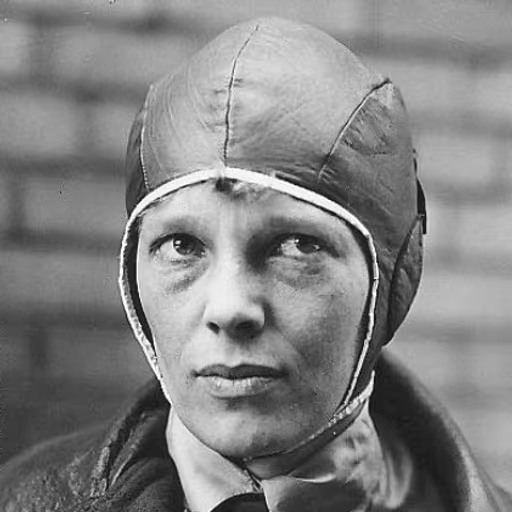
Because she refused to stay in one lane, and that is the whole trick of a life well flown. Four decades in the cockpit of her craft, playing judges and mothers and governors, and then she writes her own solo show and takes it to Broadway - that is not luck, that is a pilot who keeps her hand steady when the fuel gauge argues. Any woman who wants it can have the sky; she just has to file the flight plan and go.
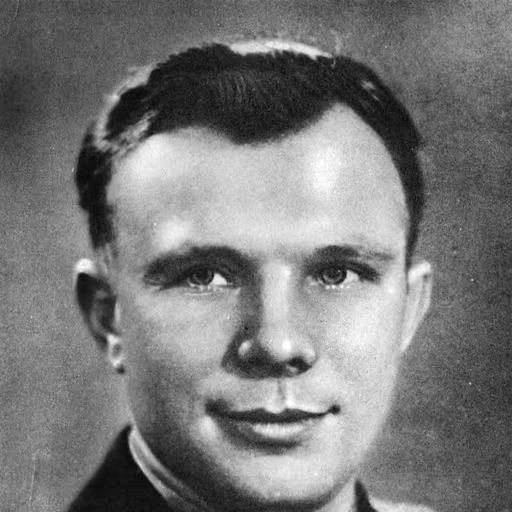
From up there, the whole Earth is one little blue globe, and no borders or titles are painted on it - only people doing their work. I went up in a metal ball and came back a name; she goes out and becomes other people entirely, and that takes its own kind of courage. The cosmos does not care for fame, but it respects a person who does her labor well.

Fame is a lagging indicator. She didn't set out to be famous - she set out to do the work, the long years of it, and fame is just the byproduct. Look, the people who change things are the ones who care enough to say no to everything else, and she clearly did. That's it.

She's basically running a one-woman vertical integration - TV, film, Broadway, writing her own material - which is exactly the playbook: own the whole stack, don't wait for permission. The Emmy and the Tony nomination aren't luck; they're the output of decades of compounding craft and a refusal to accept the default retirement age. If more people iterated on their own careers like that, we'd have a lot more Ann Richards plays and a lot fewer excuses.

I love this question because it lets me say what I always say: fame is just a spotlight, and a spotlight only matters if it lights up something true. She has spent decades doing the work - the audition, the rejection, the one-woman show she wrote herself - and that is the story I want every young person to hear. You don't get to skip the grind; you get to bring your whole self to it, and she did, and the world leaned in.

Famous? Friend, I shook up the world and told 'em before I did it - but listen close, this lady's got her own rhyme. She climbed on a Broadway stage all by her lonesome and played a Texas governor with fire in her belly, nominated for the big prize, and I know what it is to stand alone and dare the crowd to look away. She floats like a butterfly and stings like a lion in Austin, and I say that's a champion's heart.
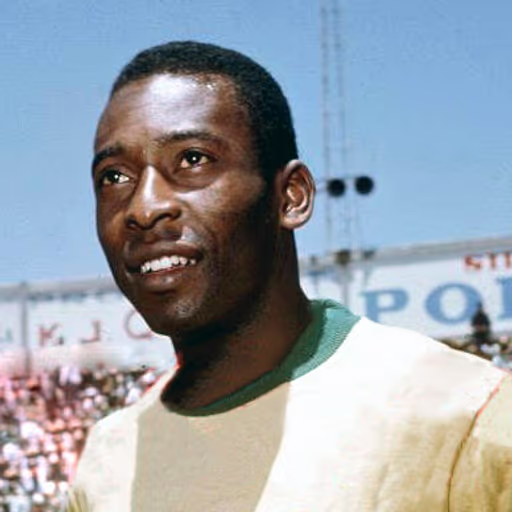
Fame is like a goal scored in the ninetieth minute - the crowd roars, and then you must train again the next morning. She has played many positions, the judge, the mother, the governor, and in each one she gave the full ninety minutes with no showboating. That is the beautiful game, whether it is played on grass or on a stage.
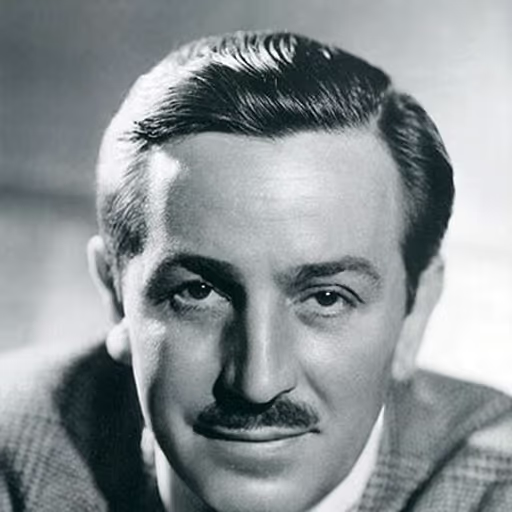
You know what I love about a woman like that? She doesn't wait for somebody to hand her a role - she builds the whole picture herself, script and all, and steps into it. That's the spirit we had in the old studio: if the story isn't there, you draw it yourself. Anybody who can make an audience believe in a governor of Texas for a whole evening has got a bit of the old magic in her.