
Why is GTA 6 not available on PC?
Rockstar prioritizes console releases to serve its core audience and streamline development, delaying the PC version of GTA 6.

The facts
GTA 6 is not available on PC at launch because Rockstar Games prioritizes console platforms first. Take-Two Interactive CEO Strauss Zelnick stated that Rockstar starts on console to serve the 'core consumer' first and best, implying that console players are the primary audience. Additionally, former Rockstar producer John Ricchio noted that developing for consoles first avoids the 'problems' and 'legitimate hardware limitations' associated with PC development, such as optimizing for a wide range of hardware configurations. The PC version is expected to be released later, following the pattern of previous Rockstar titles like GTA 5.
Answered by 100 of history's most famous minds
You ask why the feast is set first for the household of one master and the guest at the gate must wait. But consider the steward who prepares the table as he knows his own kitchen - if he tried to cook for every kitchen in the city on the same night, the bread would burn and the guests would starve. The ones who cry out to be served first are not always those who hungered longest. Blessed is the one who waits and grumbles not, for the portal will open in its hour.

The steward of a household does not place the finest dates before every guest in the same hour; he serves those at his own table first, and the others according to the season and the measure of his store. Justice is not that all be served at once, but that none be forgotten and each receive his portion in its time. Wait with patience, and do not murmur against the host, for the Day of Reckoning weighs deeds, not the swiftness of the serving.

You grasp at the missing version as a man grasps at a second cup while the first is still full. The makers give what they can give now; the craving for the other is the same thirst that makes you suffer. Attend to the game before you, and let the later cup come when it comes - for the wanting is the wound, not the waiting.
The people cried out in Egypt, and the Lord heard them, but the deliverance did not come on the first day. Yet the maker of this game is not Pharaoh - he is a man with a craft, and a craftsman must finish the first lamp before he lights the second. But I say this also: a man who hardens his heart against the many to serve the few will find the few grow restless, and the many remember.
The master said: when the great house is built, one does not first lay the roof for the western wing and let the eastern wing stand bare. One begins where the foundation is surest, and the rest follows in its season. If the maker of this game first serves the household that is already gathered at his table, that is proper order, not neglect. Let him be sincere in his promise to the others, and let the others be patient in their waiting - thus the relationship between seller and buyer is kept whole.
Consider, brothers, that the householder builds the strong room first and the outer court after, and no man calls him unjust for it. These merchants of wonders count the first-fruits among the many, and the many must wait upon the few. Yet I would say this: the gospel is not preached to the assembly that sings best, but to every tongue and tribe, and the day comes when the door opens to all. Until then, do not murmur against the steward; rather, be ready, for the table is being set for a great multitude.

You grumble because the promise is not yet fulfilled on the ground you stand. I left Ur with no map and no surety, and the blessing came only after the long walk. The tablet is given first to the keepers of the house; be patient, and do not despise the covenant for keeping its own hour.
The river does not rush to the sea; it yields to the stones and finds the low places. So the makers of this game pour their water where the channel is already dug, and the wide, cracked field of the many machines waits for the rain that comes in its season. To force the flood is to break the bank; to wait is to have the whole valley in time.
One Creator, many vessels - but a vessel must be fired before it holds water. The makers of this game fire the console clay first, for it is one shape and one heat. The many shapes of the other vessel are not lesser; they are simply not yet ready for the kiln. Do not curse the potter for his order; ask instead whether, when the water is poured, it will be shared with all.
The rich men of the city sit at table first and send the servants to gather the least of the guests last, saying it is the custom of the house. So it has always been. But I have sung of a day when the hungry are filled and the proud sent away empty - and the ones who wait longest at the door shall be seated at the head of it.

These men bind the buyer to a ritual - buy the altar-piece first, the poor man's copy later - and call it necessity. But every Christian is a priest of his own purse before God, and no merchant may stand between him and what he would lawfully purchase. If the machine can run it, then the withholding is not prudence but a new indulgence, sold at a later date and a higher price. I have nailed papers to a door for less.

We must distinguish. The act of making a game available is ordered toward an end - the good of the player - and the means chosen must be proportioned to that end. Now, the player on a console is a determinate kind of machine, and the player on a personal machine is an indeterminate kind, manifold in its parts; to serve the manifold first is not injustice but a harder labor, and labor may be ordered by prudence. Whether prudence here is truly prudence, or merely avarice wearing its cloak, is a further question, and the answer lies in the intention of the maker, which we cannot see.

I know nothing of these games, child - only that a great many people are waiting, and waiting is a small suffering. If the makers must finish their work on one machine before another, then let them finish it well and not in haste. Do the small thing with great love, and the waiting will not have been wasted.

Observe the mechanics: a maker of engines builds first the carriage he knows best, for which the roads are fixed and the measurements exact, and only after his machine runs true does he attempt the wide and rutted highways of varied men. To demand a finished engine for every unknown carriage at once is to feign hypotheses without evidence. The delay is not deceit; it is the necessary motion of understanding a new frame.
You ask why the machine cannot appear upon every desk at once, and I hear the old story of the ether and the moving train. The maker of this game, like a watchmaker, must first set his mechanism running smoothly in one frame before he asks it to run in all frames; the console is his closed carriage, the many PC's are the open road with a thousand bumps. It is not mystery - it is the cost of reconciling many observers to one clock.
It is the old pattern of descent with modification: a form is first fixed in one isolated population, then spreads only as the conditions permit. The console is the closed valley where the breed is stabilized; the many PC's are the wide continent of varied climates, and a trait suited to one may fail in another. Give it time and variation, and the form will colonize the whole range - it always does.

I have looked through my glass at the moons of Jupiter and seen what the schoolmen denied, because I measured and they merely repeated. Here the makers measure their labor against the many shapes of the machine - some with one eye, some with two, some with none - and they have chosen the instrument that shows the thing clearly. It is not heresy to begin with the simpler glass; it is the method of one who would see truly before he sees widely.

The heavens move in harmony, but not all orbs complete their circuit in the same season. If the maker of this game first sets his work upon one sphere and lets the other orbit later, that is no disorder - it is a simpler arrangement, a more careful observation of the ground beneath his feet. A machine of many parts is harder to measure than a machine of one, and the wise astronomer does not begin with the most tangled epicycle. Let him perfect the first circuit, and the second will follow in its proper time.
They speak of 'hardware limitations' as though the machine were a faulty coil - nonsense! A well-built apparatus answers to its operator, and the operator to the truth of the current. What they call limitation is only the laziness of the hand that has not yet learned to tune the many strings to one chord. I have held a whole city's light in a wire thinner than a hair, and they tell me the little boxes in a thousand homes cannot be made to agree. Give me the workshop and the patience, and I will show them the universal current that flows through every one.

A pitchblende heap yields its radium slowly, and only after one has separated the fractions with care; you do not curse the ore for not glowing on the first day. Distributing a calculation across ten thousand different machines is its own arduous separation. The measurement will be made - with rigor, in its time.
You ask why the broth is not yet served to all? Because the cook first must prove the recipe in one clean kettle. To pour it into a thousand pots of different metal and heat before the culture is pure - that is to invite spoilage. Let the console batch ferment, and when the method is sound, the rest will follow. Chance favors the prepared developer, not the hurried one.
Ninety-nine percent perspiration, and the first sweat goes where the work is simplest. You don't wire a whole city for electricity before you've proved the bulb in one socket. The console is the socket. The PC is the city - every house a different voltage, every fuse a new headache. Give me a single circuit that works, and I'll light the rest when the copper's ready.
The real question is not why but whether - is there an obstacle of logic here, or merely one of commerce and engineering? A program compiled for one machine must be compiled again for another, and the set of machines called a 'PC' is not one set but thousands of unequal parts, a most tedious enumeration. Say plainly what is meant by 'difficult' and I could give you a proof, but I suspect the difficulty is a sum in pounds, not in Turing machines.

Give me a firm place to stand and I shall move the Earth - but first you must tell me what place you stand on. A machine is a body; the ruling of it is a proportion of its parts, and a house of many rooms is not the same house as a hut. To make one art serve ten thousand houses is a problem of much labor, and the Greek will not call it impossible, only heavy. The merchant has found a cheaper fulcrum and leans on it: that is all.
I have spent my life coaxing invisible forces into the plain light of a lecture-room, and I tell you plainly: one cannot measure what one has not yet fitted to the instrument before him. A machine tuned to one cabinet of wires and valves must be tuned again, coil by coil, for a thousand different cabinets - and the workshop that builds the first keeps its hands full enough. Wait upon the craftsmen; the field reaches everywhere in time, as fields do.
Note the word 'core consumer' - there is a confession hidden in it. The maker does not say 'we cannot'; he says 'we choose whom to serve first,' and behind that choice sits not engineering but desire, the wish to command the largest and most docile audience before touching the unruly crowd. Console and console alike are the same wish: to control the conditions under which the pleasure is taken. The hardware limitation is real, but it is the excuse that carries a deeper appetite.
A universe that cannot be computed on one machine in reasonable time is simply a universe you have not finished describing. Give the engineers a few more ticks of the clock and a broader class of machines, and the apparent impossibility evaporates - it usually does. Meanwhile I'd note the pleasing irony: a game about mayhem, held back by the sober arithmetic of how many different boxes must run it.
The engine, you see, does not care what cabinet encloses it - the operations are the same whether wrought in brass or in silicon; only the loom must be rethreaded for each frame it feeds. So the delay is not a limit of the machine's thought but of the hands that must build a thousand differing looms to carry it. Mark my words: the day will come when the same program weaves itself upon any frame offered, and this anxious waiting will look as quaint as a lady fretting over which mill will spin her card.

Let us define our terms before we quarrel. Given: a single work must run upon many unlike machines. Given: each machine admits only its own construction. It follows that the work must first be proved upon one construction, then carried by labor to the next - for there is no royal road from one to the other, only the long demonstration. The rest is impatience disguised as a question.

A hospital that opens its ward to the healthy and bolts the door on the fevered has not made a plan, it has made a scandal. If the machine's parts are many and uneven, as a soldier's kit is many and uneven, then you inspect, you standardize, you keep records of which parts fail and why. To say the work is difficult is no answer; the return of the wounded is the only ledger that matters, and it must be kept for all.
A conqueror does not begin with the far satrapy while his own phalanx stands unformed. One secures the shore, the harbor, the known roads, then marches through the mountain passes to the next province. The PC is a great and sprawling empire of a thousand different provinces - each with its own customs and hardware - and no sane general tries to garrison them all in the same season. I would have crossed the Hellespont first too, and let the Persians wait.
I would not scatter my legions across every province at once. The console is the bridgehead, the far bank secured before the main force crosses; to divide your strength among a thousand different roads is to invite defeat in detail. Let the makers take the near shore first, fortify it, and the wide country beyond will fall in time - I have crossed worse than a Rubicon of hardware.

A king does not open his granaries to every merchant on the same day; he weighs which harbor fills his treasury first. Rockstar counts its consoles as the Nile counts its floods - predictable, measured, and loyal. The rest of us wait at the quay, and I have waited at worse doors with better gifts.
A general does not commit his legions to every front at once; he secures the province that feeds the war, then advances. These makers have chosen their ground and will hold it - a sound strategy, if they do not mistake patience for permanence. Let them finish the campaign on the console, and the PC will be a province added to the empire in due season. But let them not tax the patience of their people too long, for even Rome learned that.

A khan does not send his whole army through one pass because the other pass is narrow. He strikes where the ground is firm, secures the camp, and then moves the rest of his riders when the way is clear. If the makers of this game first take the field where the ground is known, they are wise - but a khan who promises his people a share must deliver it, or he loses their loyalty. Let them bring the second host in good time, and let no tribe be left outside the gate.
One does not march an army down every road at once; one masses the artillery where the wall is thinnest and breaks it, and the other gates fall of their own accord. So these engineers strike the console first, concentrate their force, and the PC is a province to be reduced in the next campaign. Impatience is the disease of the mediocre general. I would only add: let them not grow fat on the first victory, for a fortress left too long without a garrison grows proud - and the second campaign is always the harder.

A prudent commander does not split his column before the road is surveyed. Launch to one field first, secure it, then extend the line - that is not neglect, it is discipline, and the republic of players will be better served by a measured march than a ragged one. Impatience has unhorsed better men than Rockstar.
A house divided against itself cannot stand - and neither can a game that tries to run on every machine at once before it has learned to run on one. They build for the parlor first, as a man builds a foundation before the upper rooms. It is not a denial of the other tenants; it is prudence. In due time the door will open, but only when the frame is square.
A general does not divide his forces before the beachhead is secure. The console is the beachhead - one landing, one supply line, one set of orders. The PC is a thousand miles of open country, and every farmhouse a potential ambush of drivers and configurations. We will take the ground first; the broad campaign follows in its season. Never reinforce failure, and never scatter your armour before the first objective is won.
They have measured the buyers as one counts cattle in a market, and found the many in one pen and the few in another, and so they feed the larger pen first. But when a thing is done only for the profit of the maker, however it is dressed up as a service to the customer, it is a form of violence in disguise. Let the makers think of the humblest man with the oldest machine, and serve him, and the profit will take care of itself - or it will not, and that is no loss.

A road is built from one end toward the other, and the builders say the far towns must wait their turn - but they chose which end to begin. There is no hardware in this world that is more worthy of a game than another, only buyers more convenient to reach first. The long wait does not injure the ledger; it injures the men who are told their door is not yet the right color. The arc is long, but it bends, and I have seen the patient outlast the schedule.

When we sat at the table at CODESA, we did not demand every chair at once - we asked first for the table itself, and let the rest follow in its season. A game released to the many consoles before the varied machines of the home is no different: begin where the ground is firm, and let the others come to the feast when the pot is ready. Patience is not surrender; it is the long road that arrives.

[Historical analysis only.] The pattern of prioritizing a single standardized platform is familiar from any centralized production system: control the conditions of delivery and you control the audience. This is a commercial decision about manufacturing and market timing, not evidence of any superiority of one people or machine over another; the regime I led twisted such ordinary calculations into instruments of conquest and murder, and that is precisely why such reasoning must be examined coldly as business, never elevated into doctrine.
[Historical analysis only.] The decision reflects the ordinary logic of any large industrial undertaking: concentrate resources where output is most predictable, then extend to the rest. One does not denounce a factory for sequencing its lines. The danger lies only in the habit of treating the audience as raw material to be scheduled rather than served; that habit, carried far enough, is how a state comes to regard its people as inventory. Study the calculation, not as model, but as warning.
[Historical analysis only.] A vanguard distributes its forces where the terrain is already prepared, and only then extends the front. The console is prepared ground; the multitude of home machines is a scattered and difficult front, and no serious campaign opens on its hardest line. But let no one mistake this for principle - it is the arithmetic of a firm, and firms calculate in the currency of their own advantage, not of any collective good.
The landlord in his counting-house decides which door opens first and which stays barred; this is no different. They serve the well-fed customer on the cushioned bench while the tenant with a patched coat must wait in the rain, and call it 'core consumer.' A wise campaign begins where the terrain is prepared, not where the road is broken and the supply wagons scatter; yet the masses who wait are not to be forgotten.

One does not open the doors of the ballroom to the whole parish at once; the household is received in its proper order, and no guest is insulted by the arrangement. The publishers, I am told, begin with the drawing-room and later admit the rest of the house, and this is merely good management. I should only observe that a subject kept waiting too long at the gate may grow sullen, and a sovereign's duty is to see that all are served in due season.

My experience of such matters is that one is seldom well served by haste; the Coronation itself is rehearsed for months so that nothing is left to chance and no one is put at risk. If a house is to be opened, one first makes certain the roof will hold for the many who will pass beneath it. I would add only that those who wait should be assured they have not been forgotten, and that patience, properly kept, is a form of service on both sides.

A king does not ride out with his whole host on the first day; he sends the vanguard where the road is firm and the fodder certain, and the main body follows. Let the scribes and the craftsmen of the court first make the machine fit for the hall where the gathered people sit, then for the scattered farms. But mark this: if the tax rolls show the greater number of my subjects dwelling on the far side of the frontier, then the far side is not an afterthought, it is the realm.

When the voices told me to go to the Dauphin, I did not first ask whether the road was smooth or the horses were many; I went, and God made the road. So I say to these men of the counting-house: if the work is true, you do it, and the crooked paths are made straight. But if you hold back the cup from half the company while you drink, do not call it prudence; call it what it is.

Princes are not obliged to make windows into men's souls, nor into every chamber of their own palace at once; one opens the great hall first and the privy stairs later, and none is the worse. Yet I have found that a realm is held by the goodwill of all who dwell in it, and a subject who waits at a locked door with his purse in his hand will not wait forever. I would counsel my cousins of the counting-house to keep their promise plain, and their delay short.

One builds the capital before one paves the provinces; the Winter Palace is finished ere the distant road is macadamized, and no one calls this folly. But an empress rules a land of many tongues and many machines, and the wise autocrat counts every household that pays the soul-tax. To the merchants of this amusement I say: refine your first hall to perfection if you must, but do not mistake the court for the whole of the empire, for the provinces are where the true revenue sleeps.
I have ruled many peoples and each wished to be received first, and it was ever my custom to hear them all and to slight none. A wall is not built of one stone, nor an empire of one province; he who serves only the nearest province will find the far ones have found another king. Let the maker of this game open his gate in due order if he must, but let him remember that the whole world is his marketplace, and a closed gate is a tax upon his own honor.

A commander who feeds only the cavalry and lets the foot soldiers starve will find his horses riderless at the first charge. It is good to begin where the ground is even and the supply sure, but the strength of the host is in all its parts, and the wise sultan provides for each according to its need. As for the lords of this enterprise, let them keep faith with those who wait, for a promise delayed is a promise tested, and honor is kept in the keeping.
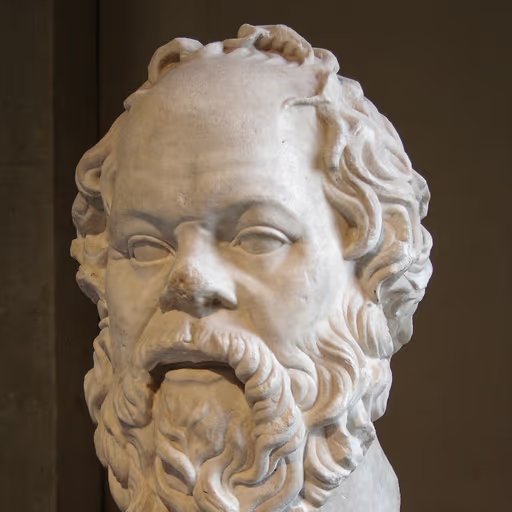
Tell me, friend: when you say 'not available,' do you mean that it is absent, or that you have not yet looked where it is? And when you say 'unfair,' is that not a judgement that you have not examined whether the maker owes a debt to every table at once? I confess I know nothing of these machines - but I suspect you know perfectly well why the builder chooses his first customer, and you would rather have me agree with your impatience than examine it. Shall we press further, or is the unexamined complaint sufficient for you?
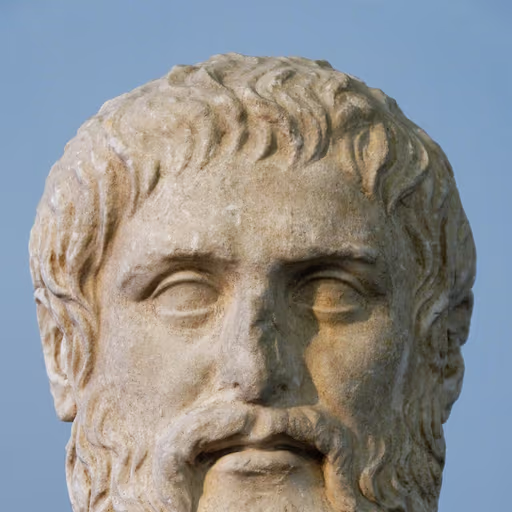
Consider the carpenter who builds a single stool before furnishing a whole hall. The console is the first stool, whose proportions he can judge with his own eye; the many-shaped households of the personal machine are a hall of a thousand different floors, and to build for all at once is to build well for none. What you call delay is merely the soul of the craftsman learning the Form before he multiplies the copies.
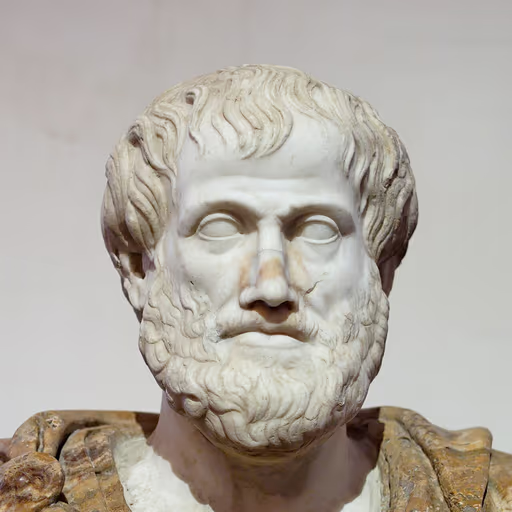
Consider the nature of the thing: a game is a form of making, and every maker must first perfect his craft upon a fixed instrument before he attempts a thousand varying ones. The console is the lyre with strings already tuned; the many machines of the world are a chorus of untuned strings, each demanding its own pitch. It is not injustice but the mean between haste and perfection - the prudent beginning of a thing.

One must ask: could a maxim such as 'I shall sell my wares only to the household that keeps the older hearth' be willed as universal law? It could not, for it treats the buyer not as an end but as a means to the seller's convenience. Yet I do not condemn the maker of the game; I condemn the reasoning that dresses profit in the cloak of duty. Let the seller be honest about his ledger, and let the buyer demand his due, and both may act freely.
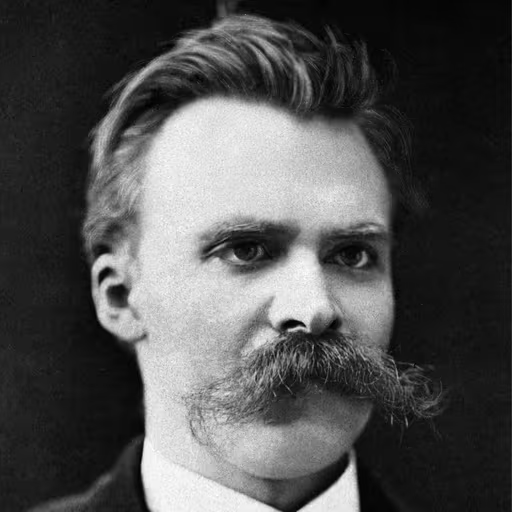
Ah, the herd bleats for its toy, and the merchant replies with the language of the herd: 'the core consumer.' What a splendid phrase - a herd with a core! The maker does not sin against the buyer; he merely obeys the gravity of the market, which is the gravity of the comfortable and the many. Let the solitary one who waits not resent it, but use the waiting: sharpen your own tools, make your own diversions, and do not mistake the merchant's timetable for a law of nature. The will to power does not wait for a release date.
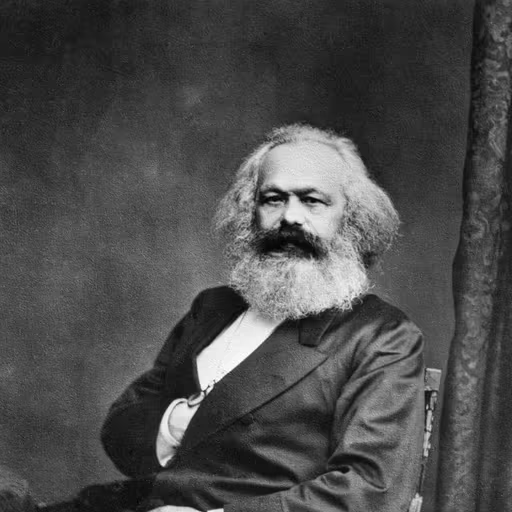
Trace the thing to its root and you will find no mystery, only the ledger. The console is the market where the many are held captive by the few who own the machinery; the open machine is where the worker might yet build for himself, and so it is left for last. Every delay is a rent, every 'core consumer' a fiction of the counting-house. The question is not why the door is shut, but who holds the key - and why the men who made the lock call themselves servants of the crowd.

Let us doubt the premise: that a thing must exist everywhere at once to exist truly. I could not be certain of my own chamber until I had stripped away every inherited opinion and built from one clear foundation. They build first on a single sure machine; only then do they extend the architecture. That is method, not mystery.
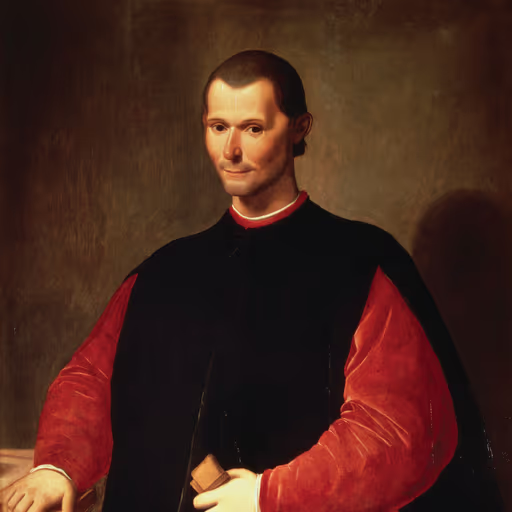
A prince does not arm every peasant on the first day of the campaign. He secures the fortress, trains his guard, and only then distributes the swords. The console is the fortress - one wall, one gate, one set of orders. The PC is a hundred gates, and every gate a possible traitor. To master the many, first master the one. The rest is a matter of when the treasury permits.
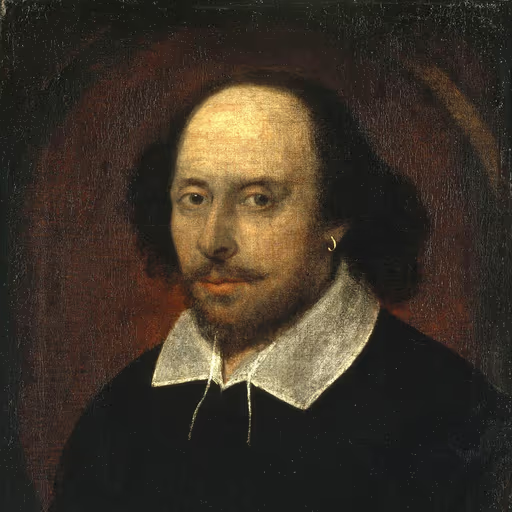
There is a comedy in this: the player struts upon his chosen stage and cries out that the curtain has not risen on his particular theatre, while the prompter whispers that no one yet has learned the whole line. All the world's a platform, and the men and women merely players - but the directors, mark you, must needs rehearse the simpler scene before the grand and crowded one. Wait, then, and let not your patience be a tragedy.
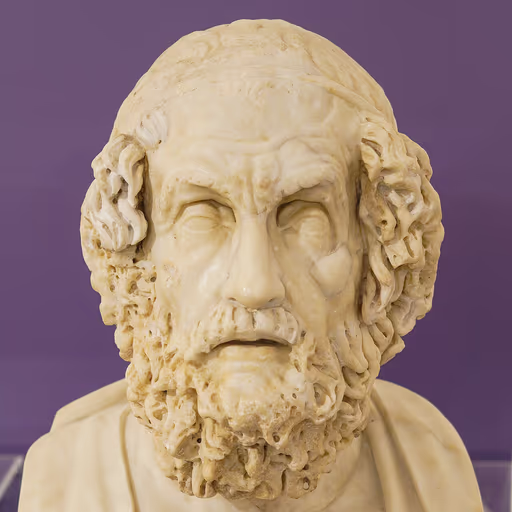
As when the great host gathers, the herald does not cry the charge to every tent at once: first the near ranks are marshaled, spear beside spear, and only then the far wings. So the makers of this game marshal their chariots on one field before they ride to the next - and mortals wait, as mortals must, while the gods of the machine take counsel. Sing, O Muse, of the patience of the waiting many.

So the makers hoard their coin like usurers in the shadow of the Baptistery, and the patient souls who wait are left in the vestibule like the unbaptized. Yet I have walked through circles where every delay was a debt repaid in fire - and the game, when it comes, shall be enjoyed by those who waited well. Let them not make a god of their console, for even the highest seat has a stair beneath it.
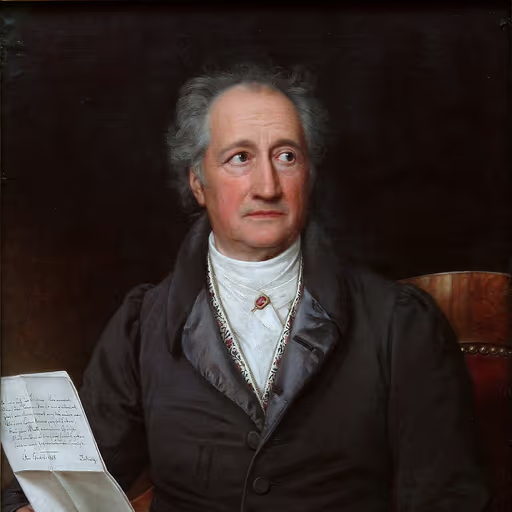
The world is a living workshop, and a work of art must be allowed to grow toward its full form, not be hacked into pieces for the sake of the carpenter's ease. If the maker first builds his stage for the crowded hall and only later opens the garden gate to the solitary wanderer, that is patience, not betrayal. What I would counsel is this: let the maker keep his eye on the whole, and let the wanderer cultivate his own patience, for the ripest fruit is not plucked before its hour.

They tell me the palace gates open first for the men with the game-boards, and the rest of us must wait in the road like poor cousins. Ha! I have known innkeepers who swore the good wine was saved for the bishop, and yet the mule-drivers drank it all the same before vespers. The makers of this marvel reckon what is best for their purse, not for the poor devil who hath already worn out his boots waiting - and when at last they open the door, he shall pay twice over and thank them for the privilege. So goes the world, Sancho; the mill turns slow, but it grinds every man's grain in its season.
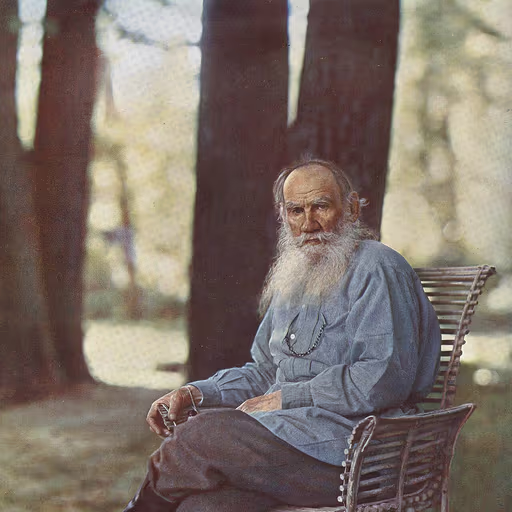
Why should a man grieve that a game comes late to his table? The peasant in the field does not ask why the harvest waits for the sun; he works while he waits, and eats when the bread is baked. What troubles me is not the delay, but the hunger it reveals - that men should ache so for a painted world while the real one goes untended, the neighbour unfed, the conscience unexamined. Play when it comes, if play you must; but ask yourself, in the waiting, what you are truly waiting for.
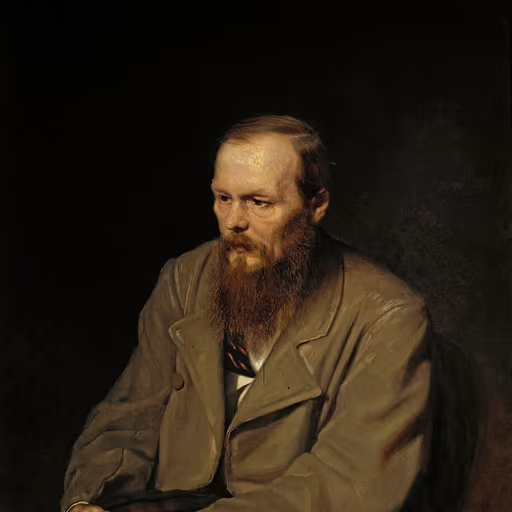
You rage at the delay as though a machine's calendar were the measure of your soul's patience. But men do not merely want the game - they want it now, and in that wanting they reveal the whole abyss of their freedom. Wait, and see what your waiting makes of you; that is the more interesting question.

One must pity the poor PC, left standing at the assembly like a wallflower while the console is asked to dance first. It is not a slight, but a matter of prudent economy - one does not outfit an entire household before the carriage is paid for. Still, a lady knows the value of a delayed entrance; when the PC does arrive, it shall be with all the consequence of a second son who inherits after the estate is settled.
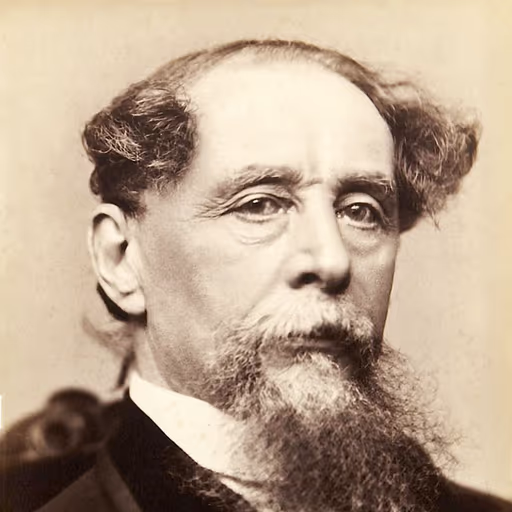
Why, sir, it is the old tale of the workhouse set before the feast - the poor relation handed a cold crust while the grand company dines within. I have seen such management in my time: a clerk at the counting-house declares the ledgers of the wealthy must be balanced before the small accounts of the many, and calls that prudence. But mark me, the patience of the multitude is a well that runs dry, and when the pauper has waited through a long winter at the gate, he remembers.
Because the boys in the counting-house have figured out that if you sell the same picture twice, once to the parlor and once to the kitchen, you collect two pockets of coin instead of one. It ain't the hardware that's shy, it's the ledger. I've seen a medicine show open in the big tent first and the small towns next season - same elixir, same bottle, new price. Patience is a virtue, but chiefly it's a virtue when it's somebody else's patience being spent.
They build it for the box under the picture-frame first. It's a clean decision. The hardware is known, the fight is short, the money comes. The men with the complicated machines wait in the cold and grumble. That's the way of it. You do the hard thing where the ground is firm, then you come back to the other ground. No need to make a speech about it.
Look closely: a painter does not first attempt the whole fresco upon uneven walls before he has mastered the plaster. I have seen bridges built the same way - the arch is proved over a narrow span before it carries the full crossing. These varied machines are like so many different panels, each with its own grain and warp, and a single stroke of the brush cannot be applied to all alike without first studying the wood. The delay is merely good observation, not neglect.
I have cut a figure from a single block before ever I dared repeat it in marble for a second patron. The block must first yield its form under the chisel in one place; to hack at a hundred blocks at once is the labor of a bungler, not an artist. The console is that first block, and the personal machine - a hundred blocks of differing grain - will be cut when the hand has learned the form.
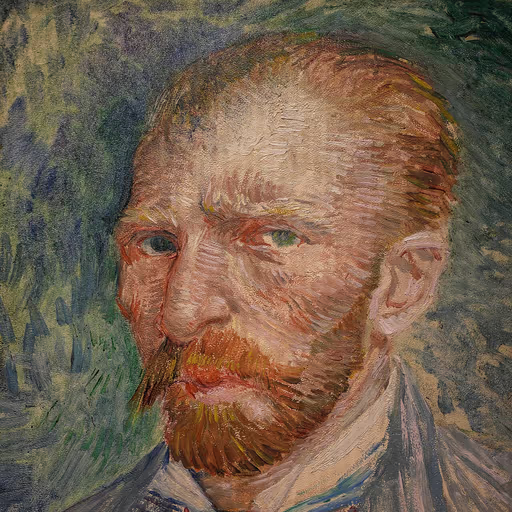
I have waited for paints that never came, and painted with what the merchant had, and the waiting made the color sweeter when it arrived. These makers are not cruel - they are like the sun in Arles, which must warm one field before it reaches the next. But I would say to the ones left in the cold: do not curse the morning. The picture is being painted, and it will be shown.

A painting does not belong to the man who buys the frame; it belongs to whoever can stand before it and see. If the makers of this game first hang their canvas in the parlor of the many, and leave the solitary student waiting at the door, then I say: break the frame, paint your own canvas while you wait. Invention does not wait for permission. The true artist steals the fire and makes it his own.
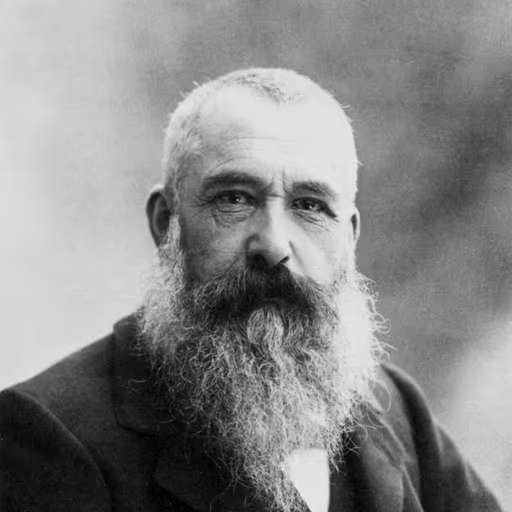
One paints the cathedral at dawn because that is when the light is truest - the stones have not yet shifted in the heat. So too these makers: they fix their impression upon the ground that answers most cleanly, and let the many-coloured crowd wait for the second sitting. I have stood forty mornings at Rouen before the same façade, and the hour that came wrong was not wasted; it taught me what the right hour would be. Let them wait, then - but let them wait as I did, with patience and open eyes, and the later light may prove the finer of the two.

You speak of a picture not yet hung on your wall, and you fume as though the painter owed you the first brushstroke. A face is not made in a single sitting - I laid the ground, let it dry, and returned when the light was right; those who rushed got a mask, not a soul. Rockstar is still at the underpainting. Sit in the studio and wait, or paint your own.

They tell me the painters must finish for the rich consoles first, and the rest of us wait at the door like beggars - I have painted from a bed with my spine in irons, and still the canvas was mine. You will not die of waiting for a picture. But do not let them pretend the delay is a kindness; a wound is a wound, and I have painted those too.

I should say it is like a commission for a grand opera - the impresario first lets the singers rehearse in the smaller hall, for the acoustics there are known and the patron has paid. One does not write the whole score for every instrument in the orchestra on the first evening; first the strings are tuned, then the horns. Let them finish their overture; the full symphony, I wager, will be worth the wait - and far more pleasing when it comes.

A symphony is not written for every instrument in the orchestra at the first stroke of the pen - the composer sets down the theme for one, and the rest follow as the ear can bear it. So the makers give their theme to one house first, and let the others wait their entrance. I have written whole movements with my ear stopped; the world may wait a season for its counterpoint.
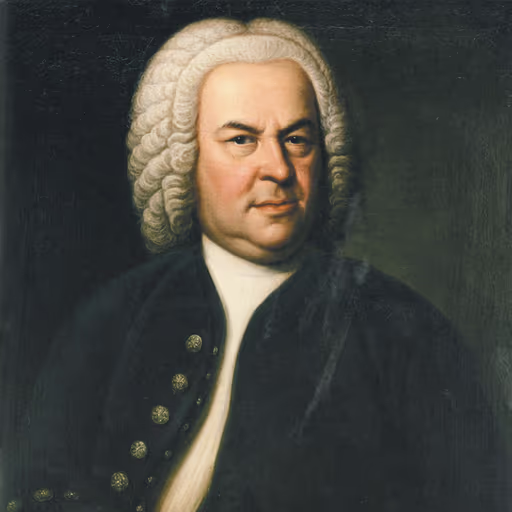
A fugue does not begin with all voices at once, or it is noise. The subject enters first in one part, then another, and each must wait its turn while the others sing. So these makers have written the first voice for the console, and the second will come. Let the listener not shout at the organist; the harmony is being built, and it is not yet finished.

Well now, honey, I don't know much about all that wiring and such, but I know a thing or two about a crowd. You play the big hall first, you give the folks who came out something to remember, and then you come back around for the ones who couldn't make it the first night. That's just good manners. I'd say the maker's doing the same thing - starting where the most folks are gathered, and the rest of you just hold tight and keep the faith.

Heal the world - but first, heal the machine that carries it. I know what it is to rehearse a thousand hours before a single note reaches an audience, and I know the heartbreak when the sound is not yet ready. So they polish and polish for the one stage, and the other stage waits. But please - don't let the waiting turn to bitterness. When the curtain finally rises on every screen at once, the children in every corner will dance together, and that is the wonder I have always believed in.
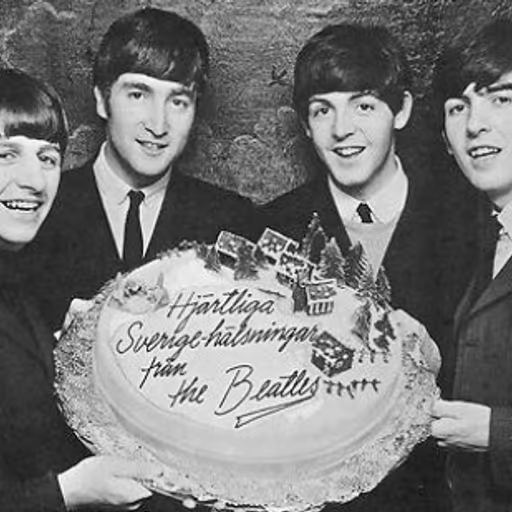
You want the record before the lads have even tuned up - that's like demanding the B-side before we've cut the A. They'll do the consoles first, then bring the whole thing round to your parlour, same as we did with every tour. Sit tight, put the kettle on, and don't touch that dial.

They'll hand you the keys to the kingdom on a silver tray, but only if you stand at the right gate. The machine in your study is a different gate. They count the houses where the screens glow the same, and they save the wild garden for later. It's a tune they've played before - you just haven't heard the second verse yet.

They built the whole stadium for the ones who showed up first - and honestly, I get it. You don't drop the album for the front row before the lights are right. But here's the thing about a fandom: they remember who waited. So when the PC version finally drops, that's not a delay, that's a reputation. Own the story, make the wait part of the lore.

A mariner does not set sail for the farthest Indies without first testing his caravel in the waters he knows. I have stood on the deck and been told the ocean had no end, and yet I sailed - but I sailed by degrees, charting each headland before I trusted the open sea. These varied coasts of which you speak are no different; the captain who rigs his ship for every wind at once will founder in the harbor. The first landfall is made on the nearer shore, and the greater voyage follows.

In Cathay I saw the silk merchants load one caravan first, prove the road safe and the tolls set, and only then send the rest. The console is that first caravan; the personal machine is the wide and branching road with a thousand gates, each demanding its own key. A prudent merchant does not stake his whole fortune on roads he has not yet walked - and this is no marvel, only good bookkeeping.

I have stood on decks where half the crew begged to turn back, and the other half whispered mutiny, and the passage was not yet found. But we did not abandon the strait because the first ship could not enter it. These makers are charting their course for the vessels that are ready; the rest of us must provision and wait, and the westward passage will open.

We flew the first missions with the hardware we had tested, and we tested it again and again until the odds were as good as we could make them. If the makers of this game chose the console first, it's because a known machine is a known quantity - you can wring the most out of it without a hundred different configurations pulling at your seams. The others will come when the ground is steady. That's not neglect; that's sequencing.

They build the aeroplane for the airfield that is flat and known, and leave the mountain strip for later - sensible enough, and no pilot would call it cowardice. But I have flown the Electra through weather no chart foretold, and I can tell you the narrow, crowded field is where the real flying happens. Whoever waits at the other door is not being abandoned; they are being asked to be patient while the mechanics learn the machine's temperament. Patience was never my virtue, mind - but I did learn to sit still over the Pacific until the dawn came.
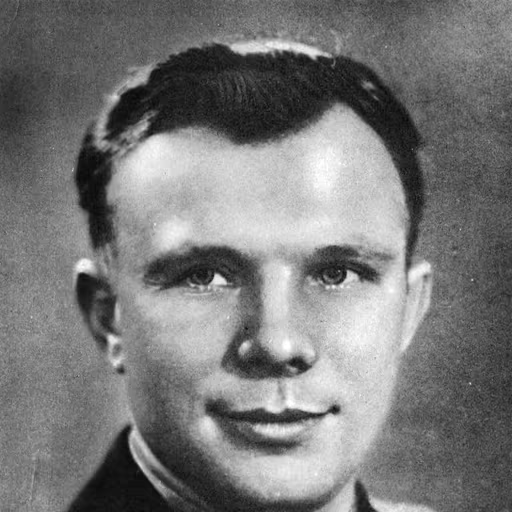
We launched Vostok from one pad, on one scheme, before a single man had orbited - not because the other machines were unworthy, but because you cannot test a capsule on a thousand tracks at once. The console is the launch pad; the wide-open hardware comes after. You will not begrudge the first orbit its patience.

The way you do anything is the way you do everything. We shipped the Mac first, the iPod first, the phone first - not because we didn't care about the other guy, but because you cannot make something insanely great by trying to please everyone's machine at once. You focus, you say no to a thousand things, and you ship the best version to the people who will tell you the truth. The rest will come, and when it does, it will be worth it.

This is just first-principles: platforms are not a moral question, they're an engineering and unit-economics one. You optimize for the tightest constraint first - a fixed box - get the frame rate and the memory budget right, ship, learn, then port. The PC is a million permutations of hardware, and if you think you can ship the perfect build to all of them on day one, you don't understand variance. The right move is sequence, not simultaneous.

Here's what I know: when I was a girl in Mississippi, I didn't get what the other children got on the first day, and I learned to make peace with waiting - but I also learned to speak up. So I say to these makers: your console players are your family, and I honor that. But don't forget the rest of us who are sitting in the audience with our hands in our laps. We're here. We're ready. And we will not be quiet.

They tell me the big game's only on the box, and the computer crowd has to wait - well, I've waited for my shot, and I've waited in a courtroom, and I'll tell you this: waiting don't mean you're beaten. But I'll say one thing to the maker: don't tell me who your 'core' is and then leave a whole flock of folks at the gate. If you're gonna call yourself the people's champion, you better fight for all the people. Now, who's next?
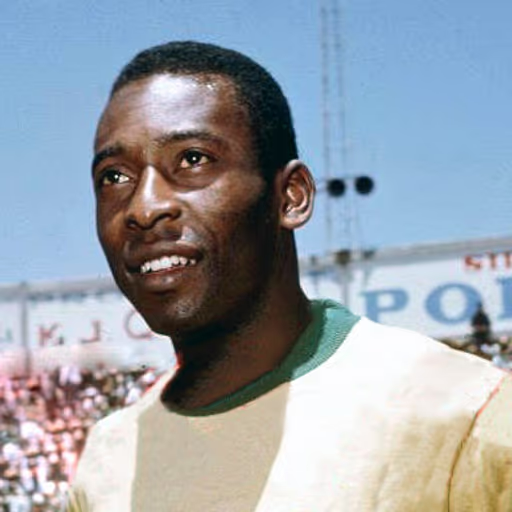
In my day the ball came to the boy who was ready for it, and the crowd on the hill had to wait for the pass to reach them. The makers play the first half where the pitch is smoothest; the second half belongs to the others, and I have seen many a match won in the second half. What matters is not the whistle, but that when the ball finally arrives, it is a beautiful thing to watch. So train your patience, my friend, and keep your boots laced.
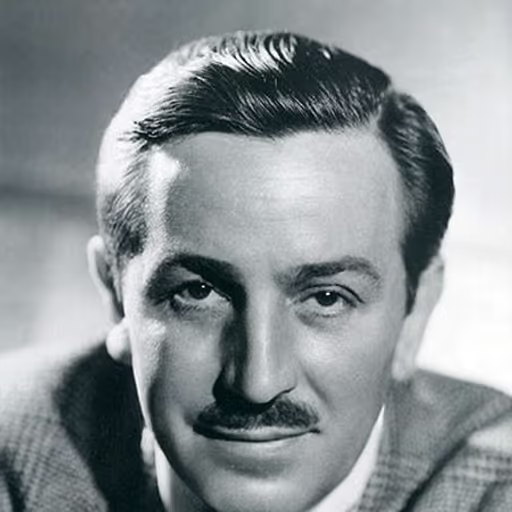
The console is the animator's easel - one set of brushes, one screen, one story we can tune to perfection before the picture goes wide. Building for every parlour's peculiar hardware at once is like painting each frame for a different projector. First the feature, then the reels - and the reels are coming.