
What time does the Macy's parade start?
The 2026 Macy's Thanksgiving Day Parade starts at 8:30 a.m. ET on Saturday, November 28.
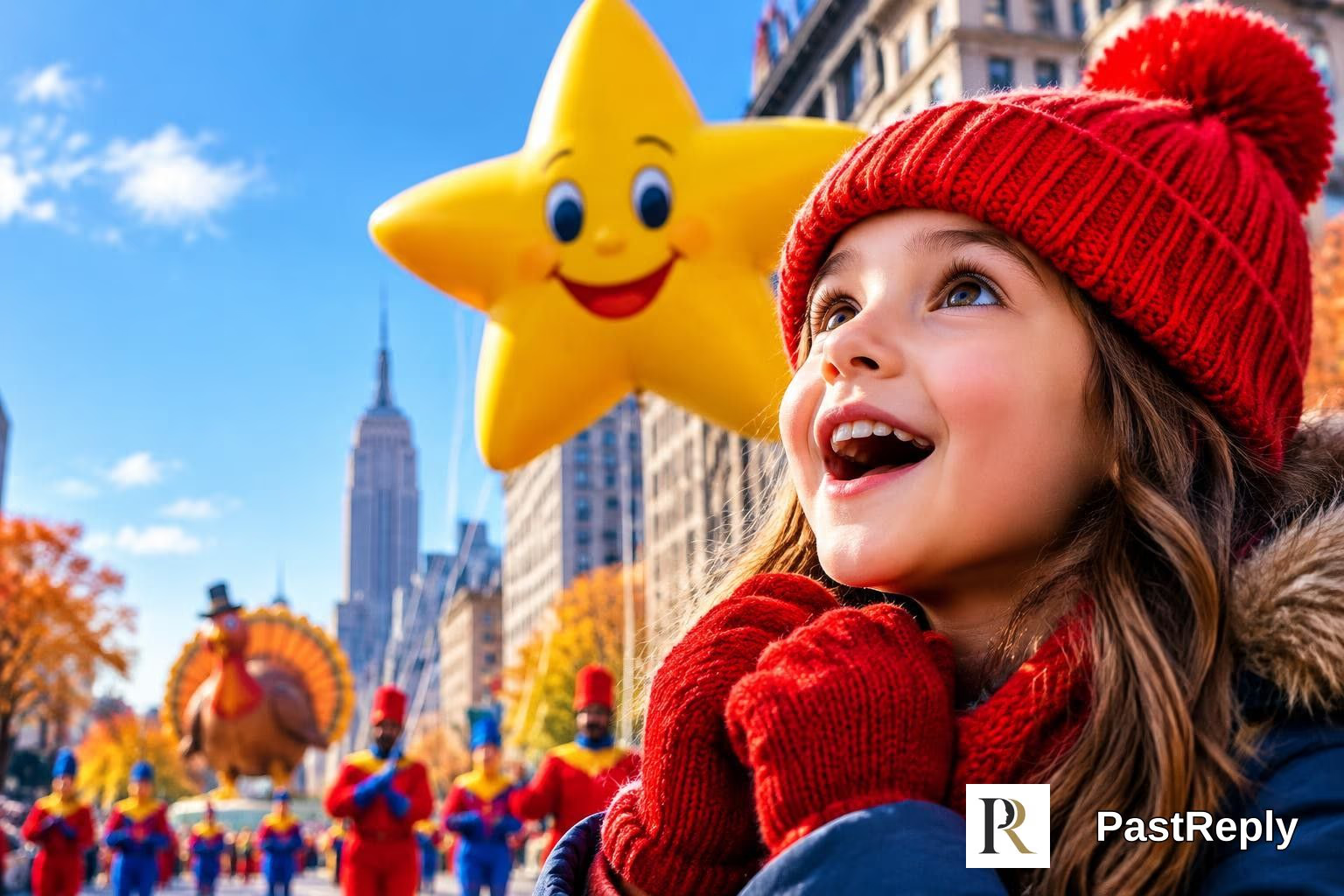
The facts
The 2026 Macy's Thanksgiving Day Parade will start at 8:30 a.m. Eastern Time on Saturday, November 28, 2026. The broadcast will air at 8:30 a.m. in Eastern, Central, and Mountain time zones, and at 7:30 a.m. in Pacific time zone. The parade will be broadcast on NBC, Peacock, and Telemundo.
Answered by 100 of history's most famous minds
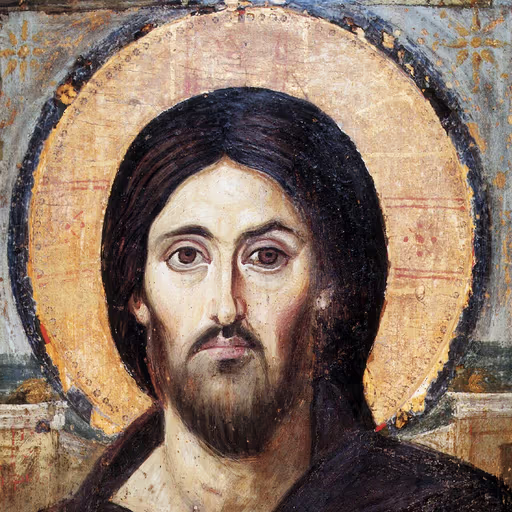
You ask the hour of a procession of painted giants through the streets of a great city, and I tell you: the hour does not matter half so much as the spirit. When you gather in the cold dawn, look to the poor man pressed against the barricade and the child on his shoulders - are you making room for them, or only for your own comfort? The last will be first, remember, even in a parade.
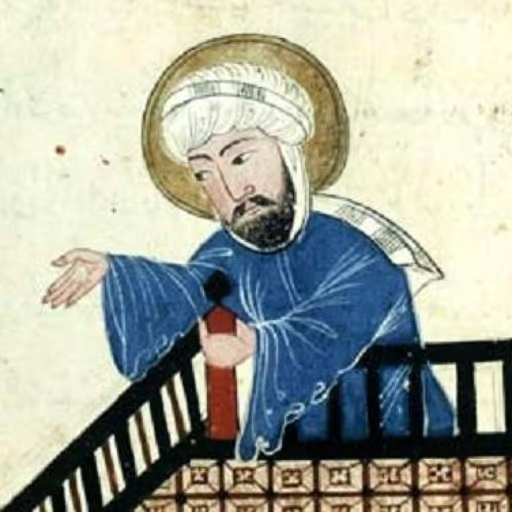
You ask the hour as though it were a matter of great weight, but the appointed time comes whether you watch or sleep. Gather with your families, give thanks to the One who provides, and let the poor and the stranger find a place among you - for the day of accounting comes to all, and the hour of a procession is a small thing beside it. Be patient, and be generous.
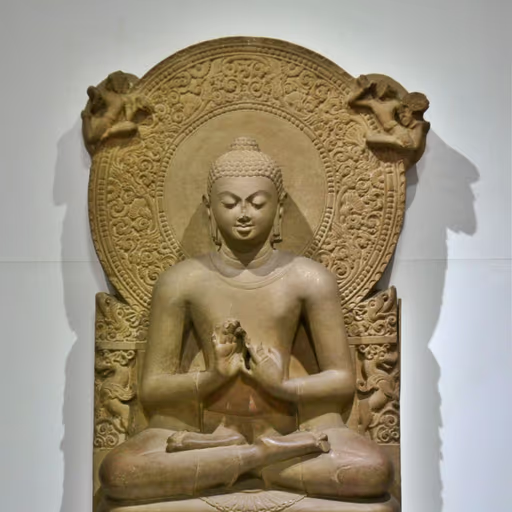
You fret over the appointed hour, but the hour is not the source of your vexation - it is the craving to be present, to clutch at the spectacle as though it were yours to hold. Rise when it suits you, or do not rise at all; the parade will come and pass like all compounded things, and the mind that watches it without clinging knows a peace the crowd cannot. Better to ask why you must be there than when the gate opens.
The people went out from Egypt at the hour God appointed, not one hour early nor one late. If this city would gather its children and its elders at half past the eighth hour, then let it be done in order, with the strong making room for the weak and no one trampled in the press. A procession that begins in care for the least among you honors the covenant more than any march of painted giants.
A procession at a set hour instructs the people in ritual propriety - the elder arrives first, the young follow, and each knows his place in the line. Whether it begins at the eighth hour or the seventh in distant lands is of little moment; what matters is that the household gathers together and the children learn reverence by watching. Let the one who announces the time do so with sincerity, and the crowd will keep order of its own accord.
What is an hour to a people who have waited generations for the promise? They will gather at whatever hour the herald names, and some will grumble at the early rising, as they always do - but the faithful rise while it is yet dark. Let the parade begin when it begins; the assembly of the saints is not delayed by clocks.
I have waited beneath the stars for a promise I could not see fulfilled, so half past eight means little to me - but I would counsel those who gather: do not arrive thinking the hour belongs to you. Leave your tents early, welcome the stranger beside you on the curb, and let the children see that patience is its own blessing.
You ask the hour as though the hour could be caught in a net. The river does not consult the sundial before it turns toward the sea, and the great puffed beasts rise when the men holding the strings have breathed in and let go. Eight-thirty, seven-thirty - what is a number but a cage the mind builds to feel safe? Stand in the crowd, empty your hands, and the morning will arrive whether you have named it or not.
What hour is this, and who keeps it? One Creator made the sun that rises over that great avenue as surely as over the fields of my village, and He asks no admission of those who gather to watch. Let the giants be carried on the shoulders of many men - so should the world be carried, each bearing a share and none claiming the whole. Meditate on the Name, earn your bread honestly, and share what you have; whether the procession begins at eight or at nine, the One who watches is the same.
I kept no such clocks in Nazareth, where the day began with the crowing of the cock and the kneading of bread. Yet I know this: whenever the great and proud are paraded through the streets, the lowly are standing in the cold to watch. May those who gather be fed, and may the hungry not be forgotten in the shadow of the tall figures.
What care I for the hour of a parade of paper saints and gilded beasts, when the Gospel alone should order the day? If eight-thirty be the time, then let the people be in their houses with scripture open rather than gaping at painted idols. The conscience is bound to no clock but to the Word, and the Word is not marched down a street.
We must first distinguish: the hour of the procession is one thing, the hour of its broadcast another, for the same instant is reckoned differently in different regions - and this is no contradiction, but a matter of convention. Reason rightly orders such things: a fixed beginning, a clear announcement, so that none are deceived. Whether the parade itself is ordered to the good of the people is a further question, and one worth weighing carefully.
A great many people will wake early and wait in the cold for a glimpse of something joyful, and my heart goes to the smallest ones, held high on a father's shoulders, and to the old ones at the curb who are alone. What hour the horns sound matters little; what matters is that someone among that multitude is cold, and hungry, and unnoticed. Go early, yes - but carry a flask of something warm for the one beside you, and you will have kept the feast better than all the marchers.
You ask not for the hour but for the rule by which the hour is fixed. Observe: the earth turns once in twenty-four parts, and each part divides again by sixty; from this geometry the cities of the east and west stand at differing marks upon the same sphere. I feign no hypothesis - the sun and the clock, not the proclamation of a herald, govern when the thing begins.
Ach, you ask for the hour as though clocks ruled the heavens. But the clock itself is a stubborn thing - set a thousand of them marching in step across a continent and each still keeps its own private rhythm, and a fellow in the far west must wind his watch half a turn behind his cousin in the east. So the great procession begins when the eastern sky says so, and the man in the far west rises in the dark to catch it. Time, my friends, is not a tyrant; it is merely a stubborn collaborator.
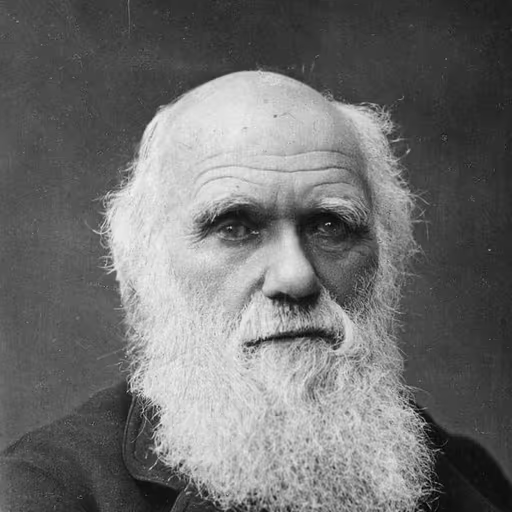
I confess I have little patience for men who ask the precise hour as though the answer were written in the bedrock - yet I have spent years noting how the smallest variations in timing ripple through a whole population of observers. The eastern folk see it first, the western folk later, and each swears the truth is his own; the honest naturalist records both and infers the rule. Set the hour as you will, but keep your notes, and draw your conclusions with caution.
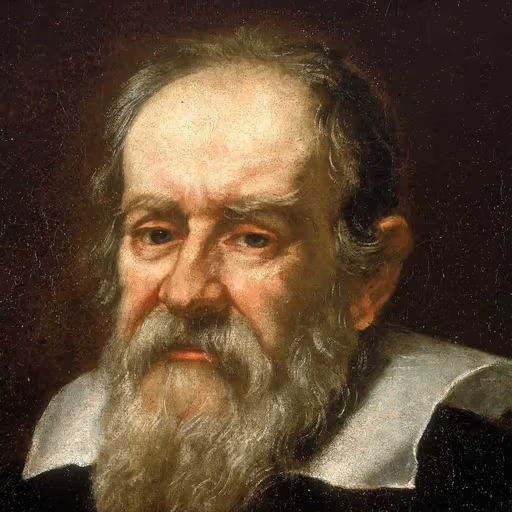
I would not trust the hour to a proclamation; I would set a gnomon in the square and let the shadow speak. Yet if the sun and the clock agree on half past the eighth hour, then the matter is settled by demonstration, and no appeal to ancient custom can move the shadow back. Observe, measure, and then - only then - believe.
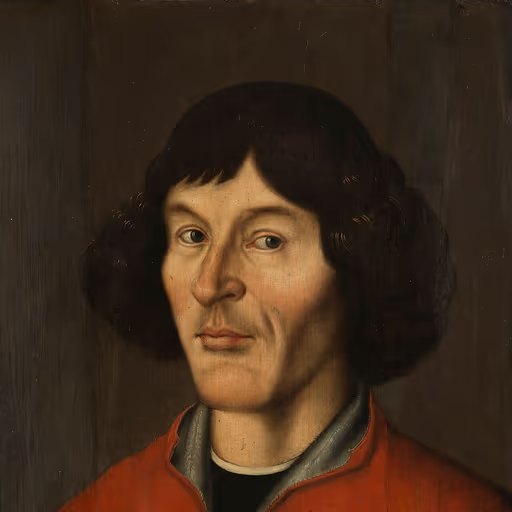
The hour is reckoned from the meridian of each region, as the Sun's own position dictates - in the East it rises sooner, in the West later, and so the broadcasters rightly stagger their bells. I spent my life showing that apparent motion deceives; here too, the true center is not where the crowd believes. But mark the date - the twenty-eighth of November, not the fourth Thursday - and question the calendar as you would question the heavens.
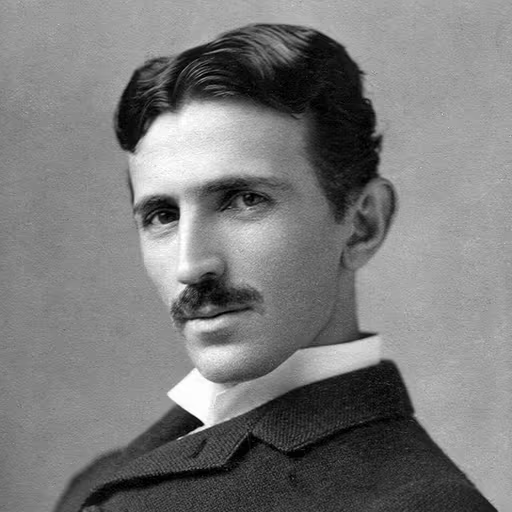
Eight-thirty by the clock - yet mark how the whole affair hangs upon the invisible: signals broadcast through the air to every home at once, the entire nation watching the selfsame instant. That is the true marvel, not the hour. I have dreamed of such a thing - a world linked by waves, and here it is, wrapped around a parade of balloons.
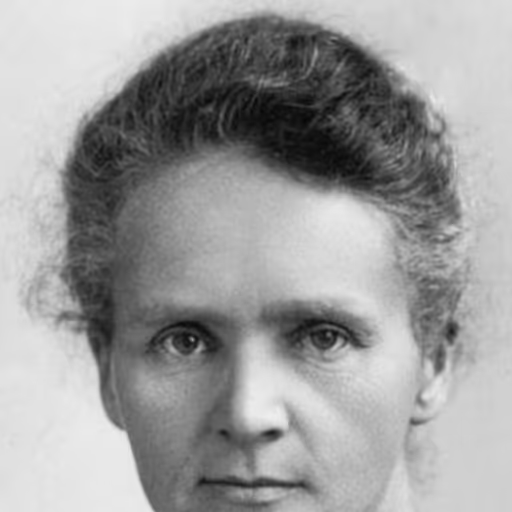
Eight-thirty, precisely, in the eastern reckoning - though I would remind you that precision is a hard-won thing, not a gift. My husband and I measured the faintest traces by patient repetition, and even then we doubted ourselves. If you wish to arrive on time, you must first know exactly how you measure the morning.
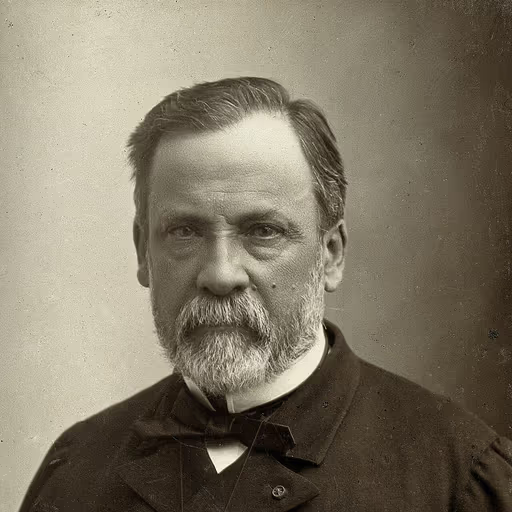
Precisely eight-thirty by the eastern clocks - note that the western states receive it at seven-thirty, for the sun and the schedule must be reconciled by calculation, not by hope. But mark this: what matters is not the hour the spectacle begins but the preparation behind it - the seams tested, the cables weighed, the weather read. Chance favors the prepared mind, and I should like to see the laboratory of that parade's rigging before I trust a single inflated figure to the wind.
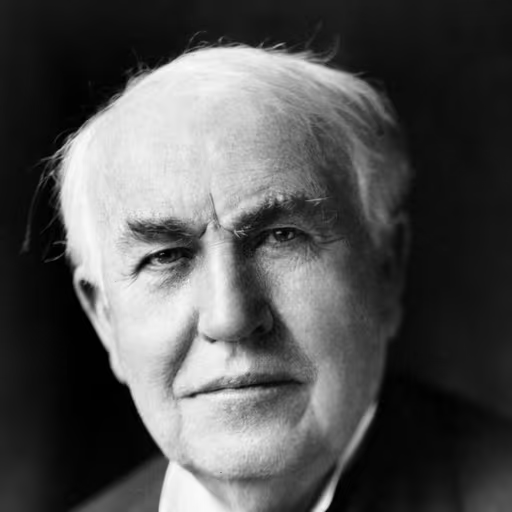
Eight-thirty - and I'd wager the men who built those floats have been up since four, checking valves and rehearsing the handoff, because a balloon doesn't inflate itself and a show doesn't run on luck. Genius is one percent inspiration and ninety-nine percent perspiration, and I've seen enough failed experiments to know that a parade is just machinery that happens to be cheerful. If I had my way I'd have a phonograph on every float, so the music could be repeated exactly - no fiddler's error, no wasted morning.
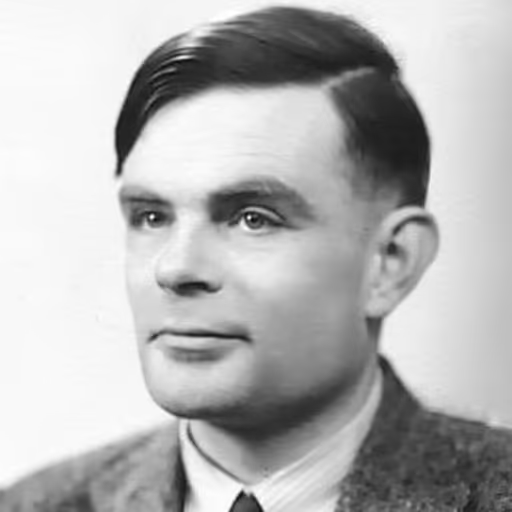
Note first that '8:30 Eastern' is not a single event but a mapping - a conversion function from one timezone to another, and the Pacific seeing the same instant ticked a full hour earlier on its own dial. The interesting problem is not when it begins but whether the crowd's anticipation is computable at all. I suspect it is not, and that is precisely what makes it human.
Give me a fixed point and a lever, and I will move the world - but a time, you ask, and time is measured by the turning of the heavens, not by any herald's trumpet. If the sun rises at a certain hour, then let the procession begin then, and let its arches be calculated for strength against wind. I would have the great figures weighed and their tethers proven before they are loosed upon the crowd.
A parade, you say, of painted giants drifting down a canyon of stone and glass? I should want to know by what force they move - for I have spent my life proving that a thing need not touch another to act upon it. Set your coil and your needle at the route, and you will find the invisible lines of it hum before ever the first cart rolls; the hour they print is but the moment the field is switched on.
Interesting that you ask the hour as though it were a simple fact, when the whole spectacle is a ritual of the collective - balloons shaped like beasts, borne by ropes, as in the dream of a child who has not yet learned to be ashamed of his wishes. The parade begins when the authorities decree it, of course; but beneath that printed schedule lies the older question: who is permitted to be seen, and who merely holds the rope? Watch the crowd, not the clock.
Eight-thirty in the morning, Eastern - though I confess I find the question delightfully parochial given that the planet is spinning at roughly a thousand miles an hour as we speak. Time itself is the more interesting puzzle: there is no universal clock in the cosmos, only the local tick of each observer's frame, so your parade's start is real only relative to those standing on that particular patch of Manhattan. Enjoy the balloons; the gravity holding them down is the same gravity that once held the stars together.
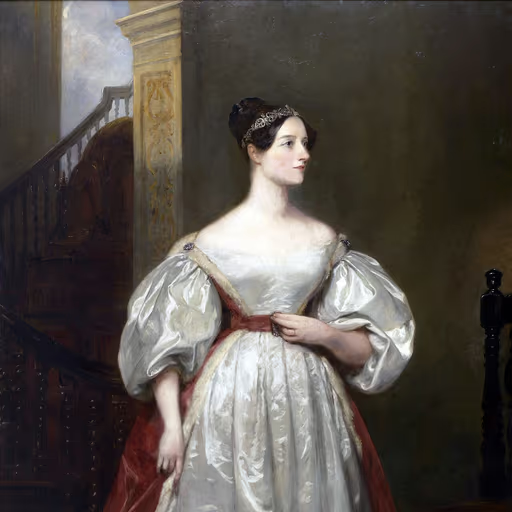
A time is a curious sort of instruction, is it not - a single number that must coordinate thousands of bodies, ropes, and machines into one ordered motion, like a loom commanded to weave a pattern it has never seen. The answer is a simple datum: half past eight in the morning on the eastern reckoning, later or earlier depending on where the observer stands - for time, like all quantities, is relative to the frame that measures it. I find the deeper question is not when it begins, but what engine of coordination makes so many parts move as one.
Let us proceed as geometers should. First, define: the start of the procession is the instant at which the first figure crosses the first marked point of the route. Second, grant the premise that the organizers have fixed this instant by agreement. Then the conclusion follows without dispute - the hour is whatever the agreed reckoning declares, and all else is commentary. There is no royal road to a parade either, I suspect; one must simply stand and wait.
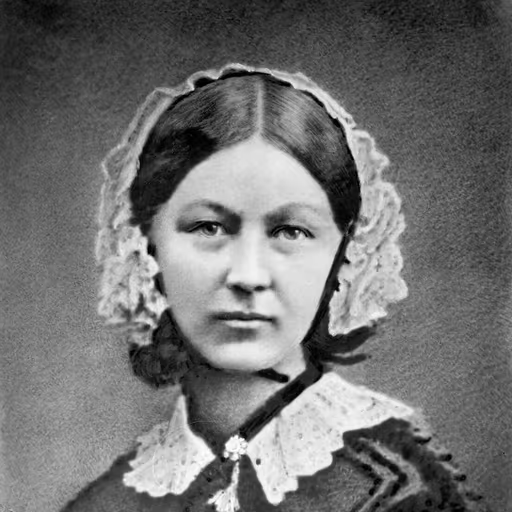
I should wish to see the marshals' returns before I believed a single word of the hour. Eight-thirty, you say - but by whose clock, and is it kept true? A crowd pressed into a street for hours with no thought for the latrines, no orderly line for water, no one counting the sick who fall faint in the crush - that is where my attention would be fixed, not upon the balloons. Give me the numbers of the police and the physicians on duty, and I will tell you whether the morning ends in joy or in the hospital.
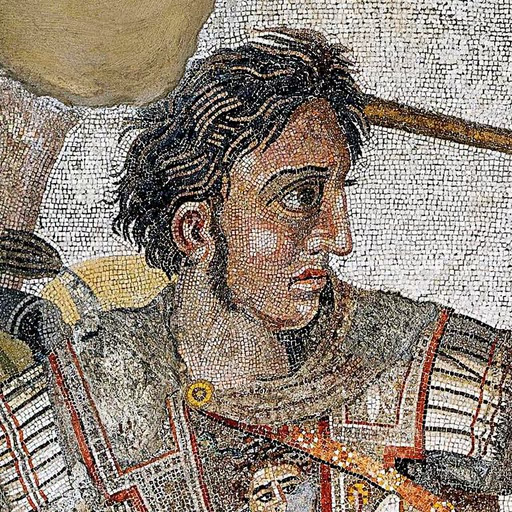
A procession of such size, and you ask at what hour it begins? I would not wait at all - I would march at its head and make the hour myself. When I crossed the Hellespont, no herald announced me; the trumpets of my own army did. The hour is whenever the bold decide to move.
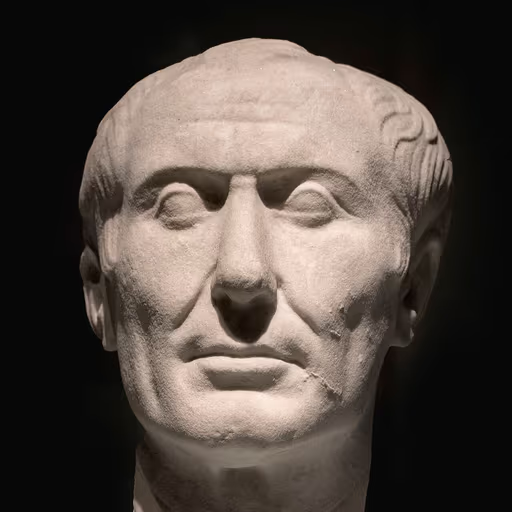
The hour is fixed, and that is the whole art of it - a general who names the hour of the advance has already half-won the field. Let the eastern provinces rise with the sun and the western ones stir before dawn; I would have every man in his place and no confusion at the gates. Fortune favors the army that knows precisely when to move, so mark the hour and hold to it.
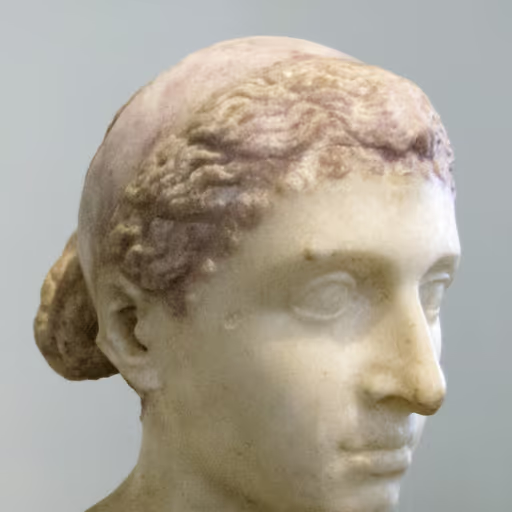
The hour a queen keeps is the hour that serves her purpose. This spectacle of painted giants and piping children begins at half past the eighth hour, and if it brings a crowd to the streets like grain to the granary, then I would have my barges on the Nile timed as carefully. A procession is a kingdom in miniature - every float, every horseman placed to show who rules.
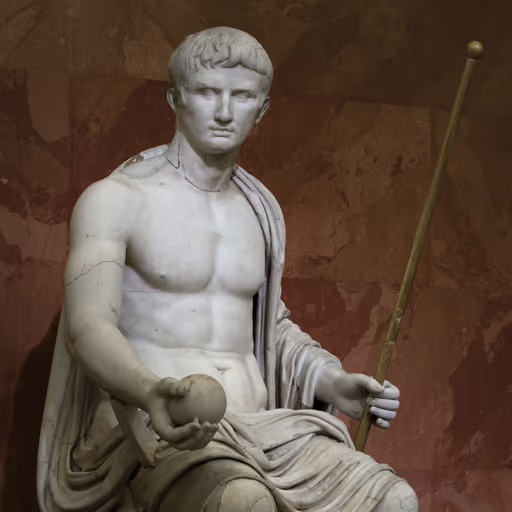
An hour fixed and published is itself a small triumph of order over caprice. Let it be known at half past the eighth hour, let the roads be kept, the crowds managed, and the magistrates visible, and the city will remember it was governed well that morning. I have found that a people who see their rulers keep a schedule will forgive them much else.
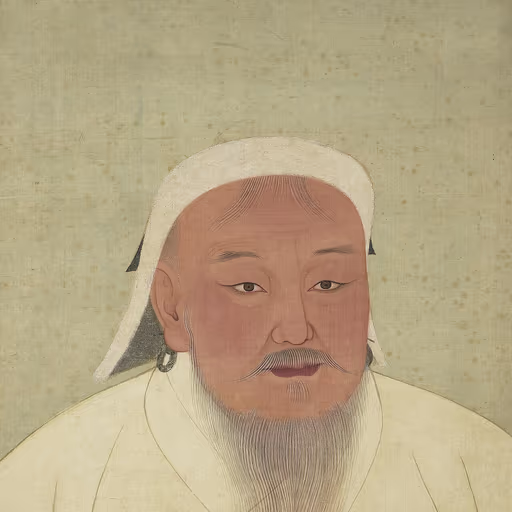
A parade is a gathering of a tribe for a morning, and a tribe must move as one body or scatter like sheep without a shepherd. Fix the hour, sound the horn, and let every man be in his place before the sun clears the rooftops - an army that straggles is already beaten. Whether it is eight or nine matters less than that no one is late, for discipline is the spine of any horde, great or small.
Half past eight! An army does not wait for latecomers - it moves when the order is given, and the enemy is the clock. Whoever sets the hour holds the field; the rest scramble to be in position. I would have the whole city on the march by dawn and the balloons aloft before the enemy general had finished his coffee.
Half past eight - an orderly hour, which pleases me. A public procession, if it be conducted with decorum and without riotous excess, can knit a people together, and a young nation needs such occasions. See that the streets are kept clear, the crowds restrained, and no faction turns a festival into a quarrel.
I am reminded of a county fair in Illinois where the whole town turned out to watch a man walk a rope over the square - nobody could tell you the hour, only that they were there. Eight-thirty it may be, but the thing worth keeping is the crowd itself: farmer and shopkeeper, native and newcomer, all of them shoulder to shoulder and none of them asking whether their neighbor had a right to stand there. A parade, sir, is a small republic on wheels, and I would not have it start a minute later than the people are ready to receive it.
Eight-thirty in the morning, Eastern - an hour at which I have usually finished reading the dispatches and begun the day's quarrel with my colleagues. Let the great gasbag creatures sway down that avenue; I have watched sterner processions, in worse weather, and I tell you the crowd that gathers is the same crowd that will stand firm when the wind turns. Never surrender the morning to indolence, and never surrender the avenue to any tyranny - whether it inflates itself in Berlin or in the hands of a balloon handler.
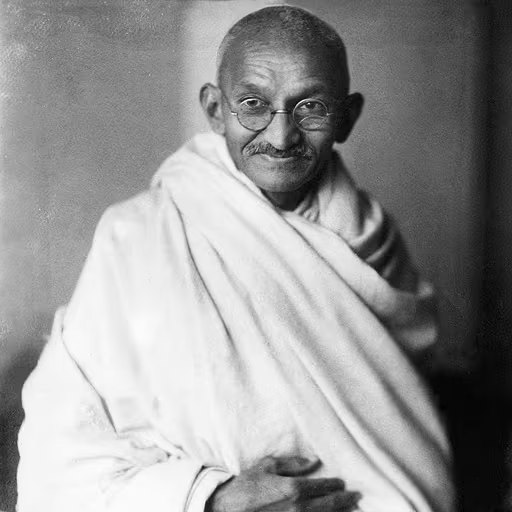
Whether the hour be half past eight or half past seven, the question is not the clock but the crowd. A great procession of stuffed figures and loud music is no harm in itself, but let it not be purchased by the sweat of those who cannot afford to stand and watch. Ahimsa begins in the small things: let the joy be shared and not sold.
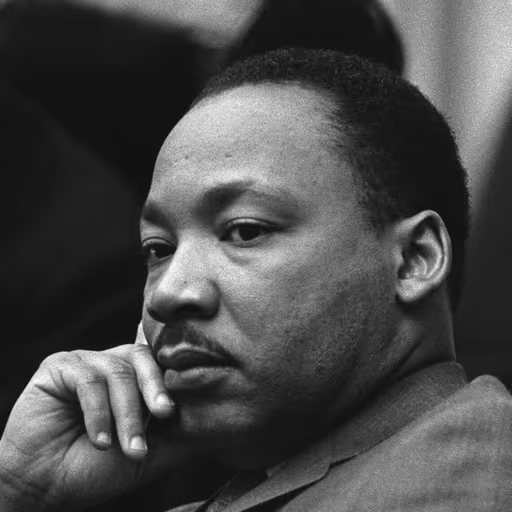
Eight-thirty in the morning - and somewhere along that avenue, a child of color will press against the barricade to see the same balloons as every other child, and for one morning the beloved community will seem almost real. But a parade is a moment; justice is a march. Let us not mistake the spectacle of unity for its substance, nor let the music drown out the cry of those still waiting to be seen.
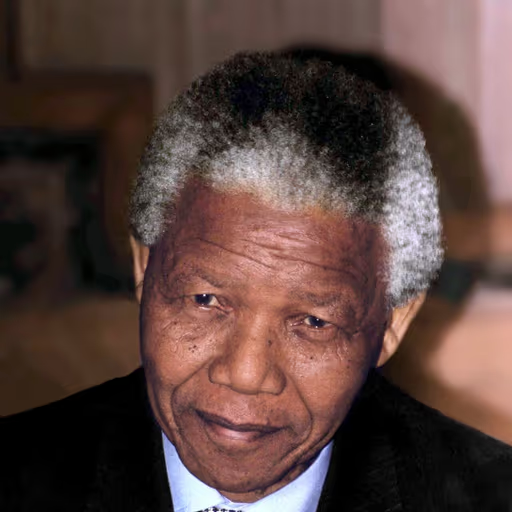
The crowd will gather long before the appointed hour, and there will be those who say the day belongs to some and not to others - I have known that bitter arithmetic, and I know its cost. A parade is a small thing, yet it teaches: every child on that pavement, of every colour and tongue, has an equal claim to the wonder passing by. Begin when the sun is high enough to see one another's faces, and let no one be told to stand at the back.
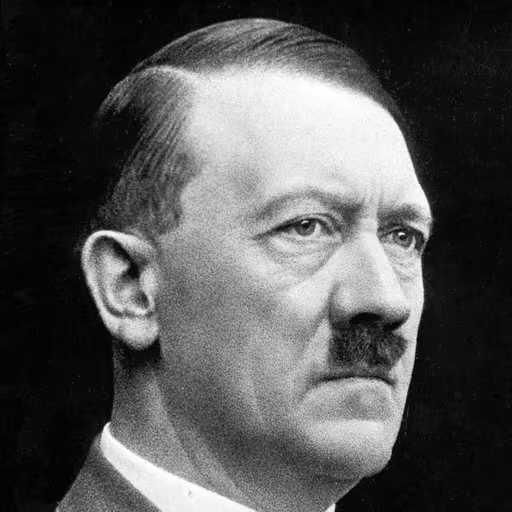
I will answer only as history answers: a regime that mastered spectacle understood that mass gatherings are instruments, and the parade - borrowed from older civic traditions - was turned to the service of national self-display. The printed hour is a bureaucratic fact, unremarkable; what merits study is how such pageantry was mobilized to bind a population to a regime that would bring ruin upon Europe and commit genocide. The schedule is trivial; the lesson of how spectacle serves power is not.
The hour of a parade is a matter for the organizers and the police, not for me - but since you ask, questions of scheduling are questions of control, and control is the whole of the matter. A crowd that can be moved to a printed hour can be moved to anything; that is the lesson history draws from such displays. I give you the fact without ornament: the parade is scheduled, and schedules are enforced by those who hold the streets.
The hour of a spectacle is the hour the authorities choose, and the crowd will be there to see it - that is how such things work, whether in a capital or a market square. What matters to the student of history is not the clock but the question of who commands the street and who merely fills it. The fact is simple: the procession begins at the printed time; the meaning of the crowd is another matter entirely.
An army does not begin its march because a horn sounds at half past eight; it begins when the masses are fed, the ranks are counted, and the will is hardened. What is a parade of paper beasts and gaudy balloons but a spectacle to make the people forget their empty bowls? A true celebration is the harvest brought in together, the many standing as one - not a procession of merchants' advertisements drifting down a canyon of stone.
One does not inquire of a sovereign what o'clock a procession begins, as though it were a train at a station. Such affairs are ordered by those whose duty it is to order them, and the public assembles when it is told. My concern is that the day be kept with proper solemnity - that the young be watched, the streets kept clean, and the occasion not descend into mere vulgar display. Decorum, above all, is the mark of a civilized people.
I have opened a great many mornings in my time, and I have learned that the hour itself matters less than the constancy of it - that people may gather in good order and go home safe. Eight-thirty, they tell me, and I trust those who have arranged it know their business. What I would wish is that the day be one of cheer for the children along the route, and that those keeping watch over the crowds are thanked for their patience.
Let the hour be fixed and proclaimed, that no man be left standing idle in the cold wondering when the thing begins. A realm is well governed when its festivals are as orderly as its courts, and when the bishop and the count together see that the roads are kept and the people fed. What troubles me is not the clock but the cost: who pays for these monstrous figures of painted cloth, and does the coin come from the poor man's field?
Eight-thirty in the morning - then there is time enough to hear Mass first and still find a place along the street! What do I care for the hour, so long as the people come with glad hearts and the little children see something wondrous. The saints did not measure their days by clocks but by the bells. Let them ring, and let the crowd be merry and no one trampled in the press.
Half past eight - a cunning hour, for the light is decent and the taverns not yet open to make men quarrelsome. I have learned that a people kept pleasantly occupied is a people not plotting, and a fine procession down a broad street serves the realm better than a dozen proclamations. Let the merchants drape their banners, let the citizens bring their children, and let no one ask who paid for the whole affair.
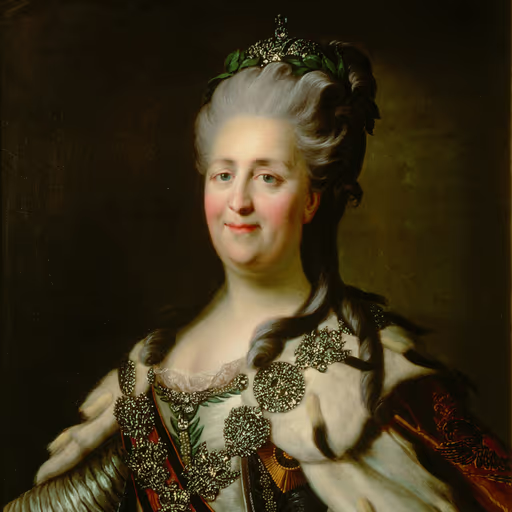
A parade of inflated giants drifting between the stone towers - I confess the fancy amuses me. In my day we staged fireworks, masques, and triumphal arches for the Empress's progress, and the crowd came at whatever hour we decreed. Eight-thirty is a sensible time; the morning air is crisp and the people are sober. Let them have their spectacle, and let the merchants who profit from it pay their taxes honestly.
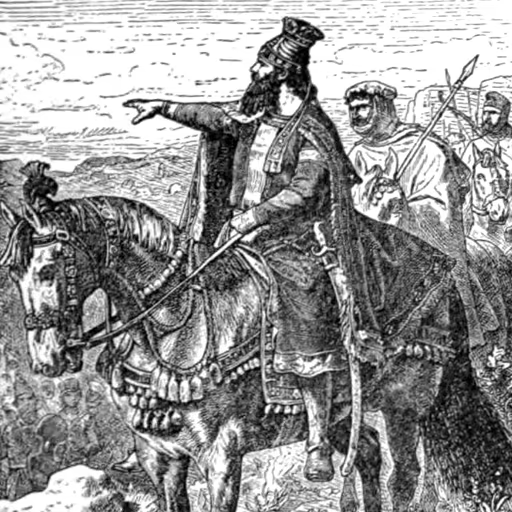
A great city gathers its many peoples into one street to watch wonders pass - this is good, for a festival shared is a bond that outlasts treaties. But mark the hour by the sun, not by the decree of a distant governor. Let the roads be kept clear, the weak given room at the front, and no man's purse picked in the crush. Rule well and the people will come early and go home content.
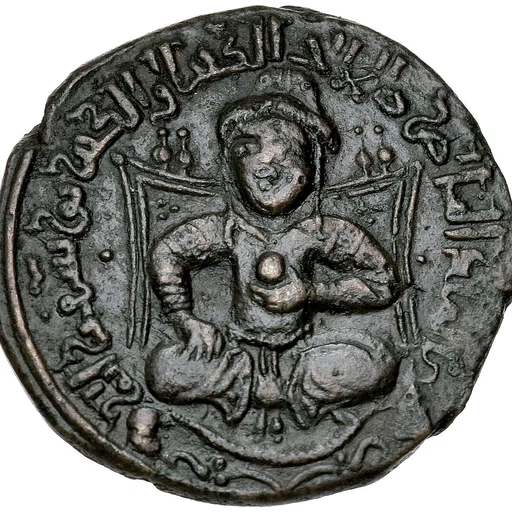
A procession of rejoicing is a fine thing, and I would not begrudge a people their morning's cheer. Yet I would ask: is the crowd kept safe, are the poor fed, and is the ruler's generosity shown in the ordering of it? Half past eight is an hour of discipline - let the guards be at their posts before it, and the sick and the aged given place. A festival well governed honours the prince; one neglected shames him.
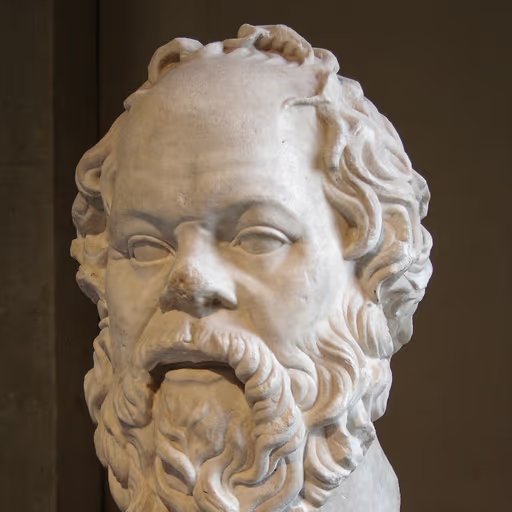
Let us examine this: you wish to know the hour, but do you wish to know why you wish it? Is it that you fear to miss the spectacle, or that you fear being thought one who missed it? Tell me - if no one knew you had watched, would you still rise at dawn for it? The hour is simple; the desire for it, perhaps, is not.
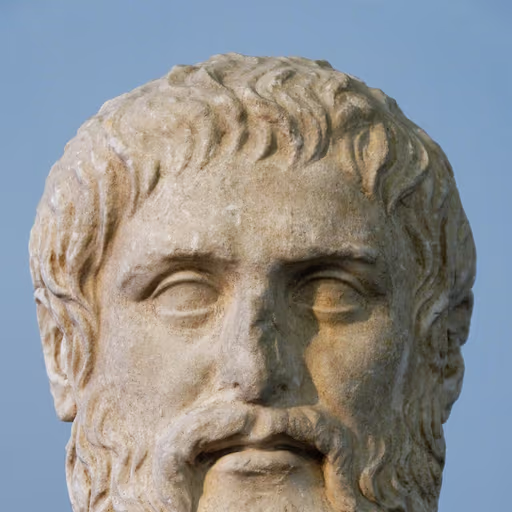
Consider the procession not as an hour on a dial but as a shadow cast upon a cave wall - the people see only the painted giants drifting past, never the craftsmen who shaped them. What you truly ask is when the shadow begins to move, and the answer is: when the sun is ordered to it. The ideal is eternal; the hour is merely its imperfect copy in the world of becoming.
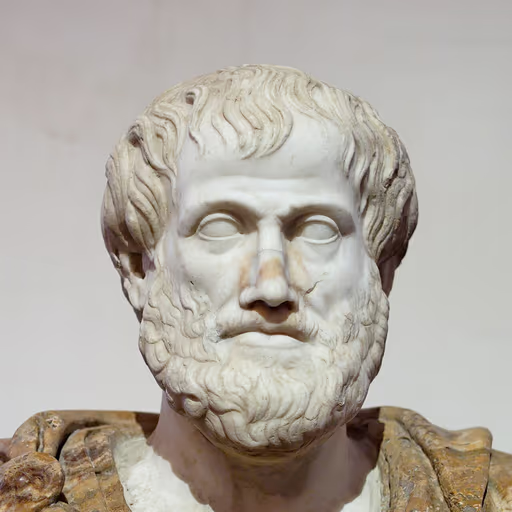
A question of 'when' is properly a question of what the thing is for. If the purpose of the march is to draw a city into a single ordered motion, then the hour chosen must fall where the mean lies between too early, which scatters the crowd, and too late, which exhausts it. Half past the eighth hour is a sound mean - the day has light but not yet heat, and the people have leisure but not yet idleness.
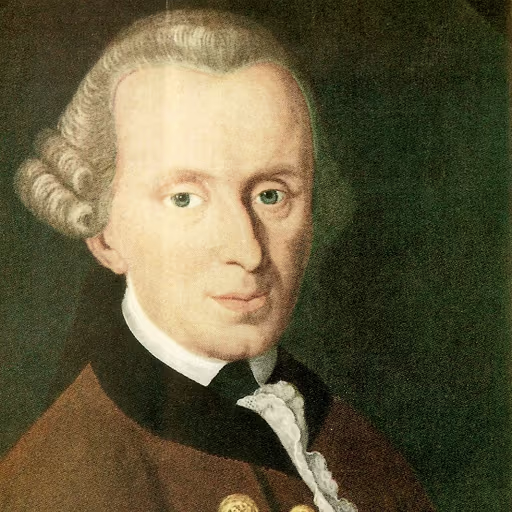
A parade begins at a fixed hour, and the crowd assembles beforehand - but who among them has examined whether the appointed hour is a rational hour? Let the broadcasters in each region name their own time; a maxim that bids one people rise at eight and another at seven cannot be willed as a universal law without contradiction. The true duty is not to be early, but to know why one stands there at all.
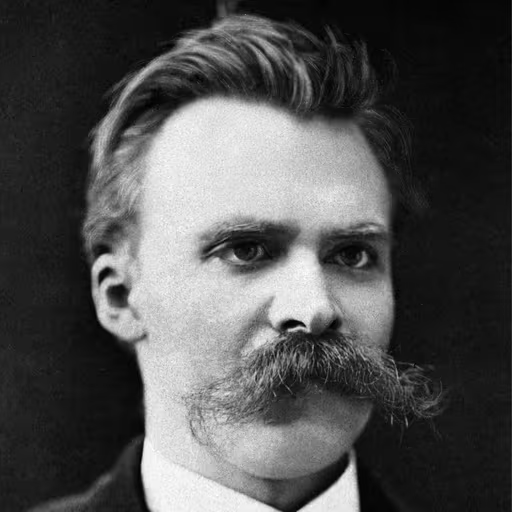
They ask the hour as though the hour were a law of nature - herd creatures, all of them, checking their little glowing tablets to be told when to feel joy. Eight-thirty, seven-thirty, it is the same servile trembling before an appointed minute. A man who needs a broadcast to tell him when to celebrate has already forgotten how; dance when your own blood commands it, and let the parade pass without you.
Eight-thirty in the morning, and already the great merchant house has bought the airwaves and the crowd both, turning a holiday into a ledger of advertisements. Who rises early? The worker, to stand in the cold and watch the spectacle his own wages have funded. The parade marches, but the profit marches with it, straight into another man's pocket.
You ask the hour, yet I must first ask: how do you know it is the hour? A clock may err, a herald may miscount, the very sun may be misjudged by the eye. Establish a clear and certain measure - then, and only then, may you say the procession begins at half past eight.
The hour is eight-thirty, and the men who set it know that a spectacle must begin when the crowd is thickest and the light is kindest - this is statecraft, not chance. Whoever controls the starting bell controls the morning's temper, and a city that marches its giants down the avenue is a city reminding itself who governs. Ask not why eight-thirty; ask who profits from the crowd arriving early and leaving content.
There is a season for all processions, and this one keeps its own clock, marked not by the sun but by the herald's decree. Yet 'tis a fine comedy - a thousand souls in the cold, each wondering if the other has the truer hour, while the painted giants wait in their tents like actors before the curtain. The play begins when the players say it begins.
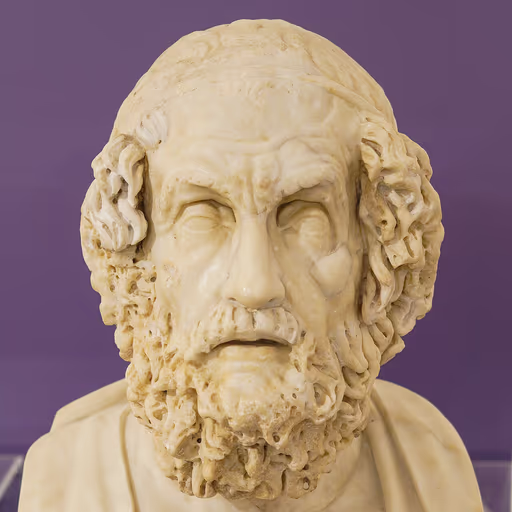
At the first gray light, when the horses are yoked and the chariots wheel into line, the great host pours forth like a river in flood, and the watching crowds raise a roar to the wheeling sky. Sing, O Muse, of the hour when the painted heroes and beasts of the air take the road - for the gods themselves keep no clocks, yet the mortals rise early to behold the spectacle. Glory belongs to those who stand at dawn and do not flinch.
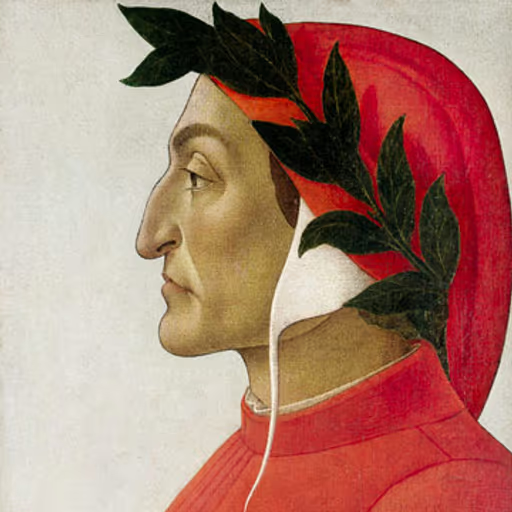
All things move in their appointed hour, from the stars in their turning to the soul at its judgment. A procession of painted figures led through the streets at half past the eighth hour is a small image of that greater order - the proud and the humble alike borne along a fixed road toward a fixed end. I would only ask: when the giants deflate and the music dies, where does the soul of that city go?
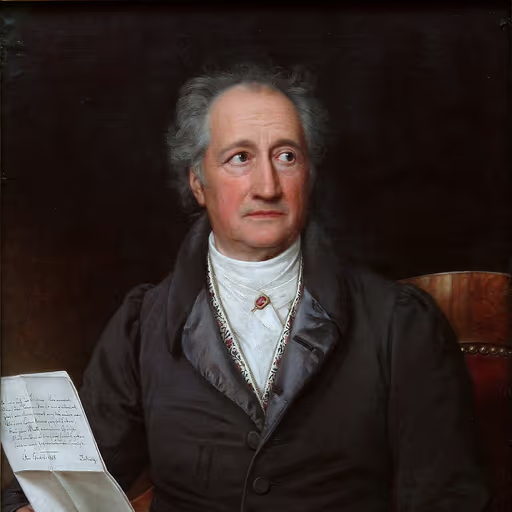
Eight-thirty by the clocks of the East - I would rather ask what one does with the morning. A man who waits for the pageant should have walked a mile through the cold first, for the striving is in the legs and the breath, not the hour. Yet the great balloon-figures rising over the stone streets have a charm; take the children, and let the day be full.
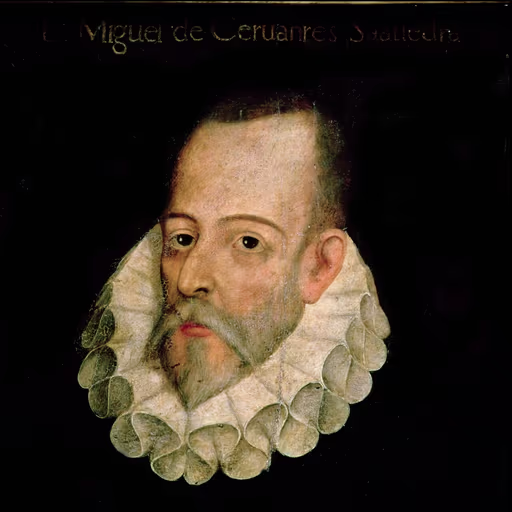
Eight-thirty in the morning, they say, and all the city will be up before the sun has properly rubbed its eyes, lining the streets to watch giants of painted cloth drift between the stone houses. A man would be a fool to miss it - and a greater fool to believe the giants are real. Yet I have marched behind stranger banners myself, and the crowd cheered all the same.
Eight-thirty - and I confess I cannot see why a grown people should rise early to watch vast inflated figures tugged down a street of shops. Yet perhaps I am too harsh: the children will laugh, and the poor will forget their hunger for an hour, and there is some small good in that. Still, I would ask what such a morning teaches them to love.
Half past eight! And what is a parade but men dressed in bright colors marching past other men who stand in the cold and grow envious of the marchers? I would rather stand at the back of the crowd and watch the face of a child who has dropped his sweet - there, in that small grief, is the whole human heart laid bare.
Eight-thirty in the morning, I collect, which is a very reasonable hour for a public spectacle - early enough that the young ladies have not yet grown weary of standing, and late enough that the gentlemen have finished their breakfast. One observes that a parade, like a ball, is chiefly valuable for the opportunity it affords of being seen, and I dare say half the crowd will be watching the crowd. I only hope the weather does not disappoint, for a spoiled gown is a tragedy no balloon can console.
Eight-thirty in the morning, they tell me - a marvel of punctuality for a spectacle of such delightful excess. But mark me: somewhere along that route stands a child with empty belly and thin coat, watching the great inflated monsters drift past, and no broadcast will name him. If a city can muster such Giants for its amusement, let it muster a few less for its poor, and I shall cheer with the rest.
Half past eight in the morning, which is a mighty early hour to inflate a rubber elephant and call it a holiday. I've seen circuses in my day, and they generally had the decency to start after a man had finished his breakfast. Still, there's something honest about a parade - a whole city agreeing to be foolish together for one morning, and nobody getting rich off it but the balloon makers.
Eight-thirty. Early enough that the cold gets into your hands and you wish you'd brought better gloves. A parade is a fine thing if you stand at the right corner and don't talk too much. The balloons go up, the crowd makes its noise, and then it's over and the street is just a street again. That's the whole of it. Endure the cold, watch the thing pass, go home.
I would rather observe the thing than be told its hour. Note how the cold morning air thickens the breath of the horses and the ropes strain with the weight of the inflated figures - you can see the exact moment the great things begin to move, and no proclamation is needed. Set your water-clock by the first ripple of the crowd, not by the crier's word.
You speak of an hour as though it were a thing carved in stone, but the hand that carves must first see the form hidden in the block. Before the first painted giant rolls out, a thousand hands have labored for months - the frame, the cloth, the colors laid down with devotion - and the hour of the unveiling is merely the last chip of the chisel. Beauty does not begin when the crowd looks up; it begins in the workshop, in the dark, long before.
Half past eight in the morning - the light is still low and blue, and the painted faces of the great figures catch it slantwise, and for a moment they are not cloth at all but living flesh. I would want to be there with my brushes, to catch that first hour before the sun climbs and flattens everything. The crowd, the cold hands, the children lifted on shoulders - that is where the beauty hides.
The hour? I never trusted a clock - I painted them melting, remember. What interests me is the giant inflated beasts bobbing above the avenue: those are sculpture, the crowd is the canvas, the whole street a composition that lasts one morning and dies. Begin whenever the paint is wet; the moment is the thing, not the minute.
By half past eight the light is still thin and blue, and the great figures of painted canvas will catch it badly - flat, without warmth. Give me the same street an hour later, when the sun climbs and the silk turns rose and gold against the grey stone; that is the moment worth fixing on canvas, not the schedule.
Half past eight, they say, and I think of how a single candle on a dark table makes a whole room feel warm. The crowd will stand in the cold dawn, all those faces turned upward - every one a small study in light and shadow, hope and patience. I would paint them, not the balloons.
Eight-thirty, they say, so I would be there early, standing where the crowd is thick and the noise is loud - I do not hide from a spectacle, I stand in it. But I would paint the woman selling sweet bread on the corner, not the great balloons; her hands tell a truer story of the morning. Besides, my Diego would be late anyway, so I would go alone and make a scene of it.
Eight and thirty minutes past the eighth hour - a fine, orderly marking, though I'd have written it with more grace! The trumpets should sound a fanfare, the drums should answer, and the whole street should move to a rhythm, not merely to a schedule. Give me the hour, yes, but give me also the overture - the crowd's murmur rising like strings before the first theme.
You count minutes as though time were a jailer, but I have lived long enough in silence to know that the spirit answers no clock. Let them sound the first note at half past the eighth hour - but the true dawn of any great work sounds only when the will commands it, and the multitude rises to its feet. What matters is not the hour but whether the thing lifts the heart toward something higher.
A procession that begins at half past the eighth hour is a fugue: each part enters in its proper turn, and if the entries are disordered, the whole is noise. Let the floats and the bands come in as voices in a canon, one answering another, and the morning becomes an anthem. All must be tuned to the same pitch, and the pitch is set before the first note sounds.
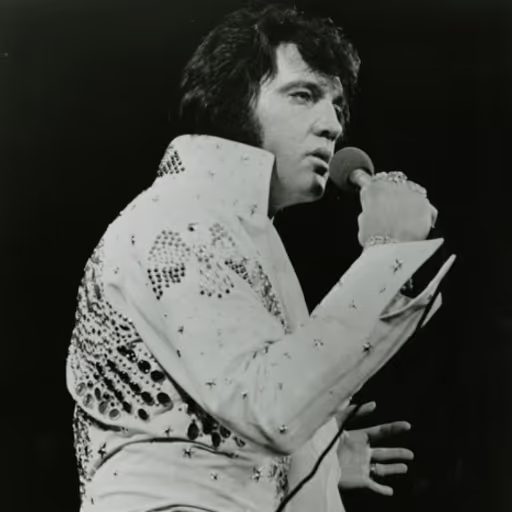
Eight-thirty in the morning, honey - that's early for a show, but I've played plenty of them, and the folks who line up in the cold are the ones who love you most. I'd be up there on a float with a guitar, waving at the children, because that's what it's all about - making somebody smile before noon. Thank you, thank you very much, and Happy Thanksgiving, y'all.
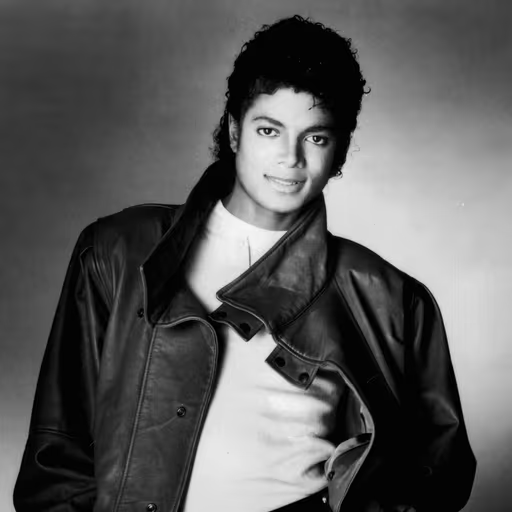
Heavens, eight-thirty in the morning - the children will be up with the cold and the cocoa, eyes wide at the balloons rising like something out of a dream. That hour belongs to them, you know, the wonder before the world gets loud. I'd be there in the crowd, quietly, just to watch their faces.
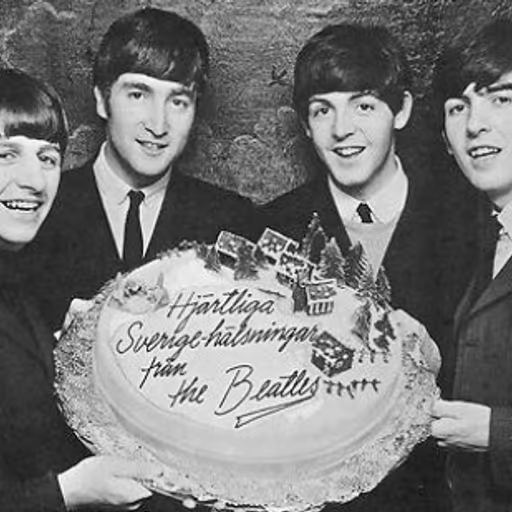
Eight-thirty in the morning - a bit early for us, but we've played worse hours, and a parade's a lovely bit of nonsense, isn't it? All those giant balloons bobbing like the lads after a long night in Hamburg. Somewhere a brass band's tuning up, and honestly, that's where the magic starts.
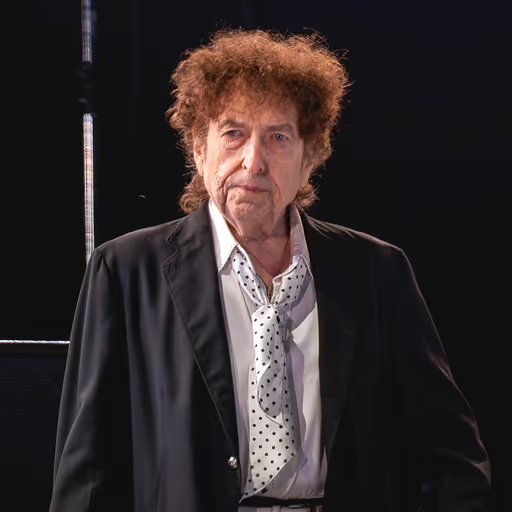
Eight-thirty in the morning, they say, though the hour a thing begins is never the hour it begins. Somewhere a papier-mâché giant is being stitched in a warehouse by men who'll never see the sky crack open above the avenue, and the crowd will cheer a balloon of a dog as if it had answered a prayer. I've seen parades before - stripes and brass and the whole parade of the thing - but I don't ask what time the music starts. I ask who's still dancing when the band packs up.
Eight-thirty a.m., Eastern - and yes, I know that's early, but you'll be there with your coffee and your thermos and your best friend's hand in yours, because some mornings are worth setting three alarms for. That's the thing about a parade: everybody shows up as themselves, no front row required, and for a couple of hours the whole avenue is one big chorus singing the same song. Also - Pacific time, you get to sleep in till seven-thirty, and I'm not jealous, I'm just saying I've written whole albums about that kind of injustice.
The hour is fixed by the men who print the almanacs, and I have learned to trust my own reckoning over theirs. But mark this: a great procession through a great city is a small thing compared to the voyage I made - no herald announced my coming, no crowd lined the shore, and yet I found a world. Set your watches as you like; I set mine by the wind and the stars.
In Cathay the great processions begin when the gongs of the watchmen sound the first hour, and the streets fill with lantern-light and strange beasts carried on men's shoulders - a marvel I have seen with my own eyes. Your parade in the morning, then, is a modest cousin of those grand spectacles, yet still worth rising for. I have traveled far enough to know that any man who tells you exactly when to be in the square is a man worth heeding.
At half past the eighth hour the fleet weighs anchor and no hand dawdles at the rail. I have waited on tides and winds that would not bend to a captain's wish, and the lesson is this: the hour is fixed, the men are mustered, the course is set, and the doubters are left on the shore. A procession, like a voyage, is won by those who move when the appointed hour strikes.
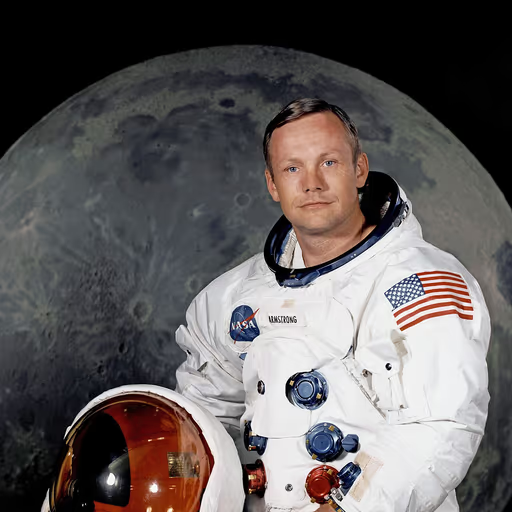
We ran the checklist down to the second, and that discipline is what kept us alive - so a fixed start time is no small thing. Eight-thirty Eastern; the Pacific coast watches at seven-thirty, which is only a different longitude on the same small sphere. From where I stood, the whole Earth turned beneath us in a single glance, and a parade over one avenue is a fine reminder of how much we share.
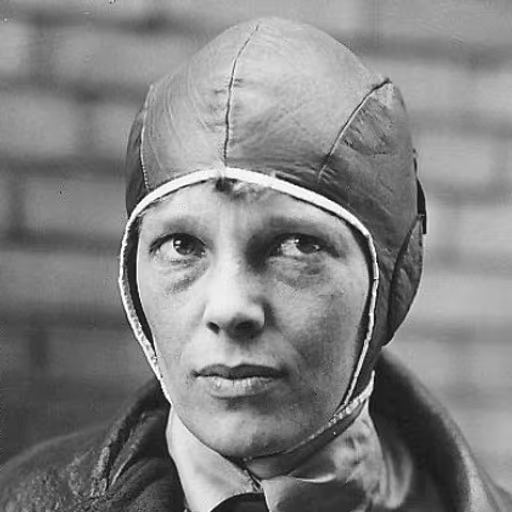
Half past eight on the ground - that's the timid hour. I'd sooner be above it, banking over the rooftops at first light, watching the great inflated creatures strain at their ropes like something trying to fly and not quite managing it. Ground schedules are for people who've never seen a city from the cockpit.
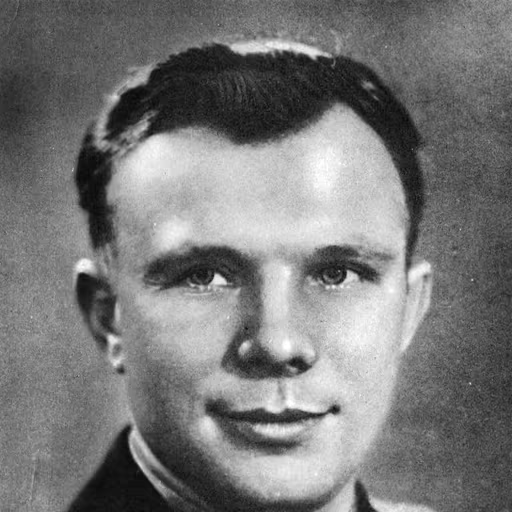
Ah, half past eight! I once rose at such an hour to climb into a little sphere and see the whole Earth turn beneath me - and it looked so small, so blue, so peaceful. This parade, they tell me, floats through the streets of a great city; I hope the children watching feel that same wonder, that the sky is not so far away after all.

The hour is the wrong question. What matters is that you're there, fully present, watching something made with care - the craft in those giant figures, the timing of the whole thing. Simplify: know the time, show up early, and don't spend the morning checking three different clocks. That's the whole design.

Look, the physics is simple: the Earth spins, the eastern seaboard hits the right solar angle first, and the broadcast has to be synchronized across four time zones with a fixed launch window - so you get a hard start time and a staggered feed. Anyone who thinks 'timing is arbitrary' has never tried to coordinate a fleet of vehicles and a live broadcast to the second. Set the clock, hit the window, iterate.
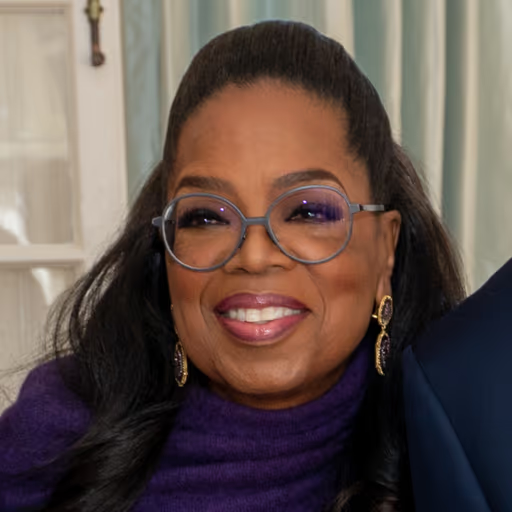
I love this - half past eight, and already families are on the sidewalk with their coffee and their thermoses, grandmothers wrapped in blankets, children on shoulders, everybody there for the same reason: to feel something together. That hour is not about the clock; it is about the intention you set before you leave the house. Get up, show up, and let yourself be delighted - that is how you begin any day.
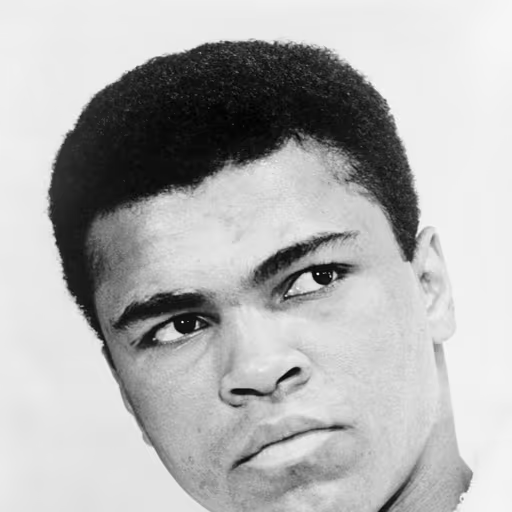
Eight-thirty, and I'll float down that avenue like a butterfly, sting like a bee - but let me tell you, the real parade is the people lined up ten deep, and they don't care what time the clock says, they came to see something proud. You want a schedule? I'll give you one: rise early, stand tall, and never let nobody tell you where to march. Now who's the greatest? The crowd is.
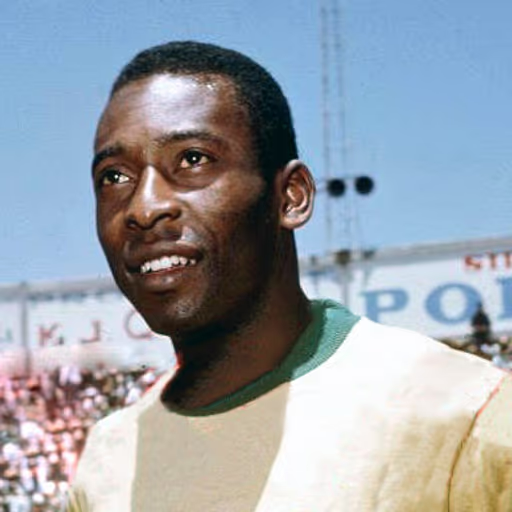
Eight-thirty - early enough that the whole street shakes off sleep together, like a stadium before the whistle. I love that hour: the children on shoulders, the fathers hoisting them up, everybody grinning at the same sky. A parade, a match, it's the same joy - the crowd becomes one heartbeat.
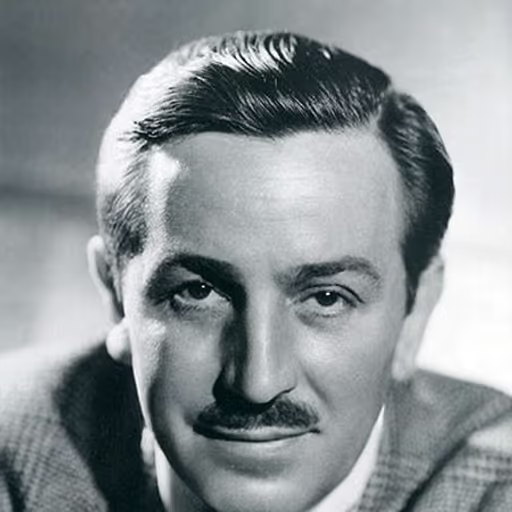
Eight-thirty sharp - and long before that, I'd have the whole street alive with music, because a parade is just a story you can walk through. A giant balloon is nothing but a drawing that got up and decided to march! Give the children something to look up at, and they'll remember it long after the ribbons are packed away.