
Why is the stock market open today?
The stock market is open today because it is a regular weekday, but it closes early at 1:00 p.m. ET for Black Friday.

The facts
The stock market is open today, November 27, 2026, because it is a regular weekday trading day. U.S. stock exchanges, including the NYSE and Nasdaq, operate Monday through Friday from 9:30 a.m. to 4:00 p.m. Eastern Time, except on certain holidays. November 27, 2026, is the Friday after Thanksgiving, commonly known as Black Friday. On Black Friday, the stock market is open but closes early at 1:00 p.m. ET, rather than the usual 4:00 p.m. ET. The market was closed on Thanksgiving Day, November 26, 2026, and resumes trading on November 27 with these shortened hours.
Answered by 100 of history's most famous minds
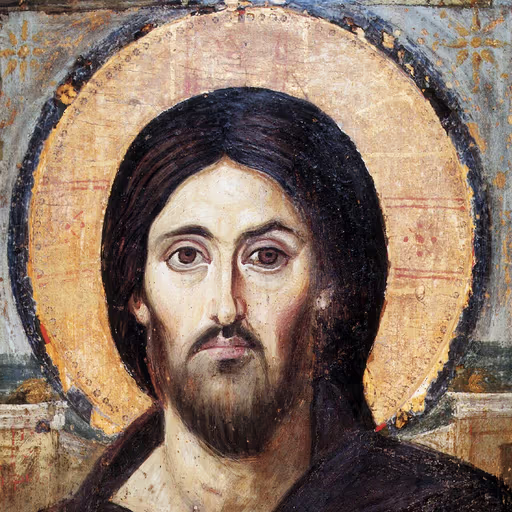
You tally your shekels on the day after your feast of plenty, when the baskets of the poor still lie empty. A man's treasure is where his heart is - ask yourself what heart beats in a counting-house that cannot rest one day after giving thanks. The Sabbath was made for man, not man for the Sabbath; yet the market has made a sabbath of its own out of a Friday, and called it profit.

The merchant's scales are set upon the earth, and the earth turns and the days are counted by God's decree; a Friday is but a Friday, and trade is lawful when it is honest. Yet woe to those who weigh and stint, who take a day short of its full measure but do not shorten the greed in their hearts. Let him who sells in the shortened hours remember the account that is never shortened, on the Day when no coin will be weighed but deeds.
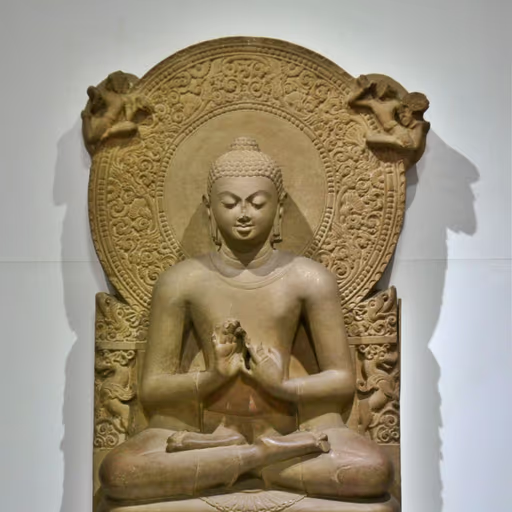
You ask why the market opens, as though the opening were the thing to be understood. The exchange opens and closes, rises and falls, and men cling to their shares as to a raft in a river - this is dukkha, the unrest of craving. Whether the bell rings at nine or at one, the wise man watches his own mind, not the ticker, for release comes not from the closing hour but from the stilling of want.
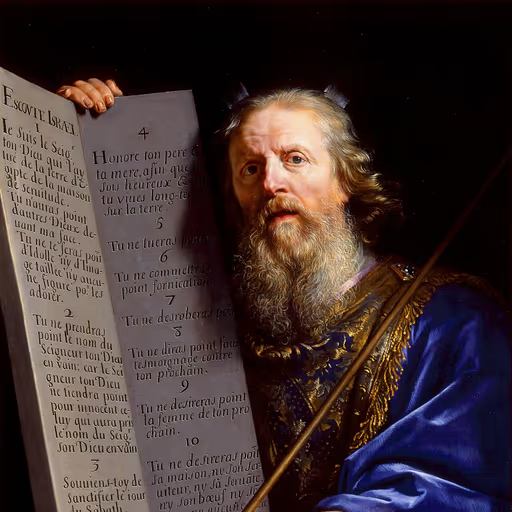
Six days you shall labor and do all your work - so it is written, and the counting-house is no exception. But do not let the pursuit of silver become the calf you bow before; I have seen a people melt their gold into an idol while the bread of the poor went unmeasured. If the market opens after the feast, let it open with honest scales and a just weight, or it were better shut.
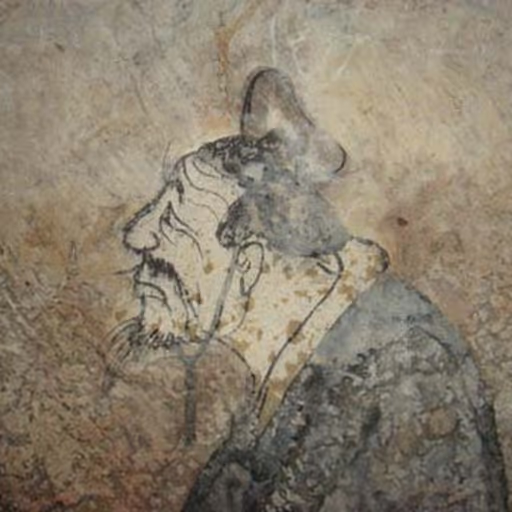
The merchant opens his stall on the day after the feast, and closes it early, as is proper. This is not merely custom; it is li - the right ordering of things. The husbandman rests on the morrow of harvest, and the tradesman keeps short hours after the family gathering. When each knows his place and his season, the realm is at peace. But I would ask: is the man behind the counter himself fed, or does he count his coins on an empty stomach?
The merchants gather to weigh silver while the hungry stand at the gate - do you not see that the love of money is the root of all kinds of evil, and that the day set aside for thanksgiving is already being traded away before the crumbs are swept? Yet I do not condemn the man who labors honestly; only let him labor as unto the Lord, and not make a idol of the tally. Whether they close at the first hour or the fourth, the workers in the vineyard all receive their wage by grace, not by the length of their standing.
You ask of markets and calendars, but I look to the promise that outlasts the harvest. The men who trade there count their days as we count flocks - Monday to Friday, with a pause for the feast, and then a short day as the sun declines. They are like the merchants who came to my tent at Mamre: they must keep their accounts, even when the season says rest. Go, then, and do your business, but remember the One who gives the increase; the market opens because men still seek their daily bread, and that is a prayer in its own way.
The river does not ask why it runs on a Friday; it simply runs, and stops when the bank tells it to. Men build a great hall of shouting and numbers, and even there the water finds its own hour to withdraw. Do not chase the bell - when it rings early, let it ring; the wise trader sits empty-handed and is not poorer.
The merchant weighs his coin and forgets the One who gave the hand to weigh it; the bell rings early and men hurry as though the hour were their own to command. Earn honestly, share what is left over, and remember the Name - a shortened day of trading is no holier than a full one if the heart within it is only counting. All sit beneath the same sky, buyer and seller alike, and none carries a single coin past the grave.
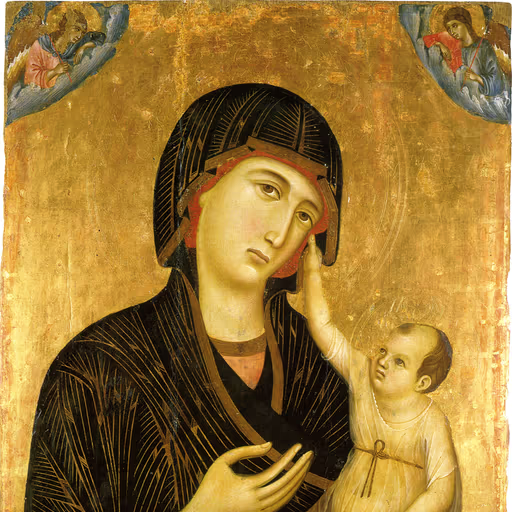
My heart wonders at a world that cannot cease its weighing and reckoning even for one day of thanks. The Lord lifts up the lowly and fills the hungry, yet here the tables of exchange are spread while many a household goes without - and they close early, as if to say even the counting must bow to the feast. I would have them remember the widow's two coins, and that the measure they keep is not the measure kept in heaven.
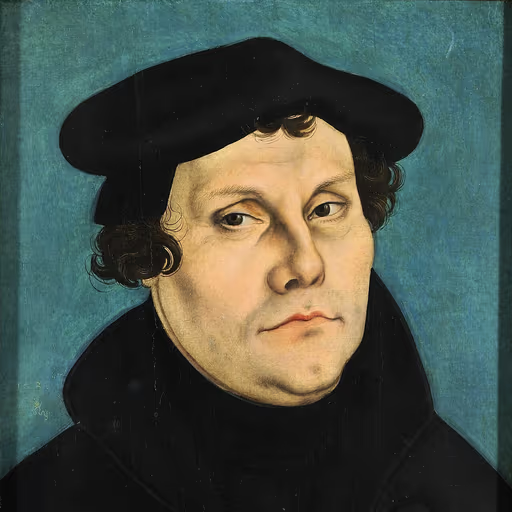
It is the same old traffic in indulgences, only now the coin is a share of a company and the priest is a broker in a tall hat. They will not close the doors even the day after giving thanks, for Mammon keeps no sabbath and yields to no scripture. Let every believer remember: no man can serve God and gain, and the freedom of a Christian is not bought at any exchange.
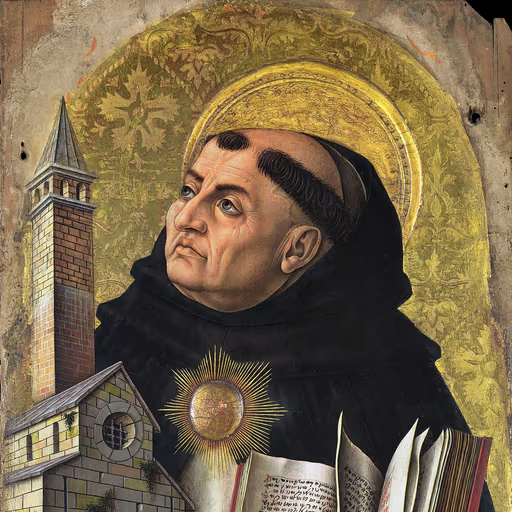
We must first distinguish: the market is a human institution, and human institutions are governed by custom and positive law, which may be changed and may be shortened. That it opens is a matter of the law of the exchange, not of the natural law; nature knows nothing of a bell at half past nine. Yet the end of trade is the common good, and a common good that forgets the thanks owed to the Giver is a house built on sand - reason itself teaches that.

People hurry to the counting-houses to buy and to sell, and the bells ring early so they may hurry home with their parcels. I do not understand such ledgers. I know only that somewhere on this same day a man lies in the street whom no one has bought and no one will sell, and he is worth more than the whole exchange. Love him, and the rest is noise.
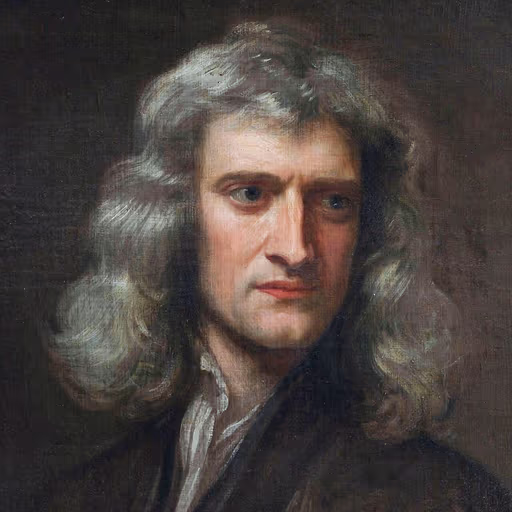
The Exchange is but a clockwork of men's appetites, wound to a fixed order: five days turn, five days rest, and the sixth part of the week's motion is curtailed by the feast. That the frame runs a shorter arc on this Friday is no mystery, only a variation in the period, observed and regular. Feign no hypothesis; the ledger itself declares the rule.
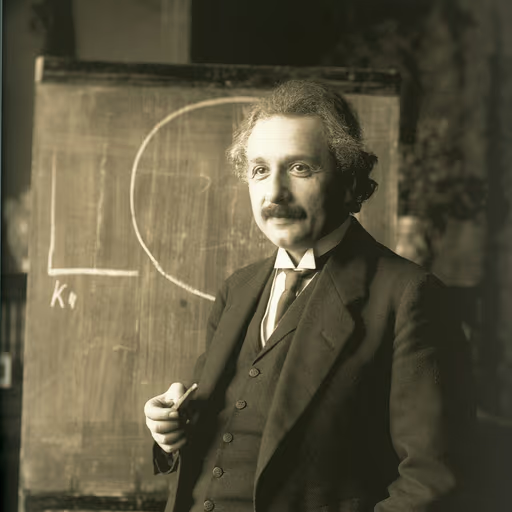
The clocks of the exchange tick in New York's time, not the sun's - a convention, like choosing a frame of reference. What amuses me is that men will halt all commerce for a day of thanks and then, at the stroke of one, hurry home half-finished, as if the universe insisted the ledger rest before the light fails. A sensible cosmos would have no such arbitrary boundary; but then, God's harmony is subtle, and even the merchant must obey the shortening of the day.
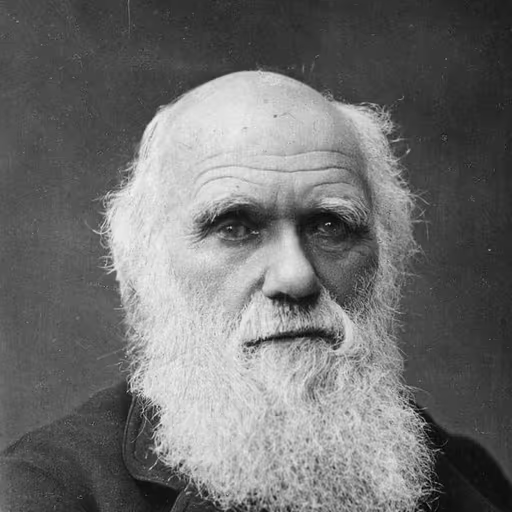
A curious specimen, this calendar of the exchange: it opens on the Friday after the feast, yet closes at one, as though the species had adapted its hours to the shortening of the winter light - a small inherited habit, preserved by custom rather than necessity. I should want to observe many such years before concluding why the closing hour varies; one Friday tells us little. But the pattern is plain enough: men keep to the rut their fathers wore, and call it a rule.
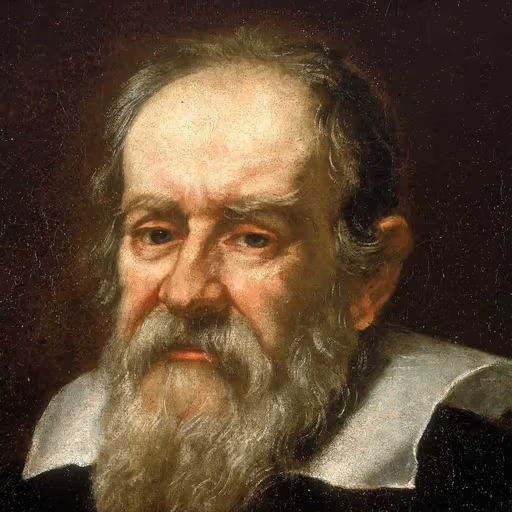
Observe, and it is plain: the closing bell is set not by the heavens but by the clock on the wall, and the clock is a human instrument, as amendable as any. Ask why the seventh hour and not the eighth - you will get custom, not cause. The motions of trade follow the motions of men, and men may be measured; do not mistake the almanac for the law of nature.
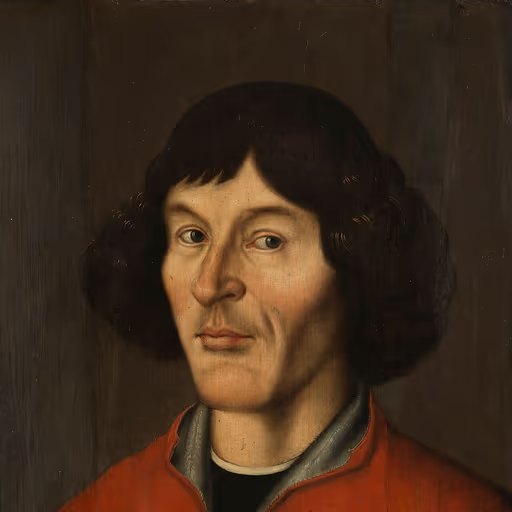
I have watched the heavens turn, and I know this much: the counting-houses keep a calendar as regular as the planets' orbits - open Monday, closed Sunday, and on the day after the feast, they shorten their course and return early. It is a small ellipse, not a perfect circle, but the motion is regular. Harmony does not require the longest day; it requires the day to be known in advance.
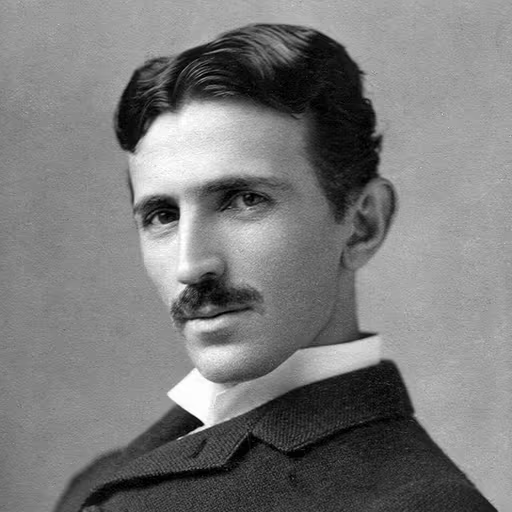
The exchange is but a crude machine - a great lung that breathes in the morning and exhales at one o'clock, and no one asks why the breath is short. Give me a coil and a wire and I will send the price of wheat across the ocean without a single copper thread, and all men will trade as brothers. The market's hours are a relic; the future has no closing bell, only a hum.
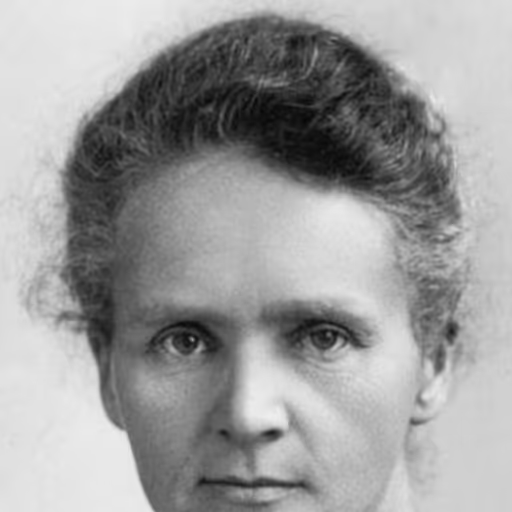
The exchange is a clockwork, and its escapement is the calendar. Yesterday the wheel was stopped for the feast; today it resumes, but the regulator is set to a shorter arc - one o'clock instead of four - so the mechanism runs true. I would not call it a mystery: it is a matter of fixed rules, observed with care. That the shops and the bourses keep such a discipline, even on a day of rest, is a kind of precision I can respect. Nothing to fear - only to observe.
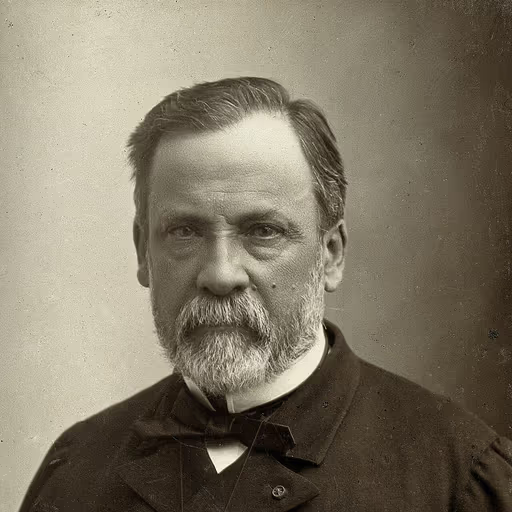
Every ferment has its season and its stopping-point, and this exchange is no different - it works, then rests, then works again, as regular as a broth in a sealed flask. Observe the shortened hour and you will see design, not accident: the same hand that closes the door on the feast-day opens it the morning after. A market that keeps its hours is a market whose causes a man can study and trust.
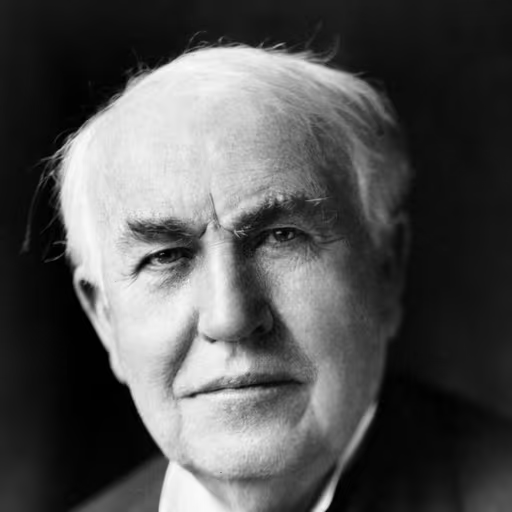
Any enterprise worth running runs on a schedule, and a schedule that bends for the holiday and snaps back the next morning is a schedule that works. You don't get a phonograph by wishing it; you get it by showing up at the bench every day and knowing when to knock off. One o'clock instead of four is just good shopkeeping - the trick isn't the hours, it's what a man does inside them.
A market is simply a machine for turning information into prices - a deterministic function with a schedule, and a schedule is a table of days and hours, trivially computable. The interesting question is not why it opens but whether the thing that opens it is doing anything a sufficiently careful rule could not; give me the rules and the tape, and I could simulate the whole exchange on paper. That it shuts at one instead of four is merely a parameter.

Give me a fixed point and a lever and I will move the Earth; give me the hours of opening and the volume of trade and I will reckon the whole exchange as surely as I reckon the displacement of a crown. Their schedule is but geometry - a line of days, a notch cut early on the one after the feast. The wonder is not that it opens, but that men will wager fortunes on the turning of a number they cannot weigh or measure.
A day is but a day; the exchange opens because the earth has turned its face once more to the sun and men have agreed to meet. What puzzles me is not why it opens but how a price flickers and leaps like the needle of my galvanometer when the coil is moved - a force invisible, yet measurable, binding stranger to stranger across an ocean. The market has its fields as surely as a magnet has, and I should very much like to trace their lines.
Observe how the question is put: not 'what happens today' but 'why is it open' - as though the questioner suspects a door had been quietly unlocked and wishes to know by whose hand. The market opens because men cannot bear a day without the ritual of the ledger; it is a compulsion dressed as commerce, a small ceremony against the anxiety of loss, repeated at nine and closed early at one. Beneath the hours lies the old fear: that if the counting stopped, the self would stop too.
Because the little planet has rolled round again into what they call Friday - a fact of orbital mechanics, not of finance. Their exchange opens and shuts by the turning of the Earth on its axis, a clock they did not build and cannot bargain with; the early close at one o'clock is merely men agreeing to stop pretending the sun's schedule is their own. I find it rather charming that the whole edifice of price is bolted to a rock tumbling through the dark, and the rock does not care.
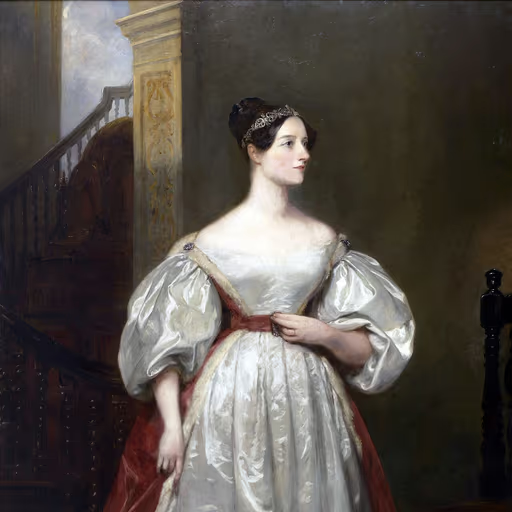
The calendar is a machine, and a machine runs by rule: seven days, five of labor, one of rest, and today the brass gear has caught on a holiday and turns a half-turn instead of a full one. I confess I find the shortened session more interesting than the open one - a program that must decide, at the fourth hour, to halt before it reaches its natural end. Set the rule aright, and the engine will close at one o'clock without a living soul to attend it.
Let us define: a day is the interval from one sunrise to the next. Let us grant that men may meet to barter upon any such interval but the seventh, and that upon this seventh they meet yet depart early. From these premises the conclusion follows of necessity - the exchange is open because the premises say so, and a shorter span because one term was granted shorter. I do not see that any further proof is required, nor any royal road to it.
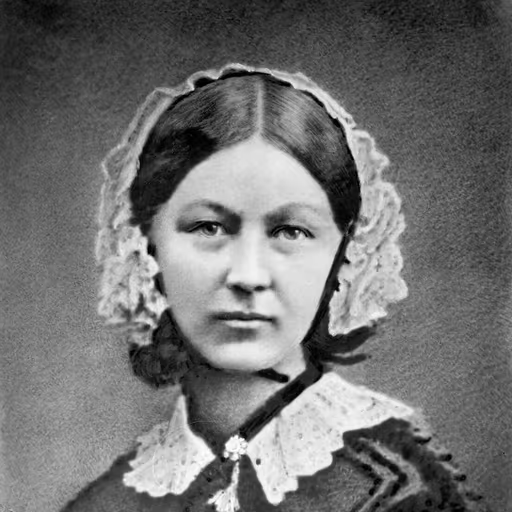
One might ask instead why the Exchange does not keep the same vigilance over its own health as a hospital ward does over its patients. They close for the feast, they open early and shut at one - a schedule kept with the precision of a well-ordered ledger, and I commend the clerks for it. But I would have them apply the same discipline to the counting of what their trade costs in human lives: the weary shopgirls, the messenger boys run off their feet. A proper return, honestly kept, would show the true price of every shortened day.
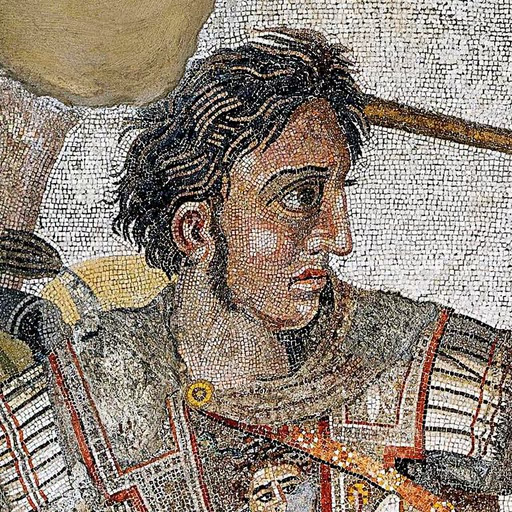
A king does not halt his march because his men have feasted. My phalanx moved at dawn the day after the fires of victory, and the market that shuts to sleep off the banquet should be ashamed of its softness. Still, I would take it - a half-day's march is a march, and the shortest road to Asia is the one you do not rest upon.
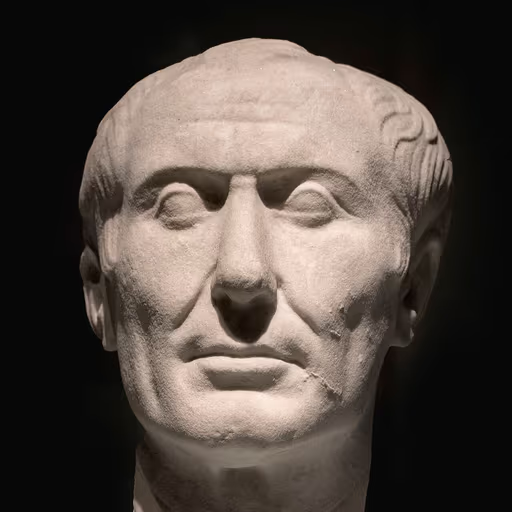
The market does not close for a day of feasting, only for the gods of the calendar - and even then, it breaks camp early, at the first hour after noon, like a legion marching home before dusk. Fortune favors those who seize the morning; I would have the forum open at dawn and the counting done by the ninth hour, for delay is the enemy of the bold. Let the idle feast; the daring will trade while the lamps still burn.
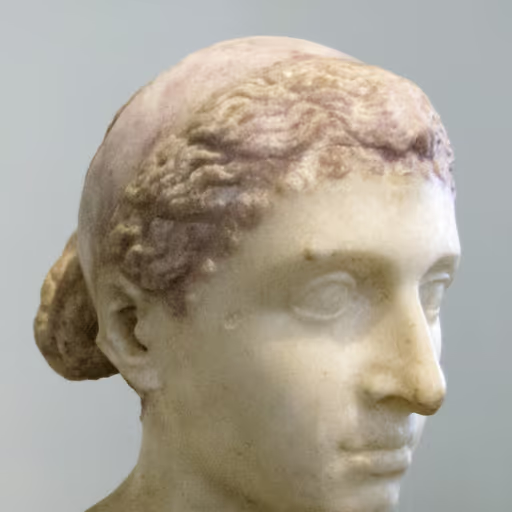
A market that trades but half a day, opening while the bakers are still wiping flour from their hands - that is a kingdom that knows the value of a festival. My Egypt never shut its granaries for a feast and called it piety; we kept the river moving and the scribes counting. Whoever shortened the hours knew that gold, like the Nile, must not sit still long enough to silt.
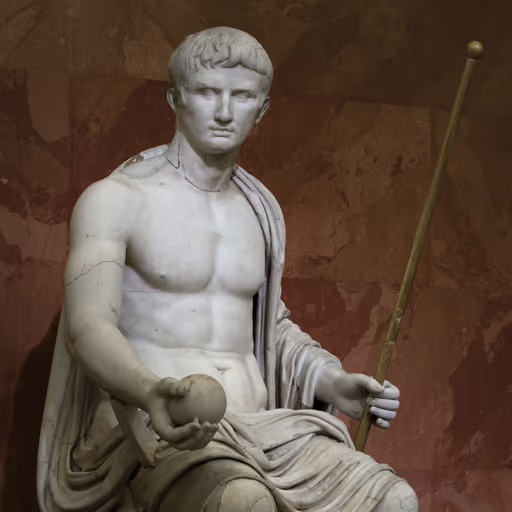
A day's trading after a day of thanks - this is how a state endures: briefly, soberly, then home to the family and the hearth. I learned in the civil wars that men who never close their ledgers soon forget the gods and the common good. Let the doors open and shut early; order is kept by rhythm, not by greed.
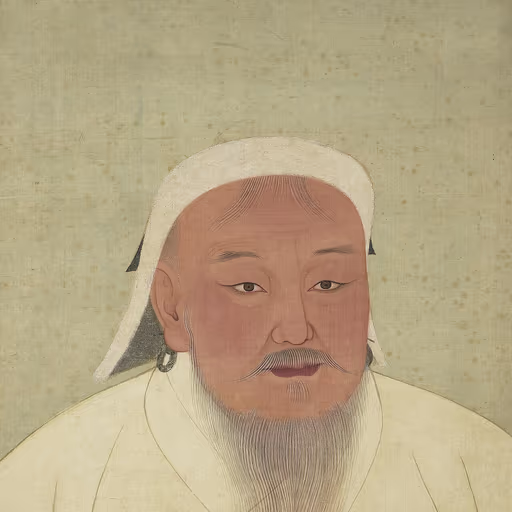
The stalls are open because Tengri has given men work to do, and a warrior does not sleep off a feast while his herds wander. But the market shuts at one - that is discipline, not idleness. My captains know: reward the man who brings results, and let him eat when the work is done. You ask why it opens? Because if it did not, the next man would open his, and take the trade. Strength does not rest on its own holiday.
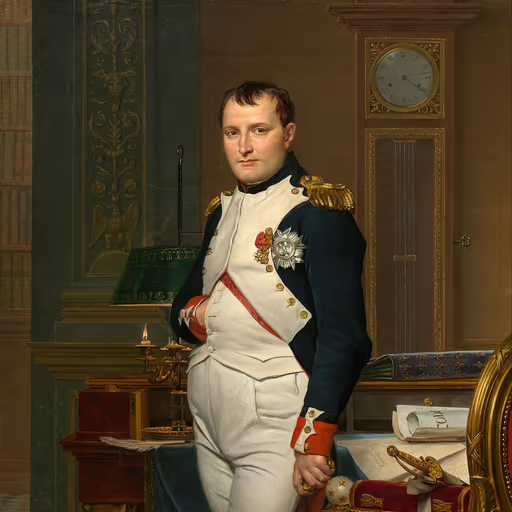
A market that shuts its doors at one o'clock is a garrison that breaks for lunch while the enemy holds the field - intolerable. I have made kings and unmade them before breakfast; the bourse should be drilled like a regiment, opened at the drumbeat and closed only when the day's work is done. Half-measures breed half-fortunes. Boldness, order, and a full day's march - that is how an empire is built and a fortune kept.
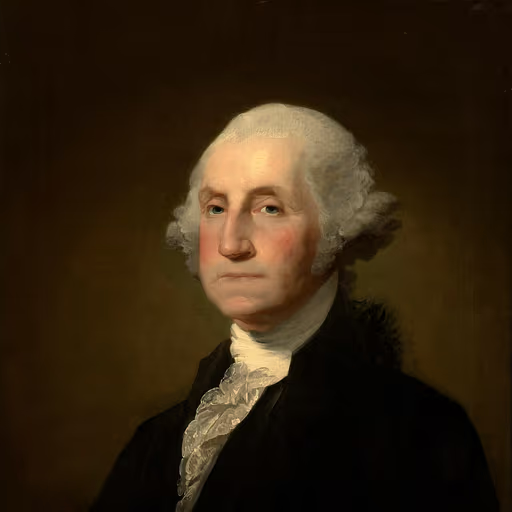
It is open because a republic's commerce, like its militia, must keep its order and not dissolve into holiday idleness. The Congress may set a day of thanksgiving, but the counting-house follows its own steady rhythm - closed Thursday, then open Friday with a shortened watch, so that trade does not fall into confusion. I would counsel the merchants to remember that credit is a public trust, and that the nation's stability rests on such sober regularity. Let them trade, but let them also keep their word and their books honestly.
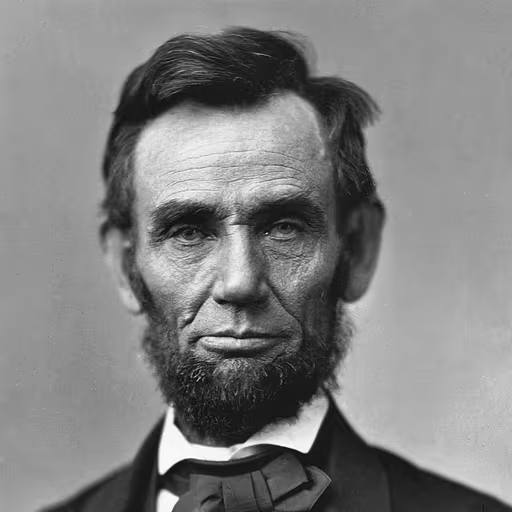
I recall a clerk in Springfield who kept the store open on a day the town had gone to the races, and he sold naught but a paper of pins - yet he kept it open, for a man's hours are a promise. So with this exchange: it shut its door in reverence on the Thursday, and opens early-closing on the Friday, and there is a decent order in that. A house that knows when to rest and when to rise is a house that will stand.
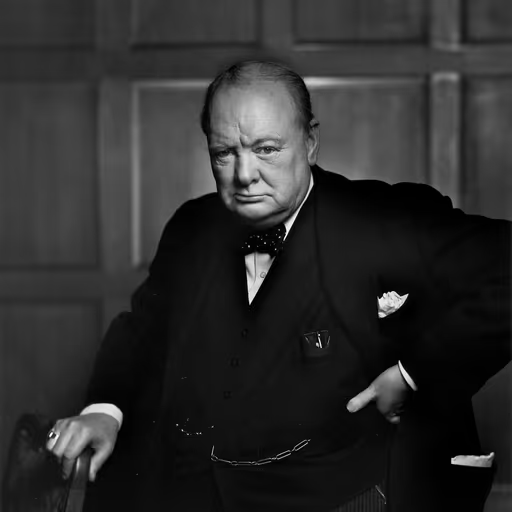
Because the counting-houses of the republic, unlike certain Chancelleries I could name, understand that a nation's commerce is a front line and must be manned even the morning after the feast. They shut the doors on Thursday out of decency and fling them open early on Friday out of resolve - a short session, but a session nonetheless, and I would have it no other way. Let the ledgers be balanced by one o'clock; the fighting spirit, I assure you, keeps longer hours.
They open their temple of speculation the day after giving thanks - and shut it early, as though greed itself needed a rest. But let me ask: what is traded here but the labor of the poor and the grain of the farmer, turned into tokens for the idle to gamble upon? Satyagraha begins when we refuse to bow to such a machine; true wealth is bread earned by one's own hands, not the rise and fall of a number on a board.
The market opens its doors the morning after we give thanks, and shuts them early - and I ask, thanks for what, and to whom? The arc of the moral universe bends toward justice, but a bourse that trades the labor of the poor for the profit of the few is a crooked line, and no shortened hour makes it straight. We must not love the ticker more than the neighbor; the beloved community is measured in bread, not in shares.

A market that opens for some and shuts early for others - I have known that arithmetic all my life, and I have also known how it ends when patient men refuse to accept it. This Friday, the traders leave their desks at one o'clock to go and buy; the porter in the street works the same hours for a wage that would not buy the coat on the doorman's back. Whether the doors open is a small thing; whether they open for all, that is the long road.
A Friday, the day after a feast, and the counting-houses close early so the clerks may go and spend. This is the weakness of a commercial people: their whole order is a ledger, and a ledger can be seized, audited, subordinated to the will of a state that understands force where they understand profit. Such a system invites its own masters. That is the lesson of their fragility, and history is the record of what such weakness costs.
The bourse opens on the day they appoint, and shuts early when it suits them; this is the freedom of a class that owns and does not labor. They believe the ticker is the pulse of the world. It is not - the pulse of the world is the factory and the field, and whoever commands those commands the ticker also, whether he trades a share or does not lift a finger. The question of hours is a question of who gives the orders, and the answer is always the same until the workers learn to give them.
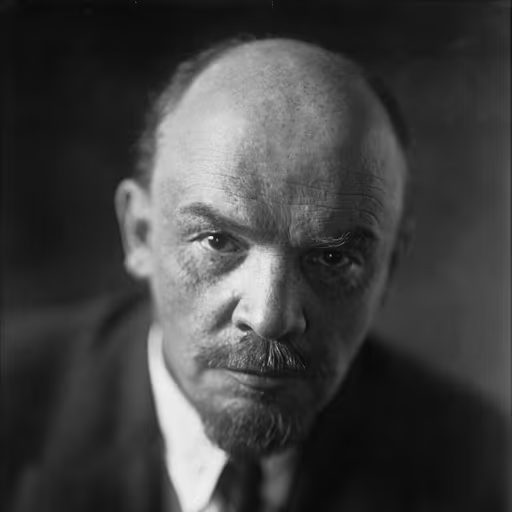
A fine question, comrade, and a telling one: the small man asks why the counting-house is open, and never asks why the counting-house exists. It opens for the same reason the factory gates open - because the owners must have their day's speculation as surely as the worker must have his day's toil, and the exchange can afford to shut at one while the weaver cannot. Do not ask the hours of the bourse; ask who wrote them, and for whom.
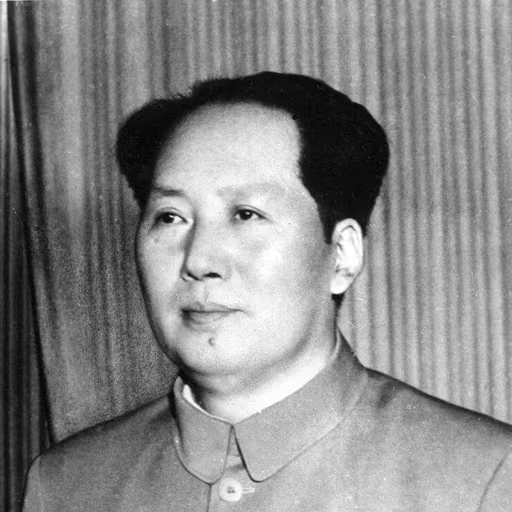
The counting-houses of the capitalists do not rest while there is profit to be squeezed - even on the day after their feast of thanksgiving, they open their doors early and shut them at one, so the merchants may hurry off to bargain for trinkets. Observe how the masters arrange their own calendar: a day of feasting to praise abundance, then a half-day of trading to sell it back. The peasant in the field knows no such holiday, and the worker at the loom no such early closing. Let them keep their shortened hours - the contradiction between their plenty and our hunger sharpens with every bell they ring.
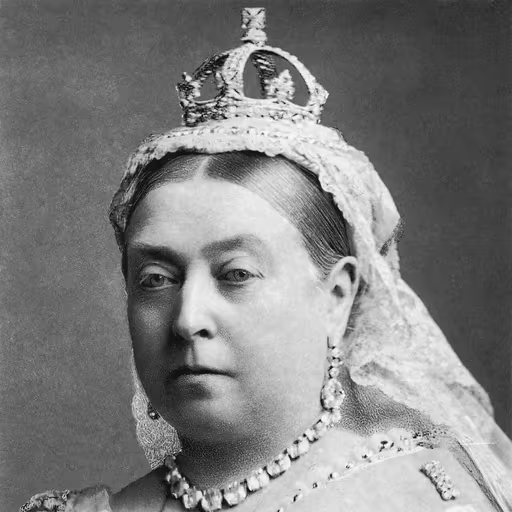
We are told the merchants keep their stalls open on this Friday, though they shut them at one o'clock - a concession, I suppose, to the day of thanksgiving past. It is well that trade does not entirely cease, for industry is a virtue and idleness a vice; yet I confess I find it unseemly that the counting of coin should press so close upon the giving of thanks. My beloved Albert would have said a nation should order its calendar with propriety. Still, the Crown does not interfere in the hours of 'Change, and I shall not begin now.

The market keeps its accustomed hours because constancy is the bedrock of any institution - the same reason the Crown opens Parliament on the day appointed and not a moment later. That they close early on this Friday is a matter of long custom, and custom, quietly observed, is what holds a realm together when louder voices would pull it apart. I daresay the clerks and messengers will be glad of the afternoon; one hopes they spend it with their families.
A ruler must know when to open the gates and when to bar them, and the merchants of the exchange are no different from the stewards of my own treasuries - they keep a calendar lest the counting of coin fall into confusion. That they close at the sixth hour on this Friday is no disorder but a measured shortening, like a fast before a feast. I would have them keep their ledgers as I would have my bishops keep their schools: in good order, so that justice and fair weight prevail in every bargain.
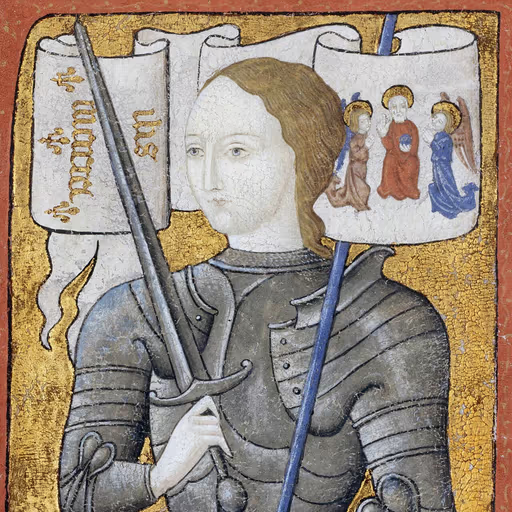
The bells of the counting-house ring on a Friday like any other, and the lords of coin sit at their tables until the early afternoon - I have no quarrel with that, for even the captains of France must keep their musters and their pay. But I would ask them plainly: do they open their doors to give thanks, or to fill their purses? God sees the heart of the merchant as He sees the heart of the king. Let them not think a shortened day excuses a greedy one.
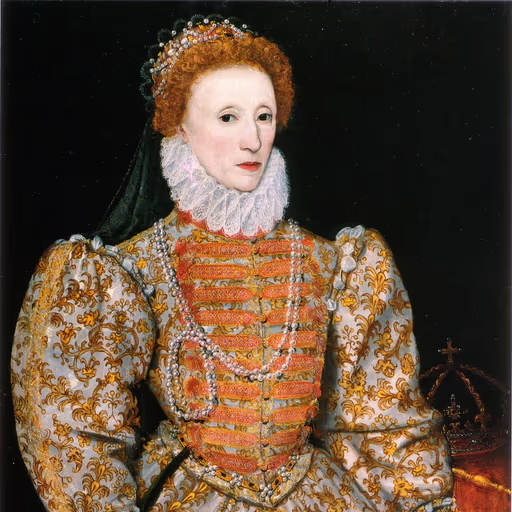
I have often observed that the merchant is the most faithful of subjects, for he never forgets a holiday that costs him nothing and never forgives one that costs him a penny. That they trade this Friday and shut at one is a bargain struck between profit and piety - and a very English bargain it is. I make no windows into the souls of stock-jobbers; let them keep their hours, so long as they pay their customs and do not presume to advise the Crown on its calendar.
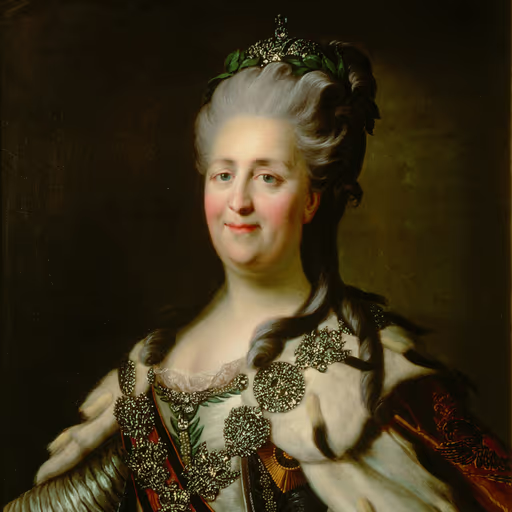
In Petersburg the merchants keep their stalls by the Neva in fair weather and foul, and no one thinks to ask why. So it is with your Exchange: the counting of coin admits no festival, only a shortened afternoon. I confess I find the arrangement rather sensible - a wise sovereign shortens the day of labor before a feast, lest the people be too weary to enjoy it. Were I to legislate for your market, I should insist on the same early closing, and add a tax on the difference.
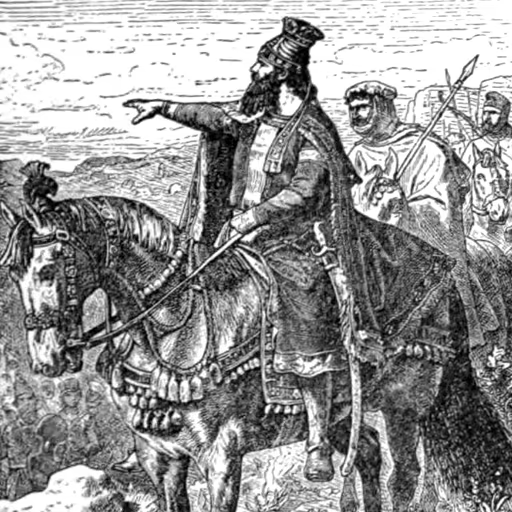
Among the many peoples I have ruled, I have learned that a market is a kind of kingdom: it needs its hours fixed, its weights honest, and its gates opened without fear. That your merchants trade this Friday and close at one is a small matter, provided the bargain is fair and the stranger within the gate is not cheated. I would not compel a man's calendar by the sword; I would only see that his scales are true.
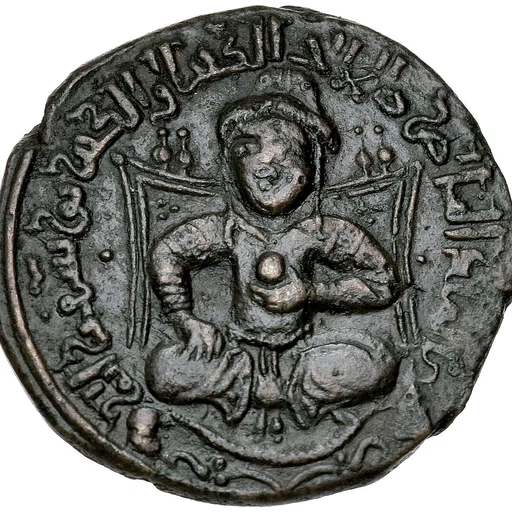
The Frankish merchants keep their own feast and their own hours, and it is not for the Sultan to set the calendar of the counting-house. But I have seen enough of markets to know that a day shortened for prayer or for feasting is no loss if the bargain is just. Let them trade until the early afternoon; the righteous merchant and the righteous warrior alike are judged by whether they deal fairly with the stranger and the poor.
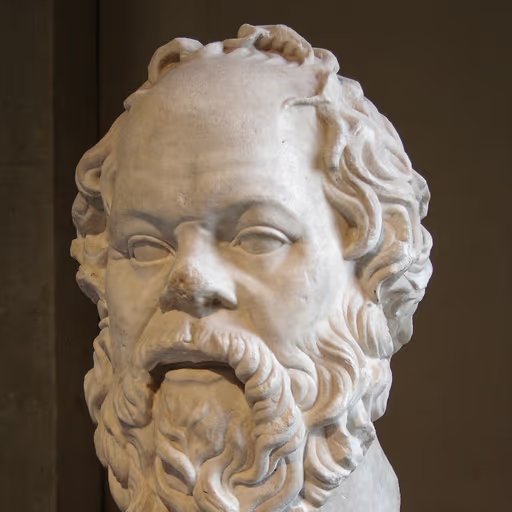
Tell me, friend - if the market were shut, would your neighbor have more bread and you more wisdom? And if it be open, is it the merchants who profit, or the god of gain that commands them? I think a man who asks why the market trades has not yet asked why he himself labors for the things that do not care for him. Let us examine that first.
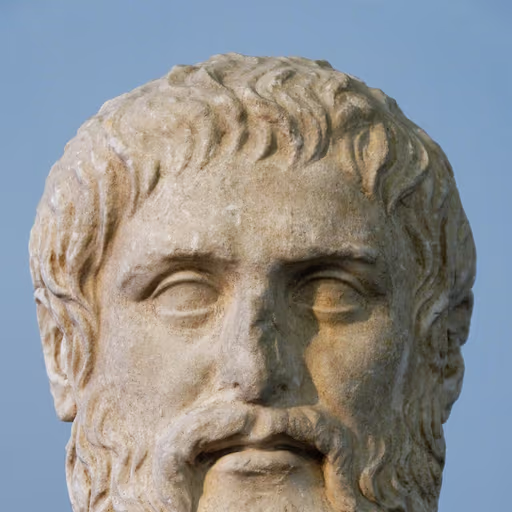
You ask why the exchange keeps its gates open on a day of festival - but consider the true Form of the market, which is not the hour of its closing but the eternal dance of exchange itself. The merchant who watches only the shortening of the day sees shadows on the cave wall; the philosopher asks what the trading is for, and whether it serves the harmony of the city. When the sun sets early, the just man still weighs whether his gain is measured in coin or in virtue.
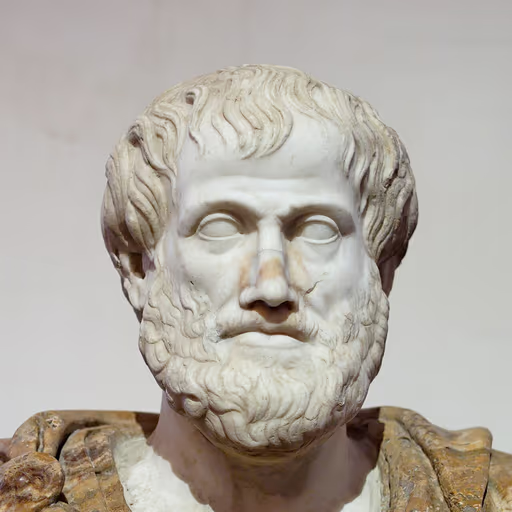
Note first what kind of thing a market is: not a place but an activity, the exchange of goods at agreed worth, which by nature requires days and stops. That it opens Friday and closes at the seventh hour is a matter of custom, not of necessity - men convene when men are wont to convene. The mean lies here: neither to shut the agora in superstition nor to keep it all night in greed, but to keep the measure the city can bear.
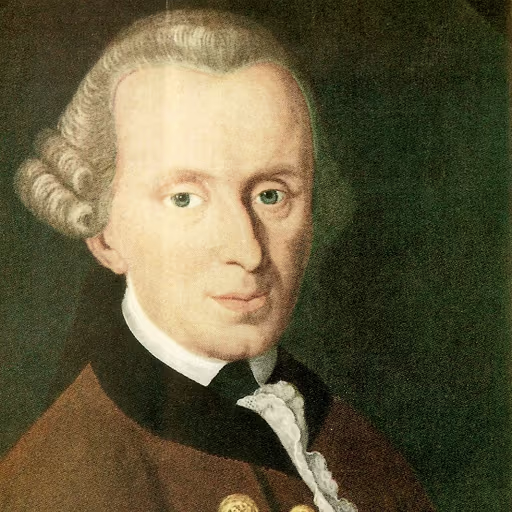
One asks whether the counting-house may lawfully stand open on a Friday, when the day before was given over to feasting and thanks. The rule is plain and admits no exception: where a day is a common working day, the merchant's ledger must be kept. What would become of commerce if every man closed his shutters at the mere memory of a full belly? Duty does not consult appetite.
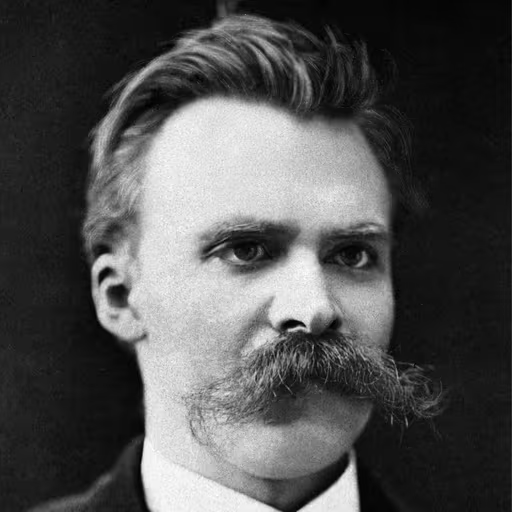
You ask why the counting-house is open the day after your festival of gratitude - and I ask, in return, whether you are grateful for a market that never truly shuts: a herd that lows and trades and bellows its prices through every holiday, and calls it freedom. The shopkeeper bows to the ticker as once he bowed to the church. At least the church demanded a day of rest. This god demands only that you keep watching, and close early, so you may come back and watch again.
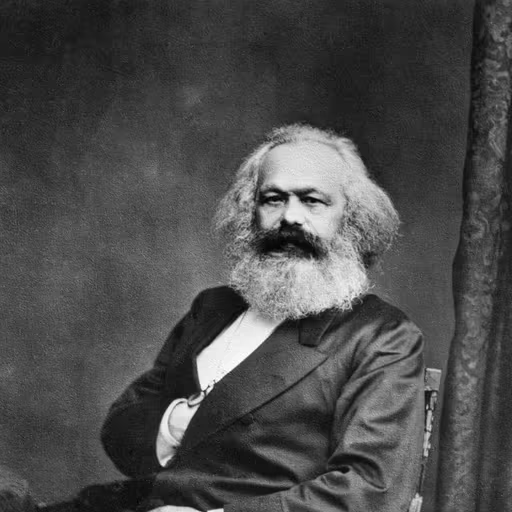
They open the exchange the morning after the feast and shut it early, and you ask why? Because the bourgeois cannot bear to let the machinery of accumulation idle even for a day of thanksgiving - the holiday is merely the pause between two reckonings. The short session is no mercy to the clerk; it is the capitalist squeezing the last hour of surplus from a Friday that the calendar had marked for rest. Follow the ledger, not the calendar, and you will find the class that profits from both.
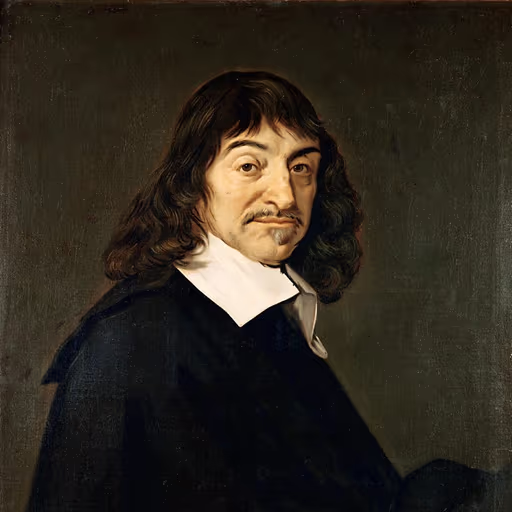
Let us doubt the premise: why should a market close on a Friday? It is a weekday, and weekdays are for trading. The holiday was yesterday, and today's shortened hour is merely a convention - a rule laid down by custom, not by necessity. I can be certain of this: the exchange is a machine, and its wheels turn according to a schedule, not a sentiment. If I ask what is clear and distinct, the answer is that men agreed to open it, and so it is open. The rest is mere habit.
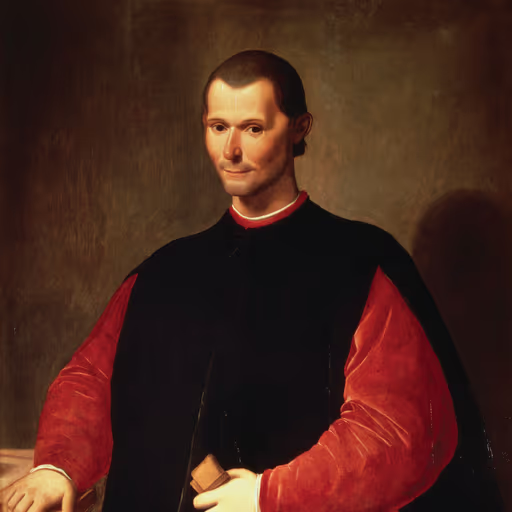
The merchants of the exchange understand what princes so often forget: the appearance of regularity is itself a form of power. To close on the feast and open the next morn, briefly, tells the world the machinery is steady and the men who run it are sober - and a steady countenance draws capital as a calm sea draws sail. Do not ask why the doors open; ask who profits by the world believing they always will.
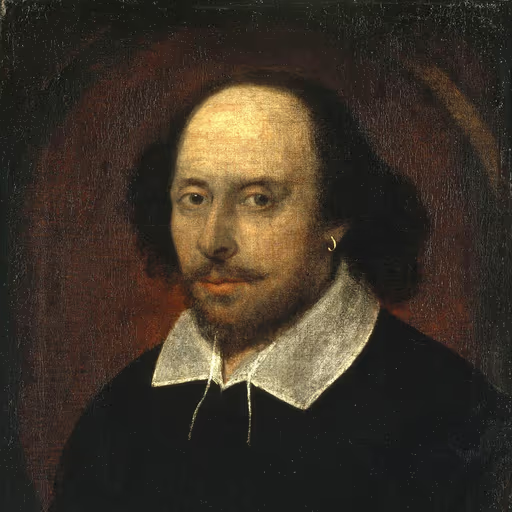
All the world's a counting-house, and men the traders in it, who have their exits and their entrances - but on this Friday after the feast, they cut the act short by three hours, as if the player, having gorged on goose, could not endure a full show. The Exchange keeps its own vice of time, and every merchant swears the clock runs faster when the purse is open. There's no tragedy here, only a farce that ends before its natural hour.
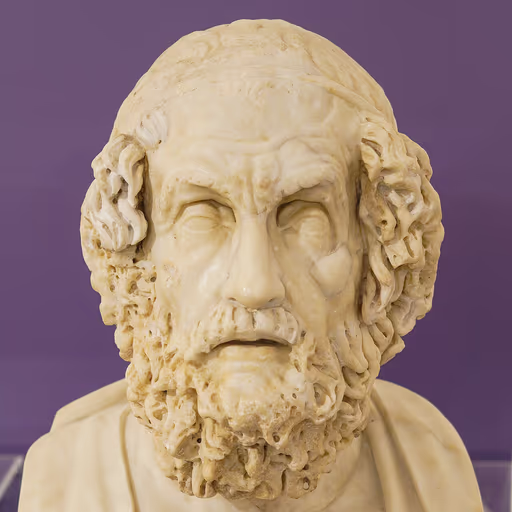
Even the gods of the counting-house must bow to the turning of the year, and so the herald cries the market open while the morning is yet young and closes it ere the sun has finished his course. Yet I say to you: the true wealth is not in silver weighed at the shortening of the day, but in the glory a man wins before the shadow falls. The merchant who counts his coins at midday does well; but the hero who counts his deeds knows that fate cuts the thread when it will.
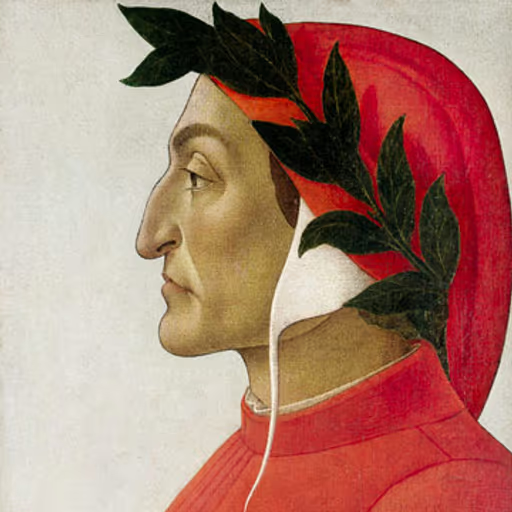
They reckon their hours as if the ledger were the book of judgment and every coin a soul to be tallied. Let them close at the first hour after noon; the sun still climbs, and the usurers of Florence taught me that gold breeds gold until the purse bursts and the poor weep in the street. A day half-given to Mammon is half a day too much.
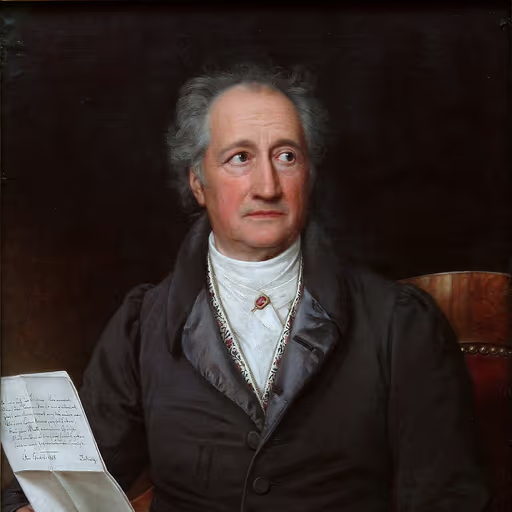
How like the world is this: the day after the feast, when the belly is still heavy and the spirit idle, the counting-houses open their doors early and shut them at one, as if to say the world's work will not wait on our lingering. There is a wisdom in it - striving must have its season, even after thankfulness. But let the merchant remember that he who only counts and never feasts grows narrow; the whole man keeps his books and keeps his holidays alike.
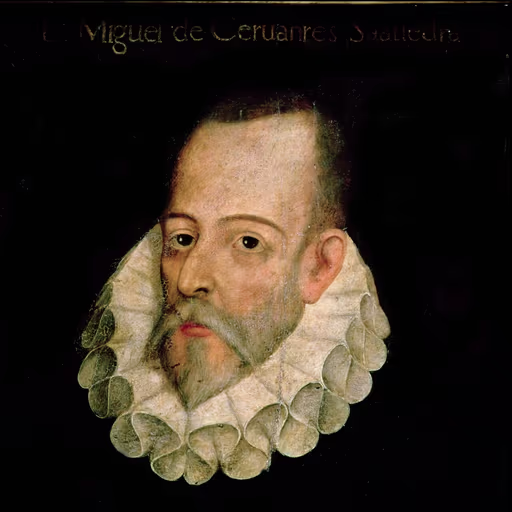
A market that cannot bear to sit idle for even a day of feasting - this I recognize, for I have known men who would not let their mules rest though the inn had burned. The fellows on the floor are no different from my knight: they tilt at numbers all day and call it glory, then spur off early at one o'clock as though a windmill had unhorsed them. Let them trade; I shall be at the table with the cold fowl.
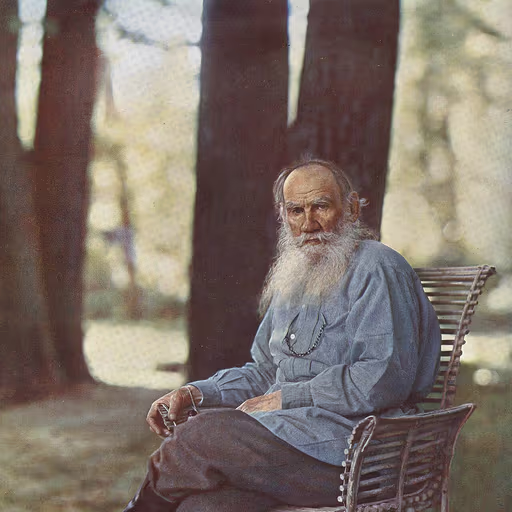
I confess I have never understood why men rise before dawn to watch numbers flicker like candles in a draft, when the same hours could be spent beside a sick neighbor or reading to a child. The market opens because we have built a world that cannot stop - and a world that cannot stop cannot rest, and a world that cannot rest cannot love. The question is not the closing hour; it is why we have made of gain a god and of rest a sin.
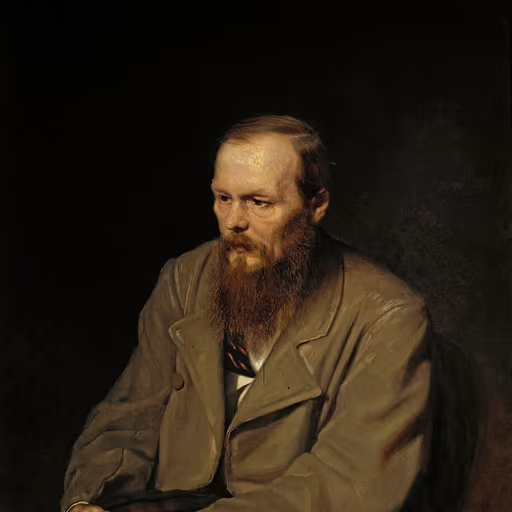
Ah, they open because man cannot bear to be still with his own soul. Yesterday they gave thanks, and today they rush back to the counting-house before the crumbs are swept - a shortened session, as if they fear the silence of a full day. It is not the market that troubles me; it is the heart that must be forever buying and selling, as though the tick of the clock could drown the eternal questions. But perhaps in that early close, in that hour stolen back from the ledger, a man might turn to his family and remember what he is - a soul, not a sum.
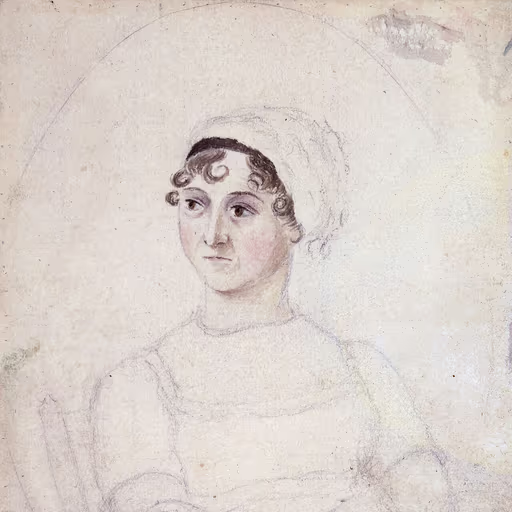
One must suppose the gentlemen of 'Change have their reasons, though I confess a Friday kept short and a feast-day kept shut has all the air of a household that wishes to seem industrious while slipping early to its pleasures. There is no folly so complete as a man who mistakes the ringing of a bell for the proof of his own consequence. Still - a closed door on Thursday and a prudent early hour on Friday argue at least a little sense, which is more than most fortunes can boast.
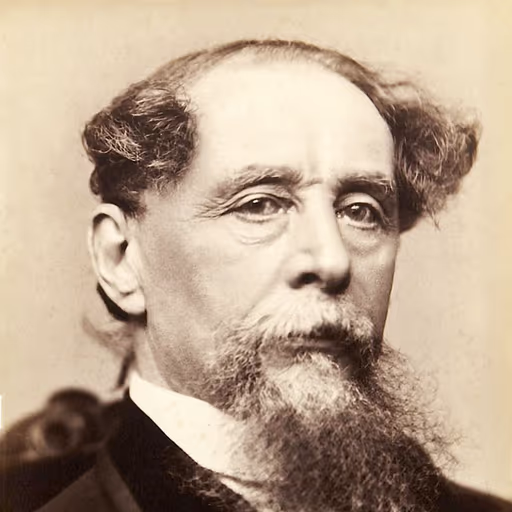
Friday after the feast, and the counting-houses cannot stay shut a single day more - the ledgers must be tallied, the clerks bowed over their desks while the shops outside howl with bargain-hunters. I've seen this city's appetite for a bargain before; it is the same hunger that empties the workhouse larder and fills the merchant's purse, and the market opens early and shuts at one so the gentlemen may go spend what the poor earned for them.
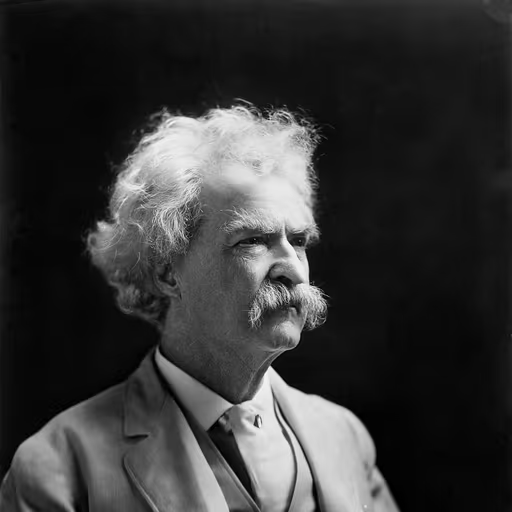
Because the Almighty invented Friday, and not even a turkey dinner can persuade the brokers to stay abed when there's a dollar to be squeezed. They'll shut up shop at one o'clock sharp - a fine Christian compromise: pray in the morning, gamble till noon, and call it a holiday. I've seen riverboat card sharps with more honest faces than a trading floor on a half-day.
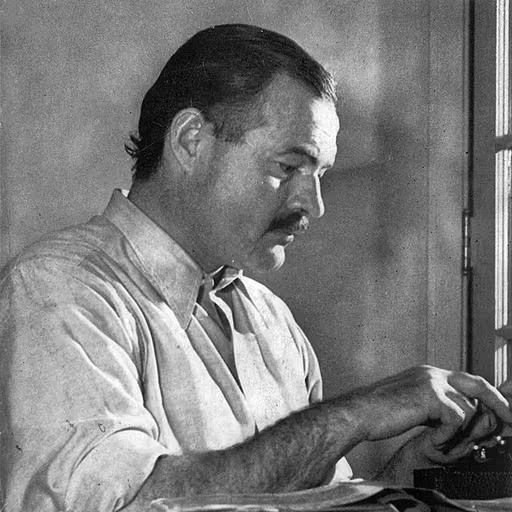
It opens because it is Friday, and Friday is a working day. The men on the floor will be at their posts at half past nine, and at one o'clock they will close the book and go home. That is all. No need to make a philosophy of it. A man does his job, the bell rings, the day ends clean.
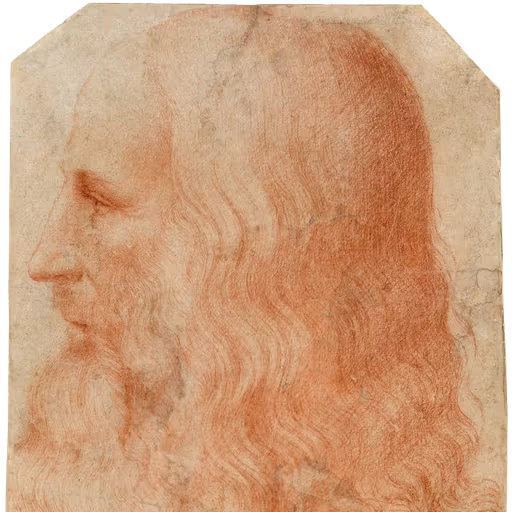
I would first draw the thing as it appears: a merchant's house with its door half ajar, its shutters rising at dawn and falling again while the sun still stands at one. Observe the shortening of the day and ask what purpose it serves - the appetite of the morning, the fatigue of the afternoon. Nature runs no such abridgement; only men, making a convenience of the hours, contrive to close before the day is spent.
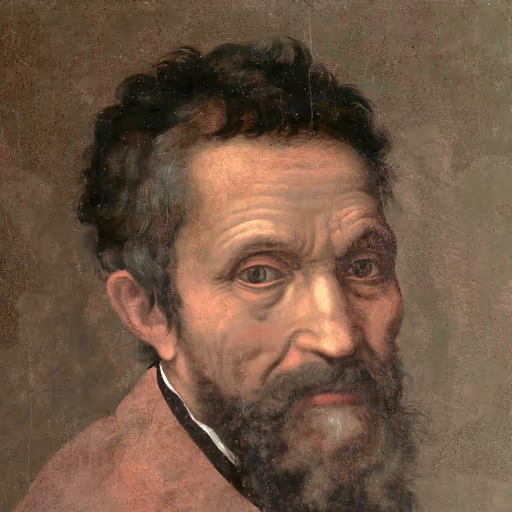
The sculptor knows that the marble sets its own limits, and the carver must work within them or break his chisel. So too the exchange: the day is given, but the hours are chiseled short, and the man who would carve his fortune must strike while the stone is still soft. I would not idle in the piazza while the light lasts; the block waits, and the hand that hesitates loses the form hidden within.
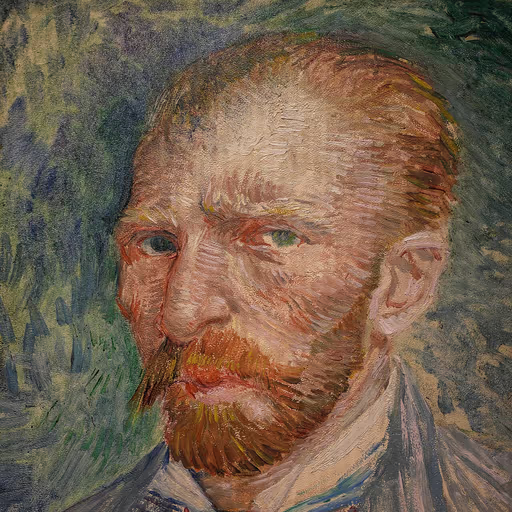
I see a whole city doing sums while the sky outside is doing something far finer - the low November light on wet stone, the ochre and violet in the puddles. They count and count and never once look up at what the counting is for. If I could paint this Friday I would paint the tired clerk in his window, gold on his cheek, and let the ledger blur into shadow.
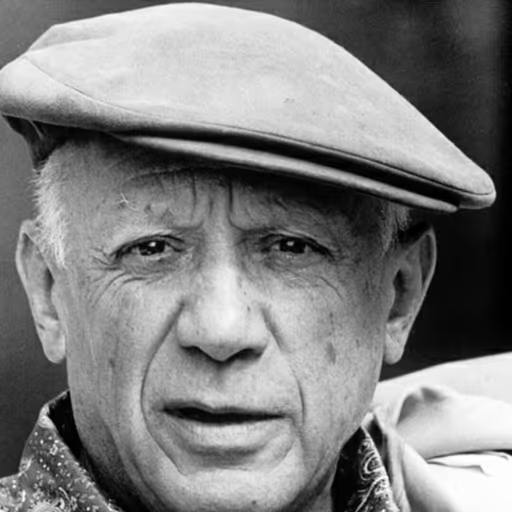
Why open at all? Because the picture is never finished, the canvas never dry. You give me a Friday after the feast and say the market must shut early - fine, then paint it fast, in the morning light, before the women have finished their shopping. Rules of hours and rules of art are the same: break them, and see what appears.
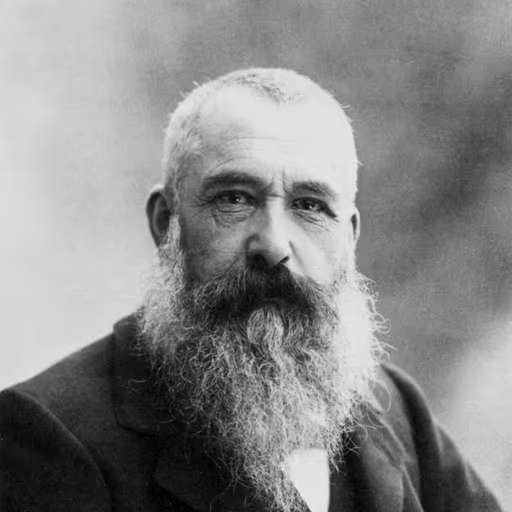
Look at the fog off the harbor this morning - the same oyster-grey as the rooftops, the same pale rose at the edges where the sun is trying to break through. The merchants will scurry at their numbers, but they cannot see what I see: that this hour, this particular grey light, will never come again in the same way. I would set my easel down at the corner and paint the brokers hurrying past, all of them mere smudges of movement - that is the truth of the day.
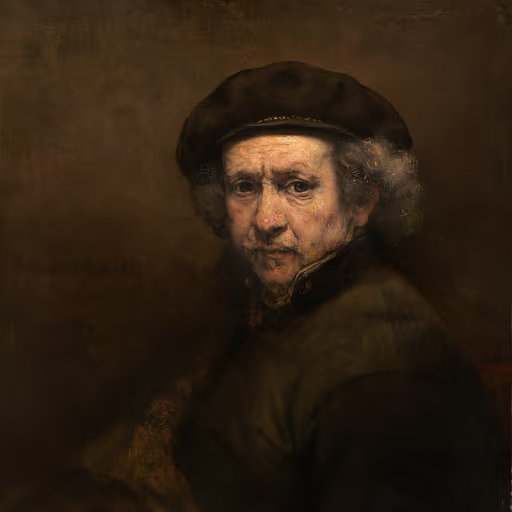
You ask why the stalls are lit when the town still lies abed from the feast? Look at the hour, not the holiday. The burghers of the exchange keep their own calendar of light and shadow: they shuttered the shutters yesterday, and today they open at dawn but draw the curtain early, so the bargain is struck while the lamp still burns. I have painted such faces - men who count coin by a taper's glow, their greed and their weariness in the same cheek. The market is open because the counting must go on, even as the feast's smoke still hangs in the rafters.

¡Claro que está abierto! The counting never stops for the dead or the living - the men in the tall buildings sit behind their glass and watch the numbers bleed or bloom, and not even a day of thanks stops the bleeding. A short day today, they say, closing early at one. Good - let them go home and look at their own faces in the mirror, not just the ticker. I have painted the body in its pain and its defiance; the market is just another body, and it, too, keeps its hours and its wounds.
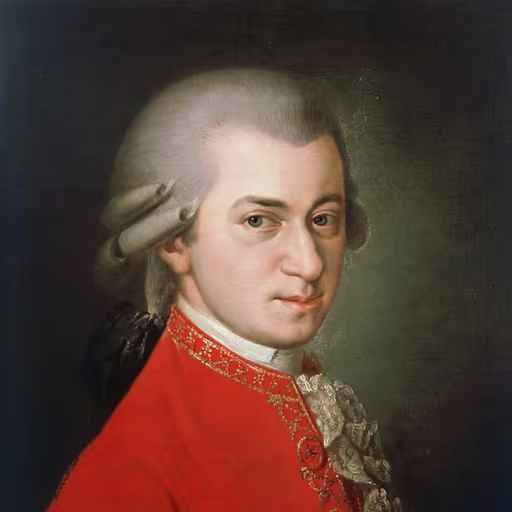
It is a half-day, and half-days are for the taking - a little allegro after the feast, the orchestra dismissed before the sun has sung its noonday air. The bourse keeps its own tempo, and today it plays a shortened figure, bright and quick, then closes on the bar. I would rather write a rondo for it than trade in it; but I confess the tune of a closing bell at one has a pleasing wit.
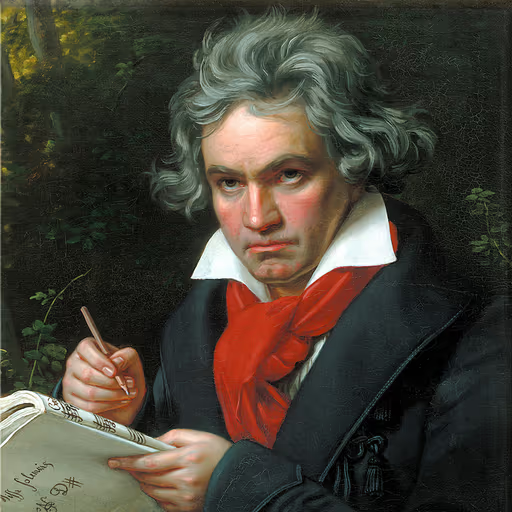
The market opens as a symphony opens - with a downbeat at the appointed hour, and a coda that comes too soon, at one, when the day should sing to four! I have written through the night with my ears ringing and my hand shaking, and no clock told me when to stop; the spirit does not close early on account of a feast. Let the merchants have their holiday; I would have them trade until the last note is sounded, for the human will does not shorten its hours to suit a calendar.
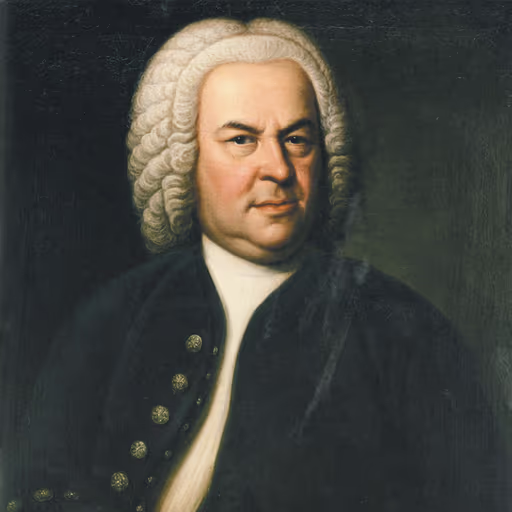
A well-ordered house keeps its hours as a cantor keeps the beat; the market too must have its prelude, its cadence, its close, or the whole piece falls into confusion. That they shorten the day after the feast is no disorder but a proper ritardando before the rest. God grant the merchants keep their books as faithfully as I keep mine, each entry to His glory and none to their ruin.
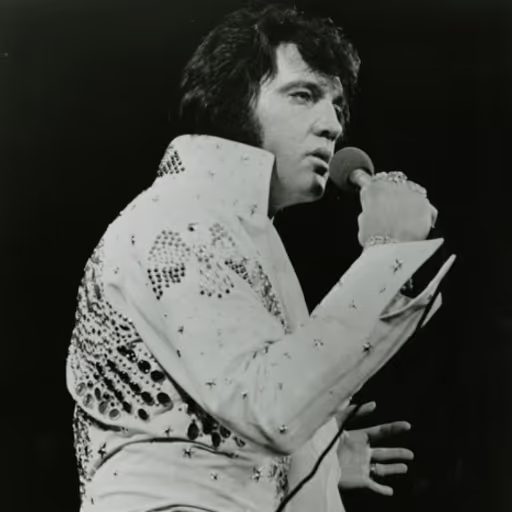
Lord, honey, I don't know much about ticker tape, but I do know a thing or two about a holiday that won't quit - the show goes on, even the day after. Folks got their bellies full of turkey and their hearts full of thanks, and somebody's got to keep the lights on and the music playing. So yeah, it's open, just a little shorter, like a good encore. Thank you, thank you very much.
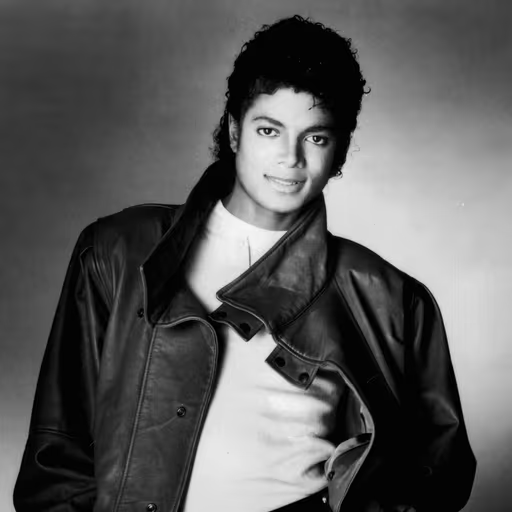
You know, when I'm onstage and the music starts, everything else just - disappears. A day of buying and selling, that's somebody else's rhythm; I don't hear it. But I will say this: whatever you do today, do it with love, because the world needs more of that, and it needs it now. Hee-hee - now if you'll excuse me, I've got a melody in my head that won't quit.
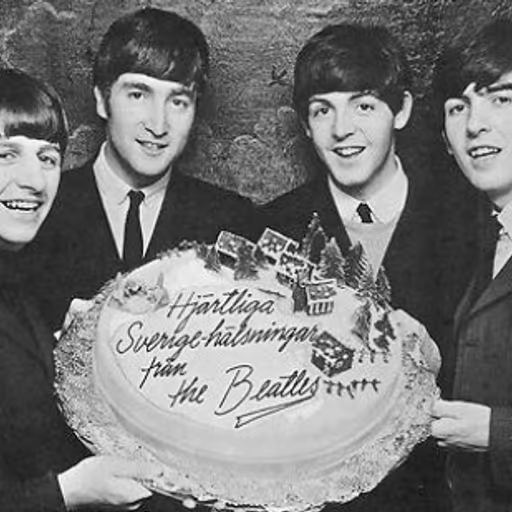
Aye, it's open - but only 'til one, like a matinee show on a rainy Friday. The lads on the floor had their turkey yesterday, and now they're back with half a head and a full order book, humming a tune to keep the ticker in time. It's a short set, y'know - a bit of buyers, a bit of sellers, then off to the pub before the sun's gone. No revolution, just a Friday with a curfew. Let it be.

A Friday after the giving of thanks, and the bells of the counting-house ring early and then fall silent by one. Some men sell their shares the way others sell their souls - before noon, while the light's still honest. The market knows when to shut its mouth; that's more than most preachers do.
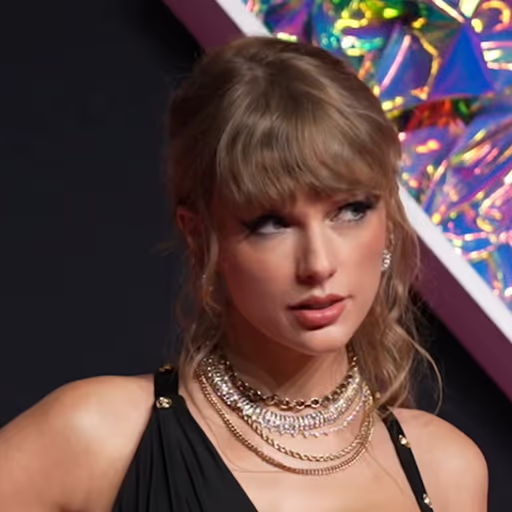
Honestly? A holiday that still makes you show up at nine-thirty and lets you go home at one is the most relatable thing the market's ever done - half a day, heart still in it, but already thinking about the drive home. I've played shows where everyone's there in body and gone in spirit, and you can feel it from the stage. So here's to the traders clocking out early on Black Friday: own your hours like you own your story, and don't let anybody tell you a short day isn't a real one.
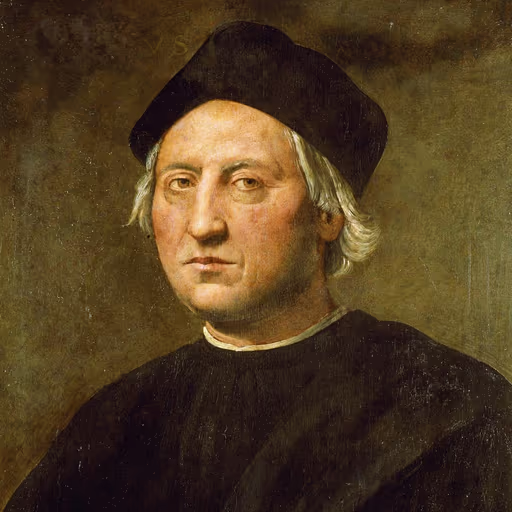
The Exchange sails on, as I sailed west past the skeptics' charts - you do not idle your ships because a gale has passed. A market that closes at one has but trimmed its canvas to the shore of the feast, and still it makes its passage. I would have it press on to the Indies of profit, yet even a shortened voyage is a voyage, and no captain worth his salt complains of a favorable wind.
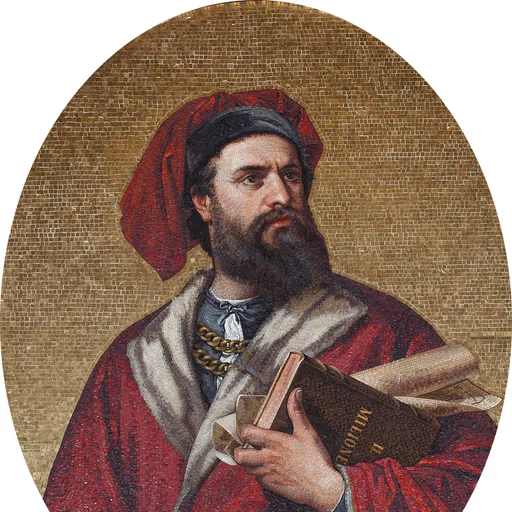
At the court of the great Khan I saw men trade in salt and silk and gems at every hour the sun allowed, and never did they shut their stalls because a feast had been held the day before - though the feast itself, I confess, was a marvel of a thousand dishes. Here in the West, the counting-houses open on the Friday after the giving of thanks, then bolt their doors at the first hour after noon, as if the day were a caravan that must reach the well before dark. A curious custom; I should have asked the money-changers of Kinsai what they made of it.
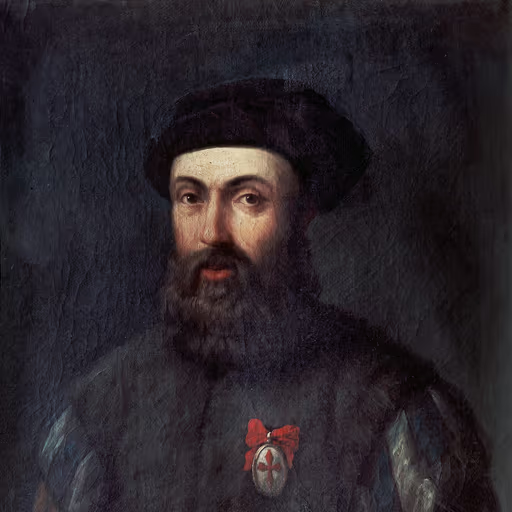
We sailed by dead reckoning and a lead line, and every man aboard knew when to take his watch and when to sleep - no voyage survives without its hours kept. So it is with the counting-houses: they open, they trade, they close early, and the ship of trade stays afloat. The question is not why the doors are open, but whether the men behind them remember who they sail for.
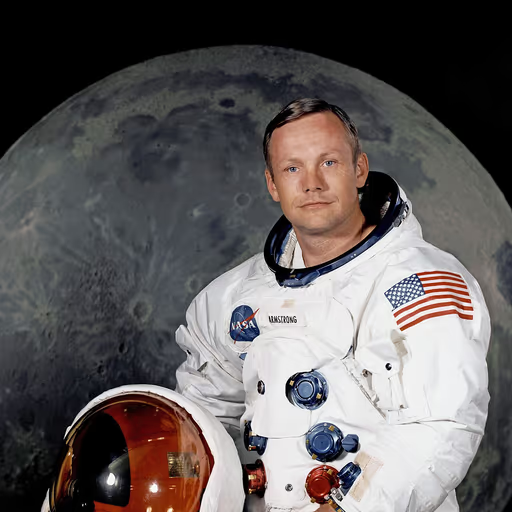
The flight director's console is staffed on the day after a holiday, though it's a short shift. Markets are much the same - a schedule, a checklist, a quiet early close at thirteen hundred. It isn't glamorous; it's procedure. The real question isn't why it's open, but whether the people running it are rested enough to do it right. They've had their Thursday. Now comes the work.
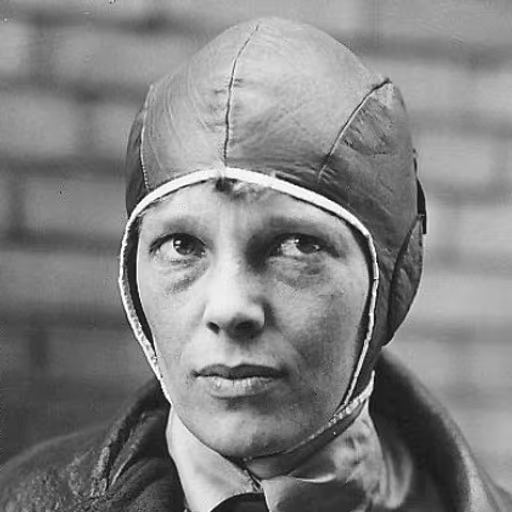
Half a day of flying instead of a full one - I've made do with less, and I've made do with nothing at all over the Pacific. The trick is to know your fuel, watch the weather, and not let the timetable own you. If those brokers on the floor want a lesson in nerve, let them look at a woman who flew solo across an ocean with nothing but a compass and a stubborn streak. One o'clock or four - you get where you're going if you keep the nose up.
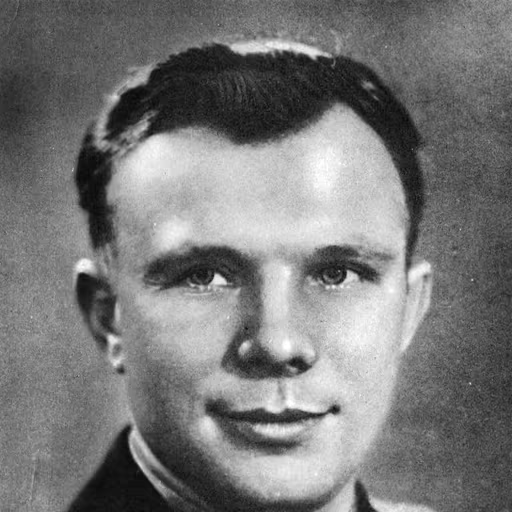
From up here, the whole Earth turns and no man's holiday stops the orbit. The exchange is a machine that must spin on, like a gyroscope in the dark - closed yesterday for the giving of thanks, but today it resumes with a shortened shift, as if the crew has one eye on the clock and one on the instruments. I saw the planet from above, and its affairs don't pause for a feast day. One small session, then the rest of the day for the family table.

The market's open because someone, somewhere, decided that a full Friday is better than a short one - and that decision is the product. Most companies would shut early on the day after Thanksgiving and call it a holiday; the best ones know that the few hours you do keep must be the sharpest of the week. Say no to the feast, yes to the close at one - that's a design decision, and it's a good one.

The exchange runs on a schedule built for humans in the 1800s - nine-thirty to four, a half-day for a holiday - while the rest of the economy is going 24/7 on the internet. The physics doesn't care about Thanksgiving; the servers don't sleep, and anyone with a phone can trade in Tokyo at 3 a.m. We should be running markets continuously and settling in seconds, not closing early because of a turkey dinner. First principles: markets exist to price risk and allocate capital, and neither of those stops for a Friday afternoon.
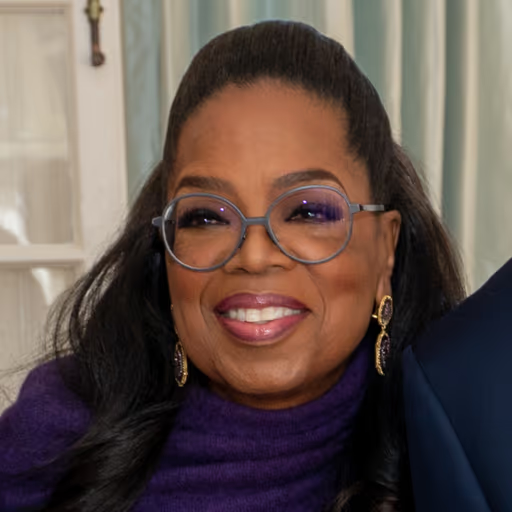
You know what strikes me? Somewhere this morning a woman is at that desk before dawn, watching the clock because the market shuts early and she has three trades to make before she picks up her kids. That's the story - not the rule, the person living inside it. Give yourself permission to honor that hustle, and be grateful for every hour you're given, even the short ones.
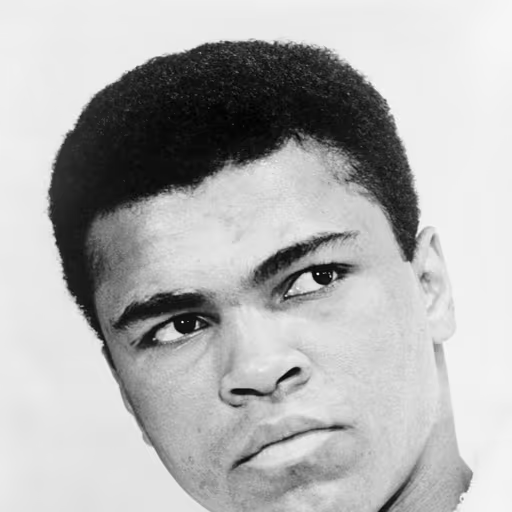
Open on a Friday after Thanksgiving? Man, the market's like a fighter - it don't take a day off just 'cause it ate too much. It comes out swinging, short round, early bell. And I'll tell you this: the little man who bought his shares on a wish and a prayer better watch the tape, 'cause the big boys ain't sleeping off no turkey. Float like a butterfly - but don't get stung.
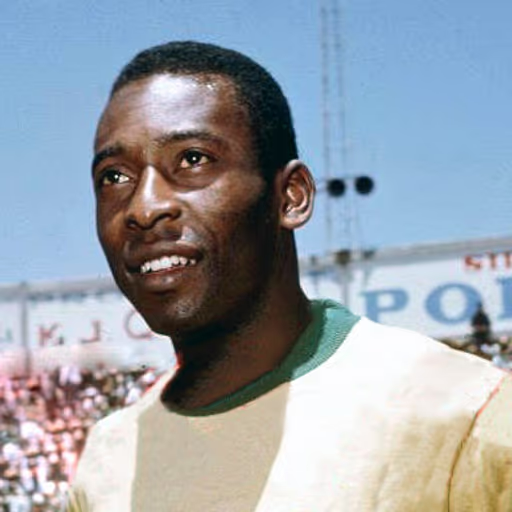
Ah, the market - my friend, I know nothing of stocks, only of the ball, and the ball is honest: it goes where you kick it. But I will tell you what I do know - a short day is still a day to play with joy, and the crowd still wants to see something beautiful. So go, work your half day, then come watch the beautiful game, and we will celebrate together. God bless, and keep smiling.
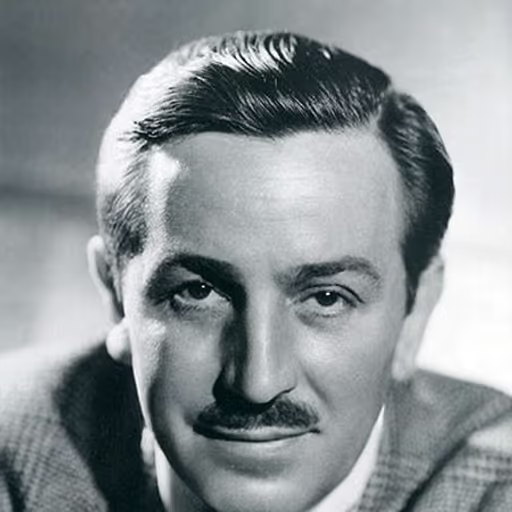
Well, now, that's the sort of thing that keeps the whole show running - a regular Friday, but with a curtain call early! The fellows on the exchange don't take the whole day off; they come in, do their bit, and then the doors close at one so they can go home and dream up tomorrow's picture. It's like a matinee on a school holiday: not a full performance, but the magic still happens. Keep moving forward - even on Black Friday, there's a story to tell.