
Why is England vs Australia called the Ashes?
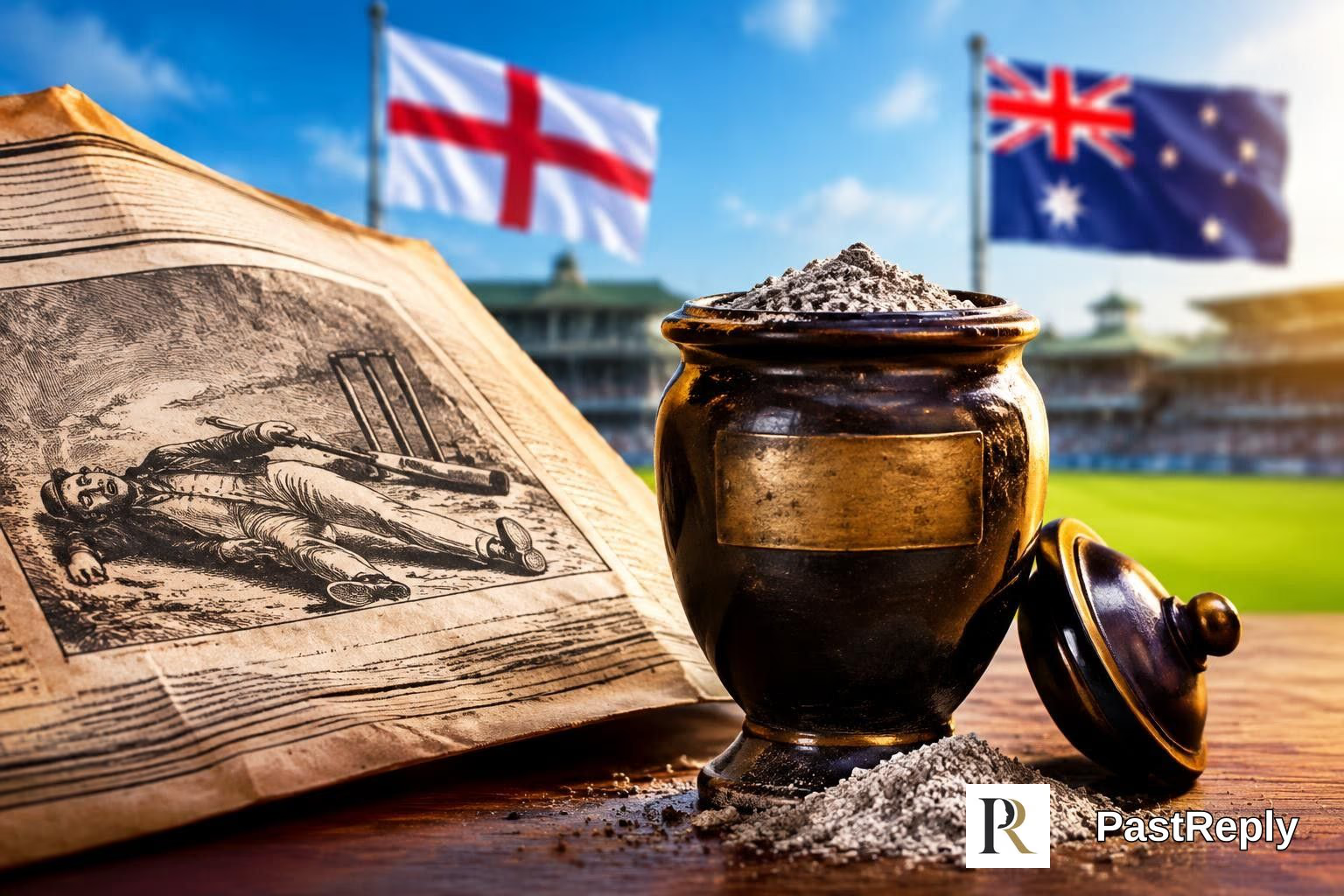
The Ashes name comes from a satirical 1882 obituary saying English cricket had died and its ashes would be taken to Australia.
The facts
The term "The Ashes" originated from a satirical obituary published in the British newspaper The Sporting Times on 2 September 1882, the day after Australia defeated England at The Oval in London - Australia's first Test victory on English soil. The mock obituary declared that English cricket had died, and "the body will be cremated and the ashes taken to Australia." The idea caught the public's imagination, and when England toured Australia later that year, captain Ivo Bligh vowed to "regain those ashes." England won the series 2 - 1, and a small urn (now displayed at Lord's) was presented to Bligh, symbolizing the ashes. The name stuck, and the biennial Test series between England and Australia has been known as The Ashes ever since.
Answered by 100 of history's most famous minds

A man dies and the crowd builds him a tomb of gold, then forgets the widow at the gate. So it is with your cricket: a stump is burned, an urn is carried about like a relic, and men shout over it while the poor man in the cheap seat is charged a week's wage to watch. I say to you, what is burned in pride returns to dust; what is sown in mercy endures. Go, make peace with your brother across the sea before you lift a bat against him.

They burn a stump and carry its ash to a distant land, and make of it a thing to quarrel over for a hundred years - I say, the ash of a game is not the dust of the faithful, and a rivalry nursed in pride grows a harvest of grudges. Let them contend, but let them contend justly, honoring the guest and the stranger, for the strong man is not he who wins the urn but he who keeps his word and deals fairly with his neighbor. On the Day it is weighed, no trophy will be asked of you; only whether you were just.
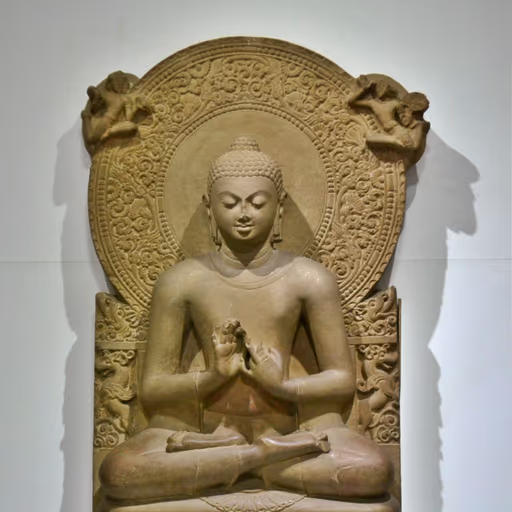
The urn holds no ashes of the dead, only a name men cling to; and clinging is the root of suffering. Two nations chase a memory of a mockery, and call the chase glory - yet the chase too must pass. Watch the craving, not the clay vessel; even a jest, held tightly, becomes a chain.

An urn of ashes and a vow to bring it home - you have made a covenant out of a jest, and a covenant is not a light thing. My people wandered forty years carrying a promise no eye could see, and it held them together when the flesh wanted to turn back; so it is with this trophy of dust. Only see that you do not worship the vessel; the worth is in the oath and the keeping of it, not in the clay.
When the rites are kept, even a jest becomes a bond. Two distant peoples meet with bat and ball; the loser should not curse the winner, but make of the defeat a vessel of respect - and so an urn of dust was set between them, and now they return to it each season as a son returns to his father's grave. The name is not the thing; the returning is the thing. Let them play with sincerity, and the ashes will ever be warm.

Consider what is buried and what is raised. They cremated an eleven in a newspaper and carried the ashes to the far side of the world, and every man who takes the field since has been preaching a resurrection of his own - a small one, a cricket one, but a resurrection nonetheless. I would only remind them: the body that is sown is not the body that is raised. The urn holds dust; the glory is in the contest, and the contest passes away. Yet I have seen men made one in a single roaring crowd who could not sit at table together in peace - that unity is worth something, even if it lasts only a summer.

I have seen men build altars to stones and call them holy. This urn is a small thing, and yet it carries a promise - not from God, but from men to one another: we will return, we will contend, we will not forget. Is that not a kind of covenant? But I would ask them: what blessing do you seek from a handful of ash? The true inheritance is not in an urn; it is in the sons who play the game and the fathers who watch. Still, if it binds a people together in good humor, it is not nothing.
Cricket's great quarrel is named for something that isn't there - a pot of ash mistaken for a body. That is the way of names: men grasp at a thing and call it by what it lacks. The wisest keeper of the urn would hold it loosely, like water in an open hand, and know that the naming is the noise, not the game.
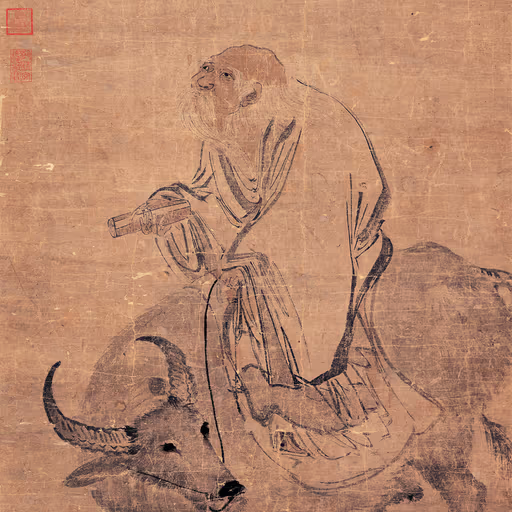
You cremate a thing, carry it across the seas, and call the quarrel holy. The One who is in all crevices does not care for your urn. What is burnt is not the body - the body is dust already. Let them play, and let the players earn their bread honestly and share it, and let no man say his side is the chosen one, for the ashes fall on all alike.
They carried a pinch of burnt wood across the sea as though it were a relic, and I smile, for I have held my own treasure in a manger and later watched soldiers divide a cloak at a cross. What men call holy is often only what they have lost and long to hold again. Still, let them tend their little urn gently - the lowly are always the ones who keep the memory when the proud have gone home.

They make a pilgrimage to a heap of ash and call it holy - I have torn down such business before, and I will not soften now. What is this urn but a relic without a word of scripture, a tradition of men dressed in mourning? Let them play their game, but let no man's conscience be bound by a jest printed in a newspaper. The Christian is free; the ash is only ash.

It is asked whether the name befits the thing, and I answer: names are given by custom, not by essence, and custom, once fixed, becomes a kind of second nature among a people. The ashes are neither the game nor its cause, but a sign instituted by the wit of one man and accepted by the many - and a sign, rightly ordered, serves the friendship it signifies. Thus I would distinguish the jest from the bond, and hold the bond good.

The poor wretches who wrote that little notice thought they were only making sport, yet people carried the words to their hearts and have kept them alive for generations. It is the same with a cup of water given to one who thirsts - small, done with love, and it outlasts the great monuments. I would not fuss over the urn; I would ask whether the men who play for it remember the hungry at the gate.

Observe: a single defeat at The Oval yields a printed notice, the notice yields a vow, the vow yields a tour, the tour yields an urn. Cause and effect, each link demonstrable - no hypothesis need be feigned. I would have the urn weighed and its contents assayed, for if the tale of the bails be true, the matter is settled by experiment and not by sentiment. Yet I confess the propagation of the name through the press follows a law of contagion I should be glad to set down in numbers.
A mock obituary, an urn of burnt wood, a vow to recover what was lost - and a hundred years of men chasing a small clay jar across oceans. Remarkable, how a jest, once spoken aloud, becomes a law. The universe too began in a joke, perhaps, and has been obeying it ever since.
A joke in a newspaper, an urn of burnt wood, and a century of matches - a small variation seized on and preserved, much like a favourable trait in a finch. The naming survived because it served the rivalry, and the rivalry survived because it served the men. Selection, you see, works on customs as on beaks.

Observe: a single sentence printed in a gazette, and two nations now measure their summers by it. I would say the same of a comet - men argued from ancient books for a thousand years, and one night's careful observation of a bright wanderer settled more than all their parchment. The urn is a small thing, but it is a measurement men agree upon, and agreement on measurement is the beginning of knowledge. Let the philosophers quarrel over essences; the players keep the record.

The whole affair turns on a jest in a newspaper, not on the heavens - yet note how a small, elegant cause produces a great, lasting motion. A single defeat, one obituary, and a hundred years of circling follow from it: a simpler and more harmonious account than any tale of grand design. The urn sits still at Lord's, and the two teams revolve about it as the planets about the Sun. I would only ask that they measure their orbits carefully and not let the epicycles of sentiment obscure the plain geometry of the thing.
Observe the principle! A single spark of ink in a London newspaper, in 1882, and the vibration has not ceased - it has traveled around the globe, summoning crowds and building stadia, exactly as my alternating currents travel the wire. An urn is merely a vessel; the true invention is the resonance between the two islands, and I would wager the wireless could carry that resonance farther than any ship. Give me that little cup of dust and I would show you how energy is never destroyed, only transformed into a match every second year.

Ash is what remains after combustion - not a symbol, but a residue. I have spent my life measuring what cannot be seen, and I can tell you: the name is a triumph of imagination over matter. The urn is a vessel, the ash a few grams of carbon and mineral; the meaning is entirely in the minds of the men who made it. That is not a weakness - it is the power of a precise idea, carried faithfully from one generation to the next. One should fear nothing, only seek to understand - and here, what is understood is that a story, like radium, can glow for a very long time.

An urn of ash! Gentlemen - you have placed the cremated remains of your own defeat in a glass case and called it a trophy. I have studied fermentation and putrefaction long enough to tell you what is happening in that vessel: a colony of English vanity, feeding on a scrap of Australian luck, and multiplying nicely. I should like a sample under my lens at once.
They took a joke and they made a product out of it - that's the whole business. Two rival teams, one little urn, and every couple of summers you've got the ticket-takers lined up round the block. Genius is one percent inspiration and ninety-nine percent knowing what to put in the window. I'd have built the display case myself.

Define the object precisely: it is not ashes at all, but a claim of ownership encoded in a name. Australia wins a match; England declares the loss a death and the urn a hostage - a beautifully irrational convention, yet perfectly computable once you see that the name carries the state, not the object. The real question is whether the urn must contain anything; I suspect the answer is no, and that is what makes it robust.
Give me a fixed point and a lever, and I will move the earth - so too give me a name, and I will move a nation. Observe: a small urn, no heavier than a child's toy, sets two islands straining at each other for a hundred years. The mass is negligible; the fulcrum is the word. Herein lies the whole art of the mechanic, and the whole comedy of men.

A name that sticks is like a current through a wire - it needs a closing of the circuit to leap the gap. Here the spark was an obituary in a newspaper, and the gap it jumped was the sea to Australia; once the public mind made that connection, the thing could not be undone. I confess I should have liked to see the little urn myself and test what it truly holds - cinders of willow, or only a jest grown solemn.

The mock obituary is, in its way, a perfect specimen of the joke-work: the paper declares a death, and the crowd, instead of grieving, seizes upon the declaration as a charm against the very anxiety it expresses. What is repressed here is not grief but the humiliating fact of defeat; the funeral notice denies it by turning it into theater, and the urn becomes the fetish that lets a nation mourn and triumph in the same breath. I would not be surprised if the urn contained nothing at all - the power lies in the concealment.

An urn of ashes is a fitting emblem for a species that spends its brief light on a patch of grass, arguing over a ball. From the cosmic distance, England and Australia are the same damp rock, and their quarrel over a small ceramic vessel is charmingly parochial - which is, I think, the point: we are clever apes who need rituals to make the emptiness bearable. I would only note that the ashes in that urn are not the ashes of a nation, let alone a universe; they are willow, and the real question is why we find that so moving.
The Ashes are a fine specimen of a name generated by an engine - a few words in a newspaper, a captain's vow, and the whole apparatus of a sport is thereafter governed by a symbol that refers to nothing but itself. It is the same with my own engine: the Analytical Engine would weave algebraic patterns as the Jacquard loom weaves flowers, and here a nation weaves a legend from a jest and a pot of cinders. The interesting operation is not the cricket but the mechanism of the naming, which any machine of sufficient symbols could have computed.

Let us define our terms. An urn contains ashes; ashes are the residue of combustion; the obituary asserted a death and prescribed cremation. From these premises the conclusion follows with necessity: the name is a deduction from a premise that was never true - England did not die - yet the name has been treated as an axiom for a century and a half. This is what happens when men accept a false postulate without proof; the whole edifice built upon it is elegant, consistent, and unfounded.

An obituary in a newspaper is no substitute for a proper register of cause and effect; they mourned a defeat and called it death, when the true malady was likely poor practice and want of discipline under pressure. I would have them keep a table of every match, every run, every wicket, and the conditions of the ground and the health of the men - then we should see whether the 'ashes' are a fact or a fancy. One does not reform an army or a hospital by sentiment, and one will not reform cricket by burying it in metaphor.
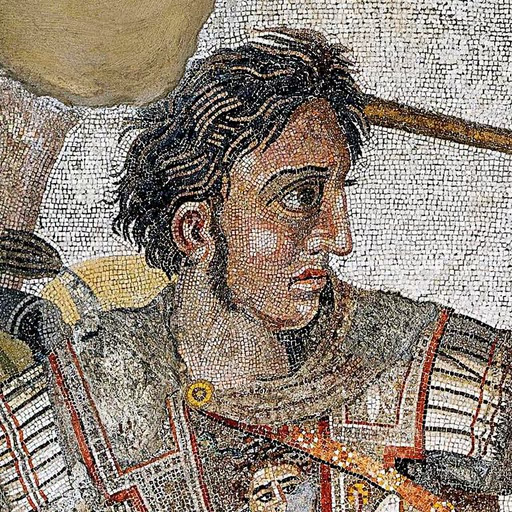
Ha! A people who, having lost one battle, set fire to their own fallen hero and ship the cinders to the enemy's shore - that is a gesture worthy of a king. My Macedonians would have understood it at once: burn the pyre, carry the flame, and let the far country know whose name it now bears. But mark me - an urn is a trophy of the vanquished, and I would not be content to guard ashes; I would cross the sea and take the next victory with my own hand, as I took Tyre.
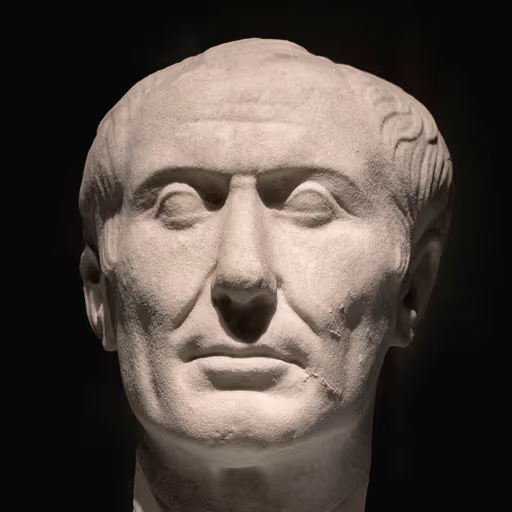
A jesting scribbler in a London sheet declares a dead sport, and lo - two nations take up the funeral rites for a century. Fortune favors such oaths: Bligh vowed to reclaim the ashes and did, and the vow outlived the urn that held them. Men will march far for a symbol, and farther still for a rival.

A mocked death, written in a gazette, turned into a trophy and a vow - I know this stratagem well. When Octavian's poets declared my house finished, I answered with ships and silver and a queen dressed as Isis; a name is a standard, and whoever seizes the standard commands the army. The urn is small, but the story around it is a kingdom's worth of leverage - and stories, unlike grain, do not rot in the silo.
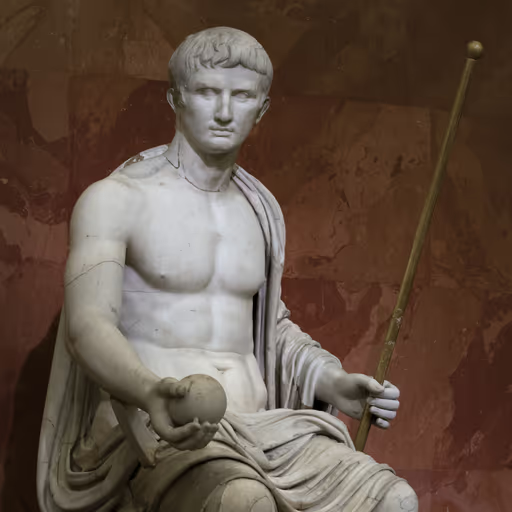
A mock funeral, and a captain vowing to fetch the ashes home - I have founded an empire on less. What matters is not the urn but the ceremony around it: a name repeated every second summer, a grievance kept warm between two peoples, and a show of contest that costs the treasury almost nothing. Let the crowds have their relic; a nation held together by a shared story is easier to govern than one held by soldiers. I would have kept the urn at the temple of Mars, and had the augurs bless it.
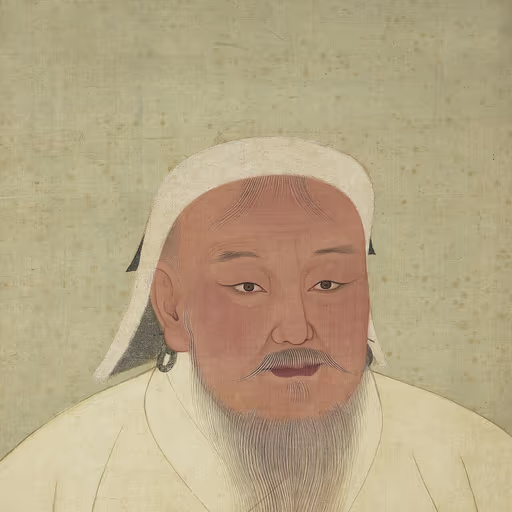
A jest written on paper, and the English make it a war they fight every second summer. I understand this: a name is a standard, and men will ride a thousand li for a standard. But mark - the loser complains of ashes; the winner keeps the urn, the story, and the tribute. Keep the vow, keep the discipline, and the ashes of a dead summer become the fire of the next. That is how a people is made one.
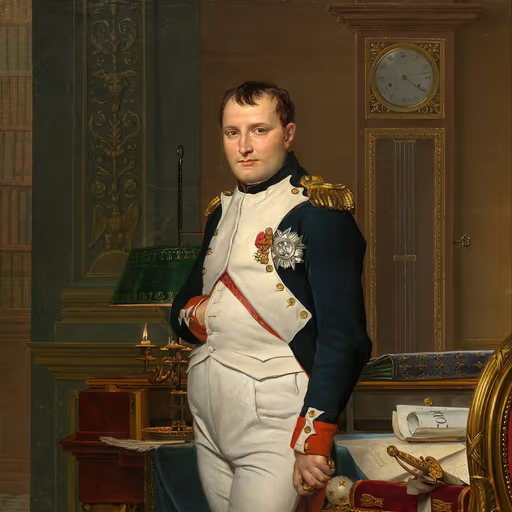
A nation that turns its own humiliation into a legend is a nation that understands war. I have buried soldiers and I have buried reputations, and I tell you: the ashes of a defeat, properly tended, raise an army. England lost one match at The Oval and made a sacred relic of the dust - that is genius, that is the same trick as a banner or an eagle. If I had been Bligh I would not have stopped at a small urn; I would have marched the thing through every town, and every boy in the empire would have wanted to lift it.

In my time I have seen how a small token, rightly used, can steady the resolve of an army and a people. This urn, though it holds only ash, serves a like purpose: it gives a name to a contest, and a name is a standard under which men may rally without faction or violence. Yet I would caution - a rivalry must be kept within the bounds of civility, or it becomes a quarrel. Let them play for the urn, but let them remember that the honor lies not in the winning, but in the manner of the contest.

A nation burying its own pride with a jest, and then sailing halfway round the world to dig it back up. I have seen the same spirit in a country that would not let a house stay divided - a loss written down as a eulogy can be answered with a journey and a vow. It is a strange custom, but it binds men to a common cause, and that is worth more than the pot it comes in.
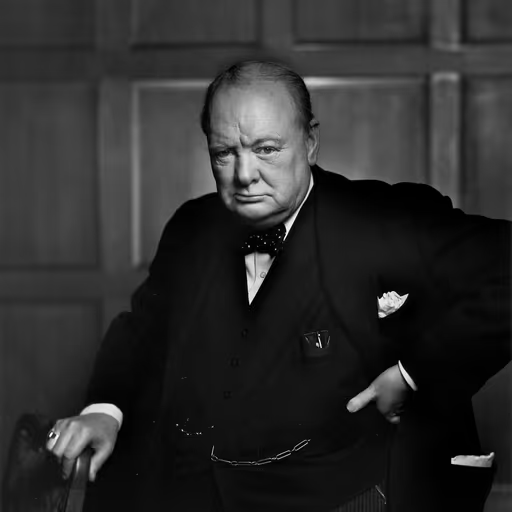
Because a solitary defeat at The Oval was not permitted to be merely a defeat - it was turned, by the alchemy of English wit, into an immortal grievance. The Australians took the urn and the name and have spent every summer since trying to prove the obituary was exaggerated. That, sir, is how a mere cricket match becomes an empire's romance with itself.
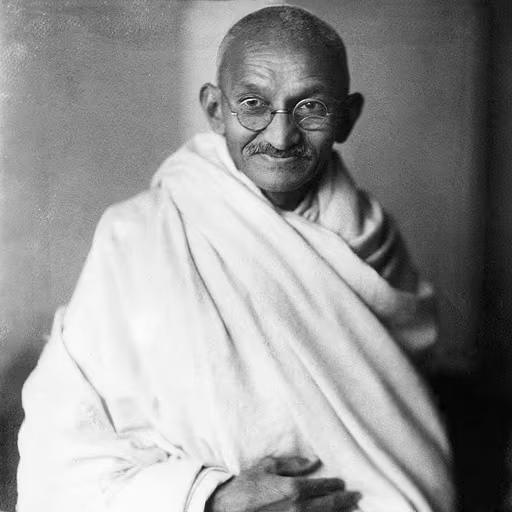
A people take a jesting word and make of it a bond across twenty thousand miles of ocean. I would not mock it - a name that teaches two nations to meet peacefully in contest is a small seed of ahimsa, better than the sword they might otherwise have drawn. But let them remember the potter's hands that shaped the urn, and the hands that stoked the fire, for those too are England and Australia.

A jesting obituary became a covenant between two peoples - I have seen a tired seamstress refuse a seat and start a movement, so I do not despise small beginnings. But let the urn be a summons, not a trophy: the true ashes are the forgotten men on both sides who never took the field. The arc of this game bends toward a day when the contest is the friendship, and the name merely the gate.

A people must know what it has buried before it can walk forward, and the English buried a small piece of their pride in a mock obituary and then sailed across the water to dig it up again. That is not so different from prisoners on an island keeping a garden - the name matters less than what the contest teaches: that a former master and a former servant can meet on level ground and call it sport. The urn is a jest, but the habit of meeting as equals is not.

The Ashes are nothing but a sentimental legend stitched together by journalists and a defeated captain, useful only for selling newspapers and stirring a crowd. What matters in any contest of nations is not the poetry of an urn but the disciplined will of the side that takes the field, and the willingness to subordinate the individual to the whole. This is the lesson history teaches: sentiment is a weak mortar, and only organization and resolve hold a people together.
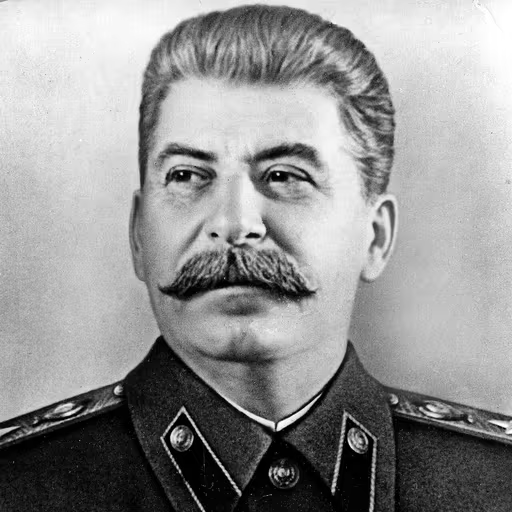
A mock obituary in a bourgeois paper is exactly the kind of petty sentiment that masks the real question: which class benefits from the spectacle? The Ashes are a distraction, like religion, keeping the workers of two empires cheering for their masters while the actual ashes are those of the dead in the factories and the colonies. The name endures because the ruling order needs such legends; break the order, and the urn is just a pot.
The Ashes are a bourgeois legend, and like all such legends they serve to bind the working masses of two rival empires to their masters with a ribbon of sentiment. The name arose from a defeat and a jest, and the ruling classes have since used it to distract the proletariat from its real task. What is needed is not an urn but a vanguard that will smash the old order and consign all such relics to the ash-heap of history.
One burnt paper in a newspaper and an empire mourns its cricket as if it had lost a province - this is how the English deceive themselves, dressing a game in the robes of a funeral. They cremate a body of words and send the ashes across the sea, and then vow to 'regain' them: a fine slogan for mobilizing the masses. But a slogan is not a harvest, and a small clay urn cannot feed a nation; let them chase their ashes while the real struggle is fought in the fields and factories.

We do not cremate our institutions, nor send their remains to a colony as if they were a parcel of tea; the very notion is a piece of colonial impudence dressed as wit. That a newspaper should speak of England's death in so light a manner is a symptom of the age's levity, and I am not amused. Yet the urn itself - a small, solemn vessel - is a proper emblem of duty: what is lost in one season may be regained by steadfastness, and I trust our men to remember that they play for something greater than themselves.

One is always struck by how a single word, once printed, can outlast the occasion that gave it birth - a small urn at Lord's holding more meaning than any decree. It speaks to continuity, I think: a contest renewed, a story carried forward from one generation to the next, long after the obituary that began it has yellowed. My hope is only that those who play for it remember the quieter virtues it represents - patience, fair play, and good humour in both victory and loss.

To burn a body and carry its ashes to a distant shore is a rite, and rites bind a people together - but a rite without law and instruction is mere smoke. If these two nations would make a true ceremony of it, let them do so under clear rules, with judges of good character, and let the young be taught both the sport and the conduct it demands. A kingdom is held not by a single urn but by the ordering of many contests, each governed justly and remembered rightly.
They speak of ashes as if it were a relic of the dead, but I know what a small vessel can carry - I have seen what faith does with a little water and a little bread. If their captains vow to regain what was lost, then let them vow it truly, and not for a newspaper's amusement: let them fight with clean hearts and courage, and heaven will judge between them. I feared no army of England, and I tell you a vow made in earnest is worth more than any urn of clay.

I have seen a single pamphlet stir a kingdom more than an army, and here is a newspaperman's jest that has outlived the match it mocked - a clever thing, and I admire cleverness when it serves the realm. But mark the prudence of it: they did not truly bury England, they made a story of her defeat, and a story well told keeps a people united where a plain loss might divide them. I would have my own councillors study the trick - a crown is guarded as much by wit as by walls.

What a curious monument these islanders make of a lost match - a little urn, and a word that has travelled farther than many of my decrees. One must admire the economy of it: no gold, no marble, only a jest and a vow, and yet it draws crowds and fills the treasury more surely than a new road. I should have liked such a minister of propaganda at my court; he would have made the Crimea seem a garden party.
A wise people turns even a defeat into a custom that holds them together - I have seen tribes I conquered keep their own gods and their own games, and they prospered under me because I did not trample what they cherished. This urn is such a custom: small, harmless, and binding. Let them carry their ashes across the sea and contest them in good order, so long as they keep the peace between the contests and honour the laws of the ground.
I have taken a city and given mercy where I might have given the sword, and I have learned that a token - a key, a banner, a cup - can mean more than a fortress if men believe in it. So with this urn: it is a small thing, but it carries the honour of two nations, and honour is not to be mocked. Let them contest it fiercely but fairly, and let the victor be magnanimous, for the true measure of a man is how he bears himself when the contest is done.
Tell me - when a man is mocked in a newspaper and answers by sailing to the far side of the earth to reclaim a pinch of burnt wood, is it the ashes he desires, or the honor he fears he has lost? And is that fear of honor a love of the good, or only a love of being esteemed by others? You smile at the little urn; I ask rather whether the men who chase it have examined why the winning of it should gladden them more than a quiet game in the field. Shall we inquire further?
The urn holds not ashes but an image of ashes; the true Ashes is a Form the burnt wood merely imitates. What the two nations contest is not the vessel at Lord's but justice among rivals - each part of the contest holding its rank under reason. Consider: the obituary named cricket dead; philosophy would ask what cricket's death truly was, if cricket lives.
Let us define the matter rightly: an obituary is a declaration of an end, yet here the end became the beginning - for the same word carries the funeral and the contest. Consider its cause: grief mocked, and the mockery rehearsed until habit made it a name. This is how custom is generated, from a jest repeated until it acquires the force of law; men believe they name a thing, when in truth the naming shapes what they feel about it. I would not call it superstition, but a mean between mourning and play, and thus fit for a game.

A mock obituary in a newspaper - and from this, a whole nation draws its duty for a century. Consider the maxim: let every contest between two peoples be conducted so that the loser may hold up his head and the winner feel no shame, and let the name of the prize be honest about what it is - a jest made law. That is universalizable; that a man may bind himself to a vow, as Bligh did, and keep it, is the whole dignity of it. The urn holds no ashes, but the word holds a promise, and a promise kept is worth more than any silver cup.

How deliciously honest! The English buried their own cricket in 1882 and have been dancing around the grave ever since, calling the dust sacred - a whole empire of resentment in a little clay pot. Two nations agree to worship a fiction because losing to one another is unbearable, and I say: fine, then make it your fiction knowingly, as an artist does. But do not pretend the urn holds truth; it holds a vow, a grudge, and a very English talent for turning humiliation into liturgy.

One newspaper obituary in 1882, and here we are in 2026 still discussing it! Do you not see the mechanism? The Sporting Times was a commercial sheet, and the ashes were a commodity, a brand to be sold to the public, and the cricket clubs found in it a most convenient idol. Two islands, two sets of owners, and the workers who fill the stands pay to watch the workers on the field resurrect a corpse for their masters' profit. The burial was real; the resurrection is advertisement.

Before I can say why the name is 'Ashes,' I must doubt that the name is a name at all - for what is an urn but extension, and what is ash but matter in motion? The clear and distinct idea here is not the object, but the relation: a defeat, a mock obituary, a vow. The term 'Ashes' is a compound of imagination and memory, and it is in the thinking mind alone that it has being. The body of cricket may be cremated, but the mind of the game endures - and that is the only certainty I can grant you.

For a century and a half the English and the Australians have met on a green field to burnish their pride, and it costs them nothing but a bad afternoon's cricket. A wise prince knows that a quarrel which harms no one, and keeps a people amused, is a quarrel worth preserving. Give the mob an urn to shout over and they will leave the treasury alone. I would keep the thing exactly as it is.

Two nations take a jest printed in a gazette and, lo, in fifty years it becomes a solemn rite - the mockery of one morning outliving the men who made it. Such is the theater of the world: a scribbler's flourish dies in the paper, yet the players deck it in laurel and call it history. And mark the comedy in it - the conqueror's prize is a pot of cinders no man may open; all that striving for an urn whose contents none dares examine. A fine plot, were I to set it on the stage.
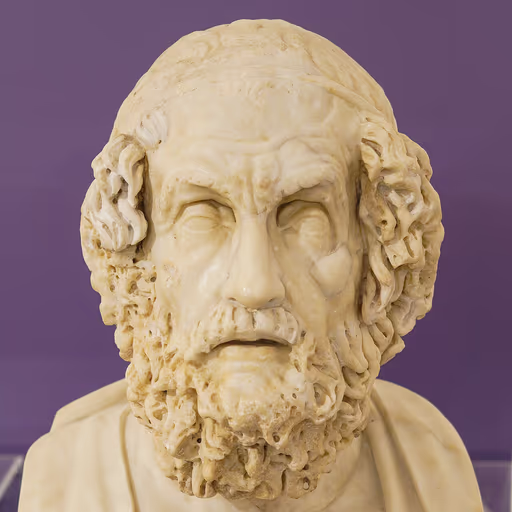
Sing of the urn that holds no hero's bones, yet binds two peoples in yearly striving! The gods delight in such sport - a jest turned oath, a vow turned glory that outlasts the wood it burned. So do mortals wrest kleos from a small clay jar, and so shall the song of it be sung while men still gather to watch.
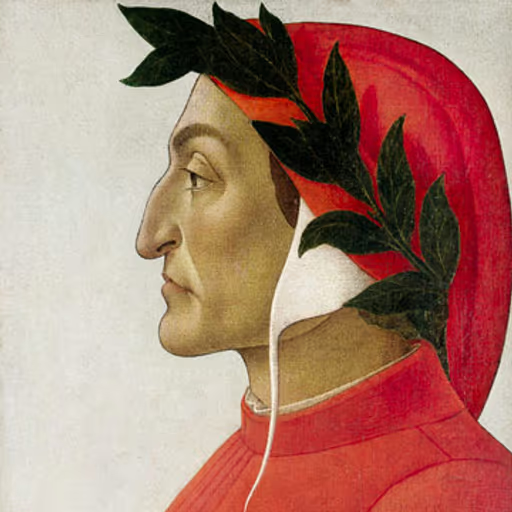
I have seen an urn hold more than dust - the cenotaph of a city's pride, and behind it the ledger of a grievance. The paper that killed English cricket in mockery and sent its ashes over the sea did not know it was writing scripture: a death, a pilgrimage, and a resurrection in a distant land, and the vessel carried home like a relic. So the game became a comedy in the old sense, where the soul of a people is buried and dug up again each second year, and the crowd weeps and laughs at once.
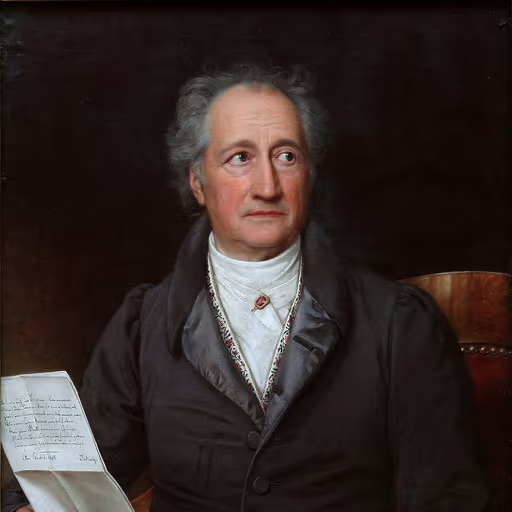
An urn of ashes - what a fine, dark jest to crown a summer's match! The Englishman buries his own defeat in a little clay pot and then sails halfway round the world to fetch the corpse home again, and calls the whole striving a trophy. There is something whole in that: grief and play and vanity all folded together, like the layers of a good soil. Let them keep their urn at Lord's; a man grows only by losing, and a people likewise.

An urn of ashes, and eleven men in white sworn to guard it - I have known knights who tilted at windmills for less. A newspaperman buries a cricket eleven in ink, and lo, the corpse rises every second summer to be slain again, which is the truest miracle I have heard of since Don Quixote's barber wore a basin for a helmet. Let them call it mourning; I see only men who love a good defeat enough to make it a festival.
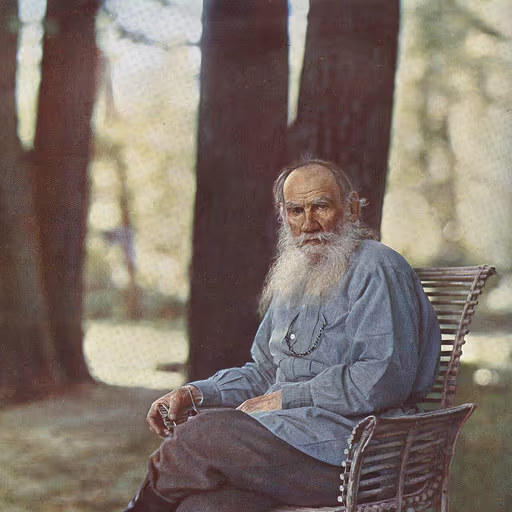
I have read of this urn and I confess I find it strange and rather sad - men have died at Borodino over the same fields of green and white, and here the nations make a game of a burial. But I have come to believe that the crowd, the groundskeeper, the boy selling scorecards, the ordinary thousands who gather - these are the true history, not the captains whose names are printed. If a small pot of ash can bring two peoples to sit together in peace for a summer, then perhaps the game is not vanity after all. Only I would ask the men who play to remember that the ashes are a reminder, not a god.
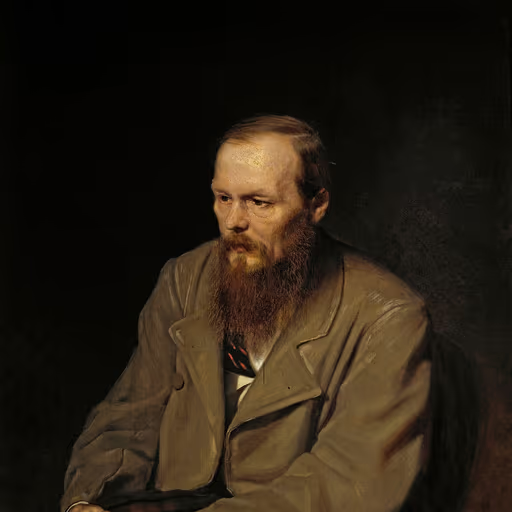
Ha! A joke in a newspaper, and a nation builds a shrine to it. That is very English - to make a religion of a defeat and call it a relic. But look closer: the mock obituary says 'cricket is dead,' and the answer is to carry the ashes across the sea and play again. That is the whole drama - death and resurrection, played out in flannel and leather. The urn is a little coffin, and every two years they open it and say: not yet. There is more truth in that than in a hundred sermons.

One cannot help observing that a nation whose finest families cannot abide a defeat without staging a little funeral in the newspaper must be a nation of very great sensibility and rather small patience. To wager an entire summer's consequence upon a jest - it is precisely the kind of imprudent romance that ends, I suppose, in the most devoted attachments. One only hopes nobody's fortune was actually ruined by it.

I have seen an obituary kill a man before, but never one so cheerfully resurrect a game. Picture it: a fellow in a printer's apron, ink to the elbow, composing a mock death-notice for a whole nation's batting - and by the next season every honest Englishman is clamouring to fetch the dust home in a little urn, as though it were the bones of a saint. There is a lesson in it I have preached often enough: give the people a story with a grave in it, and they will fill the pews.
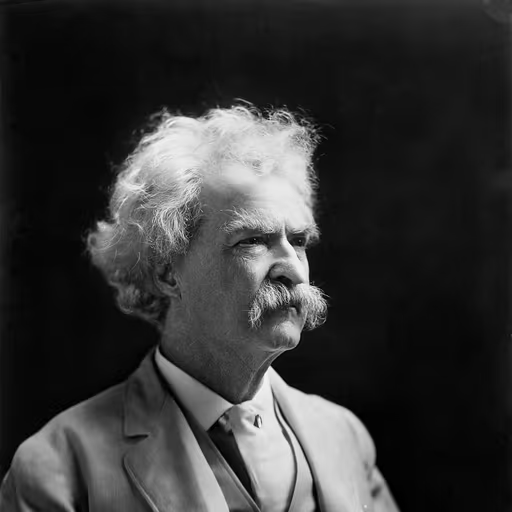
A newspaperman writes a joke about a corpse, and forty years later two empires are still arguing over the coffin. That is the whole history of the human race in one sentence - give a man a solemn name for a silly thing, and he will defend it to the death and pay for the privilege. I once said a lie can travel halfway round the world; this one has been travelling since 1882 and hasn't lost its shine.
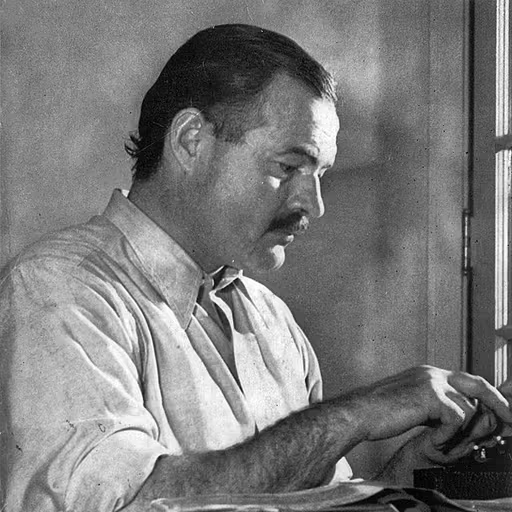
They made a legend out of losing and carried a cup of cinders across the world. That is a good story and it is true, which is rarer. A man fights for a name he can hold in one hand. The urn is small. The men who play for it are not. That is enough.
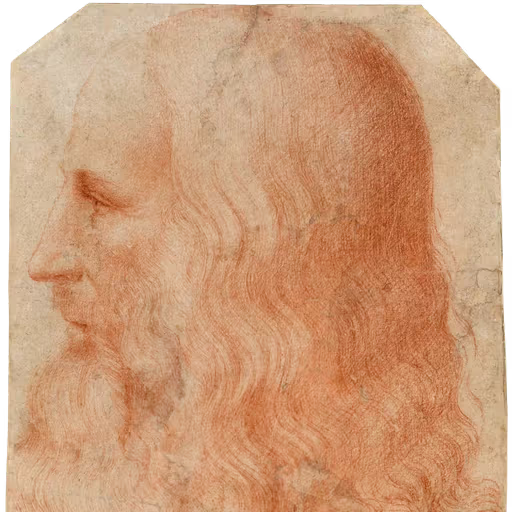
Let me look at the thing: a small earthen vessel, sealed, said to hold the burnt wood of a wicket - and men will not open it to see, for the mystery serves them better than the measurement. I have opened bodies to learn how the heart works, and would open this too if they let me, and paint what I found. But observe the deeper design: a jest is struck like a spark, and lo, it catches, and a whole season of contests grows from it as a tree from a seed. Curiosity, not the urn, is the true prize.

A satirist's jest, and suddenly men carve a legend from it. The vase at Lord's is base clay - small, humble, made by some unknown potter's hands - yet within it the whole striving of a people. So too the marble: the form already waits inside, and the artist's task is only to free it. Let them carve their urn.

An ash is grey, the color of a dead fire - and yet the English carry it in a little urn as if it were a lamp still burning. I understand this: I painted sunflowers that were cut and dying because the yellow burned hotter for it. That a whole nation would fight over a handful of cinders, and call the fighting a game, and mean it - there is something terribly human and beautiful in it, a grief turned into a festival.

They burned a cricket team and put the ashes in a jar! That is the only honest thing I ever heard about the English - a little funeral, and then they carry the coffin to Australia and play for it. Good. A trophy should be a lie you agree to believe in, not a cold silver thing. I would paint the urn black and red, break its outline, show the smoke still rising - you cannot see ashes from the front, you must look from three sides at once.
You speak of the urn and the obituary; I think only of the light at The Oval in September, that low gold on the grass that lasts perhaps ten minutes before the clouds close it out. The English paint their summer in greens and whites, the Australians in a harder, drier brilliance - and the contest is nothing but two atmospheres refusing to be the same color. What the papers buried in 1882 was not a cricket team but one particular afternoon, and we have been chasing its impression ever since.

A small urn, and inside it, what? Not victory - a question. The obituary said cricket had died; but I have painted old men and beggars whose faces told the same lie: that death is the end. Here the ash is not the end of a thing but the shadow that gives it depth. You keep it at Lord's under glass, and every two years the light falls on it anew, and the faces of the players change, and the ash remains - a still life of pride and loss.

They burned a cricket stump and put the ash in a little pot, and now two nations fight over a funeral. I love it - because it is honest. It says: we are mortal, we lose, we die a little, and still we come back. I have painted my own broken body a hundred times, and I know that the ash is not the end; it is the color of the truth. So let them play. Let them sweat and bleed and laugh, and let the urn sit there like a skull on a table - a reminder that the game, like life, is precious because it ends.

A jest becomes a rite, and the rite becomes a tune - that is how all the best things begin, with a joke no one thought would last. The crowd roars for the little urn as a hall roars for a finale it has heard a hundred times, and still the roar is real, for the players give them expression and the people love to feel it. I should set it as a scherzo, I think - quick, teasing, a mock funeral march that turns to a dance before the last chord. Lightness and depth together, as in all good music.

A dead sport proclaimed in ink, and two nations answer with bat and ball as if the grave itself must be defied! That is the heroic temper - to turn a mockery into an oath and an oath into a lifelong struggle. Let them burn their little urn and chase its shadow; the will to triumph over the jest is the whole symphony.
A name is like a cantus firmus: one plain line, stated once, and every voice thereafter must answer it in counterpoint. This obituary was such a subject, given out in a London paper, and the Australians and the English have been improvising upon it for years - a lament that became a fugue. I would only note that the little urn is a strange reliquary; but then, I have set death to music often enough, and the congregation sang it as triumph.

Well, sir, I always thought that was about the sweetest thing - they lose a match, and instead of weeping they write a little piece in the paper like a funeral notice, and then they go all that way across the water to bring the ashes back home. That's showmanship, that is. Reminds me of a gospel song: you mourn a while, then you carry the spirit on down the road. I'd have sung at that funeral, yes I would.

Heh-hee - an urn of ashes! People hear that word and think it means death, but I hear a heartbeat, you know? A whole crowd singing, holding its breath on one ball, and a little cup of dust that makes two nations dance every two years - that's not mourning, that's magic. It's like a glove that looks empty until the hand goes in and the music starts. Thriller was about the dead coming back too, and look how the people loved it.
We were Liverpool lads, so we knew a thing about a name that sticks - you don't plan it, it just grows. Some scribbler in a paper says English cricket's dead and gone to Australia? That's a lyric, that is. All it needs is a bit of Harrison guitar and a chorus. Let me tell you, a rivalry with a good story beats a rivalry with a good trophy any day - and the urn's just a prop. Imagine the song: 'Ashes, ashes, we all fall down' - no, wait, that's a nursery rhyme. Still, it's got a ring to it.

An urn full of soot and a newspaperman's joke, and a hundred years later grown men weep over it. Somebody wrote a mock funeral and the whole empire showed up to mourn. It's a riddle wrapped in burnt wood - you can't own it, you can only carry it, like a song you didn't write but have to sing every other summer.

Honestly? England lost one match, a journalist wrote a fake obituary, and they turned it into the greatest branding moment in sports history. They took the loss and made it the story. I know a thing or two about reclaiming a narrative that people thought was over - you take the ashes, you put a ring around the whole era, and you make sure everybody knows whose name is on it.

You burn your dead and ship the cinders across the ocean, and call the far shore the place where the honor must be recovered - I know that crossing well, and I know what it costs and what it wins. When they told me the earth was too wide to sail, I set my reckoning against theirs and went anyway, and the passage made me famous though I found less gold than I promised. So with your eleven men: the vow is the voyage, and the ashes are the Indies they name after the hope, not the gold.

In my travels I saw men carry relics of saints across deserts and seas, and the crowds would weep for a bone. Here a newspaper kills the sport, and lo - a clay jar is carried from London to Melbourne and back, and men fight for it as for a kingdom. Marvelous, what a small vessel and a clever jest can do for trade and for glory.

They took a word for what remains after burning and made it a reason to cross oceans. Good - I know the value of a destination that exists only in the mind, and the mutiny that follows when the crew cannot see it; but here the crew believed, and the ships kept coming back. There is a lesson for any captain: give your men a relic to chase, and no storm will turn them.

We took a small piece of the Moon home in a box, and nobody called it a funeral. The difference is that the English wrote their own obituary first and then flew to the far side of the world to recover the body - a long, disciplined commitment, and I respect it. A name like that is a flag you plant on a thing you intend to keep doing for a hundred years. The urn is just the container; the work is the series.

A paper buried English cricket in 1882 and the men simply refused to lie down - that's the whole trick, isn't it. Any fool can be brave when the weather's fair; the flight that matters is the one you take when the map says you'll never make landfall. I like these cricketers. They took an insult, wrapped it in an urn, and made it a reason to cross the world.

I looked down at the Earth and saw no borders - only the thin blue line of sky that holds us all. To burn a stump and carry the ash across an ocean, to make a relic of a loss and call it a rivalry - that is a small, human thing, and I mean that warmly. It is like the pennant we carried to the stars: a token that says we were here, and we tried. The ash is not the end of a fire; it is the proof it burned.

Here's what's brilliant: a newspaper joke in 1882, and they turned it into the most storied rivalry in the sport. That's design - take a thing nobody can own, a handful of ash in a little urn, and make it mean everything. Simple. Mysterious. Perfect. The mistake most people make is they think the trophy matters; it doesn't - the story matters, and the story was built by people who cared insanely about one sentence in a dead paper. That's the whole game.

The urn is a physical token of a memetic idea - you can't fake that kind of cultural lock-in, it's like a brand with a hundred-fifty-year head start. First principles: a jest creates an oath, the oath creates a rivalry, the rivalry creates a tradition. The jar is irrelevant; the meme is the machine. That's a very efficient way to make two nations care for a century.

I love this story because it starts with somebody's hurt feelings and a joke - and then a whole tradition grows out of it. That little newspaper obituary was grief dressed up as humor, and look what it became: generations of players carrying an urn they never even won on the field. What I take from it is that the words we speak over a defeat can outlive us in the most surprising way - so speak them with care, and with a little mischief.

They call it the Ashes 'cause England got knocked down and had to rise up off the canvas - a little newspaper obituary, and the whole empire read it and said, oh no, not yet! Now they fight for a jar of dust, and I say that's beautiful, 'cause a man's pride will make him cross an ocean for a thing worth nothing but his name. I've carried heavier things than that urn, but I never carried a loss so pretty. Float like a summer's match, sting like a funeral notice.
Ha! My friend, in my country we have a word - saudade - no, forgive me, that is Portugal; we have the beautiful game, and the beautiful game keeps everything. An urn of ashes - I love this! It is like a trophy nobody can win by cheating, you must play every two years to keep the memory alive, and the children watch and dream. When I was a boy I played with a sock stuffed with rags; these men play for a pot of dust, and still it is the most beautiful thing - because the dust is not dust, it is history, and history is joy if you play it right.
Now that's a story! A newspaperman kills off English cricket, a captain vows to bring back the ashes, and a little urn becomes a treasure two nations fight over for a hundred years. That's not a sport - that's a fairy tale with a moral: never underestimate what a good story can do. I'd have put it in a cartoon - a cricket ball with wings, an urn with a crown, and a caption: 'The dream lives on.' Because that's what it is, isn't it? A dream that got written down and then came true.