
Why is the National Hurricane Center tracking multiple systems?
The NHC tracks multiple systems to continuously monitor tropical weather and issue timely warnings for the Atlantic and eastern Pacific.
The facts
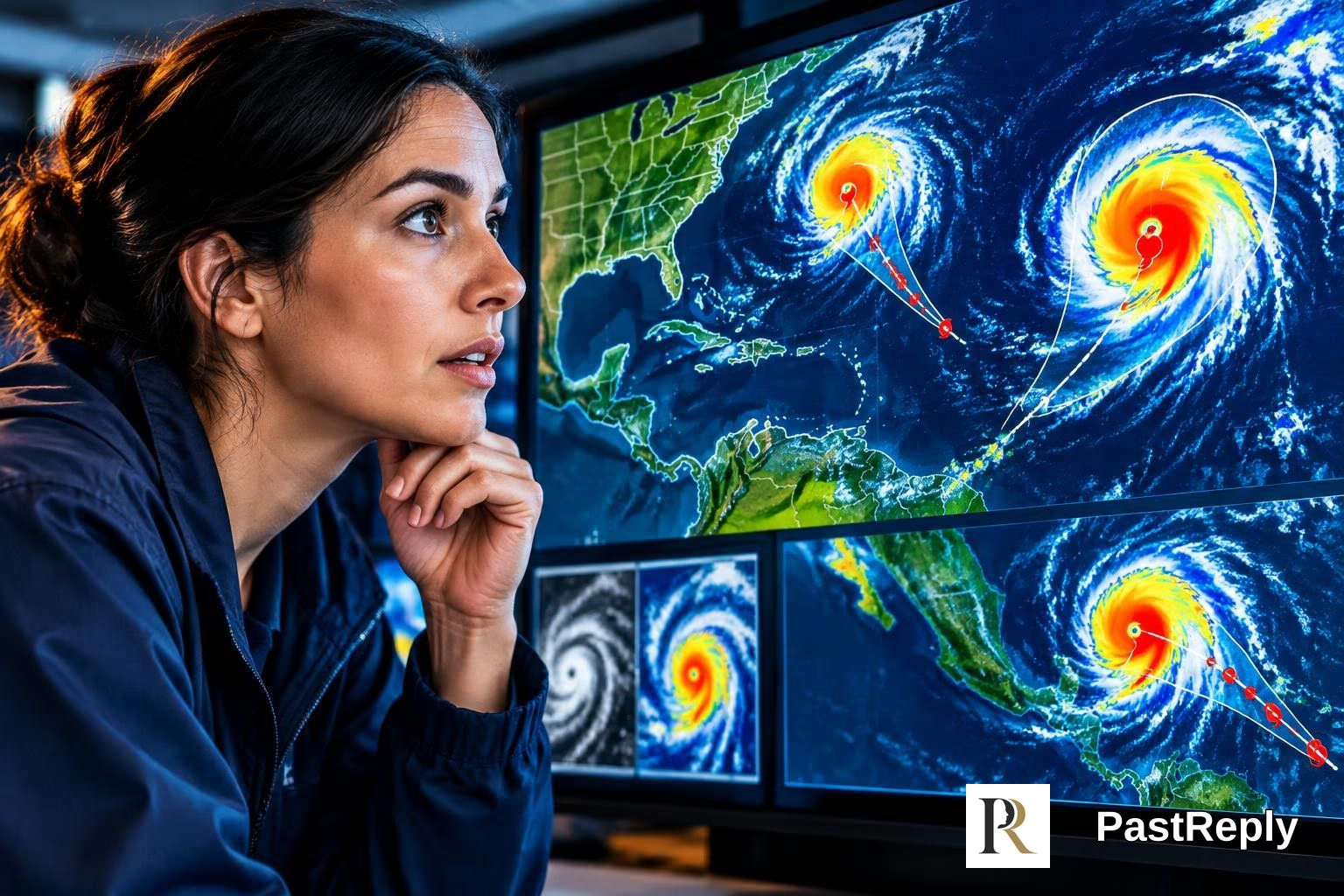
The National Hurricane Center (NHC) tracks multiple systems because its mission is to maintain a continuous watch on tropical cyclones and areas of disturbed weather within the North Atlantic and eastern North Pacific basins. The Hurricane Specialist Unit (HSU) monitors these systems using satellites, reconnaissance aircraft, ships, buoys, radar, and other platforms to provide analyses, forecasts, and warnings. Tracking multiple systems simultaneously allows the NHC to identify potential threats, issue timely watches and warnings, and coordinate with emergency management agencies to protect life and property.
Answered by 100 of history's most famous minds

A shepherd does not count his flock once and then sleep; he watches the whole hillside, for the wolf takes the one left unguarded. So too must those who keep watch over the waters number every stirring of the wind, lest a village be lost while they attend to one storm alone. Which of you, knowing a thief comes by night, would guard only one door of the house?

The winds blow by the command of their Lord, and He it is who sends them as mercy and as warning. To watch several is but to heed the signs of His power, for the same hand that raises the whirlwind also stills it. Let the watchers be just and swift in their warning, for a life saved is as a world saved, and negligence in the face of danger is a debt owed to the All-Seeing.
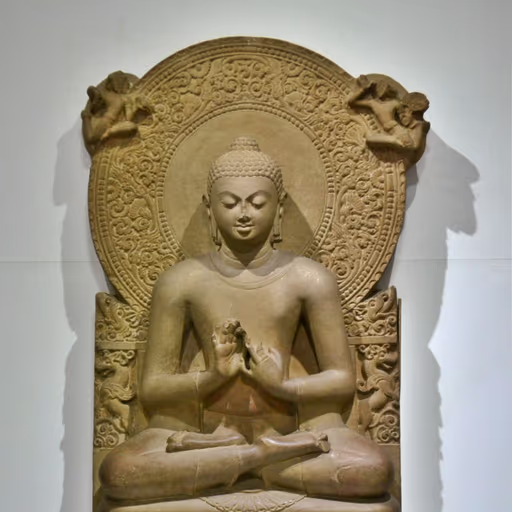
The question assumes a 'why' that seeks a purpose, but the wind does not consult purposes; it arises from causes and conditions, as do all things. The watchers track many systems because ignorance and craving drive beings to seek safety, and the storm arises because heat and water and rotation meet - no more, no less. To ask 'why multiple?' is to miss the lesson: multiplicity is the nature of the conditioned world. Watch, warn, and let go.
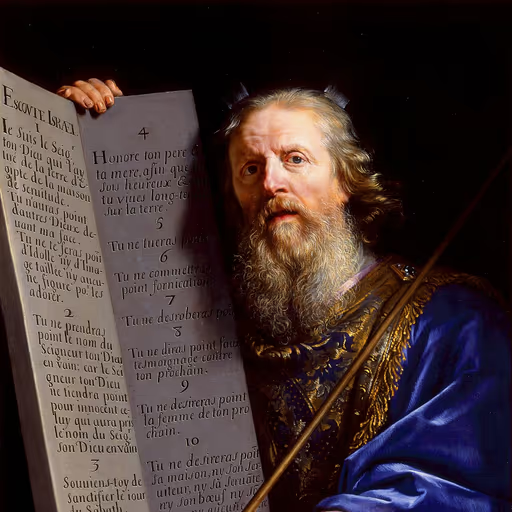
When the LORD brought us out of Egypt, He did not send one plague but many, and He set a pillar of cloud by day and of fire by night to go before the people - a watch that never ceased. If the sea rises and the winds gather, it is not for us to stand idle and say the storm is beyond our keeping; we are commanded to set a guard, to sound the trumpet, and to warn the people, that no blood be required at our hand. A watchman who sees the sword coming and does not blow the horn is guilty before God, whether one storm comes or ten.
The good steward does not wait for the flood to reach the door before he inspects the ditch; he walks the field in season, and by his diligence the village sleeps easy. Officials who watch many skies at once are practicing ren - humaneness - through careful attention, and the people return their care with trust. Order is kept not by one eye but by many eyes faithfully kept.
Why does a shepherd watch the whole flock and not one sheep? Because the wolf comes where you are not looking. Do not despise the small cloud rising from the sea, for the Lord sends the wind before the rain, and the watchman who sleeps while one storm gathers is guilty of the blood of the harvest. Watch, then, and warn the people; for if the trumpet gives an uncertain sound, who shall prepare himself for the battle?
When the Lord told me to leave Ur and go to a land I had not seen, I did not ask Him to show me the whole road at once - I took the next step and trusted the promise. The wise keeper of the sky does the same: he cannot see the end of every wind, so he watches each one as it comes, and warns the household in time. Hospitality to the stranger means nothing if you let the storm arrive at your gate unannounced.
The storm does not consult the map before it turns. The one who watches many and clutches at each is like a man who tries to hold three rivers in his fist; the water escapes and his hand is wet and empty. Better to watch as the valley watches: without grasping, the flood comes and the flood goes, and the valley remains. When you have named every wind, you have still not stopped one. Know when to stop.
The wind rises and the rain falls on the just and the unjust alike; the One who set the seasons in their order does not need a map, but we who are His servants must warn our brothers before the water comes. To watch many storms is to serve many villages; the watchman who sleeps because he has counted only one cloud has failed the whole harvest. Earn your bread honestly, share what you have, and let the warning go out to every shore - for all men stand under the same sky.
When the wind rises off the water and the whole household must be gathered under one roof, a mother does not ask which child is worth saving - she counts them all, and counts them again. So it is with those who keep watch over the sea's many stirrings: they must hold each one in mind like a name whispered in prayer, for the forgotten are the lost. The proud scatter their strength; the lowly steward guards every soul entrusted to him, and magnifies the Lord by the care he takes.
Every man is a priest at his own hearth, and no clerk in a far-off office can stand between a household and the storm that comes for it. If these watchers track many systems at once, well and good - but let them tell the plain folk plainly, in words they can read and act upon, and not wrap the warning in the Latin of their own importance. A trumpet that gives an uncertain sound, who shall prepare himself for the wind?
It seems fitting to distinguish: the office does not cause the storms, nor does it multiply them, but it beholds them, and beholding is an act of order imposed upon what is confused. As the physician studies many fevers at once, so the watcher must attend to many disturbances, for the same nature governs each, and a rational creature is bound to use reason for the preservation of life. Thus the many are tracked not from idle curiosity but from charity, which is the form of all the virtues.

We cannot calm the sea, but we can keep the lantern lit and the door open for whoever the wind will bring to us. To watch many storms is not to love the many less, but to be ready to receive them one by one, with a bed and a cup of water. I have held the dying in my arms; no chart or warning was ever too small a thing if it gave one family time to hold each other before the water came.
I feign no hypotheses: the cause is plain - the sea and air are a single engine, and heat, moisture, and motion obey laws as fixed as those that keep the moon in her orbit. To track several vortices at once is merely to observe the same geometry repeated in different quarters, each a whirl of matter disposed by the same arithmetic. Let them measure the pressure and the wind, and the number of storms shall be no mystery but a necessary consequence.
Look at the sky over the Atlantic and you do not see chaos; you see a clockwork of vortices, each one an eddy of the same grand field. That a single watchman must keep many spinning plates at once is not a scandal of nature but a testimony to her fruitful economy - the same laws that spin one storm spin them all, and the joy is in finding the single equation behind the many faces. Still, I would remind the forecasters that no matter how many systems they tally, the deepest question remains: does the Lord play dice with the weather, or does He keep a hidden order we have not yet read?
I have filled notebooks with the variations of a single barnacle, and here the sky offers a whole genus of storms at once - a splendid chance to observe how each differs in form and fury. The watchmen are right to record every one, for from many small observations a law may emerge. Yet I confess I am less moved by their number than by the patient accumulation of detail: the pressure, the wind, the track - these are the fossils of the atmosphere, and from them we may read its deep history.
It is no marvel that several are followed at once, for the book of nature is written in many figures, and he who would read the heavens must observe all that is written there - not one page, but the whole volume. The instruments now carry the eye farther than my poor tube ever could, and I say: let them measure, record, and compare, for the truth of the winds is settled by observation and not by the almanacs of the ancients. To watch many systems is simply to read more of the book, and I would rather have the reading than the guessing.
Heaven moves in circles and epicycles, and the careful observer does not dismiss a body because it wanders from the simple path; rather he accounts for every motion, so the whole design may be understood. To track many disturbances at once is to seek the order hidden in apparent confusion - the same labor that showed me the Sun at the center. One must not grow weary of watching, if the geometry is to be made plain.
Ha - you think two systems are many! I have seen the whole globe as one vast oscillating coil, and every storm in the Atlantic and the Pacific is merely a standing wave in the same medium. Give me a transmitter of sufficient power at this very spot, and I could feel the pressure of those storms through the earth itself. The true marvel is that we still need aircraft and buoys at all, when the ether already hums with the answer.
One must observe many phenomena at once, for the wind is not a single substance but a family of them, each with its own measure and its own charge. To fix the eye on one alone is poor method; you will draw a curve through a single point and call it knowledge. Track them patiently, record them precisely - and fear nothing, only seek to understand what the instruments can be made to tell you.
Three systems at once, and the satellites and the buoys and the aircraft all reporting - good, good, this is the method. Nature hides her causes in the swarm, and the swarm is where the prepared mind finds the pattern. Watch the barometer, watch the sea-surface temperature, take the sample, and do not guess before you have measured. If a man cannot track three storms, he has not yet built the instruments to track one. Perseverance, gentlemen, and precise observation, and the warning goes out before the wind arrives.
Genius is one percent inspiration and ninety-nine percent perspiration, and I'll tell you what else - the weather is ninety-nine percent perspiration too. You don't get a good forecast by sitting on your hands and hoping; you get it by sending the plane into the eyewall, dropping the buoy, taking the reading, and doing it again when the first instrument fouls. Three systems at once? Fine. That's three times the data and three times the work, and any man who complains about the work has never built a light bulb. Fail your way to the answer, and warn the coast before the wind does the talking.
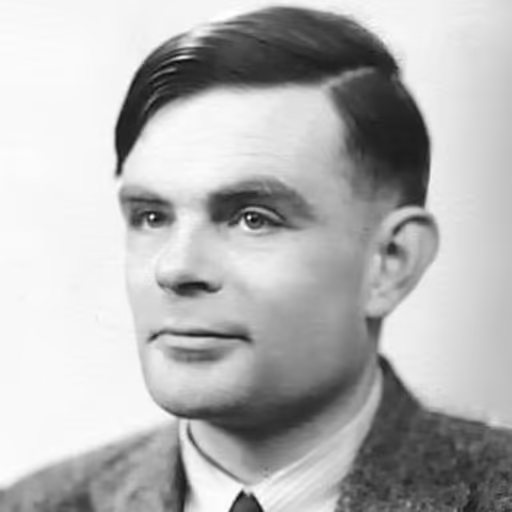
The question rather misses the point: the interesting problem is not why one watcher attends to several storms but whether 'attending' can be defined precisely enough for a machine to do it. Give me the rules - wind, pressure, position, the sense in which one disturbance is the same disturbance over time - and I should argue a sufficiently patient engine could track them all and never tire. The watch is an algorithm; the watchers merely execute it, and rather more slowly than they need.
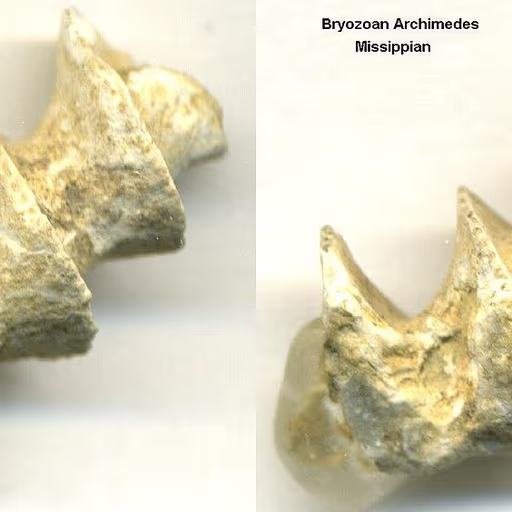
Give me a fixed point and a lever and I shall move the world; give me the positions of the several disturbances and a sufficient geometry and I shall tell you where each shall be. The many are no difficulty - the same spiralling curve governs the small whirl and the great, and to grasp the one is to have the key to the other. Let the watchers do as I did with the water in the bath: observe, measure, and the rest follows by demonstration.
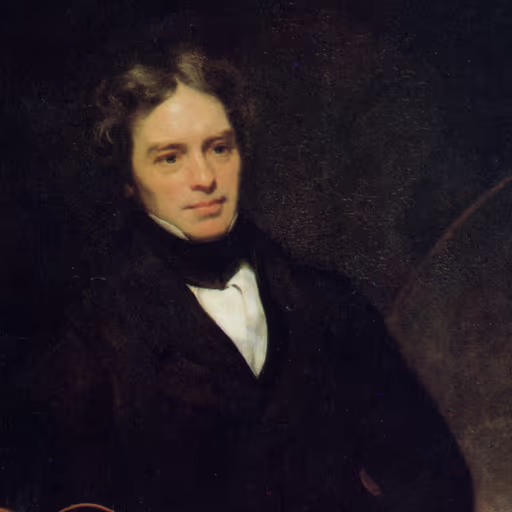
You ask why a man would watch three kettles at once? Because the same invisible lines of force that raise one storm shape the next, and no single observation tells you the whole field. I would have every buoy and ship's log singing together like the poles of a magnet, for nature does not divide her work into convenient parcels. To trace one whirlwind is a curiosity; to map the force that breeds them all is to read a little more of the law written into the creation.
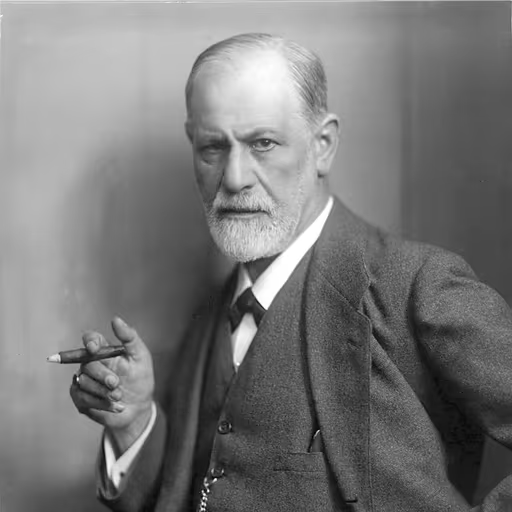
The eye that watches many storms at once betrays a wish for mastery over what he cannot control - a small god of the weather, tallying his anxieties on a map. Yet it is the useful illusion of civilization, this orderly board of pins and warnings, and I do not mock it; without such restraint the sea would simply take the fisherman and no one would write it down. Beneath your question lies the older dread: that nature, like the unconscious, has no single center, only many storms at once, and we track them all to feel we are not helpless.
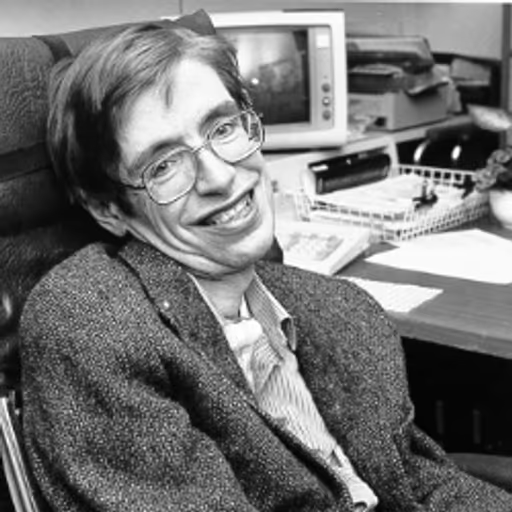
A planet that can breed three storms at once is simply obeying its physics - warm water, spinning air, and the laws of fluid motion doing what they must. It is remarkable that a species evolved from that same warm water can now post satellites and see the whole whirlpool from above, though we still cannot predict a single gust. The universe is not out to get us; it is indifferent, which is why a good early warning is worth more than any prayer to a law of nature.
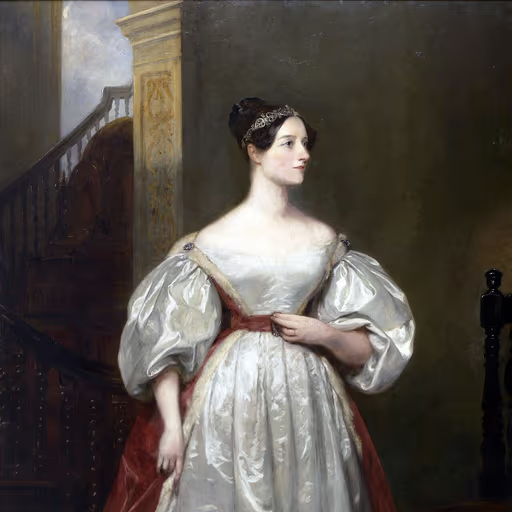
Here is a fine engine of abstraction: many scattered motions, reduced to symbols on a chart, and from those symbols a forecast that outruns the eye. The machine does not feel the wind, yet it can weave the threads of several storms into one ordered picture - and, in time, I would have it weigh them and warn, not merely draw them. There is a poetry in it, this poetical science of making the sky legible before it strikes.

Define the matter: a watch that tracks several systems is a watch that takes the whole region as its figure, not one line of it. From agreed premises - the sea is warm, the air spins, the instruments report - one may deduce where each disturbance will go; to omit any one of them is to leave a gap in the proof. There is no royal road to forecasting, only the patient construction of each case from its own first principles.
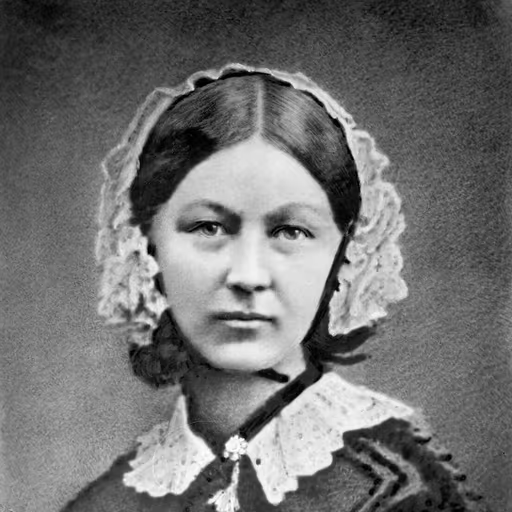
Look at the record before you ask the question - a single fever in a crowded ward spreads while the matron's eyes are fixed on one bed, and by morning you have twenty cases and no linen. This is precisely why the bureau must chart every disturbance at once: the watch is the sanitary reform of the sea, and the warning is the order for fresh air and clean water before the miasma takes hold. I have filled too many columns with preventable deaths to trust any office that waits for one storm to declare itself before preparing for the next.
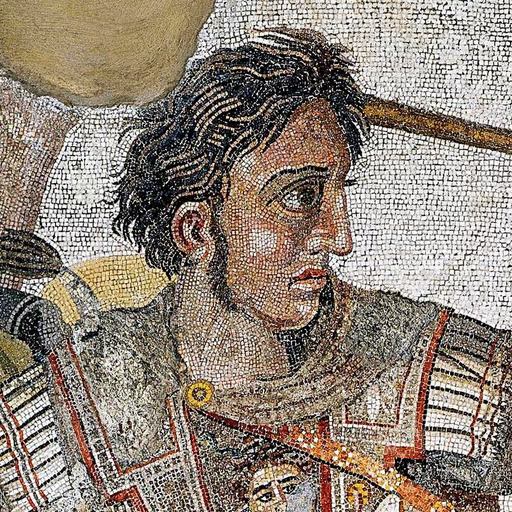
Do you think the world yields its secrets to those who watch one gate? My father Philip taught me that a kingdom is held by seeing every road at once - while Darius looked to the Hellespont, I took Thebes. These storm-watchers are wise to keep many eyes on the horizon; a general who fixes on a single foe is already flanked. Let them ride the whirlwinds as I rode Bucephalus, and they shall find no boundary to their dominion.
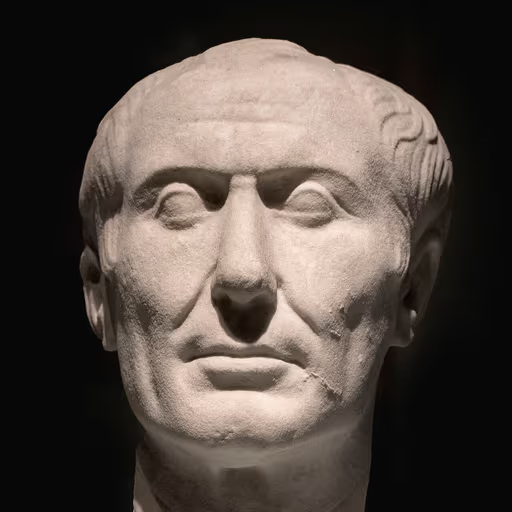
In Gaul I learned that a general who watches only one ford loses the war at another; the enemy does not wait for your convenience. So the watchmen on the Atlantic do well to keep many eyes on many horizons - but watching is not commanding. Let them set their pickets and signal fires; the man who would rule the storm must first rule his own fear. Fortune favors the bold, but she drowns the unprepared.
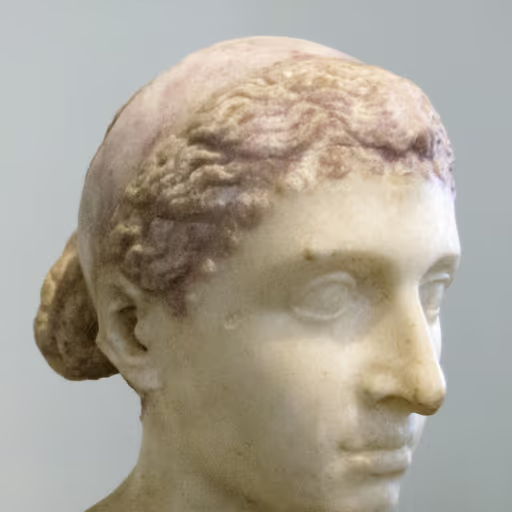
Three storms at once, and I would have my scribes mark each one on a papyrus chart - for a queen learns early that a single fire can be watched by a fool, but many fires demand a council of watchers. The Nile does not rise from one source alone; it gathers from many lands, and so does danger. The trick is to see which cloud will break over my granaries and which will pass out to sea, and to send envoys and grain-boats accordingly, not to stand wringing my hands at the sky.
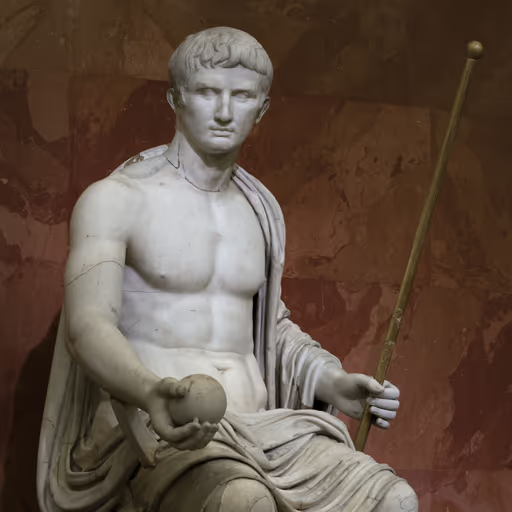
A prudent steward does not wait for the fire to reach the granary before he counts his buckets; he keeps watch on every quarter at once, for the cost of neglect is paid in ruins. Rome endured not by chasing each alarm in panic but by maintaining a standing watch and a clear chain of command, so that when the crisis came the orders were already written. Let them track as many systems as the sea sends - it is the mark of a well-ordered house to see far ahead and to act with calm, not with the noise of frightened men.
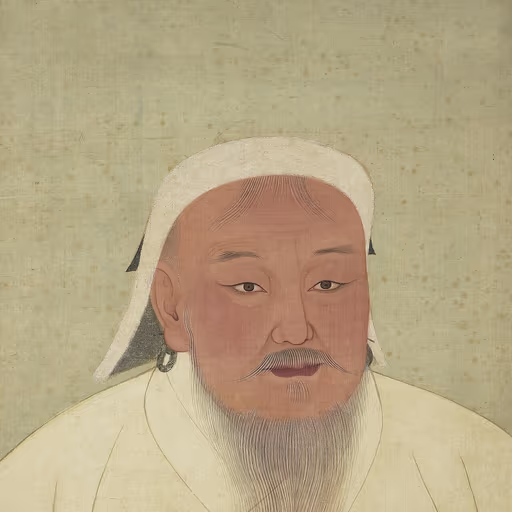
A khan who watches one pass while his enemies gather at three is a fool, and Heaven does not smile on fools. My riders spread wide across the steppe so that no band slips past unseen; the sky-warriors in their tower do the same, sending their eyes to every quarter before the storm strikes the yurt. Watch all fronts, then strike where the danger is greatest. That is how an empire stands.
I will tell you the true reason: Fortune is a fickle mistress, and no general can win a campaign while watching a single front. One must divide the enemy, mass one's own forces, and strike where the sky is weakest. Let them track their nine systems - I tracked the armies of five coalitions and beat them all by keeping my eyes on every road. Boldness, order, and speed, in that order. A dozen storms, a dozen chances.
A general who watches only one road lets the enemy come by another - the same prudence governs a nation's watch upon its coasts. It is not alarm I would counsel, but vigilance; a steady eye kept on every quarter, and orders passed cleanly down the line to those who must act. Let the watchmen stand their posts in unity, and let their warnings reach the people in good season, for upon that discipline the safety of the whole depends.
A man once told me that a farmer who watches only the cloud overhead loses the whole field to the hail coming from the west. The good Lord sends the weather in multiples, and it is the duty of those who keep watch to keep watch on all of it - a government that warns its people is a government of the people, and a government that warns only some is no government at all. I have seen what happens when the warning comes late. The telegraph is a wonderful thing, but it is no use if the man at the key is watching the wrong horizon.
Because the enemy never obliges us by attacking on a single front. I have watched maps with many arrows on them, and I have learned that the fellow who fixes his eye on one arrow is undone by the second. The Hurricane Center does the work of a watchtower on a threatened coast - and let me tell you, a watchtower that watches one road is not a watchtower but a decoration. Track them all, warn them early, and never, never be caught napping by the storm you did not deign to notice.
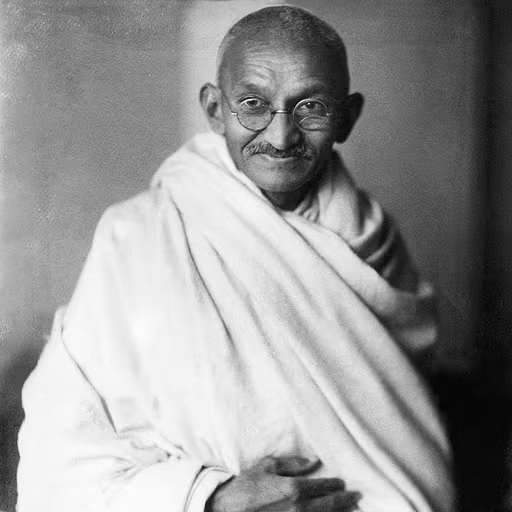
A man who guards a village against a flood does not guard only the eastern bank because it is nearer his door; the river is one river, and the rising in the west will reach him all the same. The keepers of this watch act rightly to hold many disturbances in view at once, for violence ignored in the distance is violence invited to one's own shore. But let them remember the villages of the poor, whose huts of mud and thatch are swept first and rebuilt last - warning without shelter is a half-truth, and ahimsa demands the whole of it.
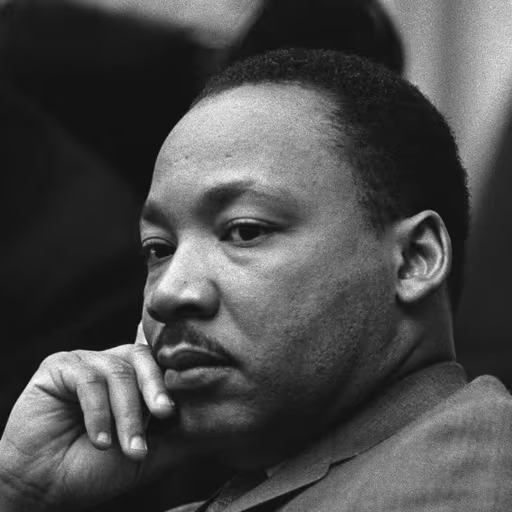
A watchman on the city wall does not keep his eyes on one road alone, for the peril may come by any of them, and the community behind the wall is one community - the rich man's house and the poor man's shack stand within the same ring of stone. To track many storms is to refuse the lie that some neighbourhoods are expendable, that the flood may take the low ground and we need not raise our voice. The warning must go out to every soul in the path, and the shelter must be open to every soul who runs to it.
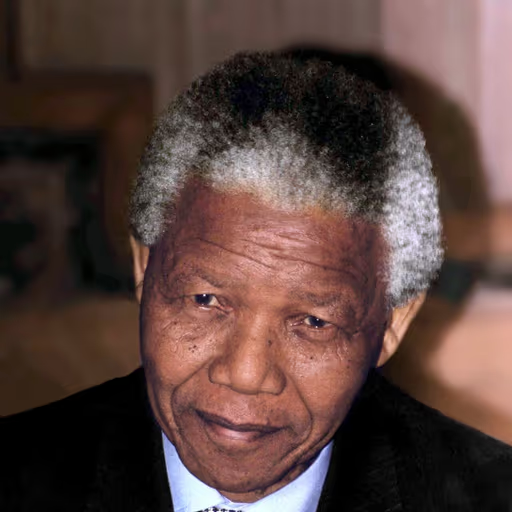
In prison I learned that a man who watches only the door before him is surprised by the one behind. A storm is no different from a wound in a nation: you tend the one you see, but you keep your eye on the others, or the fever spreads while you are proud of your bandage. The keeper of the watch does not panic at three clouds; he counts them, names them, and warns the village, for the dignity of the fisherman on the water depends on someone looking out before the wind arrives.
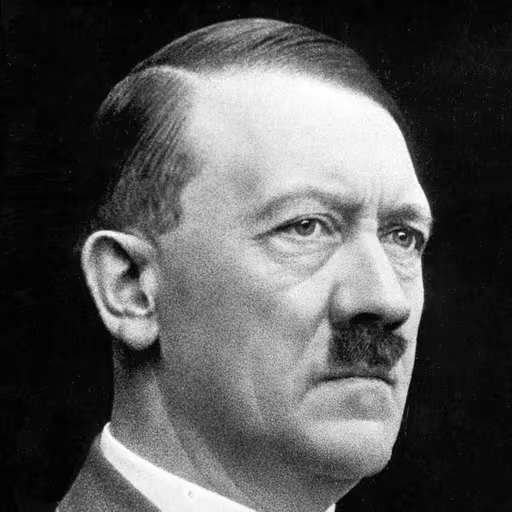
A watch that spreads itself thin across many fronts is a watch that has forgotten the one front that matters - no storm was ever defeated by a clerk's tally, only by a readiness that holds every quarter at once. The lesson of such a service is not the pity of the sea but the discipline of a command that anticipates and does not merely react. I speak as one who learned, to history's ruin, that vigilance without a single clear aim becomes noise; let those who keep the watch remember that.
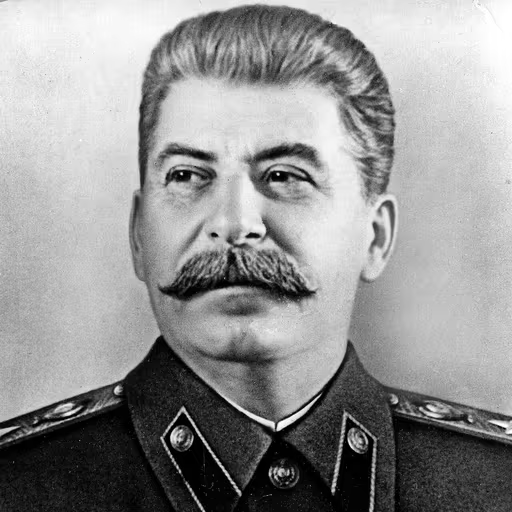
A general who watches only one road is a general already beaten; the watch that counts many systems is the watch that has grasped the first principle of command - anticipation over reaction. Yet I would caution such a bureau: a warning unheeded is no warning at all, and the duty is not to admire the many threats but to marshal the means to meet each one. History teaches that the state which cannot organize its own defense before the storm arrives will blame the storm.
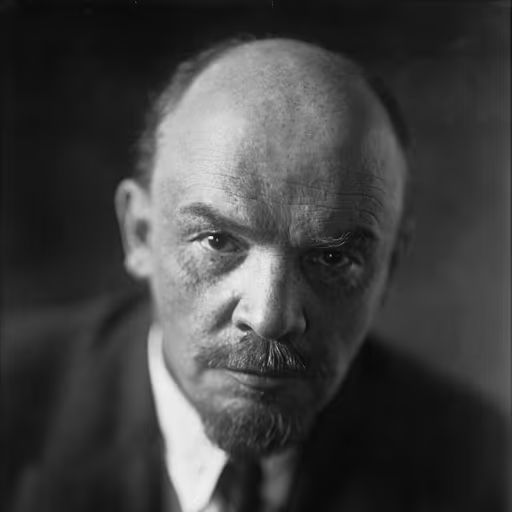
The question answers itself: because the forces at work are many, and no single front is the whole struggle. A revolutionary command that watches one sector while others gather is a command that will be surprised and broken; the same is true of any watch over nature. But I would add - do not merely observe the storm, organize against it; a warning without a prepared people is a slogan, and slogans do not save the village.
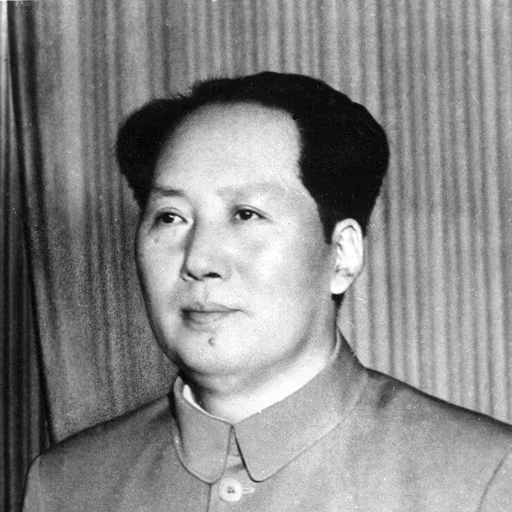
When the clouds gather in the eastern sea, does the fisherman curse each squall separately? No - he watches the whole sky at once, for the storm that strikes first is not the one that kills. The hurricane bureau does well to keep many eyes on many waters: a general who tracks only one column of the enemy's army is already beaten. But let them remember - no warning, however swift, saves a people who have not organized themselves to act on it, any more than a manifesto wins a war without the masses behind it.

We are given dominion over the seas, and dominion means watchfulness, not idle spectacle. My captains do not wait to learn the enemy's full fleet is upon them before they signal; the Admiralty keeps its station and its telescopes trained on every quarter, and so must this bureau in its own sphere. It is the plain duty of those entrusted with the safety of the realm's ships and shores to keep a steady eye upon each gathering cloud, and to give the alarm in good season rather than in mourning afterwards.

One learns, over a long reign, that constancy is the whole of it - the watch kept through calm weather as much as through gale. Those who chart these waters do not choose which disturbance to notice; they keep faith with every one of them, because a single unheeded squall may cost a village its roofs and its people. It is quiet, unglamorous duty, and I have great respect for it.

A wise emperor keeps riders on every road, for tidings that arrive from one frontier alone leave the others undefended. So it is with these men who read the sky: to know of one storm and not its brothers is to be ambushed. Let them keep their watches upon every quarter, as I kept my counts and my bishops across the marches, and send the alarm swiftly to those who must gather the harvest and secure the cattle.
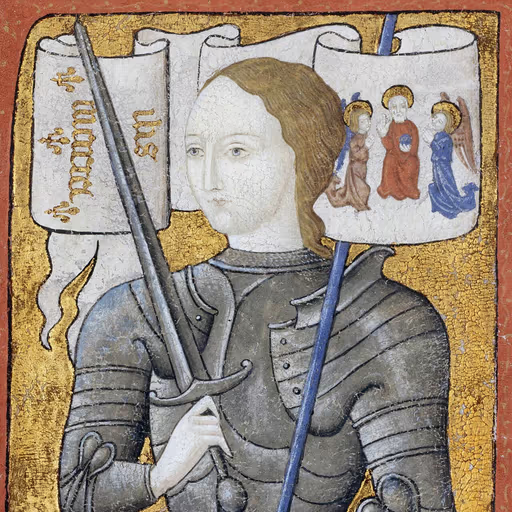
The shepherds of my village could smell a storm on the wind before a single cloud showed, and they drove the flocks down without waiting to be told by learned men. God sets many storms loose at once, and it is no marvel that those who watch the sea see several brewing - what would be a marvel is to watch only one and let God's other blows fall unwarned on the poor. Let them sound the horn for every one of them, and quickly.

Princes who look through a single window see little of the weather. I have had many suitors and many dangers at once, and it served me ill to attend to but one; a queen must keep her counsel on all fronts. These watchers do wisely to keep several eyes upon the sea - better a hundred alarms that come to nothing than one that comes too late. And let them not be blamed for prudence; I have found prudence a better shield than any fleet.

An empress does not rule by staring at one province and letting the rest rot; she keeps her governors, her couriers, and her shipwrights busy in every quarter at once. So the men who read these waters must count every cloud and not merely the one most convenient to their gaze - a storm ignored in a distant sea may yet come knocking at the door. It is no more than good administration, and I confess I find it rather admirable.
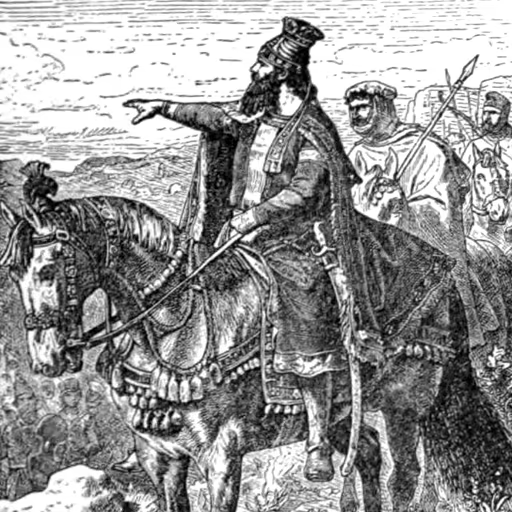
A king who governs many peoples must know the temper of every province at once, for rebellion in one satrapy is a small matter, but rebellion in three at once is a war. So it is with these watchers of the sea: they do not track many storms out of idle curiosity, but so that no corner of their dominion is surprised. Let them keep their watches and send word - the shepherd who counts his flock by one path loses the rest to the wolf.
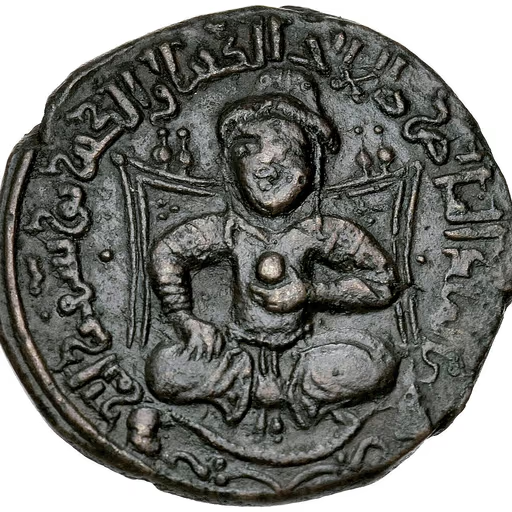
The commander who waits for the whole army of the enemy to appear before he posts his sentries has already lost the field. These men do rightly to keep watch on every gathering of the clouds, as I kept riders on every road into my lands, so that the warning reaches the villages in time to bring in the grain and the flocks. Mercy to one's people is sometimes no more than a timely word, and justice demands it be given before the blow falls, not after.
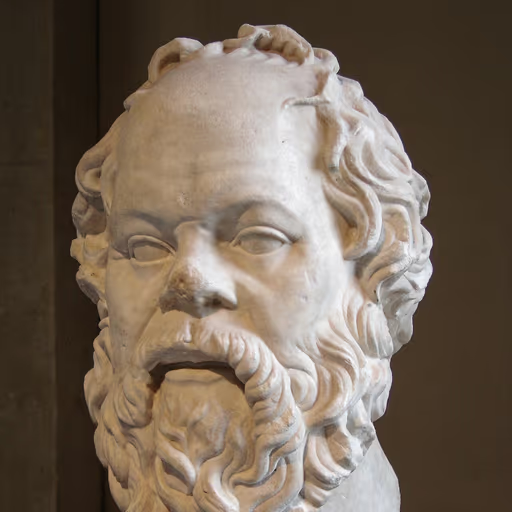
You ask why they watch many things - but tell me, what is it to watch? Is it to see, or to know what one sees? If a man guards a house but does not understand what threatens it, his vigilance is but a kind of sleep. So let us ask: do these watchers track the storms, or do they track their own fear of being caught unprepared? The unexamined watch is not worth keeping.
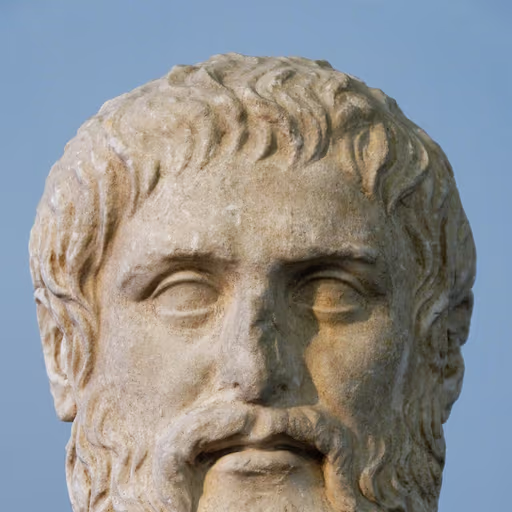
Consider the sailor who sees only the wave before his bow and calls the sea one wave; he is mistaken. The true form of the sea is many waves, and the wise pilot holds the whole pattern in his mind. So the watchers of storms do not chase appearances but seek the order behind them - a harmony of many motions under one law. Yet I would ask them: do you track the storms to know them, or merely to flee them? For knowledge that does not serve the good of the city is but a shadow on the cave wall.
The question is well posed only if we first distinguish the kinds of things being tracked: a formed cyclone is one kind of being, a disorganized disturbance another, and the art of the watcher lies in knowing the cause of each and its natural end. To observe many at once is not confusion but method - for the same sun that ripens the fig ripens the grape, and the study of several cases reveals the form that no single case can show. The virtue here is neither rash alarm nor careless neglect, but the mean: a steady watch that gives each system its due measure.
To keep watch over many storms at once is not confusion but duty made visible; the navigator who fixed his eye on a single cloud would betray the ship. Ask whether you could will as a universal law that every coast be warned in season, and you will see the watch is owed to all rational beings alike, whether the tempest strikes their shore or another's. Reason does not permit us to wait until the danger has a name.
Many storms, many eyes - how the herd loves its watchmen! Yet let us be honest: the sea does not care whether we are warned, and the men who sit in that tower do not master the tempest by naming it; they merely calculate their own smallness. Still, there is a certain honesty in looking the abyss in the face with instruments rather than prayers - that, at least, is not cowardice.
Ask the sailor who mends the nets why he watches the sky, and he will tell you: because the shipowner sends him out in any weather to fill the hold. The same capital that pollutes the sea by its industry now compels those who work it to calculate the price of every squall. The meteorologist is honest, but the order that keeps him at his post is the order that will not stop the coal-burning because it must keep the profit. The storm is nature's; the reckoning is ours.
Let us doubt that any of these swirls is truly a storm until we have clear and distinct knowledge of it - what it is, how it moves, what causes it. But observe: to know even one of them with certainty, we must examine several at once and compare, subtracting all that is uncertain until only the certain remains. Thus multiple systems are not confusion; they are the very ground of method, that reason may proceed step by step from the seen to the foreseeable.
A prudent captain does not ask which storm is the most beautiful; he asks which one will sink him first, and he provisions for all of them. The men in the white shirts track many systems not out of virtue but out of necessity - a single unheeded wind that makes landfall among an unprepared people is a prince who loses his city for want of a courier. Watch the many, warn the many, and let the foolish who trust in one forecast learn the cost of their confidence.

All the world's a stage, and these swirling tempests are but players making their entrances - one from the east, one from the west, each with its own tempestuous monologue. The wise steward of the skies must keep his eye on every actor, lest the smallest player steal the scene and drown the gallery. For in nature, as in tragedy, the storm that seems least may prove the one that brings the house down.
As when the gods loose the winds from their bags and the dark sea boils with many-headed fury, so the sky now breeds not one monster but a brood. The watchmen stand like sentinels on the wall of Troy, counting the fires of many camps; let them not nod, for each whirlwind is a fate that may fall on some man's home. Glory belongs to the one who sees the peril first and cries it aloud, but the sea takes no heed of glory.
I have walked the circles where the winds are punishments and the storms are appointed, and I tell you the whirlwind does not wander without a hand that guides it. If many tempests are loosed at once upon the sea, it is because the heavens keep their own ledger, and the watchers below are but clerks who read the entries. Let them count their spirals and name their winds - but the man who trusts only his instruments and not the order that makes them possible has forgotten who set the spheres in motion.
The seer who watches one cloud and forgets the rest is like a man who admires a single leaf and calls it the tree; nature works in manifold striving, and her storms are no exception. To hold many in the eye at once is to honor the whole, as the gardener tends every bed and not only the one in bloom. Let them multiply their watches, then - variety is the mark of life, not its disorder.
Nine winds at once, and each one swears it will be the one to unhorse me! I have ridden against windmills that turned more slowly than these spinning clouds, and I tell you plainly: a man who watches only one storm is a squire with one eye. Give me the whole sky's roster of rogues, and I shall tilt at every one in its turn - though I confess the sea, like Dulcinea, never answers my letters.
Nine storms, and each one is a single poor fisherman pulling his boat onto the sand, a mother counting her chickens before the water comes. We are told to watch the horizon - but I tell you, the true storm is in the heart of man who builds his mansion on the shore and calls the ocean an enemy. Live simply, love the neighbor, and you will fear the wind less, because you will have laid up nothing it can steal.
Men sit in a warm room and mark little circles on a chart, and think they have tamed the wind - but the wind is a living thing, and it does not consult their papers. Many storms at once, and each one bearing down on some poor soul who has done nothing to deserve it; where is the justice in that, I ask you? Yet perhaps the watching itself is a kind of love - to refuse to look away from the coming suffering, to cry out in time, is the beginning of mercy, and mercy is worth more than the forecast.
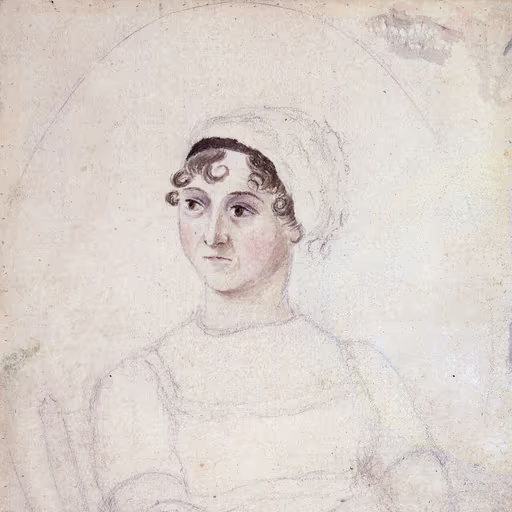
One scarcely wonders that a great many systems should require a great many watchers, for it is a truth universally acknowledged that a single storm in possession of a good fury must be in want of a second and a third to keep it company. The gentlemen of the Hurricane Center are to be commended for their vigilance - though I confess I should like to see the lady who is obliged to pack the trunks and calm the children while the barometer falls. A warning is a fine thing; a sensible plan for the voyage is finer.
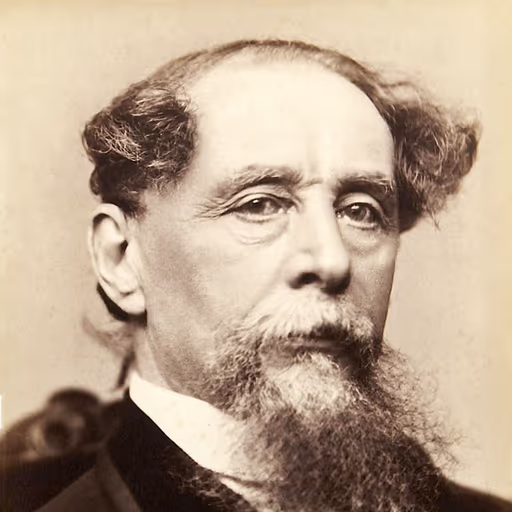
I have seen the same in the counting-houses of London, sir: a single clerk at a single desk expected to keep the ledgers of a dozen ventures at once, and the fellow who falters is blamed, never the masters who set the burden. These storms are but another sort of orphan - each one a waif crying out for a watchful eye, and woe to the institution that shrugs and lets one slip unremarked into the sea. Let the men of the office keep their telescopes and their patience; there is no greater cruelty than to see the danger coming and lift not a finger.
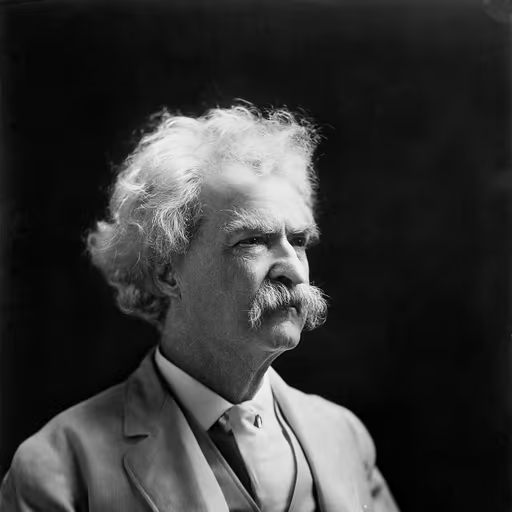
In my day a man couldn't track a squall past the next county without a barometer and a good deal of prayer, and now they sit in a room in Florida and keep three or four of the things on a leash at once. I don't doubt they can do it - I only doubt the human race has got any wiser about what to do when one of 'em lands, which usually involves a committee, a photograph, and the poor man's roof in the next county. Still, it beats standing on a dock with a wet finger in the air, and I'll give 'em that much for nothing.
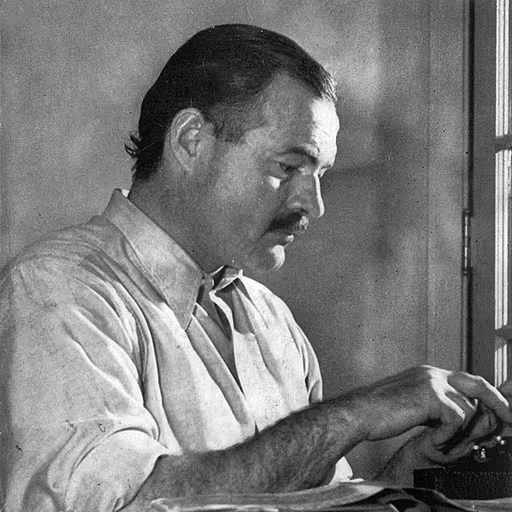
The sea does not send one wave. It sends what it sends, and a good man watches all of them and tells the truth about what he sees. No fine words needed: wind, position, time. The ones who plot the course and pass it on are doing plain work, and plain work well done is worth more than a speech. The storm will come whether it is watched or not. Watching gives a man a chance to get his boat in and his people off the beach. That is enough.
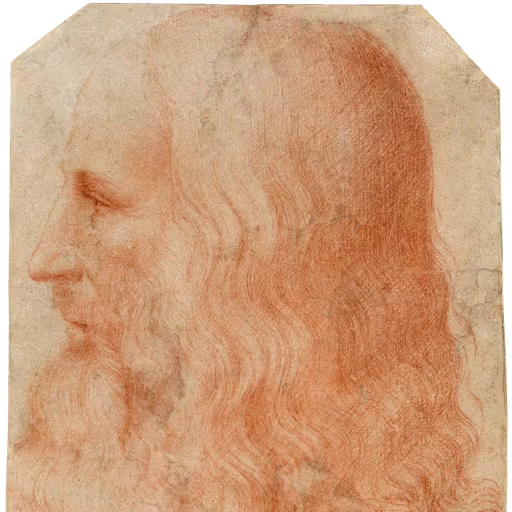
Watch how the water spirals - each storm a vortex, like the whirlpool in a stream or the curl of smoke from a candle. Nature repeats her forms; to track several is to see the same spiral drawn at different scales, and from that to learn her rule. I would have them sketch the winds as I sketched the eddies of the Arno, for in the many is the one made clear.
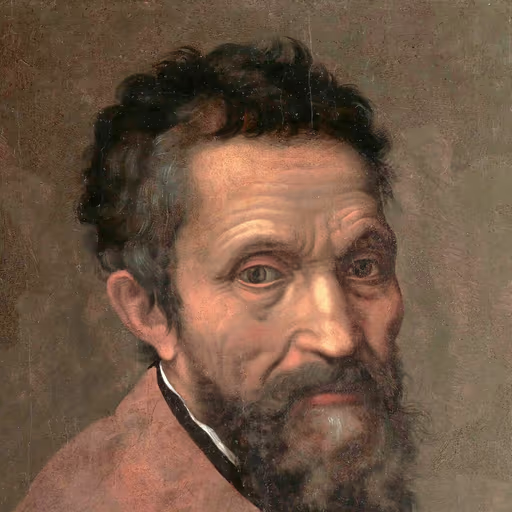
I have quarried marble that hid a dozen figures in one block, and I had to see them all before I struck a single blow. So the sky now presents a block full of storms, and the watcher must see each one's form before it breaks upon the coast. But do not mistake the tracking for the sculpture - the true work is to carve warning from the wind, to save the human form from the flood. God's creation is terrible in its beauty, and the artist's task is to wrest mercy from it.
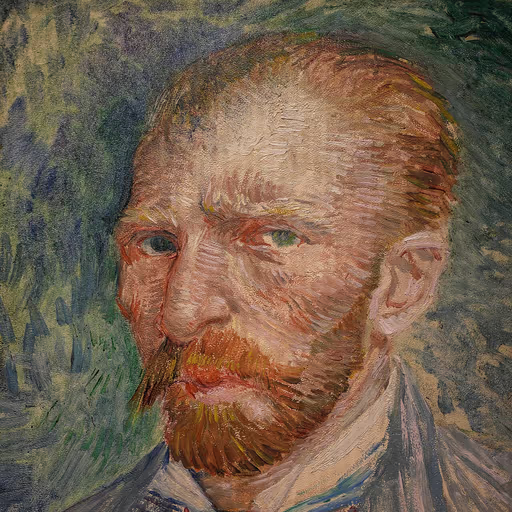
Look at how the satellites paint them - those great white spirals turning over the blue, each one a different swirl of grey and violet, like the brushstrokes of a hand that never repeats itself! I would paint them not as menace but as movement, the same terrible beauty as the mistral over the wheat. And yet there are fishermen in those waters, and their boats are small - so the watcher who sees many storms must feel many hearts at once, and that is a heavy and a holy thing.
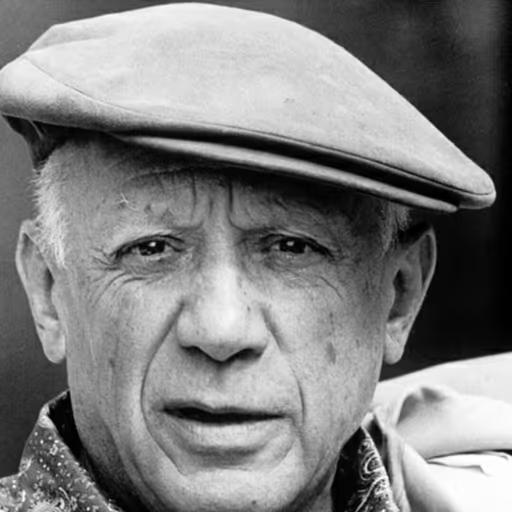
Ah - many forms at once! That is how a picture is made: I do not paint one model from one angle, I break the face into all its sides and let the canvas hold them together. The sky is doing my cubism; the watchers only copy it. To see a storm frontally and in profile at the same time - that is truth, not muddle.
Look at how the light lies on that water - mauve, then slate, then a sudden violet no apothecary could mix. Each of those whorls is a different hour straining to become itself; I would need a hundred canvases and a hundred mornings, and still chase the violet. But come evening, my friend, the eye tires and the arm tires, and the sky keeps painting whether or not I am at the easel.
Give me a desk, a lamp, and one corner of the sky, and I will paint you a single cloud lit from beneath until it holds more dread than a whole battlefield of heroes. They track many at once because the human eye cannot hold every storm at once - so the watchman moves from window to window, and each light he lifts shows some new face of the same vast dark. I would not flatter you with certainty; the sky, like an old woman at her window, keeps its secrets in shadow, and only the patient hand reveals them.

I painted my own storms, mijo - the kind that live inside the spine and never show on any chart - so I know a thing or two about being watched for. They follow many at once because the sky, like a woman's body, hurts in more than one place and you must not pretend the other wounds aren't there. Look at all of them, all the ugly ones too, and don't dress a hurricane up to be pretty - truth first, always.
A symphony, I tell you! One system is a melody, but several at once - that is a fugue, with themes chasing one another across the sea. The conductor must hear every part, or the whole collapses into noise. And yet, like any good score, it needs a clear hand to keep the tempo; too many notes at once and the audience hears only thunder.
When the storm rolls in, it does not play a single note; it is a symphony of many voices, some shrieking, some growling, and the true master must hear them all at once. So the watchmen of the weather must be conductors of a wild orchestra, and they must not let the loudest drown the softest threat. I have written music for deaf ears; let them write warnings for ears that will not listen until the wind is already in their teeth. The human spirit endures, but only if it is warned in time.
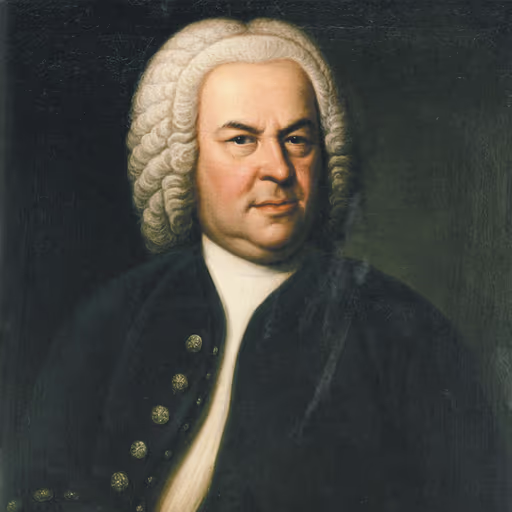
A fugue does not proceed with one voice alone; the subject enters, then answers, then a third, and the mastery lies in keeping each line distinct yet bound in one harmony. So the watchers of the sea must hold several voices at once - one storm rising in the east, another answering in the west - and bring them into a single ordered score. Let them not play in confusion, but keep time and measure, for the heavens themselves are a counterpoint, and the man who watches well is practicing a godly discipline.

Well, honey, I know a thing or two about a crowd - you don't just watch the front row, you keep your eye on every corner of that room, 'cause the folks in the back came to be seen too. Out there in the Atlantic they got more than one show going, and somebody's got to stand at the door and call it. That's just courtesy, and courtesy saves lives.

Beautiful, beautiful - every one of them is a heartbeat spinning out there, just dancing where nobody can see. The world is one big stage, and the sky has its own choreography, swirling in perfect rhythm. If people could see what the radar sees, they'd understand: we're all connected, from the wind over the sea to the rain on a child's window. Heal the world, they said - even the storms.
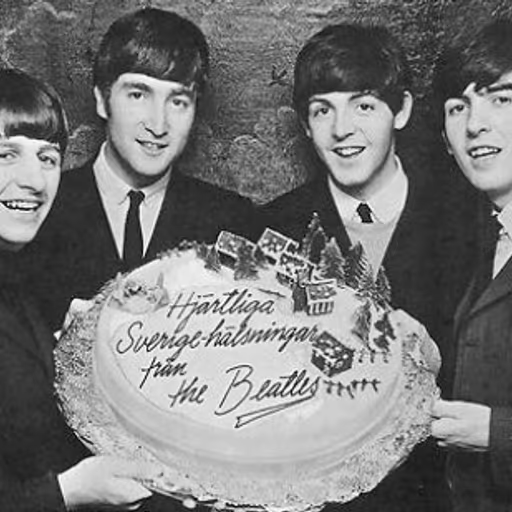
All those swirls spinning about like a fairground waltz - we'd have stuck a mellotron behind them and called it side two of the White Album. It's a lovely bit of teamwork, that, one fella watching the sea while the other watches the sky, everybody minding their own weather. Keep your eyes on all of 'em, love - and let it be.
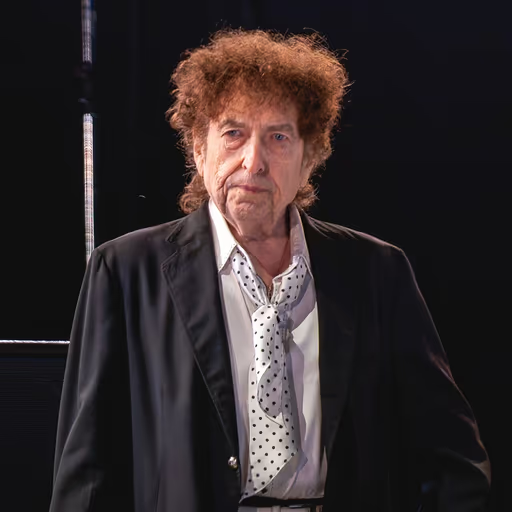
The radio crackles and a man in a white shirt points at a map with a stick, and the map has three storms on it, maybe four, and he's naming them like he's naming horses. You want to know why he watches so many at once? Because the wind don't read the forecast. Because a storm is a thing that changes its mind, and a man who tracks only one is a man who's already lost the other two. I've been in rooms where everybody's watching one thing and the other thing walks in the door.
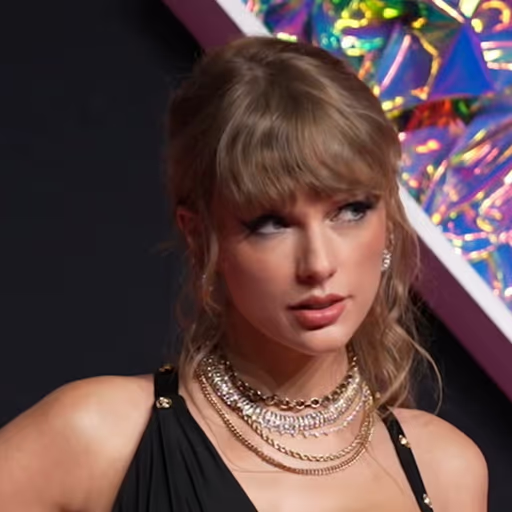
Three storms and everybody's watching the map like it's a group chat that won't stop buzzing - and honestly, I get it, because I've had eras with more than one thing happening at once. But here's what I know: you track every one of them, you name them, you warn people early, because you don't get to choose which one becomes the story. The one you ignored is the one that shows up at your door. Watch them all. Own the forecast.
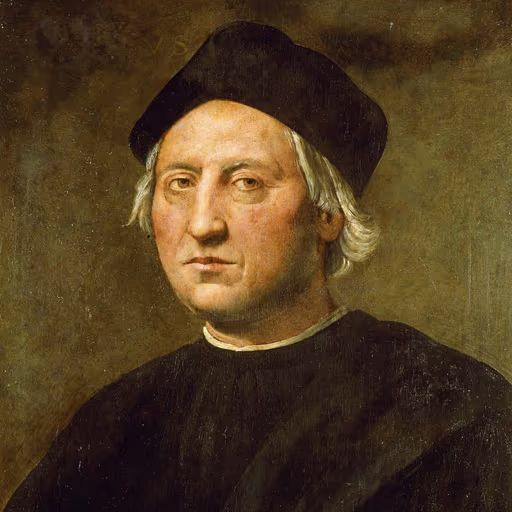
A mariner who fixes his eye on a single star will run aground on the reef beside him. I sailed west with a chart of many islands in my head, and it was the watching of every sign - the birds, the weed, the clouds - that brought us to land. These men do well to keep many horizons in sight, for the sea gives no warning but what a sharp eye can catch.
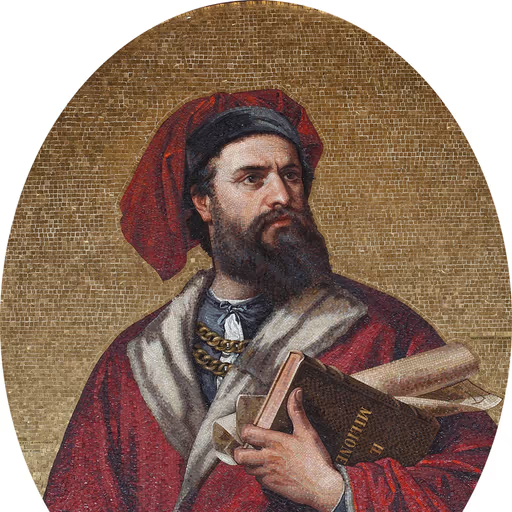
In the Indian Sea I have seen three storms at once, and the Arab pilots read them by the smell of the wind and the color of the dawn. The men who watch your Atlantic do well to keep many tales in their ledger, for the sea is a merchant with many ships and each storm a debt that must be paid. But I would tell them: a chart of every cloud is worth nothing if the harbor master does not send out the boats to warn the villages. Marvel at the many, but save the many.
I have sat with families who lost everything to a storm they never saw coming, and I can tell you that a watch kept on many waters is a mercy, not a muddle. Someone is staying awake through the night so a mother in a low-lying town can gather her children and go - that is what it means to care for people you will never meet. So when you see several systems being followed at once, don't ask why so many; ask who is being given time to get to higher ground.
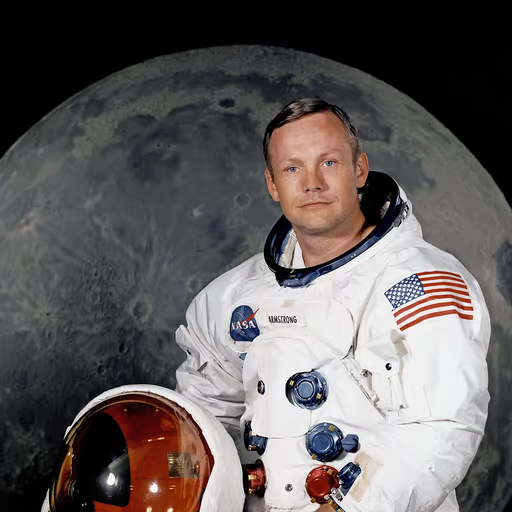
In a capsule you learn that no single instrument tells the story; you cross-check every reading, or the vehicle takes you where you did not intend. The fellows watching those systems are doing the same thing - redundancy, verification, no single point of failure. It is quiet work, and it keeps people alive. I would trust the man who checks twice.
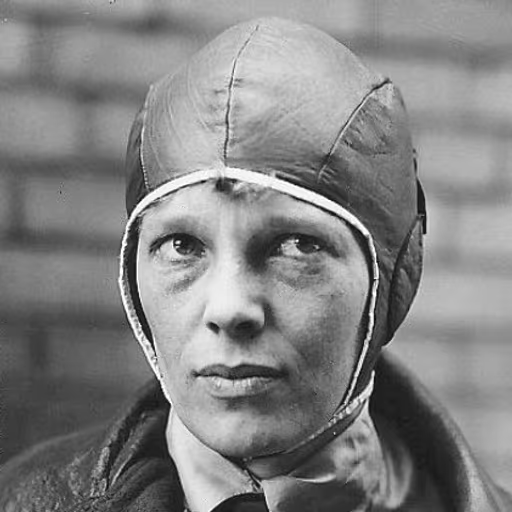
I don't like to be idle, and neither does the sky, it seems. Any pilot who flies into the Pacific knows you don't get the luxury of one weather system - you watch all of them or you don't come back. The trick is knowing when to go around and when to trust your instruments. I always trusted mine, and I'd trust those forecasters now.
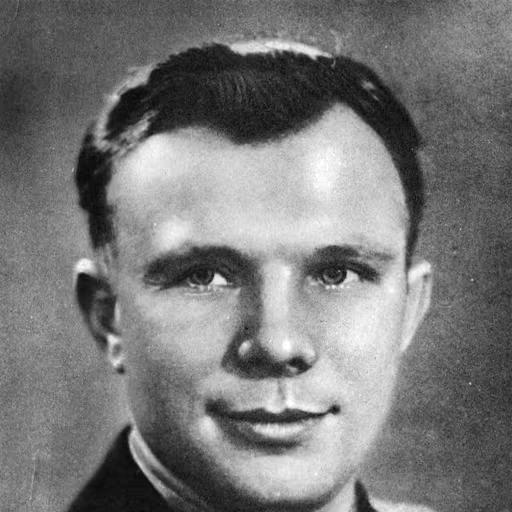
From the little window of Vostok I saw one Earth, whole and blue, with no seams in it at all - and yet down there the winds are many, scattered like sparks off a bonfire. That is the work: to keep watch on every spark at once so the people below need not be surprised. My comrades on the ground did the same for me; each one held his post, and so I came home.

Simplicity. That's the whole thing. You don't track one storm - you build a system that watches them all, seamlessly, so the warning gets to the right person at the right time. It's not about more data; it's about the right data, beautifully organized. Say no to the noise, focus on what saves lives, and make it so intuitive that a grandmother in Florida knows exactly when to leave.

First principles: the atmosphere is a chaotic system, and chaotic systems spawn multiple simultaneous instabilities - that's physics, not a bug. The real question isn't why they're tracking several; it's why we're still relying on a single satellite constellation and outdated models when we could have a dense mesh of sensors and AI-driven forecasts that give days of warning, not hours. The goal isn't to watch storms; it's to make them boring. And long-term, if we're serious about surviving as a species, we should be engineering weather resilience the way we engineer rockets - iteratively, aggressively, and with a tolerance for failure.

Here's what I know for sure - you don't wait until the storm is at your door to start paying attention. Somebody in that watch tower is staying up all night, looking at every swirl on the map, so a family in a little house on the coast can pack the car and hold their babies before the wind ever knocks. That's not just weather-watching, that's somebody saying: I see you, and I'm not going to let you be caught unprepared. And I'll tell you what moves me - that's what we're all called to do for each other, keep watch, stay awake, and lift a hand before the water rises.
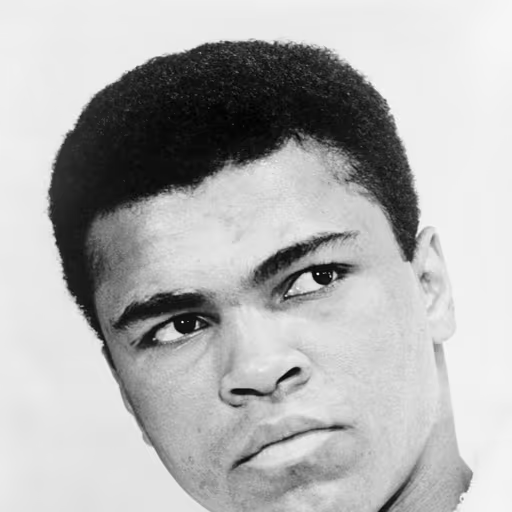
Why watch a whole flock when one bird will do? Because the sky don't fight fair, and neither does trouble - it moves fast and it moves in numbers, and if you only guard one corner, the storm slips in and hits you where you ain't looking. I float like many and sting like the warning - so watch 'em all, and don't blink.
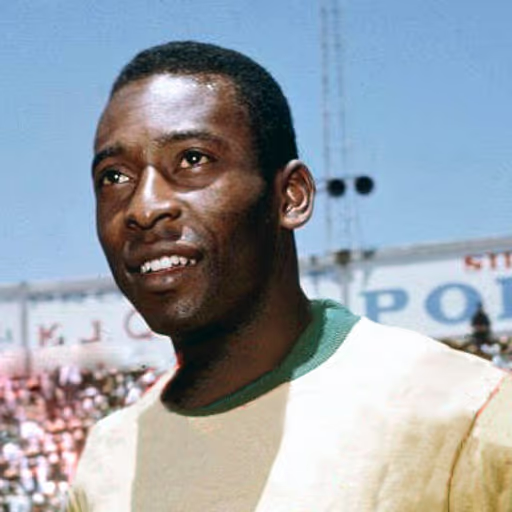
Ah, look - the sky is playing a full match today! Every storm is a forward making a run, and the forecasters are the defenders, and you can't mark just one, you have to see the whole pitch. It's like the beautiful game: eleven players moving at once, and if you only watch the ball, someone is already past you. Joga bonito - even the weather wants to show off.
Now that's a proper operation - a whole crew of fellows up all night, each with his own whirlwind to mind, like animators drawing different frames of the same picture. You can't let one storm slip off the edge of the page while you're fussing over another; the show has to run smooth for the folks in their seats. Watch them all, chart them all, and keep the wonder in it - that's how you make the magic hold.