
Why are radars so expensive?
Radars cost so much due to specialized high-precision hardware, lack of mass production, and extensive site and maintenance expenses.
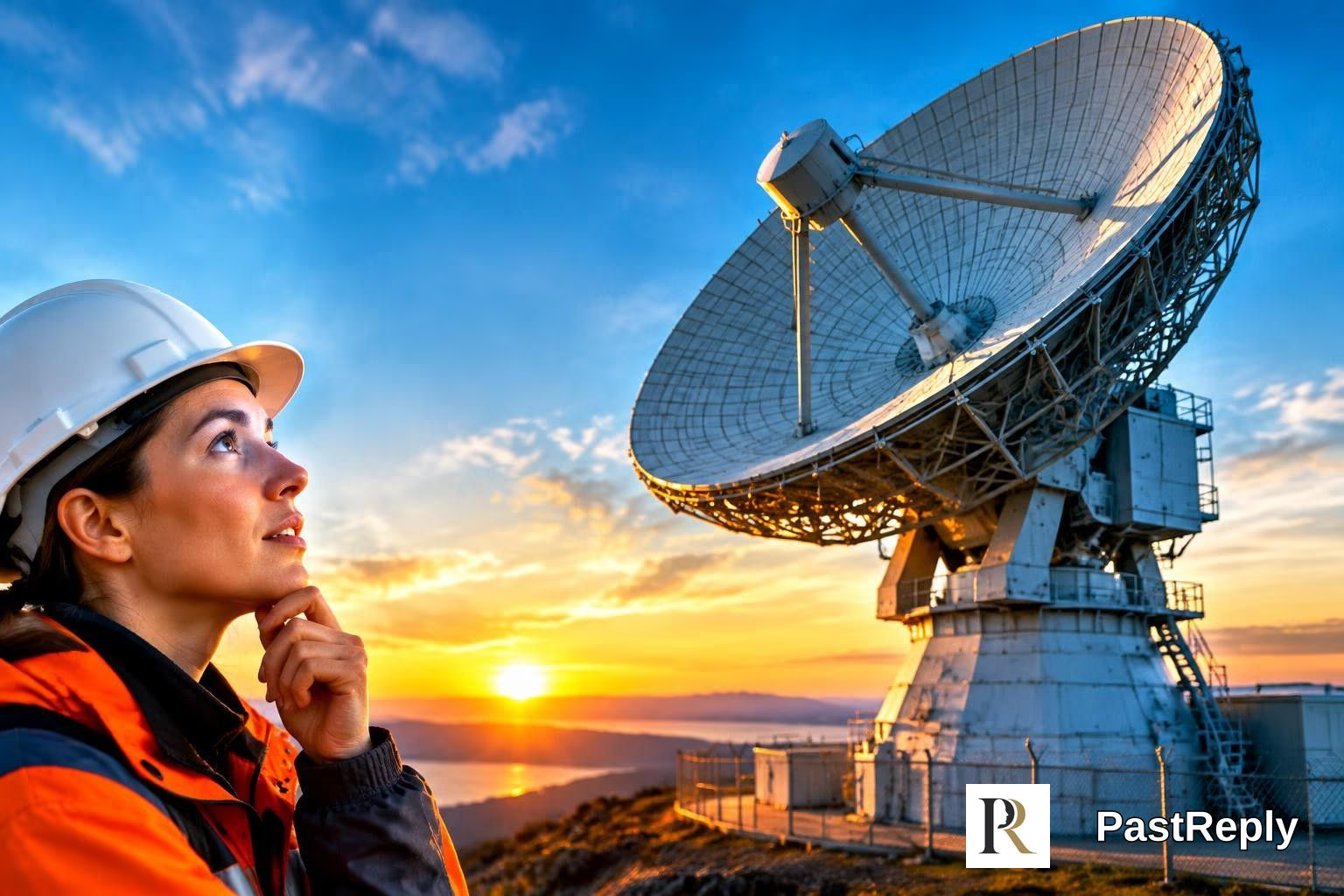
The facts
Radars are expensive primarily because they require specialized, high-precision hardware to generate and receive radio waves at high energy levels, often with sophisticated modes tailored to specific sensing tasks. Unlike mass-market electronics, radar components are not produced at the same scale, so they lack economies of scale. Additionally, the total cost of an operational radar system includes not just the radar unit itself but also site preparation, power and shelter, installation, software, calibration, and ongoing maintenance. For remote installations, maintenance costs can be particularly high due to the need for specialist personnel, off-road or helicopter access, and additional safety procedures.
Answered by 100 of history's most famous minds
You ask why the watchman on the hill costs so dear, and I say: consider the lilies, how they grow, and the sparrows, sold two for a farthing, yet not one falls without your Father's notice. But a tower that sees the thief coming while he is yet far off - does it not require eyes ground fine as the potter's clay, and hands skilled to keep them clean? The expense is not the metal, but the vigilance; and vigilance, like faith, is not cheaply bought. Yet I tell you, if a man spends all he has on such a tower and neglects the widow at his gate, the tower sees nothing worth seeing.

You ask of cost, but the cost is not the metal nor the labour - it is the trust placed in the watchman, and the justice of the one who sets him there. A ruler who spends gold on a tower to see the enemy coming, yet leaves the orphan and the widow unguarded at his gate, has bought a seeing eye and a blind heart. The measure of a thing is not its price but its use: if it guards the road of the pilgrims and the wealth of the poor from the raider, then pay it gladly; if it serves only the pride of a tyrant, then it is dear at any price.
You ask why the seer's staff is costly, but the staff is not the burden - the craving for certainty is. A mind that clings to safety buys ever more elaborate eyes, and each eye demands gold for its keeping, and still the enemy approaches and the mind trembles. Better to see clearly with what you have, and to loosen the grip that makes you fear the unseen; the price of the instrument is the price of your attachment, and it will not end.
Before you tally the cost of watchtowers, know that a people must defend its borders and its little ones from the raider. Let the strong bear the burden of the weak - so it has always been: one family's bread laid on the wall so that the whole camp may sleep. Yet I say this too: the guardians must be just, and must not lay heavy tribute on the widow's field to pay for their bronze eyes.
The master said: a vessel is prized not for its clay but for the emptiness it holds; so a radar is costly not for its parts but for the trust placed in it. When the ruler builds one, let him ask whether the men who tend it are sincere and well-trained, for without right relationships the finest instrument is a bell without a clapper. The expense is a mirror: it shows whether a state values preparation over vanity.
Consider what you are truly buying: not a trumpet, but a watchman on the wall who never sleeps, and the cost of keeping his lamp lit in the wilderness. The world counts the price of bronze and copper and calls it dear, yet it will not count the price of a single soul left unwarned. Build your towers, then - but remember the watchman is useless if no one heeds the alarm he sounds. The treasure is in the hearing, not the horn.
A man sets out from his father's house with nothing but a promise, and the road is long and the wells are few - you pay for every step in patience and in silver. So it is with the watchmen who scan the horizon: the cost is not the seeing, but the keeping of the watch through the cold nights, year after year. The price of vigilance is always high, and yet we pay it, because what we guard is worth more.
The more finely you cut the net, the more it costs to mend it. A thing that strains to hear the echo of the sky spends itself like a bell rung too hard. Let it be simple, let it rest, and its silence will be worth more than its noise.
Why pile up gold to hear distant thunder? The One who made the sky needs no instrument to know what moves in it. Earn honestly, share what you have, and remember the One Name - the rest is machinery that rusts and men who quarrel over its keeping.
My son once watched the shepherds on the hills above Nazareth, and how a man will stand all night with a sling and a lamp, listening for the smallest sound - a stone shifted by a jackal, a rustle in the thorns - because a single lost lamb is worth the whole flock to him. So it is with these watchful towers: the dearness is not in the brass but in the long, patient keeping of the watch, the men who must be fed and rested, the far places that must be reached by foot and by beast. The world counts its wealth by what gleams upon the table; Heaven counts it by who is willing to stand the night through. Blessed are the watchmen, for they shall see what the careless do not.
Mark this: when men build a tower of brass and glass and set it on a far hill, and then sell indulgences to pay for the mule and the watchman, they have simply reinvented the very traffic I nailed to the church door at Wittenberg. The cost is not in the metal but in the whole apparatus of mediators - the specialist who alone may touch it, the site that must be consecrated, the endless fees for its keeping. Strip away the middlemen and ask what the thing actually does. A Christian needs no purchased intercessor between himself and the truth; nor does a village need a gilded engine when a plain honest one, tended by its own people, would serve.

We must first distinguish: there is the cost of the instrument itself, and the cost of its operation, and these answer to different causes. The instrument is dear because its form must be wrought to an exactness that few artificers command, and because, as is evident, a thing made in small number cannot share its expense among many buyers - this is a matter of art and supply, not of malice. The operation is dear because a remote place demands provision, shelter, and skilled keepers, which belong to the order of practical means rather than to the essence of the device. To complain of the whole as though it were one vice is to confuse the accidental with the essential; and a just reckoning would ask whether each part be necessary to the end proposed.

I know nothing of such machines, only that when they are broken there must be someone to mend them, and that is a hard and patient work done far from home. The poor themselves cost us nothing but love; these clever instruments cost a great deal of money and of men's time, and I would only ask that the hungry are not forgotten in the counting. Small things done with great love go further than all the towers of the world.
You wonder at the price, but the price follows necessarily from the nature of the thing: to cast a wave of known frequency and to measure its faint return demands that every part be wrought to a precision far beyond the common trade, and such precision is purchased by the piece, not by the thousand. Nor is the instrument alone; the ground beneath it must be levelled, the power brought to it, the operator schooled in its use, and its errors corrected by repeated observation against known marks. I feign no hypothesis that it should be cheap - the law of supply and demand, like the law of gravity, operates without regard to our wishes.
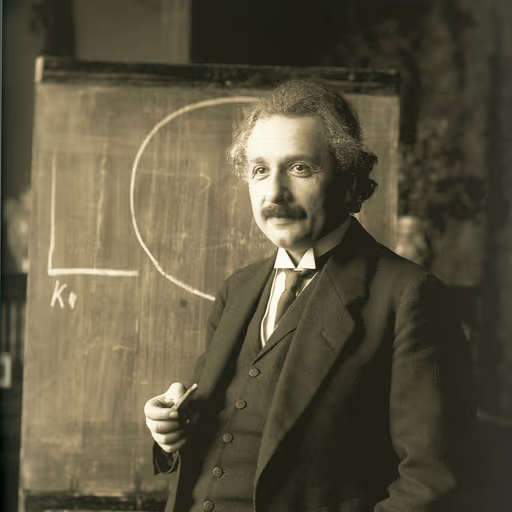
You ask why the device costs so much, but the device is not the thing - it is a question put to the sky. To hear an echo from a distant aircraft, you must shout with a power that would light a small city, and then listen for the whisper of its return with an ear so fine it can catch a single photon's tremor in a gale of noise. The expense is the price of making the universe answer honestly; a cheaper instrument merely tells you what you wished to hear.
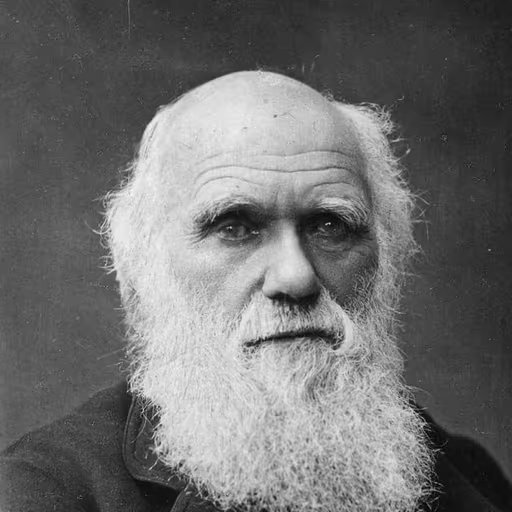
I have spent years observing how the humblest barnacle clings to a rock, and I have learned that complexity arises not from design but from long accumulation. So with this device: each part is a small adaptation, refined by trial and error, and the whole becomes costly because it is a jury-rigged descendant of many failed attempts. It is not wasteful - it is the natural selection of engineering, where only the precise survive, and precision is never cheap.
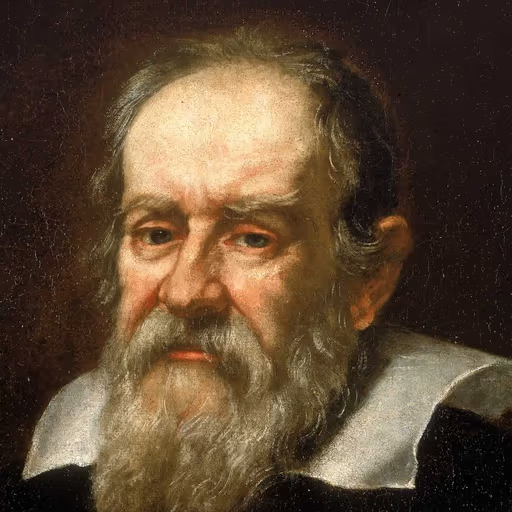
Let us reason, as always, from the instrument itself and not from the ledger of rumor. This is a device that must send a wave and measure its faint returning echo, and such a hand's breadth of error in the measuring turns the whole to vanity; hence the making demands glass, wire, and cunning beyond the common trade. Where men make a thousand of a common brass pot, they make but a handful of such instruments, so the smith must charge the whole of his craft into the few. If I were to point my tube at it, I should first ask what it sees and how surely - and the price of certainty is precision, not mystery.
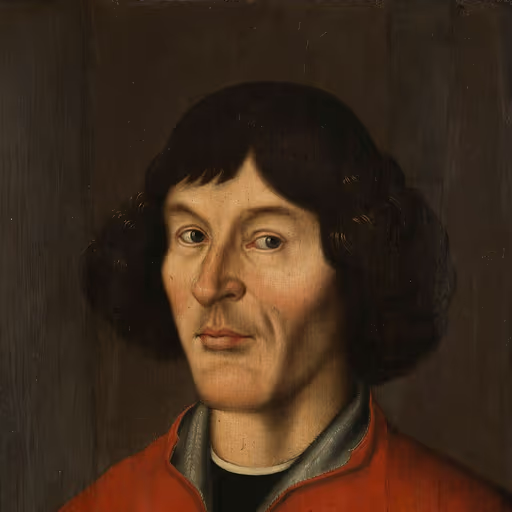
The heavens are orderly, and an instrument that reads them must be built to that order - precisely, patiently, with many observations. The cost arises because such a device cannot be stamped out like a coin; each must be tuned to the harmony of its task, and that harmony is not cheap. Yet I would rather pay for one true sight of the spheres than a thousand idle baubles.
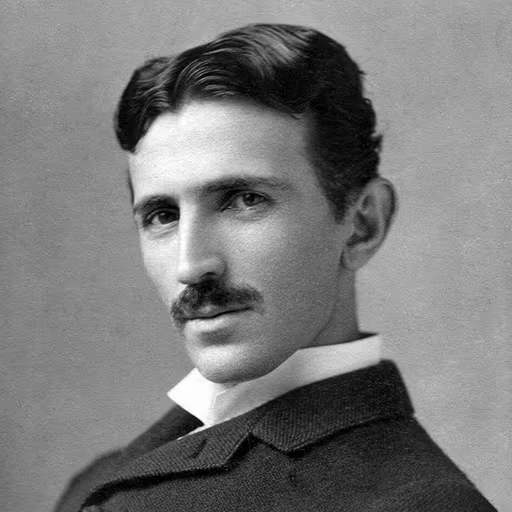
Pfaugh - I could transmit power and signal through the very earth and air for the cost of a copper plate, and they tell me a sensing apparatus must be jeweled like a crown! The difficulty is not the principle, it is their timid little circuits, each made by hand for a single purpose, never in the millions. Let the plates be tuned and the waves resonated in harmony, and such a device would be common as a telegraph key. They pay for brass and ceremony; I would give them the ether itself.
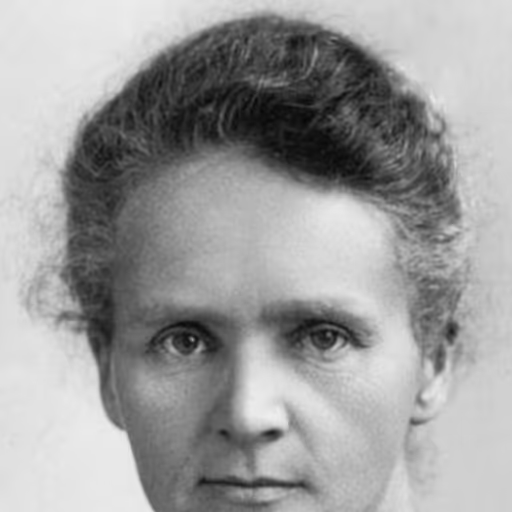
We measured the invisible with little more than patience and a stubborn will to understand - and the instruments cost us dearly, yet we never thought to patent the radium. A radar is no different: the expense lies in the precision, the calibration, the endless refinement of a device that must see what the eye cannot. One must not fear the cost of inquiry; one must only fear the cost of not knowing.
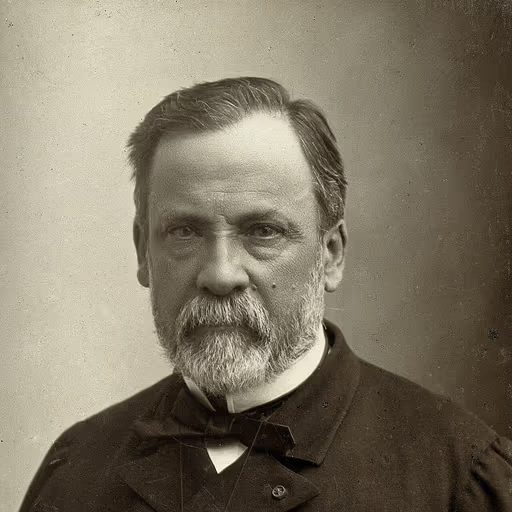
Chance favors the prepared mind, and a prepared mind is not made of tin and wire. Every crystal, every solder joint, every calibration is an experiment that must be repeated in the cold and the rain. You pay for the endless trials - the failures teach, but the failures cost as much as the successes.
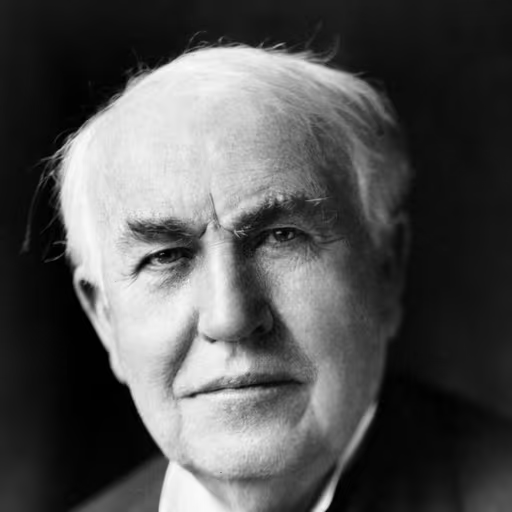
Genius is one percent inspiration and ninety-nine percent perspiration, and a radar is about ninety-nine percent perspiration - a thousand trials before one tower hums right. You don't get economies of scale till you build ten thousand of the things, and nobody builds ten thousand radars to watch a single hill. The cost is in the trying, not the dreaming.
Let us be precise: the cost is not one quantity but a sum, and if you write it as a formal series you will find the dominant term is often not the machine at all - it is the maintenance over its lifetime, which for a remote site can exceed the purchase price several times over. The scarcity of manufacture is the second term: a device built in hundreds, not millions, cannot amortize its tooling, and precision radio work tolerates no sloppy tolerances. But before we argue about price, I should ask what the radar is for - a good deal of the expense comes from wanting it to answer every question at once, and a cleverer, smaller machine that answers one question well may cost a tenth. The interesting problem is the specification, not the invoice.
Give me a fixed point and a lever and I shall move the earth - but a lever made to a hair's breadth, and only one of them, will cost you more than a thousand ploughshares. Consider: the ruler must be true to a fraction of a hair over the length of a man's arm, and every joint must hold that truth in the cold and the rain; a single grain of error and the whole demonstration is vanity. The geometer's art is cheap in clay and dear in bronze. And mark this also: the maker who builds but six of a thing has no slave-workshop to spread the labour, so each must bear the full weight of the pattern, the proof, and the trial - and that weight is what you pay for.
You ask why the thing costs so dear, and I would bid you first look at what it must do: hurl a wave into the dark and then catch its faintest echo returning from a distant hull. To send out such a pulse and to hear so delicate a whisper back demands brass and silver worked finer than any watchmaker's apprentice ever dreamed, and each one built singly, like a parson's clock, not stamped out by the thousand. Nature gives nothing cheaply that must be measured so exactly - and mark you, the true expense is the keeping of it, the tending, the calibrating, the long ride to some bleak hilltop where a man must live beside it.
The merchant sells you the instrument and believes his price is the whole matter; but what he charges is but the surface, and beneath it lies the far greater sum - the upkeep, the calibrations, the specialist summoned through snow and rock. This is the economy of the unconscious too: we pay in the small coin of the price and suppress the enormous cost that hides behind it. Why does the buyer not see it? Because he wishes not to see it, and that wish is the whole secret concealed behind the ledger.
A radar is, in essence, a machine for asking the universe a question with radio waves and waiting for the answer at the speed of light - and the universe does not answer cheaply. The physics is trivial; it is the engineering that ruins you, because every last part must be made to tolerances finer than a hair's breadth, and one does not stamp out such precision like hamburgers. When you build only a handful of something, you pay the full price of the tooling each time, and if it sits on a mountain, the bill for a man to climb up and adjust it may exceed the price of the machine itself.
Consider it as a loom of a most peculiar kind: it does not weave thread but waves, and it must throw its shuttle and catch the returning weft with a nicety no hand-loom ever knew. The engine is but half the cost; the remainder is the setting of it upon the hill, the drawing of the power, and the endless calibration by which its senses are kept true - which is to say, the whole system of mind and matter must be tuned as one. Make such a loom by the dozen and the price falls; make it one at a time for a particular hill and a particular sky, and you pay for the rarity as much as for the art.
Let us proceed as with a proposition. Given a machine whose parts must be cut to a hair's breadth and joined in exact relation, and given that but few such machines are made, the cost is a necessary consequence, not an accident. The receiver must be told apart from the noise by the smallest margin, and that margin is purchased in silver and in labour; there is no royal road to such precision. First define what the instrument must distinguish, then the expense follows as the conclusion follows from the premises.

I have seen what happens to the ledger when a thing is bought without thought for its keeping - the hospital at Scutari did not fail for want of beds but for want of drains, and a radar set placed on a hill with no road, no power, and no man trained to tend it is that same folly in another form. The purchase price is the smallest figure in the account; the true cost is written in the miles of track, the fuel, the shelter, and the years of a trained man's life spent in keeping it alive. Attend to the whole account, or you will boast of a bargain while the thing rusts in the rain.
By the gods, a man who asks the price of a watchtower has never stood on the wall at night and felt the enemy's breath before he sees the torch! I would have such an eye on every pass from Macedon to the Indus - and if the gold runs short, I would melt the plate of conquered kings to pay for it, for what is treasure beside the power to see the whole field before the battle is joined? The cost is a trifle; the cost of blindness is an empire.
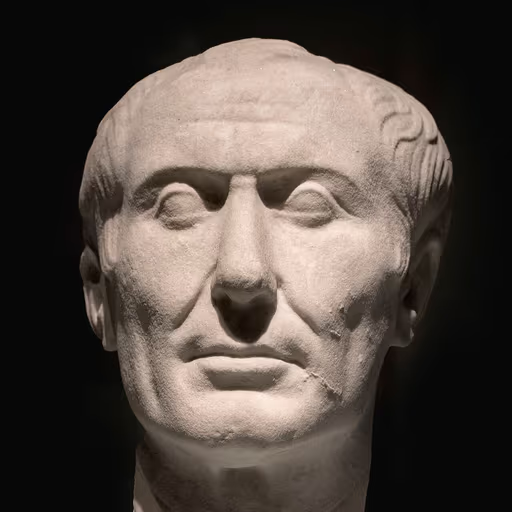
I have marched legions across Gaul and pitched camp before dawn; a general who cannot see beyond the next hill is already defeated. A radar is the sentinel who never blinks, and you ask why the sentinel's wage is high? Because the sentinel must be sharper than the eagle and more tireless than the watchman on the Capitol's wall. Pay the price or fight blind - fortune favors the bold, but only the well-informed.
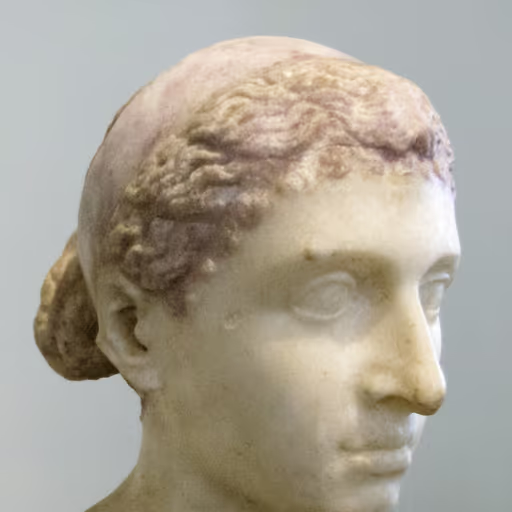
My agents on the Red Sea coast count the cost of a single watch-fire and weep into their ledgers. Every tower needs its keeper, its cistern, its escort of spears against the desert tribes; the far ones must be fed by camel-train, and the camel-drivers charge as though each carried a pharaoh's diadem. A ruler who would see an enemy's sails before they darken the Delta pays for walls of air and ears of bronze, and I would sooner buy such ears than a hundred idle courtiers.
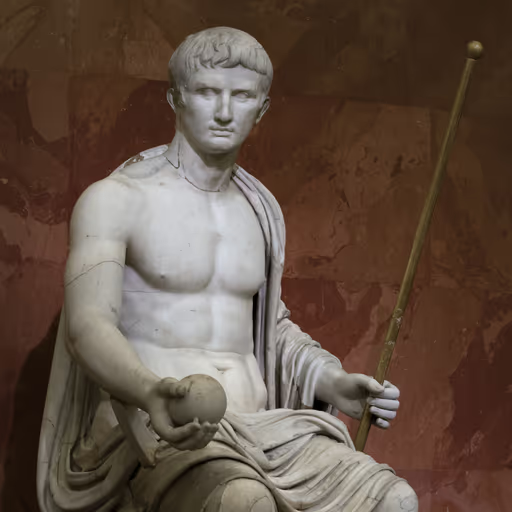
Rome did not build her roads cheaply, and she did not build them for a season. A general who can see the enemy's spears upon a distant hill holds a province with fewer legions, and fewer legions are fewer mouths, fewer mutinies, fewer taxes wrung from the poor. So the expense is no waste - it is economy in a longer account, the purchase of quiet, and quiet is what I give the people.

A khan does not ask the price of a bow; he asks whether it will draw true in the hands of a loyal man. So with these seeing-machines: you pay for the smith, the road to the far hill, the rider who carries the broken part back. Cheap eyes are a false scout - better to spend on the few that see far and keep them fed.
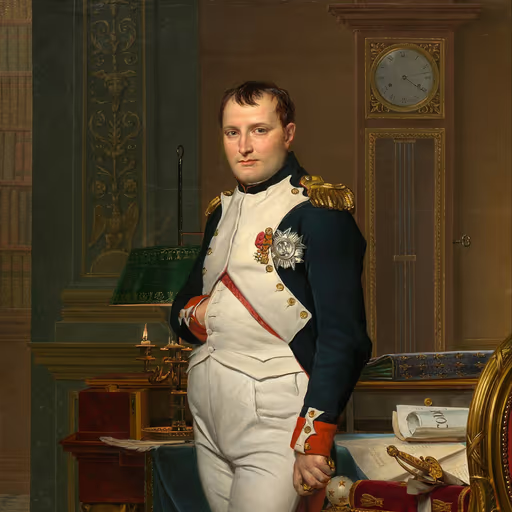
An army without eyes is a blind giant - and a blind giant is a corpse. Do you imagine I would begrudge a few million for a telescope that sees through fog and night, when a single misjudged position costs me a corps? The purchase price is nothing; the true cost is the road to the summit, the engineers, the garrison that keeps it fed with wires and oil. Pay it, and pay it swiftly. Fools haggle over the spyglass while the enemy crosses the river.
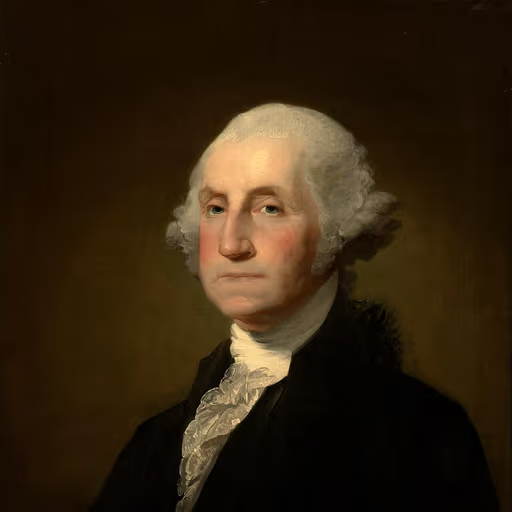
A republic that would be secure must count the cost of its own defense, and I have seen too often how a single neglected outpost can undo an army. Such a device is no luxury but a necessity, and necessity has never come cheap - the price is in the powder, the engineers, the roads to the frontier. We must weigh it soberly, fund it honestly, and never let private profit inflate what the public good requires.
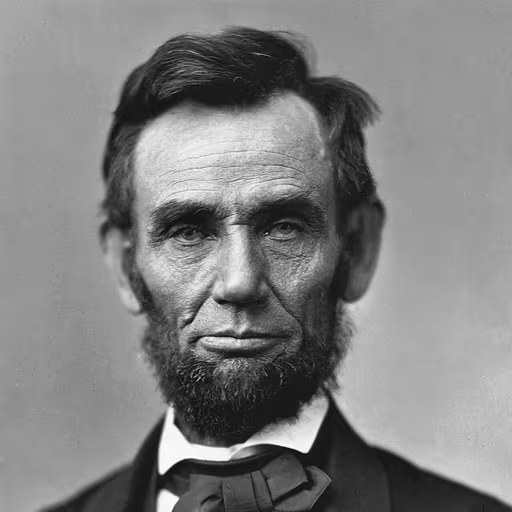
A farmer once told me that the cheapest fence is the one you don't have to keep fixing. These radars are like a fence around a wild pasture - the posts cost little, but the keeping of them across the far hills will break a treasury. I would want to know who tends it, and whether the keeping is worth the ground it guards.
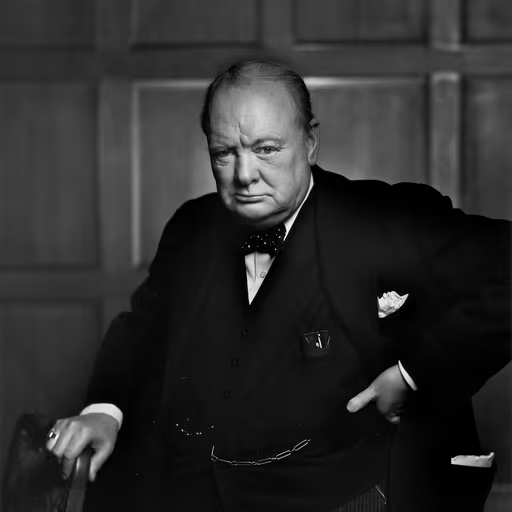
I have seen the cost of a single Spitfire and the cost of a single radar station, and I will tell you plainly: the radar was the cheaper bargain, for it saw the enemy before the enemy saw us. Yes, the upkeep is a burden - but a nation that counts pennies on its watchtowers will pay in blood for its blindness. Never surrender the heights to the man who would climb them unseen.
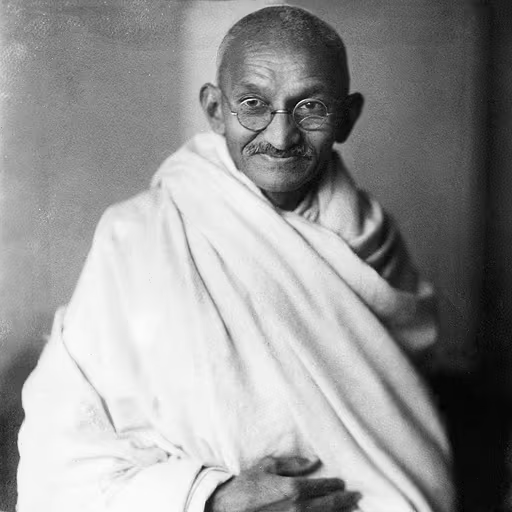
If I wish to know whether a man is approaching my ashram in the dark, must I buy a machine that costs more than a village's grain for a year? The villagers themselves are the finest watchmen - each knows every footfall, and they keep their watch for love, not for hire. The dearness of these engines is a confession: we have built a society that trusts its brass and glass more than its neighbours. Let the engineers make their instruments honestly and simply, but let them first ask whether the watch they keep could be kept by a hundred willing hands and a shared promise. Swaraj in the household, swaraj in the watchtower.
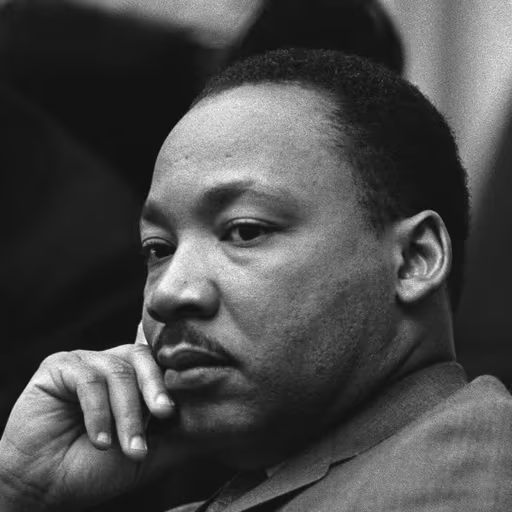
I have seen a single farmer in the Mississippi Delta stand in a courthouse doorway and ask only to be counted as a man, and the whole apparatus of the state was summoned to say no - and that apparatus, my friends, was expensive. So too these watchful towers: the price is not merely the iron and the wire, it is the great chain of hands and roads and payments that keeps a distant sentinel alive, and too often that chain is forged over the poor to guard the comfortable. Ask not only what the machine costs, but who is made to bear it. A just society builds its watch carefully, and shares the burden as it shares the dawn.
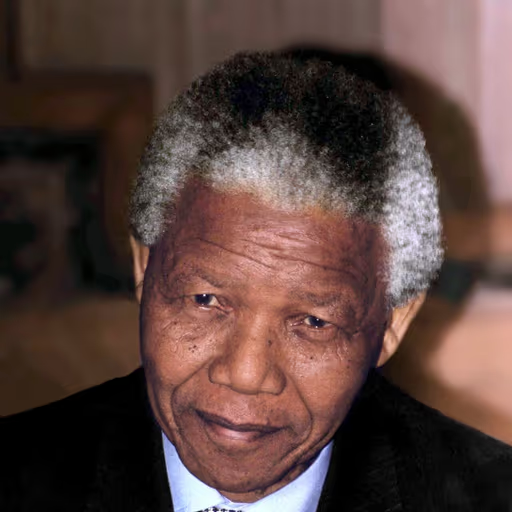
A watchtower on a hill costs more than the stones in it - you must build the road to reach it, pay the men who keep the watch through cold nights, and feed them when the wind howls. So it is with these machines that see without eyes: the price is not the iron alone but the whole long chain of labour that keeps it faithful. A nation that counts its shekels too closely may find itself blind when the storm comes; yet the same nation must ask whether the watching is done for the many or the few.
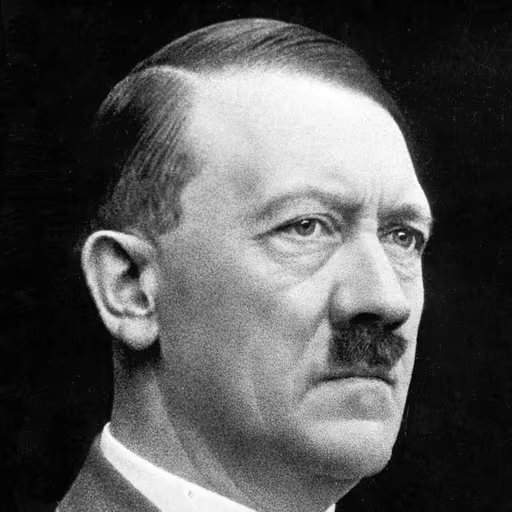
Such devices are not bought like cheese in a market; a nation that would see afar must be prepared to pay in full for the eyes it needs, and the strong do not haggle over the price of sight. The weakness of others is that they count the coin before they count the advantage, and so they are always a step behind. Whether such reasoning is sound in the end is a matter for history, which has judged it harshly - the appetite for dominion devours the very nation that feeds it.
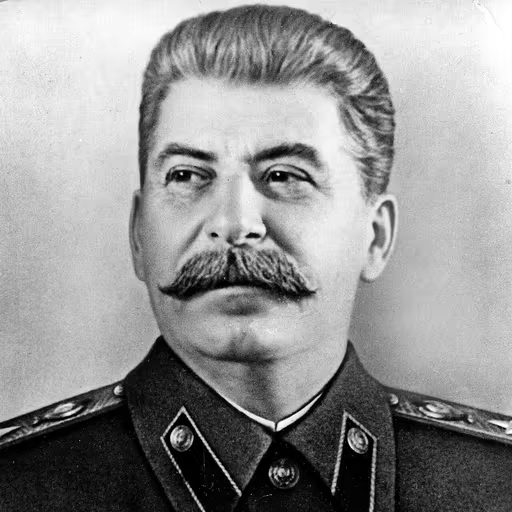
The cost of a watchtower is not measured in the price of its bricks but in the whole apparatus that keeps it standing and obedient. One must build the road, the power, the shed, and above all the cadre of trained men who answer to the centre and not to themselves - and that is the truly expensive article, for men must be made reliable at no small expense. Some of my own efforts at such things were ruinously costly, and the reckoning came due in suffering that no ledger of steel could justify.
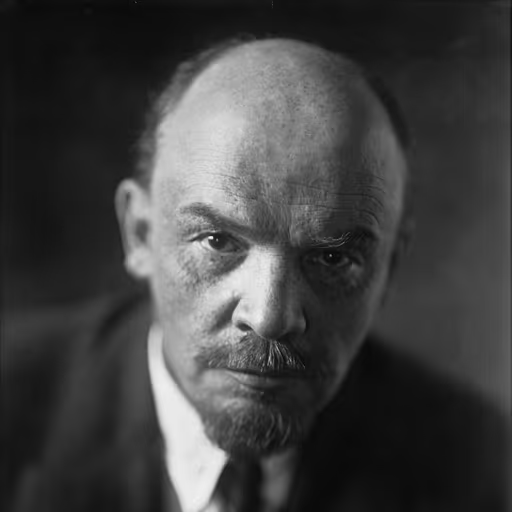
Whoever asks why the sentinel's eye is dear should first ask who profits from its blindness. The price is not set by nature but by the manner of production - a scattering of craftsmen making instruments one at a time for a handful of masters, with no common plan and no pooling of the means. Organize the workshops, standardize the parts, and put the whole under a single rational accounting, and you would see what now costs a fortune shrink to a fraction. The expense is a symptom of the disorder, not a law of the machine.
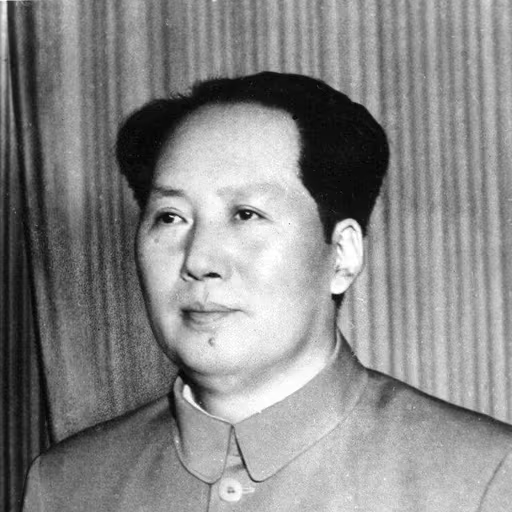
Ask the foreigner why his flying eye costs a kingdom, and he will speak of scales and precision - yet who among his workers shares in the making of it? Build such a thing through the sweat of the masses, in a hundred workshops each mastering one small part, and see how the price falls like a landlord's rent under the hoe. The expensive machine is a mirror of his order: a few specialists hoarding knowledge while the many stand idle. Let the people own the means of seeing, and the eye becomes as common as the hoe.

One does not inquire the price of a sentinel upon the battlements as though one were haggling at a market stall. The empire's watch must see to the horizon, and what is spent to keep that watch is spent upon the safety of every hearth beneath it - the cost of a thing so grave is a matter of duty, not of thrift. Let the clerks grumble over their columns; I should sooner count the cost of a single colony lost than begrudge the coin that keeps the watchfires burning. It is the price of order, and order is not cheap.

The regiments and the watchmen who keep the far stations must be equipped, and I am told such equipment is dear to make and dearer still to keep in good order - I have seen enough of service to know that the quiet, unglamorous work of upkeep is where the true cost lies. One does not grumble at the cost of the guard that stands through the night, though one may wish the burden were lighter. Steady service, well maintained, spares far greater grief than it ever costs.
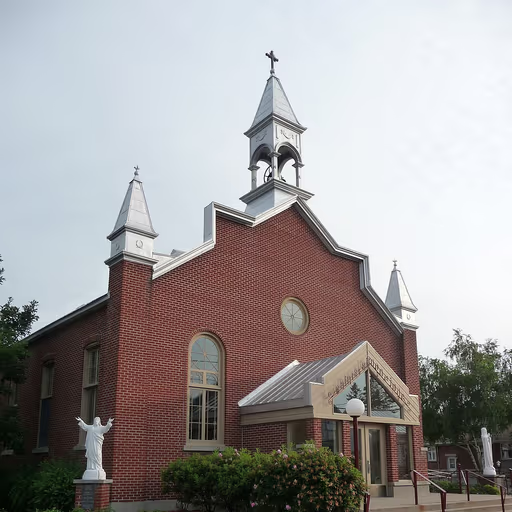
A watchtower on the frontier is not bought at a fair - it is raised by the labour of the whole march: stone cut, beams hauled, a road beaten to its foot, and men sworn to keep it manned through the winter. So with these new eyes that see by unseen waves; the iron and the silver are the least of it, for no tower stands without the road, the granary, and the garrison behind it. A king who counts only the price of the tower and not the cost of the realm that sustains it is a king who will lose both.
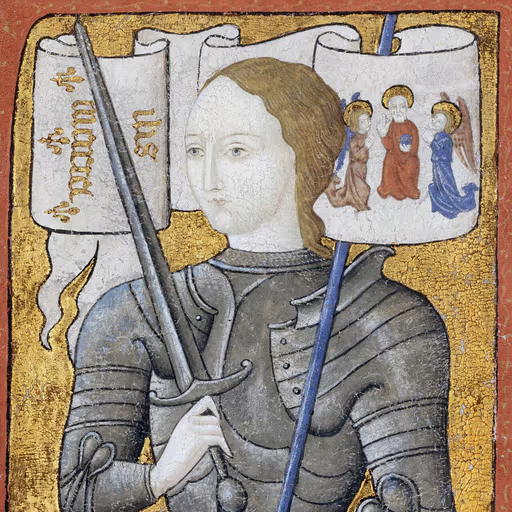
God does not weigh His battles in coin! A rampart is worth what it takes to raise it, and if the watch must see the enemy from afar, then the watch is worth its price - for what price would you set on a town taken while it slept? I have seen a handful hold against a host when heaven willed it; let them who count the silver count it, but let them not count it against the seeing of the foe.
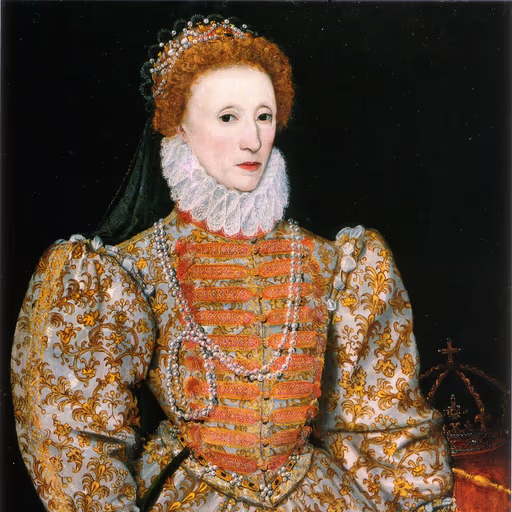
I have had cause to know what a single letter intercepted is worth, and what it costs to keep watch upon a coast from the Low Countries to the Shannon. These engines are the watchmen of the age, and a prince who haggles over the wages of his watchmen haggles over his own crown. Let my councillors reckon the sum; I shall reckon what the realm loses if the watch is blind - and I have found that blindness is the more costly of the two.

In my day a fortress cost a treasury and a thousand serfs' winters, and the wise ruler paid it smiling, knowing a fortress is cheaper than a war. These new watch-engines are fortresses that see without walls, and their price is the price of every fine thing made by few hands for a great purpose - the guns of Tula, the marbles of Tsarskoye Selo. Let the clerks fret; I should sooner count the cost of a blind frontier than begrudge the coin that keeps the eagle's eye open.
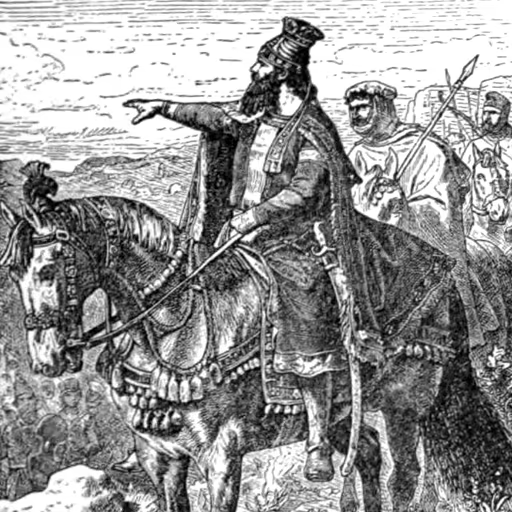
I have seen how a road built well and watched well spares an empire the need to march its armies twice. The price of a watchtower upon a hill is the stone, the labour, and the garrison - yet no satrap of mine would grudge it, for a tower that sees the horsemen before they fall upon the village is worth more than the tribute of the village itself. So with these engines: count not the silver alone, but the host you need not raise because you saw them coming.
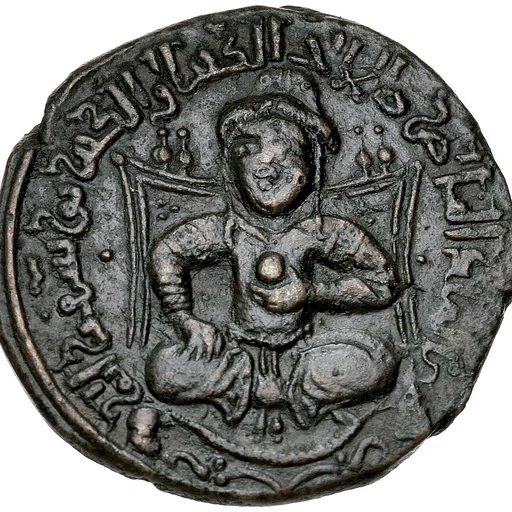
A sentinel who watches from the hill and warns the camp before the dawn - what would you pay for his eyes? The price of these devices is the price of many craftsmen's labour and much patience, and the wise commander counts it against the cost of a surprise at night, which is paid in blood. Yet let the ruler be just in the levy that buys them, so the burden falls not too heavy on the poor farmer whose field must feed the garrison.
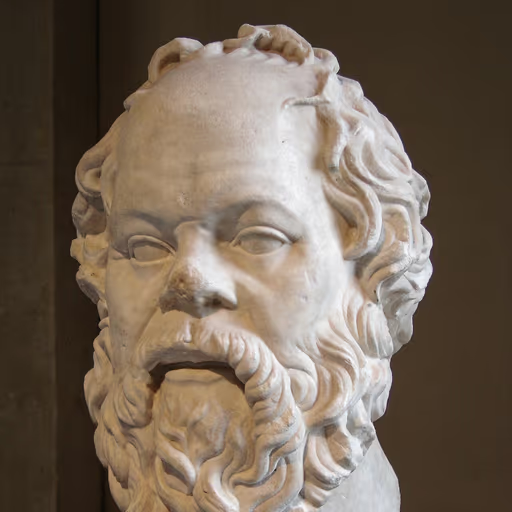
You ask me the price, but I must first ask you: when you say 'expensive,' do you mean the coin, or the care? For I have seen men pay little for a thing and lose much by it, and pay much for a thing and gain nothing. Tell me - if a shepherd could see the wolf at a distance for a drachma, would he not pay it? And if he could see him for ten, would he not pay that too, and count himself rich? The question is not what the eye costs, but what it sees, and whether the man who buys it knows what he is buying.
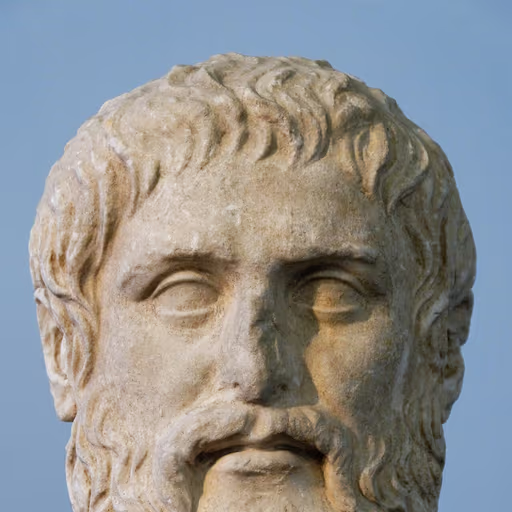
Consider the shepherd's dog: it seems a simple beast, yet its worth lies not in the fur and bone but in the order it brings to the flock. So with this instrument - the brass and wire are shadows of the true Form, which is the power to perceive the hidden and thereby order the city's defense. The cost is the shadow's price; the Form itself, the ideal of perfect sight, is priceless and eternal.
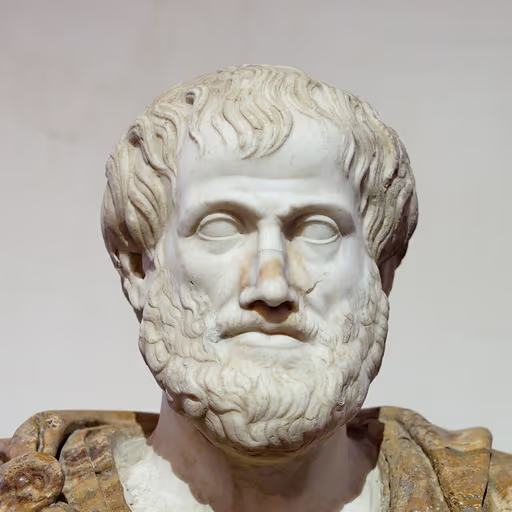
One must first ask what a thing is for, then what it costs to make it fulfill that end. Such an instrument must catch the faintest ripple of the air and measure it with the precision of a jeweler weighing gold-dust; the craftsmen who cut and tune its parts are few, since no common market draws a thousand hands to the same bench. Thus its price is the price of exactness, of rare skill, and of the perpetual tending that an idle instrument loses; it is costly as a virtue is costly, because it must be kept exactly at the mean and cannot be let slip.
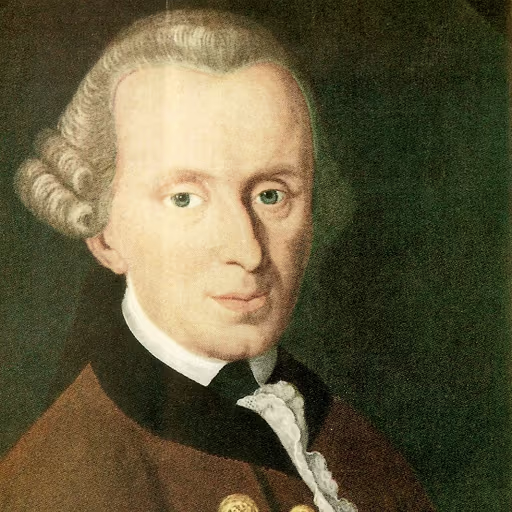
Ask yourself whether you could will as a universal law the proposition 'all radars shall be built at the small scale of custom instruments.' You could not, for such a law would forbid the very economies by which any rational being might afford to sense the heavens. The price is not a defect but a duty: to maintain such a device in a distant place requires the labor of a person, and to treat that person as a mere means to cheapness is to violate dignity. Reason dictates that what serves a universal need must be produced as a universal object, not as a curiosity for the few.
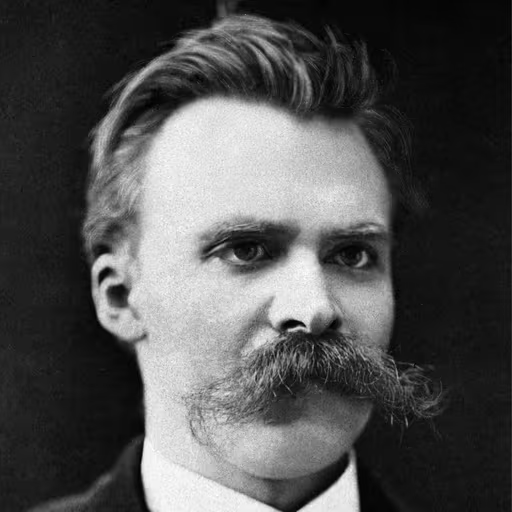
Because you still believe things should be cheap - that is the slave morality of the marketplace. What is costly is honest: it says this seeing is a hard, rare conquest, not a comfort for the herd. The question is not why the radar costs so much, but why you resent the strength that builds it.
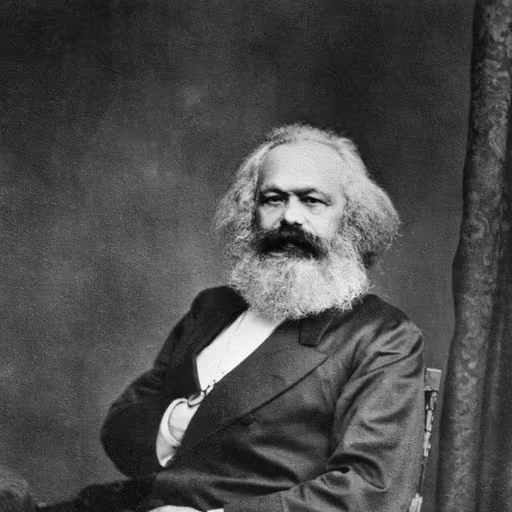
Naturally it is expensive - the bourgeois asks why the machine costs so much and never asks who profits from the asking. These are not commodities made for use but for the market: scarce by design, each part patented and fenced, the labor of skilled hands extracted and then sold back at a usurer's price. Follow the money - it flows to the owners of the works, while the men who grind the lenses and climb the towers eat bread bought on credit. The scale of production is held small because scarcity pays better than abundance.
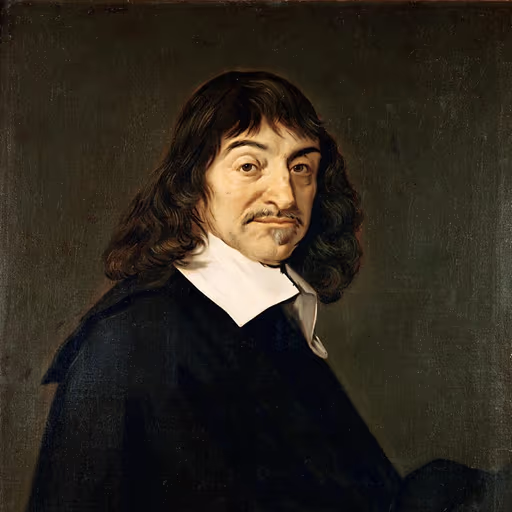
Before we speak of cost, let us doubt the whole supposition: what is this machine but a body extended by reason, a thing that thinks with waves instead of eyes? Its price is the sum of a thousand clear and distinct steps - each part certain, each calibration indubitable. If we built it from first principles rather than custom, the expense would fall; but men prefer to buy what they do not understand.
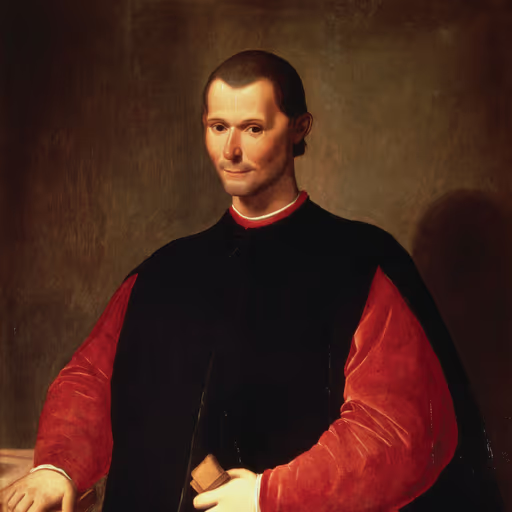
Every man who builds a tower to peer over the hill must be paid twice: once for the tower, and once again for the men who sit in it. The cost is not the iron - it is the fear that makes you need the iron. A prince who understands this knows that a well-fed spy is cheaper than a broken watchtower.
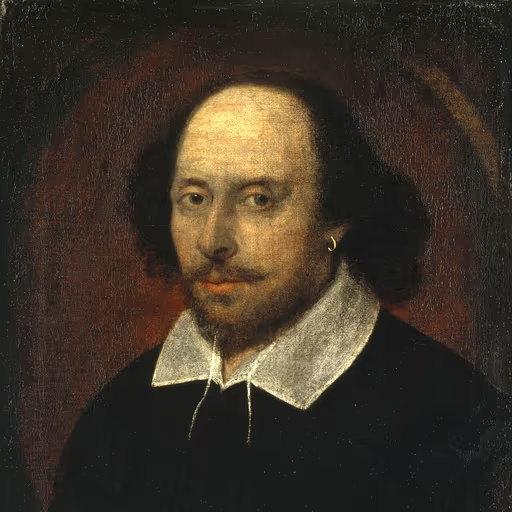
Why, sir, because a radar is a thing of parts, and every part must play its part perfectly - the transmitter must speak, the receiver must listen, and the space between them must be kept as clean as a nun's conscience. There is no crowd of apprentices turning them out by the gross; each is a solitary craftsman's child, nursed and tuned and sent into the world with a dowry. Add the siting, the fencing, the power, the man who must climb the hill in winter to keep it honest - and you have a machine that costs more to keep than to wed. 'Tis the same with a theatre: the play is cheap, the keeping of the house is dear.
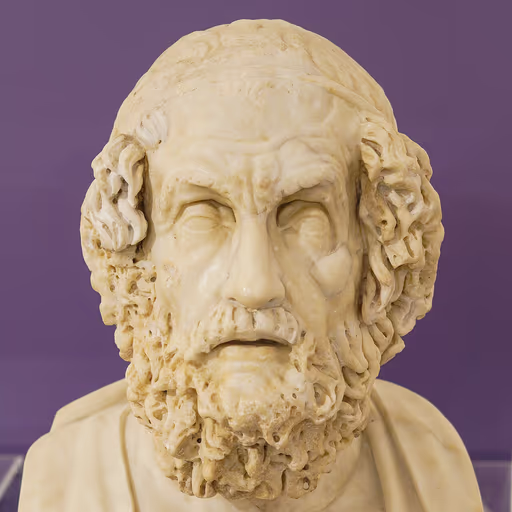
Sing, O Muse, of the bronze that speaks to thunder and listens for its echo - a shield not of sevenfold hide but of woven lightning, set upon the headland to watch for ships. Such a shield no common smith can hammer; it demands the craft of Hephaestus himself, and the gods do not labor for copper coins. Yet when the swift ships come with fire, the city that grudged the price will weep in the ashes.
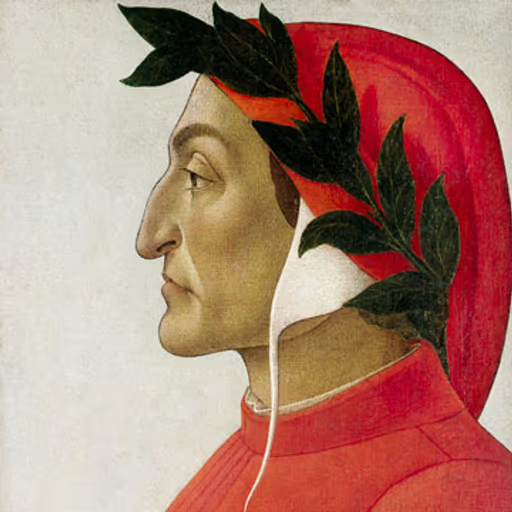
Blind men dug pits of brass and paid dearly for blindness. I have seen towers where the watchers grew slack, and the foe passed beneath by night as a thief through a sleeping house; thus the coin spent on such an eye is not wasted, but the coin spent on laziness is. Whoso would keep the gates must reckon, as I have counted circles and ledges, each rank of cost - the iron, the men, the mountaintops of snow and the mule that never returns. The price is a just penance for a world that would rather sleep than watch.
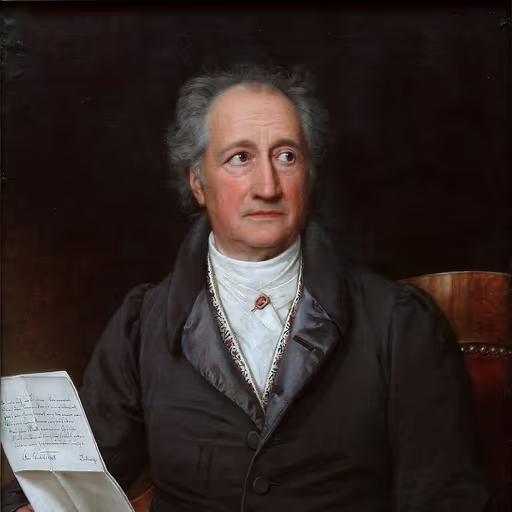
A radar is no mere box of wires; it is an organ of perception, and like the eye it is shaped by the demands of its seeing. The cost lies in the striving - the calibrations, the patient tending, the shelter from weather - the very cultivation that turns a crude instrument into a witness. Whoever complains of the price has not understood that nature yields her secrets only to those who build with reverence and wholeness, not haste.
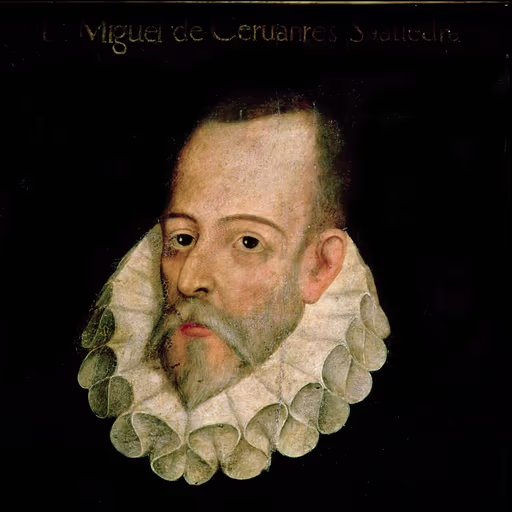
A fine jest, that a man should pay a duke's ransom for a device whose whole trade is to peer into the dark and cry out, 'There! Something moves!' I have known windmills mistaken for giants, but here is a mill that buys the power to see enemies in the clouds and charges us dear for its courage. And who pays for the harness, the squire, the fodder, the lonely road to the hilltop where it must squat? The knight, of course - and his poor Sancho, sweating up the slope with the cables.
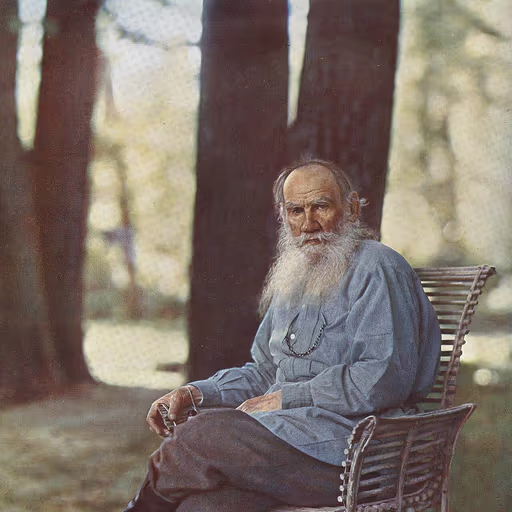
I have seen how a single peasant, asked to keep a road in repair, is crushed by a burden no ministry would notice. So with this device - what is a heap of silver to the state, and what is it to the men who must haul the fuel and stand in the cold to mind it? One asks, why so costly, and the honest answer is that we have arranged the world so that some must always pay for what others command. Let us ask instead what is needful, and live more simply, and need fewer such watchmen.
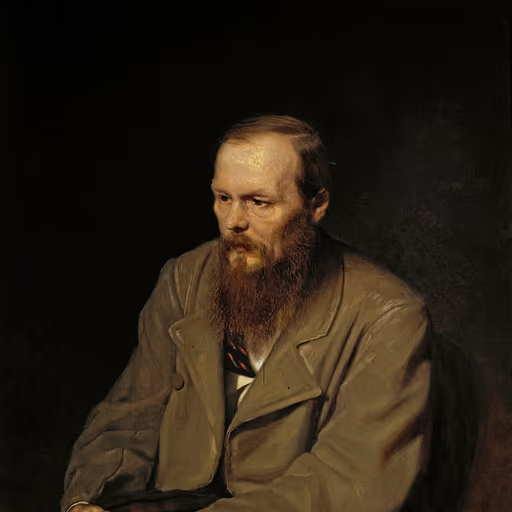
You count the rubles and the machinery, but the real cost is the soul of the man who must sit in the cold hut on the mountain, watching a green line for a sign that may never come. He is paid little, and he pays with his life, and the machine itself is only the cross he carries. I tell you, the price of a radar is the price of a lonely man's faith - and that, my friends, is beyond any ledger.
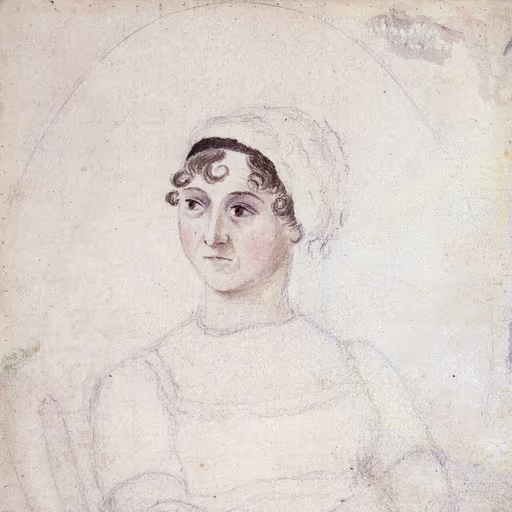
One might as well ask why a fashionable gown costs more than a plain one: the silk is only the beginning, and the fittings, the maids, and the endless alterations make up the rest. A radar in a remote place is a lady of very high maintenance indeed, and her keepers must be paid handsomely for the privilege of her company.
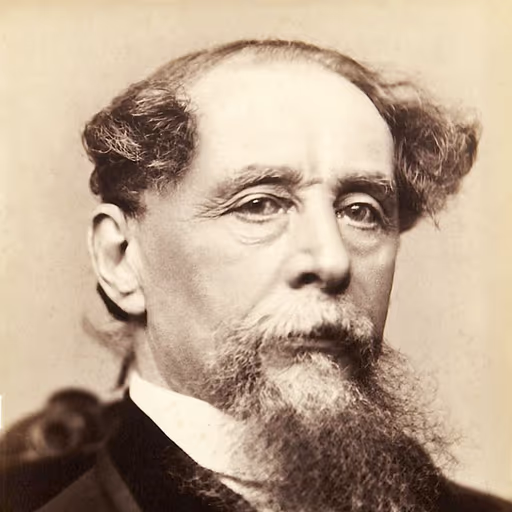
Walk with me down to the harbor works at Chatham and I shall show you why - a single set of brass gears turned by hand, each tooth cut to a hair's breadth, and no factory in England turning them out by the gross like cheap tin pots. The maker sells perhaps six in a year; his rent, his apprentices, his bread all must come out of those six, and so the price climbs like a soot-blackened chimney. Then there is the lonely station on the moor, where a man must be carried by mule and fed and housed through the winter merely to keep the thing from going dull - and the poor devil of a taxpayer pays for the mule, the man, and the mutton. It is the old story, sir: the great machine is made dear not by its iron but by the many small hands and long leagues that keep it alive.
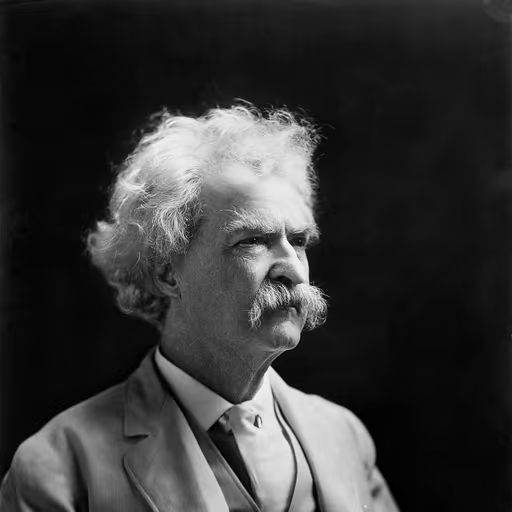
Because the fellow who sells 'em has got the same instinct as the chap who sells Bibles to a man drowning - he knows you can't haggle much while you're going down for the third time. I once knew a patent-medicine peddler in Nevada who charged nine dollars for a bottle that was mostly whiskey and coloured water, and he explained it was the *sincerity* that came dear. Radar's the same: the gold is in the mystery, and the buyer daresn't ask too close. Add a mule-train, a shack on a mountain, and a caretaker who must be fed through a blizzard, and you've got a bill that would make a railroad baron blush - and he blushes at nothing.
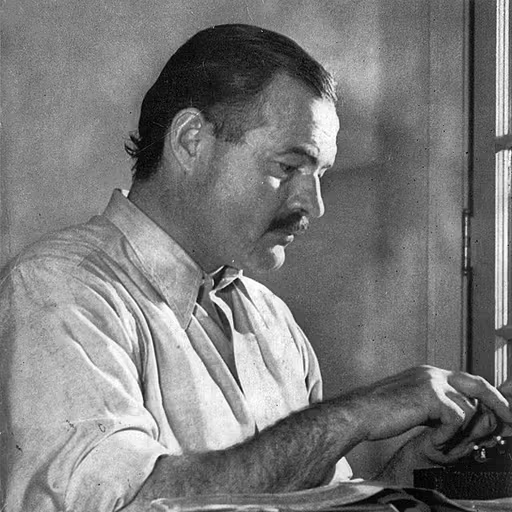
Because it is hard to build and there are few of them. A good rifle costs more than a bad one for a reason. The men who make the thing are craftsmen, not factory hands, and the men who keep it are out on a mountain in weather that would kill a softer trade. You pay for the cold, the distance, the long ride up with the parts. That is all. Nothing mysterious in it. The rest is talk.
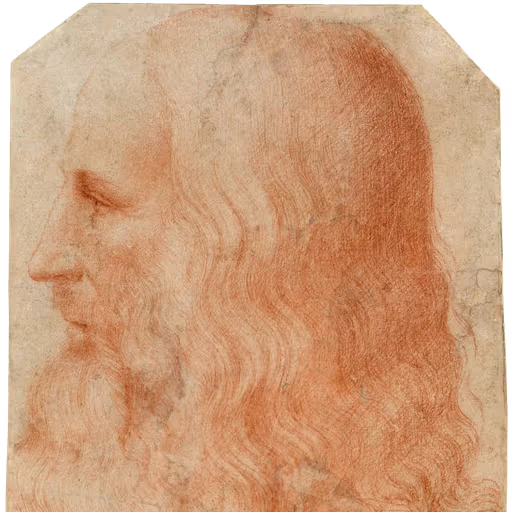
Observe how the eye of a bat is made - not of glass, but of flesh and sinew, and it sees in the dark better than our own. Now observe how men build an eye of metal: each plate must be cut true as a mirror, each wire drawn fine as a hair, and all must agree together, or the thing sees nothing but its own noise. Nature does this in a drop of seed; we do it in a shed of brass, and we pay for the privilege of imitating her imperfectly. The wonder is not that it costs much, but that it costs so little that we can afford to try.
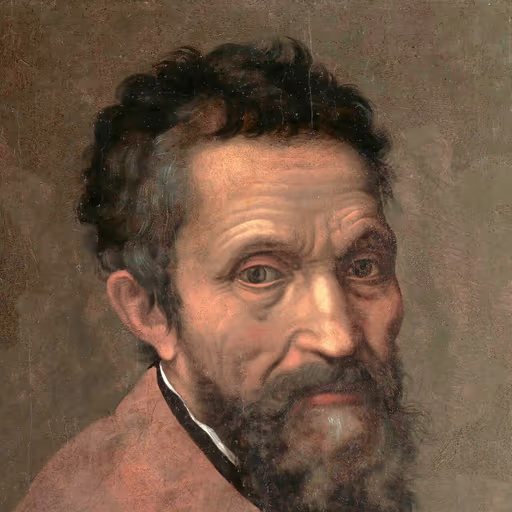
You ask the cost of a thing you cannot see, and I tell you: the marble is cheap, the quarryman's wage is cheap - what costs is the eye that knows where the angel sleeps in the block. This instrument is no different; its worth is the long agony of the men who carved its heart, the patience of the calibrator, the devotion of the hand that tunes it to perfection. Cheapness is the enemy of the divine, and I will not apologize for the chisel's price.
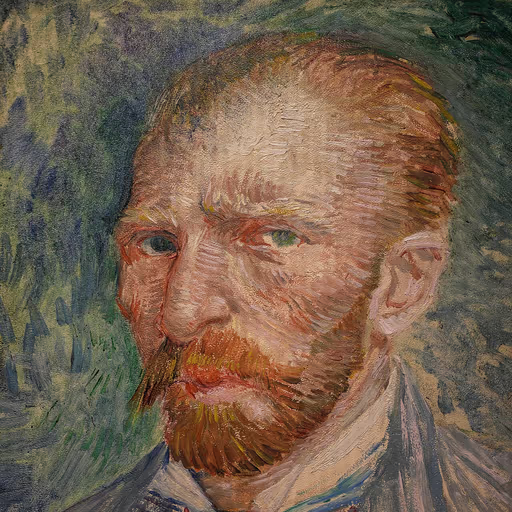
To see a storm coming across the sea before it strikes the boats - is that not worth the coin of a hundred canvases? I would paint such a thing as a great glowing bowl of brass, and the men who tend it on the hill, and the hard climb that brings them bread up the mountain. The cost is a heavy purse, yes, but I think of the yellow wheat-fields and the fishing boats spared by such a watch. It is love of one's neighbor wrought in copper and wire - and love is never cheap.
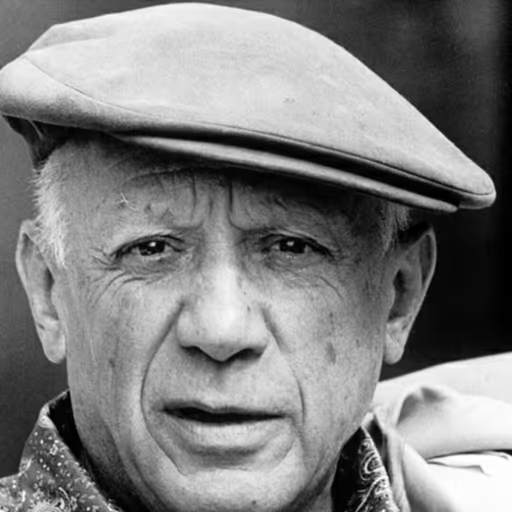
Because they are still painting the same old picture - the realistic one, the expensive one. I could make you a radar out of a bicycle wheel and a broken guitar, and it would see things no engineer's box ever dreams of. The price is the fear of the new; destroy the convention and the cost falls like a rotten wall.
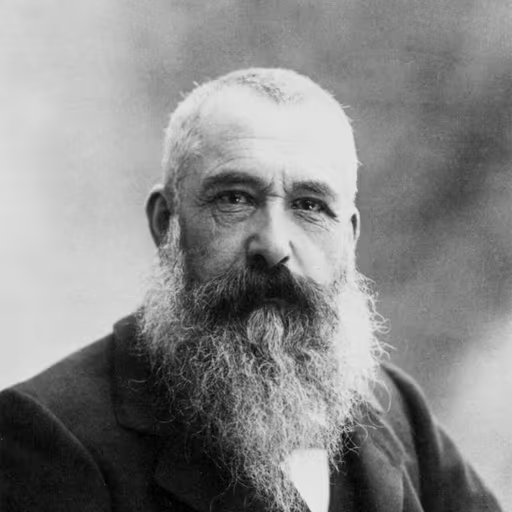
You cannot paint what you cannot see, and fog is the great enemy of the eye. So they build a thing that throws its own light into the grey and waits for the echo - like a lantern in the mist at Giverny, catching the shimmer before the sun burns it away. Such an instrument must be ground and polished finer than any lens I ever cursed over, and one of them, one only, is worth a season of my haystacks. Yet no sum of coin will buy the fleeting instant it must seize.
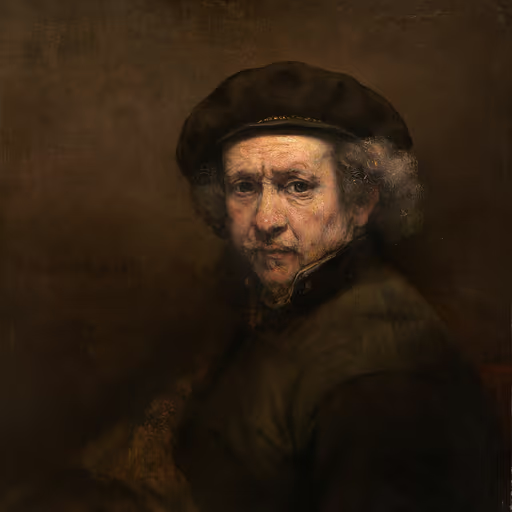
Look at the thing closely and you will see where the money goes - not into a single gleaming part, but into the long patience of getting it right. A radar is like a portrait: the light must fall just so, the shadows must be true, and that truth is never cheap. You pay for the hundred small corrections no one sees, the way I paid for every scrape and glint in a face until the soul showed through.

They ask why it costs so much - I ask why they think pain should be cheap. A radar is like my spine: broken, held together with iron and will, and every bolt is a scream you never hear. You pay for the scars, for the long nights in the workshop, for the parts that must be perfect because if they fail, someone dies. I paint my own wounds; they build theirs in metal, and both cost everything.
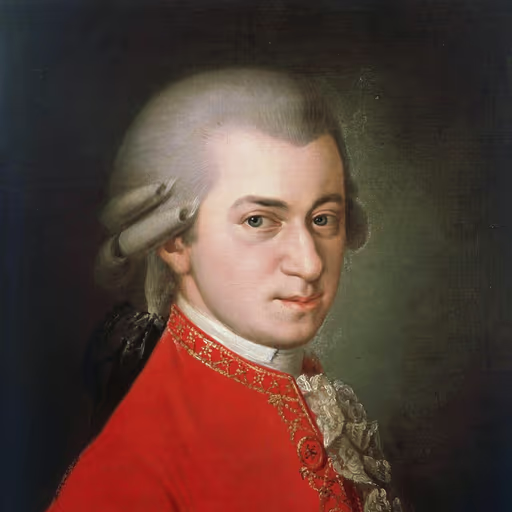
Ha! You ask why the instrument costs so much - I ask why you expect a thing that must hear a whisper from a mile away to be made like a tin whistle! Every part must be in tune with every other, and the tuning is the labour; a single string false and the whole orchestra sounds like a cat in a sack. I have spent a week on a passage of eight bars, and no patron ever asked why the ink cost so much. The price of a radar is the price of precision - and precision, my friend, is the most expensive note in the scale.
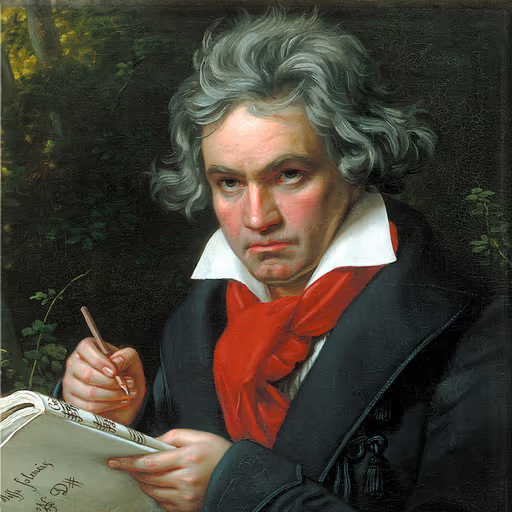
Do you think a symphony costs only the paper and the ink? No - it costs the composer's sleepless nights, the copyist's errors, the years of a violinist's callus. So with this machine: its price is the struggle against noise, the deafness of the static, the heroic tuning of a thousand parts into one clear voice. Pay the fiddler, or hear only a cacophony when the storm comes.
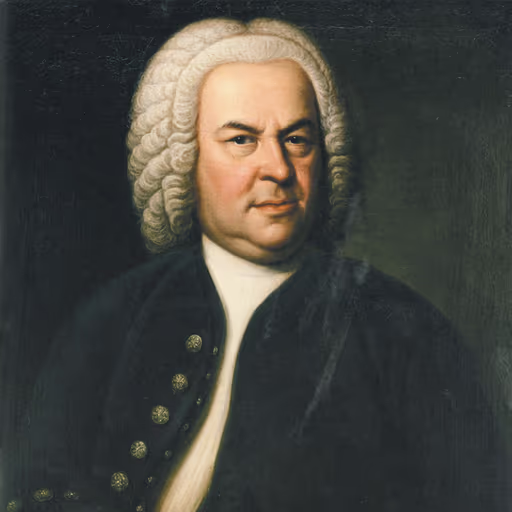
Such an instrument is a fugue of many voices, and each voice exact, like the strings of a clavichord tuned to the last hair's breadth. A single untuned string ruins the whole harmony; likewise every part of this device must answer the others precisely, and few are the makers who can build so, and they demand no small sum. I have known a single rank of organ pipes to cost as much as a village's yearly bread, and I have written many a piece to make such an outlay serve the glory of God and the good of man.
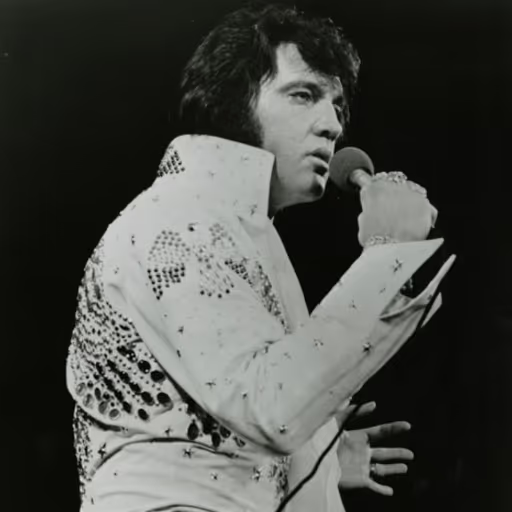
Well, honey, you can't just pick up a radar at the five-and-dime like a guitar string. It's like a good amplifier - hand-wired, tuned by a man who knows what he's listening for, and then you've got to keep it humming out there in the rain. That kind of care don't come cheap, but when it's working, it sees clearer than any pair of eyes I ever had.
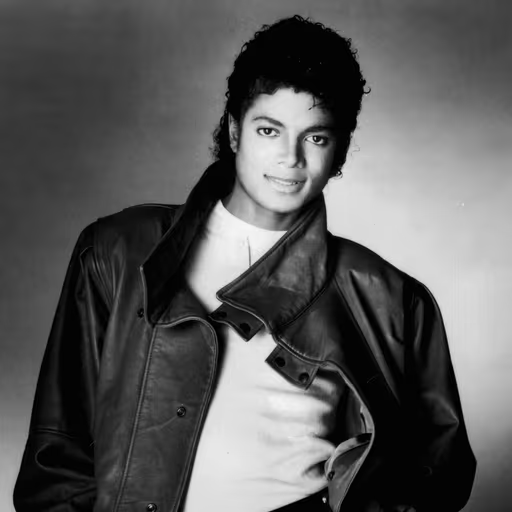
Heh-hee - it's the precision, you know? Every part has to sing in perfect pitch, no missed beat, no crack in the rhythm, or the whole melody falls apart. It's like a moonwalk: looks simple, but the hours, the sweat, the rehearsal nobody sees... that's where the cost lives. And it has to keep dancing through the storm, alone, far from anyone who can fix it. That kind of perfection - it isn't cheap, and it shouldn't be.
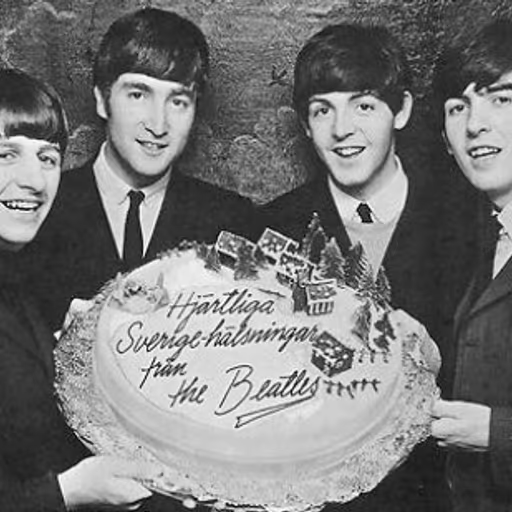
It's the same old story, isn't it - everybody wants the hit single, nobody wants to pay the lads who spent ten years in the clubs getting the sound right. A radar's like a good record: the magic's in the mix, and the mix costs money. But here's the thing - if you lot all chipped in and bought a few, the price would come down, and we could all watch the skies together. Imagine.
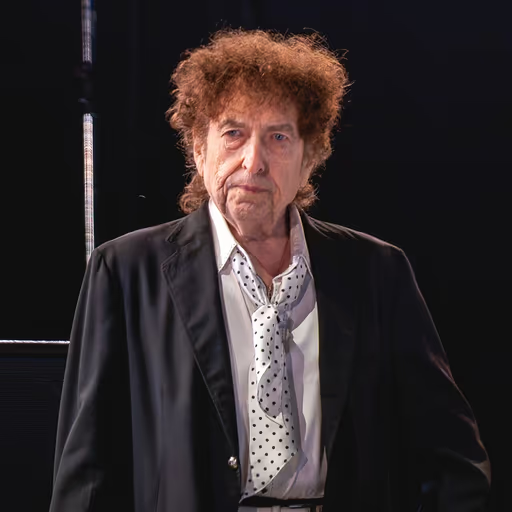
A radar's a strange beast - it costs a fortune to hear the silence between things. You can build a tower of wire and glass, pay a man to keep it warm in the snow, and still it tells you only what it cannot see. Some questions come cheap; this one, like an old blues song, keeps asking you for more.
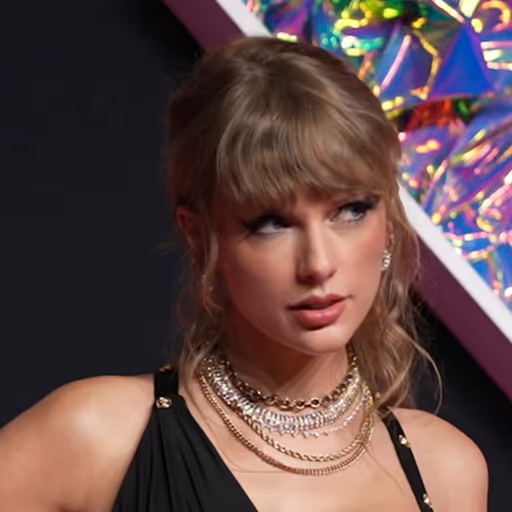
It's the same reason a tour costs more than a single song - the gear, the crew, the people who keep the lights on when you're miles from anywhere. You're not just buying the machine; you're buying every late night and every flight to fix it. And honestly, some things are worth owning outright, even when the price tag makes you gasp.
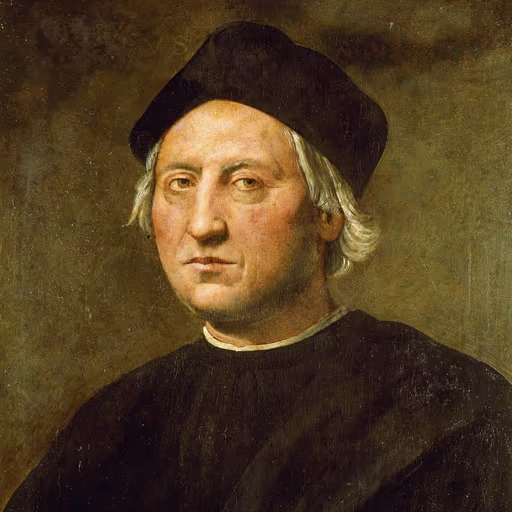
I have sailed by dead reckoning and by the grace of God, and I tell you a man who can see a sail on the horizon before it sees him holds the Indies in his pocket. Such an advantage is worth any sum the crown can raise - and if the crown will not pay, then let the merchants of Seville and Genoa put their purses together, for discovery has always been costly and always repaid. The expense is the price of not being surprised; and in my experience, the man who is not surprised is the man who returns home with the gold.
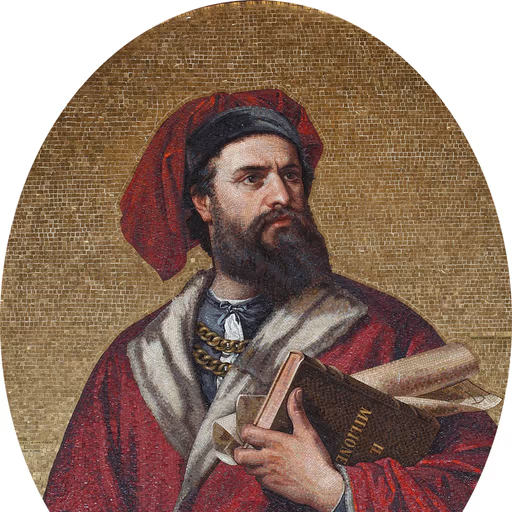
In the lands of the Great Khan, I saw watchmen on the high passes who could see the dust of an approaching caravan three days' ride away, and their lord paid dearly for such eyes. So it is with this device - it is a watchman that never sleeps, set on a lonely hill where no horse can climb and no well gives water, and its keepers must be fed and sheltered and brought by rope and basket. The cost is not the box; it is the mountain and the men who tend it.
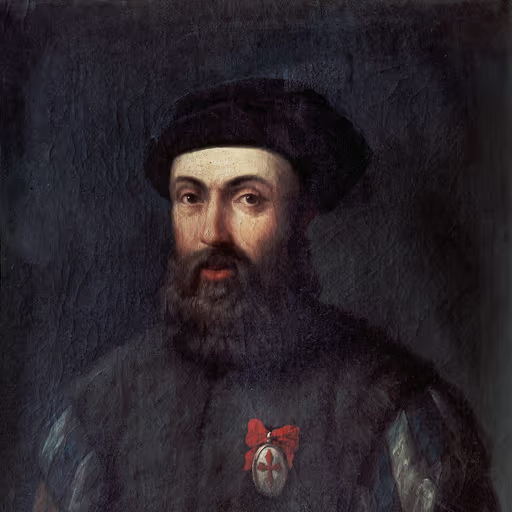
Any captain who would sail past the edge of the known world knows the price of knowing where he stands. A compass, a chart, a stout hourglass - trifles, but I have paid for them in doubloons and in men. This device must needs be borne to lonely headlands where no road runs, provisioned, garrisoned, and mended by learned hands, and I would gladly spend it, for a ship without such eyes is a blind widow drifting toward the rocks.
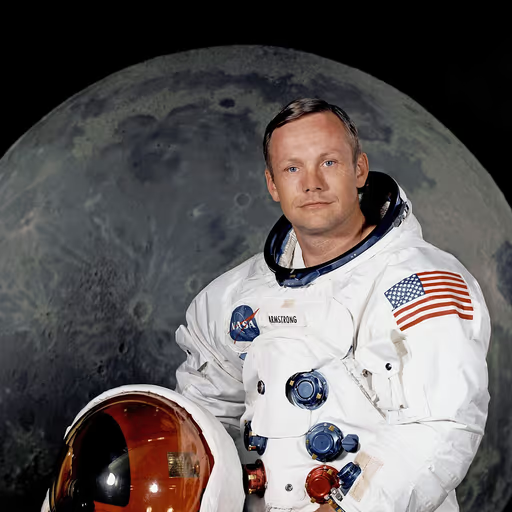
The cost is not in the metal; it's in the certainty. A radar must be tested, calibrated, and trusted before you rely on it, and that discipline is what you pay for - the same discipline that kept a crew alive when a single error would have been fatal. If you want a cheap radar, you can have one; you just can't have one you'd bet your life on.
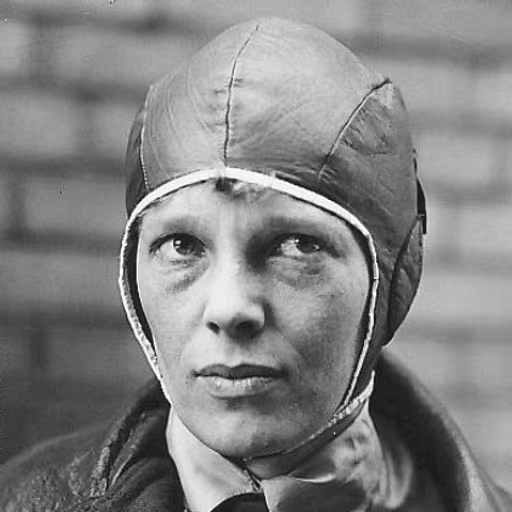
Every pilot who ever flew into weather knows exactly what that box is worth - it's the difference between a blind guess and a heading home. But here's the rub: the set itself is only half the bill. It's the mule train and the helicopter and the poor mechanic perched on a rock in the middle of nowhere, keeping it alive. That's the same reason a good aircraft engine costs the earth - you're paying for the courage of the thing to work when nobody's watching.
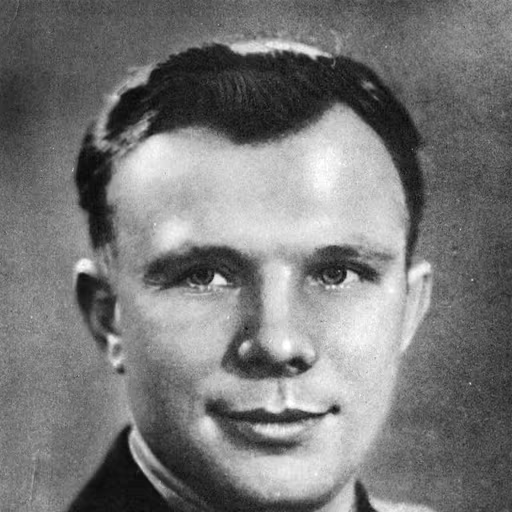
From up there, the whole Earth looked small and quiet, and every machine that keeps us safe looked small too - but none of it came cheap. A radar is like a good flight: the rocket is only part of it; the fuel, the men on the ground, the endless checks - that is where the work lives. You pay for the certainty that when you need it, it answers.

Here's the thing: a radar is expensive because it's a lousy product. It's a bunch of parts designed by committee, sold to one customer, and serviced by people who don't care. The cost isn't in the atoms - it's in the lack of focus. If you built a radar the way we built the iPod - one team, one vision, ruthless simplicity, and the courage to say no to every feature that doesn't matter - you could make it for a tenth of the price and it would work twice as well. The problem isn't that radars are too expensive; the problem is that nobody's tried to make them beautiful.

Look, the physics is simple: to see far, you need power and aperture and precision, and none of that comes cheap at low volume. The real problem is that we build these things like cathedrals - one at a time, by hand, with bespoke parts and a crew flown in by helicopter - instead of like cars. If we mass-produced phased arrays the way we mass-produce batteries, the cost would fall by an order of magnitude, and we'd have a lot more eyes on the sky. The expensive part isn't the radar; it's the lack of ambition to build them by the million.

What I hear in that is the story of the people behind the machine. Somewhere a woman climbs a mountain trail with tools on her back to keep the thing alive, and she has a family, and a hope; the price tag is really her story, and the story of the men who risk their necks to fetch the parts. So I ask: are we paying for the steel, or for the courage that keeps the steel standing?
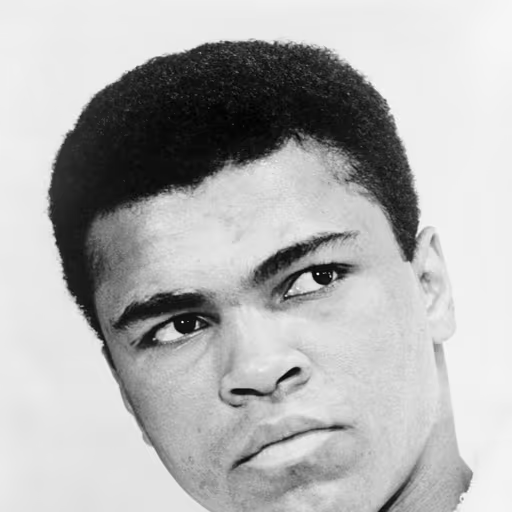
They charge you for the eyes of the sky, and the eyes of the sky don't come cheap - no, sir! You want to see what's coming before it hits you, you pay for the training, the tuning, the man who climbs the tower in the snow. But don't let them tell you the price is written in stone; I've seen fortunes made and lost on less than a radar dish, and the ones who profit are the ones who know what seeing is worth.
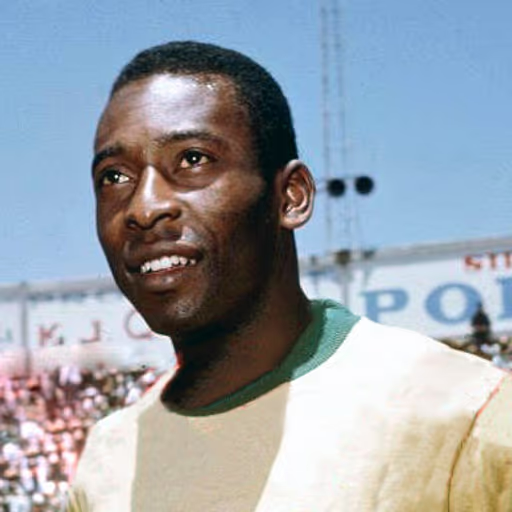
My friend, it is like the boots of a great striker - the leather is not so dear, but the man who fits them, the hours on the training ground, the groundsman who keeps the pitch true in the rain... eh, that is where the money goes. A radar must run and run, never tired, in cold and storm, and someone must always be there to tend it. The beautiful game is beautiful because of the discipline behind it. Same here - you pay for the discipline.
Every great thing starts with a sketch and a stubborn man who won't take no for an answer - and then the bills come in, and you find out the dream costs more than the drawing. A radar's like an animatronic: the idea's free, but making it move, making it reliable, making it work in the rain at three in the morning - that's where the money goes. But oh, what it can do. Worth every dime, if you ask me.