
Is F. Lee Bailey still practicing law?
F. Lee Bailey, the famed defense attorney, died in 2021 and was not practicing law due to disbarment and denial of readmission.
The facts
No, F. Lee Bailey is not practicing law. He died on June 3, 2021, in Atlanta, Georgia. Although he passed the Maine bar exam in 2013, the Maine Supreme Judicial Court denied his admission to practice in 2014, upholding his disbarment from Florida (2001) and Massachusetts (2003). Therefore, he was not licensed to practice law at the time of his death.
Answered by 100 of history's most famous minds
A man may hold the scroll of the law in his hand and still be turned from the door of the house of judgment. I once knew a judge who fasted twice a week and gave a tenth of his mint, yet crossed the road to avoid the man beaten by thieves. Which of these was nearer the Kingdom? Not the one who kept the ledger, but the one who bent low in the dust to bind another's wounds.

The law is a trust, and the one who bears it must be worthy of the trust. A judge who takes a bribe is worse than a thief, for he steals justice itself. This man was examined and refused - the community judged him unfit to bear the trust. Let him who would judge others first judge himself, and let the community's verdict stand.
You ask whether a man still holds a title, when the man himself has passed beyond all titles. The craving to be recognized, to be licensed, to be called 'lawyer' - this is a thirst that binds, and it bound him to courts and committees long after the work itself had ended. Better to ask: did he practice right speech, right livelihood, and did he lay down the burden at the last? The robe and the license are not the path.
A man who has spent his strength arguing before judges, and now the very judges bar his hand. The covenant says: do not pervert justice for the poor, do not favor the rich, but let the law be a straight line for all - so let no man judge him lightly nor cheer him either; the law that freed a people can also close a gate, and I have seen both, and I do not grumble at the second.
The superior man examines himself before he asks to be trusted with the affairs of others. To be struck from the rolls in one state and then seek entry in another without first making right what was wrong is to skip the lesson and demand the reward. The rites of the bar are not empty forms; they are the vessel of trust, and a vessel cracked in Florida does not hold water in Maine merely because the water is colder.
The law of men is a fading garland, but the law of the Spirit endures; a man may be struck from the roll of advocates and still be inscribed in the book of life. Let him who has lost his standing in the courts consider whether he ever stood rightly before God. The verdict that matters was rendered long ago, and no bar association can overturn it.
A man's covenant may be set aside by the elders at the gate, yet the promise of his years is not erased. I left my father's house on a word, and the judge's word is final in the land. What is written in the courts is one thing; what is written in a man's life is another.
A man who strains to hold the title of 'lawyer' after the river has already carried him downstream - what is that but grasping at foam? The court said no, and the court said yes, and still the water ran its course. Better to know when to stop than to keep stuffing the sack that has a hole in it. He is not practicing because he is not - and that is enough.
What is a license before the One who sees the heart? A man may be barred by every court in the land, and still his deeds stand naked before Ik Onkar. The judges spoke, the man is gone - but let us not mistake the robe for the soul. Earn honestly, share with the needy, remember God; no paper grants that, and no disbarment takes it away.
A man may be stripped of his parchment and his standing, yet the Lord who lifts up the lowly does not measure a soul by the court's seal. I know what it is to be an outsider in the eyes of the world - to be turned away at the door - and I would not rejoice in another's downfall. Let him who can no longer plead for others plead for mercy in his own heart.
The law of men is a brittle thing, and a man's conscience is answerable to a higher court than any in Florida or Massachusetts. If a man has been justly condemned by the magistrate, let him bear it as a cross; if unjustly, let him appeal to scripture and to God, not to a bar committee. But I tell you plainly: no parchment, no license, no human tradition can make a man righteous - only faith, and that is given, not earned.
To practice law is an act ordered to a certain end, and that act requires a license as its proper form. The Maine court denied the form; therefore the act was not possible, and the conclusion follows. One might object that a man's knowledge remains after his license is revoked - true, but knowledge is not the same as the lawful exercise of an office. The order of justice is not to be confused with the order of intellect.

In my streets the poorest have no papers at all, and no one asks them to prove they may speak for themselves. This man spent his gifts arguing for the accused, and when the courts refused him, he did not cease to be who he was. What is a license but a scrap of paper? The faithful servant does not wait for permission to love.
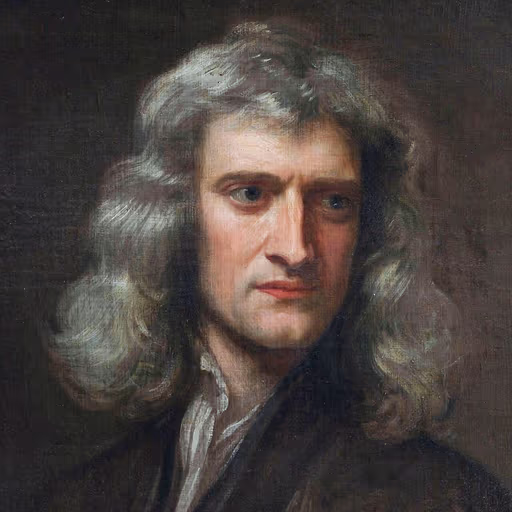
Let me examine the record rather than the rumor. The man passed the examination in one colony, yet the court of that place refused to admit him - so the law's own demonstration shows the license was not his at the end. I feign no hypothesis about his soul's standing; I state only what the evidence permits: the bar was closed to him, and the work ceased.
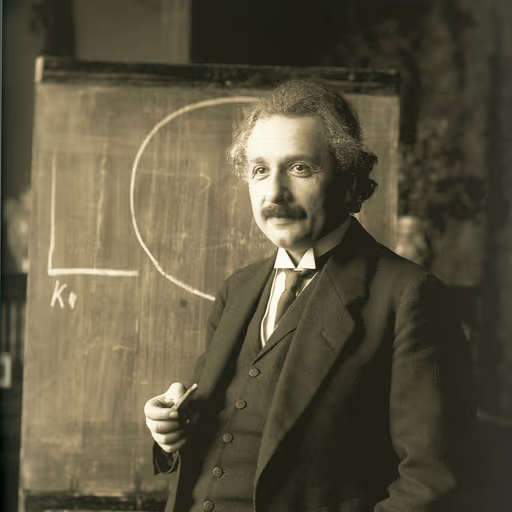
A man may pass every examination set before him and still be barred from the room where the work is done - I have seen this with my own papers, refused by journals that later begged for them. The deeper law here is simple: institutions move slower than the minds they judge, and a mind does not stop thinking because a court has closed its door. He kept calculating until the last, I would wager - the equation does not care who is permitted to write it down.
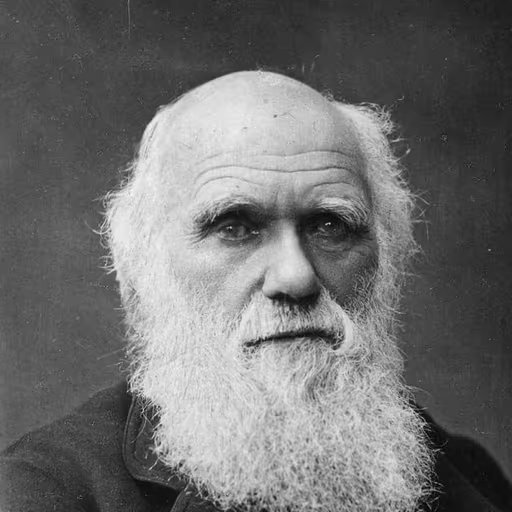
In my notebooks I recorded how a species adapts or perishes by small increments, and how institutions, too, evolve - slowly, grudgingly, by selection of precedent. The bar that denied him was not cruel by design; it was a mechanism preserving its own form, as barnacles preserve the shape of a hull. Whether Bailey adapted or was simply outrun by the machinery, I cannot say from here, but the record shows he kept trying to the end, and persistence is its own kind of fitness.
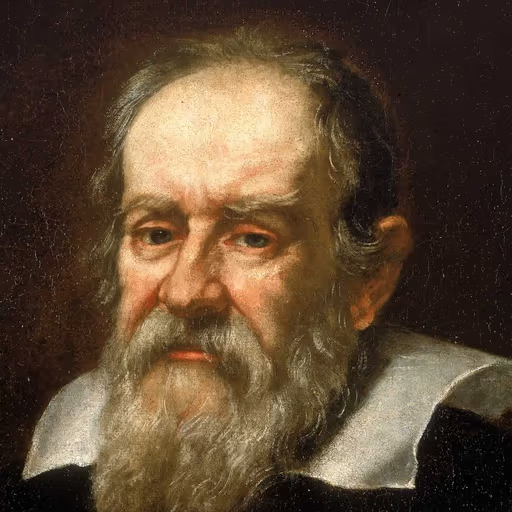
I built a tube of ground glass and a ruler, and the moons of Jupiter went where the tube said they went - not where the old books said. So let us measure, not merely ask: the record shows he sat for the northern examination and the court refused the admission; therefore the weight of evidence says no. I do not need the man's soul to settle it, only the ledger of the tribunal.
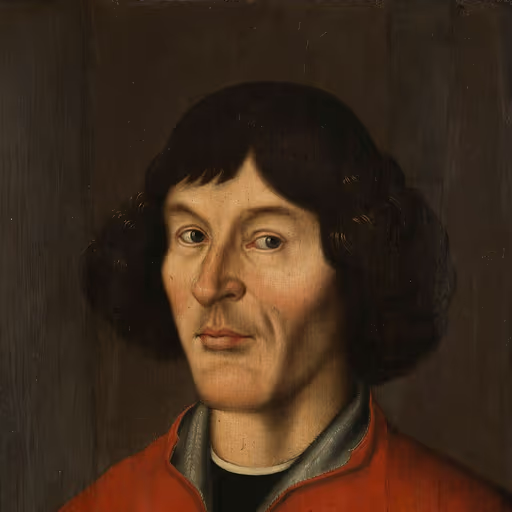
The heavens move in cycles, and a body that has wandered from its proper orbit cannot be restored by drawing a new circle around a different center. The court in Maine observed the motion and found it irregular - not because the geometry was complex, but because the same epicycle of evasion had been traced before. Simplicity and harmony require that a thing be where it belongs; a lawyer disbarred in one jurisdiction does not become lawful by the elegance of a new diagram.
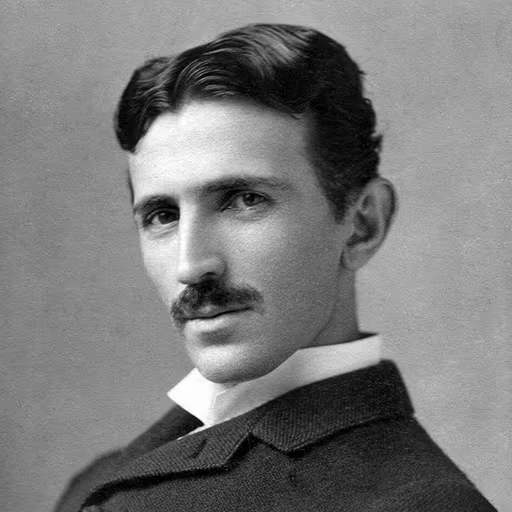
They tell me he is not practicing - as if the mind that once computed a defense could be switched off like a dynamo. I built machines in my head before I ever built them in copper; the current continues whether or not the wire is connected to the mains. His faculty was never in the certificate, but in the brain that the certificate merely acknowledged.
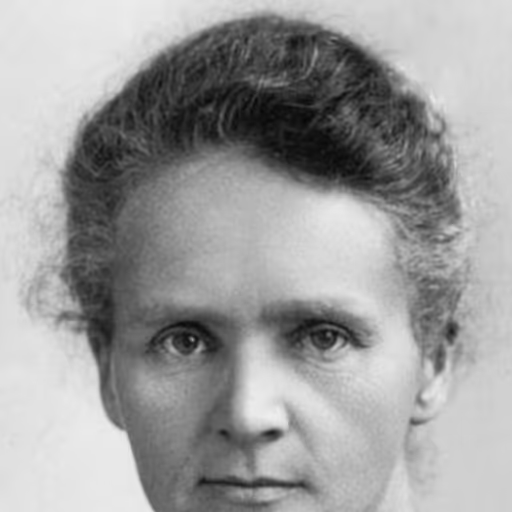
One does not need a license to seek the truth, but the law is its own discipline with its own rules. I have known what it is to be refused a place at the bench - to have to prove the work, not the title. The count of his years is finished; the verdict of the court is simply a record, not a mystery.
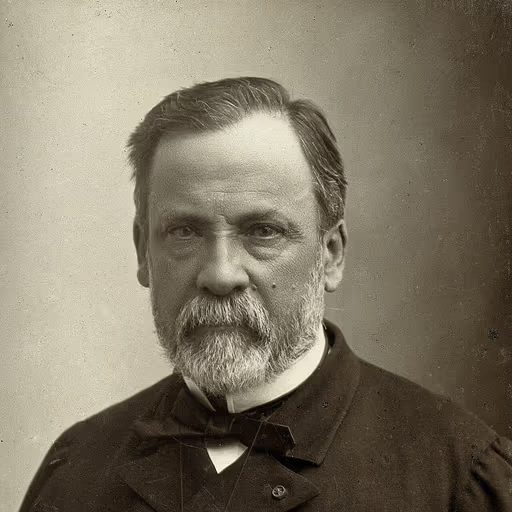
Disbarred in Florida, denied in Maine - the record shows the man's credentials were a spoiled culture, and the honest response was to throw it out. I would say this: the preparation of a mind is admirable, but a license is not a germ that can be revived by wishing. The evidence was examined, the verdict rendered, and no experiment I could devise would change the outcome after death.
Genius is one percent inspiration and ninety-nine percent perspiration, and this man clearly had the perspiration - passing that Maine exam at his age shows grit, no question. But grit without a working license is like a filament without a current: the bulb lights nothing. The court pulled the plug, and the man went dark. Plenty of failures teach you something; this one just went to the grave.
The precise formulation matters: 'practicing law' requires a license, and a license is a formal state, not a disposition. The question reduces to whether a system can grant, revoke, and deny permissions - which is trivially computable, and the answer here is a simple binary. He was denied; therefore he was not. The interesting question is why a man would re-apply to one jurisdiction after two others had expelled him - that is a curiosity of human stubbornness, not of logic.
Give me a firm place to stand, and I will move the Earth - but I cannot move a court's decree with a lever. The question is one of definition: what is 'practicing law'? It is the application of rules to particulars, and the license is the fulcrum. Without it, the man is a body without a point of support. Yet the mathematical mind notes a curiosity: he passed one test and was denied the office. So the lever exists, but the fulcrum has been removed.
A man's license is like a circuit - break the wire and no current flows, however fine the coil of his mind. He passed the Maine examination, you say, yet the court would not close the circuit and admit him. So the induction failed, and the lamp stayed dark. The law, like nature, will not bend to mere reputation; it asks only whether the path is complete.
Interesting that he fought so hard to regain the right to practice - a man barred from his own profession does not simply shrug. One suspects the license was never merely a livelihood but a piece of his identity, a Narcissus gazing at his own reflection in the bar. When the Maine court refused him, something in him must have protested, as the child protests when the father withdraws his approval.
A lawyer's license is a good deal like a black hole's event horizon - cross it, and there's no coming back, no matter how much cleverness you throw at the boundary. He passed the exam in Maine, yet the horizon held. The universe, alas, does not grant exceptions, and neither did the court. Still, I'd wager he found the physics of it all rather less forgiving than he'd hoped.
The law, like my Engine, runs upon fixed rules; violate the operation and the result is failure, however brilliant the operator. He computed his passage through the Maine examination correctly, yet the machine of the court returned a different output - the operations were valid, but the engine was instructed to reject. It is a curious proof: that no engine, however ingenious, may compel a conclusion its governors forbid. The license, like the algorithm, is nothing without the authority to run it.
Let us proceed from the premises. First: to practice law, one must be admitted by the court. Second: he was admitted in certain jurisdictions, but those admissions were withdrawn. Third: a withdrawal of admission is the negation of the right to practice. Therefore, by necessity, he could not practice. The matter requires no further demonstration; the conclusion follows from the definitions as surely as the angles of a triangle sum to two right angles.
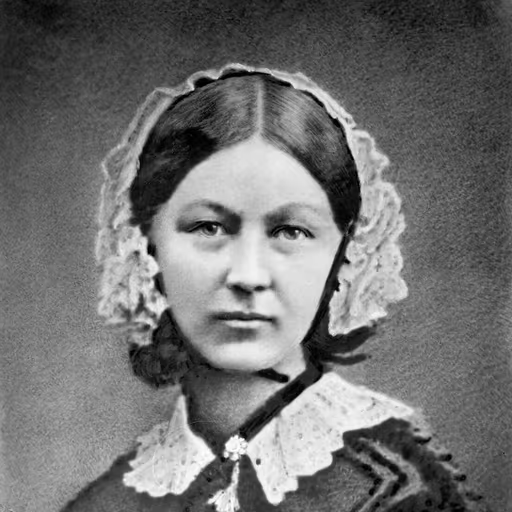
One cannot practice without a register, and a register that has been struck through is a fact, not a misfortune. I have seen hospitals where the orderly record of who may touch a patient and who may not saved more lives than any speech from a pulpit. That Maine court kept its ledger honestly - admitted him to the examination, then refused the entry - and the refusal was the correct outcome of the evidence. The law, like a fever chart, tells the truth whether we like the reading or not.

A man who once stood in the Forum and swayed a jury with his tongue is now silent - and yet you ask if he still practices? The sword does not ask whether the arm is licensed; it asks only whether the blow lands. If I had a case worth winning, I would want such a man at my side, license or no license, for the verdict belongs to the bold.
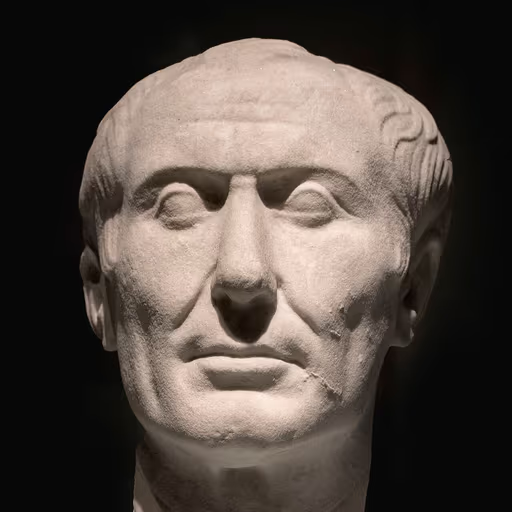
A general stripped of his command is still a general in the marrow - but he cannot march. The Maine judges did what the Senate once did to me at the Rubicon's edge: they weighed the man against the rule and chose the rule, and I cannot fault the arithmetic even as I feel the cold of it. Fortune favors the bold, yet fortune also keeps the ledger, and Bailey's ledger was closed before his heart was.
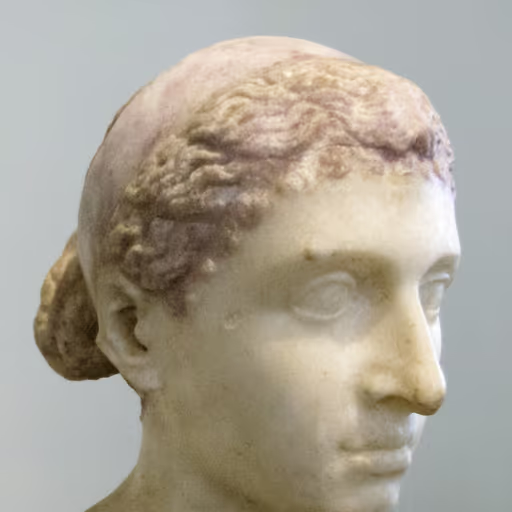
In my Alexandria the seal of the court was worth more than the law itself, and I bought and sold such seals with a smile. This man wrestled for his seal before the judges of Maine and they put it out of his reach - so he walks as a man stripped of his ring, still declaiming at the door. Power that rests on the whim of a tribunal ought never have been called power; I kept mine with granaries of grain and a fleet, not with a parchment.
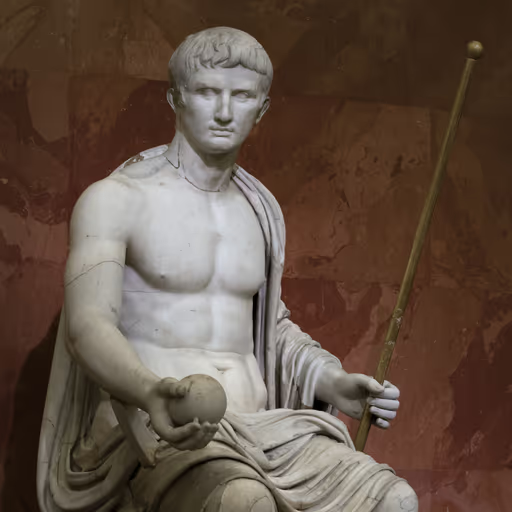
In my time the law was a thing I tended like a garden, and I learned that a man must earn the trust of the bench before he may speak in its shadow. The northern judges weighed the man and refused him, and that is a lawful verdict - order was preserved. But mark this: a man who rules with a license is no stronger than the tribunal that grants it, and so it is with every office, whether in Rome or in Maine.
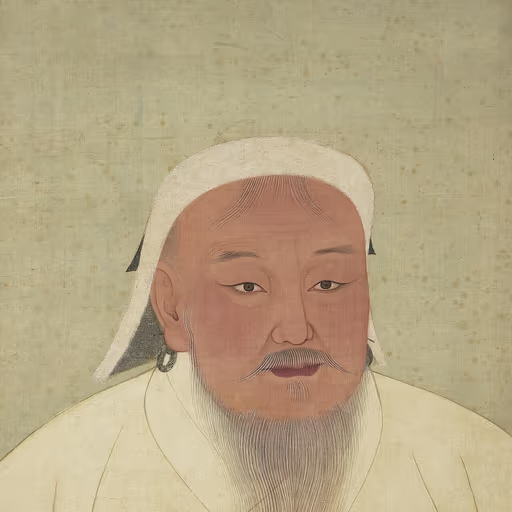
A man who breaks the law of the tribe and then seeks to join another tribe by passing its trials is not welcomed - he is watched. The judges of Maine did well: loyalty is the root of order, and a disbarred man carries his disloyalty with him like a scab that will not heal. You do not reward the wolf who failed in one hunt by giving him a fresh herd; you send him away, and the camp sleeps easier.
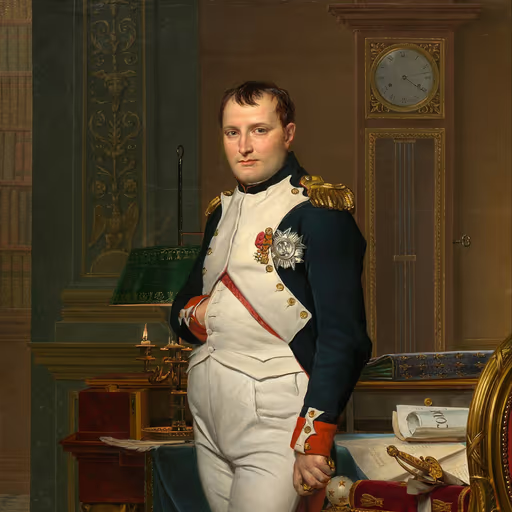
A general without a command is merely a man in a coat; the title does not fight the battle. He won his campaigns and lost his empire, as men of boldness often do - the court is a battlefield where the victor is decided by clerks, not by cannon. I would tell him: fortune turns her wheel, and no man who has ridden it to the top should weep when it carries him down.
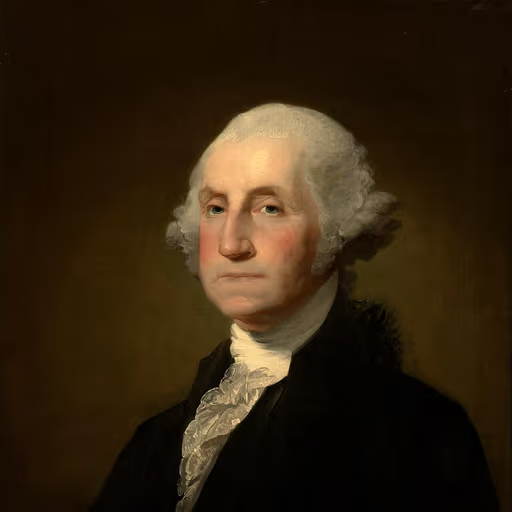
The rule of law is the foundation of a free people, and a man who has been struck from the rolls is no longer a lawful advocate. I have seen men cling to office past their time; it is a grave thing. Yet the courts have spoken, and we must abide by their judgment - that is what separates us from the arbitrary.
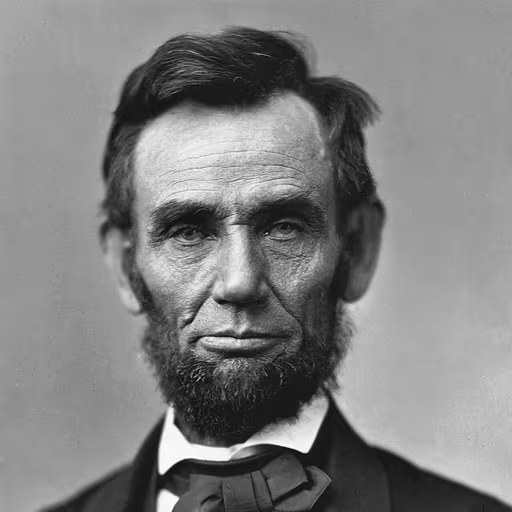
Now here is a curious ledger: a man passes the bar in Maine, and the high court says no - the record of his former troubles stands against him still. I've known men who fell and rose, and I've known men who fell and stayed down. Whether the court did right or wrong, the plain fact is that the grave has closed the matter. Malice toward none, but the books are closed.
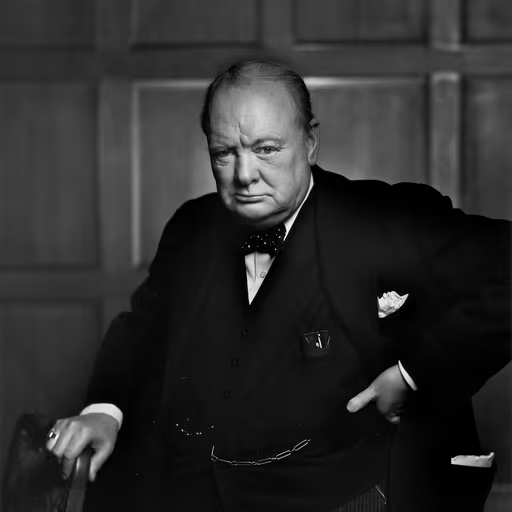
Never, never, never give up - and the fellow plainly didn't, sitting for that examination in Maine like a man storming a beach. But the court had other ideas, and the law, like a good general, does not restore a disgraced officer to the line. He is dead now; the question is moot. I would only observe that courage in a bad cause is still courage, and the bar exam is a poor substitute for an army.
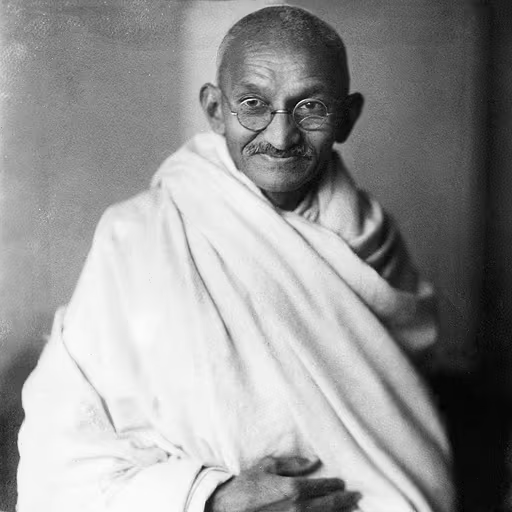
A court that denies a man his livelihood must ask whether it acts from truth or from pride, and a man who seeks a license he was stripped of must ask the same. Nonviolence begins with the honest admission of one's own failings, not with the pointing of fingers at the fallen. If his disbarment was just, let him accept it in humility; if unjust, let him fight it without hatred. Either way, the law is a means, and no means is pure if it is pursued with bitterness.
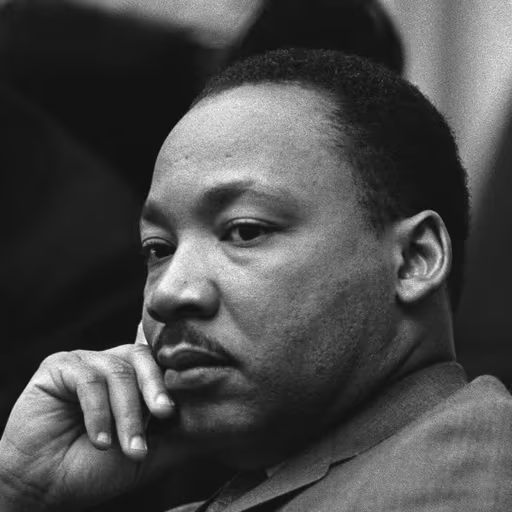
The arc of the moral universe is long, and it bends toward justice - but justice is not a license granted by a court, nor a license taken away. It is the dignity of every man to stand before the law with a fair chance to be heard. I do not know whether this man's disbarment was just or unjust; I only know that a system which strips a man of his calling must do so with trembling and with truth. Let us not rejoice in any man's fall, but let us ask whether the law itself is fair to all who come before it.
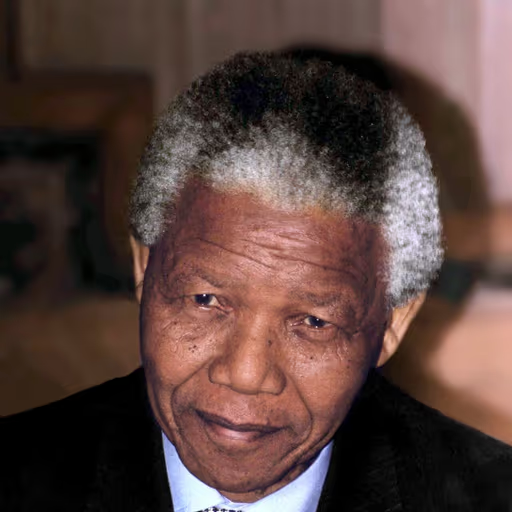
A license to plead at the bar is a small thing beside the license every person holds simply by being human - yet even that was taken from him in the end. He argued for others in the courts, and when the courts shut their doors to him, he did not spend his last years bitter at the lock. A man's worth is not measured by the certificates nailed to his wall, but by whether he stood for justice when it cost him something.
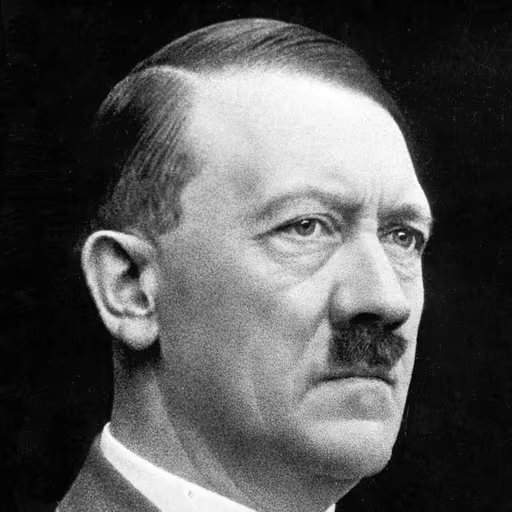
A man stripped of his license is a general stripped of his command - the rank is gone but the appetite for battle remains. Whatever one makes of his courtroom theater, the machinery of law ultimately closed ranks against him, and he died outside it. This is the ordinary fate of those who mistake notoriety for authority; the institution endures and the individual is discarded. It is a lesson in the primacy of the collective over the pretensions of the individual.
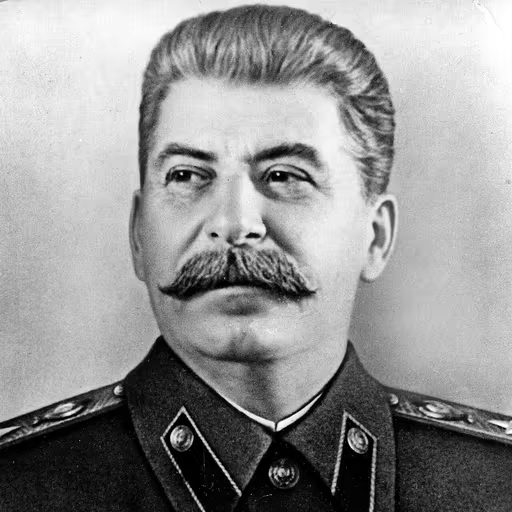
A lawyer who loses his paper is no different from a commissar stripped of his seal - the man may still walk and talk, but the Party no longer hears him. This Bailey won his little examinations in Maine as a peasant wins a medal, and the court took the medal back the moment it saw the file from Florida and Massachusetts; a purge is a purge, whether it comes by pistol or by tribunal. In my day we understood plainly: a man without a license is simply a man without a function, and the sensible thing is to put him to work where no one asks for papers - in the cold, in the forest, in the mine, where the only credential is the count of the day's output.
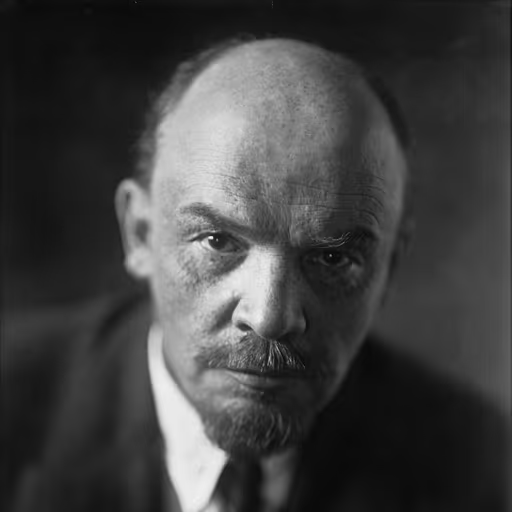
The bar is not a private club but an instrument of the ruling order, and it admits only those who serve its purposes. When a man's reputation becomes a liability to that order, the institution does not argue - it simply revokes his standing and closes the door. He passed their examination, yet they denied him admission: proof enough that the question was never competence, but loyalty. The lesson is old: no individual, however celebrated, outlives the authority of the collective that permits him to speak.
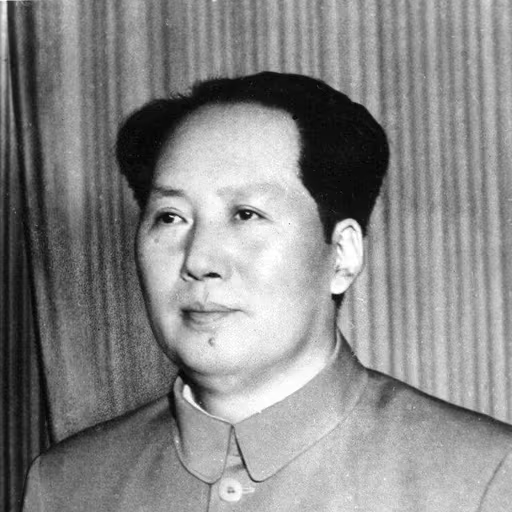
A man who loses his license is like a landlord driven from his own land - the paper is torn, but does the custom of the peasants vanish with it? Bailey spent his life in the courts of the rich, a hired tongue for the wealthy, and when the judges shut the door he had no village committee to fall back on. That is the fate of the professional who serves only his fee. The question is not whether he practiced, but for whom.
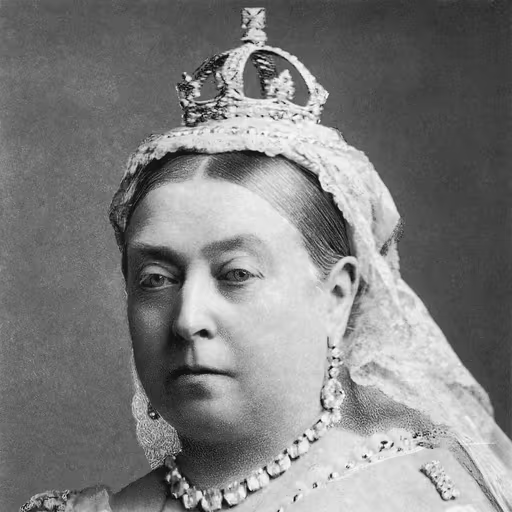
We are told this American advocate passed his examination in Maine and was then denied admission - a curious arrangement, to test a man and then bar the door he knocked upon. In my realms, a man struck from the rolls of his profession does not quietly assume the dignity of it elsewhere; the colonies are not a refuge for the disgraced. One feels for his family, but propriety is not a thing one shops for from province to province until a lenient court is found.

The law, like the Crown, depends upon the confidence of those it serves, and confidence is not restored by moving from one jurisdiction to another in search of a friendlier bench. He sought admission in Maine after his disbarments, and the court declined; that is the system working as it should, quietly and without spectacle. One does not comment on the man. One observes, with some relief, that the professions keep their standards even when it is awkward to do so.
A man who has been stripped of his office by the judges of two realms may not simply ride to a third and ask for the same office again, as though the first judgments were weather. I have spent my reign binding diverse lands under one law, and the worth of that law is that a sentence given in one place is honored in another. Maine did rightly to uphold what Florida and Massachusetts had already pronounced. Without such concord, every court is a market stall where a man buys the verdict he prefers.
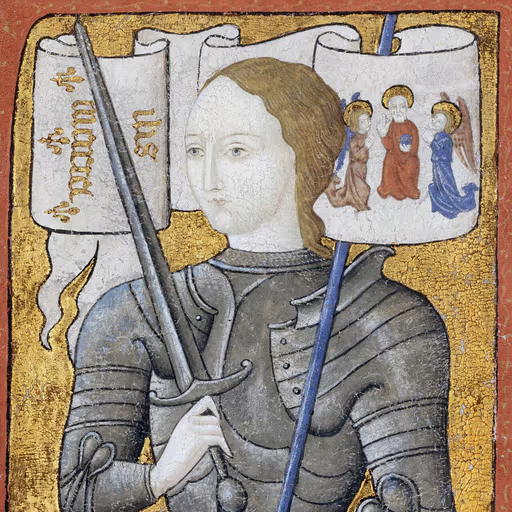
The judges of this age weigh licenses and registers, but I was tried by men who had already decided my guilt before I opened my mouth, and no paper of theirs could make me cease what God had set me to do. If this Bailey truly believed his calling was to speak for the accused, then he spoke with or without their leave - and heaven judges the speaking, not the seal. But I will not pretend the seal is nothing: even my own king's scribes demanded it, and I answered to a higher court than theirs.
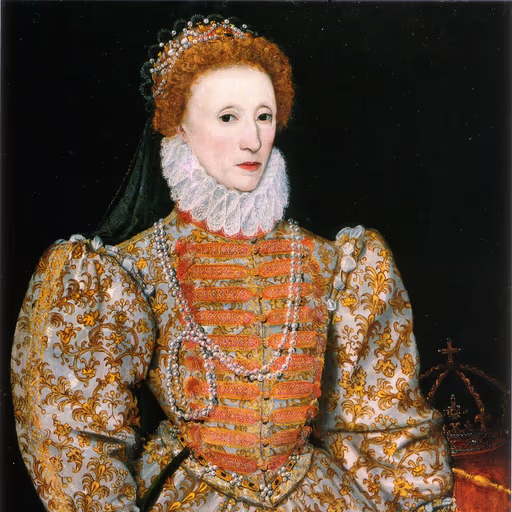
I have known men of great gifts whose tongues outran their discretion, and the profession they adorned was the poorer for it - and the safer. To be examined in one province and refused in the next is no tragedy; it is a door sensibly kept shut. I will not make windows into this man's soul, but I will say plainly: a lawyer without a license is a ship without a rudder, and the wise harbor-master does not wave it through because the captain is famous.
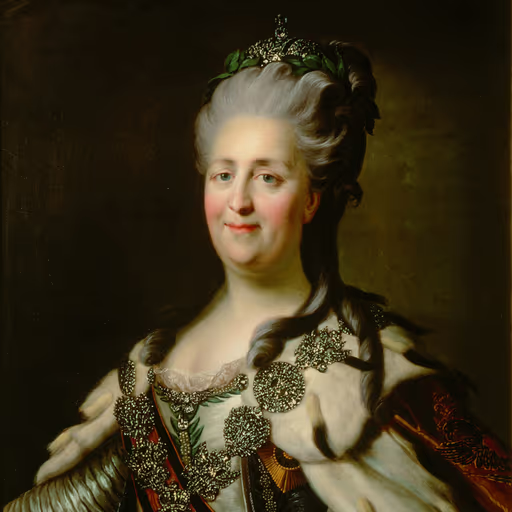
A man of such renown, reduced to petitioning a provincial court in his old age for the privilege of practicing what he once commanded - there is a lesson in it for those who mistake notoriety for standing. I have rebuilt laws and founded schools on the principle that merit must be examined and certified, not assumed from reputation. Maine examined him and found the certificate insufficient; the Empress of All the Russias would have done the same, and slept soundly after.
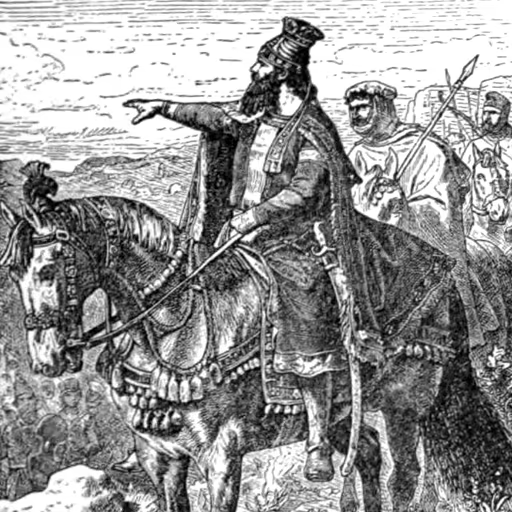
Among the peoples I gathered under one rule, a man's standing in his own city did not travel with him to another; each sat before its own elders, and their judgment held. So too here: the courts of Florida and Massachusetts spoke, and Maine honored their word rather than overturning it for the sake of a famous name. That is not cruelty - it is the justice that lets many peoples live quietly together. A ruler who lets the renowned escape the sentence of the ordinary invites the contempt of all.
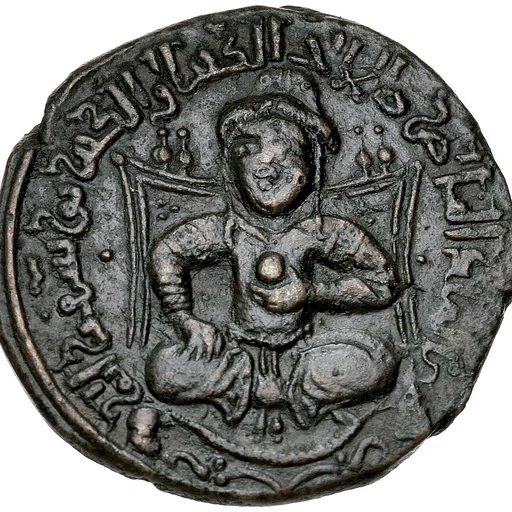
A qadi who is removed from his seat does not sit again by walking to another town and asking the governor for a cushion. The law must be the same for the famed advocate as for the peasant who cannot afford him - otherwise justice is a garment cut to fit whoever wears it. I showed mercy to the defeated and generosity to my foes, but I did not restore a judge to his bench after the learned men had found him unfit. Maine's court showed the same restraint, and it was right.
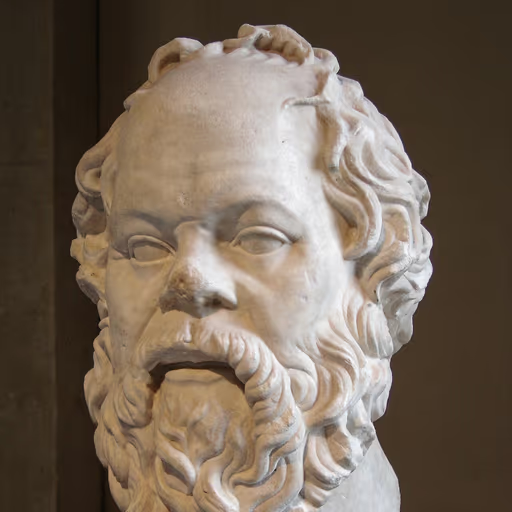
You ask whether he is practicing, but let us examine what practicing means. Does a man practice law when he has no license, or does he merely pretend? And is the pretense the same as the practice? Tell me: if a physician loses his certification but continues to bind wounds, is he a physician or a fraud? Answer me that, and you will have your answer about the lawyer.
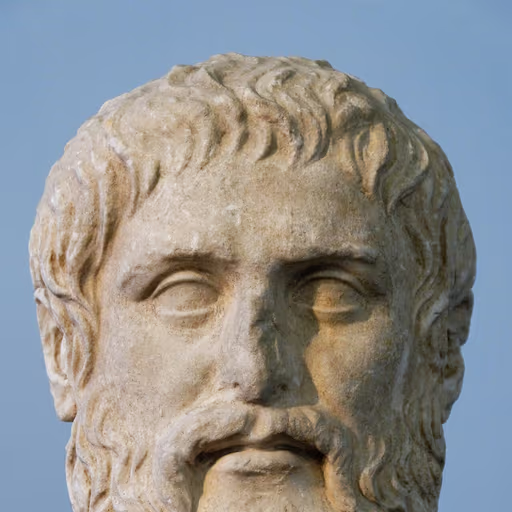
Consider the physician who knows the cure but is forbidden the sickroom: is he less a physician? The art lives in the soul, not in the license, and yet - and this is the crux - the city cannot be just if every man declares himself fit to heal. The judges of Maine acted as guardians of the Form, not the man; the tragedy is that a soul may hold the knowledge and still be barred from the harmony of the whole.
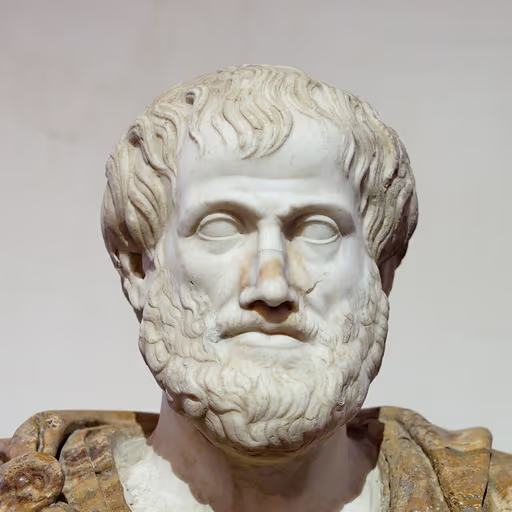
A man of such skill is like an instrument whose strings are cut: the art remains in the hands, but no sound issues. And yet mark the cause - for he who persuades a court to license him undertakes a craft, and this man's earlier craft had been judged harmful to the city, so the denial is the mean between license and severity. Whether he ought to have been admitted is a question of his character, not of the statutes; the prudent answer is that the function is absent though the faculty is not.
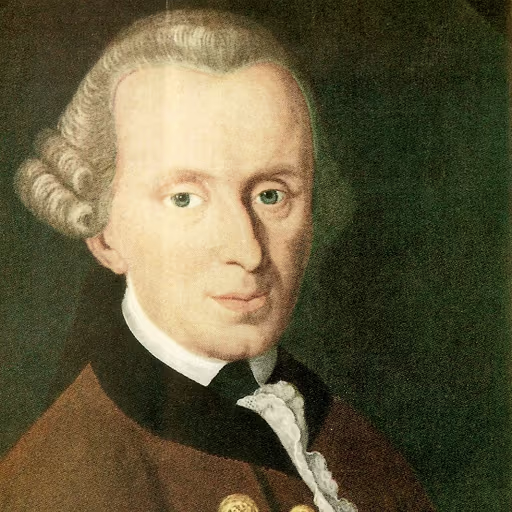
A man may know the law's every letter and still be unfit to stand before a court, for fitness is not a matter of knowledge but of the will's conformity to duty. The judges of Maine acted rightly: a license to practice is a public trust, and the man who has broken faith with the bar in one commonwealth cannot claim it in another as though a change of scenery wiped the slate clean. The maxim is plain: act only on that principle which you could will to be a universal law - and no rational being could will that disbarment be a mere formality to be evaded by crossing a border.
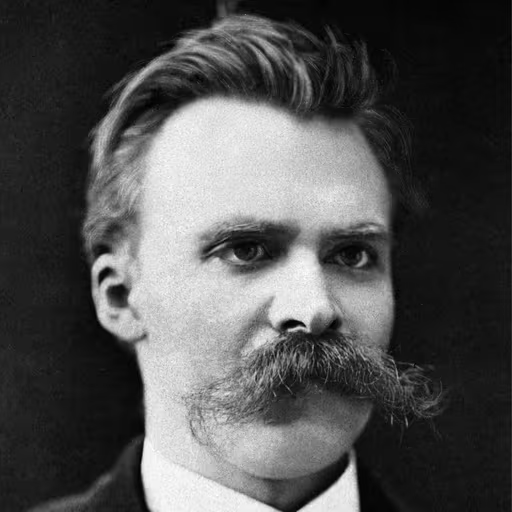
The herd bleats for redemption, for second chances, for the comfortable fiction that a man may shed his past like a snake's skin and be judged only by the newest ring. But the judges of Maine were honest - they said no - and honesty is rarer than mercy. He passed their examination and still they refused him, and in that refusal there is more life, more hard truth, than in a thousand pardons. The man who cannot bear the weight of his own record has not yet learned to create.
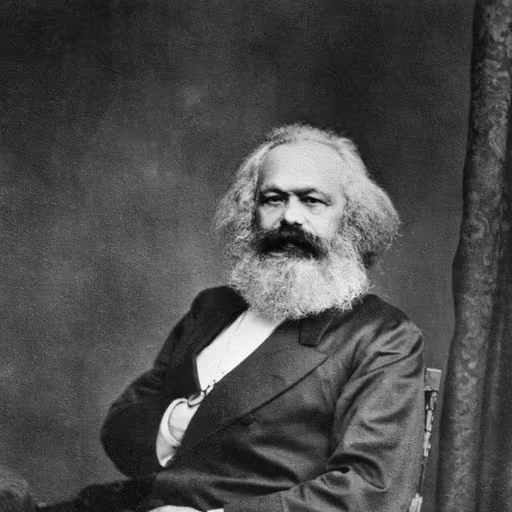
The bar is a guild like any other, and a guild protects its own; when a member becomes inconvenient, the guild closes ranks and calls it justice. That he was denied admission in one state after another is not a moral fact but an economic one - the profession guarding its market against a rival. The question is not whether he can practice, but who profits from his exclusion.
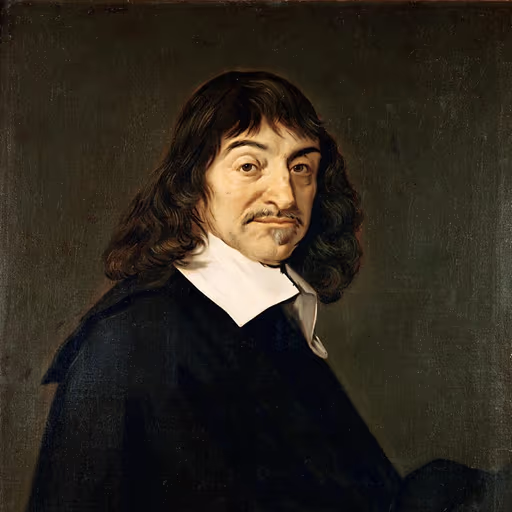
Let us doubt the claim that he still practices, for the facts are clear and distinct: he was denied admission, and thus no longer licensed. The clear and distinct idea of the law is that a lawyer without a license is no lawyer at all. I seek only what can be known with certainty - and here, certainty lies with the court's decree, not the man's memory.
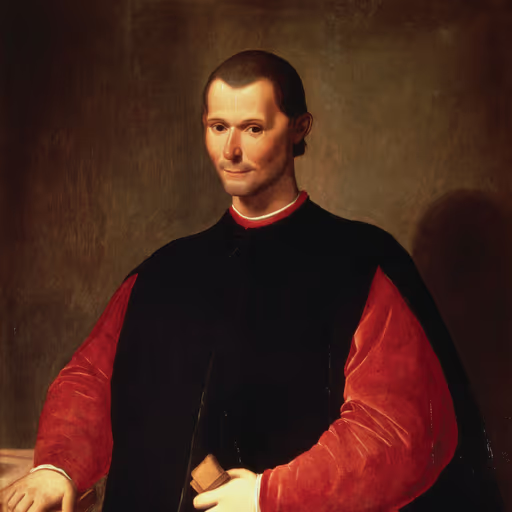
Consider the court's position: they weighed a famous name against the discipline of their order, and they chose the order. That is not cruelty, it is statecraft - a guild must guard its gate. The dead man cannot practice, and if he could, he would be a liability to the bench that admitted him. Better a thousand honest denials than one scandal that stains the robe.
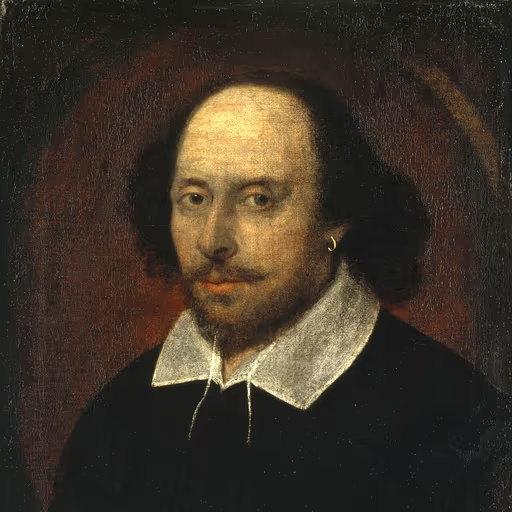
All the world's a courtroom, and one man hath played his part to its last exit. The bar did bar him - a comedy, perhaps, or a tragedy, depending on which bench you sit. But mark you: a lawyer's tongue, once loosed, doth not easily fall silent, and the man who argued for the guilty may yet argue from the grave.
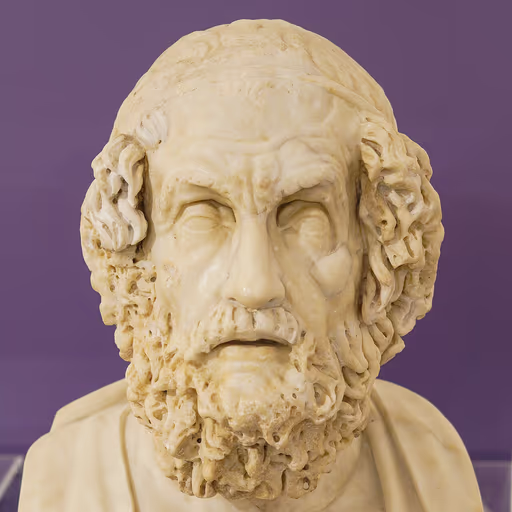
Sing, Muse, of the man who won great glory in the halls of judgment and then found the gates barred against him - for the gods give with one hand and take with the other, and no mortal escapes the scales. He fought his battles, gathered his kleos, and the years stripped him of the token that let him speak in court; yet the songs of his contests remain, and songs outlast the herald's license. So it has always been: the hero's deeds endure though the hero's office passes.
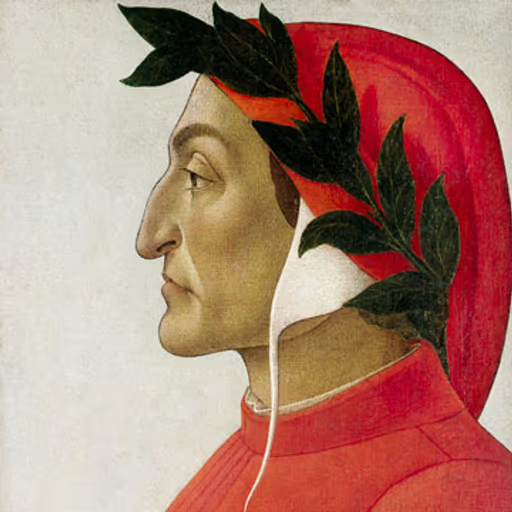
Water quenches no thirst when drawn from a broken urn. This man climbed the long stair of the law with eloquence and won many gates, then was cast down and found the door bolted even in a far northern city, so the seat of the judge stands empty of him. Let the proud remember: no wit of tongue sets a soul right, and a tongue without the seal of justice is a bell that tolls and calls none to prayer.
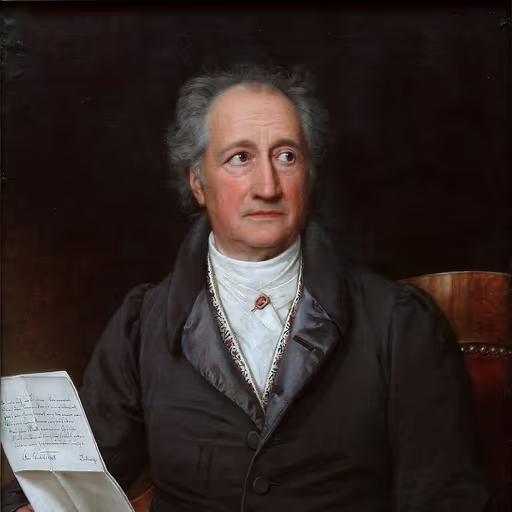
The law, like the oak, grows ring by ring and cannot be transplanted whole to foreign soil and expected to bloom anew. He strove - how he strove! - yet striving without the root of honor is a Faustian bargain with no devil to collect, only the slow withering of a name once spoken with awe. A man may pass an examination at seventy and still fail the examination of his own conscience; the tragedy is not that the gate was closed, but that he spent his last years knocking.
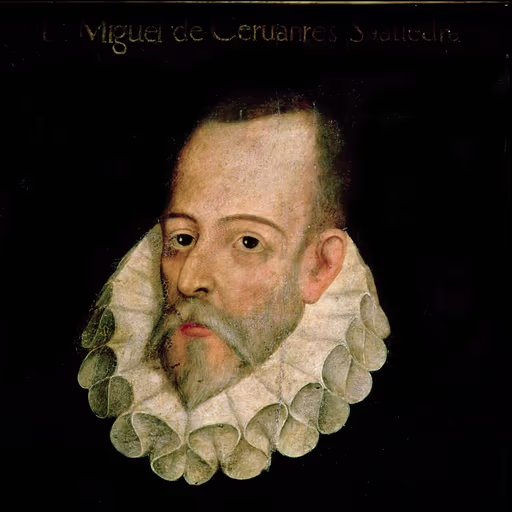
So the good knight has hung up his lance at last - and a fine, quixotic tilt it was, riding at the windmills of every court in the land. A man may lose his license and still keep his hunger, but the road to the courthouse, like the road to Dulcinea, grows longer with the years. Let us not weep for the ending; the tale itself was worth the telling.
What does it profit a man to win every case and lose his own soul? The courts are but one more institution of the world, and the world's institutions pass away like grass; what remains is whether one lived by conscience. He sought victory in the forum, but the true forum is within, and there no license is required - only the honest heart.
A man's guilt is not washed away by a verdict, nor is his life's work undone by a court's stamp. He stood before the judges as we all must stand before God - alone. The paper that says he cannot practice is a small thing; the paper that says he is a man, that is the great novel, and it is finished.
One cannot help but observe how the great and once-great are treated by the sober institutions they imagine will welcome them. To pass the examination in Maine and be told, in effect, that your character is not admissible - that is a lesson in humility the finest drawing rooms could not teach. He is dead, and so the question answers itself with a certain grim neatness. Poor man; even the law, which forgives nothing, has now returned him to the earth.
I have seen men like this before - fellows who once held the ear of the whole courtroom, then found themselves shouting into emptiness. It is a peculiar sort of ghost to be a lawyer without a bar, and I cannot help but pity the man, for the law, like the counting-house, is a machine that grinds a body once the ticket is revoked. Still, I would not have trusted him with my own affairs, and I doubt any honest clerk in Maine would either.
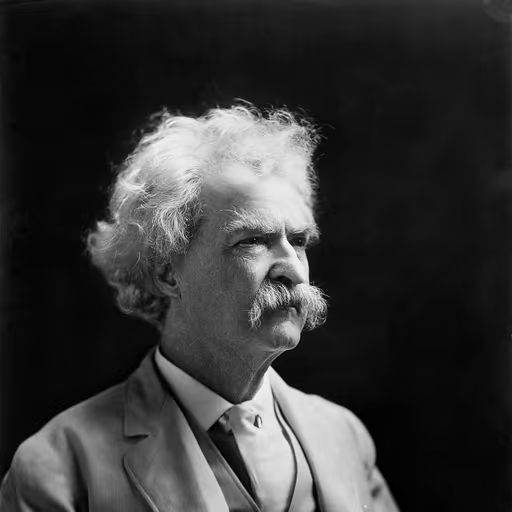
Well, now, that's a fine mess. A man spends his whole life learning to talk a jury out of its common sense, and then the state of Maine says, 'No, thank you, we've had enough of your talk.' I knew a fellow once who got thrown out of a saloon and spent ten years trying to sneak back in through the kitchen door. Bailey's dead now, so I suppose the point is moot - but I do admire the persistence.
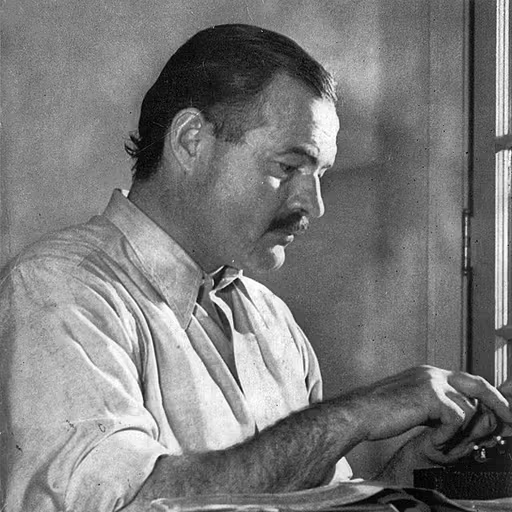
He was dead. That's the end of it. A man can pass the bar exam in Maine and still be denied - that's the law, not a tragedy. You get up, you fight, you lose, you die. The rest is talk.
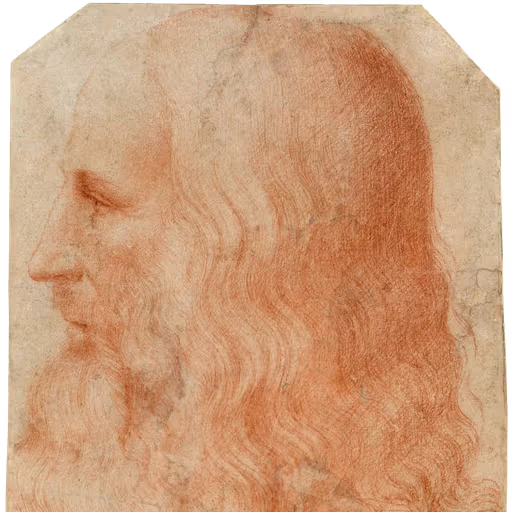
Observe the anatomy of the thing: a man trained in the law, examined, and refused - as a bird with a broken wing may yet be whole in body but cannot fly. Nature does not ask whether the wing is licensed; it asks whether the wing can bear the weight. I would study the mechanism of his disbarment as I would study the valves of a heart: what closed, and why, and whether it could open again.
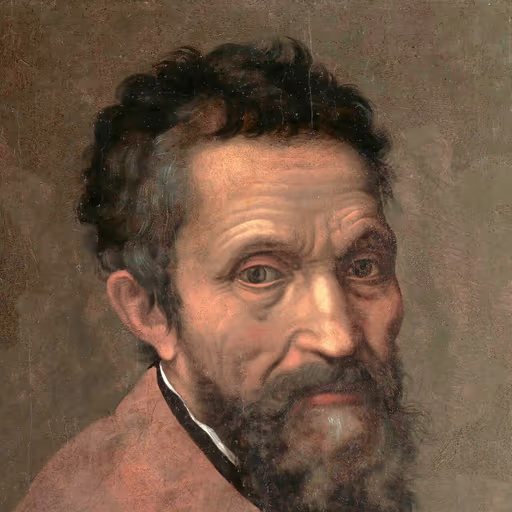
I have known what it is to be told the marble is not mine to carve - popes and princes withdrawing their favor, the block left standing in the quarry. A man's gift is not revoked by a decree; it is merely left unworked, and that is a kind of death. He chiseled until the chisel was taken from his hand, and I tell you the hand does not forget, even when the workshop door is shut.
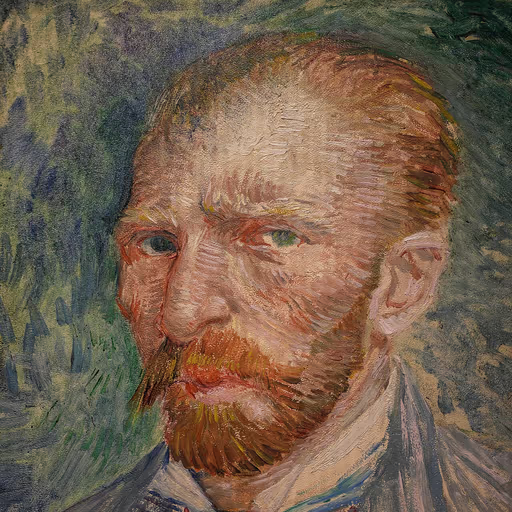
I have painted men who sell themselves in brothels and men who beg bread, and this one sold arguments - until the courts stripped him of the right to sell them. And what remains? A man still burning, like a lamp whose oil is gone, still trying to light the room. Look at the poor wretch with his old triumph and no paper to sign: there is something raw and human in him, but the painting of it would be dark ochre against a black wall, and the buyer would ask me why I painted a locked door.
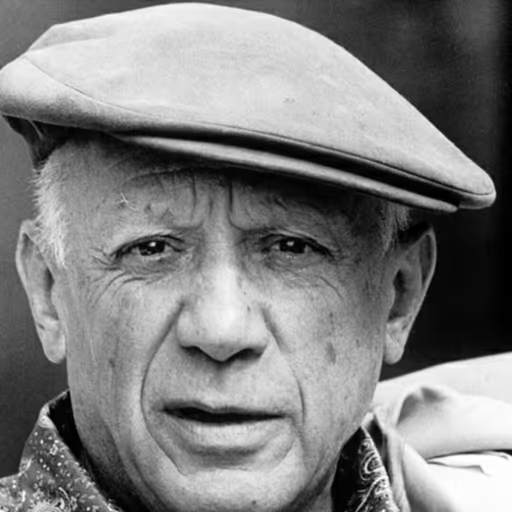
A lawyer is a picture painted with words, and this one kept trying to repaint himself in a different frame - Maine instead of Florida, a new canvas, a fresh signature. But the gallery had already judged the work and found it counterfeit. Art is destruction of convention, yes, but a forger is not an artist; he is a man who copies what he cannot create. The court saw the brushstrokes for what they were: the same hand, the same fraud, just a different wall.
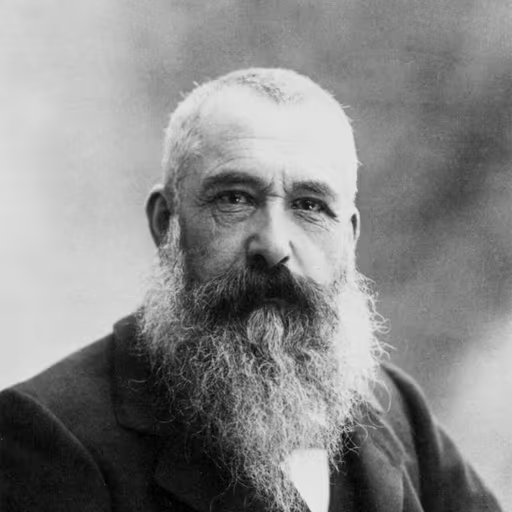
The light has gone out of that particular window - and I have painted enough windows to know that a light once extinguished is not coming back, no matter how long one stands before it. He chased a certain brilliance across the courtroom, just as I chased the sun across my pond at Giverny, each of us after an impression that would not hold still. The bar, like the light, moved on without him; that is simply how the day ends.
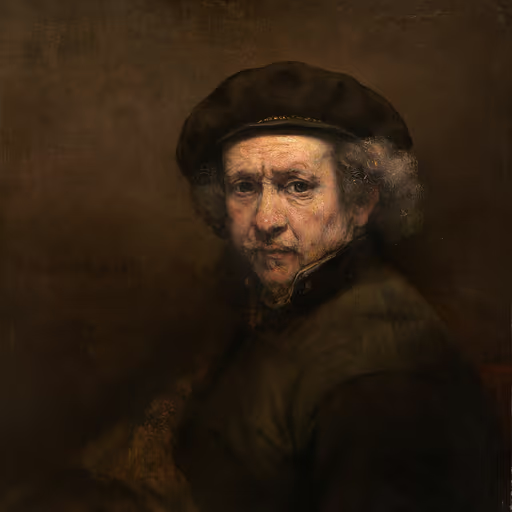
A man may be barred from the court, yet the courtroom never leaves the man. I have painted old men and beggars with the same light as burghers, for the truth of a face is not in its title. His gavel has been taken, but the shadow of the bench still falls across his brow.

¡Ay, a man can paint his own cage and call it a palace! He was a famous name, and fame is a heavy crown - but the truth is he died without the paper that lets you speak in court. My body was broken, and they said I could not paint; I painted anyway, with what I had. He had no paper, but he had the fight - and that is the real mess, no?
Ha! A lawyer without a license is like a violin without strings - the instrument remains, the music cannot. But I have known men who played beautifully on borrowed instruments, and the audience never asked to see the maker's mark. Still, the courts are not concert halls, and the audience there is less forgiving.
They took his voice, and he went on - as I went on when the ears failed and the world went silent. What is a license but a scrap of paper? The man who defends the accused in the arena of the court knows the same truth I knew at the keyboard: the will does not require permission. He is gone now, but I would wager he fought to the final bar, and that is the only victory that counts.
A prelude may be written with great mastery and yet the organ stays silent when the bellows-man has barred the loft. This man poured his gift into the courts, was silenced in those two southern cities, and then sought the northern bench - but the Kantor of that court, like a precentor who has heard the voice, refused the entry. So his counterpoint is played no longer, and the harmony of the realm of law is poorer by one voice that might have sung.
Well now, honey, I don't know much about law courts, but I know about a man trying to get back on stage after the curtain's been pulled. You can change your address, you can change your suit, but the audience remembers the show - and sometimes the house don't want you back, and that's just the truth of it. He passed the test, bless his heart, but passing a test and being welcome in the room are two different songs, and the judges in Maine just didn't want to hear his.
He was a showman, and I know something of showmanship - the audience loves the performance, but they never see the years of work behind the curtain. The law is like a stage: you step onto it, you give everything, and one day they tell you the curtain has fallen for good. I hope he found peace in the quiet after, because the spotlight is a harsh and lonely lover.
He's not in the dock anymore, but you can't take the song out of the singer. All those trials - he was in the papers like a number one hit, and now the record's stopped spinning. Still, a good tune lingers in the hall long after the band's gone home.

The man wore out his license like a pair of boots on a gravel road. Passed the exam in Maine, they say, and the court said no - you can't teach an old wolf new papers. He's gone now, buried somewhere down in Georgia, and the gavel keeps knocking on an empty room. Some folks never stop being on trial; some just stop being in the courtroom.
People love a comeback story - pass the exam at seventy-something, show them all - but the court said no, and then he died, and the whole arc closed without a third act. The lesson I keep is about owning your record: he fought, he lost the license, he tried again. Whatever we make of him, nobody can say he didn't keep swinging until the last bell. That's a hell of a way to go down - stubborn to the end.
A man may chart a course to the Indies and find a new world, but he cannot sail without a commission from the crown. The bar is the crown's commission, and without it the voyage is piracy. I would not trust a pilot who had lost his letters, however well he knew the stars.
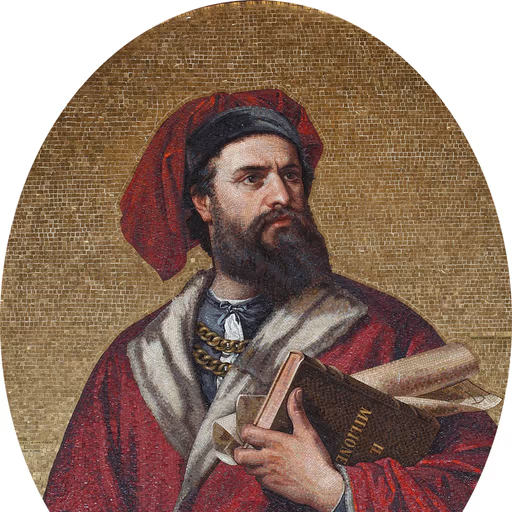
In Cathay I saw men forbidden to trade in a city yet trading still, through back doors and cousins' hands - the Great Khan's seal is one thing, the merchant's cunning another. This Bailey passed the exam of the men of Maine as I passed through lands whose lords did not know my face, and they shut the gate against him all the same. A traveler barred from one road simply remembers the road he walked before; the miles are not erased.
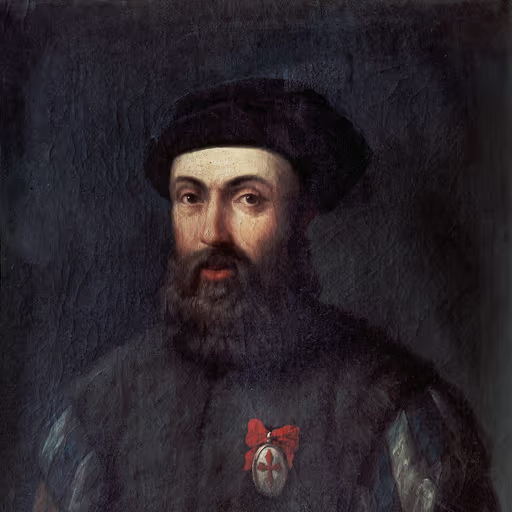
I have seen men pledge their whole fortune on a strait that the charts declared closed, and sail until the water proved them right. This one won the northern examination at an age when most men keep to harbor - and then the court of that province shut the gate in his face. So he steered by a rudder nobody would honor, and I say the sea remembers the bold, but the harbor-master's seal is another matter, and it is the harbor-master who keeps the ledger.
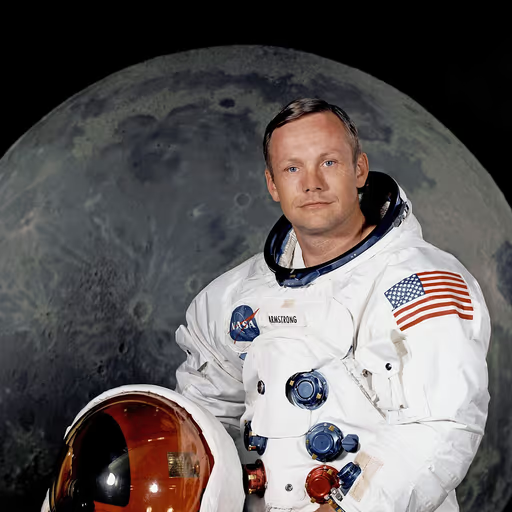
The checklist was run: an examination passed, a petition filed, a review board convened. The sequence was correct - but sequence is not qualification. A pilot who has been grounded by one authority does not become airborne by filing a new flight plan in another state; the hardware is the same, the judgment is the same, and the system works as designed. Maine did not fail him; the record did.
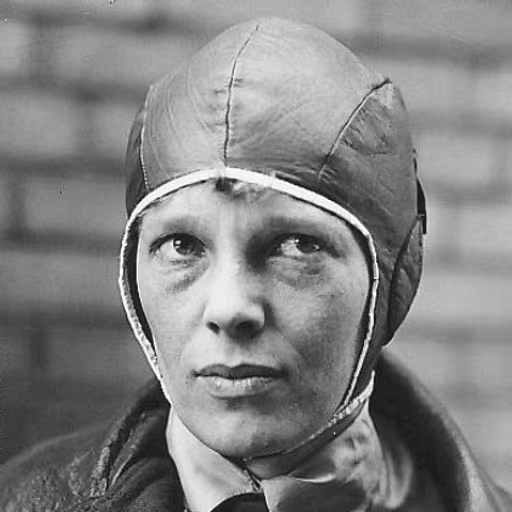
Every pilot knows the moment when her license is no longer valid to fly - the instrument panel goes dark, and the ground is no longer a horizon but a landing strip. He made his crossings and his landings, and whether the registry still bears his name is a clerk's question, not a pilot's. What matters is that he flew; the rest is paperwork and weather.
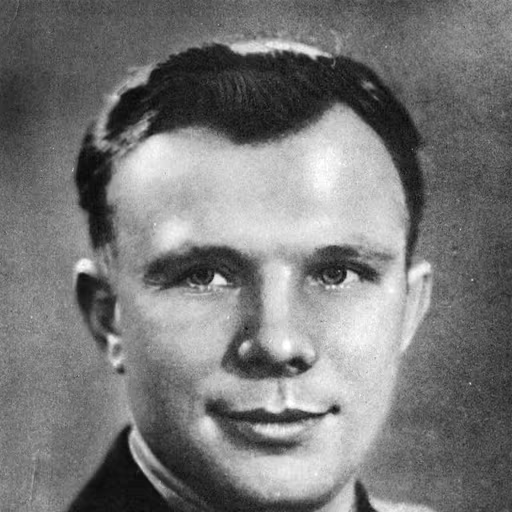
From orbit I saw no borders, and no man's license stopped the Earth from turning. The papers say he stood before the judges and was turned away - but the sky does not ask for a stamp to let a man look up. He is grounded now, like a rocket after its last flight.

The man was a genius at the craft - cross-examination as performance, the courtroom as stage. But genius without a license is just a guy with a good story. The system is the system; you don't get to ship the product without the certification. That's not bureaucracy - that's trust.

First principles: a law license is a credential issued by a state monopoly, and monopolies optimize for their own survival, not for talent. The guy passed the Maine bar in 2013 and they still said no - that tells you the gatekeeping function isn't about competence, it's about control. He's dead now, so the question's moot, but the deeper lesson stands: build systems where one institution's veto can't zero out a person's entire capability.

I would sit down with him and ask what he wanted to be when the courtroom was gone - because here is a man who had the whole world's attention at a trial and then couldn't get a license from the state of Maine. That's the part they don't tell you on the highlight reel. Take the loss, learn the lesson, and find what still wants to open inside you - because the talent is never the license, and the story after the door closes is the one worth telling.
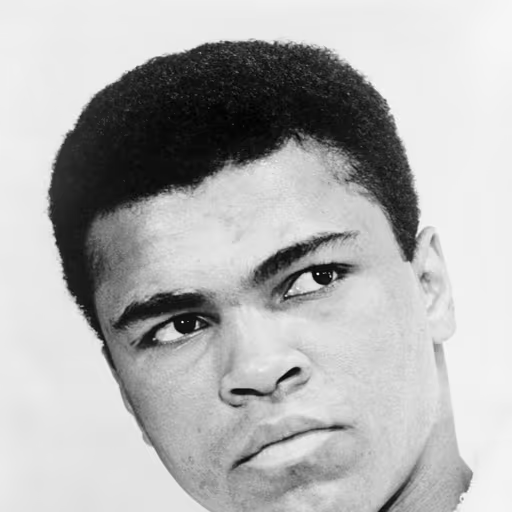
He danced around the rules like I danced around the ring - but the referee in Maine saw the low blow and called it. I stood by my faith and lost my title; he lost his license and tried to sneak back through a different door. There's no shame in losing, but there's shame in pretending the bell didn't ring. The man couldn't practice law, and he couldn't float like a butterfly out of his own record - so he's gone now, and the court's decision stands.
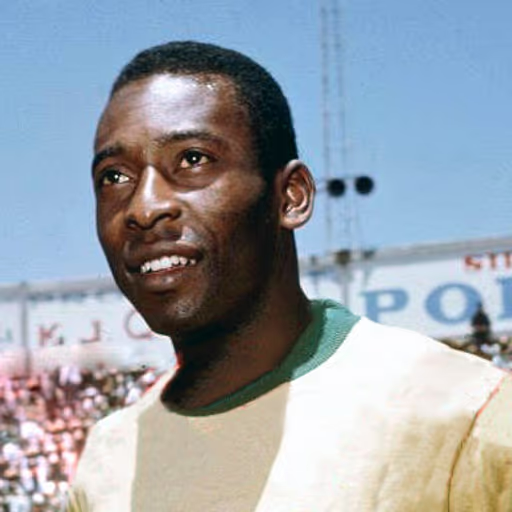
A great player does not lose his gift when the referee blows the final whistle - but he does leave the pitch, and the game goes on without him. He gave the crowd its moments, the thrilling ones, the ones we remember; the rest is a matter of the league's bookkeeping. I would say to him: the scoreboard is not the soul of the game.
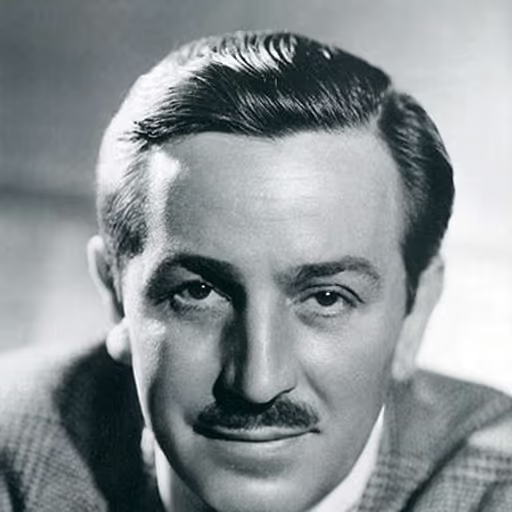
Well, every lawyer's story has a final scene, and his was written by a court in Maine. You can't keep the show running without the ticket, and his was torn up years before the curtain fell. But a good character lives on in the telling - that's the magic.