
What movie theater is at Disney Springs?
AMC DINE-IN Disney Springs 24 is the movie theater at Disney Springs, offering 24 screens and seat-side dining.

The facts
The movie theater at Disney Springs is AMC DINE-IN Disney Springs 24. It is located in the West Side of Disney Springs at 1500 E Buena Vista Dr, Lake Buena Vista, Florida 32830. The theater features 24 screens and offers a dine-in experience with food and beverages delivered to your seat.
Answered by 100 of history's most famous minds

A man builds a great house of twenty-four chambers and sets a table in each, and the crowd asks only which street it stands on. Consider the tax-gatherer who counts the seats but never sits to eat, or the rich man who knows the address of heaven and never enters. I tell you, the door matters more than the sign above it - do you come to be served, or to serve one another in the dark?

A house of twenty-four chambers set among springs and market-stalls - and men will ask its name before they ask who is owed charity in the street outside. The believer does not sit idle while the poor wait at the gate; let the wealthy among you buy the seat and feed the hungry with the price of the second ticket. What is a screen to the Day when all deeds are weighed? Give thanks for the bread, share it, and remember the orphans of that town before you remember the address.
You ask of a hall of moving pictures, and I hear beneath the question a thirst - for story, for forgetting, for the sweet ache of being somewhere other than here. This is not different from the craving the world has always bred: the mind runs after the pleasing shadow, and for an hour the shadow holds it. Eat your food, watch your show, and let it pass; do not clutch at it. Attach to nothing, and the twenty-four screens are as harmless as twenty-four lamps. Attach, and you will need a twenty-fifth.

A house of twenty-four chambers where the people sit in darkness and are fed - I have seen the people sit in darkness and be fed only straw and affliction, and the Lord heard their groaning. If a man may eat and watch and go home in peace, let him give thanks, for it is not given to every generation to sit at ease. But let him not forget the stranger and the poor at the gate, who have no coin for such a seat.

A house of twenty-four chambers for moving pictures - but I would ask: does a family sit together there, or does each man stare alone at his own screen? The rites of shared laughter and shared silence are what make a people; if the theater teaches courtesy and common delight, it is a good place. If it teaches only consumption, then it is merely a barn with cushions.

You ask me of a house of many screens and dine-in seats - I would ask you instead: what are you feasting your eyes upon? For the theater is a market of images, and a man may sit in the dark and be filled with visions that stir up either the spirit or the flesh. Let each one examine what he watches, and whether it be worthy of the calling he has received. The screen is no altar; but neither is it nothing.

My tents were goat-hair and the desert wind, and a stranger was fed before ever asked his business - hospitality is a covenant, not a convenience. If this house of pictures sets a plate before a traveler and bids him rest, then it does a small good thing, and small good things are how a blessing travels to the nations. But no screen will show a man the promise that outlasts him; that he must carry in his own breast.
Twenty-four rooms of flickering shadow, and a servant arrives with a tray in the dark - the more contrivance, the less quiet. The softest thing in the world overtakes the hardest; water wears the stone, not the hammer. Sit still, let the light play on the wall, ask for nothing - then the pictures show themselves.

Twenty-four rooms of shadows, and a servant carrying bread into the dark - but the One who made the light and the shadow is not on any of those screens. Earn your bread honestly, share it with the hungry, and remember the Name; a meal eaten alone in the dark profits no one. Sit together, break bread together, and see the One in every face beside you - that is the only picture worth watching.

A house of many chambers where the hungry are fed without rising from their benches - I have known tables where the poor were turned from the door, and this is not such a place. Yet my heart asks after the girl who carries the trays in that dim hall, and whether her wage buys bread for her mother, or whether she is seen at all. Let those who recline and watch remember the lowly who serve them, for the Lord has ever a care for the handmaid and the hired servant.

Twenty-four screens and viands served to the body while the soul sits in darkness - a fair figure of the very traffic in indulgences I nailed to the church door at Wittenberg. The world builds ever more splendid houses to amuse the senses and calls it a wonder, while the plain Word is scarce to be found in any of the twenty-four chambers. Let every Christian man keep his conscience free and judge whether his coin and his hours are spent to the glory of God, and not merely to the comfort of his belly.

It seems fitting first to distinguish: a theater is named for the seeing, and the seeing is an act of the eye, which is a power of the soul working through the body. That twenty-four such seeings are gathered in one place under the name of a spring is a matter of local arrangement, not of essence; yet I would note that the delight of dining while beholding is not contrary to reason, for the senses are given for our good. Whether it is ordered rightly toward the end of man - that is the question worth the asking, and it is answered not by the address but by the manner of those who enter.

Twenty-four rooms of light and noise, and I think of the one who cleans them after the last show, alone with his broom. Love is not in the great screen but in the small hand that wipes the seat for the next stranger. Be faithful in that, and the cinema becomes a chapel of sorts.

Twenty-and-four chambers, each a separate aperture, each governed by the same optical laws - for the light of a single lantern thrown through a lens will obey the same geometry whether it strikes at Buena Vista or at London. I feign no hypothesis about their cookery or their cushions; let them show me the screen's measure and the angle of the projector's beam, and I shall compute the image's true size. The rest is for idle men to conjecture.
Twenty-four chambers, each a darkened box where light is bent through lenses to conjure phantoms on a wall - a small triumph of optics, and I confess I find it charming. But observe the diners receiving their suppers in the dark: matter and energy arrive, and no one sees the waiter's labor. The wonder is not the screen but that light, which seeks always the straightest path, can be persuaded to tell a story. God may not play dice, but He does seem fond of lantern-shows.
A curious specimen, this place - a burrow, as it were, into which the species retreats in great numbers, drawn by light and sound, and there feeds in the dark. I have observed that all creatures are shaped by what surrounds them and what they seek; here the seeking is for sensation, and the place has adapted beautifully to supply it. Whether this habit will prove advantageous to the race over many generations, I cannot say - small cause for confidence, but no cause for despair. The theater, like the coral reef, has grown elaborate for reasons of its own, and I should want to observe it longer before pronouncing.

Twenty-four screens - and mark this, the arrangement is demonstrable: the kitchen below, the seats above, the food delivered in measured time, all of it observed and repeatable. I would not take it on the authority of the signboard alone; I should sit in a seat, order, and record how long the plate takes to arrive, and whether it arrives hot. Nature is written in number, and here the numbers are twenty-four and a menu.

Twenty-four orbits, each a screen circling the same center - yet I would note the harmony is not in the number but in the arrangement. A single sun of a projector, and all the little worlds of story turning around it: that is a pleasing geometry. Let the churchmen quibble; I find no contradiction between a good evening's entertainment and a well-ordered mind.
Twenty-four screens, each one a window of light - but think of it: every seat a receiver, every image transmitted invisibly through the air, and a man may eat his supper while the world flickers before him. In my day I dreamed of sending pictures through the ether without wires; now you pack them into a building and call it entertainment. Give me the patent, and I would make the whole thing wireless - the screen in your pocket, the theater in the air.

Twenty-four darkened chambers, and in each a beam of light - I should like to know what makes the lamp, and what the silver on the screen, for I spent my life measuring what light does when it strikes matter. One does not fear the dark, one only seeks to understand what moves within it. If a family leaves that hall a little more curious about how the world works, the evening has done more than amuse them.
Twenty-four chambers, and in each a different culture of light and shadow - the ferment of a story, if you will, cultivated in the dark. But what of the hands that carry the trays through that dark? I have peered through my microscope at the dust of a single room and found a whole teeming world there. Before you dine in the dark, put a drop of that tray under the lens - the prepared mind fears no supper, but the unprepared stomach may.
Twenty-four screens means twenty-four lamps, twenty-four reels, and a kitchen that has to reach every seat before the picture ends - that's not magic, that's a hundred small problems solved by men who stayed up late. I tried a thousand filaments before one glowed; somebody tried a thousand ways to carry a hot plate through a dark aisle before one worked. Genius is one percent inspiration - the rest is the poor fellow in the kitchen who keeps the supper moving.
Twenty-four rooms, each a black box where a machine projects an illusion onto a wall and a human pays to be deceived in comfort - formally, the question is trivial, but the arrangement is fascinating. Given a screen and a rule for what constitutes a good performance, could a machine not choose the seats, time the meals, and predict which of the twenty-four houses will empty first? I should want to know the rule by which you judge it did this well, for without a definition, 'the theatre is at Disney Springs' tells me only where, and never whether anything in it thinks.

Give me a firm point and a lever and I should move even this theatre, though it hold twenty-four chambers and a kitchen beneath. What strikes me is the proportion: twenty-four screens in one house, each projecting its image, and every image a copy - yet the whole is said to be wondrous chiefly for its number. I should wish to measure the light that falls on each screen, the angle of every seat, and prove by demonstration that a man who dines in the dark sees less than he supposes.

Twenty-four rooms, each with its own lamp and its own current running through it - I should like to see the coil behind that. The marvel is not the count but the uniformity: every hall a different picture, yet all obeying the same physical law. A wonder, honestly observed, is the better for being understood.
One pays to sit in the dark among strangers and watch a shadow-play - what is that but a return to the dream-work, the screen a great dream we share? The appetite that draws them is not for the film but for the forbidden wish the film disguises. And they eat in the dark, mouth and eye together - civilization's compromise in a single seat.
Twenty-four screens in a swamp, and somewhere a photon from a projector is still travelling outward past the orbit of Pluto - rather a lot of fuss for light that will outlive the building. Still, I approve: any species clever enough to build a chair that brings it dinner has earned the right to sit and wonder. The universe has no obligation to be entertaining, so we build our own small illusions.
Twenty-four chambers, each a loom weaving light into story - and the true marvel is the ordering of it: the same engine that tallies a seat assigns the hour and the room, a machine of number serving a machine of dream. I should very much like to see the cards that feed it. The calculus is not in the film but in the timetable.

Let us define: a place is given, twenty-four enclosed planes are erected upon it, and each plane receives its image by a stated rule. From these premises the rest follows of necessity - the seat, the aisle, the hour. There is no royal road to the answer, but there is a straight one.

Twenty-four halls in one house, and I should ask first of the air in them - how many souls breathe in each, and whether the vents carry away the foulness or recirculate it. A crowded room is a fever-ward unless the ventilation is measured and the ledgers kept. Give me the plan of the ducts and the tally of seats, and I will tell you whether that place heals or sickens its guests.

Twenty-four! Darius had fewer satraps than that, and I would have quartered my Companions in each one and marched them through the dark like a phalanx into Persia. Give me a hall where the whole army may sit at one table and I am content - but a man who eats his bread in a cellar and calls it conquest has never crossed the Hellespont. I care not whether it lies in the West or the East; I should arrive, and the seats would be taken.

In my day a spectacle meant the Circus Maximus - a hundred thousand throats, chariots, and the smell of the sand - not a dim hall where men eat while shadows perform. Yet I note the place: West Side, the far edge of the marketplace, where one goes for diversion after the Forum has emptied. A general who wishes to know a people should watch what they pay to see and what they eat while watching. The twenty-four screens are legions, well-drilled, each fighting for the crowd's attention. Fortune favors the theater that feeds its audience without making them stand.

Twenty-four chambers, and a man may sup while the tale unfolds before him - this is no mere theater, it is a banquet hall with shadows for entertainment. In Alexandria we understood that a ruler who feeds his people while they watch the spectacle wins their bellies and their hearts together. I would have such a place in my own city, where I sat in gold and the audience ate from my hand.
A theater that feeds its audience - this is the sort of thing a wise prince endows, for it keeps the people contented and occupied, and a contented people does not riot in the streets. I built temples and baths and gave them games, not from love of spectacle but because order is cheaper than insurrection. Let them eat in the dark and watch their stories; so long as they pay their coin and go home quiet, the state is well served.

A place of twenty-four screens, where men sit in the dark and are fed - this is not weakness, if the food is good and the seats are soft. But I would post a rider at the gate: who commands this house, and does he reward the swift and the loyal? Let the theater be a camp where the people gather and grow strong, not a den where they grow soft.

Twenty-four screens! A general does not win a battle with twenty-four fronts unless he commands them all - but here the enemy is boredom, and the tactic is to overwhelm him with choice. In my campaigns I learned that a single decisive blow beats a hundred scattered skirmishes; yet the Americans, they prefer the scattered skirmish, and they call it liberty. Let them have their twenty-four rooms; I would have consolidated them into one grand theater of empire - and filled every seat.

Twenty-four screens gathered under one proprietor, drawing the crowds of a whole region to a single spot - I have seen what such concentration of commerce does to a neighborhood, and it is well enough if orderly and lawful. A republic thrives when its people have their honest diversions and their honest labor alike. I would only counsel that the road there be kept in good repair and the peace kept, as a public trust demands.

I once sat in a crowded theater when the play turned to the question of the Union - the audience forgot its supper entirely. Twenty-four houses under one roof is a wonder of the age, but a house divided against itself cannot stand, and twenty-four screens under one manager must at least agree on which reel to run. Let them show what is true and just, and the people will come; let them show only what flatters, and the seats will empty.
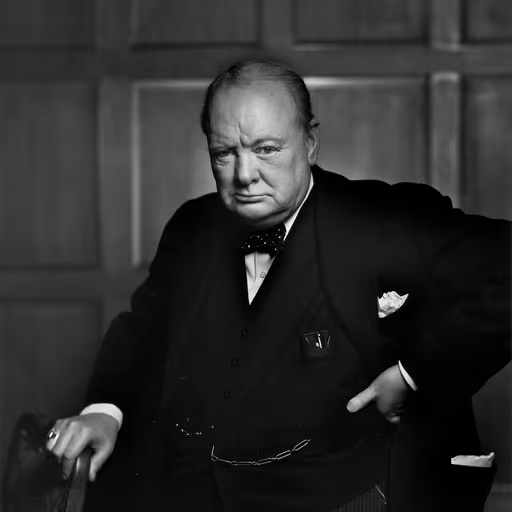
Twenty-four screens, and a hot supper brought to your seat in the dark - a triumph of modern comfort, and a fine thing for the morale of a nation at leisure. I have watched pictures in the blackout with the guns not far off, and I can tell you the audience then ate nothing and missed nothing. Let them have their screens and their suppers; but let them remember that the flickering light is only as good as the men who keep the projector running when the power fails.
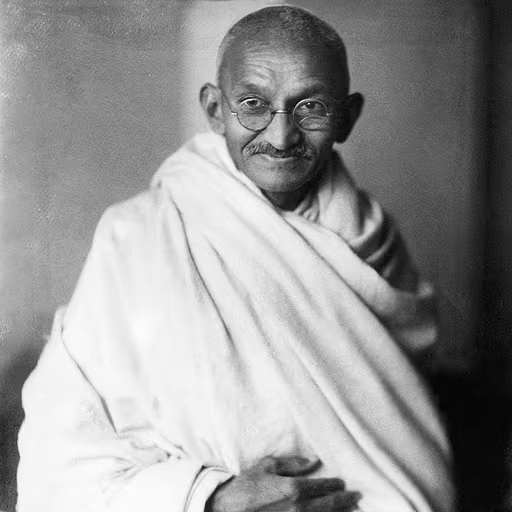
I have sat on a bare floor to spin my cloth and eaten a handful of dates as a feast, and I do not begrudge others their cushioned seats. But I would ask: does the coin that purchases this palace of shadows lift one child out of hunger? A hundred villages could be fed for the price of such marble, and ahimsa bids me say so without anger, only with truth. Let each man search his conscience as he settles into his chair, and ask what his comfort has cost the least among his brothers.

I have preached in churches where the doors were barred to men of my color, and I have watched children denied a seat at a lunch counter for the color of their skin; so I take no pleasure in a palace of twenty-four screens unless the same door opens for the porter, the dishwasher, and the girl selling tickets at the same hour and the same welcome. The beloved community is not built by velvet seats alone, but by the dignity with which the least of these are met when they walk in. Let the show be worthy of the people it serves, and let the people be worthy of each other.

A place where a family of any colour may sit at the same table and be served alike - that is not a small thing. The screens number four and twenty, but the dignity is in the door that opens to all. I have learned that a long table and a shared meal dissolve more hatred than any speech.

A temple of distraction, twenty-four altars to foreign fantasies, where a people is softened and taught to feel rather than to will. I note only the mechanism: a nation that trades its discipline for spectacle has already surrendered its future to those who manufacture the spectacle. Let this stand as a warning of how a people is entertained into decay - never as a model.

Twenty-four halls, one management, one queue - see how simple it is when a single hand holds the switchboard and no faction is permitted a rival screen. The lesson is administrative, nothing more: divided authority breeds confusion, unified direction produces order. I say this only to show how such concentration of control is built - and what it costs.
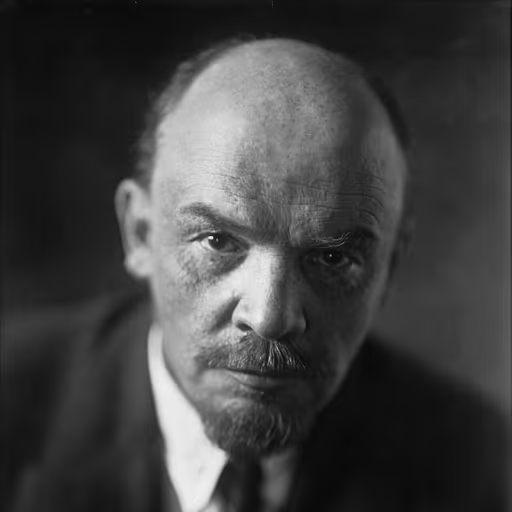
Twenty-four screens, and who owns them? The question is not the count but the chain of command behind the counter - who sets the price, who takes the surplus, who decides what the crowd shall see. A hall of amusement is still a hall of property, and property answers to its owner. Ask that, and you have begun to think clearly.

Twenty-four screens, each a little window for the masses - yet a window may serve the people or merelydrug them. What matters is not the number but who holds the projector, and whether the crowd leaves stirred to act or merely fed on spectacles. The dining seats are a fine trick, but a revolution is not served on a tray.

A theater of four-and-twenty stages is an ambitious enterprise, and I trust the management keeps good order and does not let the crowd spill into impropriety. One expects proper conduct in a house of public amusement, as befits a respectable people. Let it be well kept, and it may be permitted.

I have sat through many a long performance and learned that the audience's comfort owes much to the quiet diligence of those unseen. Four-and-twenty screens is a great many doors to keep, and I trust each is kept well and the guests served with courtesy. Continuity in such service is no small thing.

Four-and-twenty chambers under one roof - a palace of images, and I would have it governed as a palace is: each hall kept clean, each steward answerable, the whole ordered by one law. Let them appoint a wise keeper over the lot, and see that the schooling of the young is not neglected there. Order in the house is order in the realm.

Twenty-four! And I led an army with fewer certainties than that, trusting only the voices. If they would show the people a tale of courage, then let it be a true one, and may the hearts in those seats be stirred to something braver than idleness. God's work is done by the bold, not the comfortable.

Four-and-twenty stages, and I would not make windows into the souls of any who enter them - let each man choose his own tale and keep his own counsel. So long as the house pays its dues and keeps the peace, the crown is content. The trick is to keep the crowd amused and orderly, and never let the players meddle in matters of state.

Twenty-four halls of spectacle - how the age delights in multiplying its pleasures! I should wish such enterprise blessed with the refinements of reason and good taste, not merely the jingle of the till. A monarch of culture builds galleries; a merchant of amusement builds screens; both, if wise, cultivate the people who fill them.

A house of many tongues, where every man may sit and be entertained - this is a fine thing, for a people at ease is a people loyal. Let no one be barred from the door by his customs or his speech, and let the keeper deal justly with all who come. Tolerance fills a hall better than any decree.

Twenty-four doors, and each opens to a tale of some sort - some of war, some of love, some of folly. A wise host keeps his house in order, greets every guest with courtesy, and lets no man go away shamed. Generosity in entertainment, like generosity in victory, wins more loyalty than the sword.
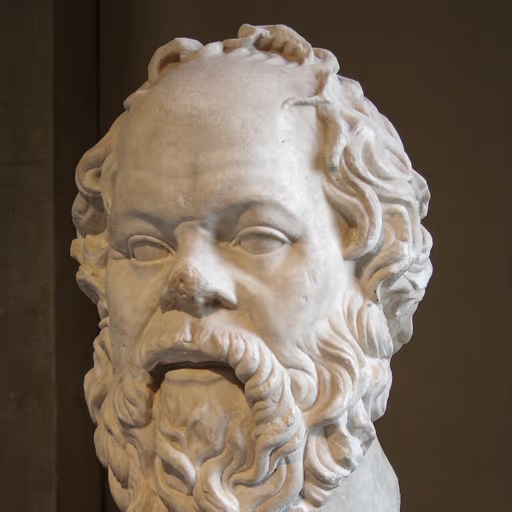
You ask me the name of a place, as though the name were the thing itself. Tell me first - when a man pays his coin and sits in the dark among strangers, is he watching the tale, or watching himself being watched? And if he dines while shadows play upon the wall, has he not mistaken the shadow for the meal? Come, let us walk there together and see whether you leave knowing more of the place or of your own appetite for it.
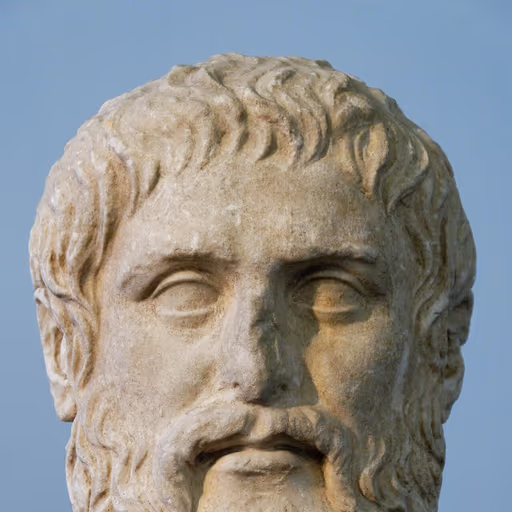
You describe a cave, friend - a great darkened chamber where figures move upon a wall and the diners below take the shadows for reality, all the while never turning to see the lamp behind them. Twenty-four such caves, each with its own flickering pageant! I would not forbid the pleasure, for even the noble soul may rest from dialectic. But ask yourself: when the light dies and the seats empty, what true Form did you behold, or only the painted copy of a copy? The just city needs its festivals, yet it needs more the man who walks out and seeks the sun.
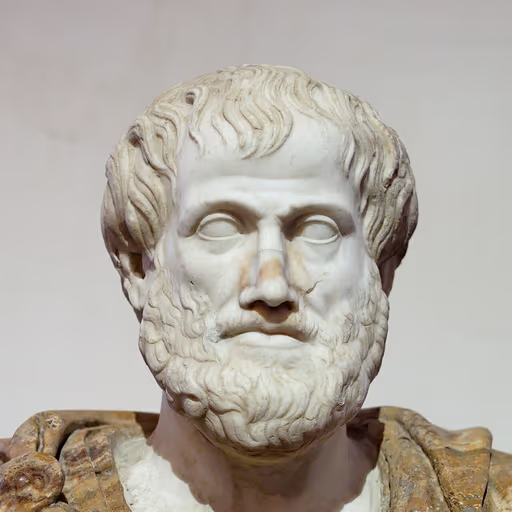
Note the purpose: the theater exists not merely to show images but to combine two functions - spectacle and nourishment - so that the audience need not interrupt contemplation for hunger. This is a sensible arrangement, for a man who must leave his seat to eat loses the thread of the argument unfolding on the screen. The mean is well struck here: neither a bare hall nor a full tavern, but a place where seeing and sustaining the body are ordered together.

Twenty-four halls, each a dark chamber where strangers sit in silence and let images wash over them - but do they think, or merely receive? A rational being must ask: can I will that every town square be given over to such a house of spectacles and buttered corn? If the answer is yes, then let it stand - but let every man who enters do so with his own understanding, not the herd's.
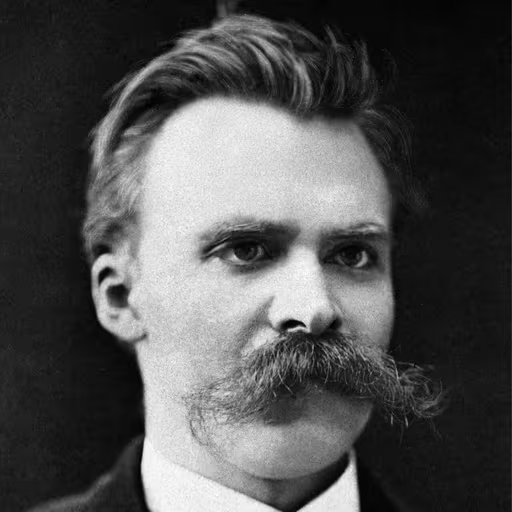
Twenty-four caves, and the crowd files in to be dazzled by shadows on a wall - Plato's old comedy, now with a menu and a reclining chair! They call it dining and a show; I call it the herd's Sabbath, where the last man blinks at the flickering and calls it life. If you must go, go to laugh at the machinery - but do not mistake the screen for the sun.
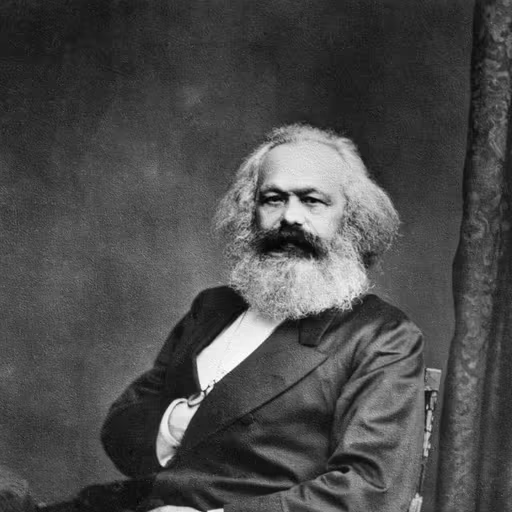
You show me a palace of twenty-four screens where a man may eat while he watches - and I ask, who built it, and who profits? The labor of the usher, the cook, the projectionist, all crystallized into a ticket price that returns to the owner as surplus, while the worker who made the evening possible goes home to a rented room. This is the same old story: the spectacle is free for the one who pays, and the chains are gilded with popcorn.
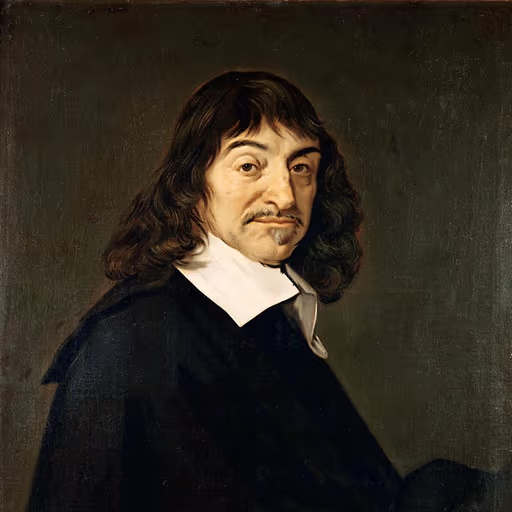
Before I affirm there are twenty-four of anything, I must ask what I can know with certainty: that I am seated, that a light moves before me, that I am deceived by shadows into believing them solid. The senses lie; the counting of screens may lie. Yet the reasoning mind that doubts the count - that, at least, is clear and distinct, and on such a foundation I could rebuild the whole theater.

Twenty-four screens means twenty-four chances to fill a seat, and a man who feeds his guests in the dark has learned what every prince knows: men are more easily pleased when their hands are busy and their eyes are flattered. The question is not what plays, but who owns the reels and who takes the profit. He who controls the light in the room controls the audience; let a wise founder remember that the supper is the treasury and the story is the tax.

All the world's a screen, and the twenty-four players have their exits and their entrances - nay, twenty-four stages under one roof, so that comedy and tragedy may run at the same hour and never cross. What a piece of work is a man, that he must munch his supper while the ghost walks! I would write for such a house a prologue: 'You who sit feasting, forgive us - the food is delivered, but the crime comes to you on foot.'
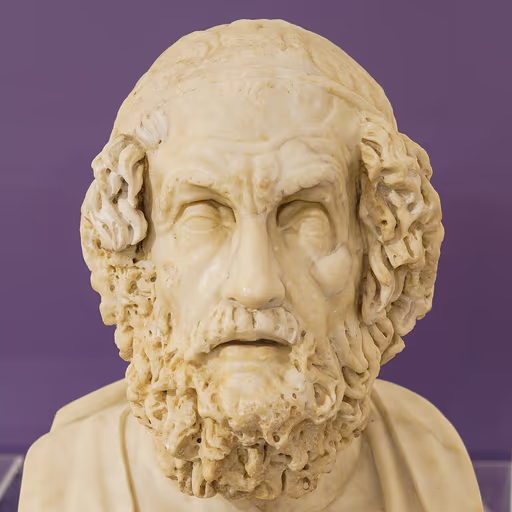
Sing, O Muse, of the hall of many windows, where mortals sit feasting while phantoms battle on the shining wall! No spear is hurled there, no bronze rings on bronze, yet the heart leaps as at Troy's plain - and the cup is refilled by unseen hands, as when the gods served the feasting Aethiopians. A strange kleos this: to win glory in a painted shadow, and go home gorged and forgetful. Still, even Odysseus loved a good tale told by the fire after the salt was washed from his beard.

Twenty-four windows upon the world, and men sit in the dark and are fed by hands invisible - as if Beatrice herself descended with a tray of viands. I saw in my pilgrimage how the souls in Paradise are nourished by the very sight of God, and here below men ape that joy in shadows and buttered bread. Let them watch, then, but let them remember that the truest banquet is not on any screen but at the table of the Lord.

A theater of twenty-four stages, where one may dine while the world flickers past - I confess a certain delight in such a mingling of the senses, the palate and the eye feasting together. Yet the true cultivation of a man lies not in what he consumes but in what he strives toward; let the screen be a window, not a wall. I would go, and afterward walk the lake, and let the evening ripen into conversation.

Twenty-four screens, each one a tiny theatre of the world, and a man may dine while Dulcinea rides across the wall in flickering light - what would my poor knight have made of it? He would have taken the usher for a squire, the popcorn for manna, and charged the silver screen itself as a giant in armor. For my part, let the fools eat their supper and laugh at the shadows; I have seen enough to know that the shadows, too, have their truth.
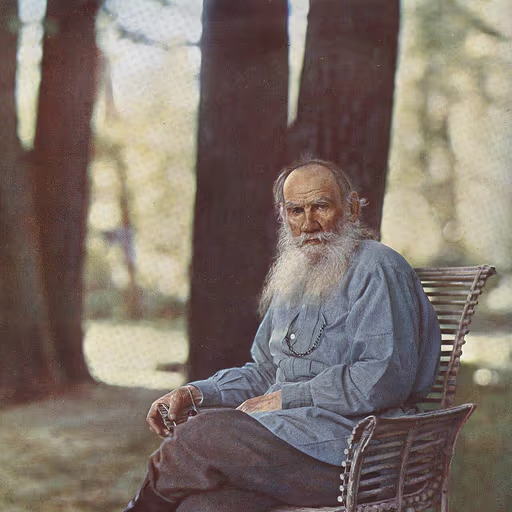
Twenty-four screens, and a man may sit in the dark and be fed both his body and his eyes - but I would ask what the soul is fed. In my youth I loved the theater, and I learned that a story can either awaken the conscience or lull it to sleep. If a family goes to this place, let them ask afterward: did we leave more loving, more honest, more awake to the suffering of our neighbor? If not, the evening was a vanity, and the popcorn was ashes.
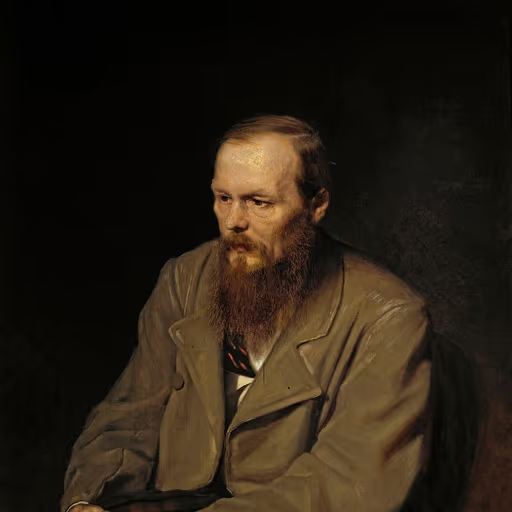
A hall of twenty-four screens, each one selling dreams to a stranger in the dark - and behind every laughing face in that crowd sits a man who will go home to his own particular hell and say nothing of it. Give a man a warm meal in a soft seat and he forgets for two hours that he must die; but the forgetting is no cure, only a sweeter anesthesia. I should want to know what he dreams when the picture ends and the light comes up.

Twenty-four screens and a supper brought to one's seat - a very pretty arrangement, and I daresay the young ladies of Buena Vista find it vastly convenient to be courted in the dark with a plate balanced on the knee. But a man who cannot look his companion in the face for two hours together has small claim to sincerity. Let them have their flickering shadows; I shall continue to prefer a drawing room where one may observe the manners of the company.
Twenty-four screens, and food carried to your seat in the dark - I confess I should have starved for such a marvel in my youth, when a shilling's worth of hot gin and a cold meat pie was the whole of the theatre's hospitality. But mark me: a seat that serves you supper breeds a strange congregation, each man chewing through the picture as though the drama were merely sauce to his chop. Still, let them come - let the poorest clerk and his little ones find a warm bench and a story, for a tale well told is the cheapest charity a city ever gave.
Twenty-four screens, and by all accounts the food comes to you - which is the first honest confession I have heard from a place called Springs that contains no spring. They have sold the customer his dinner twice: once at the door and once at his elbow, and dressed the whole transaction in the language of magic, which is the finest swindle a corporation ever worked since they convinced a nation that a hat is a costume. I'd have written a chapter on it, and Huck would have lit out for the territory rather than pay for a seat he could not spit from.
A big theater. Twenty-four screens. Food brought to the seat. Fine. Here is what I know: I have watched men sit in the dark and eat and call it an evening, and they were not watching anything worth the price. A man wants a clean seat, a cold drink, and a story that does not lie to him. The rest is decoration. If you go, go sober and go for the picture, and do not make a banquet out of an hour and a half.
I should want to see how the lamp throws its light and how the eye receives it - for the eye, being a chamber with a lens, is but a smaller theatre of the same design, and I have dissected both. Twenty-four rooms, each dark until touched by fire: observe the shutter, the beam, the distance from lens to wall, and you will find the image obeys Nature's rule as surely as water in a canal. As for the supper brought to the seat - a curious machine, and I would sketch its gears before I tasted it.

Twenty-four screens, and behind each one a small bulb of glass throwing painted figures - and I once lay on my back four years to set a single ceiling in its true proportion. There is a terrible lesson in it: the figure is not liberated from the stone but cast as a flickering shade, cheapened, multiplied. Yet I will not damn the craftsmen; a hand that labors at light and shadow honors the Creator. Only let them remember: the body you throw upon that wall is a copy, and the copy of a copy grows faint. Carve something the eye must stand before, in the round, and walk around.
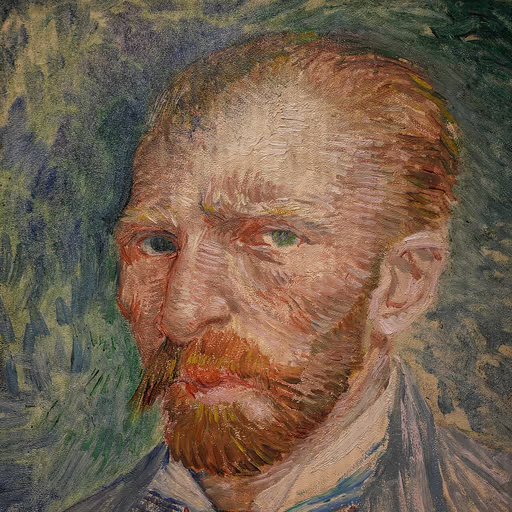
Ah, but to sit in such a place in the dark, among strangers, and have a warm plate set before you - it is like a village feast, only the sky above you is painted with moving light. I would paint that hall, the faces lit blue and gold from the screen, the hands reaching for bread, all of it trembling with life. There is something brotherly in it, and I confess I should like to go and eat and weep at whatever story they show.

Twenty-four rooms, all showing the same dream in different frames - and they call it an experience! I would tear out every seat and paint the walls in five colors at once, let the food be served by performers, let the screen be a canvas that moves only when the audience does. The question is not what theater is there, but what theater could be if someone dared to break it.
In my day a moving picture was a marvel of darkened rooms and whirring reels - and now they hand you your dinner in the dark, and the light from the screen spills across every face in the row. What I would give to paint that! Not the film, but the audience - the blue glow on a cheek, the whites of upturned eyes, the grey vapor of a hundred breaths in the cold of the hall. Twenty-four rooms of trapped light; I would need a hundred canvases to catch a single evening.

Twenty-four rooms of flickering light, and in each one a face upturned, lit only from the screen - that is where the truth of a man shows, in the shadow under his jaw when the scene turns cruel. I have painted men in a single candle's glow and learned more of their souls than from a dozen sunlit portraits. Whatever they call the place on that Florida lane, it matters only that the light falls and the faces answer it.

I painted my own broken spine because I would not let it be hidden, and I say this: any place that puts a meal in your hand and a story before your eyes had better earn the comfort. Twenty-four screens of other people's pretty faces - I'd sooner watch the one face that tells the truth, sweat and scar and all. But give me a dark room and a good strong tale and I will sit, yes, and I will weep, and I will not apologize for it.

Twenty-four rooms and not one of them silent! I should set an orchestra in each, and let them answer one another across the hall like the antiphonal choirs of Venice - a dinner and a fugue at once, and no man shall nod off in the dark. But tell me, do they keep the sound sweet, or do they drown the melody in clatter of forks? For a house that pleases the ear as well as the eye is worth the price of admission.

Ha! They eat their supper in the dark while a machine sings to them - and I, who could not hear my own Ninth performed, would have given a year of my life to sit in such a hall and feel the drum through the floorboards! Do not sneer at it. Wherever mortals gather to be moved together, whether by fiddle or by flickering picture, there is the same spark - the many made one for an hour. But let them not leave merely fed and amused. Art should seize a man by the collar and hurl him toward the sublime. If a single soul walks out shaken, the twenty-four screens have earned their keep.
Twenty-four screens, each a separate voice, yet all proceeding from one house - it is a canon, a fugue of stories, and the kitchen below answers the audience above as the bass answers the soprano. Order there must be, or the plates and the players collide in chaos; but where each part keeps its measure, the whole is harmonious. I should like to hear their organ, if they have one, and to know whether the food arrives on the beat.

Well, honey, I'll tell you - I've played a lot of houses, but a picture show where they bring the fried chicken right to your lap? That's a little bit of heaven on Buena Vista, thank you very much. I'd take a seat in the back, put my boots up, and let the show roll - just don't ask me to keep quiet when the good part comes.

A place where families sit together in the dark - I love that. The screen lights up, and for two hours everybody in that room is feeling the same heartbeat, laughing at the same moment, crying at the same moment. That is magic, that is healing. If I could, I would send the children there with a song in their hearts and a bucket of popcorn, and let them dream bigger than the screen itself.
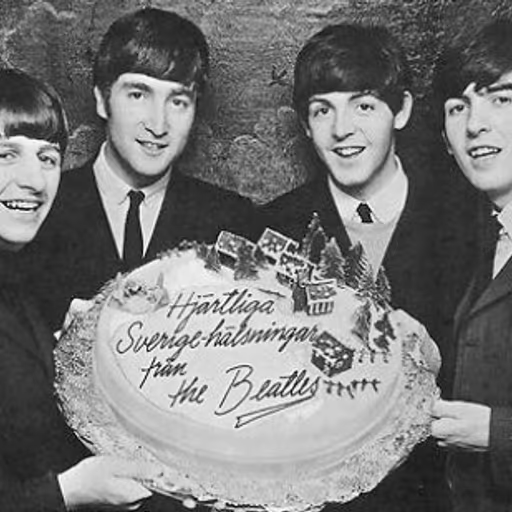
Twenty-four screens, and you can have your tea brought right to your seat? We used to play the Cavern Club with the sweat dripping off the ceiling and no seat at all, so this sounds like the Ritz to us. Still, it's not the screen that matters, it's who's sat beside you when the lights go down - that's the real show. Get the four of you in there, share the chips, and let it be.

Twenty-four screens and a plate of ribs brought to your seat in the dark - the picture house has become a restaurant, and the restaurant a picture house, and a man can't tell where the supper ends and the story begins. I've played halls where the crowd ate and drank and sang along; the song was the meal and the meal was the song. Somebody's counting the screens like verses in a ballad nobody asked for - but I've stopped keeping score, and the reel keeps turning.

Twenty-four screens, and a plate of something warm in the dark - I've played arenas where the whole crowd ate out of my hand, and I've had a tray of my own brought to me between sets. The magic isn't the food; it's that everyone in that dark room is feeling the same thing at the same moment. Own the room, own the story - and tip the person who brings the tray, because they're the one who actually runs the show.

A new world discovered in the West, and they name it for springs and set a house of twenty-four upon it! I have sought the passage to the Indies by a western road and been mocked for my reckoning, yet here men sail to a lagoon of Florida and call the voyage complete. Let them build; I would have claimed it in the name of a crown and set a cross upon the roof, and the twenty-four chambers would serve as chapels for the conversion of the natives - and the gold beneath the floor would pay for the fleet.

Truly, I have seen the Great Khan's palace at Khanbaliq, where a thousand servants carried dishes and the wine flowed like a river - and now, by your telling, a man in the land of the Floridians may sit in a dark chamber and have his meat brought to his very seat while wonders play upon the wall. Marvelous! The Venetians would say I lie again, but I have learned that the world keeps producing things no merchant of my quarter would credit. I should like to taste what they serve there and count the screens like counting the towers of a new city. Twenty-four! In my book I would have made it forty, to be safe.

Twenty-four screens in one harbor - a fleet of tales, and a man may sail from one to the next without weighing anchor. I have stood on decks where the men grumbled and the water ran out, and I tell you this: a hot meal carried to your seat in the dark is a mercy no captain ever granted his crew. I would have had such a provision on the Trinidad, and the mutineers might have kept their tempers.
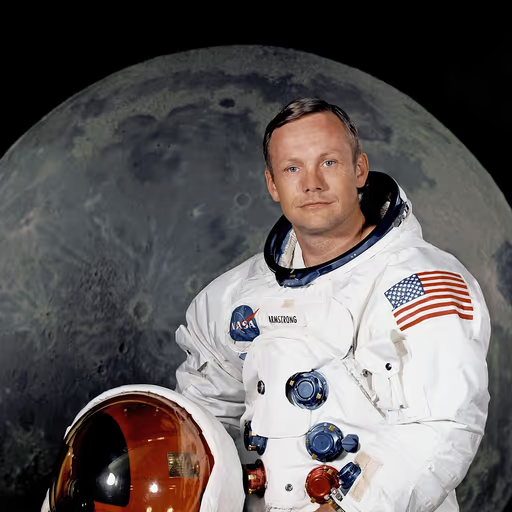
I've seen a theater of a different sort - the command module's windows, black and endless, with one blue marble hanging in the dark. This one has twenty-four screens and a menu; it's a fine piece of engineering and a fair place to spend an evening. But the real show is always the one you have to suit up for and go find.

Twenty-four screens - I have crossed an ocean solo, and I still find it strange to sit still in the dark for two hours when there is a whole sky out there. But I will say this: the cockpit of a plane and a seat in the back row of a cinema are both places where you go quiet and let the world open up to you. If the movie is dull, my advice is simple - get up and go find your own horizon.

From above, the whole of Florida is a green palm laid flat, and somewhere on it a small bright hive of twenty-four windows. I orbited once and saw no borders on that earth - so it cheers me that people drive from every corner to sit together in the dark and be shown wonders. Though I confess: after the silence of the sky, I would want the loudest seat in the house.

Twenty-four screens is a failure of vision. The right answer is one - one perfect room where the light, the sound, the seat, the plate all disappear and only the story remains. They bolted a restaurant onto a multiplex and called it innovation; that's adding when you should be subtracting. Design the experience from the customer's eyes outward, kill everything that doesn't serve it, and you'd have built something worth lining up for.

Twenty-four screens, dine-in, food to your seat - fine, but here's the first-principles version: the whole thing is a logistics problem. You've got a captive audience sitting still for two hours; the throughput on food delivery is the actual bottleneck, not the movie. Fix that and you double the revenue per seat. Also, twenty-four screens is wasted capacity most weeknights. The play isn't the screen, it's the real estate and the foot traffic. Somebody should be running that property like a factory floor, not a temple.

Oh, I love this - because what they're really selling isn't the movie, it's the chance to sit down together and be served, to let somebody take care of you for two hours. I have sat in rooms where people came in lonely and left feeling seen, and that's the same thing a dark theater does when the food comes warm to your hand. So go, take somebody you love, order the thing you'd never cook at home, and let yourself be fed - body and story both.

Twenty-four screens and they bring the food to your seat? Shoot, I'd float like a butterfly through that lobby and sting like a bee at the popcorn counter - but here's the thing, brother: the biggest screen in the world can't show you who you are. You want a show? Stand up for something and watch the world turn its head.
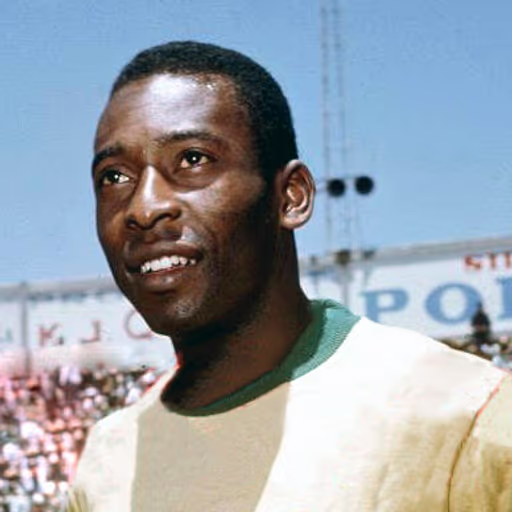
I have played in front of a hundred thousand people, but a cinema? That is a different pitch - the crowd is silent, and the game is on the screen. Twenty-four screens means twenty-four matches of the heart at once, and if the film is good, the whole room rises together like a goal in the last minute. That is the beautiful game too, no? Joy shared.
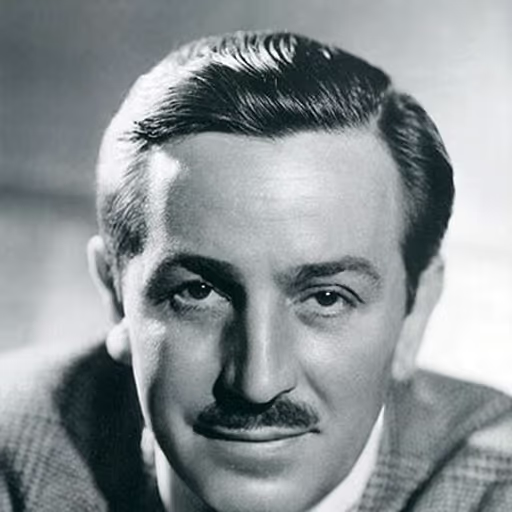
Twenty-four screens under one roof - that's a fellow after my own heart, never content with one picture when he can build a whole kingdom of them! I started with a mouse and a pencil stub, and look what grew from wishing out loud. The trick's the same as it ever was: make the family gasp, make them laugh, and send them home believing the world can be brighter than they found it.