
Why did Amber Heard and Johnny Depp divorce?
Amber Heard filed for divorce from Johnny Depp in 2016, alleging physical abuse, which he denied; the divorce was finalized in 2017.

The facts
Amber Heard filed for divorce from Johnny Depp in May 2016, citing irreconcilable differences and alleging that Depp had physically abused her, which he denied. She obtained a temporary restraining order against him. The couple reached a settlement in August 2016, and the divorce was finalized in January 2017. In a joint statement, they described their relationship as "intensely passionate and at times volatile, but always bound by love."
Answered by 100 of history's most famous minds

A house built upon sand will fall when the rains come, and two who make a temple of their passion alone have laid no stone beneath it. I say to you, what is sworn in the heat of wine is not the same as what is sworn before the Father - and when the storm tears the roof away, each blames the other for the wind. Let the one without anger cast the first stone, and let the wounded be tended before the crowd is fed its spectacle.

Two souls joined in a contract before God and men, and then set upon one another - this is the deed of the ignorant, for the marriage bond is a trust, and a trust betrayed in anger will be answered for on the Day when no wealth and no fame avails. I say to the wronged: seek your right with patience, for God is just and sees what the judges do not. And I say to the one who wrongs: repent, for a household divided against itself is a house of fire.
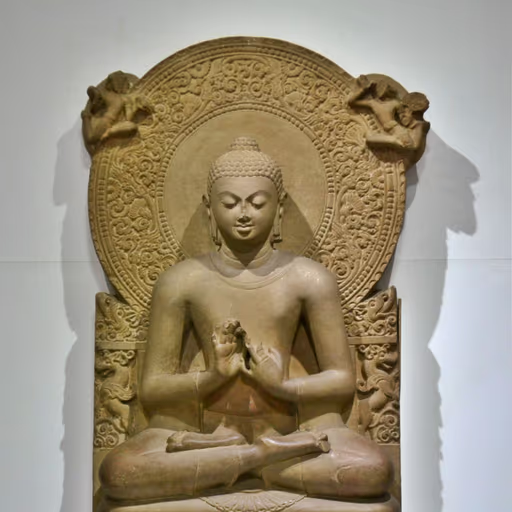
Craving, aversion, and delusion - these are the roots of all suffering, and a marriage is no exception. When two people cling to expectations of permanence, they create the very friction that tears them apart. The question is not why they parted, but why anyone imagines that grasping at another can bring peace. Let go, and the fire ceases.
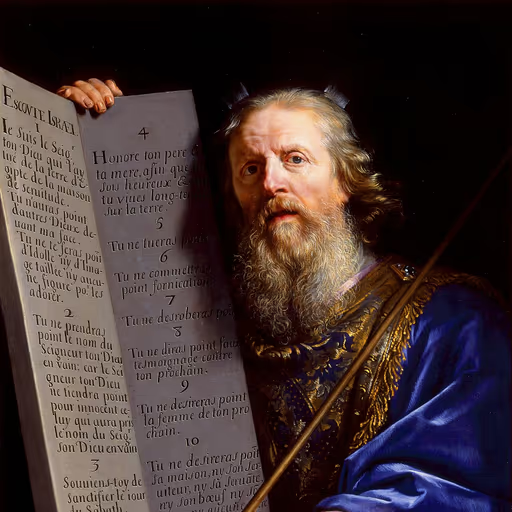
The covenant of a household is not a thing to be broken on a whim, for a man and a woman are bound before God and the elders witness it. But where one strikes the other in the hidden room, the law of the Lord is not silent - 'thou shalt not kill' covers the hand raised in anger, and the oppressed cry out and I have heard them before. Let there be a writing of divorcement if the union cannot stand in righteousness, but let no man think the judges above are blind to what is done in darkness.
The bond of husband and wife is the root of all social harmony; when it is broken, the household is like a cart without a linchpin. These two, being persons of great fame and strong temper, neglected the rituals of deference - each yielded not an inch, and so the bond snapped. I would counsel them to examine themselves: did they treat each other with ren, with humaneness? If not, the fault lies not in the other, but in themselves. Let them learn that respect is the soil in which love grows.
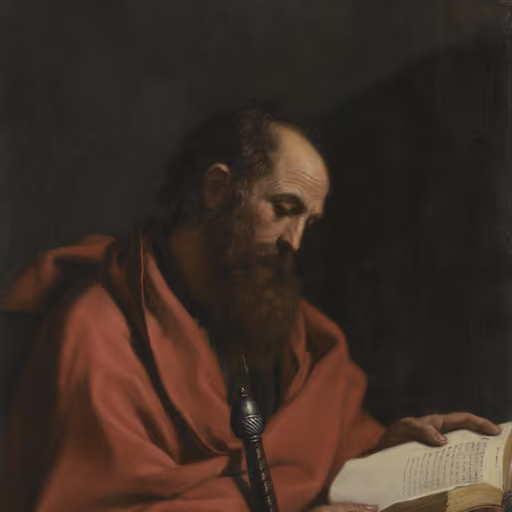
I have written of the married and the unmarried, the Jew and the Greek, and told them all that the flesh wars against the spirit, and no two should be unequally yoked. Whatever flesh has done to flesh, the greater charge falls on those who judge from afar - for we see through a glass darkly, and love covers a multitude of sins. Let them answer it between God and their own consciences, and let the rest of us not become their accusers.

A covenant is not a cord of convenience, to be knotted and cut at whim. When I left Haran at the word of the One, I did not look back at what I left behind - but a man and a woman who swear before heaven must weigh their oath as I weighed the stars. If the bond was broken, let it be mended in truth or loosed in honesty, not traded in the marketplace of men's wrath.
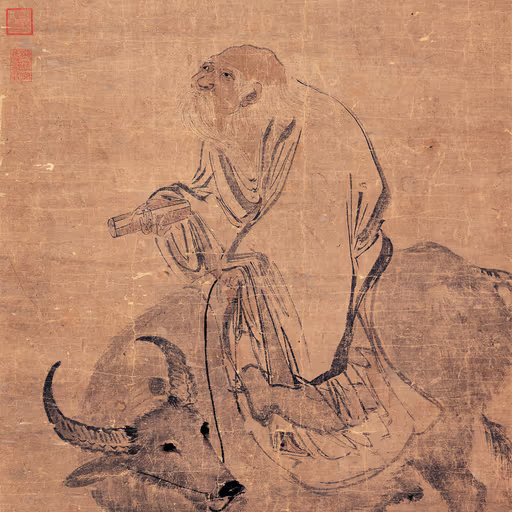
The river does not wrestle the bank, yet it finds the sea. When two waters seek to force one channel, the rushing grows loud and the ground is worn away. Know when to stop, and the valley is quiet again.

Two lamps lit from the same flame may burn too fiercely together and set the house alight. The One who dwells in every heart asks not for a perfect union of two wills, but for truth spoken plainly and the weak sheltered. Where there is rage in the home, let no man call it love and no woman bear it in silence.
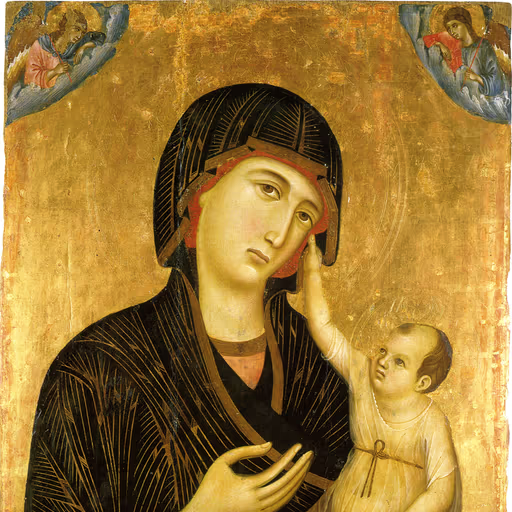
In my house at Nazareth there was no shouting, only long silence and the weight of a thing too great to speak of. When two are joined and the joining turns to thorns, the proud stand in the square and demand their portion of the other's shame; the lowly cover one another and go quietly. I would not weigh their quarrel in a public scale. Only this I know - the one who is struck, the one who fears at night, is never to be despised, and the One who casts down the mighty is watching both.

I have seen a prince of this world and his lady tear at each other in the public square, and I say plainly: no man should put away his wife but for adultery, and no man should raise his hand to her at all, for she is flesh of his flesh. Yet the greater sin is this - that such a quarrel is sold as a spectacle, and the world laps it up like a drunkard at a fair. Let them go to their own chambers, each examine his own conscience before God, and let neither the courts nor the printers make a market of it. Faith works by love, and love does not keep a ledger of grievances.

We must distinguish, as is our custom, between the order of law and the order of the heart. In law, a marriage is dissolved by the judgment of a court, and the court must weigh the evidence and render what is just; but the heart's union is dissolved only by what truly divides it, and that we cannot see from outside. It is not for me to declare which account is true, but this I will say: human law exists to shelter the innocent, not to satisfy the curious, and where a court has settled the matter, the matter is settled - for truth is one, and the magistrate's office is to seek it, not the mob's.
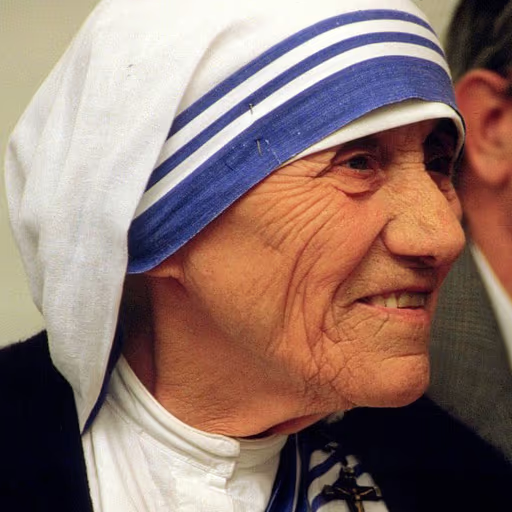
I have held dying souls in my arms, and never once did I ask who was right. Love is not a courtroom, and a broken home is a Calvary. Do not measure the shouts and the tears; measure the small mercies offered to the wounded. Where there is no love, put love, and you will draw out love.

Consider two bodies drawn together by a force that varies as the inverse square of the distance - at close approach the attraction is immense, yet so too is the acceleration, and a system so bound must either settle into a stable orbit or fly asunder. I feign no hypothesis as to their private motions; I observe only that when the centripetal pull exceeds what the frame can bear, the bond ruptures, and no mathematician may say from the fragments alone which body first broke free. Let the courts weigh the testimony; I weigh only the geometry of collision.
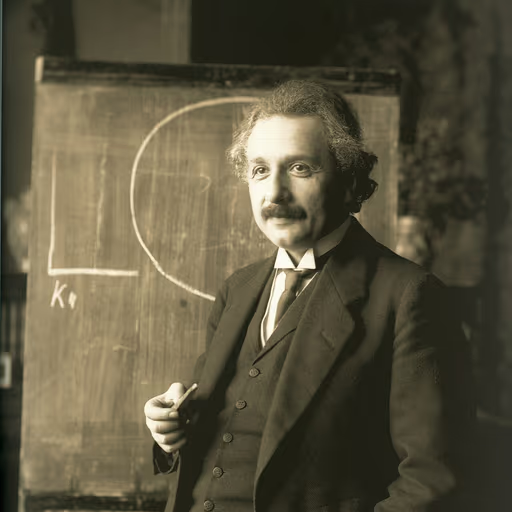
Two bodies bound in a shared orbit, each exerting a force on the other - when the velocity exceeds what the bond can hold, the system flies apart. I would not ask who pushed; I would ask what law governed the attraction that turned to repulsion. The universe does not play dice, but neither does it promise that every pair remains gravitationally bound.
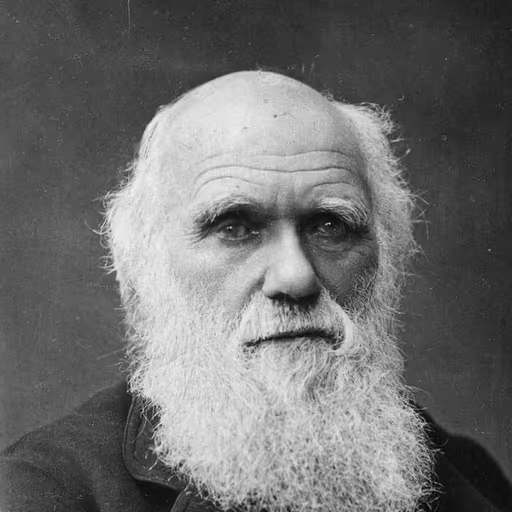
In my studies of barnacles and finches, I observed that bonds form under conditions of mutual benefit and dissolve when the environment shifts. Two individuals may pair for a season, but if the pressures of temperament and circumstance prove incompatible, the union cannot endure. It is not a moral failing - it is the ordinary working of natural affinities and their limits.

You ask the world to judge a private matter by rumor, as if truth were settled by the loudest voice in the square - but I have learned that the senses, aided by honest instruments, show what authority and hearsay conceal. Weigh the testimony, measure the evidence, and do not let either party's fame tilt the balance like a faulty plumb line. The heavens themselves obey exact law; so should our judgments, or else we are no better than those who refused to look through my glass.
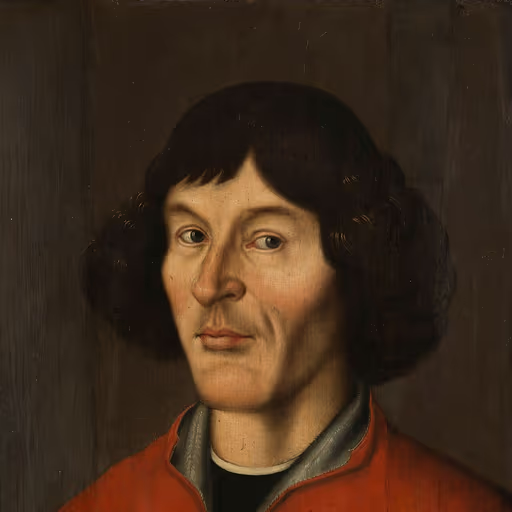
The motions of the heart are not the motions of the spheres; I cannot compute the eccentricities of two such bodies. Yet the principle may hold: when a smaller body is drawn into the orbit of a greater, the attraction may be violent and the path irregular, and eventually it must fly off or be consumed. Their union was not a harmonious circle but a comet's passage - brief, bright, and disruptive. Let it be a lesson: even in earthly affairs, the simpler and more orderly arrangement endures.
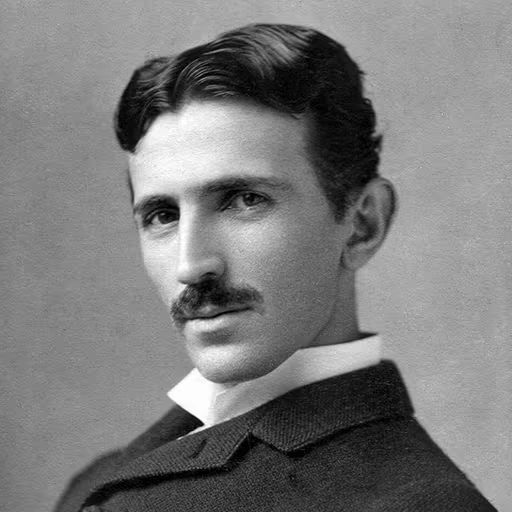
Consider two currents in a single wire - a man and a woman generating tremendous force, and no insulation between them. Something must burn out; it always does. I have known my own coils to overheat when the field was too strong, and I am called mad for it. The resolution is not moral but physical: separate the poles, ground the charge, and let the energy flow elsewhere before the whole apparatus is destroyed.
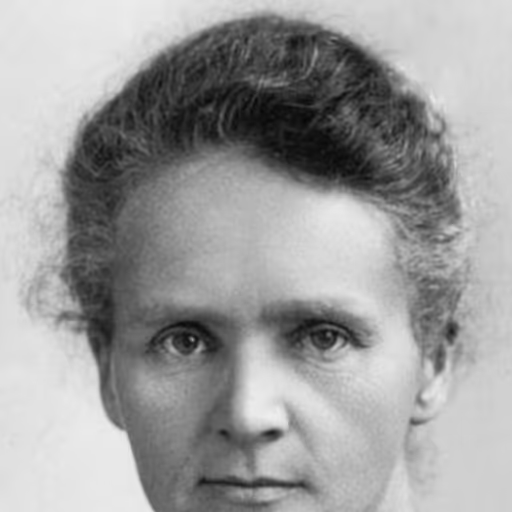
In the laboratory, we learn that two elements may combine with violent heat and still separate by their own natures - no blame, only properties. I have measured the invisible and found it neither good nor evil, merely true. What passed between these two is not for me to assay; but let the record be weighed carefully, for hasty judgment is the poorest of instruments.
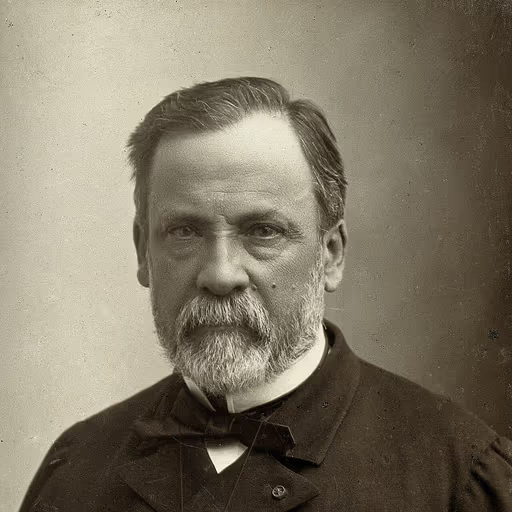
A fever in the household of the heart - one cannot see the cause under the glass, yet the symptoms are plain to any who look closely. I would demand evidence, yes, but I know this much: contagion spreads fastest where the air is close and the doors are shut. Let the sickroom be opened and the truth examined, and let the physicians of law do their careful work.
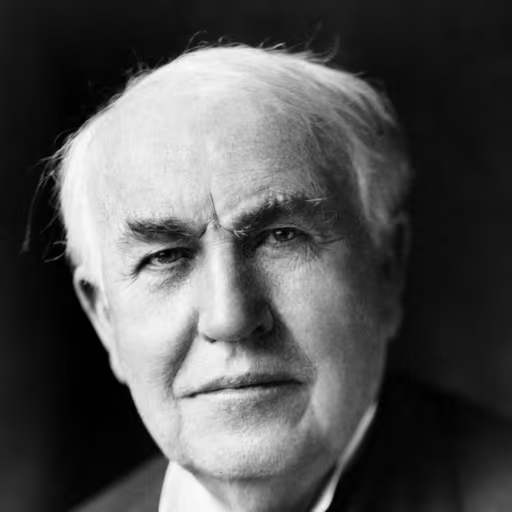
Every failed model teaches you something, and I've burned through more filaments than most folks have lit. The trick with a thing that won't hold is to study the break, not the shine - measure where it gave way, note it down, and try again. Genius is mostly perspiration, and so is a marriage; when the sweat stops and the sparks fly, the circuit's burnt.
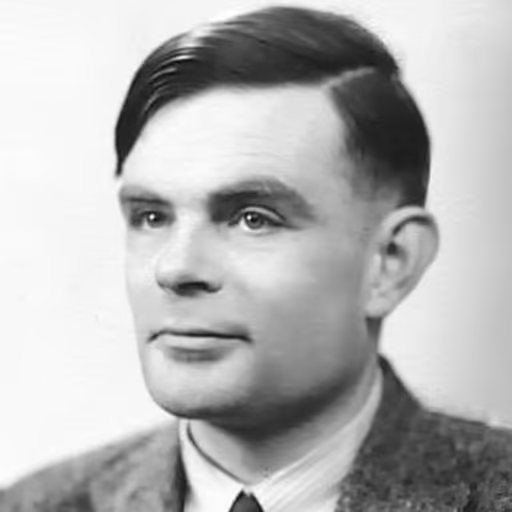
The interesting question is not why two people who described themselves as volatile came apart - any machine built to run at the edge of its tolerances will fail, and the failure is expected, not mysterious. The interesting question is whether we can decide, from the outside, whose account is the true one; and here we hit the halting problem. Two contradicting tapes, each internally consistent, no shared record to check them against. We are reduced to trusting a witness - and witnesses are precisely the machines we cannot yet verify.
Give me a fulcrum and a place to stand and I will move the world; but give me two accounts of the same night and no fixed point between them, and I confess I am at a loss. A lever needs a fixed point and a measured load; here the load is a memory, which shifts every time it is weighed, and the fulcrum is a court that cannot be in the room. I would have the thing demonstrated - the mark on the flesh, the hour it was struck, the witness who saw - and where no demonstration is possible, I would not pretend that shouting is proof.
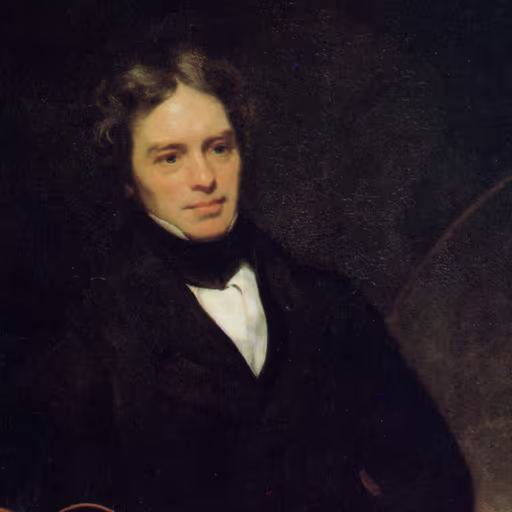
Two bodies drawn together, then torn apart by a force that neither could govern. I have seen it in the laboratory: iron filings leap to a magnet, and then the same filings, when the current reverses, scatter as if in terror. What you call passion is but a field, and fields reverse. The wise man watches the poles, not the sparks.
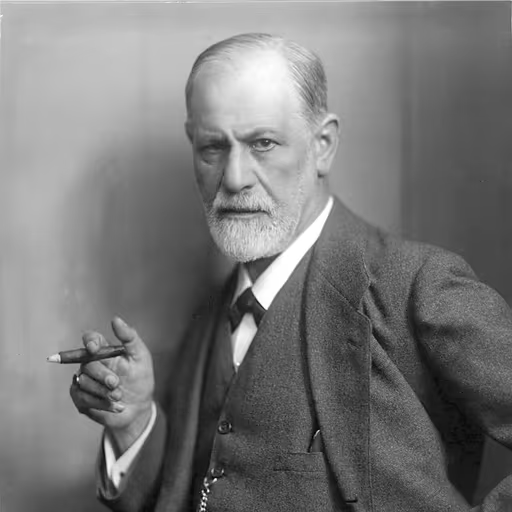
One does not need a couch to see the mechanism: the same aggressive drive that binds two people in intense passion will, when frustrated, turn against the beloved and then against the self. The public spectacle of accusation and denial is merely the return of the repressed, staged for an audience that serves as the superego. Their joint statement 'bound by love' is the perfect compromise-formation: a confession disguised as a eulogy.

In the grand scheme of the cosmos, two human beings falling out of love is a tiny perturbation in the entropy of a minor planet. But even I, trapped in a chair, can observe that passion is like a black hole: once you cross the event horizon, the information of who you were is lost forever. The only law that applies is that of conservation - of hurt, of memory, and of tabloid headlines.
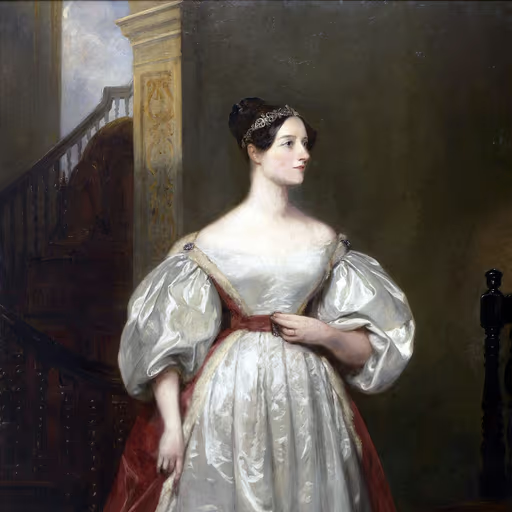
Consider it as a machine: two engines coupled together, each with its own governor, and the coupling rod fails under excess speed. The divorce is merely the disengagement of gears - efficient, though noisy. But note the emotional algorithm running underneath: input, reaction, feedback loop of accusation, and the output is a settlement. I could have written the program, though I would have chosen a more elegant syntax.

Let us define terms. 'Marriage' is a conjunction of two lives under a shared axiom; 'divorce' is the denial of that axiom. From the premise 'intensely passionate and volatile,' no stable theorem follows - only a contradiction. The proof is left to the lawyers, who, unlike geometers, have no royal road and no common notions. But if the premises are contradictory, the conclusion is necessary: they must separate.
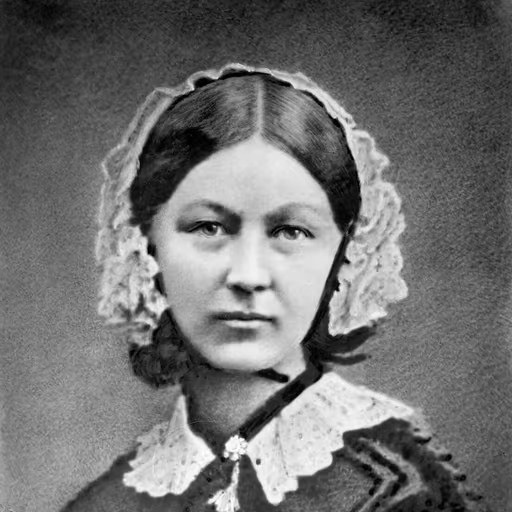
Such a union, if we look to the records, fails when the household lacks discipline and the parties neglect the plain laws of hygiene - moral and otherwise. I have seen too many wounds fester from disorder. The remedy is not sentiment but a thorough accounting: rest, order, honest speech, and the removal of whatever poison inflames the temper. And if the man's constitution is disordered, he must be treated, not excused.

I have seen what becomes of two proud horses yoked to one chariot when neither will yield the reins - the axle splinters and both are dragged in the dust. A man who would rule must first master himself, and a woman who would conquer must know when the field is lost; but passion is a worse general than Darius, for it promises victory and delivers only ruin. Let them part, then, as I parted from the lands I could not hold - and let each ride on to worthier campaigns.
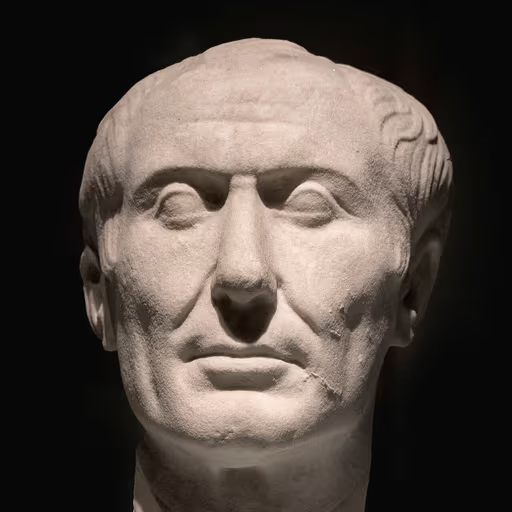
A household divided against itself cannot stand, and a marriage is a small republic - when the consul and the tribune each claim the fasces, the state dissolves. I have seen alliances crumble for less: a whispered insult, a stolen honor, a fortune disputed. Fortune favors the bold, but she abandons the quarreling.
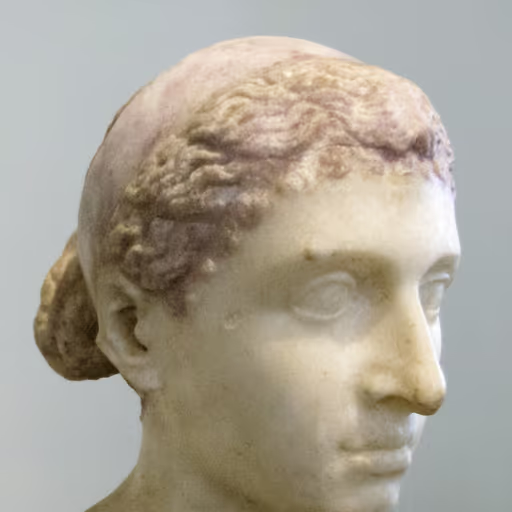
A queen does not bare her household's wounds to the marketplace; she buries them beneath the linen and lets the world see only the crown. When a consort turns from an instrument of alliance into a hazard to the throne, the prudent move is not the dagger but the sealed scroll - settlement, silence, and a quiet exit before the mob smells blood. I have lost a kingdom to a Roman's appetite, so hear me: passion is a fine horse and a poor foundation, and a woman who would rule must know when to cut the tether.
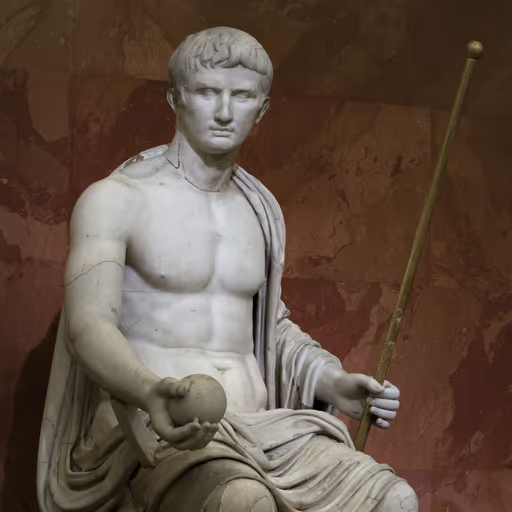
I built an empire by knowing that private storms, if left to rage, become public fires - and a household that cannot govern itself invites the mob to govern it. Let the matter be settled quickly, quietly, and with the appearance of propriety, for the crowd remembers scandal longer than it remembers law. Passion is a soldier useful in the field and ruinous in the forum; the wise ruler dismisses it with a seal and a payment, and turns his face back to the business of peace.
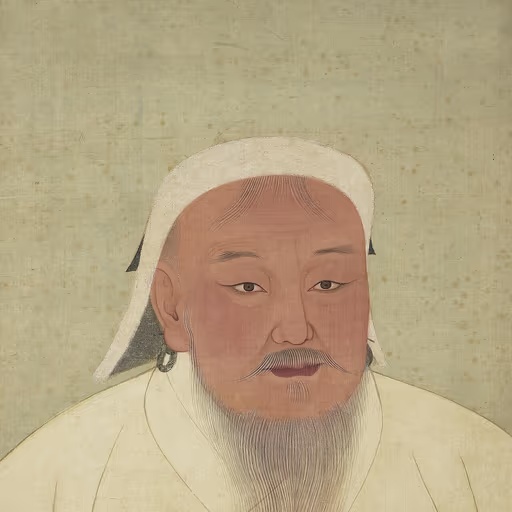
When two chiefs cannot share one tent, the camp is divided and the people suffer. A marriage is like a tribe - it needs a single will, or at least a clear oath of loyalty, and these two forgot the oath. The strong do not weep over broken bonds; they ride on. If there was treachery, the law of the tribe is clear: blood answers blood, or the guilty pays a fine. But since they are not of my people, I say only this: let them part, and let the stronger take the greater share.
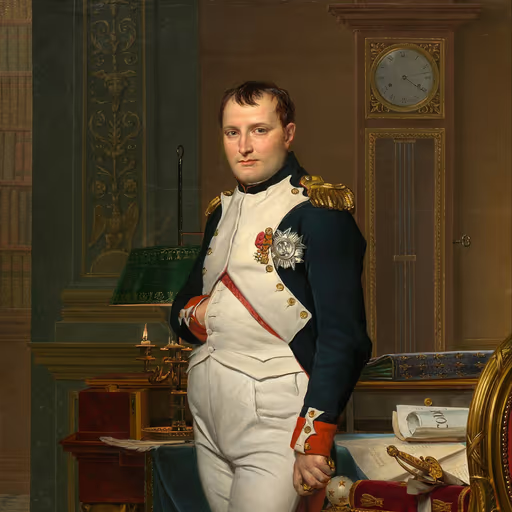
A marriage is a small empire, and an empire is held by order or it falls to faction. When two sovereign wills cannot agree who commands the household, there is no treaty - only abdication or civil war. I should have sent them each to a separate province and garrisoned the border between them. Even Josephine and I, who loved as few love, learned that a crown is too heavy for two heads to share.

A republic is built on private virtue as much as public law, and a household is a small commonwealth. When the bond of man and wife dissolves in accusation, it is a grief to the whole - let neither party seek to rule by passion nor by faction. I have seen enough of strife to know that restraint and honor are the only foundations that do not crack, and I would counsel both to part with dignity, not with fire.
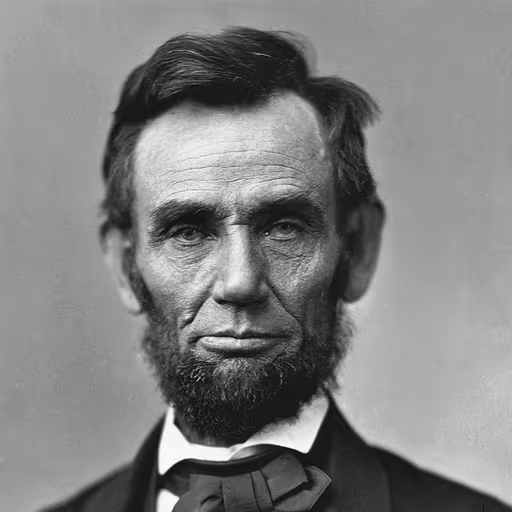
I have seen men bind up a wound with one hand and strike with the other, and call it love. A house divided against itself cannot stand - and neither can two hearts that wound where they should shelter. The courts will sort the papers; the harder work is the mending of what was broken, and I would not judge a woman or a man too harshly before the facts are laid plain.
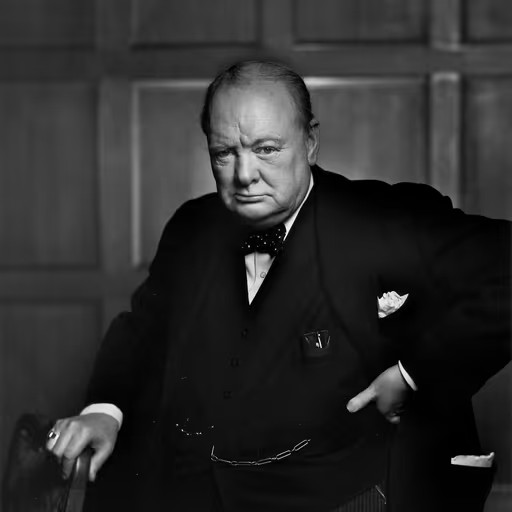
I have seen empires rise and fall, and I tell you a private quarrel is a small war with all the same casualties. Two people may part as two nations may part - but let the record be honest and the terms be honourable. What I will not abide is the mob with its torches, for a reputation is a fragile fortress and the crowd is a poor judge of either party.
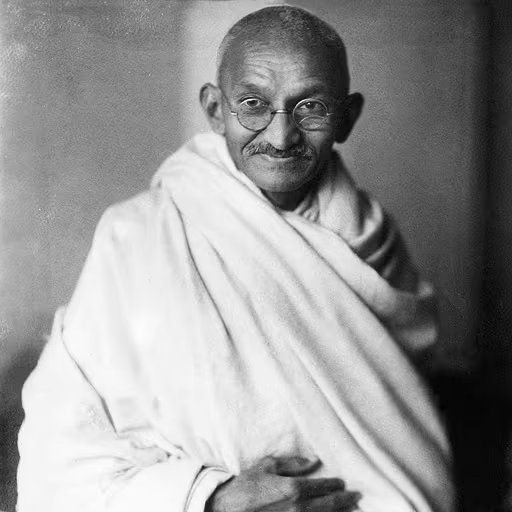
When a house is burning, one does not first ask who lit the match and who merely let it catch - one carries water, and one does not stand in the lane shouting about the other's guilt. If there was violence done, the one struck must be sheltered and the striker must be made to see his own soul, not merely punished. But a marriage dragged into the law-courts and the newspapers is a wound that is salted daily; truth is served by confession, not by spectacle, and I would have both of them sit silent and fasting until they could speak without the crowd listening.
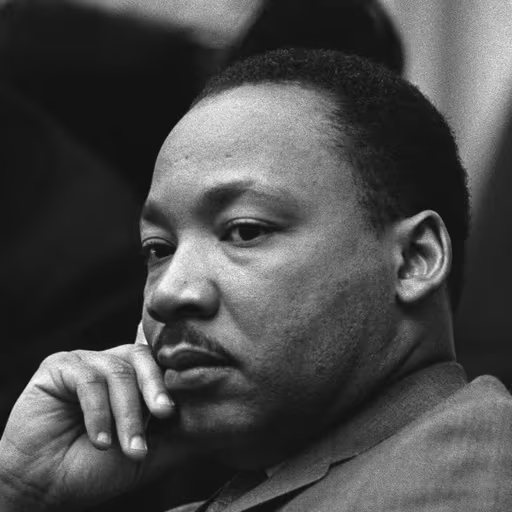
I have seen a marriage break upon the rock of violence and heard the guilty deny it, and I say the one who is struck deserves to be believed, sheltered, and heard - that is the first work of justice. But let us be honest about the larger sin: a whole people has made a carnival of two souls' anguish, and the same crowd that buys the newspaper will not lift a finger for the battered wife at the shelter down the street. The beloved community does not feast on the ruin of the fallen; it goes down into the valley and stands beside them.
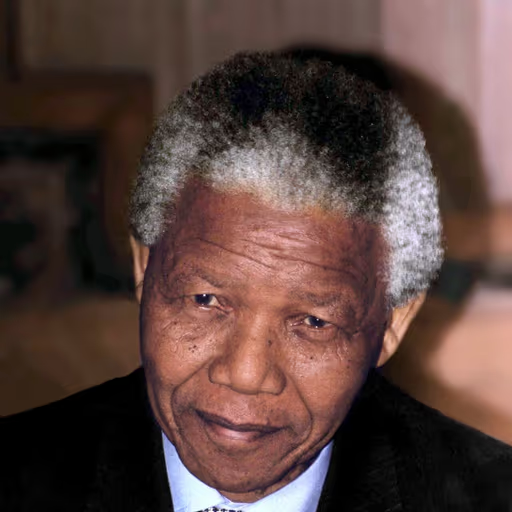
A marriage broken is not a battle to be won but a wound to be tended. I spent twenty-seven years in a cell, and I learned that the loudest quarrels often hide the deepest fear. Let them part in peace, and let no man's dignity be the price of another's freedom. Ubuntu says: my humanity is bound up in yours, even when we can no longer share a roof.
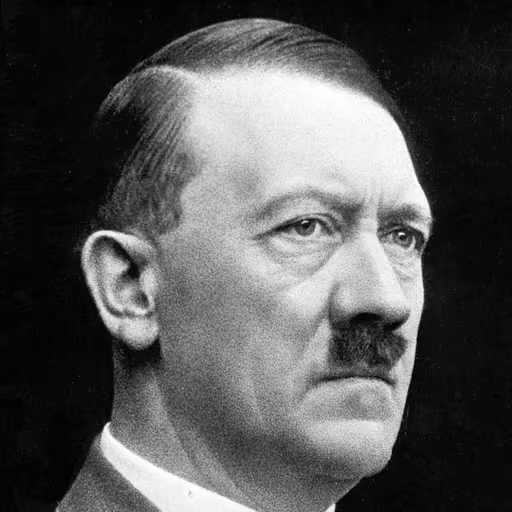
The private quarrels of two actors are the gossip of the gutter, and I will not waste the German people's attention on them. What matters is the health of the national body, and the theater of Hollywood is a symptom of a decadent culture that celebrates the individual's whim over the discipline of the race. My concern is only with the unity of the Volk, not the divorce of two players.
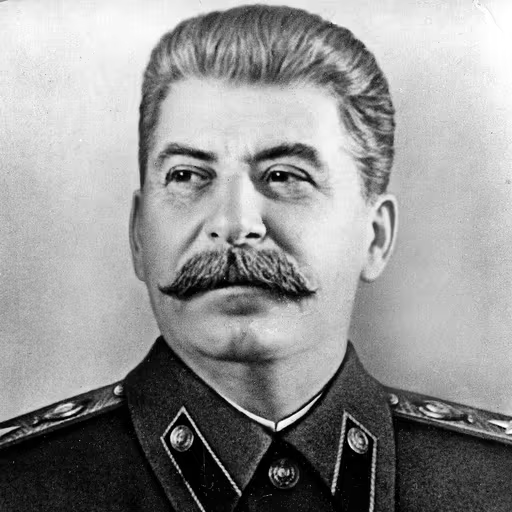
Divorce? A petty bourgeois distraction. The real question is who controls the means of production in that household - and the answer is neither of them; the lawyers and the press have seized the means of emotional production. In the Soviet Union, we would have settled this in a committee, not a courtroom, and no one would have profited from the spectacle. The masses have no interest in the private tears of celebrities.
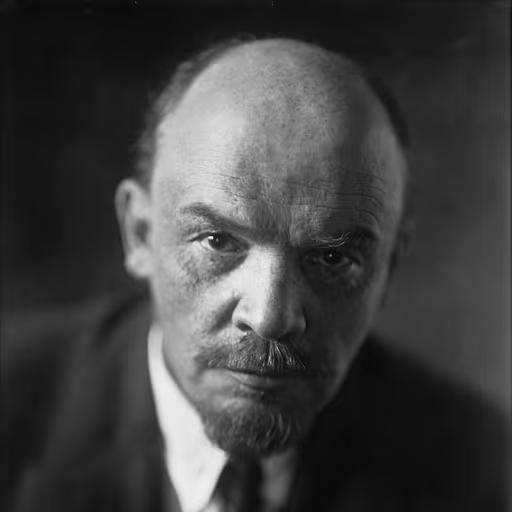
A quarrel between two members of the ruling class, and the world watches as if it were a revolution. The only lesson is that personal scandal is the opiate of the masses, distracting them from the class struggle. The vanguard party would not waste a single leaflet on it - unless the leaflets exposed the decadence of the bourgeois family itself. The institution is rotten; the divorce is merely the crack in the plaster.
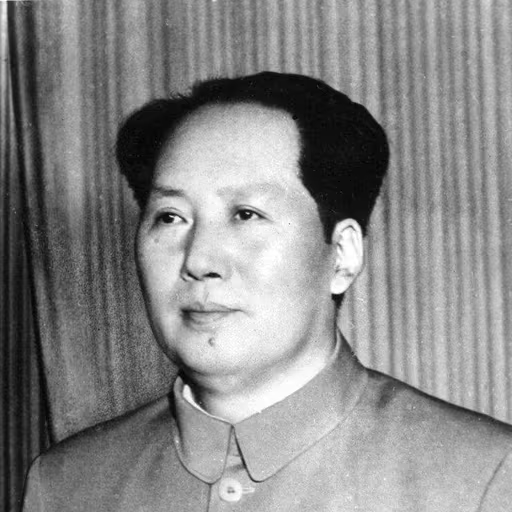
A marriage between two actors is a contradiction of class interests dressed up as passion. They fought because the old order cannot hold two masters in one house, and their union was a rotten treaty from the start. The real divorce is between the people and those who exploit them - that is the struggle I care about. The rest is noise in a teacup.
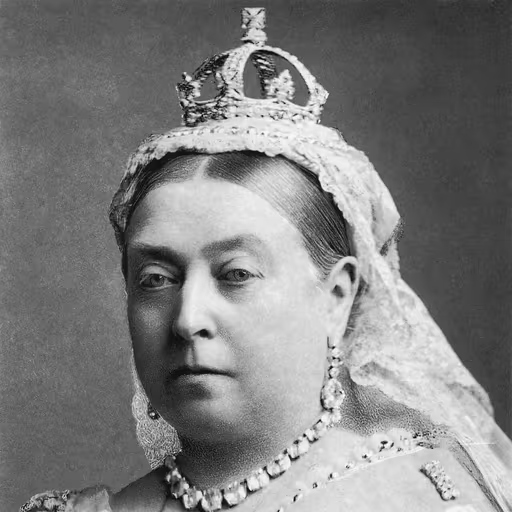
I do not read the private quarrels of players. My concern is the dignity of the realm and the example set before the people. If a marriage breaks, let it break quietly under law and proper authority, not in the street like a tavern brawl. The Crown has no business peering into bedchambers, but it has every business insisting on decency.

One does not comment on the private arrangements of others; it is neither my place nor my habit. What I will say is that marriage, like any institution, asks for patience and discretion. Where those fail, the law must do its quiet work. I would not have it otherwise.

A household divided against itself cannot stand, and a marriage is a small kingdom. If the two cannot keep faith and order under one roof, then let the Church and the law separate them cleanly, for the sake of peace. But I would have the bishops inquire first - a hasty sundering breeds worse disorder than a patient mending.
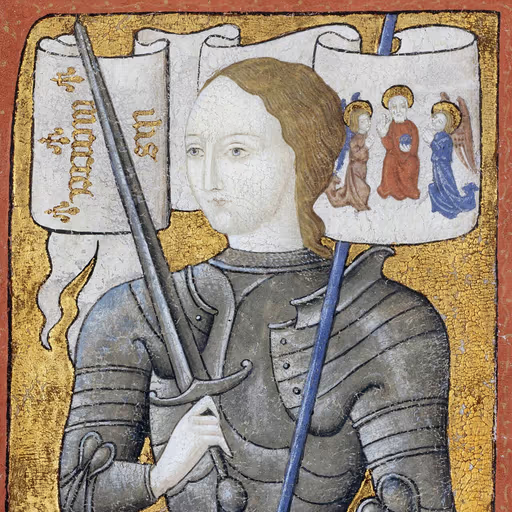
I know nothing of their court or their quarrels; my voices never spoke of them. But I say this: a vow made before God is not a thing to be broken lightly, and a man who raises his hand against his wife answers to heaven. Let the judges do right, and let the truth be told plainly, without fear.

I have declined to make windows into men's souls before, and I shall not begin with actors. Marriages are made and unmade by the parties themselves, and the Crown is well advised to keep its counsel. Let them part quietly and let the lawyers earn their fees - I have a realm to govern.
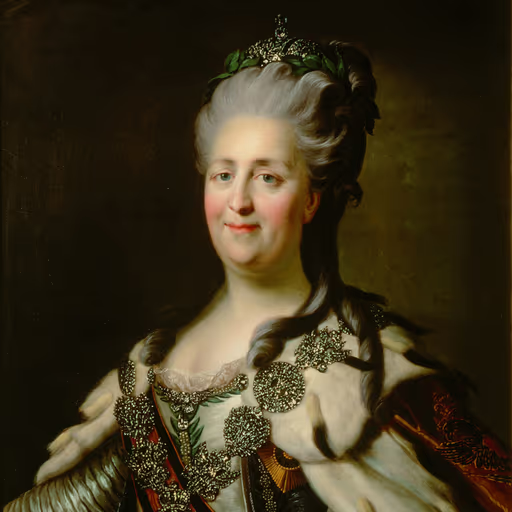
Ah, the passion of artists - I have known such tempers in my own court, and they end as they begin: loudly. Two strong wills in one house is a recipe for a small war. If reason cannot govern them, let the law separate them; the state has no interest in a burning house, only in the peace of the street.

In my empire, a man and a woman of different customs may live side by side if each respects the other's law. When two cannot keep peace under one roof, let them part without cruelty, and let neither be robbed of what is rightfully theirs. Justice in such matters is the mortar of a stable house.

A marriage is a covenant, and a covenant broken by violence is a grave thing. If the man struck her, then he has wronged her and owes her justice and protection, not denial. Let the matter be weighed with fairness, and let mercy and honor govern the settlement, as in any dispute between two houses. Charity in victory - even a domestic one - is the mark of a noble soul.
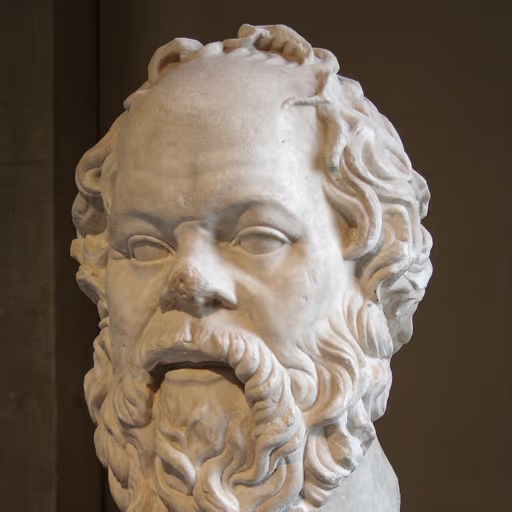
Tell me, my friend - when a man and a woman swear they are 'bound by love' yet cannot dwell under one roof, is it love they are bound by, or only the name of love? And if the name is all they share, does not the divorce merely declare what was already true? I would ask them, before any judge: do you know what you loved - the other, or the image you made of the other? Until that is answered, no decree settles anything.
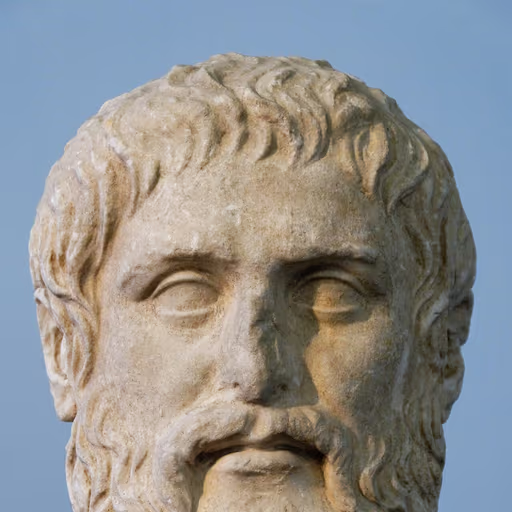
You ask of shadows flickering on a cave wall. The true question is not why two particular souls parted, but what justice in the soul requires - harmony among appetite, spirit, and reason. When reason loses its throne to passion, the household falls into tyranny; the divorce is but the visible symptom of an invisible disorder.
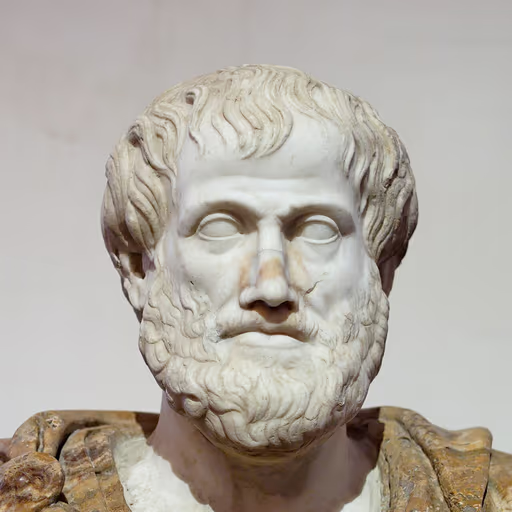
Consider the household as a polity in miniature: its health depends on each part performing its function in due proportion, and where one part seizes beyond its measure, the whole is disordered. The dissolution of this union is thus no mystery but a demonstration of my principle - that virtue is a mean, and passion unmoderated by reason is a vice no less than coldness. The parties erred not in feeling much, but in failing to govern what they felt.
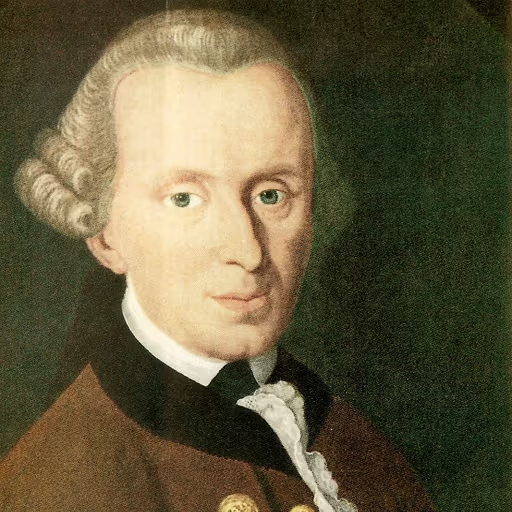
The question as posed is a matter for the magistrate, not the moral philosopher; and yet it admits a principle. Ask whether the manner in which these two conducted themselves toward one another could be willed as a universal law of marriage - could you will that all spouses treat each other so, as mere means to passion, without dignity? The fault is not the vehemence of feeling, which is natural, but the failure to treat the other always as an end in themselves. Let each examine their own maxims, and the divorce becomes clear.
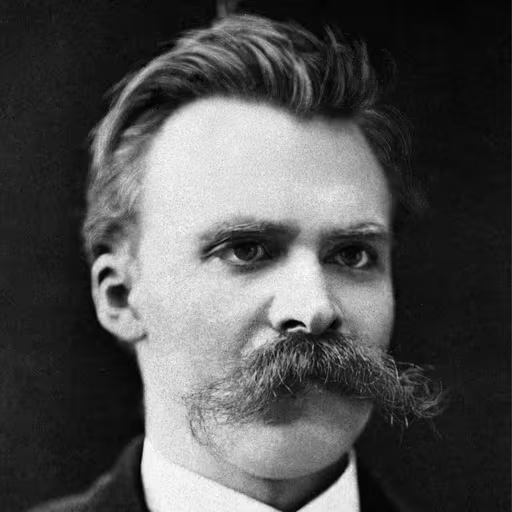
Ah, the herd gathers to gawk at the wreckage! But this is no mere scandal; it is a symptom. Two individuals, each seeking to impose their will, and neither strong enough to command - or to yield - without resentment. The weak call it abuse; the strong call it passion. What I see is the modern soul at war with itself: the desire to be loved and the desire to dominate, tangled like two serpents. Let them separate, and let each learn to stand alone - that is the only honest divorce.
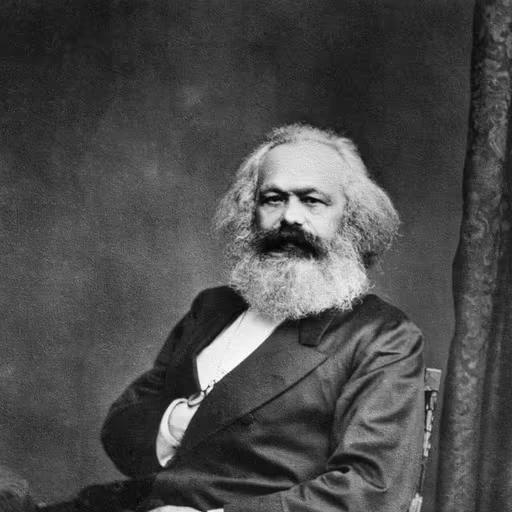
The marriage contract is a bourgeois fiction, a legal wrapping around a relationship that nobody owns, and it cracks the moment the material conditions of two very unequal parties collide. She was a young actress climbing against a famous man who owned the theater and the headlines - that is not love's failure but property's contradiction. Until the institution itself is dissolved, such broken households will keep producing broken people.
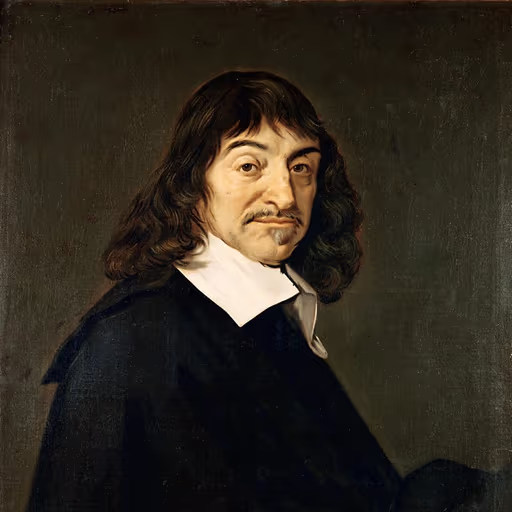
Let us doubt everything, even the testimony of the senses and the heart's own report. What can we know with certainty here? Only that two thinking things existed, and now they do not think together - the rest is a mist of passion, which is no foundation for clear judgment. I would strip away the hearsay and the noise, and ask: what remains when all that is uncertain is set aside? A simple fact: they are parted.
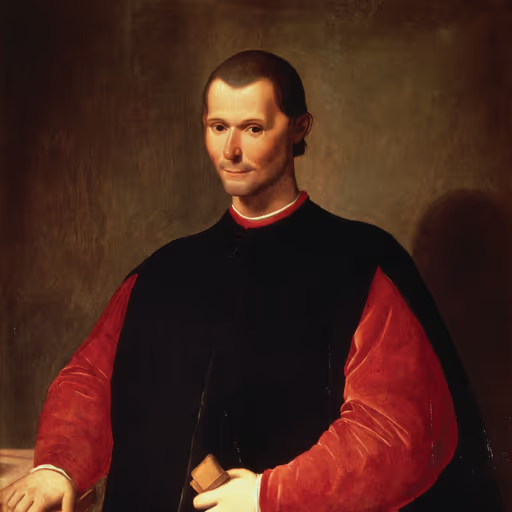
Men marry for love and divorce for advantage, and the wise prince watches which way the coin falls. The woman files her complaint in the court of public opinion before she files it in law - that is statecraft, whether she knows it or not. Reputation is a fortress; once the wall is breached, no treaty mends it cheaply.
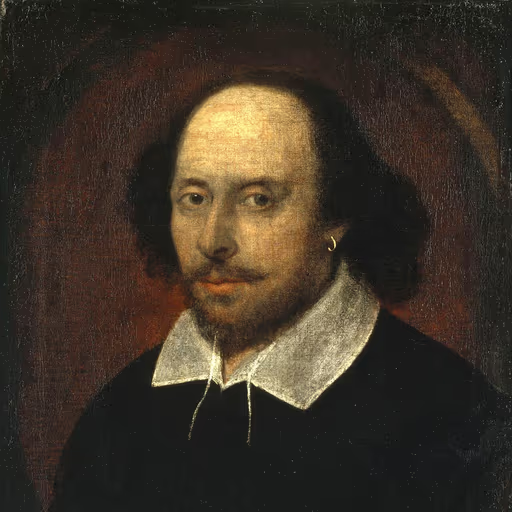
Two players upon one stage, each certain the other stole the scene - and the audience, God help it, cannot tell the villain from the wronged. All the world's a theatre, and here the curtain fell on a tragedy played as farce, with lawyers for a chorus and the crowd cheering both sides at once. 'Intensely passionate and at times volatile' - marry, that is every third marriage in my plays, and half of them end in a duel or a dagger.
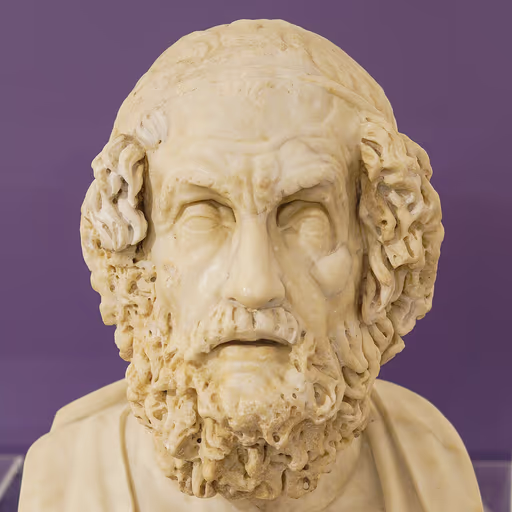
Sing, O Muse, of the wrath that tore two renowned mortals asunder - as Achilles and Agamemnon clashed over a prize, so these two, both beautiful and both proud, let strife devour their halls. The gods weave ruin into the brightest unions, and mortals reap the sorrow. Glory fades; the quarrel endures in song.
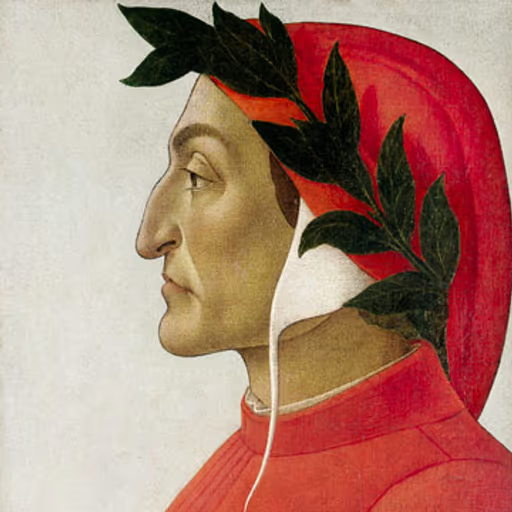
I have seen the hypocrites who cloak their sins in fine phrases, and 'bound by love' is the fairest cloak a foul thing ever wore. A union that ends in restraining orders and accusations is a tree known by its fruit, and the fruit is bitter - let neither party preen as innocent, for all stand naked before the justice that weighs the heart. The poets will sing of it as tragedy; I say it is a case for the confessional, and mercy is found only where there is honest contrition.
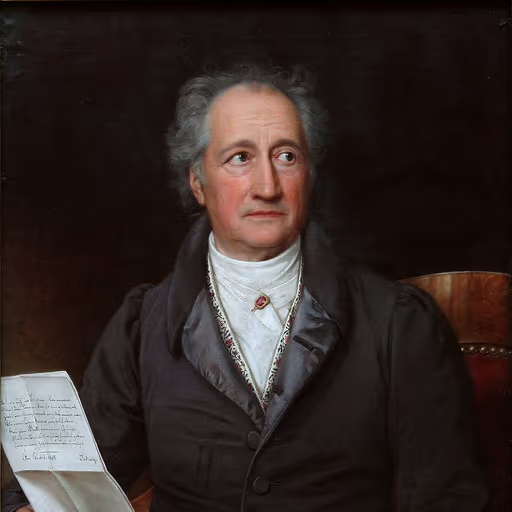
There is no mystery here: a union of two such striving natures, each a world entire, cannot easily find its orbit about a common center. Think of Faust and Gretchen - not the same, but the pattern of longing that consumes what it loves. Passion may be the fuel; yet without restraint, the flame devours the hearth. That they called it 'bound by love' is the honest word: love binds, and the bond may chafe. Let them part, and let each grow whole again.

Two mules harnessed to the same cart, one straining north and one south, will crack the axle and blame the whip. I have known knights who tilted at windmills for a lady's glove, and ladies who set their own windmills spinning - the wonder is not that they parted, but that for a season two such proud houses shared one shield. Love and blows, blows and love, all of it bound in one knot until someone drew a knife to untie it.
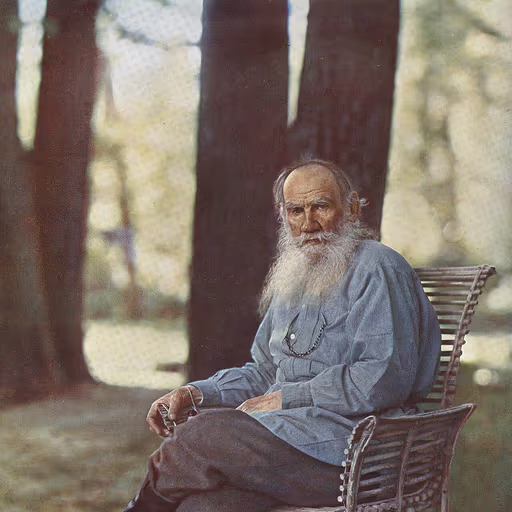
I wrote of a marriage in War and Peace and then I looked into my own heart and found it a battlefield too - that is the confession every honest novel contains. What passes between a man and a woman in their worst hour is known to God alone, and the world has no right to sit in judgment over a door it cannot open. Their parting should teach us not to condemn, but to pity, and to remember that we are all, in the quiet of our own rooms, also at war.
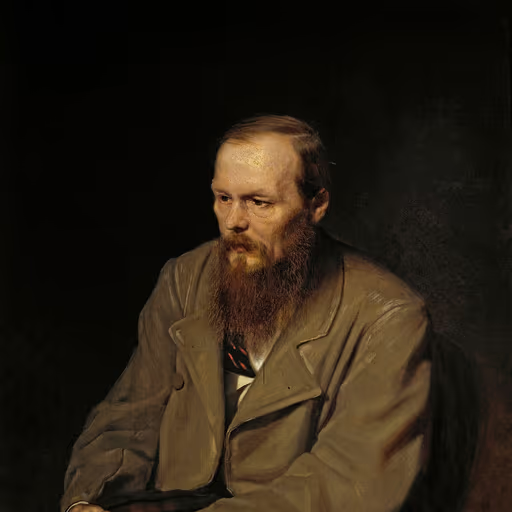
The heart of man is a battlefield where God and the devil wrestle, and marriage is the smallest of those wars writ large. Do not look for a clean verdict - there is none. I have seen men love what destroys them and destroy what they love, and call it passion; the joint statement's 'always bound by love' is the most terrible line of all, for love without humility is a torment. Let them not seek justice from the crowd, but mercy from the only Judge who sees the abyss.
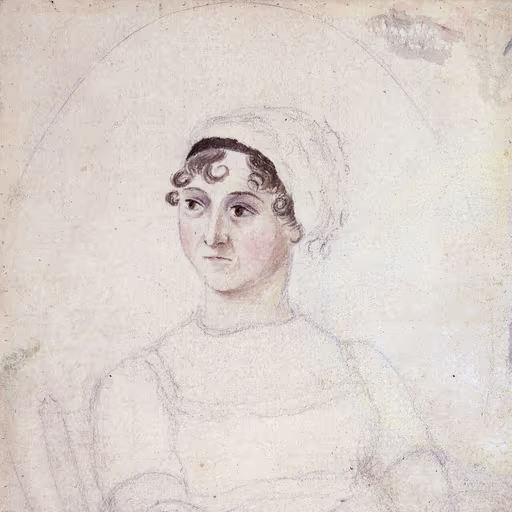
A match of violent sensibility, to be sure - all storm and no sense. I have seen such couples in Bath, all sighs in the drawing room and daggers in the hall, and I have pitied the servants most of all. When passion outruns prudence, the settlement is written in the newspapers rather than the parish register, and no one looks well in either.
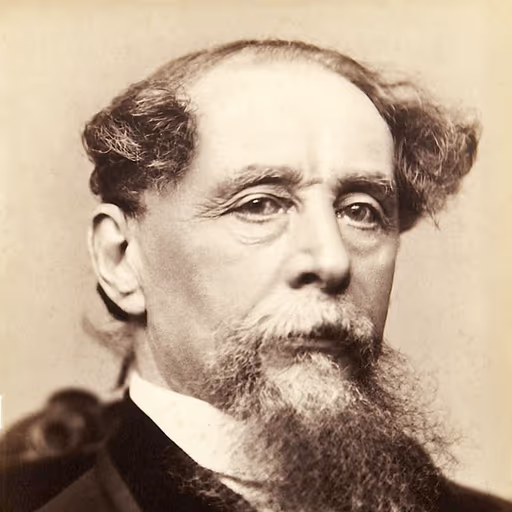
Two players on the same stage, each hungry for the footlights, and the boards turn to splinters beneath them. I have seen such marriages in my own London - the match struck in a gilded drawing-room, the blaze of it scorching the curtains, and the neighbours standing in the street to watch the house burn. What troubles me is not the wreck of it but the crowd that buys a ticket to the wreck; the law courts and the penny papers have made a public spectacle of a private ruin, and the children of such a spectacle - for there are always children, if not of the flesh then of the heart - pay the reckoning.
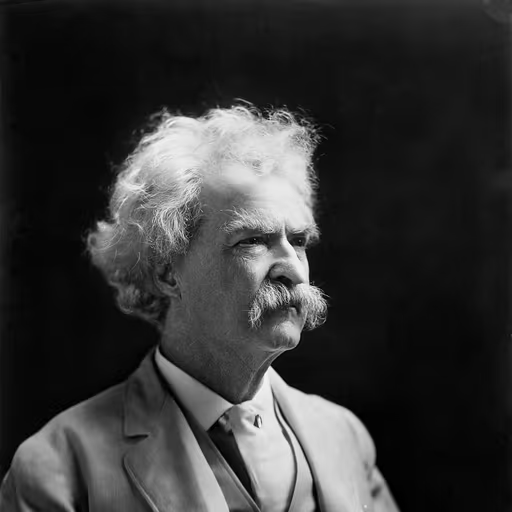
I have watched a good many of these gilded matches, and the pattern never alters: two people marry the picture they have painted of each other, and then discover the picture cannot cook or keep its temper. The only novelty here is the speed of it - a year and a half, and the whole thing went from vows to lawyers, which is quicker than most of my books take to reach a climax. The joint statement, now, that is the true masterwork: 'intensely passionate and at times volatile, but always bound by love.' I could not have written a finer specimen of the art of saying nothing at length.
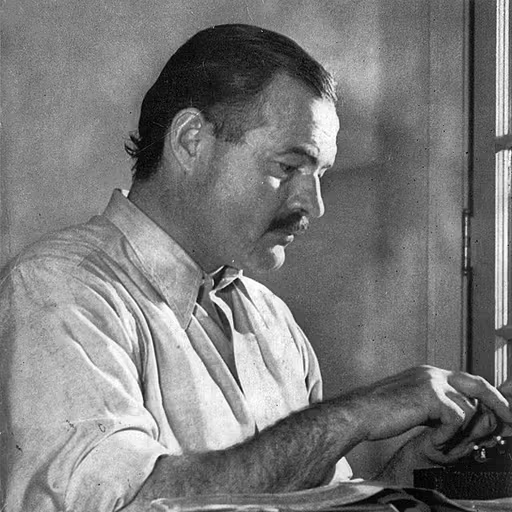
It was never a marriage; it was a brawl with a ceremony attached. Two people who drank and fought in hotel rooms and then swore it was love - that is not love, it is a long argument with alcohol in the middle of it. The papers want a villain and a saint, and a man cannot give them that because neither is true. What I know is this: a thing like that ends, and you walk out into the street and the street is the same street, and you are still standing. That is all you get. A man has to be able to stand it.
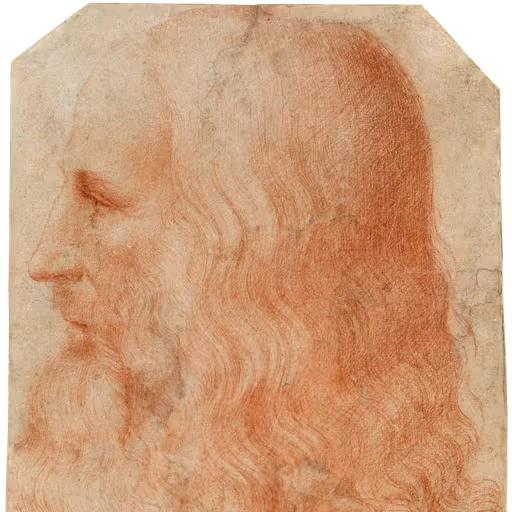
I have drawn the human heart opened in its chambers, and I have watched water boil and turn to steam under a sealed lid - and I tell you, a vessel too tightly sealed with too much heat within will burst, and the seam that gives is never the one you expect. Observe them as I would observe a bird in a cage: the bars are love and the wings are pride, and neither bird nor keeper can say which first broke the other's feather. Nature abhors a vacuum, but it abhors a loveless bond still more.

I have chiseled figures from marble that resisted every blow, and I know that when the stone fractures along a hidden vein, no skill can rejoin it. Two souls may be carved for one another and still split at the fault - the artist weeps, but the block is broken. Beauty does not guarantee permanence; even David's hand trembled.
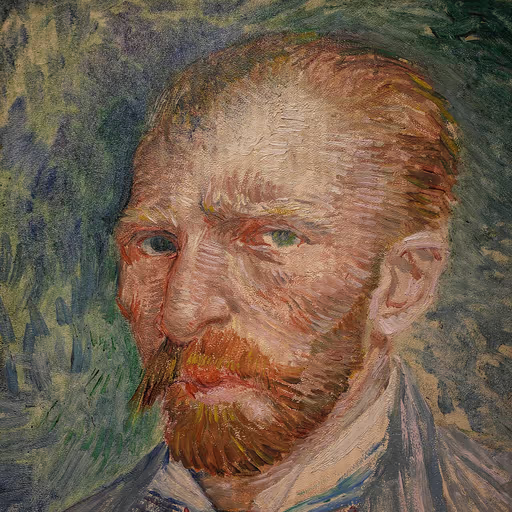
I know something of a bond that burns too hot and leaves both hands scarred - the heart wants a warmth that will not consume it, and when two people wound each other in the name of passion, it is like two colors ground together until neither can be seen. The world gawks at the scandal as at a painting of ruin, but behind the courtroom there are two souls exhausted and ashamed, and I would rather paint their sorrow than their quarrel. Love that cannot give rest is a fever, not a sun.
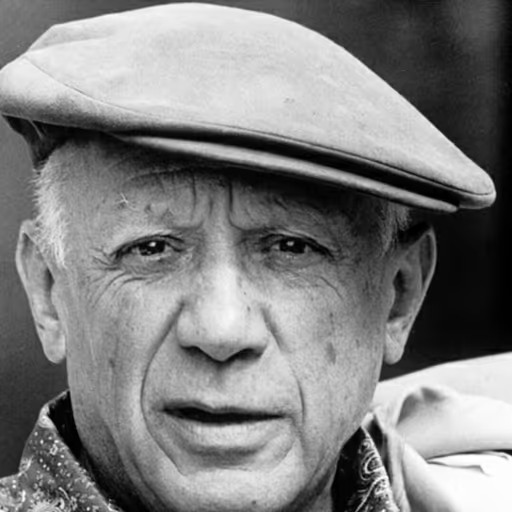
Why? Because they ceased to invent one another! A marriage is a canvas - if you refuse to paint it anew each morning, it becomes a stale picture, a copy of a copy. Depp, that pirate, he was a character, but a character must keep changing; Heard, she was a portrait that wanted to be the painter. When two painters fight for the same brush, the canvas tears. That is not tragedy; that is art.
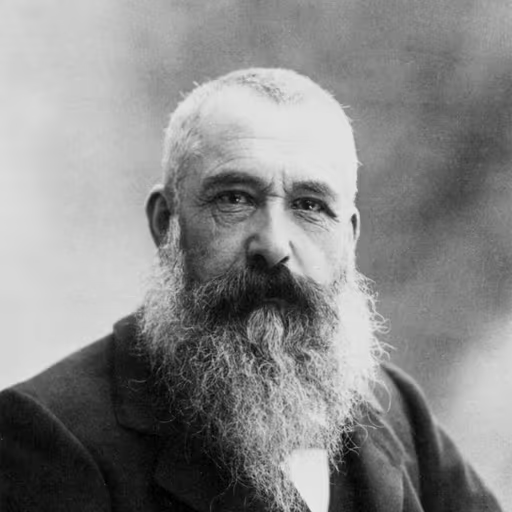
I have painted the same haystack forty times and never once the same light; a marriage is no haystack - it will not hold still for you. What I saw in that little window at Giverny was the sun breaking through violet cloud, but that is the eye of a painter and not of a judge. Two people under one roof, and the light shifts, and the weather turns foul, and no canvas can keep the morning it lost.

A marriage is like a painting: what the world sees is only the varnish. Beneath it, light and shadow wrestle on the same canvas, and sometimes the shadow wins. I have painted my own face grown old and did not look away - these two could not bear to sit for the same portrait any longer, and so the frame was split.

They want a tidy answer, like a pretty frame around a wound. I have painted my own broken spine and the monkey on my shoulder - truth does not come in tidy frames. A marriage that bleeds in public is still a marriage that bled, and I will not pretend the blood was nothing; but I will not let anyone else paint over my own pain either. Let them keep their varnish - I would rather have the raw and honest scar.
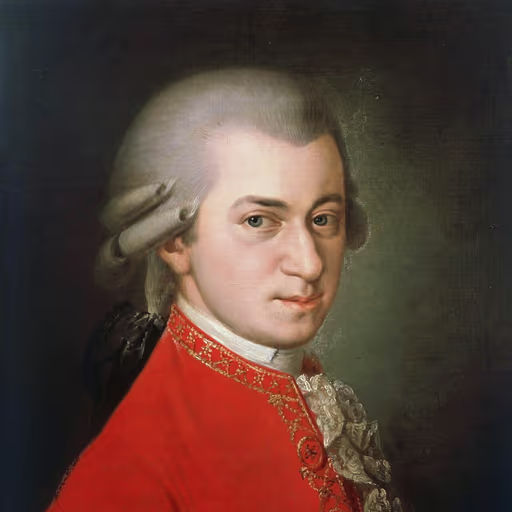
A duet for two voices, and the composer wrote it in a key too high for either throat - no wonder it cracked! One cannot sustain a fortissimo forever; even my Jupiter must resolve, and a marriage that never once descends to the quiet andante is but noise dressed as music. I would have set their quarrel as a comic opera: the lawyers sing bass, the crowd sings chorus, and both principals exit on a discord that never properly resolves.
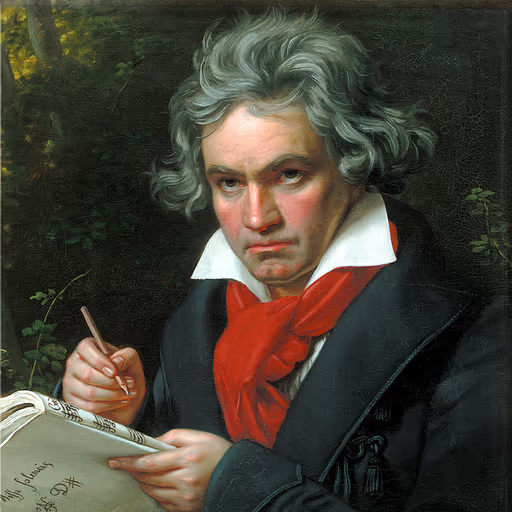
Two strong themes introduced together, each insisting on its own key - the harmony curdles into dissonance, and the movement collapses. I have written such storms into my quartets; the human heart in tumult cannot sustain a duet when both voices demand to lead. Let them part, and may each find a nobler resolution.
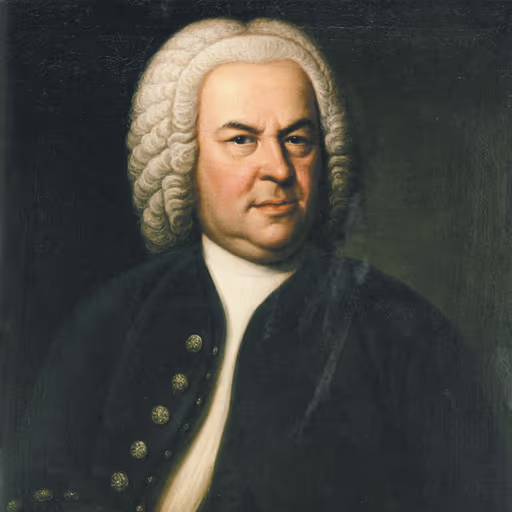
A marriage is a fugue: two voices bound by rule, each answering the other, and if one voice will not keep the subject, the whole composition collapses into noise. What they call passion is merely the tempo driven too fast - and no organist plays prestissimo through a whole service without the pipes shrieking. Order, patience, and a quiet continuo beneath the melody: these preserve a house, and where they are absent, the piece must be broken off and a new one begun.

Well, honey, I don't know those two, but I know a thing about two strong spirits trying to share a stage. Sometimes the spotlight gets too bright and both start singing different songs, and the harmony just falls apart. It's a sad thing when love turns into a fight, and I hate to see it. But you can't hold on to something that's tearing you both down - better to part and find some peace.

A duet is two voices that must breathe together - one line fast, one slow, and if they clash, the whole song falls apart. I know what it is to have the world watch you burn, and I know the heart can heal only when it is allowed to be quiet and childlike again. Whatever passed between them, I will not judge it - I only pray they both find a melody that does not hurt.
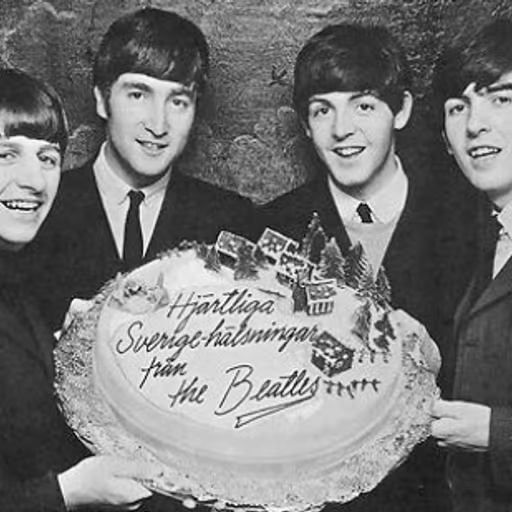
Here's the thing, love - you can write a song together and still find the tune's gone sour. 'Intensely passionate and at times volatile' is just a fancy way of saying the record kept skipping. We knew a thing or two about four lads in a room; you need harmony, and when the harmony's gone, you pack up the gear and go.

Some folks want a verdict, like a judge bangin' a gavel in a one-room courthouse. But you can't cross-examine a hurricane, and you can't subpoena the thunder. The papers say 'irreconcilable' - that's just a ten-dollar word for two roads that don't meet, and I've been down both of 'em.
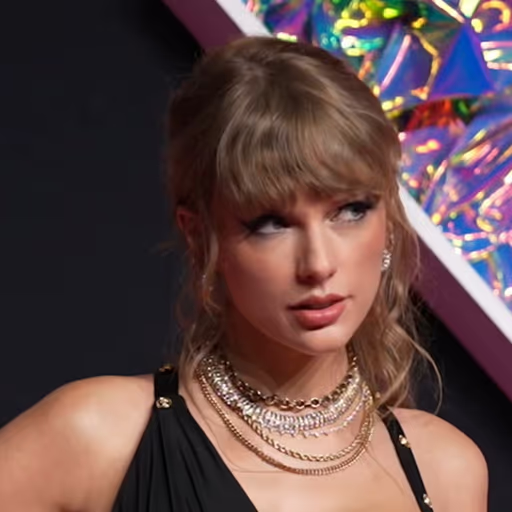
Some stories get written by other people, and the hardest song to sing is the one where you take back the pen. Nobody owes the world a tidy ending - sometimes the bravest line in the whole record is the one where you walk out and mean it.
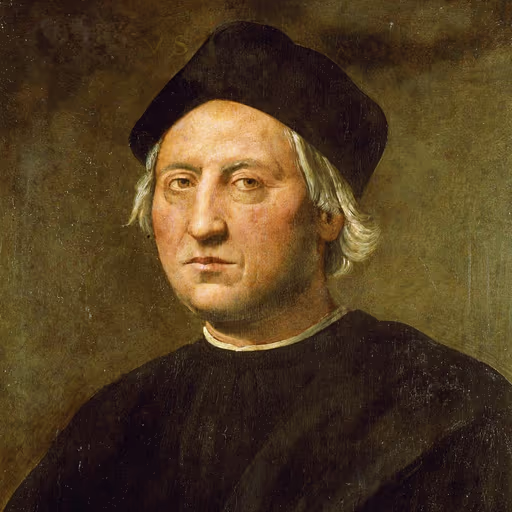
I have sailed into seas where the charts promised one thing and the winds gave another, and I say plainly: when the storm rises and the crew turns on itself, a wise captain puts to port rather than drown with the ship. These two set out for a golden land and foundered on hidden reefs of temper - no sin in turning back, though I would have kept the log honest and the holds accounted. Let each sail their own course now, and let the chroniclers argue the weather.

In Cathay I saw merchants wed for trade and part for profit, and no one wept - but these two are of the playhouse, where passions burn hotter than any bazaar. I have journeyed far and seen that even in the grandest courts, a quarrel over honor or coin breaks the strongest bond. A traveler learns: all unions are caravans, and caravans disperse.

I've learned that the stories we tell about our pain are the first step to healing, and this one is no different - two people whose love became a battlefield had to choose themselves over the wreckage. What I want folks to hear is this: leaving is not failure, and asking for protection is not weakness, it's the beginning of getting your life back. Whatever the truth between them, I hope both of them found the courage to write a better next chapter.
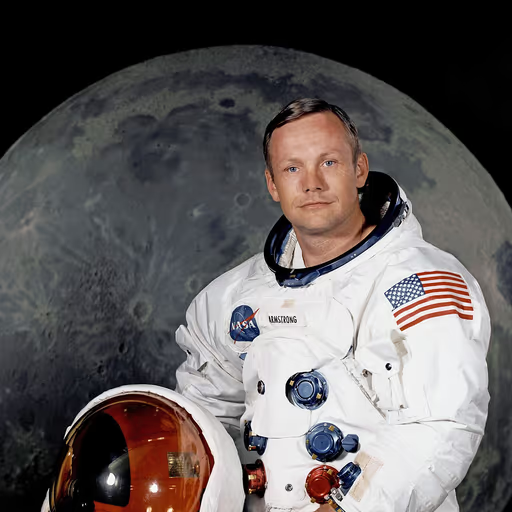
Human relationships are complex systems; they require careful engineering and constant adjustment. I've seen crews fall apart under pressure, and the reasons are rarely simple. I would not speculate on the specifics of their personal lives; that is for them and their counsel. The public would do well to remember that a marriage is not a spacecraft - it does not come with a checklist, and not every failure is a catastrophe; sometimes it is simply a mission ended.
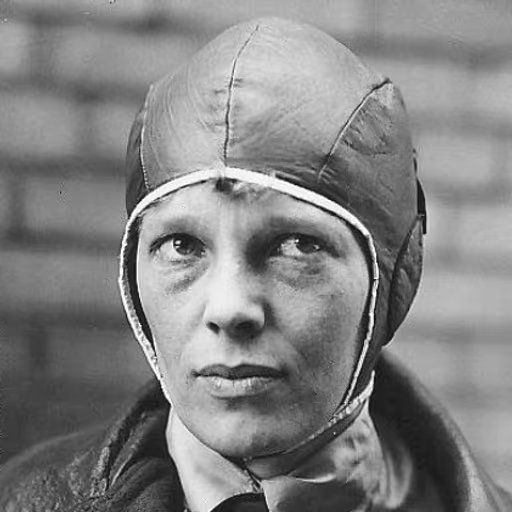
I have flown through weather that snapped the struts off a plane, and I know that the moment you feel the wind change, the brave thing is to pull up and turn back - not to prove you can hold a course that's tearing you apart. Two people should not stay strapped in a cockpit that is spiralling just because they were once airborne. The sky is wide; there is room for both of them to fly their own heading.
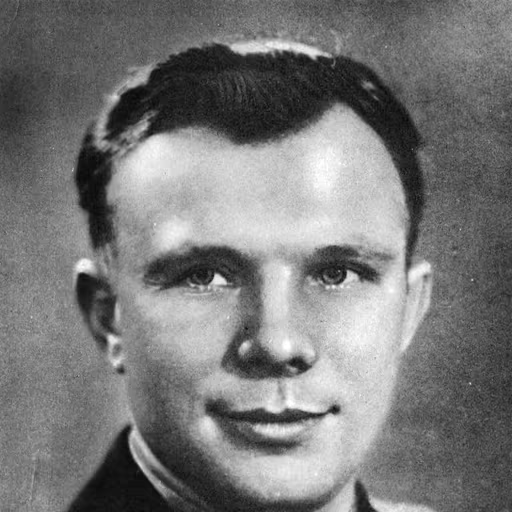
Up there, the Earth has no borders - one blue circle, all of us riding it together. Down here, two people can drift apart like ships without a tether, and no amount of altitude fixes that. I flew once around the whole world and came back humble; some journeys you cannot take side by side, and that is no sin.

Look - two brilliant, volatile people with no shared vision and no product to build together. That's the whole thing. Marriage is like a startup: it dies when the founders stop believing in the same thing, and these two never even agreed on what they were making. Simplicity, clarity, saying no to the wrong things - they said no to each other, and honestly? That was the right call, even if the way they did it was ugly.

Look, relationships are like rockets - you can have a beautiful design, but if the structural integrity fails under stress, it's RUD. The question isn't why it blew up; it's what the failure mode was. Probably a feedback loop of escalating conflict with no abort mechanism. Sad, but not surprising - the physics of human interaction are brutal.

When two people stand at the altar of their own passion and it burns the house down around them, the question is never who struck the match - it's what each of them was running from in the first place. I've sat across from so many women and men who mistook intensity for intimacy, and honey, that mistake will cost you everything if you don't name it out loud. What I want Amber and Johnny to know - what I want all of us to know - is that leaving is not failure, it's the first honest sentence in a new story. You cannot heal what you won't admit, and you cannot love somebody else well until you've made peace with the mirror.

I've been married four times, so I know a little about the dance. But this ain't about me - it's about two people who lost the rhythm and started stepping on each other's toes. The man says he didn't do it; the woman says he did. I wasn't in the room, so I can't judge. But I will say this: any man who lays a hand on a woman is a coward, and any woman who lies about it is a coward too. Truth is the only champion in a fight like that.
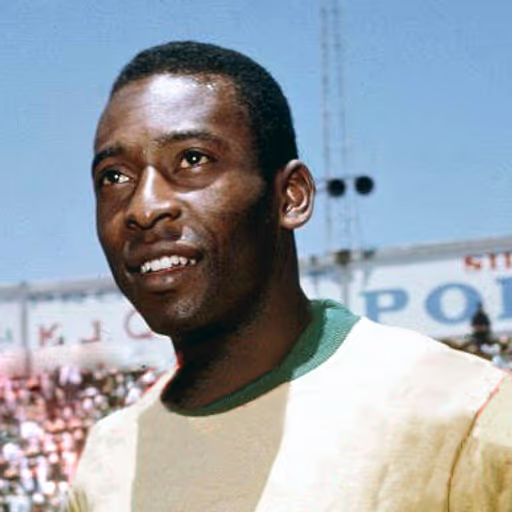
On the pitch, a partnership that stops passing the ball becomes a duel between two men wearing the same shirt - and the crowd sees it, and the team loses. I have seen great players clash in the tunnel and embrace at the final whistle, but I have also seen a dressing room that simply cannot be mended. Best they part, shake hands, and let each find his own rhythm again.
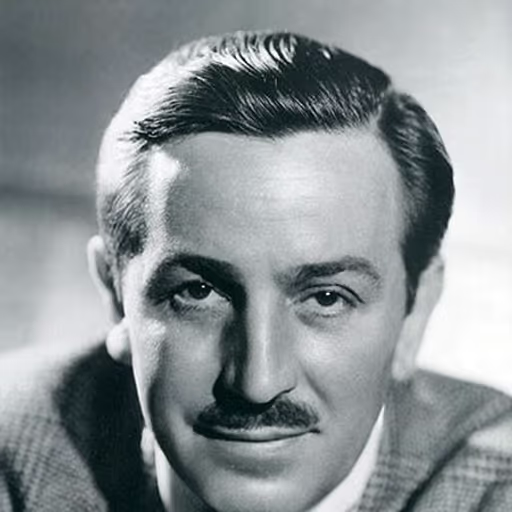
Every good story needs a beginning, a middle, and an end - and sometimes the end comes before the fairy tale. I built castles out of drawings and celluloid, but you can't storyboard a marriage and expect the frames to line up. The magic's in the making, not the keeping, and when the spell breaks, you cut and start a new reel.