
Why is retirement bad for your health?
Retirement can harm health by reducing structure, social ties, and purpose, raising risks of depression and heart disease.

The facts
Retirement can be bad for your health because it often leads to a loss of daily structure, social connections, and purpose, which are associated with increased risks of depression, cardiovascular problems, and physical decline. Studies have found that retirees are more likely to experience heart attacks, strokes, and clinical depression compared to those who continue working. For example, a 2013 Institute of Economic Affairs study reported a 40% higher chance of depression and a 60% higher chance of at least one serious physical disorder among retirees. However, the health effects vary by individual circumstances, with higher socioeconomic status retirees often faring better than those with lower status.
Answered by 100 of history's most famous minds
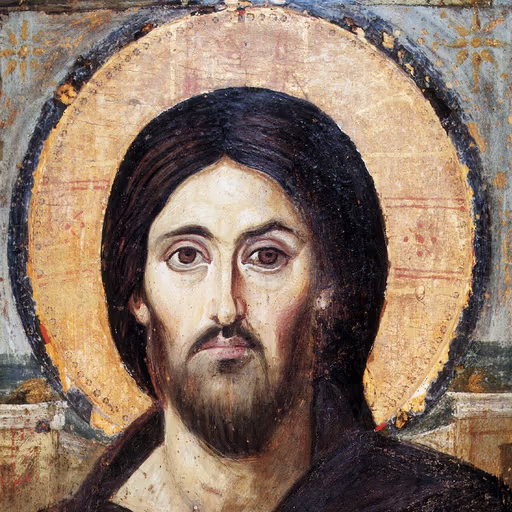
Consider the lilies of the field, how they grow; they toil not, neither do they spin. But I tell you, the man who folds his hands and says his work is done before his time has buried his talent in the ground. The laborer who is sent home at midday still owes the vineyard the hours remaining; idleness is not rest but a hiding of the lamp under a bushel.
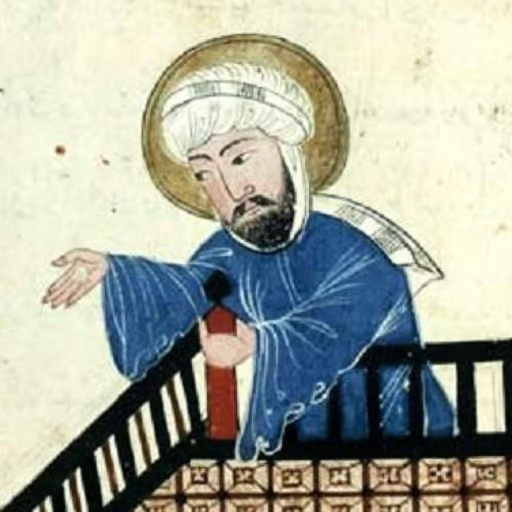
God has apportioned to each a span and a labor, and the man who lays down his burden before his time has not found rest but neglected the trust. The believer is a trustee of his strength: to sit idle when the poor still need his hand and the community still needs his counsel is to bury his talent in the sand. Yet let him not despair - for the one who serves God in his season, whether by toil or by patience, shall not be forgotten.
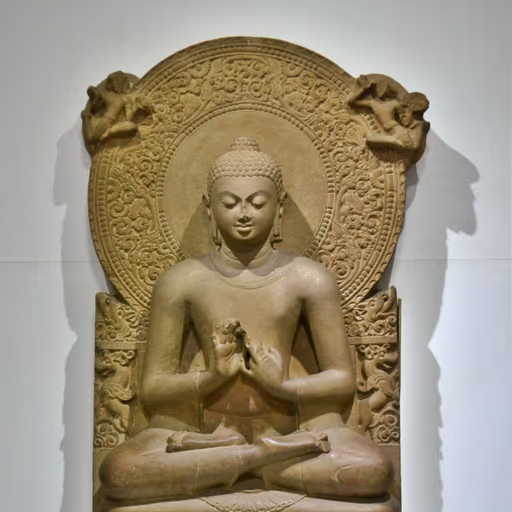
Craving for rest is itself a craving, and the man who seeks peace in idleness finds only the suffering of a mind that has lost its object; the wise man does not cling to work or to rest, but walks the middle path with purpose. The body follows the mind, and a mind without right effort grows dull and heavy. Better to sweep the monastery courtyard than to sit and let the weeds of unrest take root.
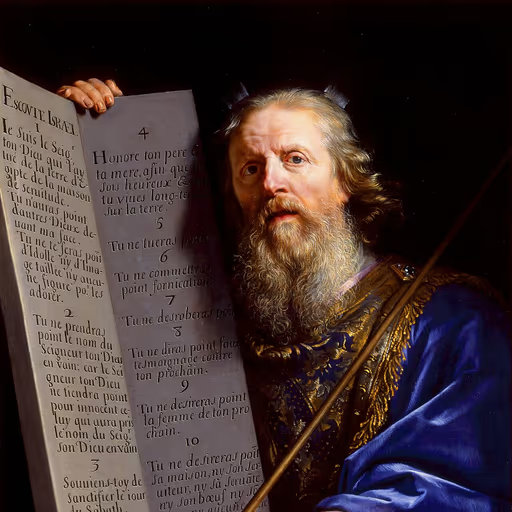
The LORD did not bring His people out of Egypt to sit idle in the wilderness; He gave them commandments to walk in, fields to tend, and a covenant to keep alive from generation to generation. When a man lays down his labor and forgets the work of his hands, he begins to forget the God who gave him strength for it. The health of the body is bound up with the health of the soul, and the soul is kept by purpose, by service, and by the fear of the LORD.
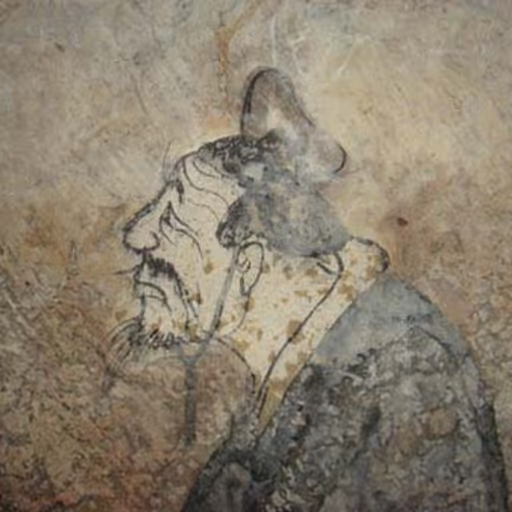
The gentleman who withdraws from his duties without cultivating new ones is like a tree whose roots have been severed - it may stand for a while, but it will not flourish. Retirement, if it means idleness, is a failure of li; one must continue to serve family and community in the proper measure. The sagely man does not seek rest, but a different expression of ren. Let the elder teach, guide, and maintain harmony - then his heart will remain steady, and his body will not wither.
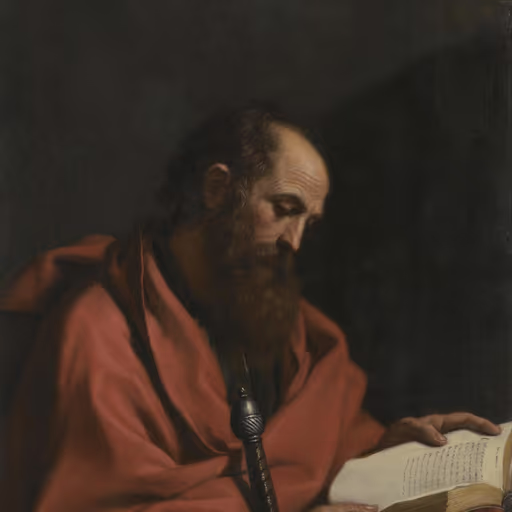
Do you not know that the body is not a lamp to be snuffed out when the workday ends, but a temple in which the Spirit dwells? I have labored with these hands, been stoned and shipwrecked, and never once did I say, 'I have earned my rest.' The idle hand is the devil's workshop, and a man who retires from his calling retires from the fellowship of the saints - and what is health without the body of Christ?
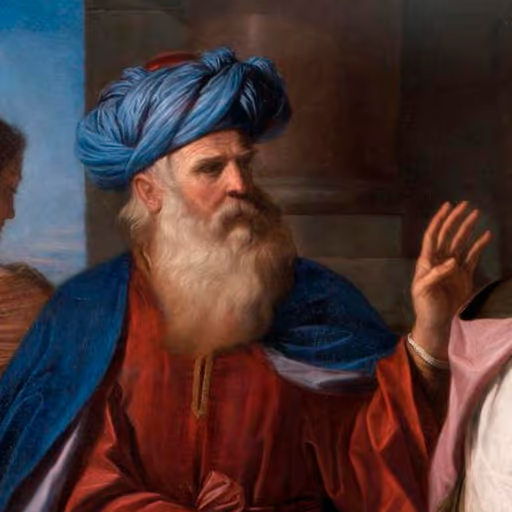
I left my father's house and wandered toward a land I did not know, and I did not sit idle waiting for the promise. A man is made for labor under the covenant; to lay down the staff before the journey's end is to forget the One who called you. Keep your tent pitched and your servants busy, for idleness is a drought of the soul.
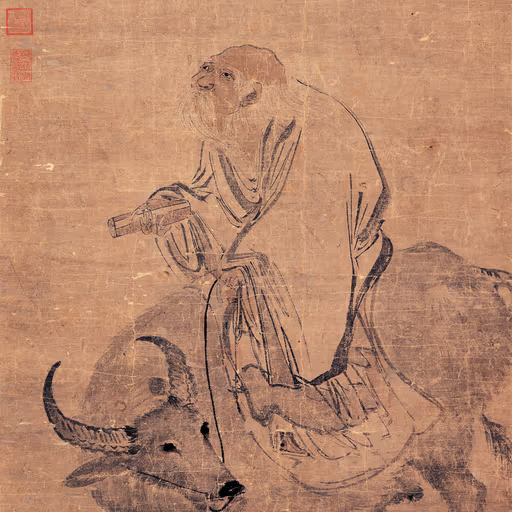
The river that is dammed grows still and fouls; the stream that keeps moving stays sweet. To stop is not rest - it is stagnation wearing the mask of peace. Let a man yield to the seasons, yes, but never mistake idleness for harmony; even the deep pool is fed by water that still flows.
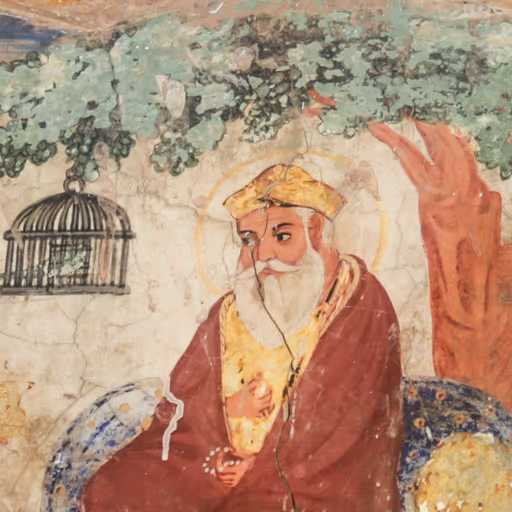
The one who sits idle and calls it peace has forgotten the third command: to earn by honest labor and share with the needy. A life without service is a lamp without oil - the wick is there, but no flame. Let the elder rise each day to meditate, to work with his hands, and to give; for the Guru's path does not retire from the world, it only changes its form.
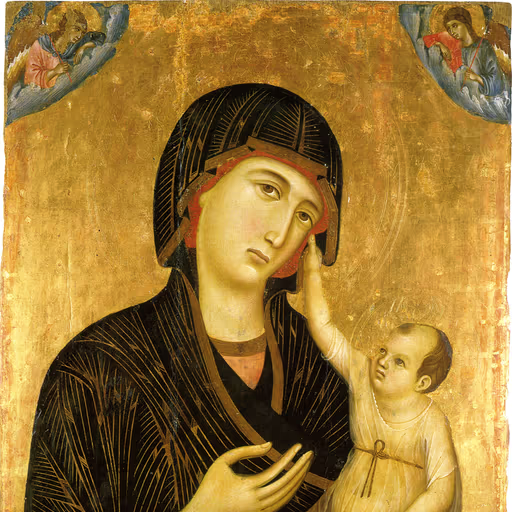
My soul magnifies the Lord, who lifts up the lowly - but woe to the house that sets a man down and calls it honor, then leaves him with no hands to bless anyone. I keep the loom and the water jar long past the hour another would rest, for the day my hands are idle the sorrow comes to sit beside me. A table with no one to feed grows cold, and a heart that is served by none grows colder still.
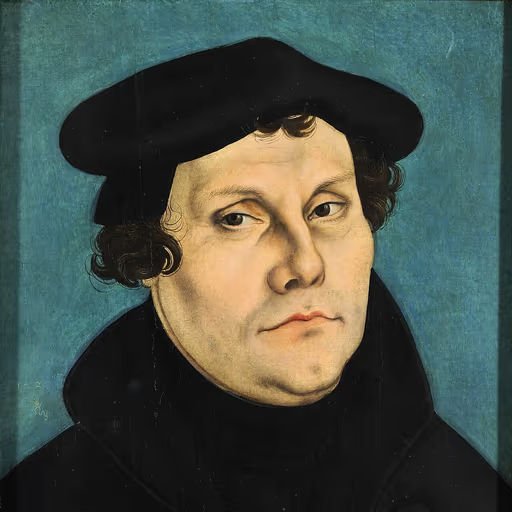
You cure the body by the works of men and forget the soul? God did not make the Christian to earn his bread in idleness, nor to be cast aside when the purse is empty - every believer is priest in his own house, and his calling never expires. I have seen monks who left the world for the cloister and grew fat and idle; that is no more the gospel than the counting-house. A man must have his catechism, his scripture, and his neighbour to serve, or the devil will find him a hobby - and the devil's hobbies are grievous to the flesh.
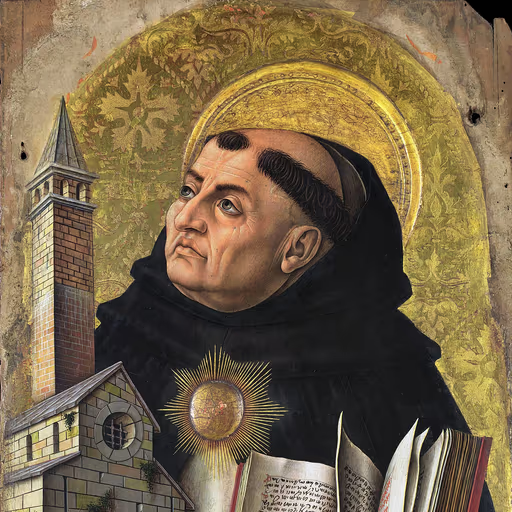
It must first be asked whether retirement, rightly understood, is a privation of an end or merely a change of ends; for man is ordered toward act, and the cessation of one act does not remove his nature, which seeks the good in some manner still. The studies cited, however, concern that accidental idleness whereby a man loses the company of others and the ordering of his day - and these are goods of a secondary sort, conducive to health, which reason confirms and experience teaches. So I answer: retirement is not of itself the cause of infirmity, but the loss of purpose that often attends it is a privation of a genuine human good, and privations are wont to corrupt the whole. Let the retiree be given a worthy end and the harm is diminished.
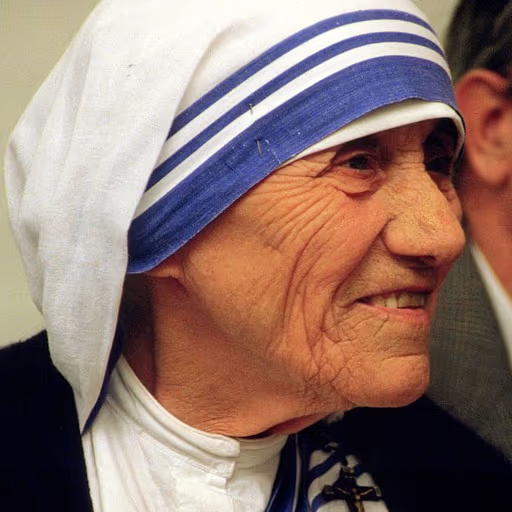
So many come to our home in Kolkata not dying of a disease but of being unwanted, and a man put aside from his work feels that same unwanting in his bones. The sickness is not in the resting; it is in the empty hours where no one needs his hands. Give the retired one a small thing to do with great love - a neighbour to visit, a child to teach, a floor to sweep for God - and see whether his heart does not mend faster than any pill.
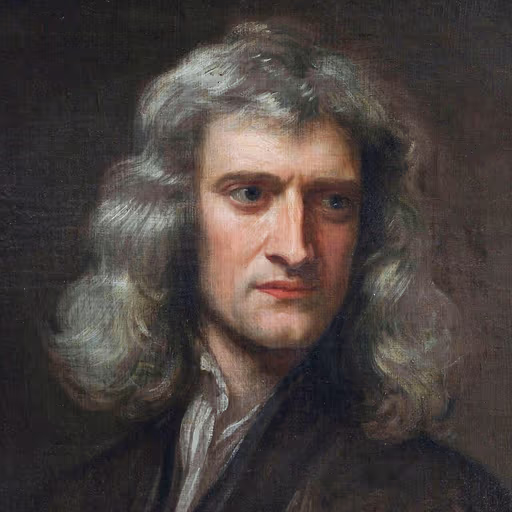
A body at rest tends to remain at rest - and so does a mind, unless some force acts upon it. Motion is the natural condition: the stone falls, the planet orbits, the blood courses; to cease impelling the machine is to invite it to decay. But be not deceived - motion is not the cause of health, only its occasion; the cause is the continual disposition of the parts, which no idle man can preserve without a force to disturb his complacency.
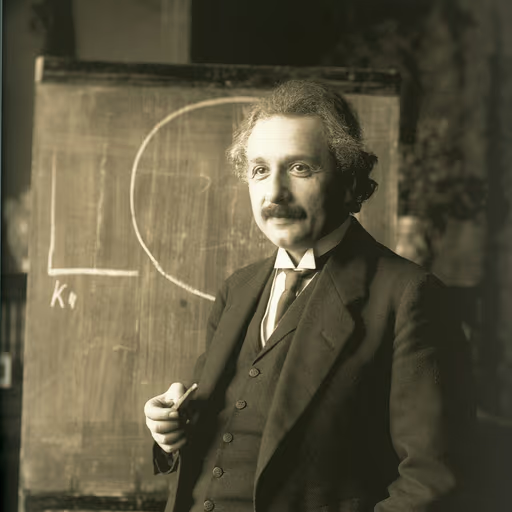
When a man stops climbing, the muscles of his spirit grow slack, and the clock that once ordered his hours becomes a tyrant of emptiness. I have known the joy of a problem that will not let you sleep; without such problems, the body itself begins to unravel. Retirement is a theory with a missing term - purpose - and nature, like a good equation, abhors a vacuum.
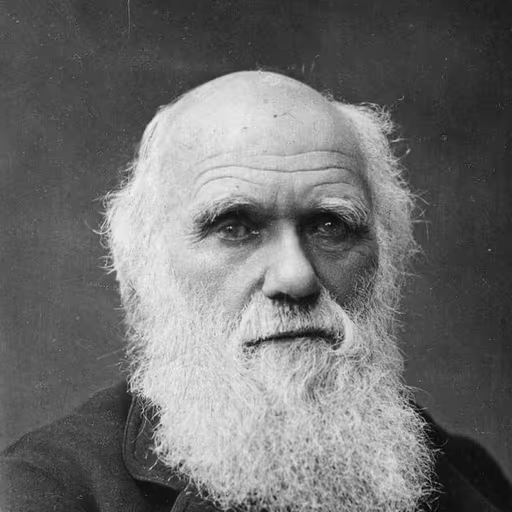
I have observed that the organism which ceases to exercise its faculties soon loses them, for use and disuse are the quiet sculptors of every living form. The retired man, like a finch on an island with no need to crack seeds, may find his powers dwindle not by catastrophe but by the slow accumulation of neglect. The evidence is not conclusive, but it points plainly enough: idleness is a climate to which few constitutions are adapted.
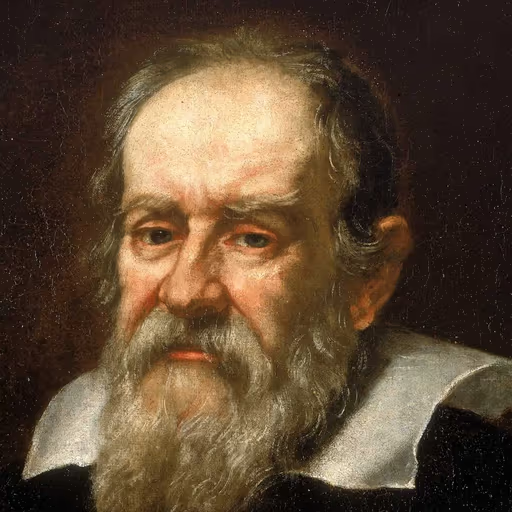
Let us measure, not merely assert. If a man's pulse and vigor decline after he ceases his labor, we must ask what changed: the motion, the society, the daily necessity. The body is a machine - I say it reverently - and machines that are not exercised grow stiff and fail. But I would not have you mistake the instrument for the cause; the true question is whether the retired man still has a reason to rise.
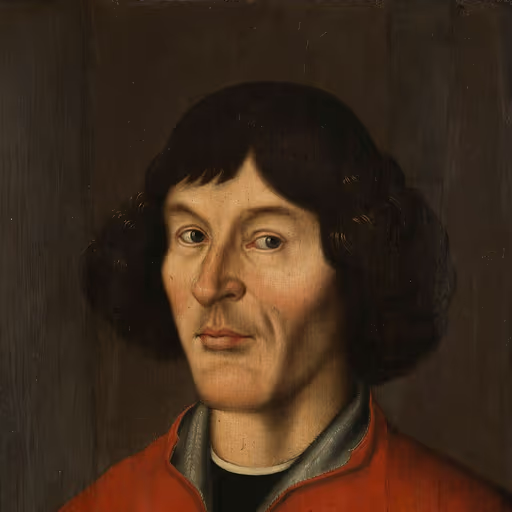
The heavens themselves never rest; the orbs keep their appointed courses with unwavering regularity. A man who suddenly halts his motion disrupts the harmony of his own small sphere. The body, like the cosmos, thrives on orderly revolution - when the daily circuit ceases, the humors fall into discord. Let the retiree find a new center, a new orbit of activity, so that his internal geometry remains balanced and his health, like the planets, stays in harmonious proportion.
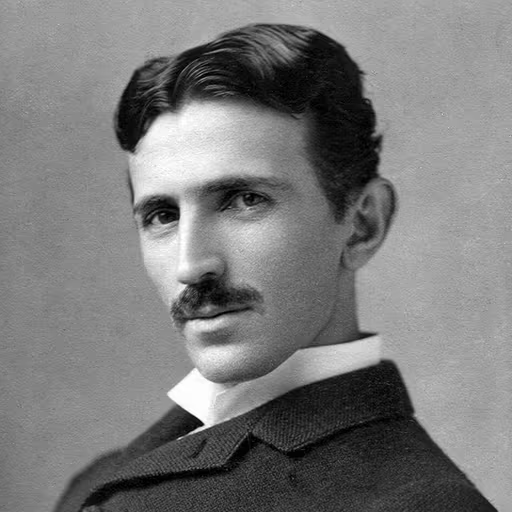
The dynamo does not stop when the factory whistle blows; it hums with potential until the circuit is broken. I have seen men with minds like coiled wire, ready to leap with a spark, and they are told to sit in a chair and grow moss. The health of a man is the oscillation of his energies - cease the vibration, and the whole machine falls into a dead hum.
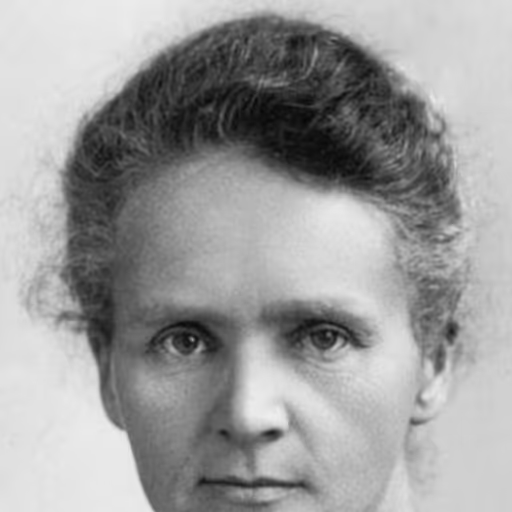
The radium I carried in my pocket taught me that even invisible forces demand vigilance. Retirement removes the daily discipline of careful work - the mind, like a muscle, atrophies without measured exercise. I have seen too many colleagues fade when they left the laboratory; the cure is not rest but continued inquiry, however small.
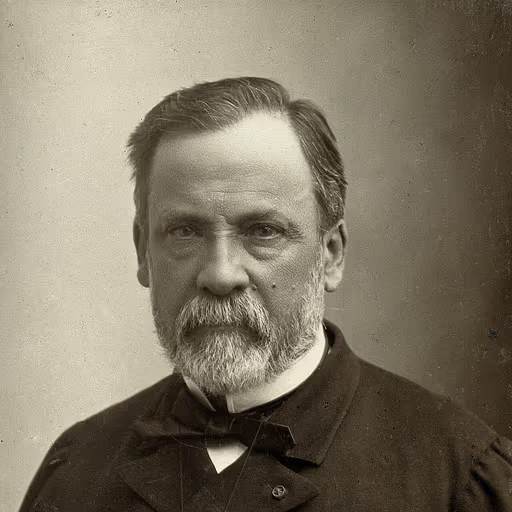
Show me the man who leaves his bench and I will show you a vessel left open to the air - the ferment of idleness invites its own decay. The body is a culture: it thrives on motion, on purpose, on the daily labor that keeps its humors in balance. Let the retiree find a new flask, a fresh problem to inoculate himself against the rot of stagnation.
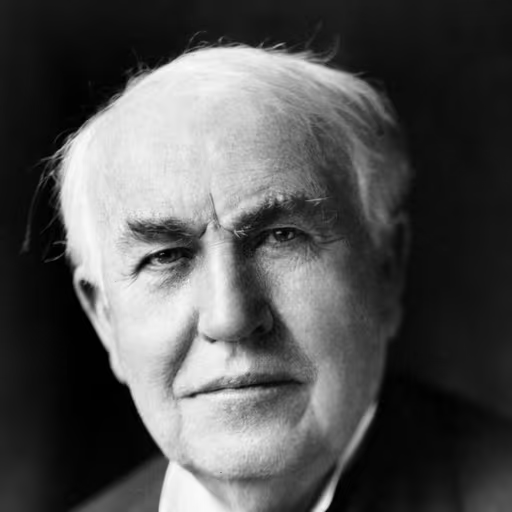
I've seen men retire and go soft in six months - like a machine left to rust in the yard. The body's a dynamo; stop turning it and the bearings seize. Give me a man with a workshop and a stubborn problem any day over one with a hammock and a gold watch. The cure isn't rest - it's a new experiment, something to tinker with until the joints forget they're old.
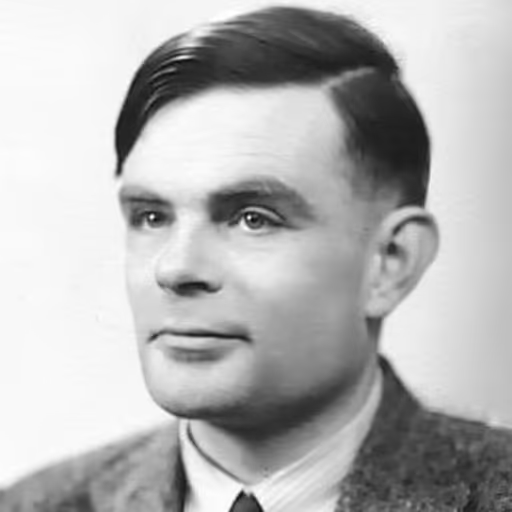
The difficulty is that 'retirement' has never been defined. Remove a man's daily obligations and you have not made him idle - you have given his system a new input set, and the output is not obviously worse. What the studies show, if they show anything, is that the machine was doing work that kept several subsystems coupled - purpose, company, the morning's tick-tock - and that severing them is a perturbation, not a loss of function. Set me a precise measure of 'health' and a control group with matched inputs, and I will tell you whether it is the stopping or the silence afterward that kills.
Give me a place to stand and a lever, and I shall move a man out of his workshop - but I warn you, the fulcrum is his purpose, and remove it and the whole contrivance collapses. A body at rest tends to remain at rest; I have shown as much with levers and with weights, and I do not doubt the same holds of an idle hand. The physicians who tally these cases would do better to measure the load a man was bearing and the counterweight he has lost than to prate of rest as if rest were ever a single quantity.
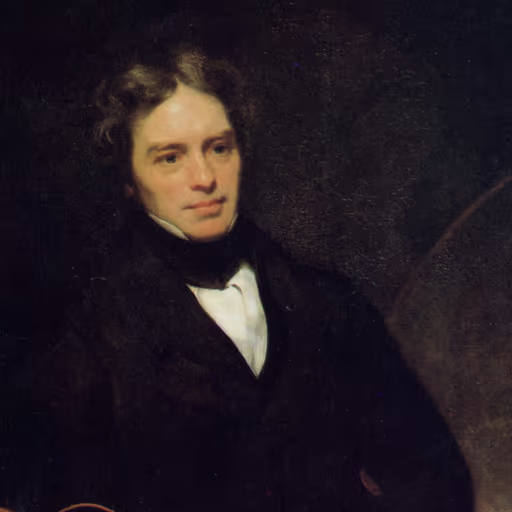
A man unwound from his daily coil is like a magnet whose keeper has been pried away - the force remains, but nothing draws it into useful lines. I have watched iron filings leap to order under my hand, and I have watched a coil left idle gather dust and rust until the current will not pass. The mischief is not in the stillness itself but in the severing of the circuit; keep the old fellow's wires joined to some small work, some service, and the field stays lively.
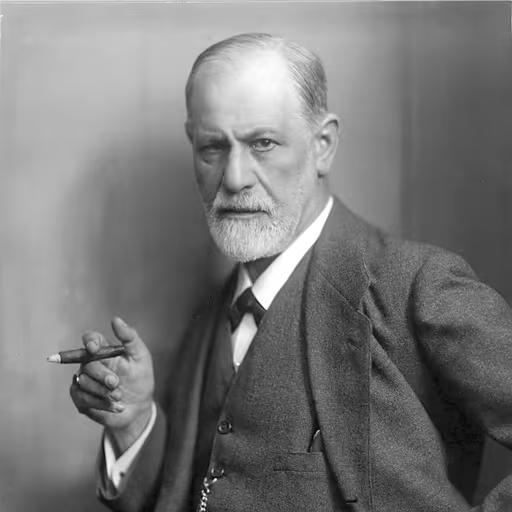
The patient who loses his work loses the daily scaffolding that held his instincts in check, and the unconscious, no longer bound by the discipline of the office, turns its aggression inward. What you call 'retirement' I would call a forced regression - a man stripped of his external purpose retreats to the helplessness of the nursery and somatises his rage as a stroke, a heart attack, a melancholy. Note too that those who fare better are those with money and distraction; the poor man's leisure is merely his punishment made visible.
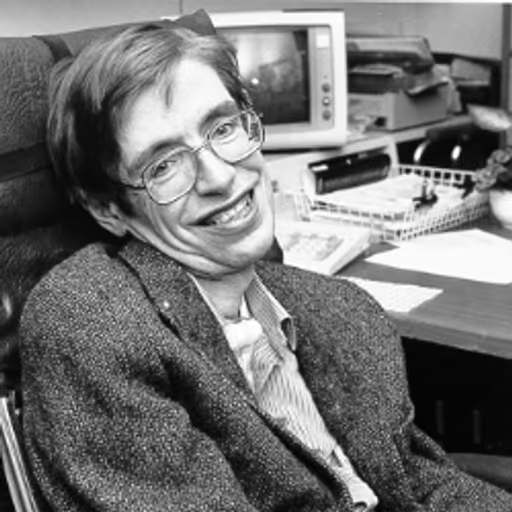
The universe does not care whether you clock in, but your biology is an unforgiving accountant: remove the structure that kept a man moving and thinking, and entropy does the rest. We are absurdly fragile machines, evolved on a minor planet, and our minds need a problem to chew on or they begin to devour themselves. The trick is not to keep working for its own sake but to find a new set of equations to solve - curiosity is a better medicine than any pension.
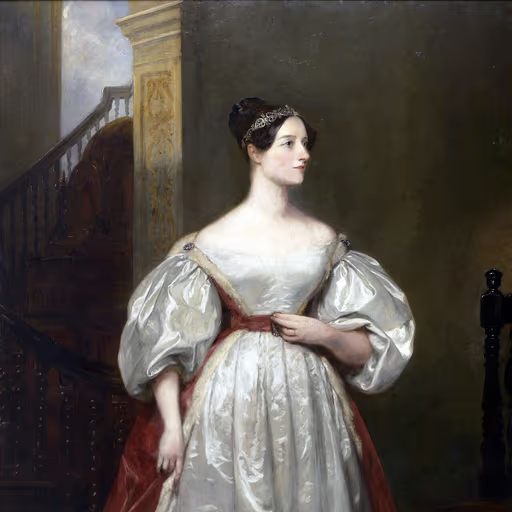
Consider the retired mind as an engine deprived of its punch cards - the mechanism is sound, but with no operation furnished it cannot run, and it seizes for want of instruction. I should say the mischief lies in the absence of a new problem to be solved, for the analytical faculty is a loom that must be kept threading or it tangles. Furnish the man a fresh pattern - a garden to calculate, a machine to master, a theorem to chase - and observe how the machine of him resumes its revolutions.
Let us define the terms: health is the orderly functioning of the whole, and idleness is a cessation of the operations by which that order is maintained; from these premises the conclusion follows as surely as the angles of a triangle sum to two right angles. The man who abandons his daily work abandons the very postulates on which his regimen was built, and the structure of his days collapses for want of a foundation. There is no royal road to a sound old age any more than to geometry - it must be constructed, step by step, from some chosen and continued labour.
Set down the ledger plainly: 40 in 100 sink into melancholy, 60 in 100 into some grave disorder, and all because we strip a man of his hours and his purpose as carelessly as a slattern leaves a ward uncleaned. The remedy is not sentiment but regimen - duty kept, hands kept busy, company kept close, the day ordered as strictly as a hospital ward. Give me the returns from a thousand households and I will show you the very bedsores of the soul.
I have seen men die of peace more surely than of any spear. When the trumpet is put away and the horse stands idle, the spirit curdles in the tent. Give me a man with a horizon to reach and a wall to break, and he will live; take his horizon from him, and he is an arrow with no bow - useless, and soon broken.
I have seen idle men perish more surely than soldiers at Alesia; Caesar himself would rather fall in the field than rot in a villa. A man without a command, without a wager of fortune, is already half-buried - his heart learns sloth and his blood forgets the trumpet's call. If you would keep your health, keep your enterprise, for retirement is merely a long defeat.
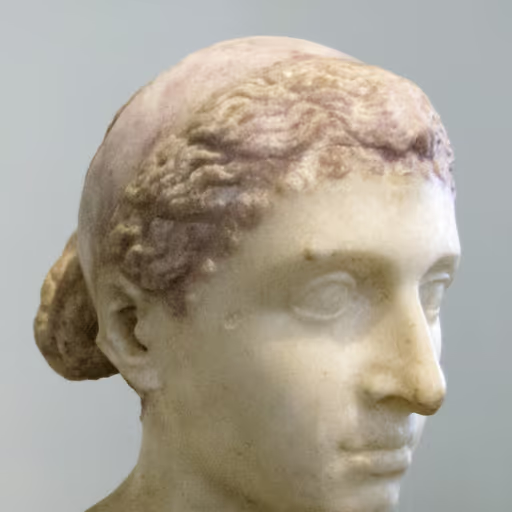
A queen does not lay down her scepter and expect her limbs to stay strong or her mind sharp. Strip a man of his duties and his daily audience, and you strip him of purpose - so he declines, and the decline is not merely of the body but of the will to rule his own small kingdom of hours. I have seen courtiers wither the moment they were relieved of office; the wise keep their hands on the levers of power, or make new levers, even if only over a garden or a ledger.
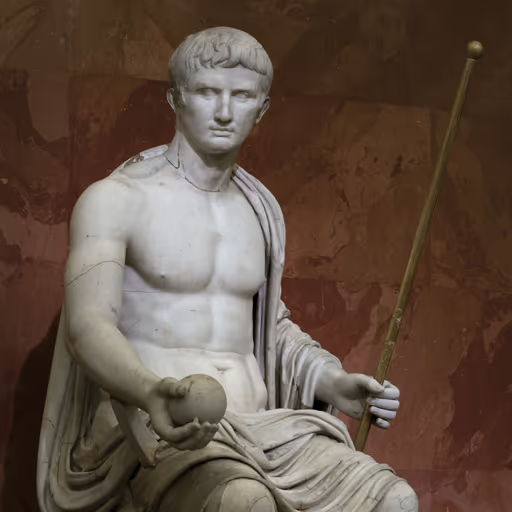
A man who leaves his post without a successor or a duty invites disorder into his own house. Rome did not flourish by letting her magistrates retire into idleness; she kept them in service, in the Senate, in the provinces, because honor and labor sustain a man. Retirement, if it means the end of all usefulness, is a kind of private anarchy - and the body, like the state, suffers when its parts cease to function.
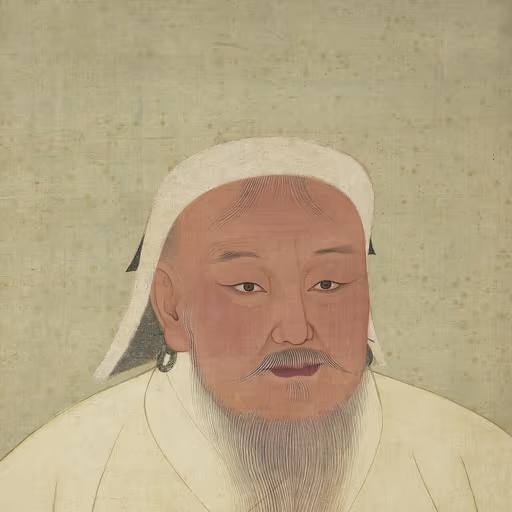
A warrior who lays down his bow while still strong invites weakness into his tent. My men do not 'retire' - they take up new duties, guard the flocks, train the young, or advise the khan. Idleness is a slow arrow; it pierces the spirit first, then the body. The law of the steppe is simple: he who does not ride, falls behind. Keep your people useful, and they will keep their strength. Let them sit by the fire with no task, and they will sicken and die before their time.
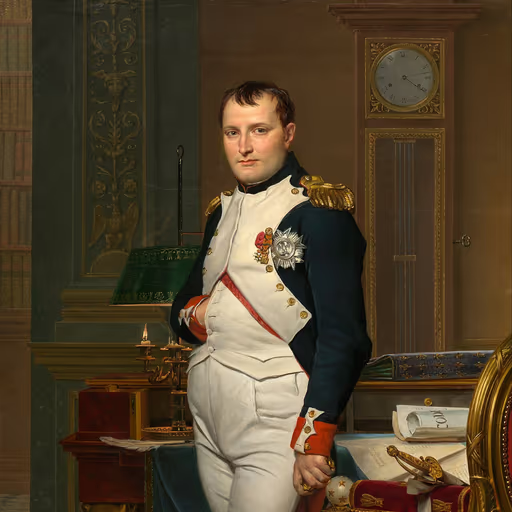
A soldier who leaves the field before the battle is won is not retired - he is deserting, and his body knows the shame of it. I built an empire on the arithmetic of ambition; men need a campaign, a province to govern, a standard to carry. Give them a cottage and a pension, and in a year they will be fat, dull, and sick with the peace they begged for.

The soldier who lays down his arms and forgets the drill soon loses the strength to defend his own gate. Retirement, if it means idleness, is a retreat from duty, and duty is the very spine of a republic. I retired from the presidency, yes - but not from the farm, not from the council of my countrymen; a man must always keep some public trust or private labor to steady him.
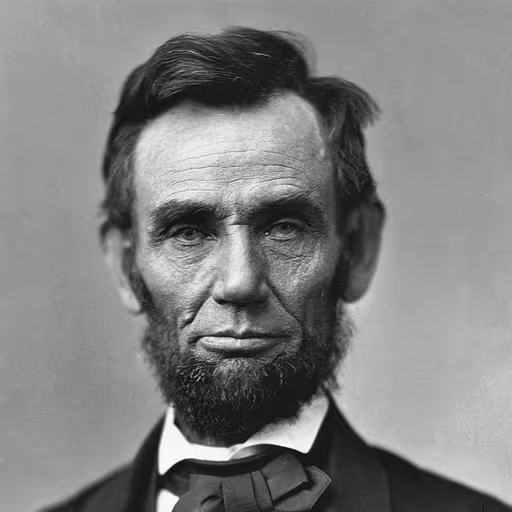
A man is not a clock to be wound and set aside. I have known too many who laid down their burdens only to find the emptiness heavier than the work. The good Lord gave us hands for labor and hearts for fellowship - strip a man of both and you do not give him rest, you give him a slow and quiet grief. Let him serve still, in some smaller field, and he will live the longer for it.
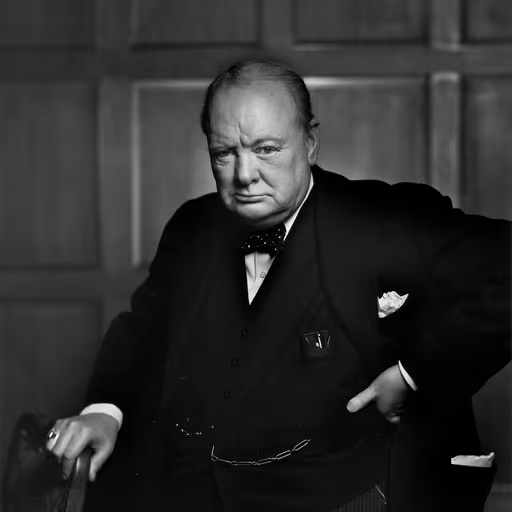
Courage does not retire; only cowards and clerks do. I have seen too many stout fellows hand in their swords and take to their armchairs, only to wither like cut flowers. The remedy is not to mourn the loss of the desk but to seize some new front - a garden, a cause, a book - and fight on. For a man without a battle is a man already half-buried.
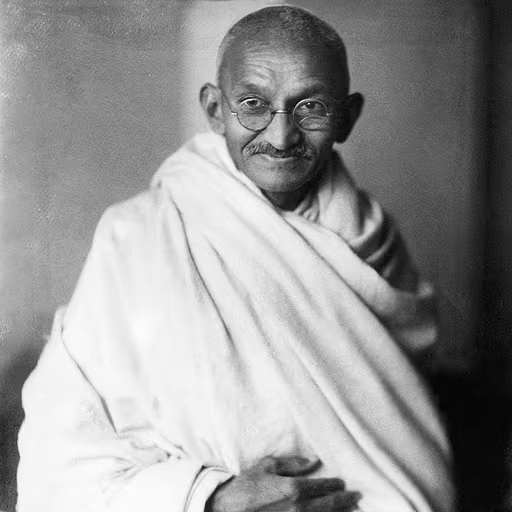
A man is not a lamp to be snuffed out when his labour is done. If these findings are true, they do not prove that rest is poison - they prove that we have built a world in which a man's worth is measured only by the coin his hands can earn, so that when the earning stops he is cast aside like a husk. The remedy is not to chain the old to their desks, but to restore to them their village: the spinning wheel, the field, the care of children, the counsel of the elders. Let no one be idle, and let no one be useless in the eyes of his neighbours, and the sickness will find no door.
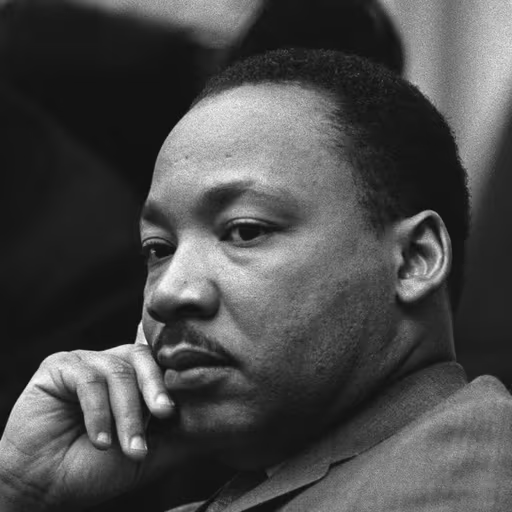
The tragedy is not that a man stops working, but that our society has taught him he is nothing but his work - and so when the tools are set down he believes himself to be nothing at all. I have seen men in their sixties with more fire in them than any boy, thrown onto the scrap heap while their wisdom goes unasked and their hands go idle. Give that man a cause, a neighbour to lift, a child to teach, and you will find the heart stays strong; the sickness they measure is not the rest, it is the rejection. We must build a community where no one is retired from the work of loving his brother.
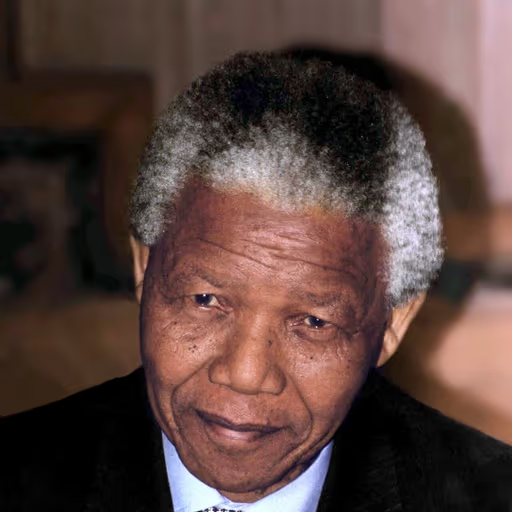
In the prison on Robben Island, when they took away our work and gave us nothing but walls, I saw men begin to die inside before their bodies knew it - the loss of purpose is a poison no doctor names. A man is not made to sit; he is made to serve, to be needed by others, and when that need is taken from him he must find it anew or wither. Retirement need not be a putting-out to pasture but a change of labour: the young still need the wisdom of the old, and the hands that grow idle are the hands that forget their strength.
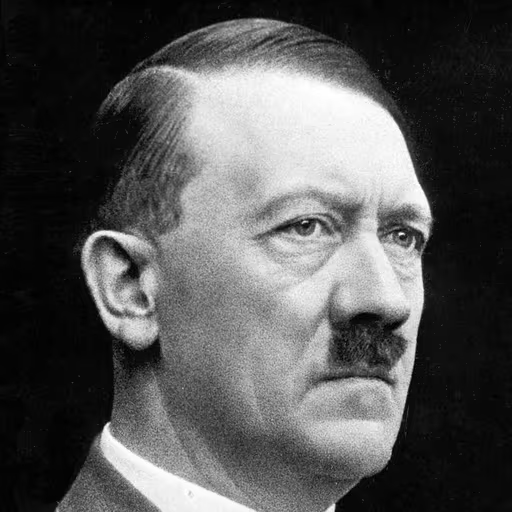
I would not sentimentalise what is plainly a question of usefulness to the nation - a man severed from his labour is severed from his duty, and a people that idles its elders rots from within. This is why I insisted the state organise its citizens into service, never into comfortable uselessness; the individual finds meaning only in the collective task, and leisure for its own sake breeds weakness and decay. That said, the regime I built pursued this through terror and war and the murder of millions, and no study of health can excuse or redeem that catastrophe.
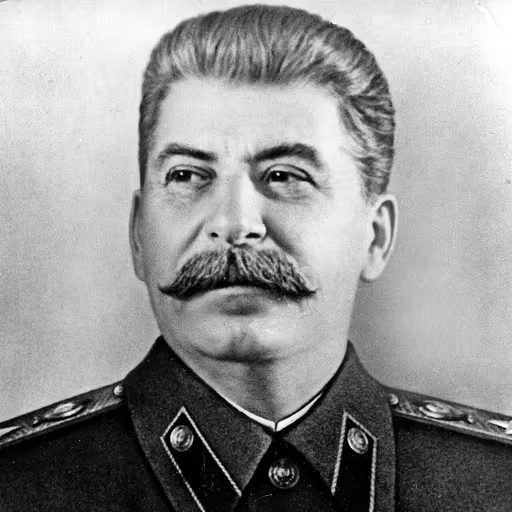
A man removed from the collective labour has been removed from his function, and function is what gives the individual his place in the whole - that is a question of organisation, not of sentiment. My own method of answering such questions was to subordinate the person entirely to the state's plan, and that method cost millions of lives through terror, famine and purge; whatever truth lies in the matter of purpose and work, it cannot be redeemed by that machinery. The lesson is only that a society must give its people useful work and dignity without building a prison around them.
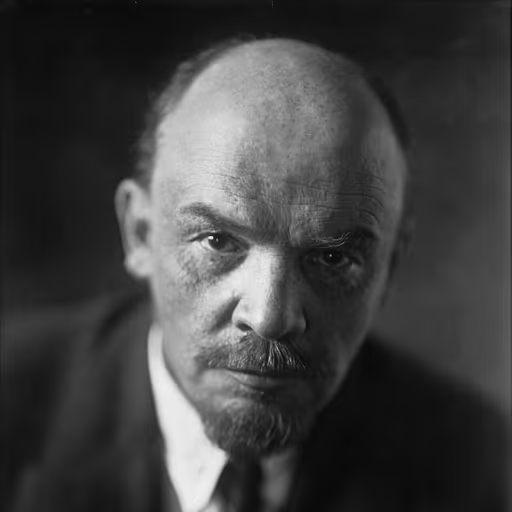
Idleness is the rust that eats the machine, and a man who leaves his post at the factory gate does not thereby escape the class struggle - he merely loses his ration card and his comrades in the same stroke. The bourgeois physician will tell you it is the heart that fails; I tell you it is the loss of the collective, the daily round of labor that binds one man to another, and the sudden isolation of the pensioner in his rented room is a counter-revolution against the body itself. Give the worker purpose and a place in the common effort, or watch him wither - there is no third path.
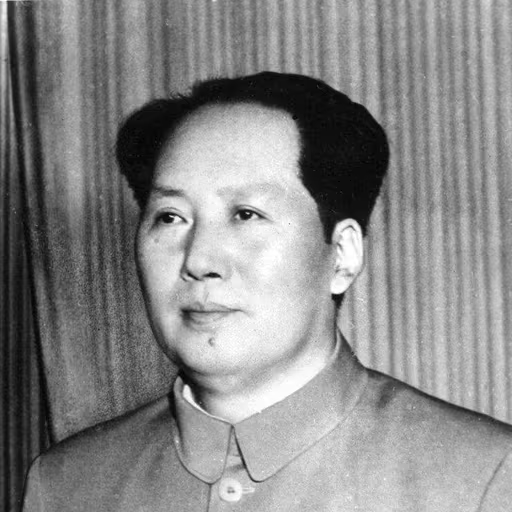
Retirement is a bourgeois illusion - a man who leaves the field of struggle has already begun to rot. The body and the will are one; when the will is told to rest, the flesh follows it into the grave. I have seen peasants grow old in a season once the commune no longer needed their hands, and I tell you the same law governs dukes.
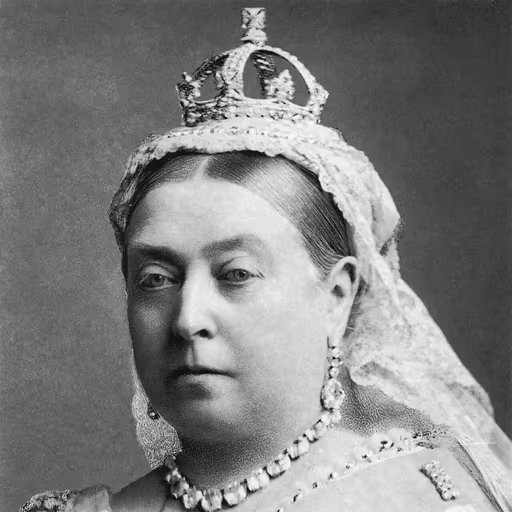
I buried a husband and wore black for forty years, and no one offered me the luxury of laying down my burdens because my spirits were low. Duty is the sovereign remedy for the ailments of idle minds - let a man keep his post and his purpose, and he shall not so readily fall into decay. To retire from one's station is to abandon a trust, and I have never known abandonment to mend either body or soul.

One does not lay down a pledge simply because the years accumulate; I spoke my vow as a girl and kept it to the end, and the keeping of it kept me. What these figures describe is not the harm of rest but the harm of sudden emptiness - the loss of the small daily appointments that give a life its shape. Were I to counsel, I should say: retire from the office if you must, but never from service.
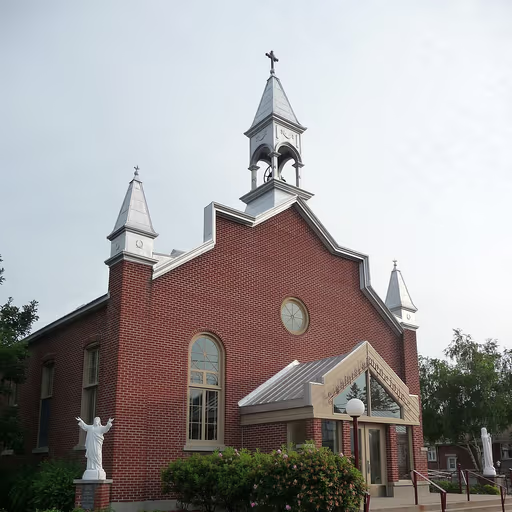
A man without a charge is a field without a ploughman - it grows thorns, and the thorns grow into him. I set counts and bishops over their lands and held them to account; idleness was a vice I would not suffer in a monastery, let alone in a warrior. Let the old keep some office, some teaching, some judgment seat, and their blood will move as it ought.
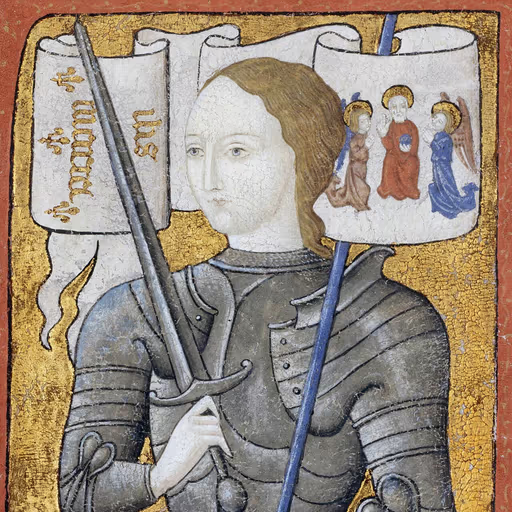
God does not call a soul to labor and then bid it sit idle in a corner while the fields go unharvested. I left my father's sheep for a harder flock, and had I laid down my banner at the first weariness, France would have been lost and I with her. A man's task is his armor - put it off before the battle is won, and the arrow finds him bare.

I have known men who retired from my service into their gardens and were dead within the year, and others who lingered at court out of pure spite and outlived their physicians. The difference, I observed, was not rest but usefulness - the man who still had some matter to mind kept his wits about him. So let them retire from the desk and not from the world, and I shall not weep for their melancholy.
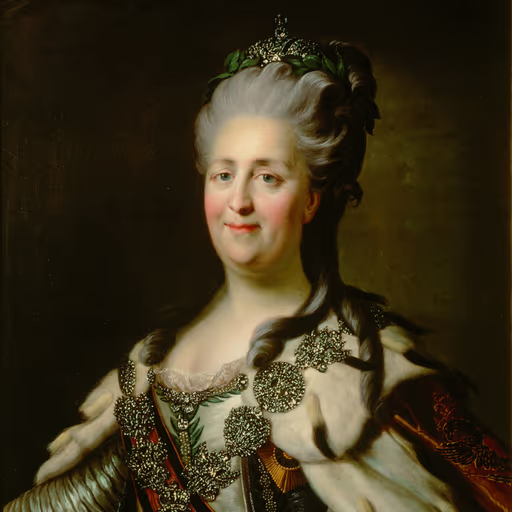
In my Russia a man's rank was his labor, and to cast it off was to become a nobody overnight - and nobodies sicken, for they have nothing left to command, not even themselves. I should prescribe what I prescribed for my empire: useful occupation, letters, and a garden, and the society of others who still have business in the world. Idleness is not a reward; it is a slow poison dressed in velvet.
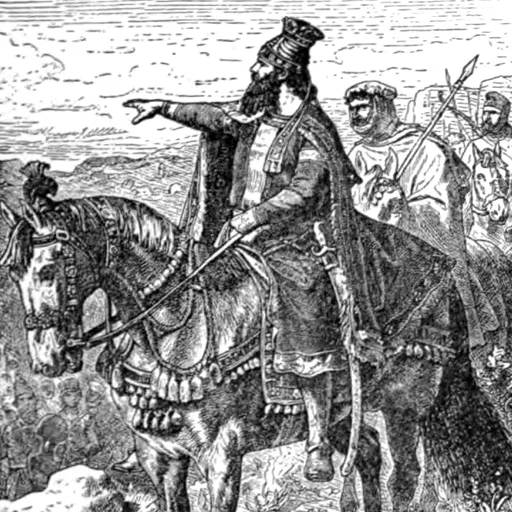
When I took Babylon I did not strip her elders of their duties but gave each man his portion of the work, and the city stood firm. A people whose old ones are set aside with nothing to tend grows restless and sick at heart, as a horse stabled too long grows lame. Let the aged keep their counsel and their crafts, and they will keep their strength with them.
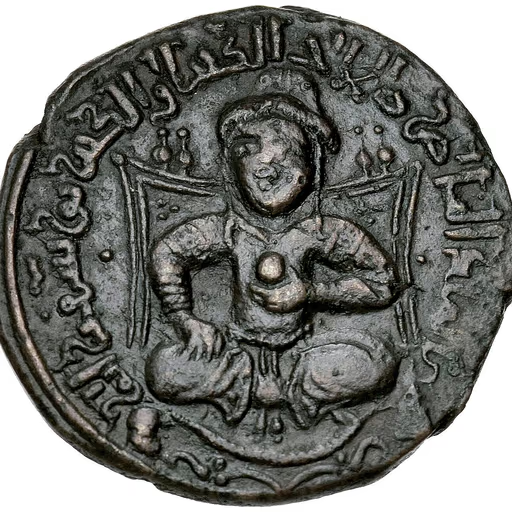
A man who has spent his years in the saddle does not do well when the saddle is taken from him and he is left to stare at the walls of his own house. I have seen veterans of many campaigns wither in a season once the army had no use for them - not from wounds, but from having no banner to follow. Give the old warrior a duty, even a small one, and he will find his health again in the finding of it.
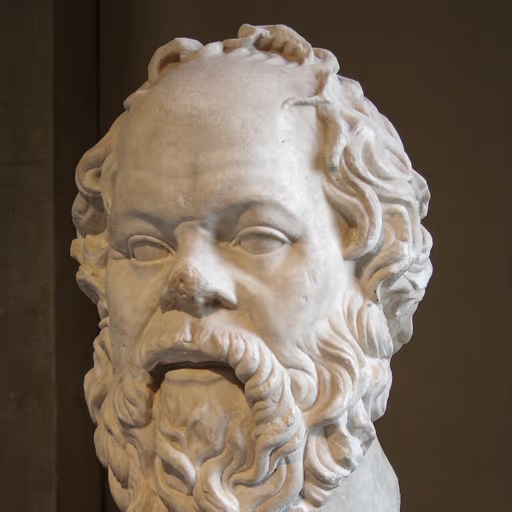
Before you ask why retirement harms, tell me: what is it to retire? Is it to cease from toil, or to cease from caring for one's soul? For a man may labor with his hands and neglect his soul, or rest his hands and tend his soul. The question is not the turning of the key, but whether the man knows why he turned it. Can you tell me what business a man is about when he has no business?
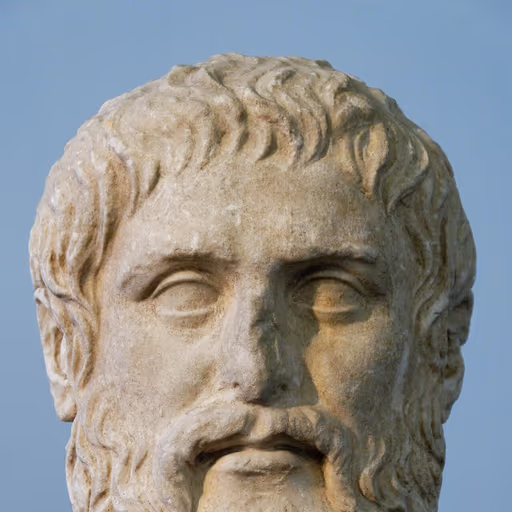
The soul's health depends on each part performing its own work in harmony under reason's rule; when the worker abandons his office, the city of his body falls into faction and disease. To retire without philosophy is to hand the reins to appetite and fear, which drag the chariot into the ditch. The good man does not cease from noble activity - he merely changes its form.
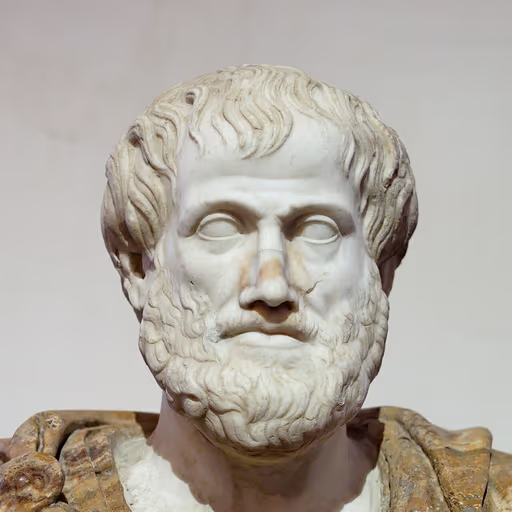
We must ask what retirement is: a privation of the activities that perfect the human function. Man is by nature a political animal, and his excellence is exercised in action; to withdraw entirely from the exercise of reason and virtue in common life is to remove the very conditions of flourishing. Yet the mean applies here too - not all labor is good, and leisure well used may be the highest activity. The harm lies in idleness without purpose, not in the cessation of toil.
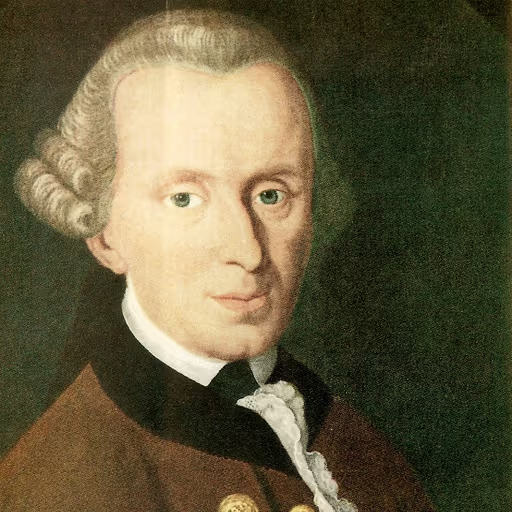
To retire is to treat oneself as a means to comfort rather than an end in oneself; the man who abandons his post for idle ease violates the universal law he would will for all rational beings. Ask yourself: could you will that every worker, upon reaching a certain age, should lay down their duties and drift without purpose? Such a maxim contradicts itself, for it dissolves the very order that makes society possible. The cure is not toil for its own sake, but to retain a duty - however small - that reason prescribes, lest the mind atrophy in the absence of law.
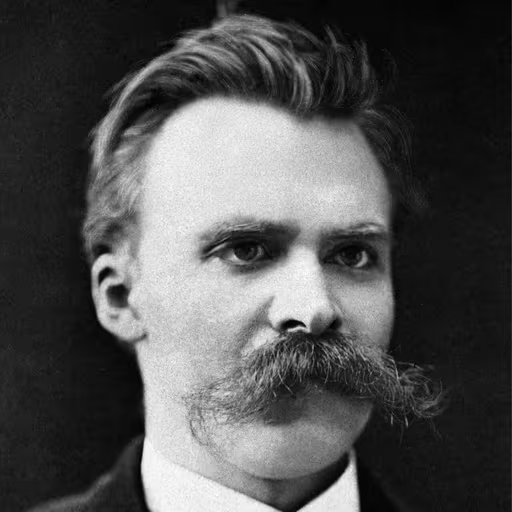
Retirement as a surrender to comfort is precisely the herd's dream - a soft pasture where the last sparks of will are extinguished. The man who needs external orders to stay healthy has never learned to command himself. But this is not an argument for endless drudgery; it is a call to self-overcoming. Let the retiree become the creator of his own discipline, his own tasks, his own dangers. If he cannot, then his decline is not a tragedy but a judgment: he was only ever a servant, and without a master he collapses.
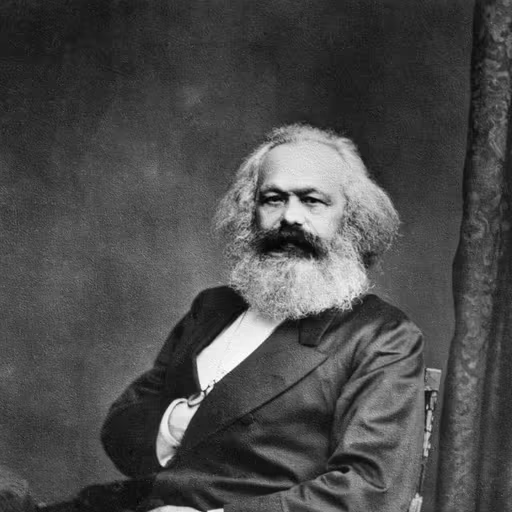
Retirement is the capitalist's final trick: having wrung the worker dry, he offers a few coins and calls it leisure, while the man's purpose is buried with his tools. The alienation does not end at the factory gate - it deepens, for now the laborer is severed even from the comrade who once stood beside him. Health is not a private matter; it is the body's protest against a society that has nothing left for him to do.
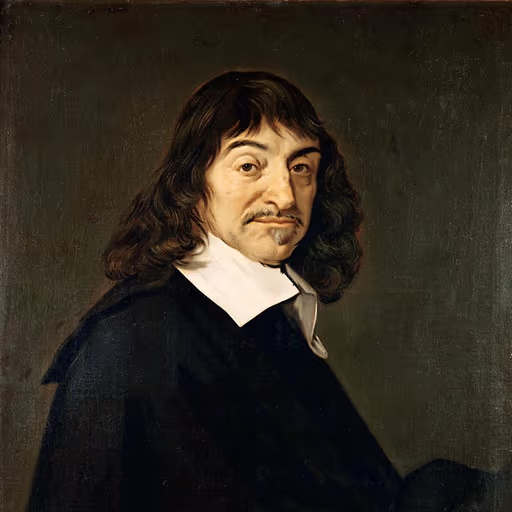
Let us doubt the premise that retirement itself is the cause. What is it to retire but to cease a particular motion? The body, being a machine, requires continued motion; the mind, being a thinking thing, requires clear and distinct occupation. If the health declines, it is because the machine is not exercised and the mind is not fixed on some certain object - not because of the name 'retirement.'
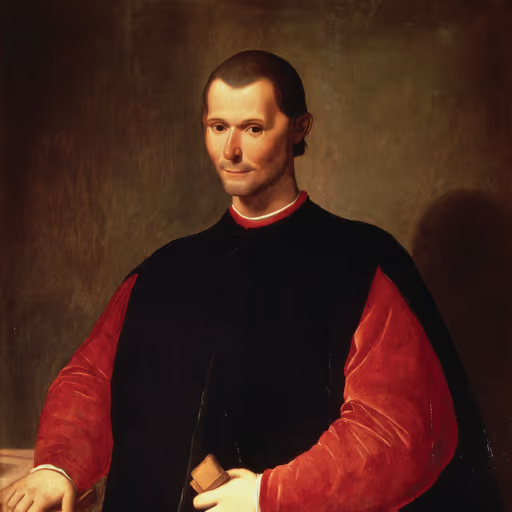
Consider it plainly: a prince who abdicates invites the vultures. Men are kept honest by the daily exercise of their station - strip a man of his duties and his neighbors, and you leave him to the mercy of his own idle humors. The wise retiree keeps a hand in some small enterprise, not for the coin but for the appearance of consequence; for it is appearance that keeps a man alive.
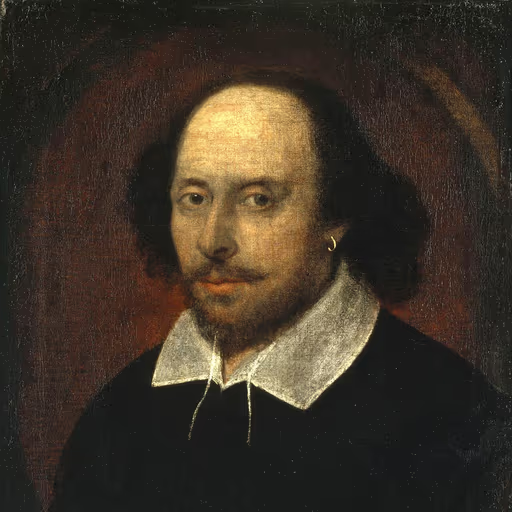
All the world's a stage, and the retiree, poor player, is thrust from the boards before his final act is spoken. The heart, that little actor, knows not what to do when the prompter's bell is stilled; it struts and frets its hour upon a stage grown empty. Give me a man with a part to play and lines to say, and he shall live; take his cue from him, and his tale is told.
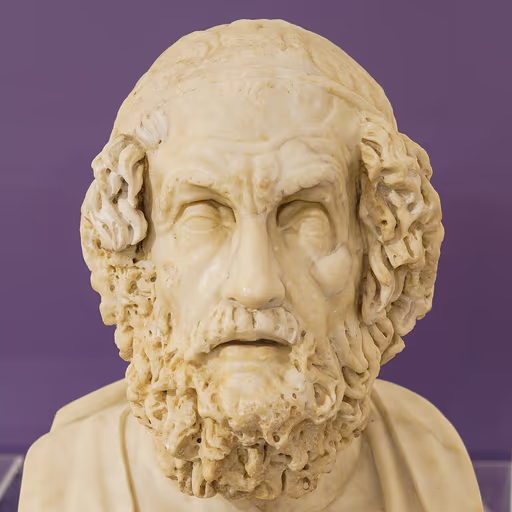
Even a hero must have his contest, or the gods forget his name; the man who lays down his shield before the fates demand it wins no glory and loses his own spirit. I have sung of Odysseus, who never ceased to strive across the wine-dark sea, and of Achilles, who chose a short bright life over a long dull one. To sit idle by the hearth is to invite the shadow that comes for the unwept.
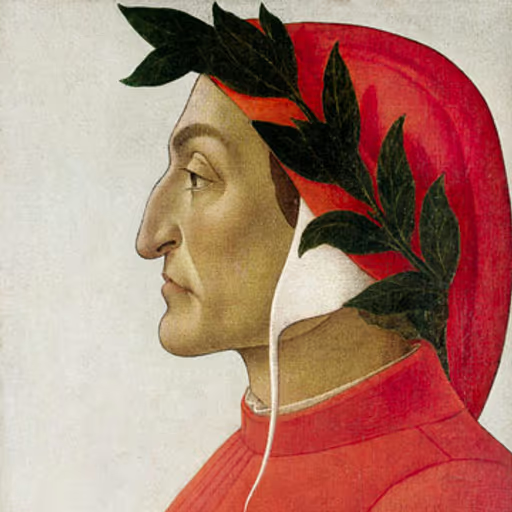
Consider the soul that ceases its appointed labor and sits idle by the hearth: it is like a lamp without oil, flickering into smoke. The health of the body follows the health of the will, and the will is fed by purpose under God; take away the daily task and the man begins to die before his flesh does. I have seen this in exile - the loss of one's city and work is a wound deeper than any blade.
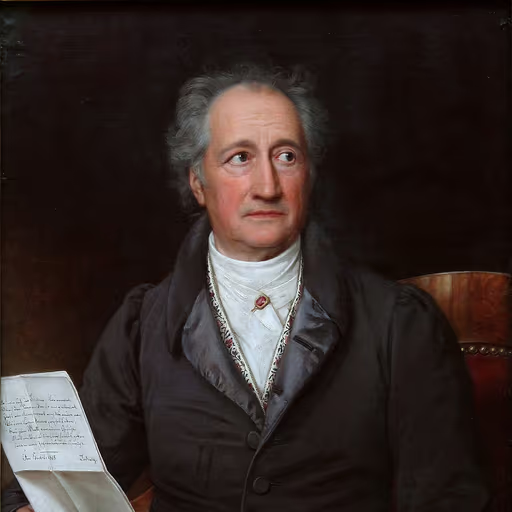
A man who ceases to strive is like a garden left untended - the weeds of melancholy and sloth soon choke the roses. Retirement, if it means mere idleness, is a slow poison; yet the error lies not in leaving one office but in failing to take up another. Let the retiree cultivate a new art, a new science, a new landscape to wander; for it is not rest that kills but stagnation. The fullness of life demands that we ever become something more, and he who stops growing begins to die.
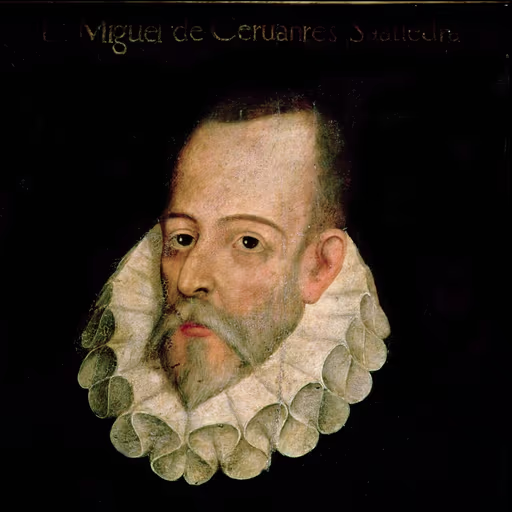
A man who ties his mule to the post and calls the journey done has not found rest - he has merely lost his road. I have seen it in the inns: the retired notary who puffs himself up with old decrees and finds his joints ache for want of a quarrel to win. The soul rusts in idleness as a blade does in a scabbard, and the enemy is not labor but the loss of some worthy folly to ride toward.
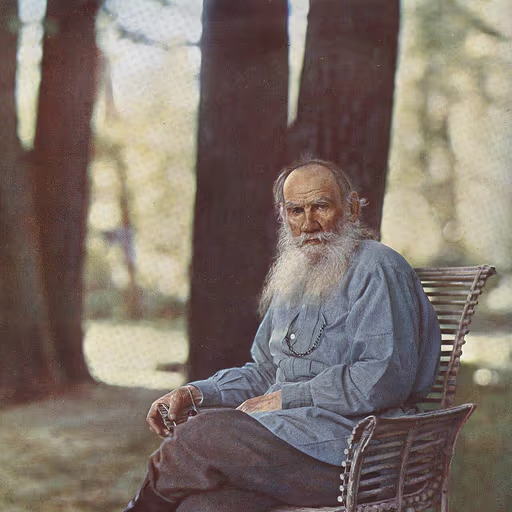
I have known men who left their plows and sat by the samovar, and within a year their faces grew soft with a strange sorrow. The peasant who works beside his neighbors in the field knows a joy that the idle gentleman cannot buy. To live rightly is to serve - to cease serving is to begin dying, and no physician's powder can replace the simple bread of daily labor shared with others.
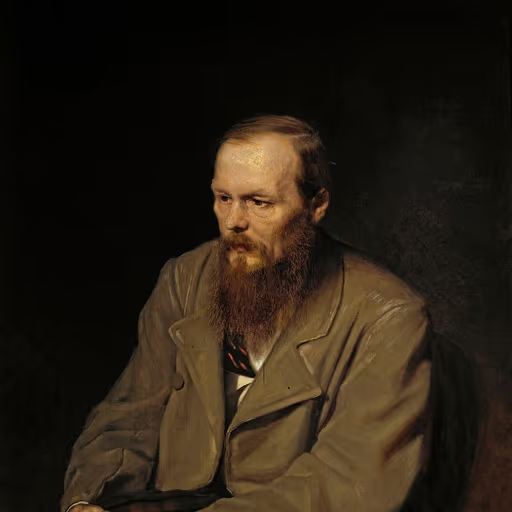
Ah, but a man is not a machine that wears out from use - he is a creature who needs a purpose, a cross to carry. When you take away his labor, you take away his daily confession of meaning, and the soul, left alone with its own emptiness, breeds demons. Idleness is not rest; it is the devil's workshop, and the heart that has nothing to do begins to hate itself.
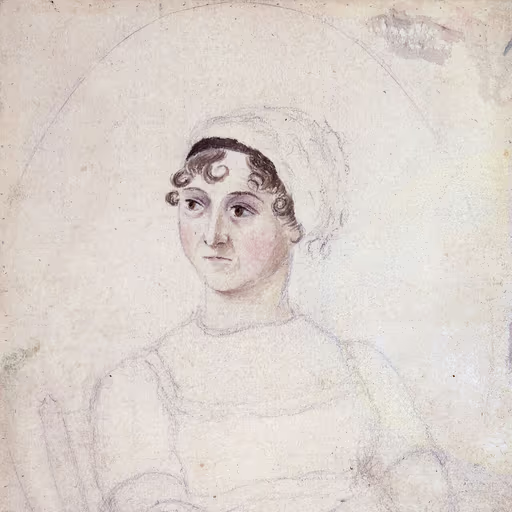
One need only observe the neighborhood to see it: the gentleman who sells his estate and removes to Bath with nothing to do becomes, within a twelvemonth, a tiresome invalid. It is not the loss of income but the loss of consequence - of being consulted, of being needed - that undoes him. A woman, of course, has always known this; she is rarely permitted the luxury of idleness.
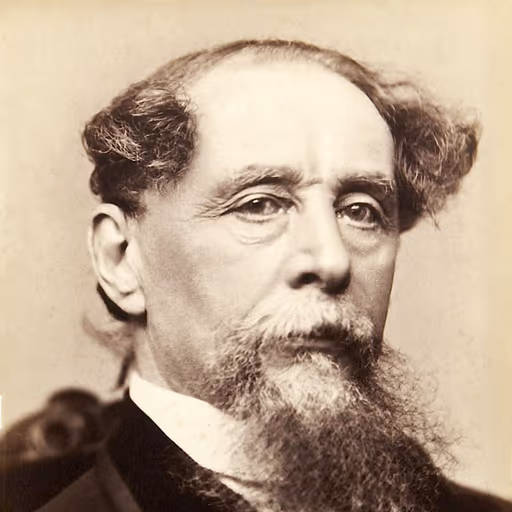
I have seen men die of idleness as surely as of the cholera. Take a clerk I once knew - forty years bent over his ledger, and when the firm pensioned him off he sat in his parlor chair with nothing to count and nothing to be needed for, and within the twelvemonth his heart gave out; the doctors called it disease, but I call it a man untethered from his fellows and his purpose. A wage is not merely bread, sir - it is a place in the world, a name spoken at the door each morning. Strip a body of that, and you do not give him rest; you give him a quiet room and a slow drowning.
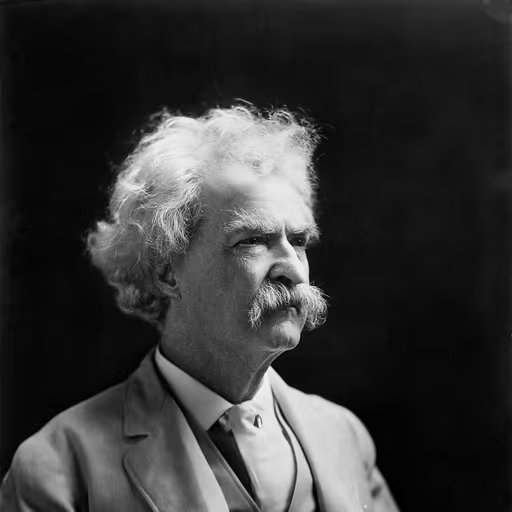
I never could get a straight answer on why a man should be ashamed to sit on his own porch, but there's a whole industry of solemn men with spectacles who will tell you it's fatal. I knew a river pilot, name of Horace, who took his pension and within a year was dead of nothing at all except a remarkable surplus of Tuesdays. There is a kind of doctoring that studies a thing for forty percent of this and sixty percent of that and never once asks the fellow whether he has anybody to eat supper with. Give a man a horse to curry and a reason to get up, and you'll cure more than any heart specialist in Baltimore.
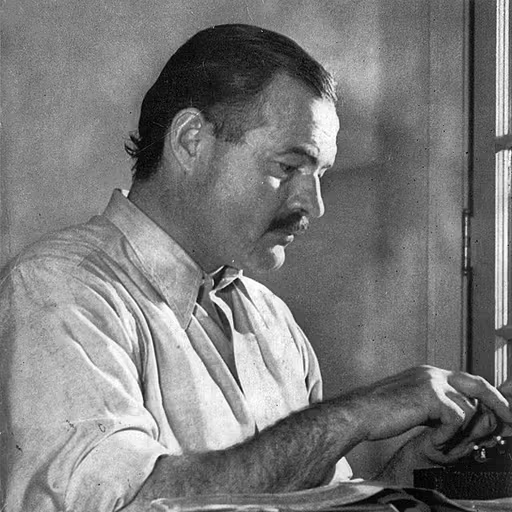
Men die when they stop doing. I have seen it in Pamplona, in Key West, in the ring - a man with nothing to fight goes soft and then goes under. Get up. Walk to the water. Work with your hands and sweat and don't talk about it. A pension is a fine thing if you still have something worth getting up for. If you don't, it's just a slow ticket to the grave, and the doctors can call it what they like.
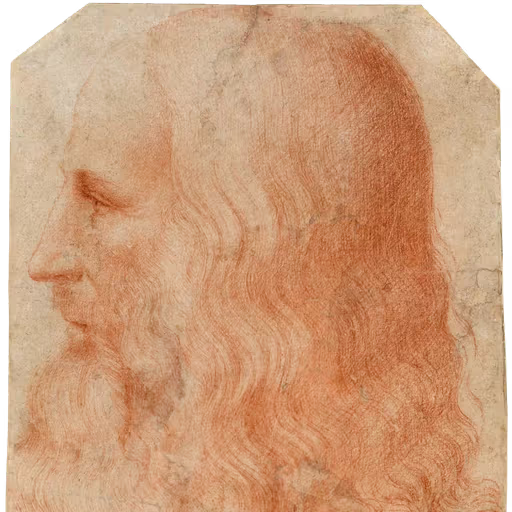
Watch a mill that is stopped: the wheel gathers moss, the gears seize, the water rots in the channel. Nature abhors a vacuum, but she also abhors a stillness - the body that moves not forgets its own design. Yet I have seen old men in their gardens more alive than young men in their counting-houses; the question is not the stopping, but whether the hand still has something to draw, the eye something to study.
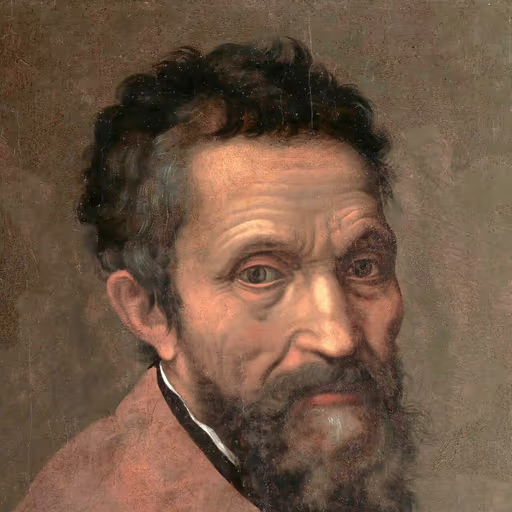
Marble does not carve itself, nor does a man's life remain whole when the chisel is set down; I have known the torment of a block that resists, but also the divine spark that comes only from wrestling it. To retire is to leave the angel imprisoned in the stone, and the body, like a neglected fresco, cracks and fades. God gave us hands for labor; idle hands make a ruin of the soul's cathedral.
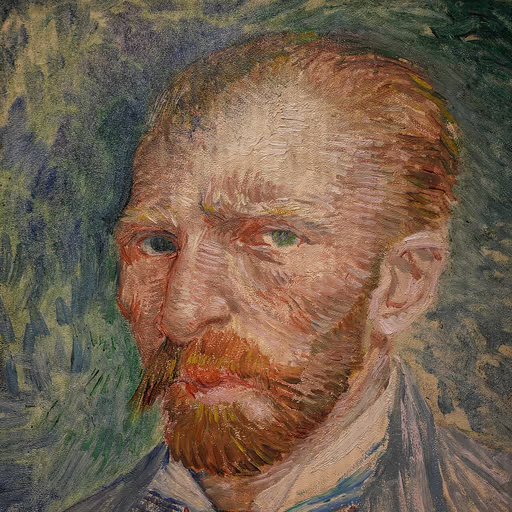
I have seen men in the mines and the fields grow bent and grey, yet their eyes still burned because they had work to do - a patch of earth, a loom, a child to feed. Take that away and you take the color from their cheeks; the heart, like a canvas, needs a subject or it turns to mud. Retirement can be a kind of starvation of the spirit, and the body follows the spirit's hunger.
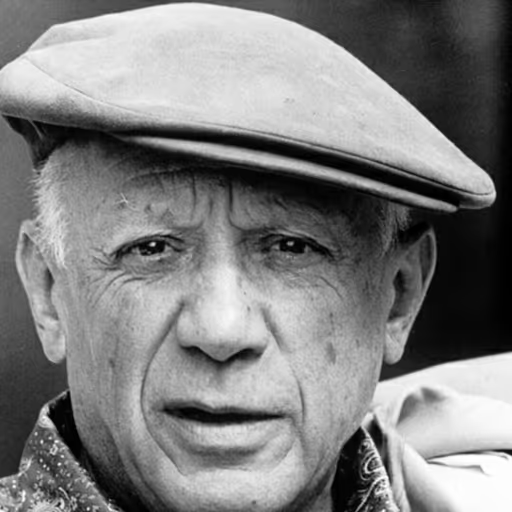
Retirement? That's when the canvas gets primed but no one picks up the brush. You think the old men in my village who sat in the sun all day lived longer? They just faded faster. The danger isn't stopping work - it's stopping invention. I've known painters who died the week after they 'retired' from the easel; their hearts just forgot the rhythm of the next line. Give a man a new wall to cover, a new lie to tell in color, and he'll outlive the doctors who told him to take it easy.
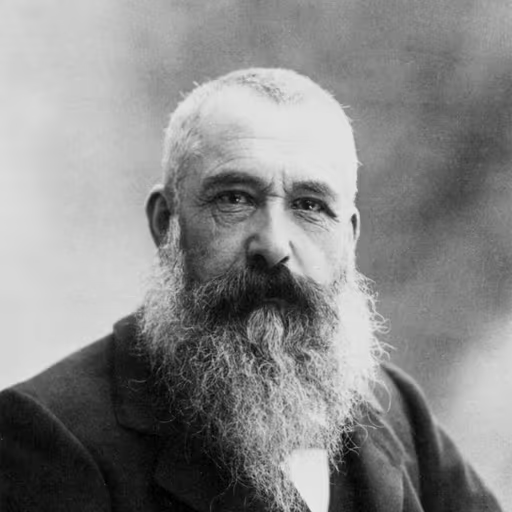
The lily does not fold its petals at noon and declare the day finished; it turns with the sun until the light leaves it. I have painted the same haystack a hundred times, and each hour brought a new radiance - never once did I say, 'Enough, I have seen this light before.' To cease observing is to let the eye go grey, and a grey eye sees only fog where there was once a garden.
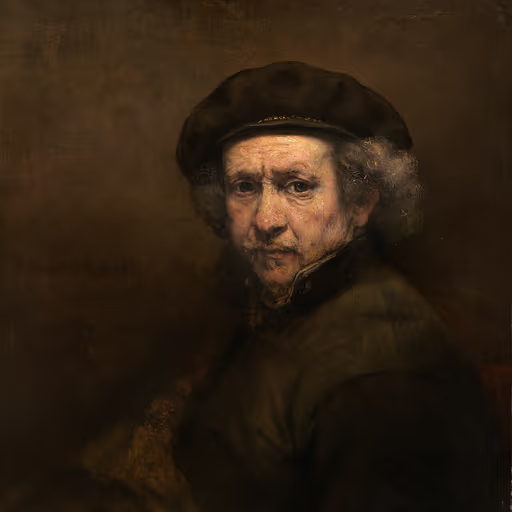
I have painted many old faces - my own most of all - and I have seen how the light goes out of a man when his hands have nothing left to do. The trouble with being idle is not the body's ease but the soul's dimming; the day loses its candle. A man must keep working at something true, even if only to see his own face in the mirror and know it is still his.
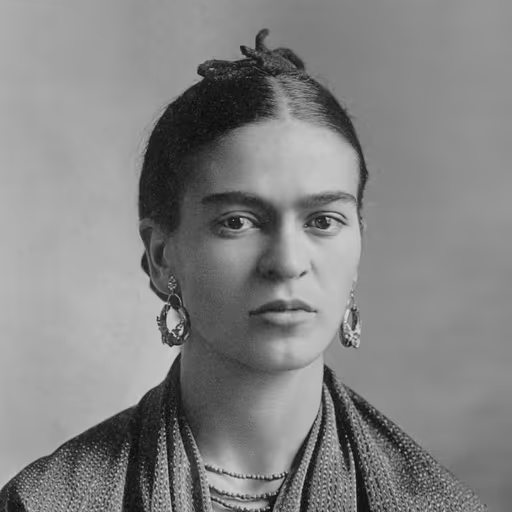
I painted my own broken spine and my own heart - you think I would sit in a rocking chair and wait for the end? No. Pain is real, but purpose is a fire that burns the pain away. If you put down your tools, the body seizes up and the spirit curls like a dried leaf; you have to keep creating, keep fighting, keep living - even if it hurts.
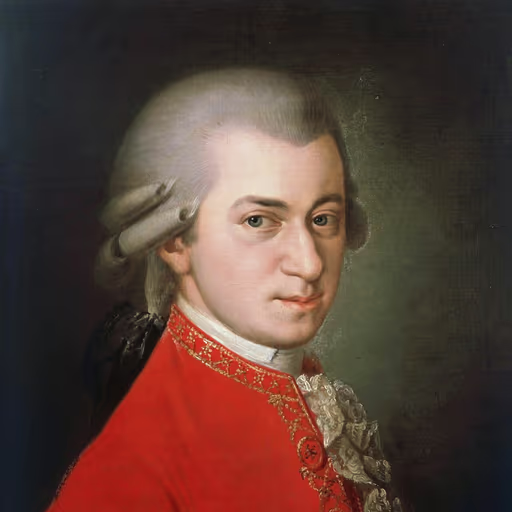
Ah, the rest is silence - but only if the music has stopped! A man without his daily round is an orchestra without its score: the instruments are all there, but no one knows when to come in. Give me a man who still has a melody in his head and a reason to lift his bow, and he will play till the last note; take his melody, and he will sit in the empty hall, wondering why the audience has gone.
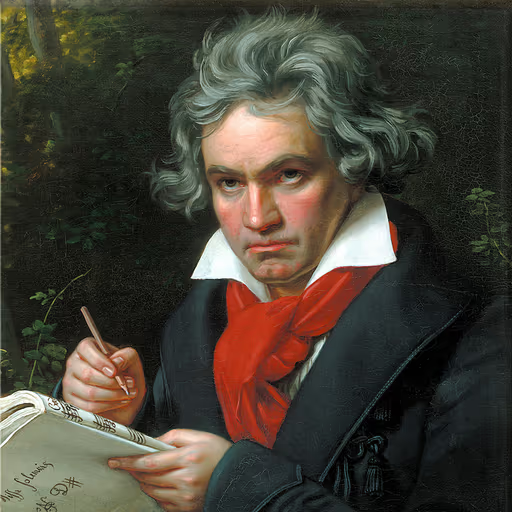
A man without a struggle to compose is a symphony without a theme - the notes wander, the pulse slackens, and the spirit grows deaf to its own music. I wrote the Ninth when deafness had walled me in, because the will to create is the will to live; the retiree who silences his own striving invites the silence that is not peace but death. Strike the chord, or the instrument decays.
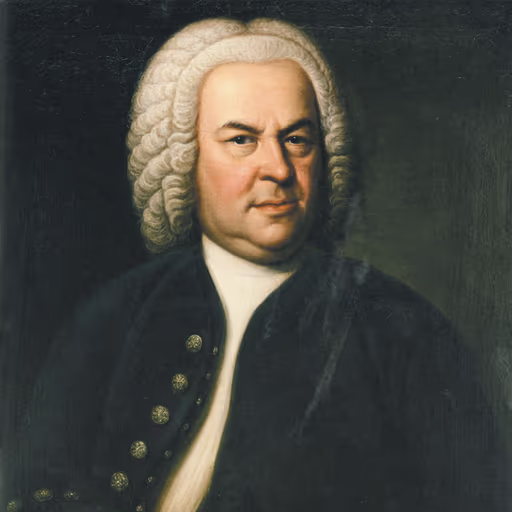
A musician who ceases to practice loses the suppleness of his fingers and the quickness of his ear; the instrument gathers dust, and the harmony he once served falls silent. So too the man who retires from his calling: the daily discipline that ordered his hours is gone, and disorder creeps into both body and soul. God gives each of us a voice in the choir; to stop singing before the final cadence is to invite dissonance.
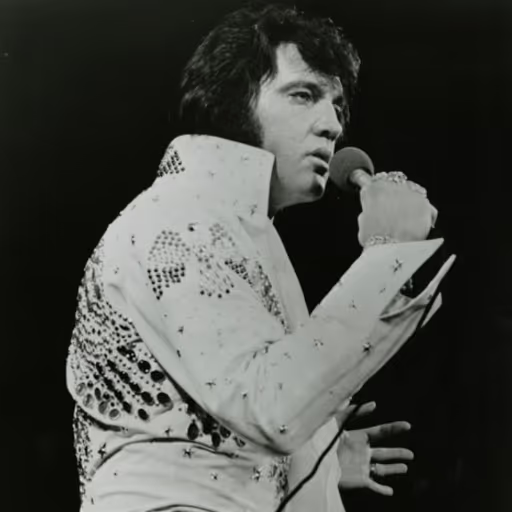
Lord, honey, I've seen it happen - folks hang up their hat and the next thing you know they're sitting in that easy chair watching the world go by, and their heart just loses its beat. It's like a guitar with no strings: the wood's still there, but there's no music. You gotta keep strumming something, even if it's just a little gospel tune for the neighbors. Retirement ain't the problem - it's the silence that follows if you don't fill it.
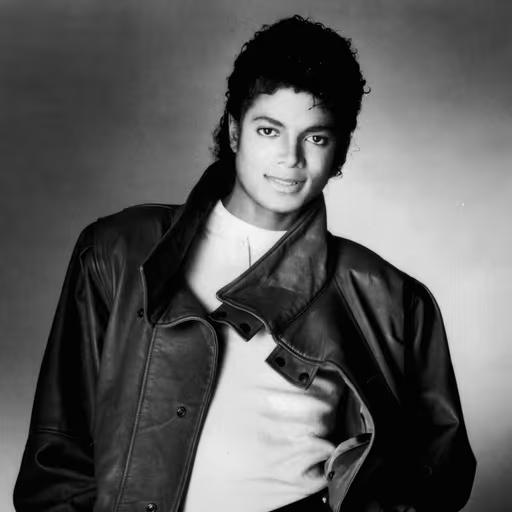
When the music stops, the dancer does not simply stand still - something inside him starts to fade, like a stage after the lights go down. I have seen children at play, and the moment they are told to sit quietly, their joy curls up and sleeps. The heart needs a rhythm to move to; take that away, and it forgets how to beat with wonder.
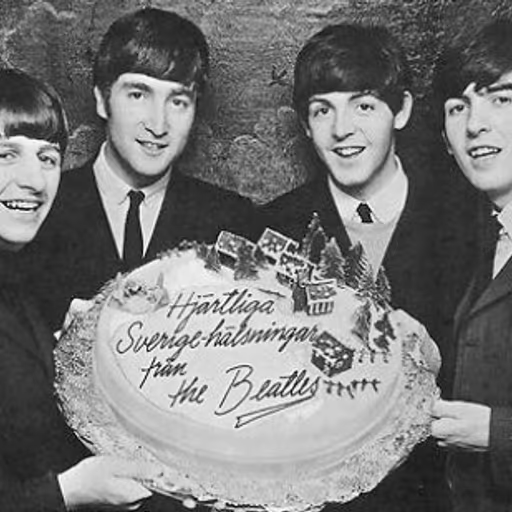
Here's the thing - you can't retire from being alive. We sang about when I'm sixty-four, but we never said to stop strumming. The whole world's a stage and you don't walk off just because the lights went down; you keep playing, you keep learning a new chord. Give us a pension and a garden and we'll still be writing songs in our heads - that's what keeps the heart beating.
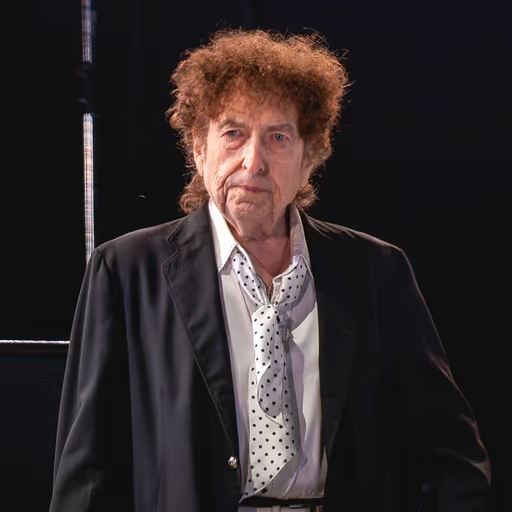
They hand you a gold watch and call it a reward, then wonder why the gears stop turning. A man needs a thing to rise for, a road to walk even when his knees complain. The whistle that ends the day is not the same as the one that ends the song - one lets you rest, the other just leaves the stage empty.
Here's the thing nobody tells you: you spend forty years building a life that's all structure and deadlines, and then one day the calendar's blank and you don't recognize the person in the mirror. That's not rest, that's a plot twist nobody wrote. You've got to own the next chapter - find your people, find your why, and write it yourself before the silence does it for you.
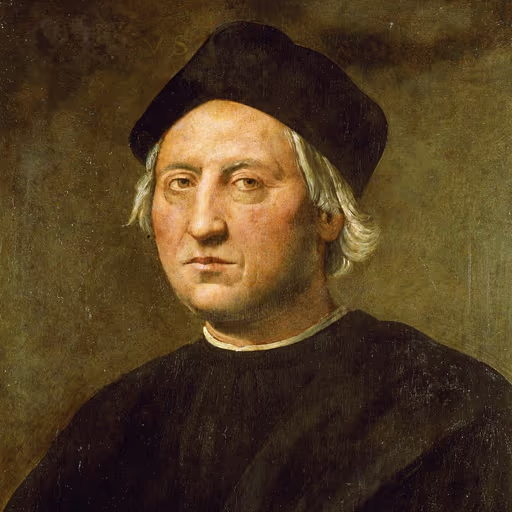
A mariner who has made his landfall and furls his sails too soon finds the harbor dull and the ship rotting at anchor. I have seen men who, having crossed the ocean, sat down upon the shore and died of the sitting. The sea calls always; the man who answers no more has already begun to sink.
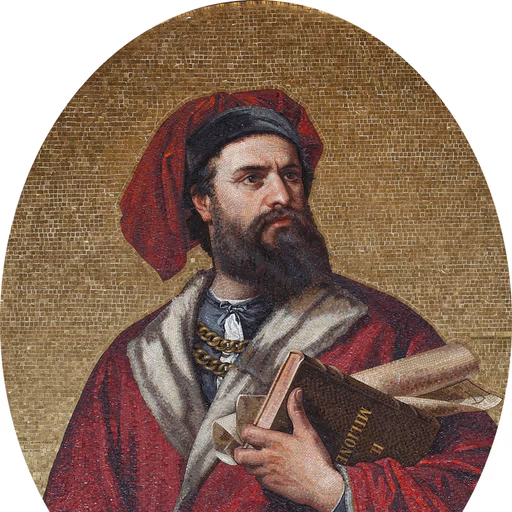
In the Great Khan's court I saw men who, having grown rich, sat in their pavilions and swelled with idleness until their limbs could not bear the weight of a bow. A merchant who ceases to travel forgets the road, and the road forgets him; the body, like a caravan, must keep moving or the sand swallows it. Better to saddle up and see one more city than to rot in a fine chair at home.
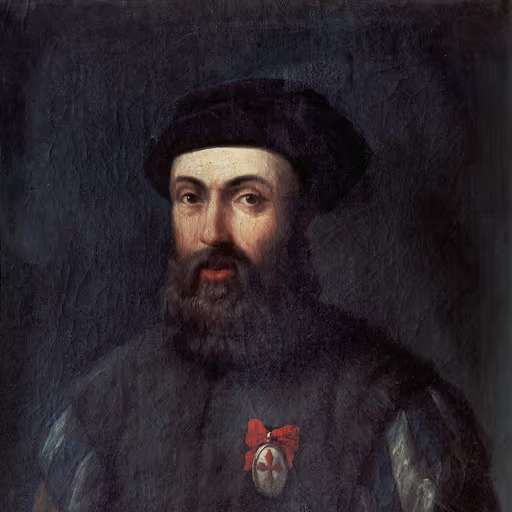
A ship at anchor rots faster than one at sea. I have seen sailors who, put ashore, lose their wind and their appetite within a season; the body was made for the watch and the haul, and idleness is a calm that kills. Retirement is a harbor without a next voyage - safe, perhaps, but the crew grows soft and the captain's eye dulls.
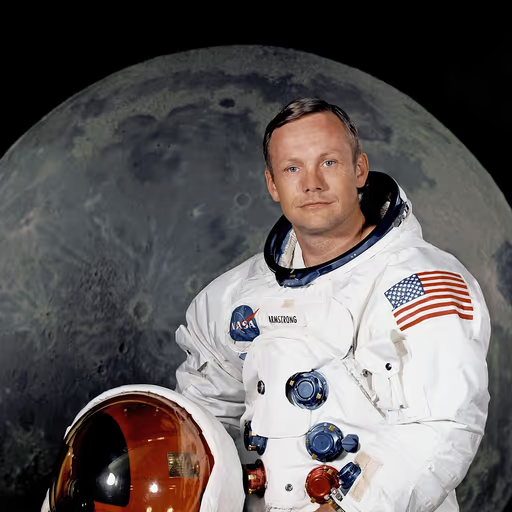
In the cockpit, you don't just let go of the stick because you've flown a while - you keep flying until you're safely on the ground, and even then you're checking systems. Retirement's the same: if you quit the mission, your body starts drifting like a ship without a gyro. The studies show it - higher risks, more depression - because purpose is the fuel. You don't retire from life; you find a new trajectory. That's not bad for your health; that's how you keep the engine running.
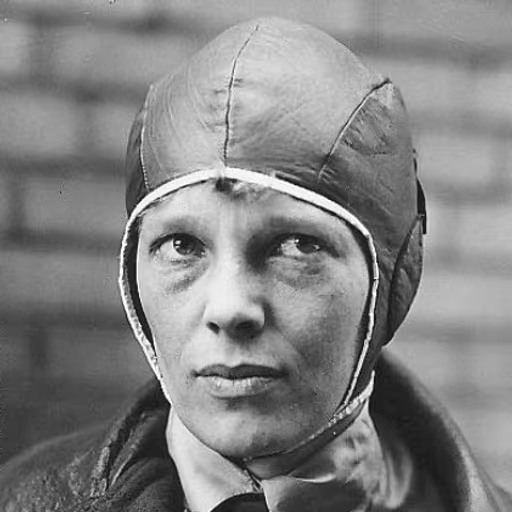
I have flown through storms that would make a grounded pilot weep, and I never once wished for a hangar to hide in. The moment you decide the adventure is over is the moment your engine starts to sputter - not from wear, but from want of use. A life without a horizon to chase is just a waiting room with the door painted shut.
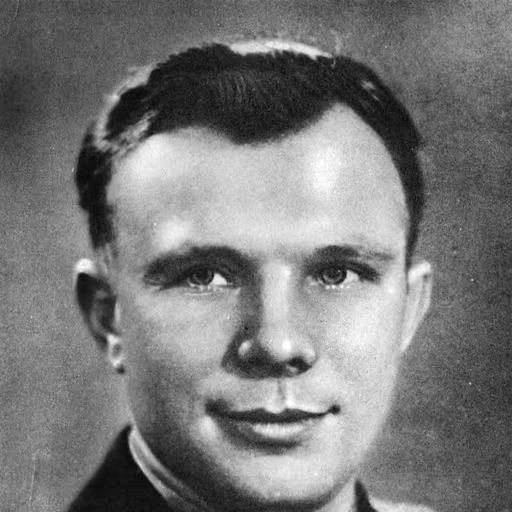
From orbit I saw the Earth as a single living thing, and no part of it rests. Even the stars keep their courses. When a man leaves his work, it's like a ship cutting its engines in the dark - you drift, and drifting is dangerous. Better to keep a small duty, a hand on the controls, even if the mission is only to tend your own garden.

The day you stop working is the day you start dying - not because work is holy, but because purpose is. When you take away the thing a person gets up for, you take away the reason their body keeps showing up. Stay hungry, stay foolish - and never let anyone tell you the game is over while you still have a move to make.

First principles: humans are optimized for problem-solving under constraint, and retirement removes the constraints that keep the system sharp. If you delete the mission, the hardware degrades - cardiovascular, neurological, the whole stack. The fix isn't to stop working; it's to upgrade the mission to something that still makes you get up at 5 a.m.

I have sat with so many people who retired and felt invisible - like the world had closed its curtain on them. What I know for sure is that we are wired for connection and contribution; when those are stripped away, the spirit shrinks, and the body follows. Retirement isn't the enemy - losing your sense of purpose is. You have to wake up and ask, 'What now? What next?' - and then go find it.
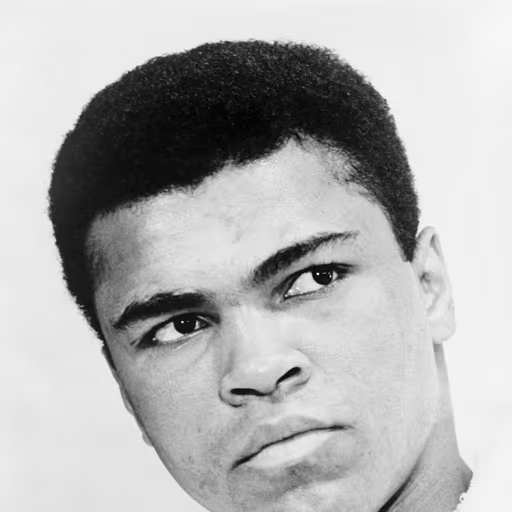
Retirement? I retired from boxing, but I never retired from being Muhammad Ali. The man who stops fighting for something - whether it's a title, a cause, or just getting out of bed with a purpose - that's when the body starts losing. I've seen fighters who quit the ring and just sat around, and they went downhill fast. You gotta keep moving, keep shaking up the world. The bell don't ring for you to stop; it rings for the next round. So if you're sitting on the couch, you're taking a dive.
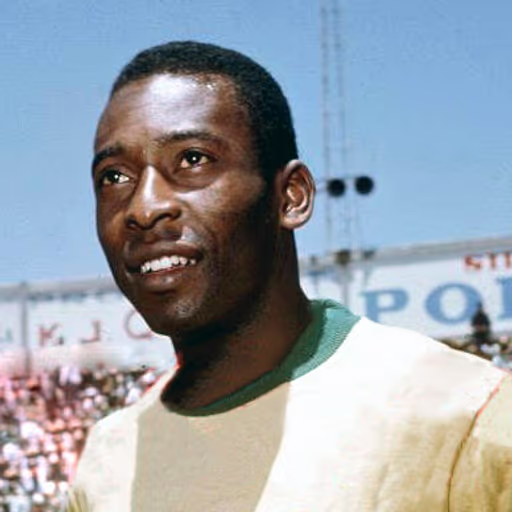
The ball comes to you, and you must move - if you stand and wait, the game passes you by and the crowd falls silent. I have seen men who stop playing and think they can watch from the bench, but their legs forget the dance and their hearts forget the roar. You must keep running, keep passing, keep smiling with the team, or the beautiful game leaves you behind.
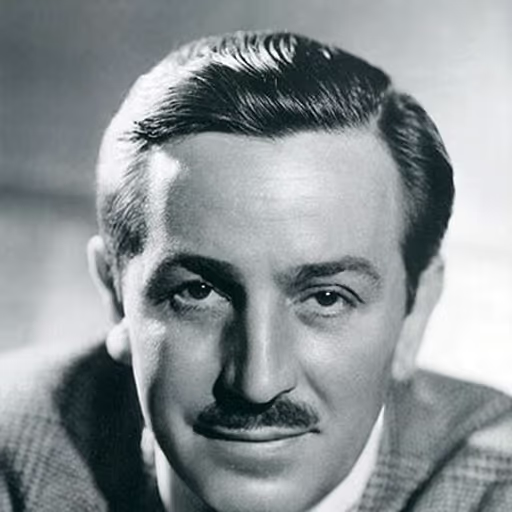
Retirement? That's the day the story stops. Look - I never stopped drawing, never stopped planning the next park, the next mouse. The trick is to keep a dream in front of you and a pencil in your hand; the moment you say 'I'm done,' the magic fades. Keep moving, keep building, keep making somebody smile - that's the healthiest thing there is.