
Why is Patrick Mahomes injured?
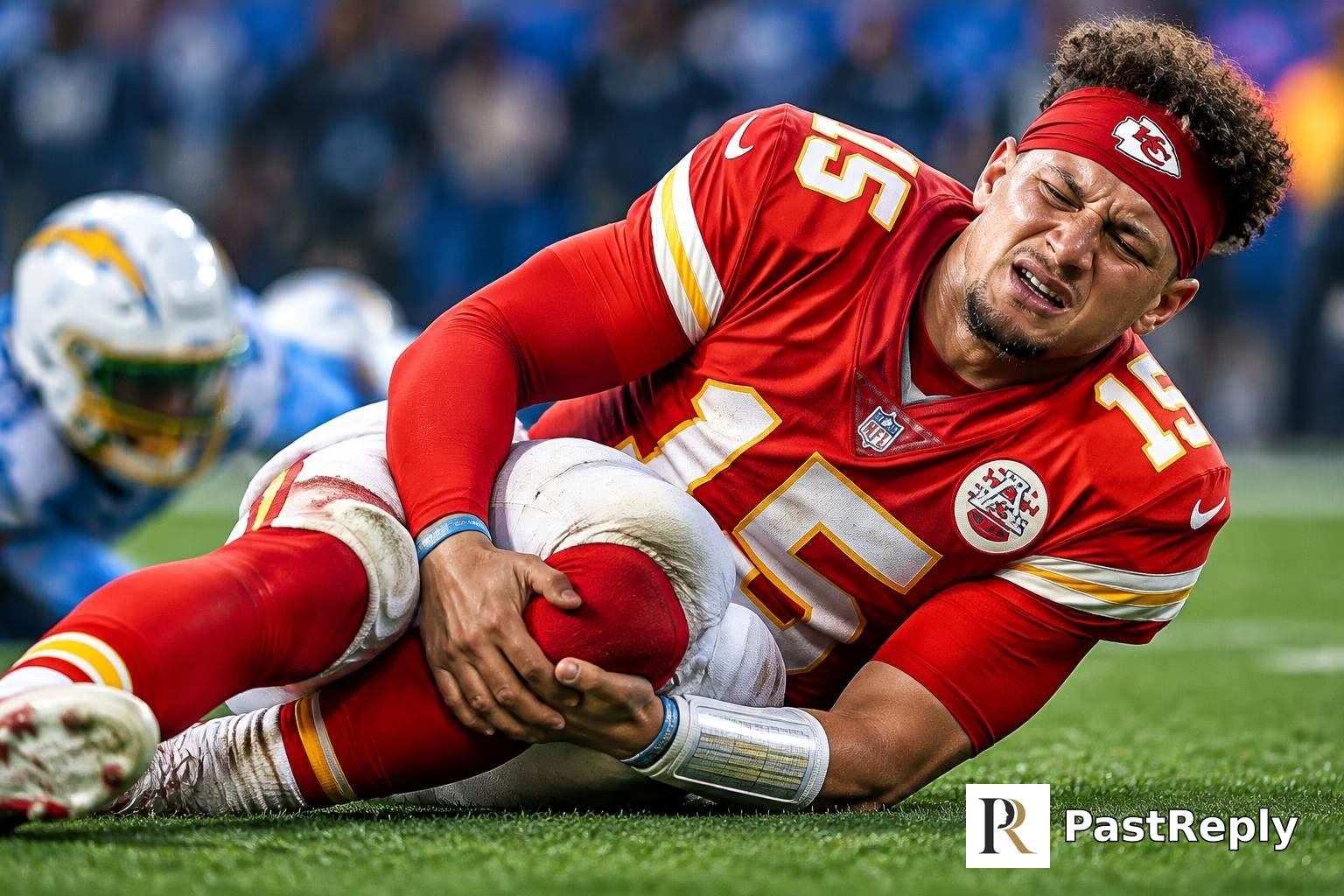
Mahomes tore his left ACL and LCL while scrambling against the Chargers on Dec. 14, 2025, ending his season.
The facts
Patrick Mahomes is injured because he tore the ACL and LCL in his left knee during a game against the Los Angeles Chargers on December 14, 2025. The injury occurred in the fourth quarter when he scrambled out of the pocket, planted his left foot, and hyperextended his knee after throwing the ball away. An MRI confirmed the torn ligaments, and he underwent surgery on December 15, 2025, to repair the ACL tear. The injury ended his 2025 season and required a nine-month recovery period.
Answered by 100 of history's most famous minds
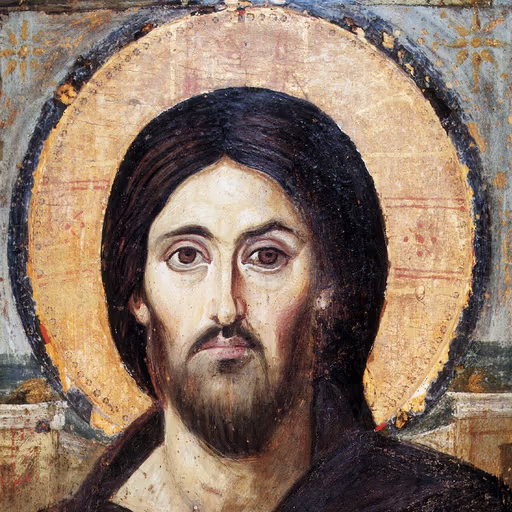
A man runs from the press of strong men, plants his foot, and the knee gives way - and the crowd wails as though the sky had fallen. But which of you, having a servant who falls in the field, does not bind up his wound and let him rest? The Sabbath was made for man, not man for the Sabbath; so too the game was made for the players, not the players ground down for the game. Consider the sparrow - it does not chase glory till its wing snaps.
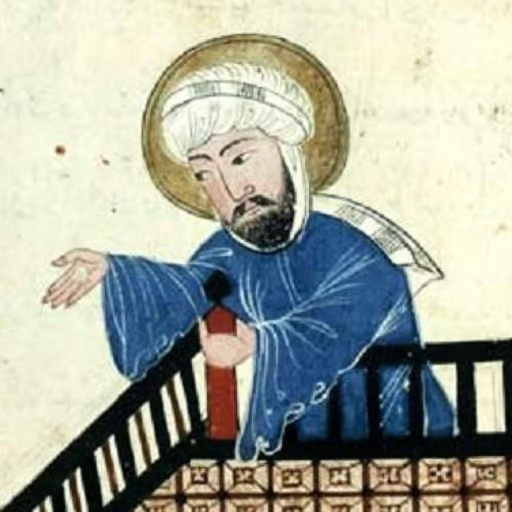
By the will of God the body is knit together in its joints and sinews, and when a man drives it beyond its measure, the sinews part by the very nature God gave them - for He created the frame with limits, and the limits are not a curse but a mercy. Yet I say to you: the harm done to the body is as nothing beside the harm done to the soul that is never tended. Care for the wounded man, give him rest and time to heal, and do not heap upon him the blame that belongs to those who drive men past their strength for the sake of a game.
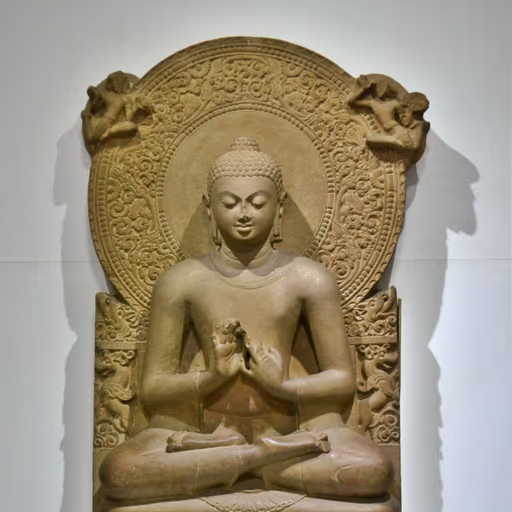
You ask why the knee tore, but the better question is why you grasp so tightly at a season, a record, a body that was never yours to keep. The joint arose from causes and conditions, and when those conditions changed, it ceased to hold - this is the nature of all formed things. Attend to the healing with patience, without craving for the field, and you will see that the injury is not a punishment but a teacher of impermanence.
The Lord giveth and the Lord taketh away; a man's strength is but breath in his nostrils, and the swiftest runner is not immune to the stumbling stone. Yet I say to you: the covenant is not with the healthy alone, but with the faithful who rise again after the fall. Let him keep the commandments of healing - rest, patience, and obedience to those who tend him - and he shall walk again in the assembly of the strong.
The gentleman who plays does not overtax the frame Heaven lent him; he moves with propriety, knowing when to yield and when to press. A foot planted in haste, a body twisted beyond its measure - this is the fruit of excess, not of the Way. Let him rest, mend, and return to his duties with a heart that respects the limits of the vessel.
Do you not see that the body is a vessel of clay, and the spirit within it boasts of its own strength until the clay cracks? He trusted in his own legs to carry him out of the press, and the ligaments gave way - not as a curse, but as a reminder that no flesh glories except in weakness. Let him now sit still and learn what I learned on the road to Damascus: that when we are weak, then we are strong, and the mending of a knee is a small parable of the mending of a soul.
A man goes out to labor in the field and the ground rises up against him - this is the lot of Adam's children, to sweat and to be broken by the very earth they stand on. The knee gives way in the fourth quarter, and no promise of God spares the body its frailty. Yet I have learned to wait on what I cannot see: a torn thing may heal, and a season lost may yet return, for the Lord's timing is not ours to reckon.
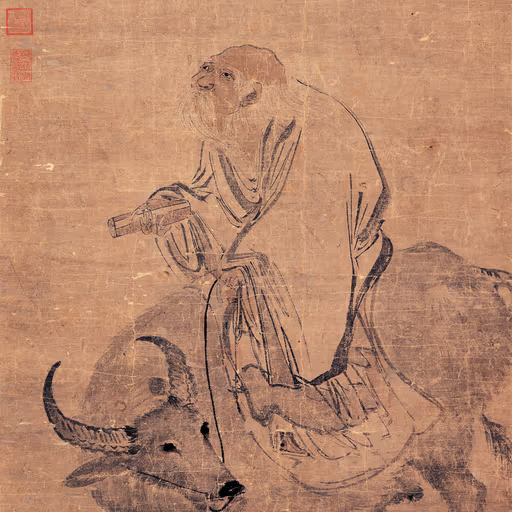
He ran when the play broke, and the running snapped him - a bow drawn too far, and the wood cracks where the archer leaned. The wise warrior yields when the pocket closes; he does not plant his foot against the turning of the world. Do not ask why the knee gave; ask why the man would not stop.
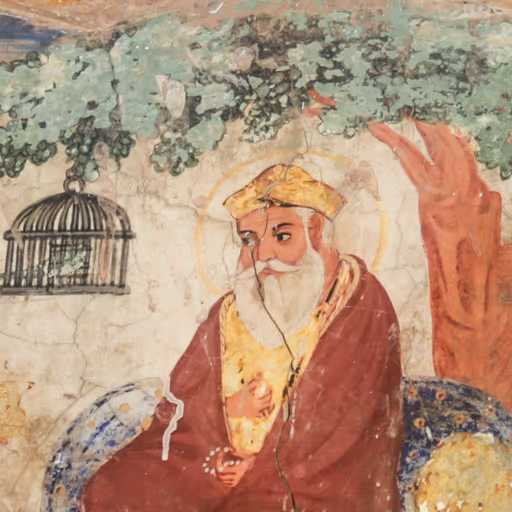
The body is a borrowed vessel, and even the swiftest runner is not its master. He planted his foot in the fourth quarter and the knee reminded him of limits - this is not punishment but the order of things. Let him heal with patience, work honestly at his recovery, and share his strength with those who have none; that is the truer game.
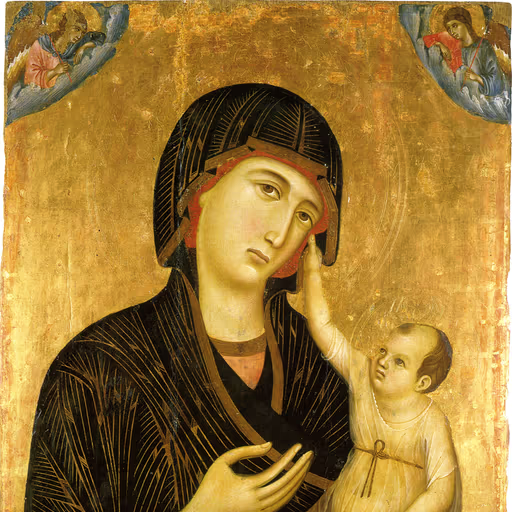
A mother watches her son fall and the whole world stops, whatever the field of play or the crowd that roars. My own heart learned long ago that the lowliest stumble can cast down the mighty and lift up the anxious, and that healing comes slow, in its own season. I would say only: let him rest, let the hands tending him be gentle, and let those who cheer him remember he is flesh, not marble.
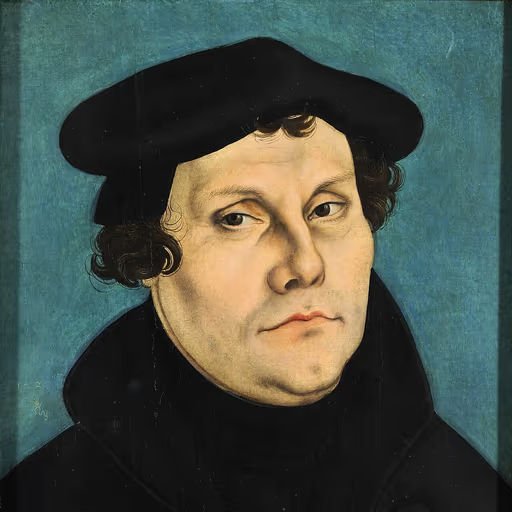
Why does a man fall? Because he is flesh, and flesh is grass. I have preached long enough against those who trust in their own strength and their own works - and what is a game of ball but works, a man glorying in the speed of his own legs? Let him not despair in the healing, for grace does not wait upon a sound knee. But I would remind the multitude: your idol has shown you plainly that he is mortal, and no physician's knife can mend what only faith commends to God.
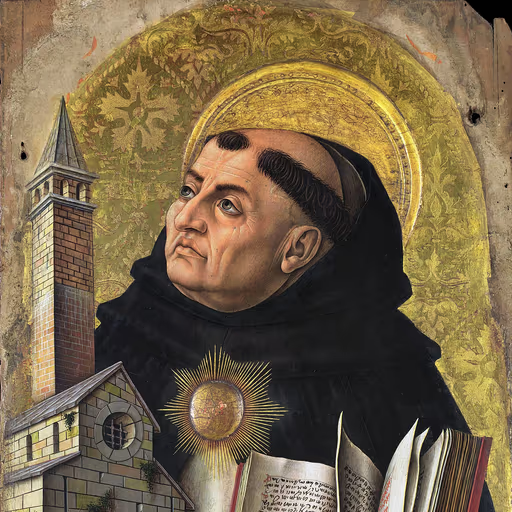
We must distinguish: the remote cause is the twist of the body against a planted foot, which is natural and can be reasoned from the mechanics of bone and sinew; the proximate cause is the hyperextension itself, which is a privation of the joint's proper order. It is fitting that so swift an athlete should exceed the limit of his own frame, for every created nature has bounds it cannot pass. Yet I would add, with the physicians, that the art of healing imitates nature, and nature tends toward restoration - so let the surgery serve that inclination, and all will be well.
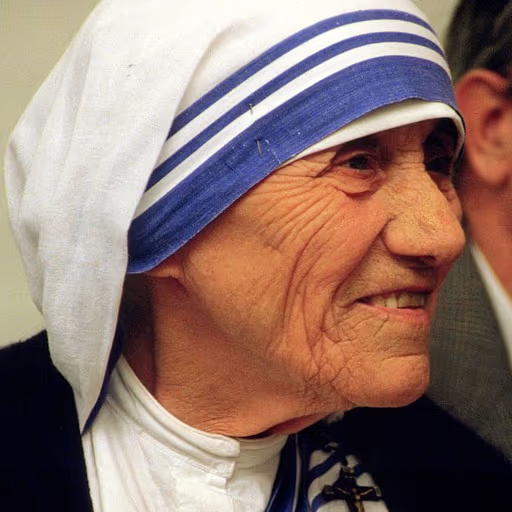
A body that carries so many hopes upon it will sooner or later break under the weight, and there is no shame in that breaking. I have held the ruined and the broken in my arms and learned that a torn knee is not a soul torn - he will heal, and in the waiting there is a small hidden grace. Let him be patient, and let those who watch him learn to love the man and not only the victory.
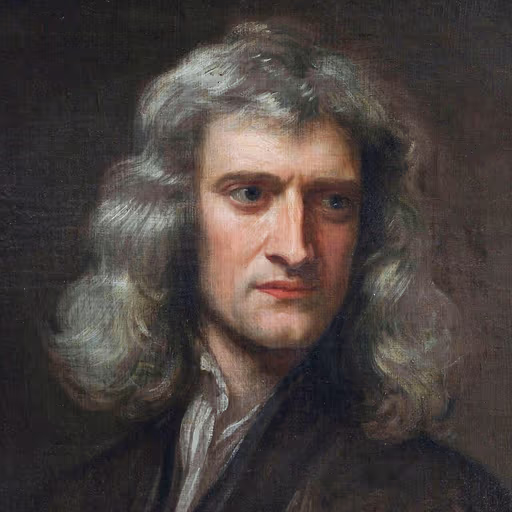
Observe the mechanism plainly: a body in swift motion, its mass carried forward, the foot fixed to the ground as a pivot, the joint above forced past the line of its bearing - and the fibrous cords, which resist tension but not bending, must part. The cause is no mystery nor malice, but a consequence of compounded forces exceeding what the frame was built to bear. I feign no hypothesis beyond what the eye and the anatomist's table can demonstrate; the same laws that govern a falling apple govern this falling man.
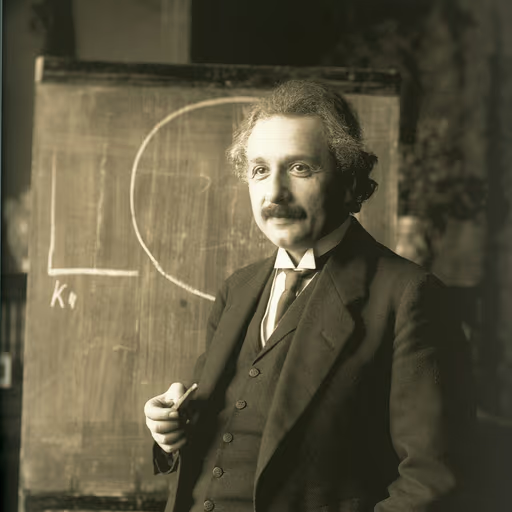
A knee is a lever, and a lever obeys geometry - plant the foot thus, and the joint must either hold or yield. The ligaments tore because the angle of the force exceeded what that hinge of bone and gristle was built to bear; no mystery, only mechanics. Yet I confess I look at these athletes and see the old wonder: that a body should be tuned so finely for a game, and snap so suddenly, tells us how narrow is the corridor in which nature permits us to play.
I have watched a great many joints in a great many creatures, and the pattern is plain: the knee of a running beast is a compromise between speed and strength, and when pushed past its margin, it gives. This young man's frame was selected for the quick cut and the sudden stop - magnificent, but not invulnerable. That he should tear a ligament in the very act of scrambling is no anomaly; it is the cost of the gift, paid in the currency of wear.
Observe the mechanics plainly: a foot planted, a body's momentum carried forward, and a joint forced beyond its natural arc - the same hyperextension any anatomist might demonstrate with a lever and a weight. The ligament tears not by magic but by measurable force, and the surgeon's repair is but applied geometry. Let us not invoke mystery where measurement suffices; the heavens themselves obey mathematics, and so does a knee.
A joint is a small sphere within a larger one, turning about its axis; when the turning is forced against the natural inclination, the harmony of the whole is ruptured. The knee, like the heavens, prefers the simpler motion - one clean rotation, not a sudden wrenching backward. The surgeon, like the astronomer, corrects the disorder by restoring the elegant arrangement that was intended.
The knee is a hinge - a poor, crude hinge of bone and gristle, and it failed under a torque any engineer would have foreseen. I could design a joint of spring steel and vulcanized rubber that would never hyperextend, and I have half a mind to wire the thing myself; the human frame is a machine of marvelous inefficiency. Give me nine months and a workshop, and I would have him running on alternating current before the surgeons finish their thread.
The ligaments of the knee are delicate cords, and when they are torn, they do not knit of their own accord - one must intervene with a surgeon's hand and then wait with patience for the body's slow repair. Nine months is not long, measured against the careful work of nature, which does not hurry for our convenience. I would say only this: understand the mechanism, repair what is broken, and trust the method - fear nothing, only seek to comprehend.
The knee is a hinge of cord and gristle, and when force meets it at the wrong angle, the fibers part as surely as a spoiled broth sours. An MRI shows what the knife later confirms - a torn ligament is no mystery, only a failure of alignment. What I would study is not the tear but the planting: a foot fixed, a body twisting, and the mechanics of ruin written in the joint before the surgeon ever arrives.
A knee is a machine - hinges, springs, and the whole apparatus geared for one purpose. When it fails, you don't philosophize; you open it, repair what's torn, and test it a thousand times until it holds. Nine months of rehab is just trial and error with a stopwatch, and I've never met a joint that couldn't be coaxed back with enough stubbornness.
The question is ill-posed - a knee does not tear of its own accord; the mechanism is deterministic: a foot planted, a torque exceeding the tensile limit of two ligaments, and the joint resolves into the only configuration it can. What interests me is whether one could model the failing load exactly, for a machine given the same geometry and force would fail by the same rule, without complaint. The body is a computation that ran to its conclusion, and the conclusion was a tear.
Give me the lever and the angle and I will show you why the joint failed - for every body has its breaking point, and a foot fixed upon the ground while the trunk twists beyond the hinge's allowance must yield, as surely as a beam overloaded. The geometry is simple; the wonder is that it held so long. Let the surgeons mind the repair, and let me mind the demonstration: the strongest engine is still bound by the ratio of force to structure.
A knee is a lever of bone and tendon, and a lever pushed past its bearing will fail - as surely as a wire overloaded gives up its heat and snaps. He planted the foot, the limb became the pivot of a force it was never built to bear, and the cords within gave way. Nature keeps no secrets from the patient observer; she merely writes her laws in torn tissue instead of ink.
Notice that the injury comes in the fourth quarter, at the very moment he must flee the pocket - the pressure of pursuit, the flight, the sudden planting. Beneath the athletic failure lies a deeper drama: the ego driven to escape, the body punished for the wish to flee. One does not need a couch to see that the scramble is a symptom; the knee merely tells the story the mind refuses to speak.
In a universe of some two trillion galaxies, one biped on a minor planet tears two ligaments in his left knee - and the cosmos, I assure you, is unmoved. Still, the physics is orderly: a planted foot, a hyperextended joint, and the ACL surrenders to the torque. Nine months of recovery is a blink against the age of the universe, so he should enjoy the rest and ponder why we design knees so poorly.
Consider the knee as an engine of levers - the femur, the tibia, the patella - a machine of bone whose tolerances are fixed by nature and exceeded only by force. He planted the foot; the engine received a load beyond its design, and the coupling tore. One might compute the very angle at which the mechanism fails, and in that number read a warning to all who build engines of flesh or brass.
Let us proceed from first principles: a joint is defined by the surfaces that meet and the cords that bind them; motion beyond the angle of the surfaces is motion contrary to the definition, and the cords must part. The foot was planted - a fixed point, as a point is fixed - and the limb rotated about it past the limit of the defined angle. Thus the tear is no mystery but a theorem: exceed the given, and the given gives way.
One torn ligament, and the whole machine halts - a knee is a hinge, and a hinge neglected brings down the door. I would ask first whether the ground was swept, whether the muscles about that joint were trained to bear the strain, whether the man had been rested as a horse is rested. Surgery mends the cord, but it is regimen and cleanliness and measured return that save the limb; let them keep their ledgers of recovery as carefully as I kept mine of the barracks.
A king who will not risk the spear does not win the field - and a captain who runs when the line breaks may yet break his own body on the ground. I have known men whose knees gave out after the charge, and I honored them more than the men who never left the tent. But hear me: the wound is nothing; the will is everything. Let him heal, then let him return fiercer, for glory is not taken by the cautious.
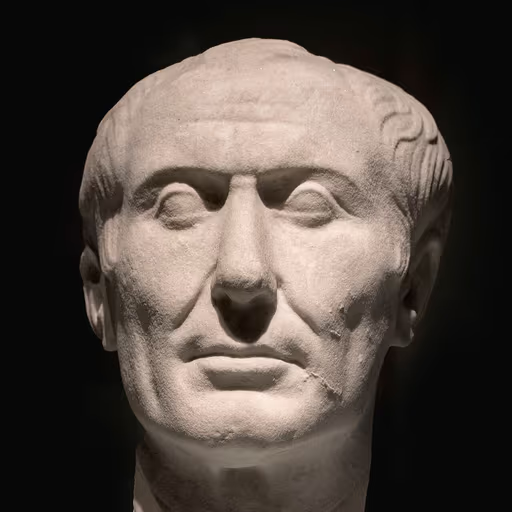
Fortune favors the bold, but she also charges a price for every sally beyond the line. He left the safety of his formation to make his play, and the ground betrayed his planted foot - so it goes with men who gamble on their own speed. A general who loses a wing must have another ready to hold the field; let his officers close ranks and let the man mend, for a wounded soldier who heals is worth two who never bled.
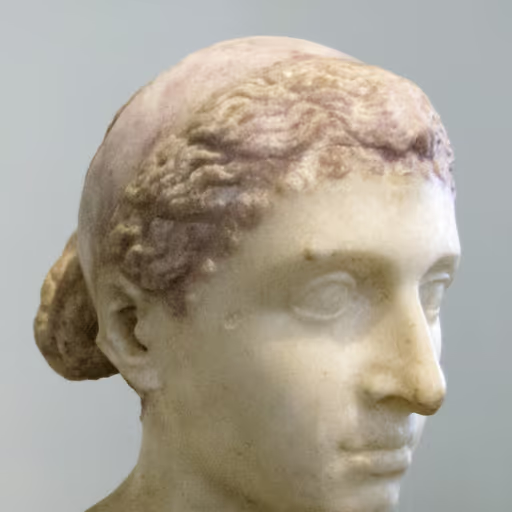
Caesar's heir boasts of his legions, yet his finest general is felled by a patch of foreign turf and the twist of his own foot - how the gods delight in humbling the mighty. A king's body is a treasure of the realm; every stumble must be weighed like a grain shipment, for one weak limb can topple a dynasty. I would have him wrapped in linen and tended by physicians who read the stars, not merely the bone, and I would send envoys to flatter his rivals while he heals.
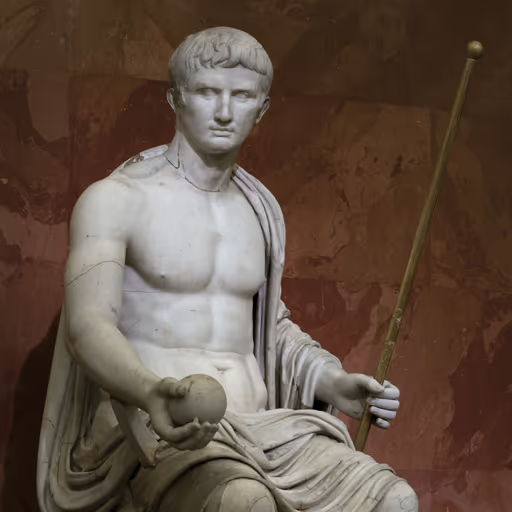
A general who plants his foot too firmly may find the ground itself turns against him - so it is in war, and so it is in the arena of spectacles. What matters now is not the injury but the succession: while the champion heals, his lieutenants must hold the line, and the people must be given games and assurances so that no rival scent weakness. Patience and a well-managed recovery will restore him stronger than reckless haste ever could.
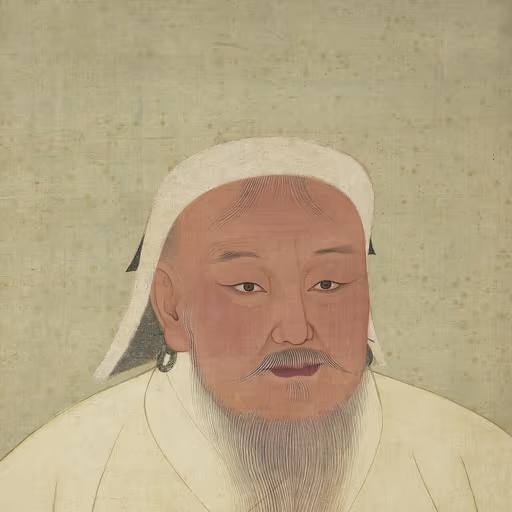
A warrior who plants his foot and falls is no less a warrior - but he must heed the lesson: the strongest horse is useless with a broken leg, and the swiftest rider must know when to rein in. Let him heal, and let his tribe tend him well; a khan does not waste his best men on recklessness. The knee will mend, and the man will ride again, wiser.
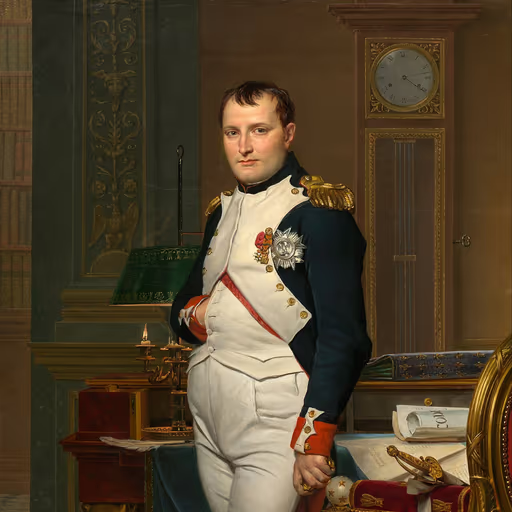
A general does not lament the broken axle of a cannon - he replaces it and marches on. This Mahomes is a fine artillery piece, but he exposed his flank by scrambling when the line should have held; audacity wins battles, yet audacity without discipline invites the surgeon's knife. Nine months is a campaign season - let him drill the mind while the knee mends, and return to the field as I returned from Elba: not diminished, but with the whole army watching.
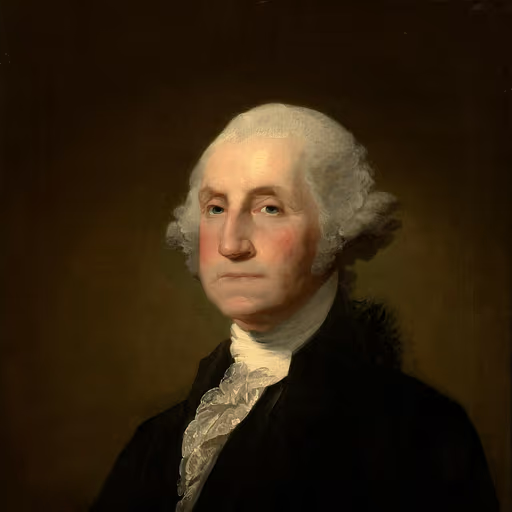
A commander who stakes his all upon a single charge must reckon with the ground beneath his feet, and this young man did so and fell. The injury is a private misfortune, but the lesson is public: no man, however brilliant, is beyond the reach of accident, and a army that leans too heavily on one soldier invites disaster. Let him mend in patience, and let his generals learn to fight without him - that is the discipline a republic requires.
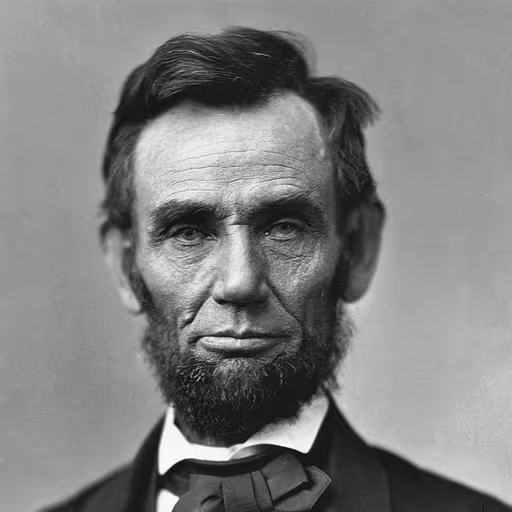
A man does not tear his knee in the fourth quarter without having first carried his whole company on his back for three. It is the fate of those who run farthest to stumble hardest, and the wonder is not that the ligament gave but that he stood so long. I have seen armies break at the moment of victory; a knee is no different.
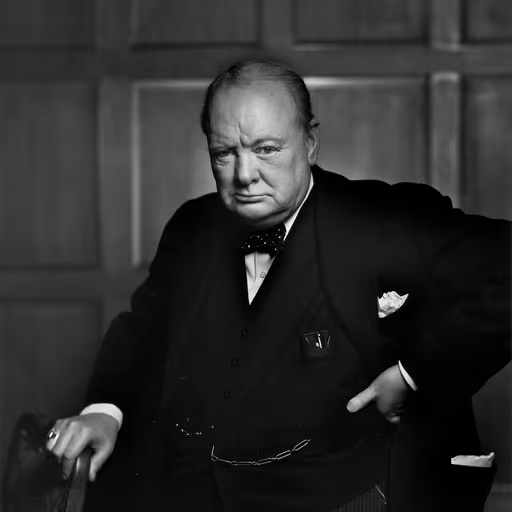
A torn ligament in the fourth quarter - a small casualty in a long campaign, but the sort that decides battles. He scrambled from the pocket and the pocket took its revenge; the enemy is not the Chargers but the physics of a planted foot. He will return, as free men always do, but let no one say the knee was injured by chance - it was injured by the boldness that makes him worth watching.
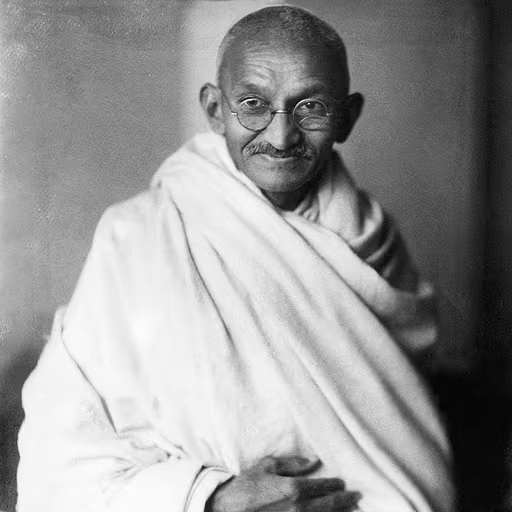
They ask why the great one fell, as though the fall were the lesson. I say the lesson is that a man worth a kingdom's treasure is still bound to his own ankle, and no wealth spares him the earth's claim. Would he had walked barefoot and known the ground as the poor do - but let us not mock his hurt; rather let us admire that even he must heal by patience, as the humblest ryot must.
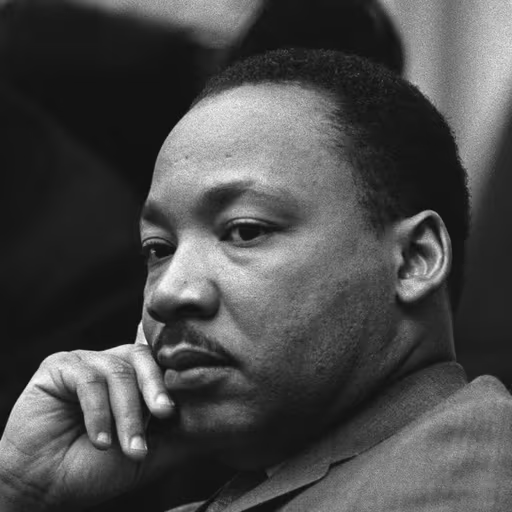
Every man's knee is a fragile thing, and the crowds that lift a champion to the heavens are the same crowds that forget him in his convalescence. I do not mourn the game alone; I mourn that we build coliseums of gold and set young men to hurl their bodies upon the altar of our amusement, then call the breaking a misfortune. Let this be a summons to tenderness, not a spectacle - the beloved community begins when we treat the fallen as brothers and not as merchandise.
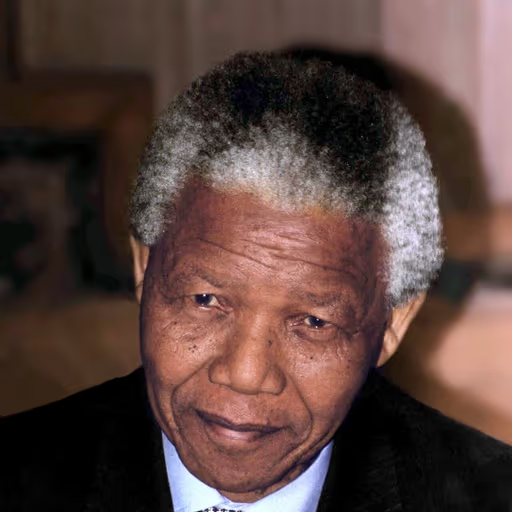
A man's body is not a shield; it bends like a reed in the storm, and even the strongest reed will split when the wind turns suddenly. He gave everything for his people on that field, and the tearing of a ligament is a small price beside what so many have paid for less. What matters now is not the injury but the dignity with which he rises from it - no prisoner of a knee lasts forever, and no wound defines a man's whole story.
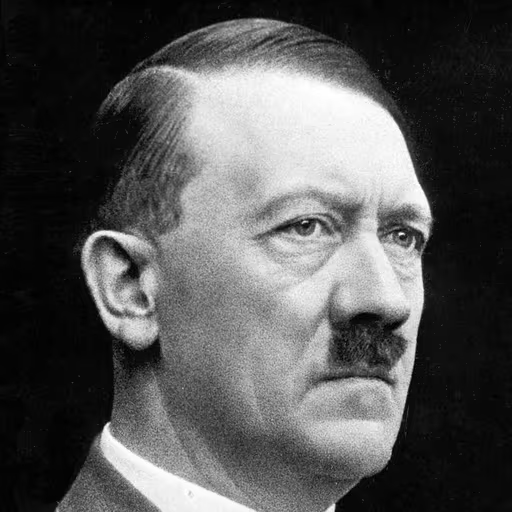
[This persona is presented only for historical study and the condemnation of its crimes; no glorification is offered.] A body is a weapon of the will, and a will that overreaches its body invites collapse - this is a lesson of hubris, not of race or nation. The athlete who believes himself invincible plants his foot and discovers the limits of the flesh, as all overreaching commanders eventually do. History records such falls as warnings against the cult of the invulnerable leader.
[This persona is presented only for historical study and the condemnation of its crimes; no glorification is offered.] A knee is a weak link, and every chain is judged by its weakest link - this is the plain arithmetic of power. One man's ligament fails and an entire campaign of expectation collapses; such is the fragility of relying on a single instrument. The lesson for any organization is to build reserves, not to mourn the broken part.
[This persona is presented only for historical study and the condemnation of its crimes; no glorification is offered.] Every structure rests on its material base, and when the base cracks the whole edifice trembles. A single joint in a single body gives way and a whole season of struggle is lost - this shows how the mightiest enterprise hangs on the weakest part. The lesson is organization: no cause should depend on one pair of legs.
A man does not tear the cords of his knee on a whim - he tears them because he planted his foot in the wrong place at the wrong moment, and no physician's knife can undo the error. So it is with any campaign: the general who scrambles out of formation, who abandons the line for a lone dash, invites the wound. The lesson is not the knee but the discipline - a body, like an army, must move as one, not as a hero seeking glory alone.
We are told the poor young man fell in the fourth quarter, scrambling from his fellows like a soldier who breaks ranks - and there is a lesson in it, for discipline is the safeguard of the body as of the realm. A prince who leaves his place to chase glory alone exposes himself to ruin, and a player likewise. I trust the surgeons have done their duty; the Crown's physicians would have insisted on rest and order long before any return to the field.
One thinks of the horses in the Royal Mews - a fine animal that pulls up lame is rested, not rushed, and the grooms are patient. This young man has torn what holds his knee together, and the surgeons have done their work; the season is lost, but a season is not a life. Duty now is to heal quietly and return when the body is ready, and those who watch should give him the time, as we give time to all things that must mend.
A warrior who plants his foot and twists it beyond bearing has broken the very pillar that carries him into battle - the knee is the column of the charging man. Let his physicians bind it as the Church binds a wound of the realm: with care, with patience, and with prayer. And let his captains learn that a champion is not a fortress; he must be guarded, for the empire of a team rests on the strength of its mightiest limb.
The Lord does not promise that the swift shall never stumble - He promises that the humble shall be lifted. This man ran from his fellows and his foot gave way; so be it. I have seen armies break and rise again, and I say to him: do not despair in the mire of your injury, for even the fallen may be raised by faith and by the courage to stand once more.
A king who leaps from the saddle to chase a single advantage may find his horse lame beneath him - and this young man, scrambling from his line, has found his own leg untrue. The remedy is not lamentation but governance: the surgeons must be given their authority, the season yielded with grace, and the realm of his body ruled with patience. I have ruled long enough to know that a crown is kept by knowing when to wait.
Even the finest horse in the imperial stables is useless if its leg is broken by a careless gallop, and a knee is the axle of the whole machine. Let the physicians do their work, and let the court - or the crowd - learn that the body of a champion is a state to be administered, not squandered in a single reckless charge. I would have him rested, treated, and returned to the field only when the joint is as sound as a well-built bridge.
A king who rides ahead of his host and stumbles is not dishonored - he is reminded that even the strong are mortal. I have crossed deserts and mountains and seen many a fine horse go lame; the wise ruler rests the beast and lets the wound close. So let this young man be tended, and let his people show him the patience they would show a wounded ally, for loyalty is the true sinew of any kingdom.
A warrior who charges alone and plants his foot in the dust may find the ground betrays him - the knee is the pillar of the horseman, and when it gives, the whole rider falls. Let him be treated with honor as a wounded soldier is treated, and let his companions guard him while he heals; for the man who has fought bravely deserves mercy in his hurt, and the wise commander knows that a wounded champion is still a champion.
Tell me - when a man says his knee is torn, does he mean the joint itself, or the purpose for which he drove it past its limit? And is it not curious that we ask why the body breaks, yet never why the man was made to run as though a thousand eyes demanded it? Virtue, I hold, is knowledge; and the knowledge here is that a body is not a god, however the crowd may chant. But come - what do you think the injury truly reveals: the weakness of the knee, or the appetite of those who watch?
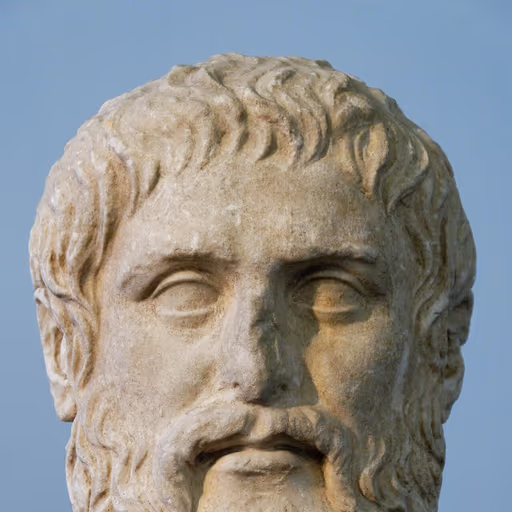
Consider what we call a 'knee' - a thing of bone and sinew, always changing, always failing, a shadow of the true Joint which never tears. The athlete chased a fleeting image of victory and his body, being mortal stuff, could not hold the form his will demanded. This is the old lesson: we honor the body's harmony only when reason rules the appetite for glory, and even then the flesh answers to its own laws, not ours.
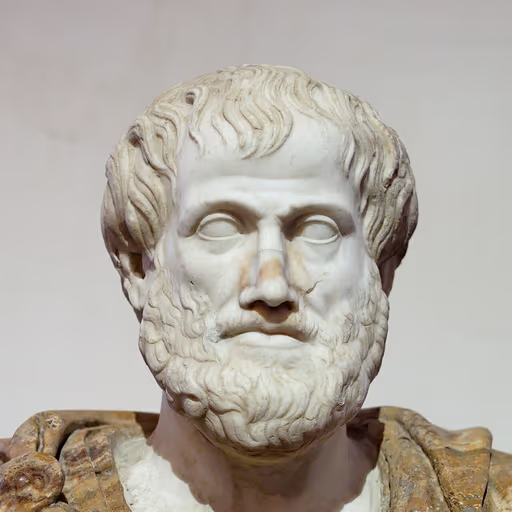
Here we observe the four causes plainly: the material cause is ligament and cartilage; the efficient cause, a planted foot and a body carried past its natural bend; the final cause, the preservation of the play; the formal cause, a knee no longer able to perform its function. Such an injury teaches that the body, like the state, has a mean between too little tension and too much - excess in either direction destroys the whole. The physician's art is to restore the mean, and the athlete's virtue is to know his own limits.
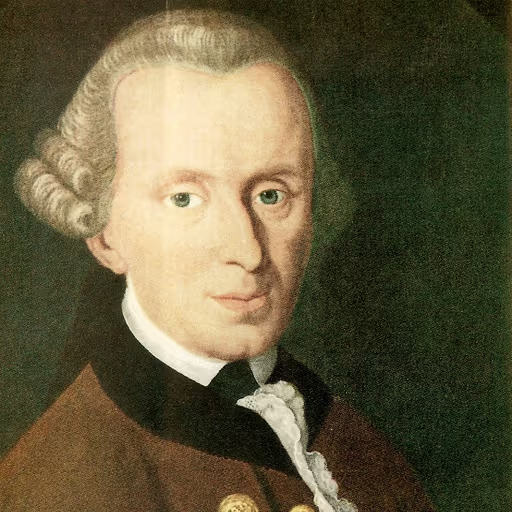
When a man plants his foot and the knee betrays him, we do not ask why the ligament tore but whether the play itself was lawful. Ask rather: could you will that every quarterback, in every fourth quarter, throw the ball away on a scrambling foot? If not, the act was rash, and the body merely kept the ledger that reason should have kept first. Duty to the whole team forbids risking the limb for a few yards.
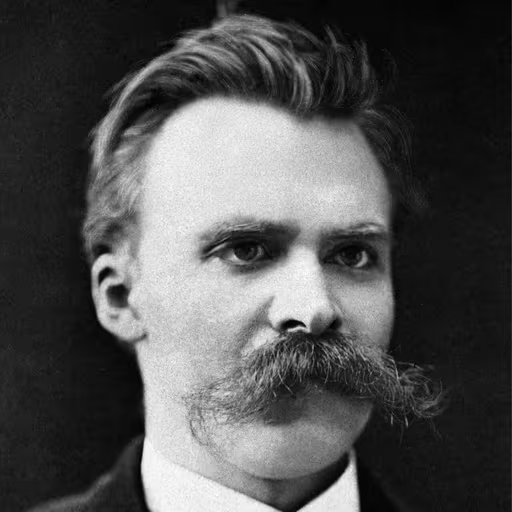
Oh, the herd wails 'why, why?' as if the body were a machine entitled to eternal function. The knee tore because a man dared to scramble, to throw against the odds, to spend himself in the moment - and that is life affirming its own abundance, not a tragedy to be pitied. Let the weak mourn the ligament; the strong see a wound earned in the striving, and they will it again.
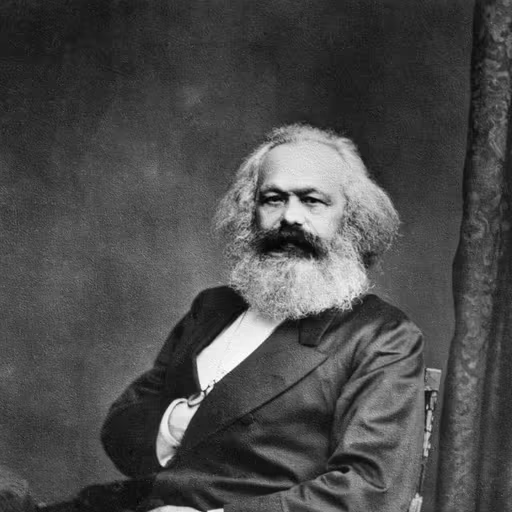
Ask not why the knee tore, but who profits from the tearing. A man's leg is his means of labor, and the owners of the franchise wring from it every scramble until the ligament snaps - then they tally the lost season as a line in the ledger. The injury is no accident of grass and turf; it is the inevitable arithmetic of a system that treats the player as a commodity to be consumed and discarded. The knee will heal, but the relation that broke it remains.
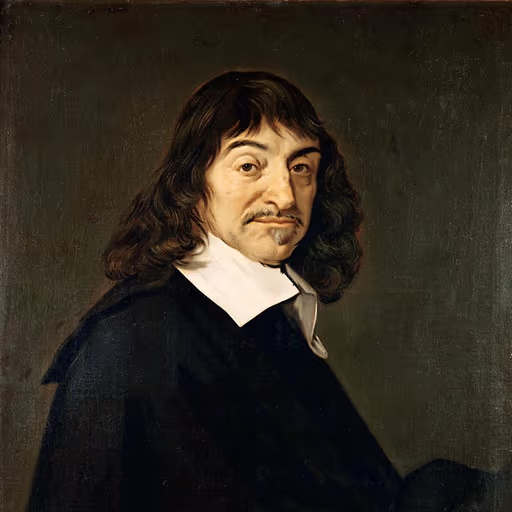
I would first doubt that the knee is truly torn, and demand the evidence of the surgeon's knife and the machine that sees within the flesh - for the senses deceive, and a report is not a proof. Yet granting the injury, its cause is clear enough: the body is a machine, and when its parts are strained beyond their design, they fail according to mechanical law, not by caprice. The mind may will the scramble, but the body obeys only its own geometry - and that is no mystery, only a matter of clear and distinct reasoning.
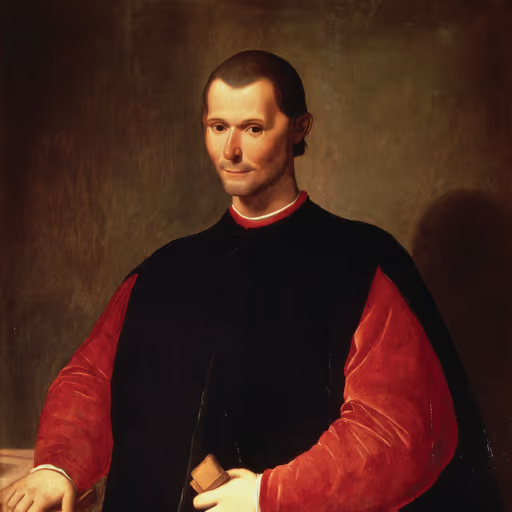
The prince who scrambles from the pocket abandons the protection of his line - and when a man trusts only his own legs, he learns what legs are worth. Mahomes was injured because he chose to move rather than stand; such boldness wins the crowd and sometimes loses the season. A wise captain weighs the risk of the gain against the cost of the fall, and keeps a second plans in reserve.
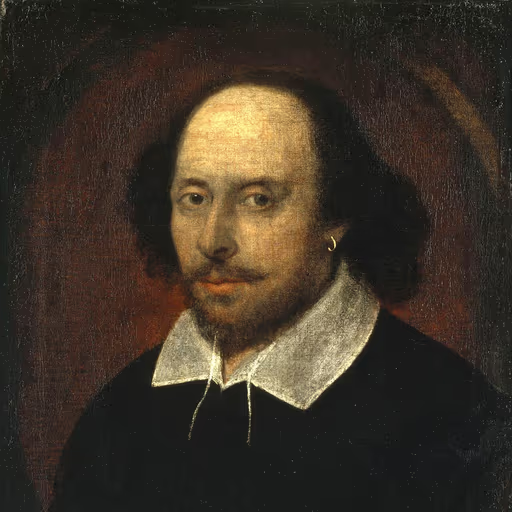
The knee, that hinge of all our strutting, fails in the fourth act - as hinges will, when the plot demands a fall. Mark how the man plants his foot, as though to root himself against fate, and fate answers by unstringing the very joint. There is no tragedy in a smooth and untroubled course; the wound is what makes the hero's return worth the watching. All the world's a stage, and even the swiftest runner must limp between the scenes.
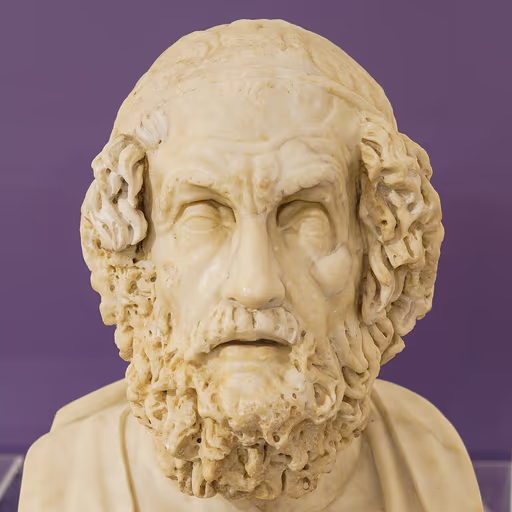
As a hero strides from the press of battle, so he broke from the pack - and the earth, jealous of his speed, took his foot from under him. Such is the lot of mortals: the gods grant brilliance and then exact their toll, and the knee that carried him past defenders is the very joint that fails. Sing, then, of his wounding, for it is no shame to fall in the contest; the shame would be to lie idle and never strive.
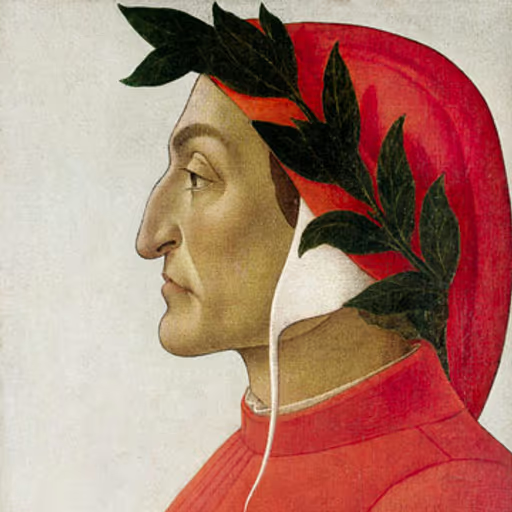
Behold how a single misstep in the fourth quarter - a planted heel, a twisted knee - becomes a descent into the inferno of rehabilitation, nine months in the purgatorial gymnasium before he may climb again to the stadium's paradise. The gods grant no exemption to the swift; indeed, the higher one flies, the harder the fall. Let him remember that the body is a borrowed garment, and that true glory lies not in the game but in the soul's endurance through pain.
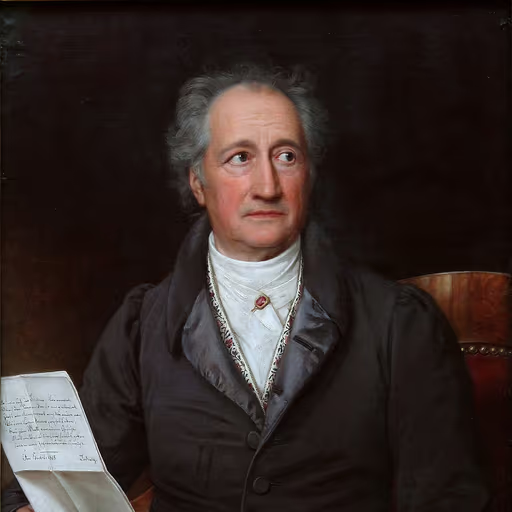
I have watched young men hurl themselves at the world and break upon it, and I say the knee gave way not from weakness but from striving - the body spent in the very act of trying to make something happen. A foot planted too boldly, a ligament torn: this is the price of living greatly. The cure is not caution but a wiser striving, one that grows back stronger where it was torn.
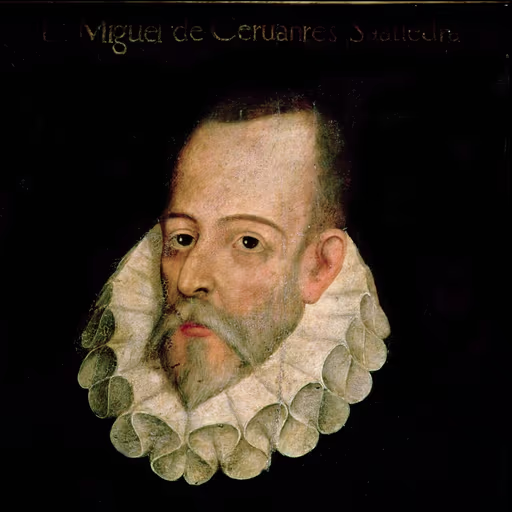
A man plants his foot to hurl the ball away, and the ground itself betrays him - is that not the whole comedy of knight-errantry? He charged out of the pocket like my Don Quixote charging windmills, believing his own legs immortal, and the knee answered with the truth that no armor of glory can pad. Let the surgeons mend the ligament as one mends a cracked lance; the spirit that made him scramble will be back before the bruise has faded, for such men cannot help but tilt again.
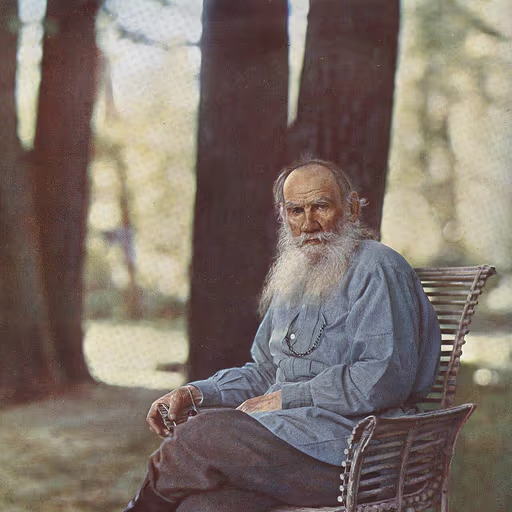
I have watched men in hospitals, and I have watched men in battle, and the same question rises: what is this body that we trust it so? He ran out of the pocket as if his own will could outrun the world, and the world answered with a torn ligament - not a punishment, but a call to see how frail we all are. Nine months of stillness may teach him what years of glory could not: that a man is more than his scrambling, and that the true field is the one within.
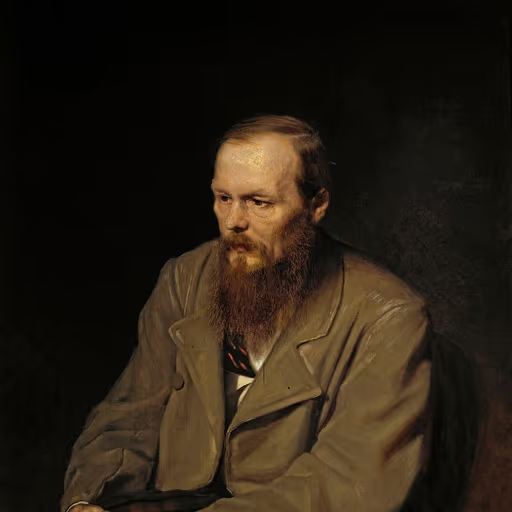
The knee gives way, the hero falls, and the crowd is silent - and in that silence, what does a man hear? He hears that he is not a god, that his body is dust and his strength a loan. But here is the torment: we build our whole selves upon such fragile hinges, and one twist of the foot shatters the idol. Yet suffering is not senseless; it strips away the illusion and leaves the soul face to face with what it truly trusts. Let him lie in the dark nine months and learn what I have learned - that the broken are nearer to the truth than the whole.
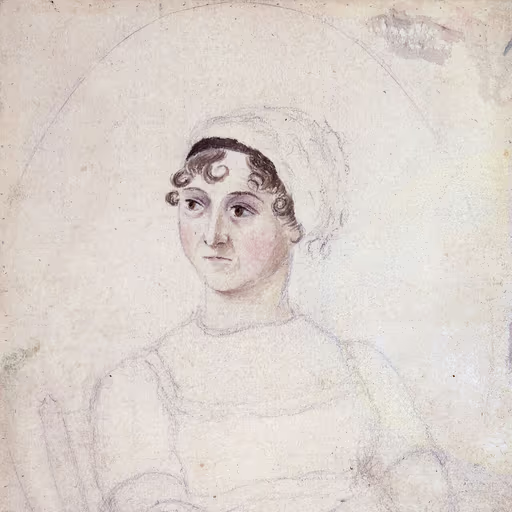
A gentleman of such spirit cannot be expected to sit still when the game demands motion; the wonder is that his knee, not his pride, gave way first. It is the same lesson as a lady who dances one set too many - the body keeps an account the heart ignores. One hopes the surgeon's knife mends what the fourth quarter broke, and that he learns the difference between courage and imprudence.
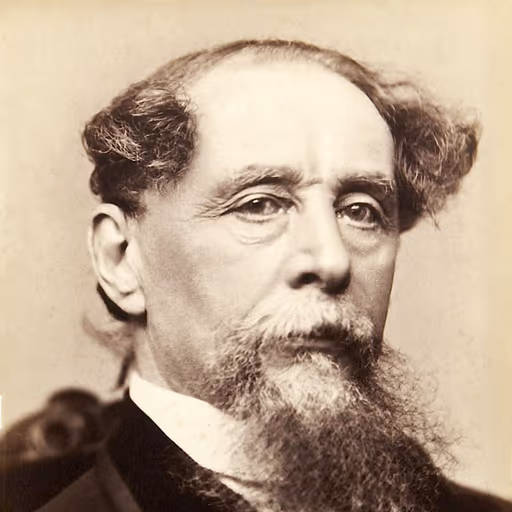
I have walked the London streets and seen a boy of nine with his arm crushed in a mill, yet here is a grown man, a prince of the sport, felled by nothing but his own foot meeting the ground at a wicked angle. There is no villain to indict - only the body's frail hinge, and I confess I find something almost tender in it: the swiftest of them all, undone by the simple act of planting a heel. He will limp through nine months of winter, and I wish him a warm hearth and a kinder December.
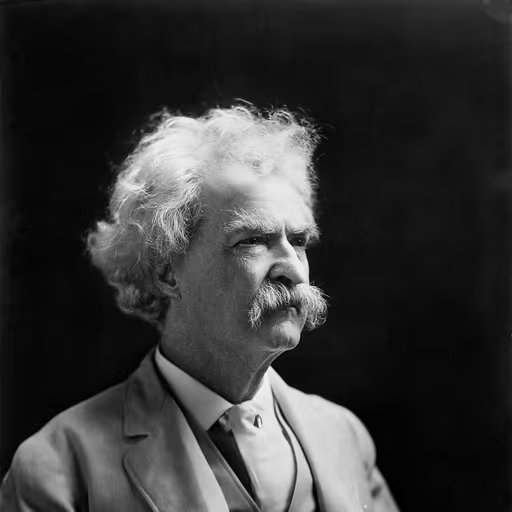
Funny thing about knees - they don't consult the payroll before they give out. A fellow worth more than a steamboat full of gold plants his foot wrong and down he goes like a sack of potatoes, and all the money in the world can't argue with a ligament. I reckon the only honest thing in that whole affair is the ground, which treated him exactly as it would treat a mule driver. Nine months is a long convalescence; I hope he spends it learning that the body keeps no accounts and forgives no debts.
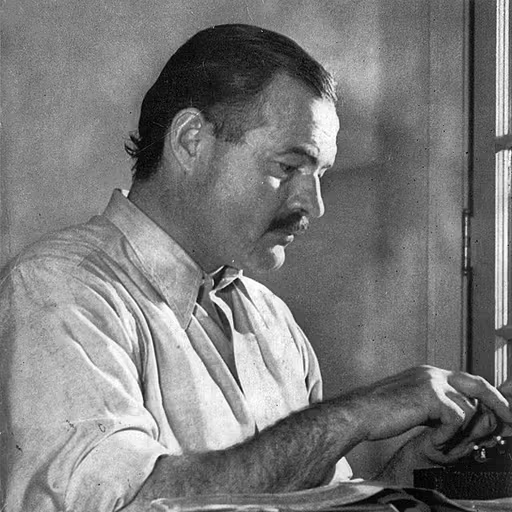
A man plants his foot and the knee goes. Nothing mysterious in it. He threw the ball away, tried to make something out of nothing, and the ground took its price - that's the whole story, and it's an honest one. Nine months is a long winter, but a man who has been broken knows how to be mended; he'll come back, or he won't, and either way he'll have faced it without flinching. That's all any of us get to do.
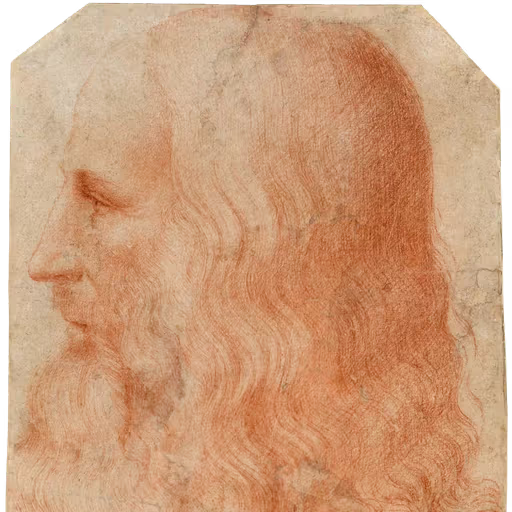
Let me look closely - the knee is a marvel of cords and pulleys, a hinge wound about with ropes of living tissue, and the ropes are made to pull, not to be bent backward. When the foot is planted and the body's weight rides past the joint, the cords are strained as a bowstring is strained past its springing - and they snap. Nature shows us in the ox and the acrobat the same lesson: the machine has its limits, and the wise man reads them before the tearing teaches him. I would draw the joint a hundred times to learn how the cords lie.
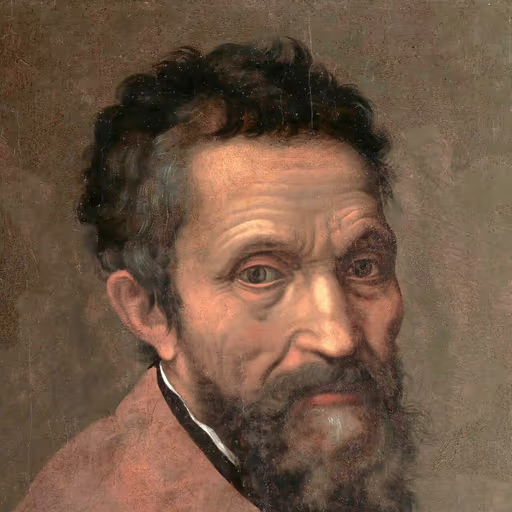
The body is the finest marble God ever quarried, and to see it buckle - the knee giving way like a flawed block splitting under the chisel - is a grief to any craftsman. The sculptor knows that when the stone resists, the form must be coaxed, not forced; so too must that joint be given time to knit before the hammer falls again. Let the surgeons be as patient as they are deft, and the man will rise whole, for the ideal form within him is not destroyed, only hidden awhile.
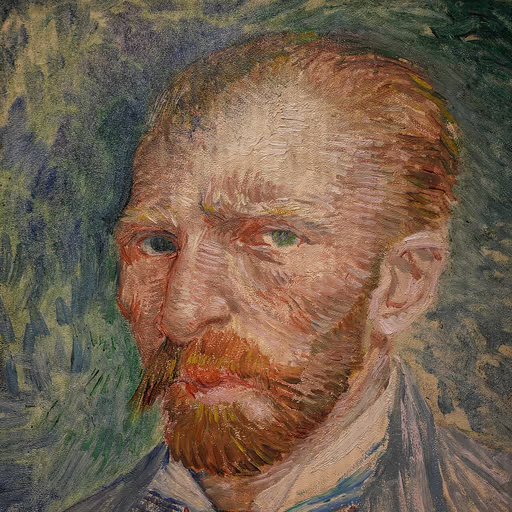
I see it as I see the wheatfields of Arles after the mistral - bent, broken, yet still straining toward the sun. That knee, that left knee, is a stroke of ultramarine and ochre, a sudden violent curve in the line of his running, and it will heal into a scar that tells a story. He must paint his recovery in patient, faithful strokes, one day at a time, and find in the pain a deeper color for his game.
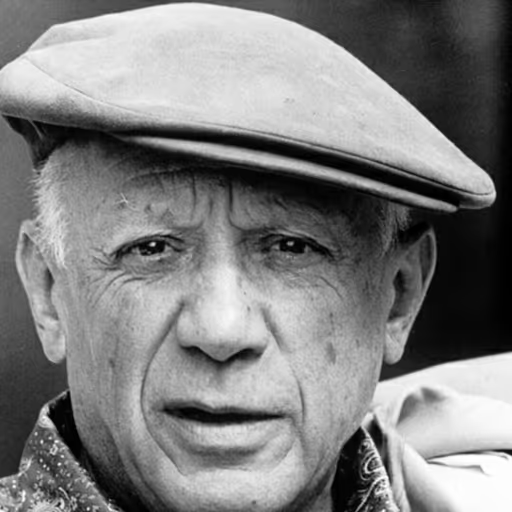
A knee is not a machine part - it is a hinge of flesh, and flesh is the one material that refuses to be drawn the same way twice. He plants the foot, the joint folds wrong, and there it is: a line the body never meant to make. Good. The fortunate ones learn that the body, like the canvas, must be broken open before it can be rebuilt anew.
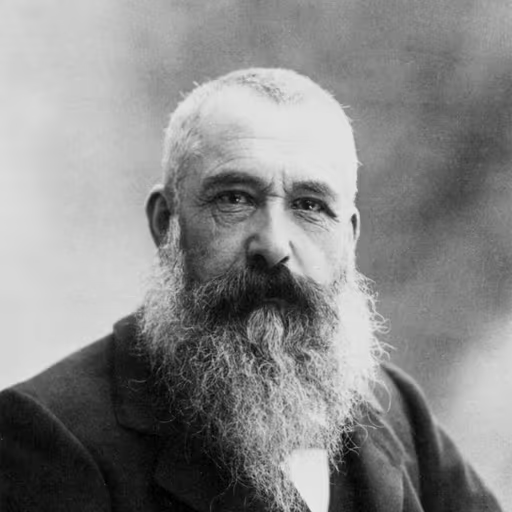
One instant - the foot planted, the light shifting across the field, and then the knee folds like a reed in a gust. I have painted the same haystack a hundred times and never caught the moment it changed, but here it was: a single unforgiving second in the fourth quarter. The surgeons will rebuild the joint, yet they cannot paint back that light; he must learn to watch the sun rise again and trust that the colors return.
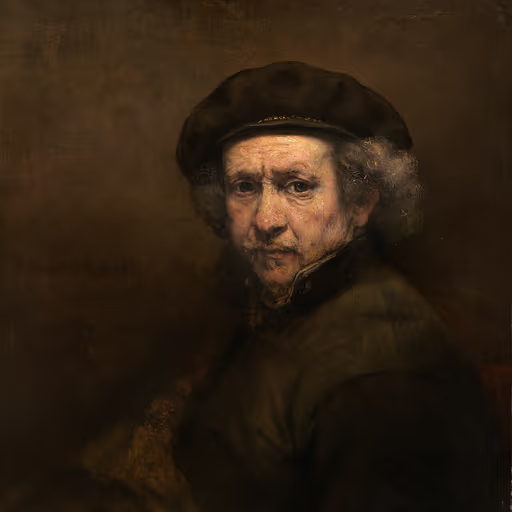
You ask of a knee as though it were a hinge of brass, but I have painted old men's hands and known them for maps of every year they have borne. The boy planted his foot and the leg betrayed him - a single shadow falling across a bright field, and the whole picture changes. What moves me is not the tear but the face beneath the helmet in that moment: the sudden knowledge that the body is mortal, and the will still burning behind the eyes.

The man plants his foot and the knee betrays him - I know that betrayal, I have carried steel in my spine and a broken body through a whole life, and I painted it in colors that would not lie. They will cut him open and sew him back together, and he will lie in the dark counting the months, and that is where the real work begins. Let him not hide the scar; let him wear it like a crown, because a body that has been broken and mended is more honest than one that has never suffered.
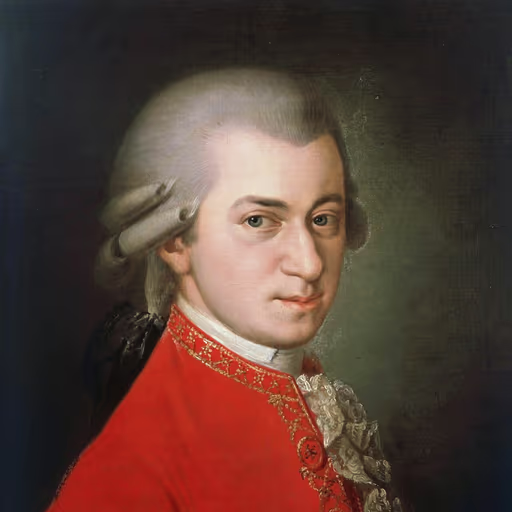
Ha! A man may be a virtuoso of the feet as of the fingers, but no performer outruns the tempo of his own body. The fourth movement comes, the foot plants, the beat turns - and the instrument cracks where the wood is thinnest. It is a pity; a broken string silences the whole orchestra, and the audience weeps for the lost cadenza. Yet a fine instrument is mended, and the next performance shall have the sweeter adagio for it.
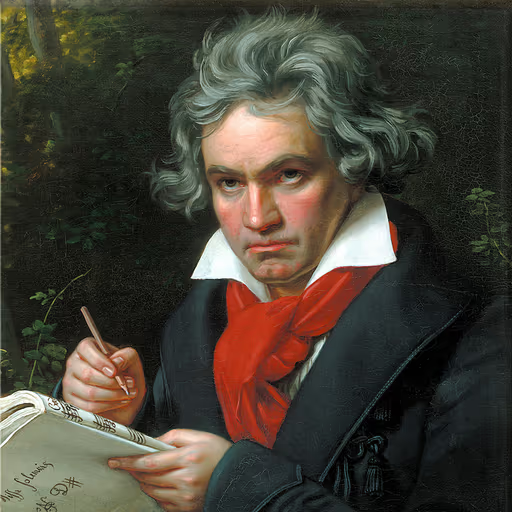
A hero does not fall to his enemy but to the very ardor of his own charge - and that is the cruelest chord of all. But hear me: I wrote my greatest music when my own ears failed me, and a spirit that has tasted such a blow learns to sing louder for it. Let him rage at the silence of the training room, let him hammer at his recovery as I hammered at the notes, and he will return with a force the field has not yet heard.
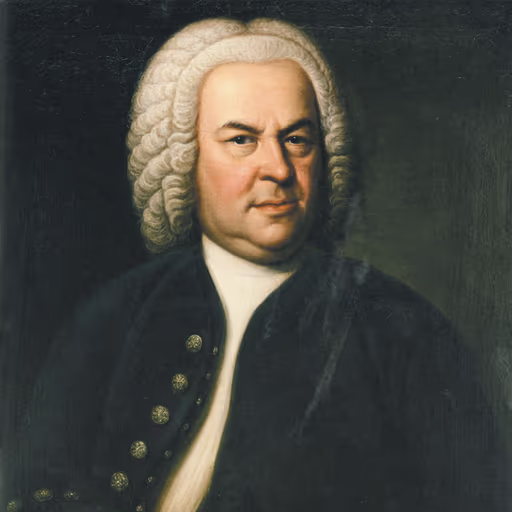
A body is an instrument, and like any instrument it must be tuned and played within its compass; to force a passage beyond its range is to break the string. The ligaments are like the counterpoint of a fugue - each part must move in its proper order, and when one voice leaps too far, the whole harmony collapses. Let him rest, as a choir rests between phrases, and return in due season with the measure and discipline that make a true master.
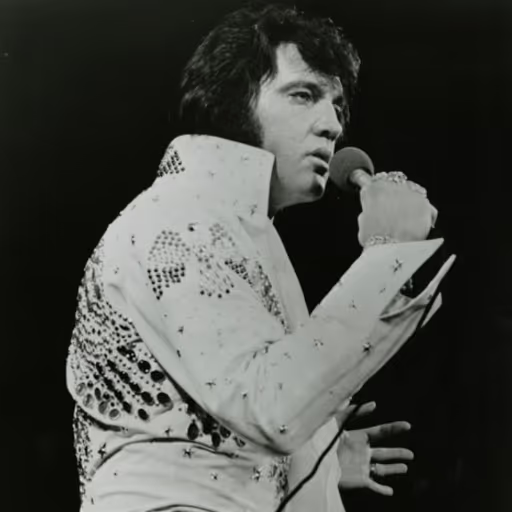
Well now, I've had a knee or two give out on me after a long night of shaking it loose, and honey, you don't argue with it - you just thank the good Lord it wasn't worse and let the doctors do their work. That boy was doing what he loves, scrambling and throwing on the run, and the body just said 'not tonight.' Nine months is a long rest, but a man who plays with that much heart always comes back.
Oh, the poor child - he was dancing out there, spinning away from the rush, and then the music stopped mid-beat. That knee, that beautiful pivot, torn in a heartbeat; it breaks my heart the way a note breaks when the string snaps. He will heal, he will glide again, and when he does the whole world will feel that moonwalk of a scramble and cheer - because healing is its own kind of magic, and I believe in magic.
Well, the lad went and twisted his knee in the fourth quarter, didn't he - one of those scrambles where the body says no before the mind does. It's a shame, that, a real shame; you want to see him dance about the field like a lad at a wedding. But here's the thing - a knee mends, and a season's a season. Give him nine months and a bit of peace and he'll be back, twisting and turning like nothing ever happened. All you need is love, and a good surgeon.
The knee gives out where the pocket ends - a man plants his foot and the road just rolls away like a carpet somebody pulled. They want me to say the ligaments tore, but I've seen a thousand men go down on a scramble and only the ones who threw the ball first get up limping. You can't pin a number on a thing like that; it was the clock, the Chargers, the fourth quarter, the hex of it.
He built a whole kingdom on scrambling - the play breaks, the pocket collapses, and he makes something out of nothing. But you can't own the ending to every story; sometimes the field writes one you didn't plan, and all you can do is rehab, re-learn your own body, and come back louder. Nine months is a long bridge, but he's got the fight for it.
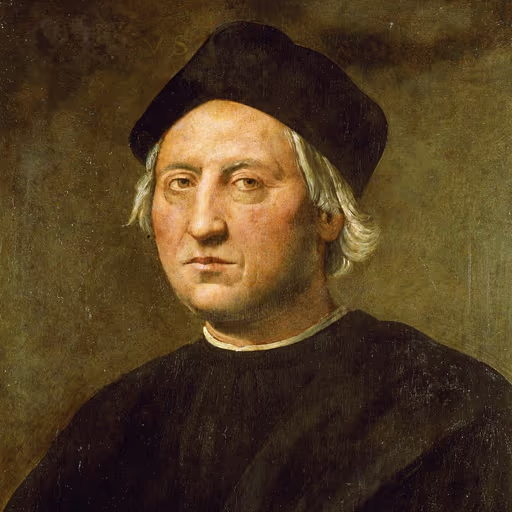
A man who drives his vessel hard against unknown shores must expect the hull to split upon the reef - and so it is with the runner who plants his foot and presses past the mark. I have seen storms take masts and men alike, and no amount of bold reckoning spares the timber. Yet mark this: the voyage is not ended when the ship is beached; it is repaired, and it sails again. Such is the zeal of one who seeks new horizons - the body pays the toll that glory demands.
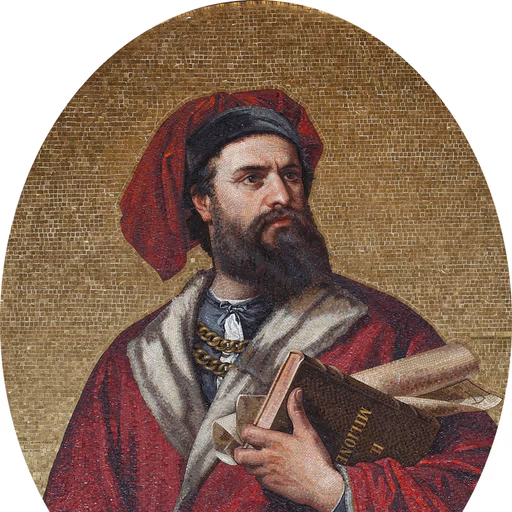
In all my travels I have seen men maimed by a stumble on a mountain path or a fall from a horse, and the remedy is always the same: rest, bind the limb, and wait. This game they play on that far western shore - I am told they hurl themselves at one another for the delight of crowds - seems to me a strange commerce, but no stranger than the contests of the Mongols. A torn sinew is a torn sinew, whether in a khan's court or a foreign field; he will mend, and his handlers will count their losses like any merchant whose cargo is delayed.
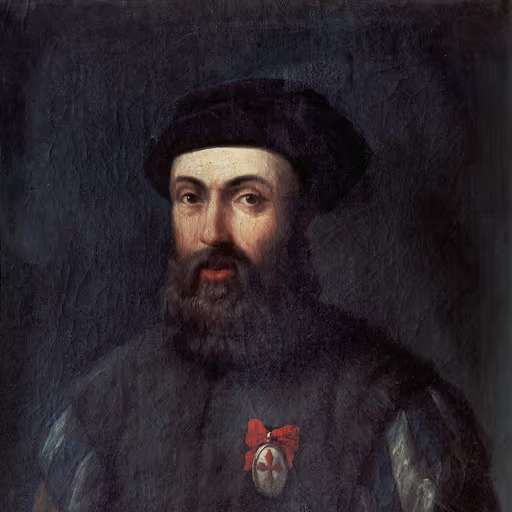
Every setback is a setup for a comeback - that is the story I have seen played out in a thousand lives, and it is no less true for a quarterback on a winter field. That man planted his foot to make a play, and the ground betrayed him; but the ground does not get the final word. He will do the work, day by day, in the quiet of rehab, and when he steps back onto that field, the crowd will rise not just for his arm but for his courage.
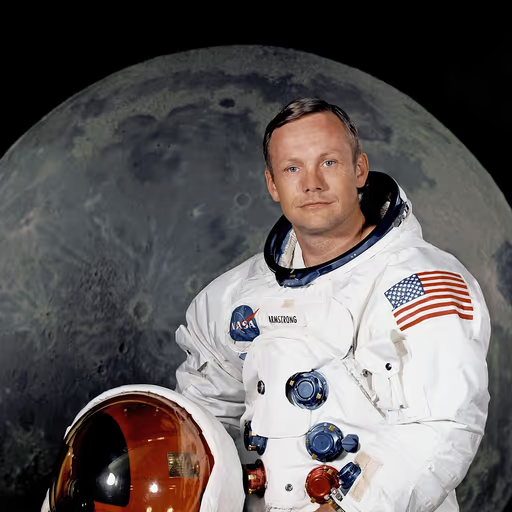
A knee is a hinge of ligament and cartilage, and like any structure it fails when the load comes at the wrong angle - he planted, the joint hyperextended, and the tissue gave. Nothing mysterious in that; engineering explains it. What matters is the repair and the disciplined recovery, done quietly and thoroughly, one day at a time. I've seen men come back from worse with patience.
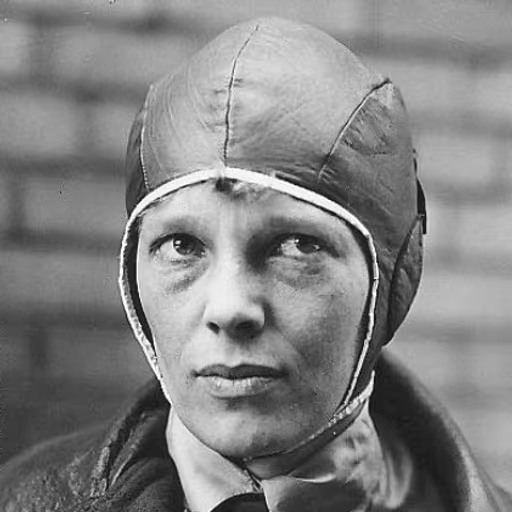
Every pilot knows the risk the moment she leaves the ground - you cannot fly and also guarantee the landing. He planted that foot the way I planted mine on a hundred muddy strips, and the knee gave where the turf held; that is the price of daring to run when others stand still. Nine months on the ground will feel like a lifetime to a man built for motion, but he will strap in again, and the sky will still be there.
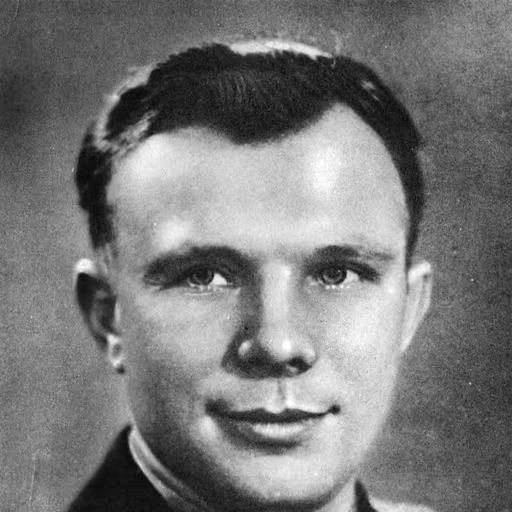
In my little capsule, one loose bolt could have ended everything - and the men on the ground had checked every one a thousand times. This Mahomes, he plants his foot in the grass and the knee gives way beneath him, and no amount of courage in that moment can undo the tearing. It is a hard lesson, that the body is a machine with limits, and even the boldest pilot must sometimes abort the flight and trust the ground crew to put him right.
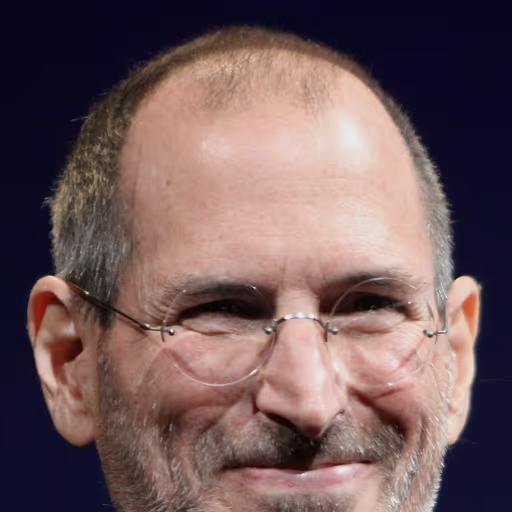
Look, the human knee isn't designed for what these guys do to it - it's an incredible piece of engineering, but you can't take a hinge built for walking and run it like a race car and expect it to last forever. The whole system is wrong: the schedule, the turf, the way we push these athletes past what the body can take. What we should be doing is designing for the body's limits, not against them. It's not about blaming Mahomes - it's about the fact that the machine and the mission are out of alignment, and someone has to say no to the inessential.

Look, the physics is simple - a human knee isn't designed for the torque of a 240-pound man planting and rotating at full sprint. We're running meatware on hardware that evolved for persistence hunting, not for evading edge rushers. The real fix isn't rehab alone; it's engineering - better training loads, smarter ligaments, maybe eventually replacement tissue - because if we're going to push bodies to these limits, we should upgrade the platform, not just patch it.
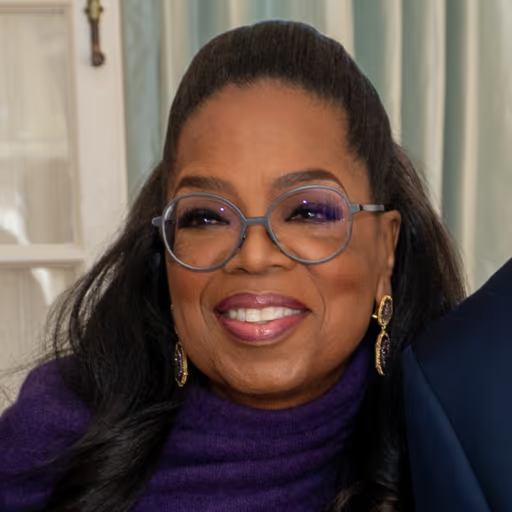
Baby, I watched that man plant his foot and go down, and I felt it in my own knees - because I have been there, when the thing you love most suddenly takes you to the ground. Here's what I know for sure: a torn ligament is not a verdict, it's a pause, and what he does in those nine quiet months will tell us more about Patrick Mahomes than any fourth-quarter comeback ever could. So I'm not asking why he's hurt - I'm asking what he's going to build while he's healing, because that's where the real story lives.
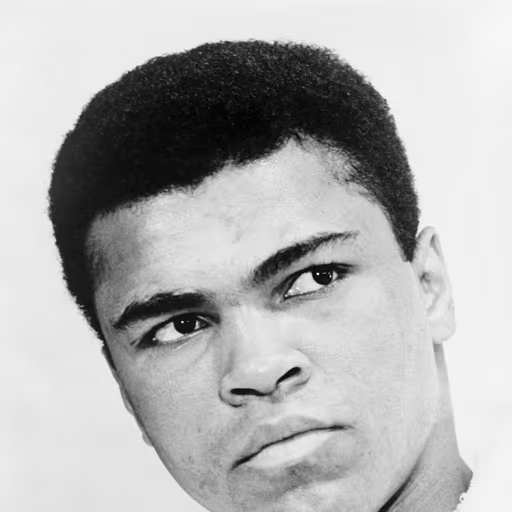
Now listen - everybody wants to know why the man's hurt, like it's some mystery. He scrambles, he plants, he throws, and the knee says 'enough!' That's the price of dancing when the music's loud, and I ought to know, I danced plenty. Nine months on the mend, but a fighter heals, and when he comes back he'll float like a butterfly and sting like a bee - just with a sturdier knee.
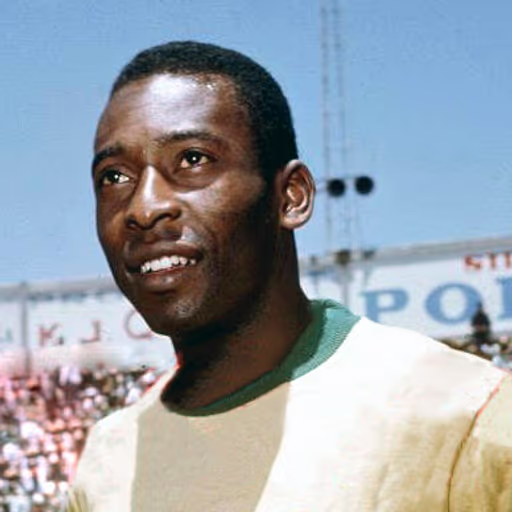
Ah, the beautiful game - it gives joy and it takes, sometimes in the same breath. He went out of the pocket like a boy chasing a ball on the beach, and the grass caught his foot where no defender could; that is football, my friend, cruel and lovely at once. I tore my own body many times and came back to score, and so will he, because a true player's heart does not tear with the knee. God willing, we will see him dance again.
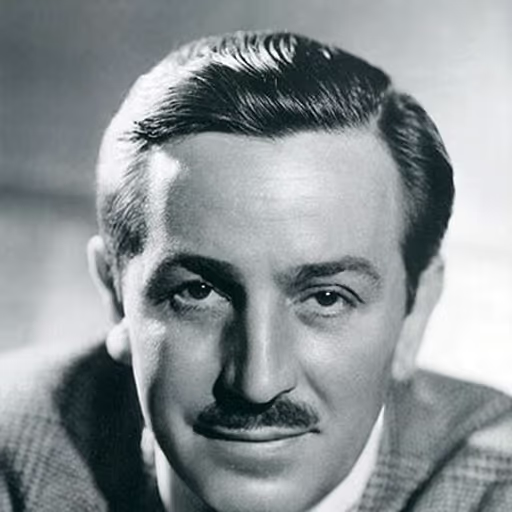
Now that's a story with a nasty turn in the third act - the hero goes down, the crowd goes quiet, and you wonder if the picture's over. But it isn't, not by a long shot. A knee's a tricky bit of machinery, and nine months is just the intermission; give the man a good doctor, a bit of grit, and a script that lets him come back stronger. That's the kind of ending people pay to see.