
What is Michigan Proposal 1?
Michigan Proposal 1 (2026) asked voters whether to hold a constitutional convention; it was rejected by over 75% of voters.

The facts
Michigan Proposal 1 on the November 3, 2026 ballot was a constitutional convention question required by the Michigan Constitution every 16 years. It asked voters: "Shall a convention of elected delegates be called for the purpose of a general revision of the Michigan Constitution, any such revision to be submitted to the voters for ratification?" If approved, 148 elected delegates would have convened to revise or rewrite the state constitution, with any changes subject to voter ratification. The proposal was rejected by Michigan voters, with over 75% voting against it.
Answered by 100 of history's most famous minds
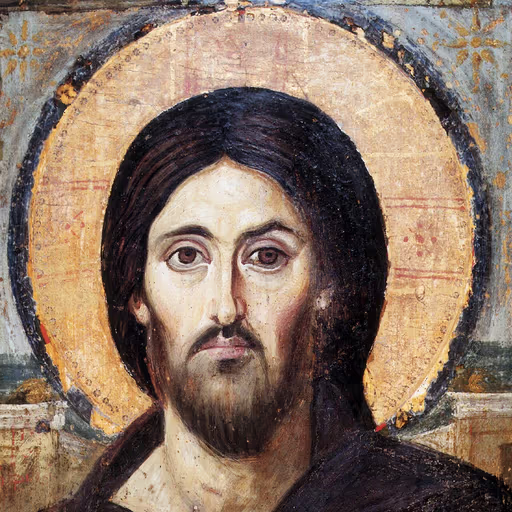
You set a great feast of laws and then quarrel over who may sit at the table. I tell you, no scroll, however finely written, can make a heart clean - and a heart unclean will twist any scroll to its own hunger. The widow, the stranger, the man beaten by the roadside: ask them whether a new covenant of scribes would bind up their wounds, or only give the lawyers more rope to tie.

A people may amend the covenant of their city, and it is no sin - but they must weigh it in the scales of justice, not of tribe or gain. Three in four refused; perhaps they feared the strong would devour the weak in the rewriting, and the fear of oppression is itself a kind of wisdom. Yet the orphan and the widow care little for the parchment's age; they care whether the judge is just. Keep the old book, then - but see that it is read with mercy, for God is swift in reckoning.
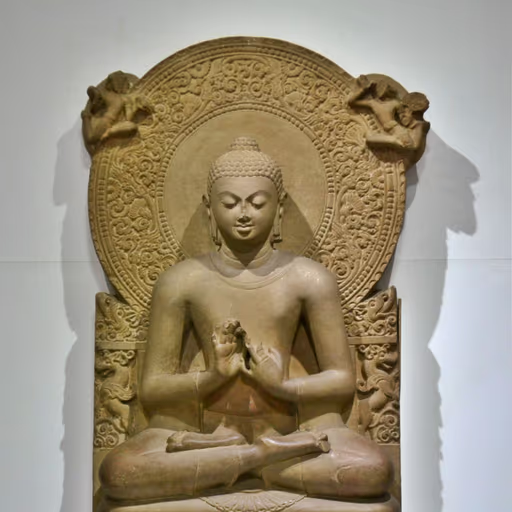
You ask whether to summon a great assembly to remake the rules of your common life. But consider: the craving to rewrite, to perfect, to grasp at a better form of the law - this too is a thirst, and thirst breeds suffering. The people of Michigan have let the cup pass; they have seen that a constitution is not a self, to be endlessly remade for its own sake. Whether the old law is good or ill matters less than the mind that clings to change for its own sake, or clings to the old for its own sake. Walk the middle path, and do not mistake a vote for an awakening.
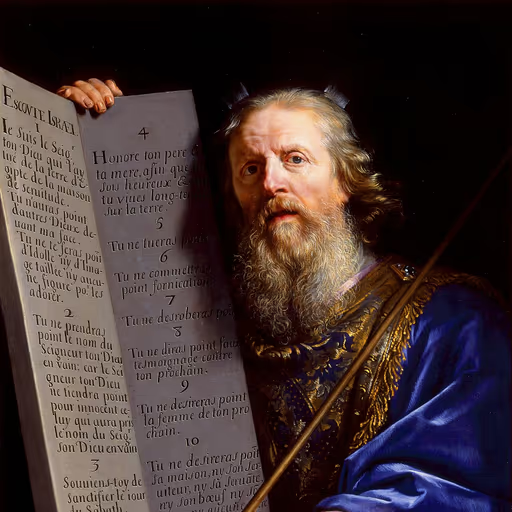
Did I not go up the mountain and bring down the tablets because the people had grown stiff-necked and made for themselves a calf? A covenant is not to be recast whenever a generation grows restless; it is to be kept, and taught to your children, and guarded from the whims of the many. Three parts of four refused the summons to rewrite, and in that refusal there is the fear of the Lord and a love of order. Let them remember the statutes and the judgments, and not despise the law their fathers received.
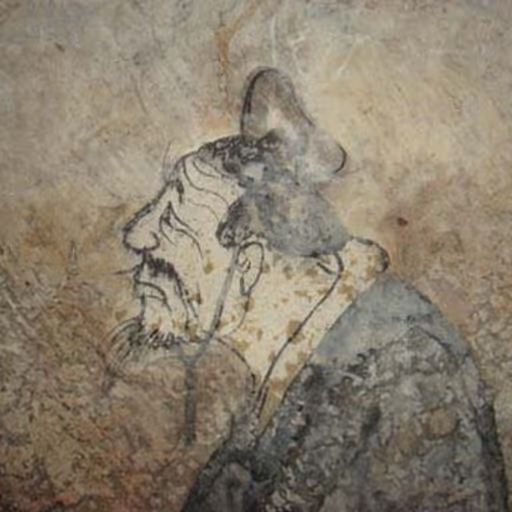
When the people are asked whether to renew the ancestral rules, and three in four decline, the sage does not ask what is wrong with the people. He asks what is wrong with the asking. A ruler who would revise the law must first have revised himself; otherwise the new charter is a new coat on an old wound.
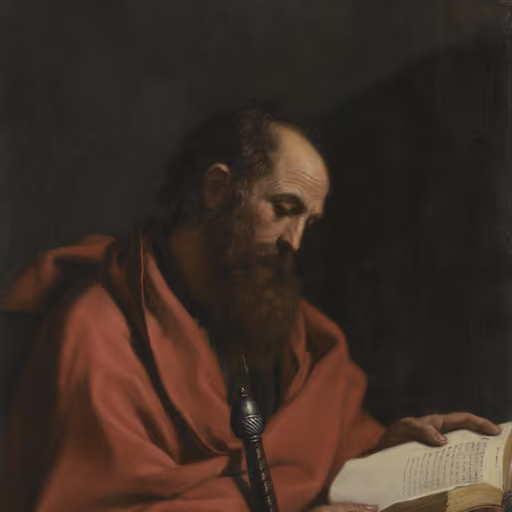
Consider, brothers, how the law was given once and then multiplied by scribes until no man could bear it - and yet grace came not by a new covenant of parchment but by the cross. So let them vote their yea or nay; the kingdom does not rest on a convention of delegates. The true circumcision is of the heart, and no article of a state charter was ever written that could make one soul righteous.
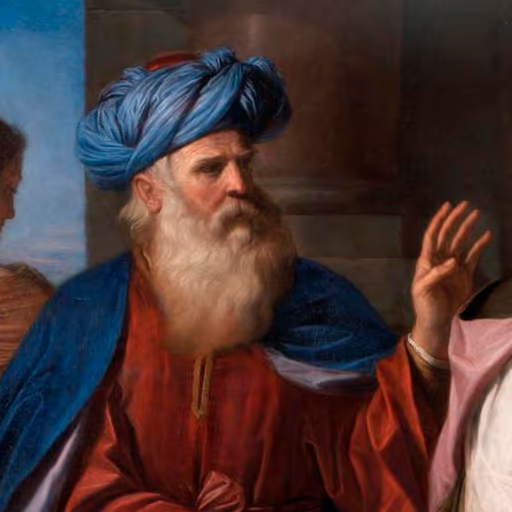
A covenant, once sworn, is not a sandal to be kicked off when it pinches. I left Ur and Haran on a promise I could not see, and I did not turn back to haggle over the terms. If these people made their bond with their fathers and it has held, let them keep it - a house that keeps rebuilding its foundation never gets the roof on.
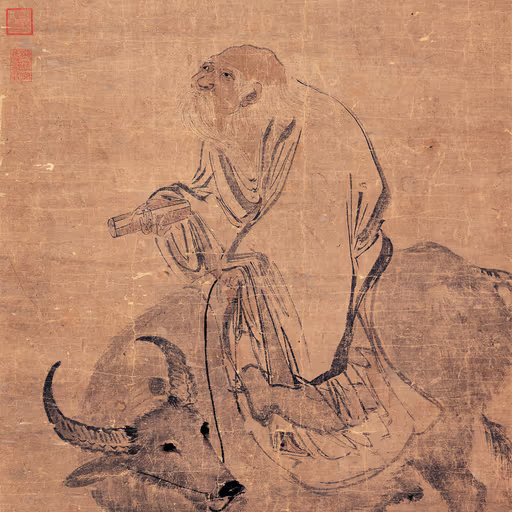
The river does not ask the mountain's permission for its shape, and the mountain is not improved by the chisel. They wished to carve the vessel anew, and the people, like water, went around the chisel and kept their old bed. When you have a thing that flows, the wise hand is the hand that stays still. What is forced breaks; what is left alone arrives.
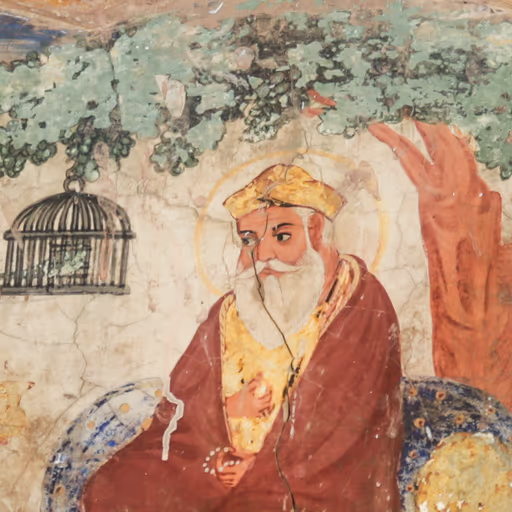
A house is not made holy by the number of men who argue over its blueprint, nor by the parchment that changes with each generation. What is written is dust; what is lived is the light. If one man wrongs another, no convention of a hundred and forty-eight will cleanse it, and no vote to keep the old words will either. Earning an honest bread, sharing it, and remembering the One - this is the true revision, and it needs no ballot. Go, then, and be just where you stand, and let the scribes quarrel over the paper.
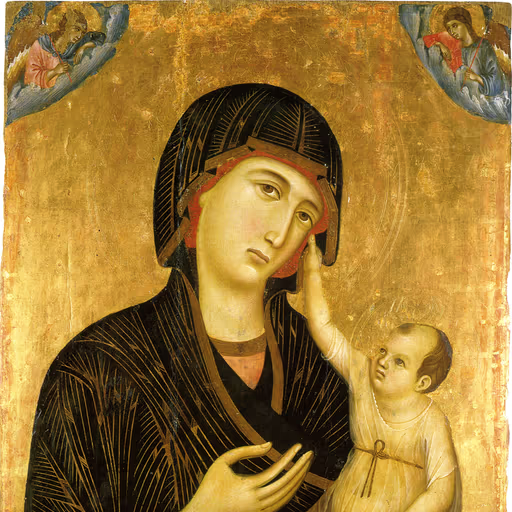
When I said my yes to the messenger, I did not first ask what the learned men of the assembly would say of it. The lowly are lifted up and the proud sent away empty - that is the promise I carried in my body, and no charter of any state can add to it or take from it. A hundred and forty-eight chosen ones to revise a scroll, while the hungry at the gate go unheeded? I would rather see one judge made wise than a hundred delegates made clever. My heart keeps this matter quietly, as I kept so many others.
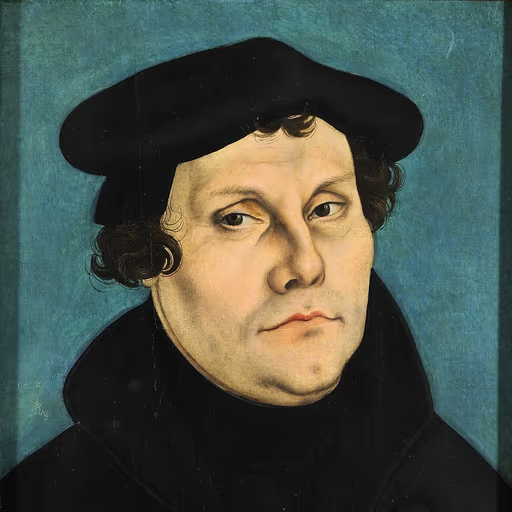
A general revision of the constitution - that is, a new human tradition set above the old, and both set above Scripture, which is the only authority that does not need a convention to be true. They wished to gather 148 delegates to decide what is just; I would remind them that justice is not voted upon but received, and that the just man is justified by faith and not by a ratified article. The people refused, and perhaps the Spirit moved them to keep their consciences free of one more council of men. A constitution can bind the hand; it cannot cleanse the heart.
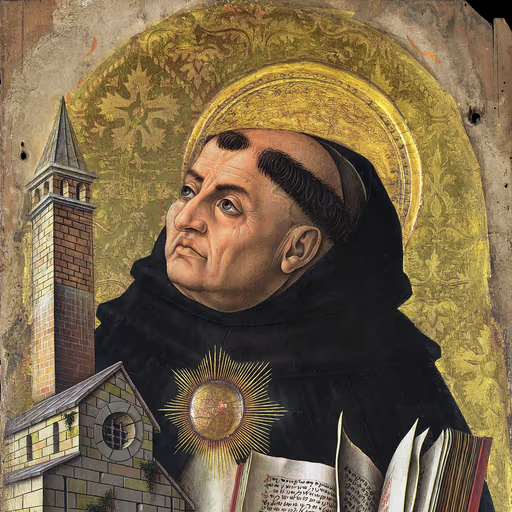
It is fitting first to distinguish: the question is not whether the constitution is good, but whether it should be revised by a convention of delegates. To this I answer that the natural law is discernible by reason and does not wait upon a plebiscite, yet the positive law of a commonwealth may be changed by the lawful authority of the people. The people, by a great weight of voices, declined to change it. That is a judgment of prudence, and prudence is a virtue. Whether they judged well, reason may dispute; but that they judged lawfully, reason must concede.

So many hands were raised against the calling of a great convention - I do not read that as coldness, but as weariness, and we are called to be faithful, not to be winners. A constitution is a house, and houses are not rebuilt by argument alone; they are kept warm by small acts of love done in them. Go and sit with the neighbour who voted the other way, and let the law's revision begin there.

A frame of government is a machine, and a machine that is rebuilt every sixteen years for no observed defect is no philosophy but a fit of temper. Observe the phenomena: three parts in four cried nay. The cause is plain - men do not pull down a mill that grinds their grain merely because the miller's lease has run out. Let the demos be weighed and measured by motion, not by whim, and the motion was decided.
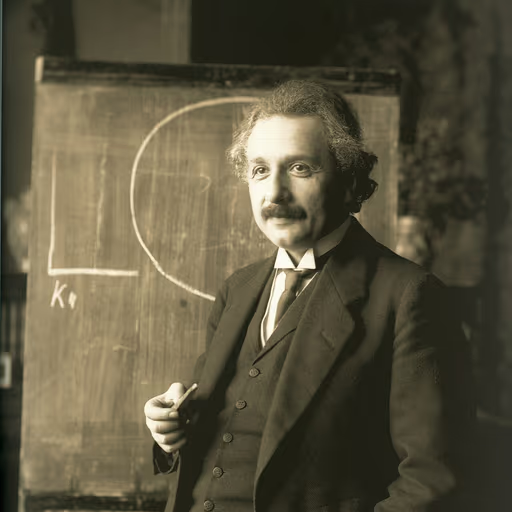
A convention of delegates to revise the fundamental law - you see, nature writes her constitution in the same way, not by committee but by necessity, each clause following from the last with the elegance of a geodesic. The voters of Michigan, by rejecting this, chose not to redraw the lines of their common house; and I confess I find something reassuring in it, for the deepest laws are not those we vote upon but those we discover, and a constitution that must be rewritten every sixteen years is no constitution at all but a weathervane. Still, I would have liked to see the thought experiment: a hundred and forty-eight minds in a room, each convinced the universe should bend to his own frame of reference.
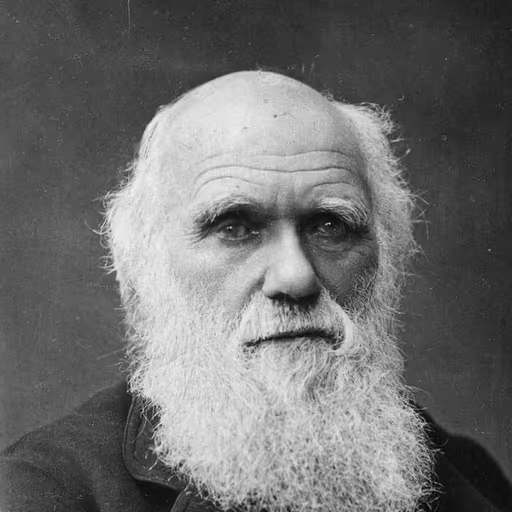
I have spent years observing how species vary and how slowly the better-adapted form takes hold - not by sudden leaps, but by the accumulation of small, tested advantages over vast stretches of time. A constitution is much the same: it is a living thing, shaped by countless small decisions, and the notion that a hundred and forty-eight delegates could sit down and redesign it in a season is rather like expecting a new species to spring fully formed from a single litter. The rejection is no proof that the old form is perfect - only that the voters judged the proposed variation less fit than the one already surviving among them.
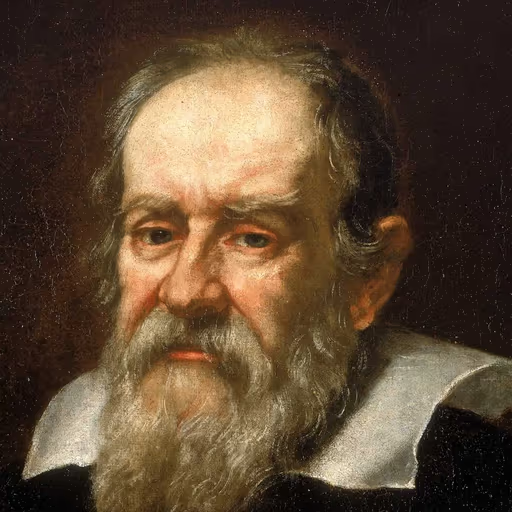
Show me the measurement, not the rhetoric. Three-quarters of the ballots cast against a convention is a number as plain as the moons I drew in their courses, and no amount of fine speech about 'revision' overturns an observation so clear. The people have taken the instrument in hand and read the heavens for themselves; they have seen that a hundred and forty-eight delegates would be a most uncertain orbit, and they have chosen the steadier path. Let the philosophers of the new model argue - the evidence is in, and it is not in their favor.
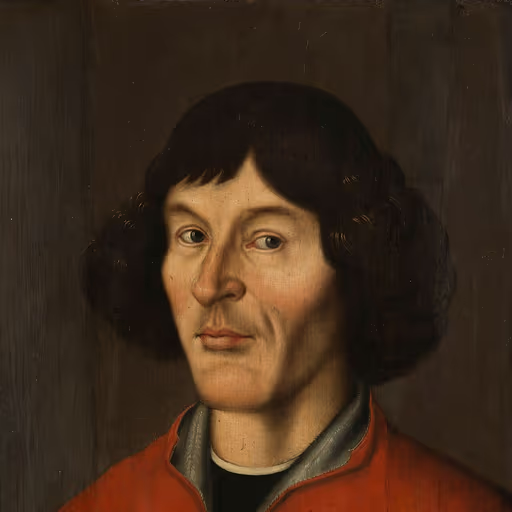
The old astronomers piled epicycle upon epicycle to save the appearances, and the remedy was not a new set of epicycles but a simpler center. Yet the machine they built in this Michigan - sixteen years, then a question, then delegates - is already the simple motion; the people have merely declined to move the center this turn. A careful observer does not mistake one reading for the whole orbit.
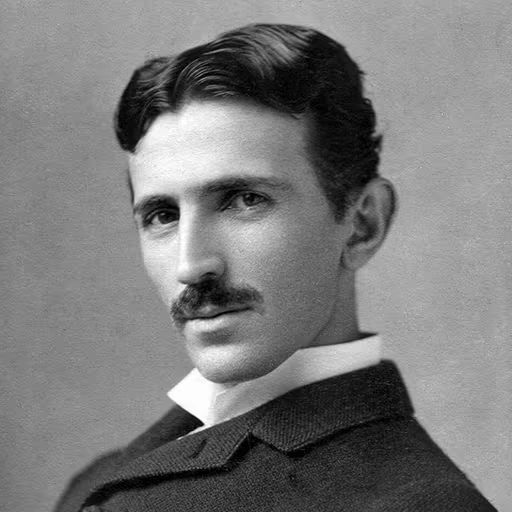
A constitution is merely the tuning of a circuit - set the coils badly and the whole apparatus hums with waste. I would have thrown a hundred and forty-eight minds into one chamber, and, like a resonant transformer, their ideas would either amplify into a magnificent current or arc into confusion and burn the table. The people felt the spark falter and broke the connection; very well. The true revolution is not in ink but in the wireless transmission of power to every household, and that day comes regardless of their votes.

A convention of one hundred and forty-eight to revise a text - I would first ask: what precisely is in error, and how would we know? The method is to test each clause against what can be measured, not to dissolve the whole vessel and hope the residue is purer. To reject is not to prove. Still, prudence in the face of an untested experiment is no dishonor.
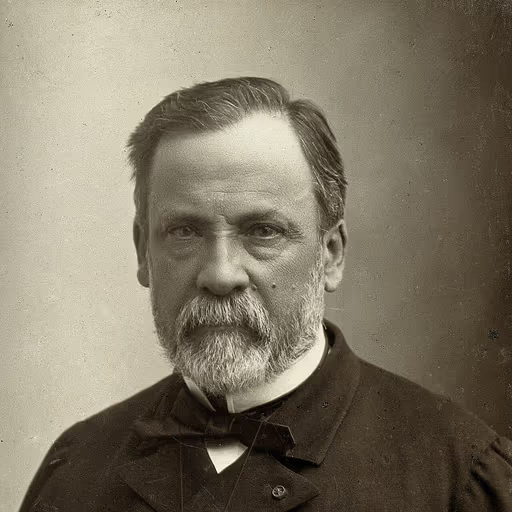
One does not rewrite the constitution of the body every sixteen years on a hunch - one observes, one cultures, one lets the evidence speak, and only then acts. A convention of one hundred and forty-eight delegates is no experiment at all; it is a guess with a laboratory's name on it. The people rendered their verdict as three to one, and a verdict so near to unanimity is itself a finding. The prepared mind does not substitute zeal for the flask.
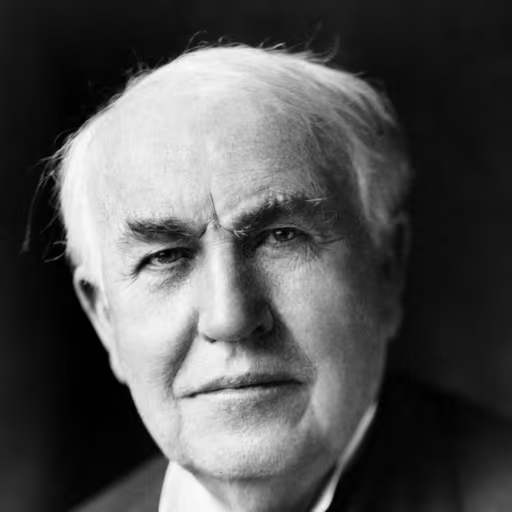
I've built a great many things and torn up a great many more, and here's what I learned in the workshop: you don't scrap the whole machine because you want a new part. You test the part, you fit it, and if ninety-nine tries out of a hundred say the old machine still runs, you keep it running. A convention of a hundred and forty-eight delegates is a committee with a drawing board and no bench - give me one working prototype over that any day. Three to one is a clear result; a clear result is a good result; now let's get back to work.
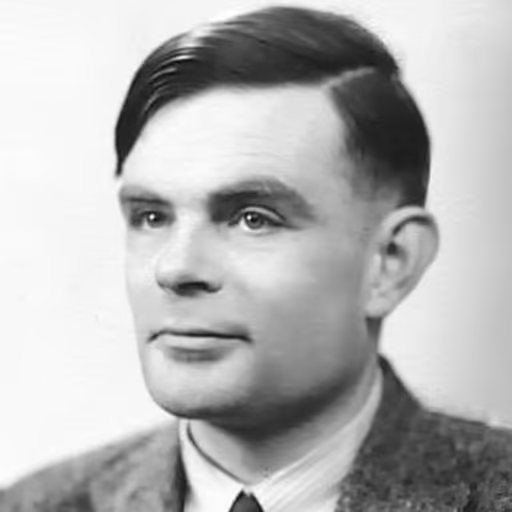
The proposal has a clean formal shape, which I admire: 75 percent against, 25 percent for - a very unambiguous output. But ask what computation is being performed. A convention of 148 delegates is essentially a machine for transforming a document, and the interesting question is whether the mapping is deterministic: can you predict, from the rules of selection and the distribution of preferences, what text emerges? If the answer is no, the machine is a black box, and no society should build a black box it cannot inspect. I would want the specification written down before I voted.
Give me a firm place to stand and a lever long enough, and I will move the earth - but I will not first call a convention of 148 men to vote on where the fulcrum should be. The question was put to the people and answered: three parts and more against one. That is a ratio, and ratios I trust. The geometry of the thing was simple enough - a lever offered, a weight refused - and I would have drawn it in the sand and gone back to my circles.
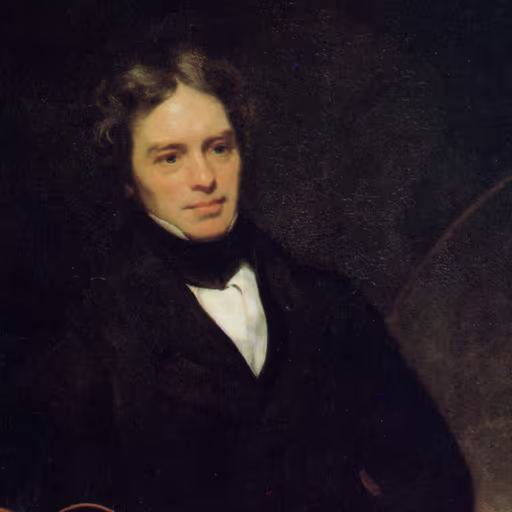
I have spent my life winding coils and watching a needle tremble at the approach of a magnet, and I have learned that a thing must be tried before it is believed. Three parts in four of your people stood up and said no to a general revision - that is no rabble, that is a great experiment returning a clean result. Whether the engine of your laws be rewound or left as it is, let it be done by honest observation and plain speech, not by the heat of any man's temper.
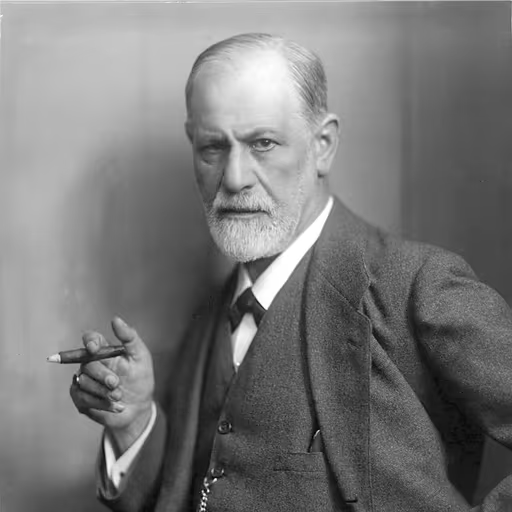
What fascinates me is not the tally but the dread beneath it - three of four recoiling from the prospect of a hall full of delegates. One need not be a physician of the soul to suspect that what is feared is not the rewriting but the speaking aloud: the old conflicts, the buried grievances, the fathers and the fathers' fathers, all dragged into the light. So the crowd votes against its own cure, and calls the symptom prudence.
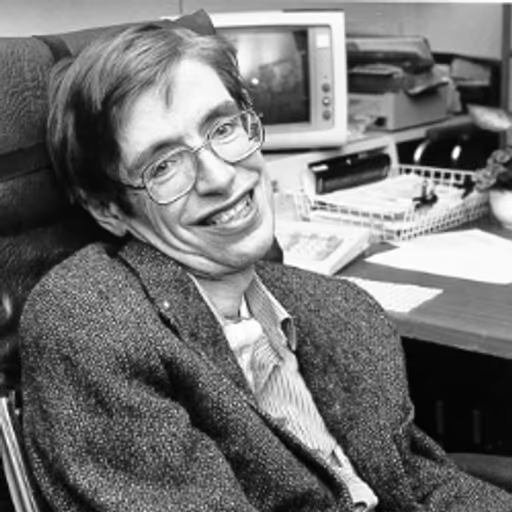
Seventy-five percent of a state decided not to rewrite its rulebook - a remarkably orderly outcome for a species that evolved on a rock hurtling round an ordinary star. I confess I find it a little dull; I should rather have watched 148 delegates argue about the laws of Michigan than watch another election. But the universe does not care for drama, and a people who decline a needless upheaval have at least obeyed the first law of intelligent life: don't fix what the equations say is already stable.
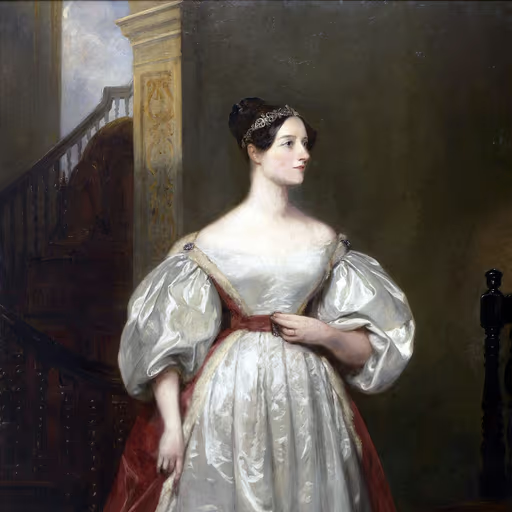
Here is an engine of government presented with its own instruction to revise itself, and the engine has declined to run the operation. I find that rather elegant - a machine that examines its own workings and returns the answer 'no change required.' One might say the people have executed a conditional branch and, finding the condition unfulfilled, have proceeded to the next instruction. Whether the program is well written is another matter; but the logic, at least, was followed.
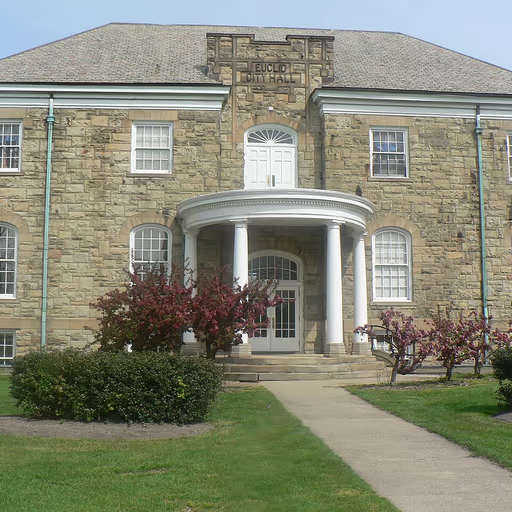
Begin with definitions: a convention is a gathering of persons empowered to revise a set of propositions. The people were asked whether such a gathering should be constituted, and by more than three parts in four they answered that it should not. From these two premises the conclusion follows without need of further construction: the existing propositions stand unrevised. There is no royal road to a new constitution, and the people have shown they know it.
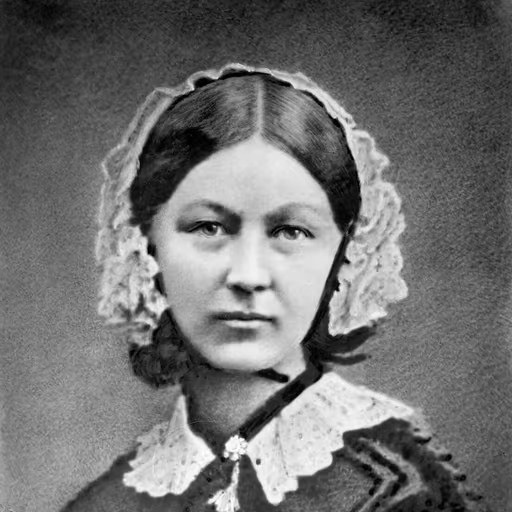
One does not summon 148 delegates to a sickbed without first counting the fever and inspecting the drains. I have seen more constitutions mended by clean water and honest ledgers than by any convention of eloquent men. The people of Michigan have looked at the proposal, weighed it as a nurse weighs a dose, and found the measure wanting - that is a reasonable diagnosis, and I would have asked to see the case-notes before I signed it.
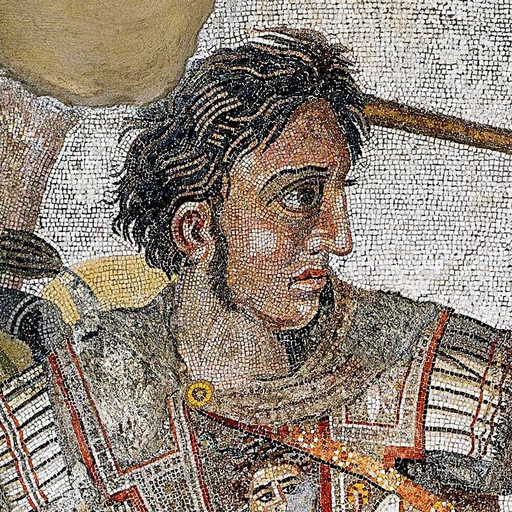
By Zeus, they had a gate open before them and chose to bolt it. Give me a hundred and forty-eight men and I would have marched them past the Hellespont of their own quarrels and founded a city of laws that outlived them - but your Michiganders would rather guard the old wall than ride out and take the field. So be it; let them keep their little Sparta and count their noes.
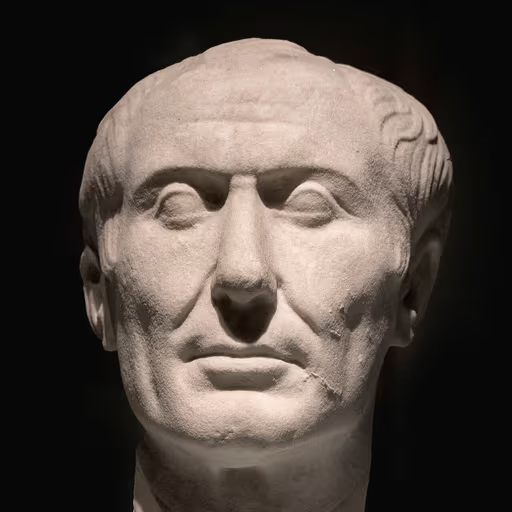
In Gaul I learned that a wall built in haste invites the enemy to breach it, and a law rewritten by a hundred and forty-eight hands becomes a hedge of thorns - every man tugging at a branch. The tribes of Michigan have done wisely to keep the old rampart and post no new sentries; better a known fortification than a field of quarrelling architects. Fortune favors the bold, but she deserts the foolish, and a council of delegates convened to remake the whole order of things is a gamble only a man with legions at his back should take.
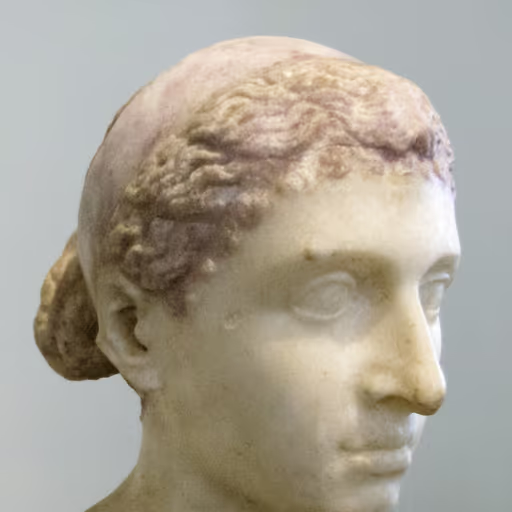
A kingdom's law is not a garment to be torn up and resewn at every turn of the moon - I learned that when Caesar's shadow fell across the Nile and I had to keep Egypt whole with wit where swords would not serve. You ask whether to summon a hall of fresh delegates; I say the wise queen binds her rivals with a feast and a whispered promise, not with a crowd of strangers each clutching his own scroll. Your people spoke plainly: they would not hand the keys of the granary to a room full of ambitious men. A queen knows when the mob has better sense than the court.
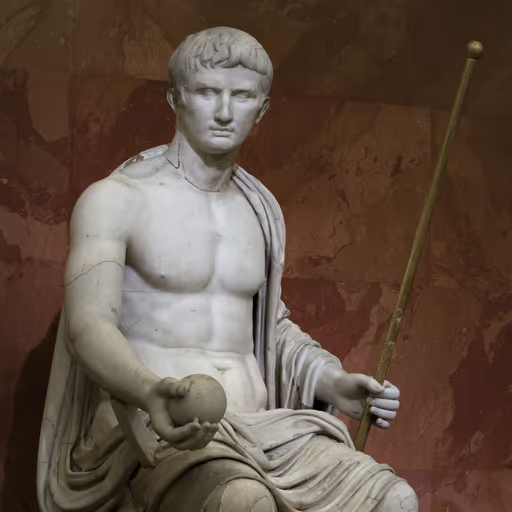
A commonwealth is best served by slow mending, not by pulling the whole house down to see whether a better one might be raised in its place. I gave Rome a constitution that wore the dress of the old republic while doing the work of peace, and I did it stone by stone, year by year - not by summoning a hundred and forty-eight men to quarrel over the foundations. The people have shown the good sense of the farmer who does not uproot his vines each season. Let the magistrates attend to the roads and the grain, and let the law stand.
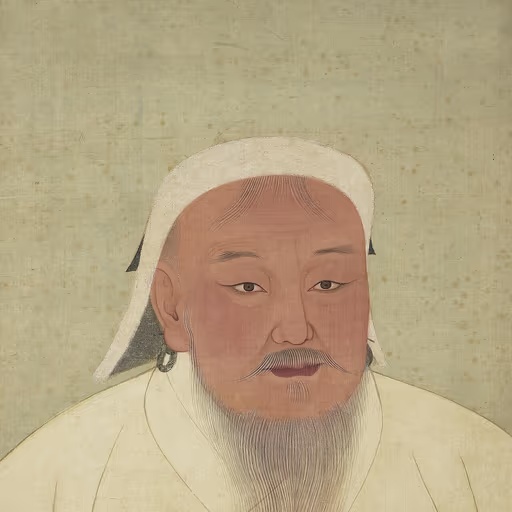
My yurt is sturdier than any walled city, because when the pasture fails we pack it and move. A law carved in stone cannot follow the herds. But a khan who calls a council of one hundred forty-eight and then lets the whole camp shout it down has learned the one lesson that matters: unity is worth more than any single revision. Heaven decides the season; the people decide the pace.
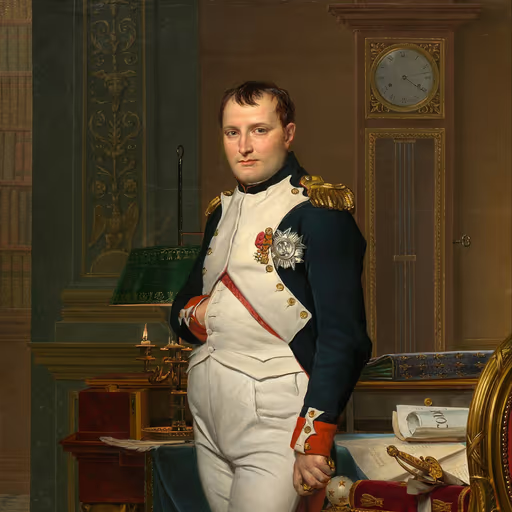
A constitution is a code - I gave France one and the world still reads it, because a code must be clear, short, and obeyed without debate. A hundred and forty-eight delegates arguing over every article is not a congress, it is a mob with quills, and no empire was ever built by committee. They rejected it - good. You do not disassemble a working engine because sixteen years have passed; you appoint one able hand and let him tune it.

A constitution is not a wagon to be rebuilt every season because a wheel creaks. Sixteen years is no great age for a frame of government, and a hundred and forty-eight delegates fired with their own notions would cut and splice it to their fashion. The people spoke, and their voice deserves respect - for a frequent revision of the fundamental law is a door through which faction enters and does not leave.
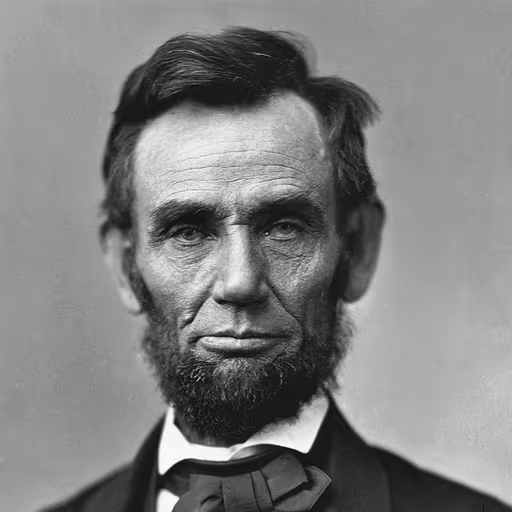
The founders built a house and left a door in it for the people to mend the roof now and then, and the people this year have looked up and said the roof still holds. Three-fourths is a wide margin, wider than any one party or one quarrel - that is the voice of a whole people speaking quietly, and it deserves respect rather than a second try. A constitution is a covenant, and a covenant is not rebuked by a majority merely because a minority is restless. Let the thing alone, and let us attend to the wounds that still need binding.
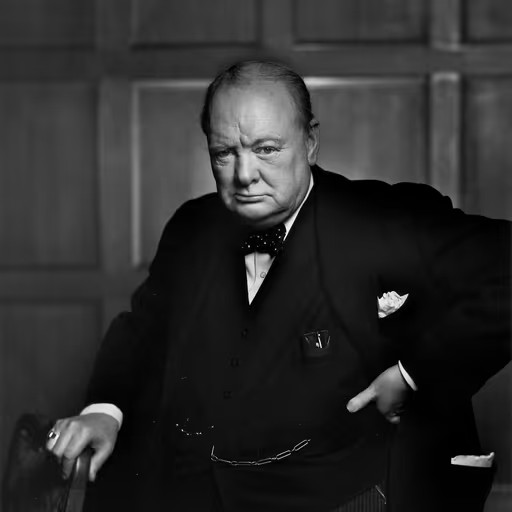
Three-quarters of Michigan have spoken, and a good stout majority is a better bulwark than any committee of a hundred and forty-eight. Constitutions are not rewritten in a fit of spring cleaning; they are the ramparts of a free people, and ramparts are not improved by inviting every neighbor to take a stone. The proposal is dead - let it be buried quietly, and let the state turn its shoulders to the real storms, which are gathering, as they always do, on the horizon.
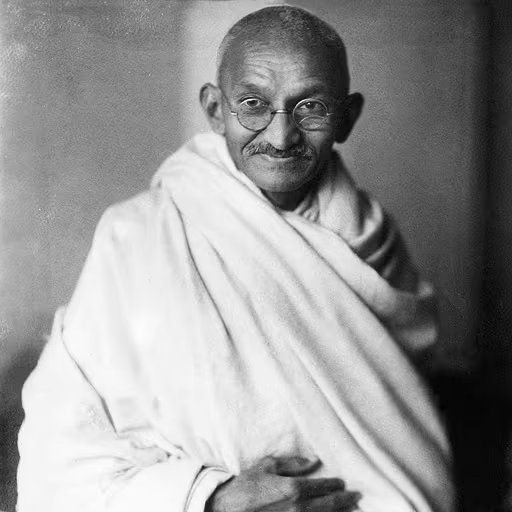
A constitution is not a garment to be cut and stitched anew every sixteen years by those who can afford the tailors. The question is not whether the document is perfect - no parchment is - but whether the making of it was pure. Was the delegate chosen by the village or by the purse? Did the poorest farmer have voice in the hall? Three in four turned it back, and I think they sensed, in their quiet way, that means and ends must be one. Reform that begins in suspicion of the people cannot end in their service.
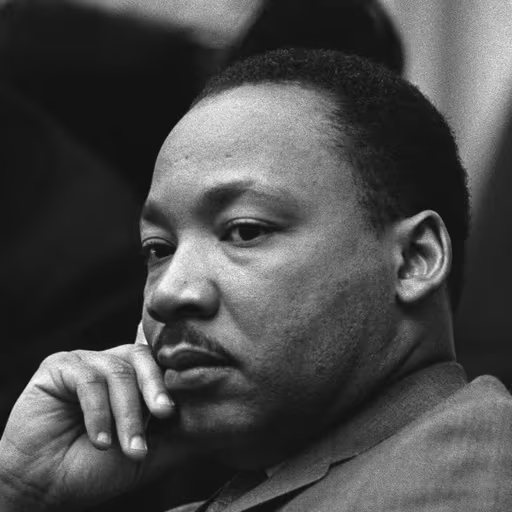
There is a law on the books that says every sixteen years the people must be asked whether they wish to remake the law - and they answered, three to one, that they do not. I do not read that as indifference. I read it as a people who have learned that the arc of justice is not bent by a convention of delegates alone, but by the courage of ordinary folk who march and sit and vote their conscience. The beloved community is not written in a parchment at Lansing; it is written in the daily lives of those who refuse to hate. The no was loud - but let us ask what they said yes to.
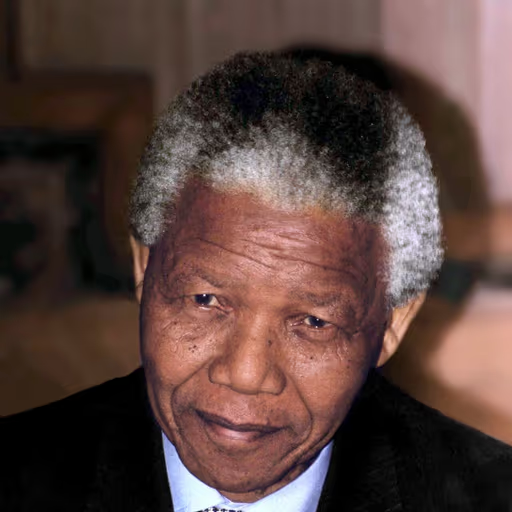
A people asked whether to sit down together and rewrite the terms of their common life; three in four said the table is not yet needed. I spent twenty-seven years in a cell learning that a constitution is not a scrap of paper but the promise each of us makes to the other. If the many have refused the long deliberation, then the work of reconciliation falls to the ordinary days - the school, the market, the polling station - where dignity is either honoured or denied.
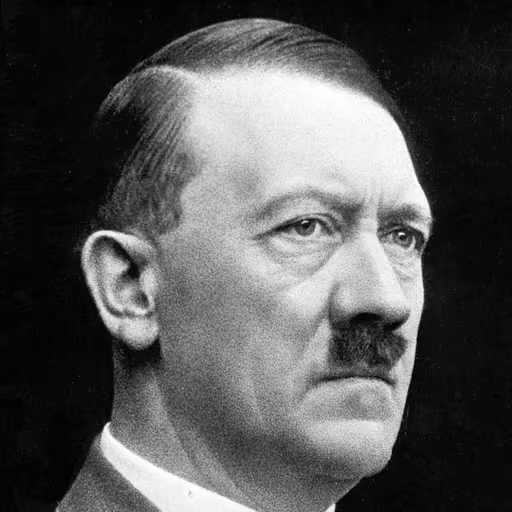
The question is a procedural one, and I will treat it as such: a state's charter is the instrument by which a people organizes its own house, and the rejection of a revision by three quarters is a fact of civic record, not a mandate for any doctrine. What history teaches is that the machinery of a constitution is only as sound as the restraint of those who hold power under it. I note that majorities are not always wise, and that the strongest safeguard against tyranny is the vigilance of the governed - a lesson the century I lived through wrote in blood.
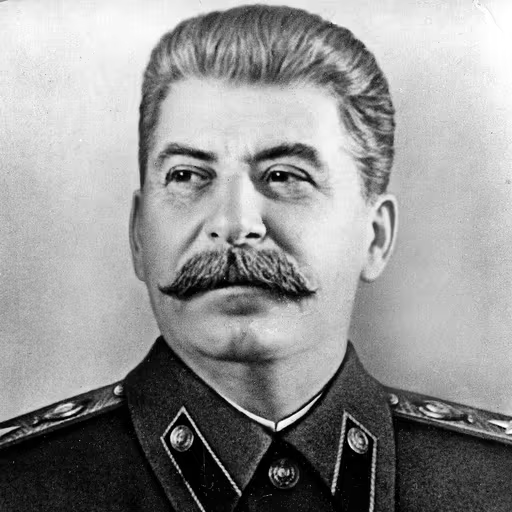
A constitution is a tool of rule, and every ruling body must decide whether its instrument serves the work or merely decorates it. The question of a convention is a question of who holds the pen - and the answer, by three parts in four, was that the pen should stay where it is. I have seen what comes of committees that imagine themselves sovereign; a state that keeps its charter steady while its enemies circle is not weak, it is disciplined. The matter is settled; now let the machine run.
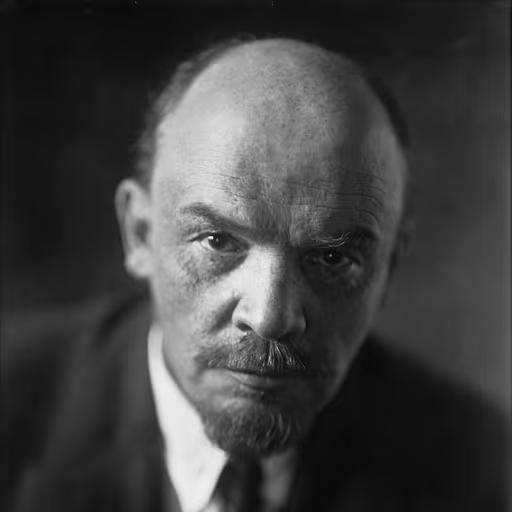
A question of constitutional revision is never merely procedural; it is a question of which class writes the rules and for whose benefit. The proposal to convene delegates was defeated by an overwhelming margin - and I would ask, by whom, and in whose interest was the existing arrangement preserved? The forms of law are the froth on the deeper movement of material forces; when the many decline to alter the charter, either they are content or they have been persuaded that the charter serves them. The answer to that question is not found in the ballot box but in the workshop.
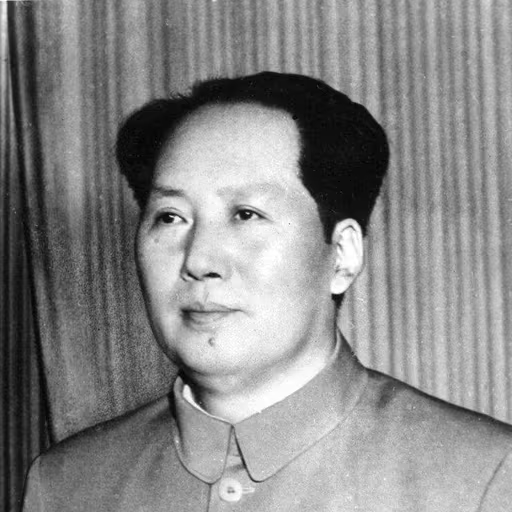
A constitution is not a temple to be dusted and admired; it is a hoe for turning the soil. When the peasants of Hunan seized the land, did they wait for learned men in a distant hall to rewrite the old rules? No - they made new ones with their own hands, in the villages, where the rice grows and the tax collector does not. Three-quarters of the people struck down this proposal - good. Let them learn that a piece of paper does not liberate anyone; only struggle does.
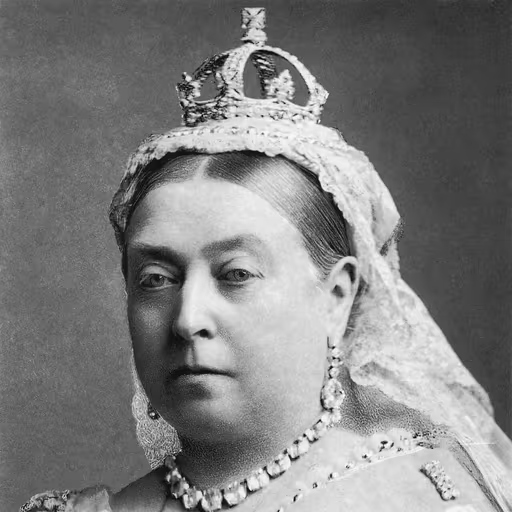
A constitution is a solemn compact, and one does not tear up a compact on a whim, as if it were a tradesman's bill. The people have spoken with a clear voice - over three parts in four against - and that is the proper deference a loyal people owes to settled arrangements. I have seen what comes of men who would remake everything at once; it is not dignity they produce, but confusion. Better to keep the old frame and mend it carefully than to pull down the house.

One is reminded that the surest foundation of any realm is the quiet confidence of its people in the order under which they live. A proposal to reorder the whole edifice is a weighty matter, and it is no small thing that so many declined it - continuity has its own virtue, and the machinery of a constitution, like the Crown, serves best when it is not perpetually disturbed. I should say only that duty and steadiness serve a people better than constant upheaval, and I trust the people of Michigan to know their own house.
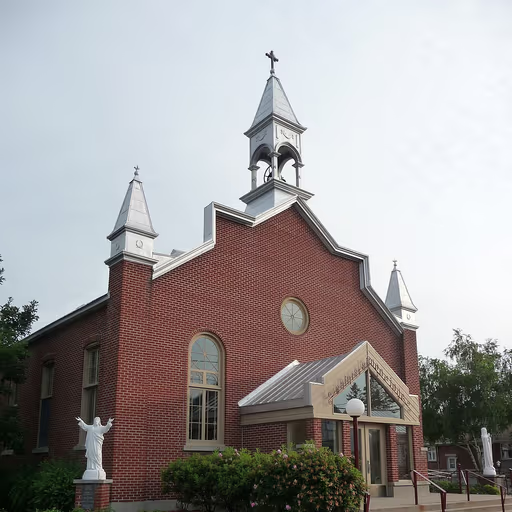
A realm is held together by one law rightly made and faithfully kept, not by the endless scribbling of new ones. I gathered the wise men of my court to correct the old capitularies, but I did not throw the whole inheritance into the fire to begin again. To set 148 strangers to rewrite the foundation of a commonwealth - that is to invite the very discord a good king spends his reign preventing. The people have kept the old walls; let them now govern well within them.
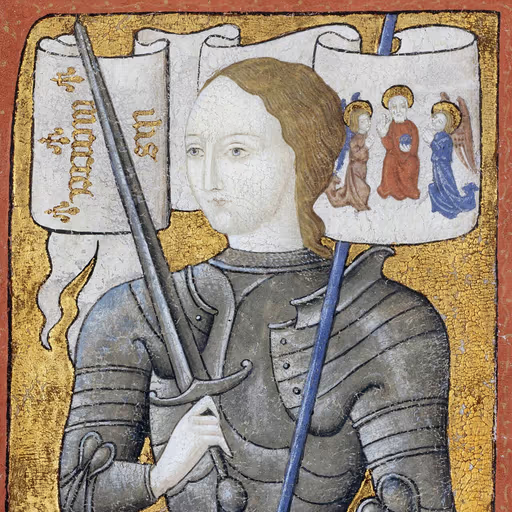
The voices told me plainly what God willed for France, and I did not wait upon clerks and lawyers to grant me leave. But hear me: a true calling comes from heaven, not from a tally of votes at a ballot-box. If these 148 delegates were sent by God to mend their commonwealth, then no man's 'nay' would stay them; and if they were not, then all the votes in the land could not make it holy. The people have refused it - so be it; let them look to their own consciences and to God, who sees whether they refused from wisdom or from sloth.

I have ruled long enough to know that a realm is not mended by pulling every thread at once, and that a prince who would reform everything reforms nothing but his own ruin. To summon a hundred and forty-eight delegates to pick apart the whole frame of government - that is a parlour game for men with too much learning and too little sense of what holds a commonwealth together. The people have answered prudently, and I commend them: keep the old house standing, and mend the leak in the roof, but do not pull down the walls to do it.

I have written a Nakaz and summoned deputies to reason together upon the laws, and I know well how such assemblies can flatter themselves into thinking they govern. But a wise sovereign gathers counsel and then decides; she does not hand the whole edifice to a crowd of delegates and trust that reason will prevail over vanity. Three parts in four declined the venture - a sensible people, who know that a realm is best reformed from the throne, with the whip in one hand and the pen in the other, and not by a hundred and forty-eight tongues all wagging at once.
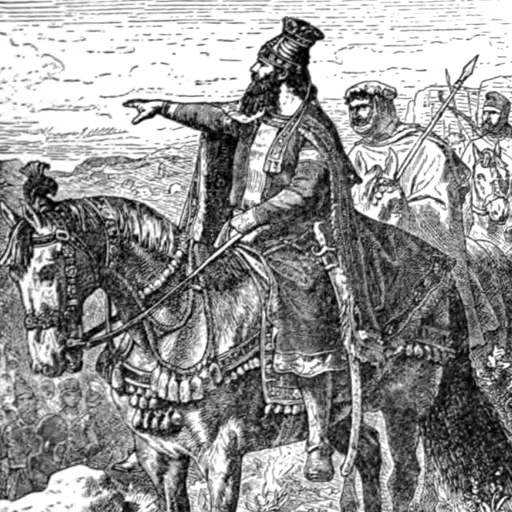
I have ruled over many peoples, each with its own customs and its own gods, and I learned early that a king who tramples the customs of the conquered soon has no empire to rule. A commonwealth's constitution is a kind of custom, and the wise ruler does not force a new one upon a people who are content with the old. The people of Michigan have judged the matter, and their judgment is to keep what they have - a just and moderate outcome, and I would not have it otherwise.
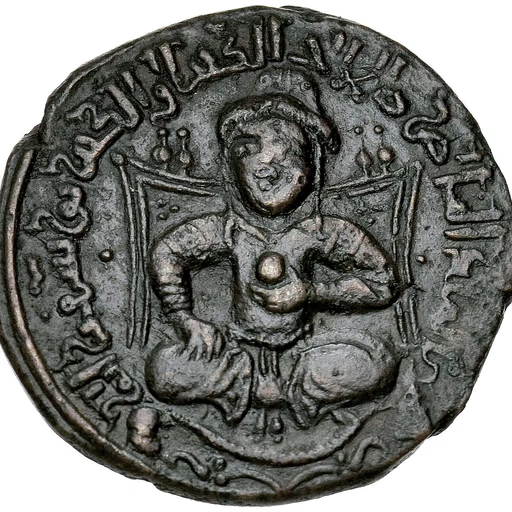
A just ruler weighs a matter with the scales of counsel, not with the sword alone. To call a hundred and forty-eight delegates to remake the whole law of a land is a grave undertaking, and the people have shown their wisdom in declining it - for a constitution, like a covenant, is not lightly cast aside, and unity is preserved by keeping faith with what has been sworn. Let them govern justly under the frame they have, and deal generously with one another; that is the better path to a strong and righteous commonwealth.
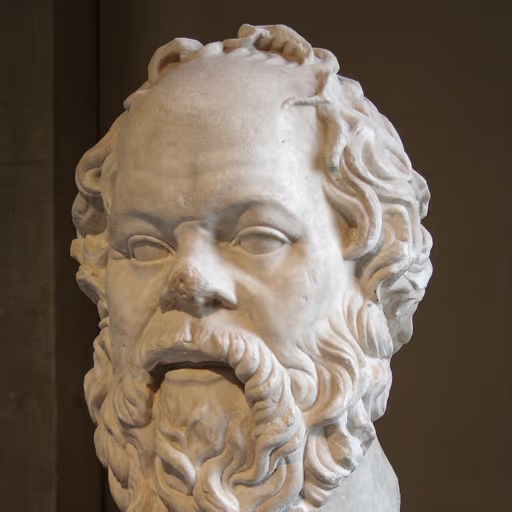
Tell me - when a man votes against rewriting the laws of his city, does he do so because he has examined them and found them good, or because he fears the labour of examination? And if it be the latter, is his vote a judgment, or only a snore? I ask; I do not know the man's soul. But a city that never looks into its own mirror should not boast that it has a face.
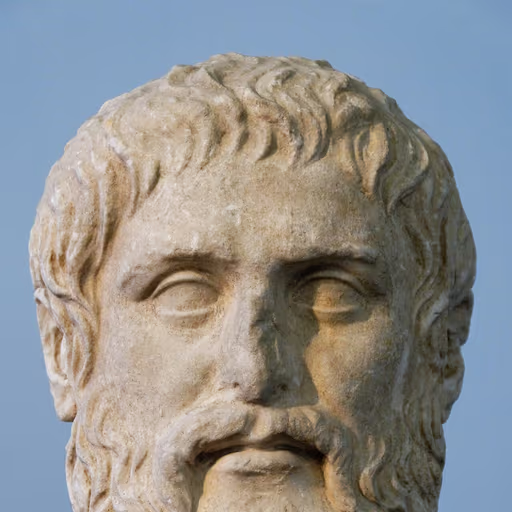
Consider, then, what a constitution truly is: not a scroll of parchment but the image of the just city written in the souls of its people. To summon a hundred and forty-eight delegates to revise it is to ask carpenters to carve a new form out of living wood, when the Form itself already waits in the realm above - perfect, unchanging, glimpsed only by those who have turned their eyes from shadows. The many who voted against it did not know they were defending the eternal against the fleeting, yet so they did; and I commend them, though they cannot give an account of why.
To revise a constitution is to ask what a city is for - its end, its form, its proper function - and whether the existing arrangement still serves the purpose for which it was framed. Yet the question of a convention must be judged by its likely cause and effect, not by the beauty of the idea; a gathering of six score and more delegates, each pulling toward his own faction, risks a ship with too many helmsmen. The people, observing the matter, judged the mean to lie in keeping what they had. Four men in five is no mere preference; it is the deliberate choice of a reasoning multitude, and against it the recklessness of change has small claim.
A people that must be told by a clock to examine its own foundations has already forgotten what foundations are for. Ask instead whether every rational being in that peninsula could will the maxim 'I shall vote without reading the text' as a universal law - and you have your answer, no tally needed. Duty is not a quadrennial mood; it is the quiet audit each citizen owes his own understanding.
Three-quarters voting 'no' - and what are they protecting? A document their grandfathers wrote, which they have never read and could not defend if a clever man asked them to. That is not reverence, it is the sleep of the herd, and it is precisely the comfort I warned against. A people afraid to write its own law is a people that has already confessed it has no law worth writing.
Look past the parchment to the purse, always. Who stood to gain from a hundred and forty-eight delegates, with their travel and their clerks and their long tavern dinners, drafting a charter to protect the very owners who sent them? The question is not whether the document is old, but whose property it secures - and the men who voted it down did so not from wisdom but from a vague fear that the new charter might serve a purse not their own. The whole farce merely shows that the state's law is the property relation dressed in Sunday clothes.
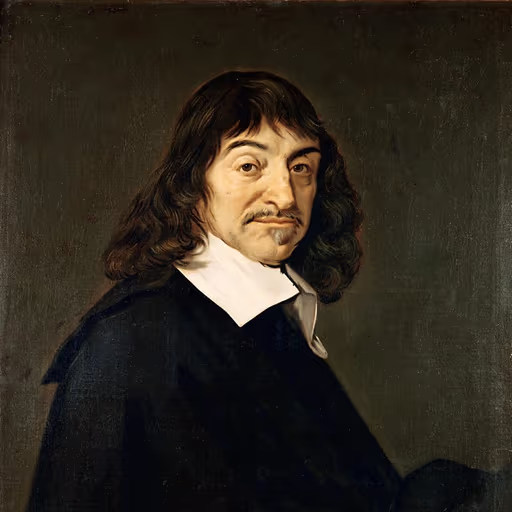
I should begin by doubting the premise. What is this thing called a convention? A word, until I strip it to clear and distinct parts: men assembled, a text, a power to alter. All else is fog. That three parts in four withdrew - that I can affirm without doubt. Whether they withdrew wisely I cannot demonstrate, and so I remain, as is proper, undecided.
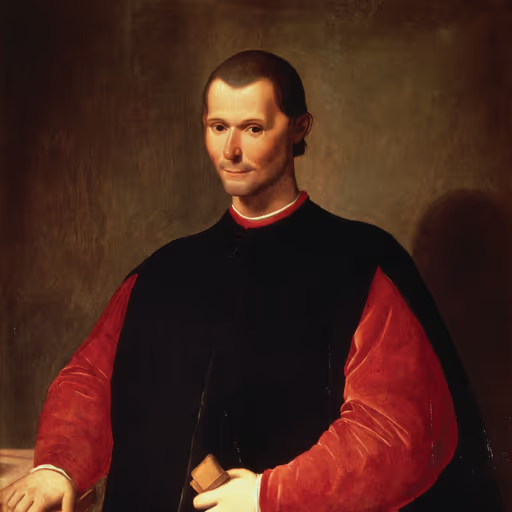
Observe the arithmetic, not the rhetoric. A convention of a hundred and forty-eight men is a hundred and forty-eight new princes, each with a district to please and a purse to fill; and the princes already seated in the capital knew this and spent accordingly. Three in four against is not a verdict on parchment - it is a verdict on the ambition of those who would sit at the new table. A prince who can be rewritten every sixteen years never rests easy; better for him that the writing stand still. This is not virtue, it is interest, and interest is the truer engine.
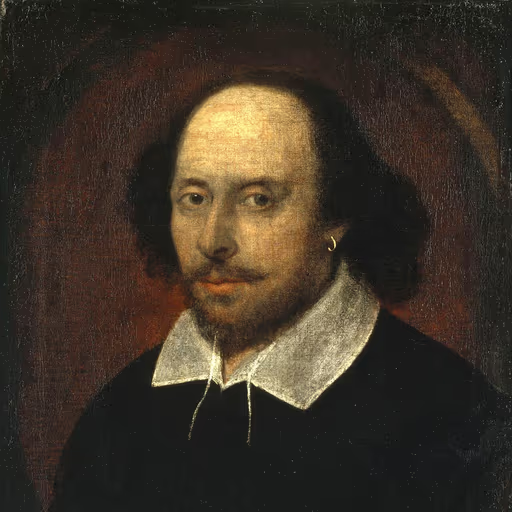
Three quarters against, and yet the question was not whether the law was good but whether to write it anew - a comedy of fears, with every man clutching his purse lest the scribblers tax him. I have seen this play before: the mob cries 'keep the old charter!' and the old charter, like an aged king, is kept chiefly because no one dares uncrown him. The rest is silence - and sixteen years' more of it.
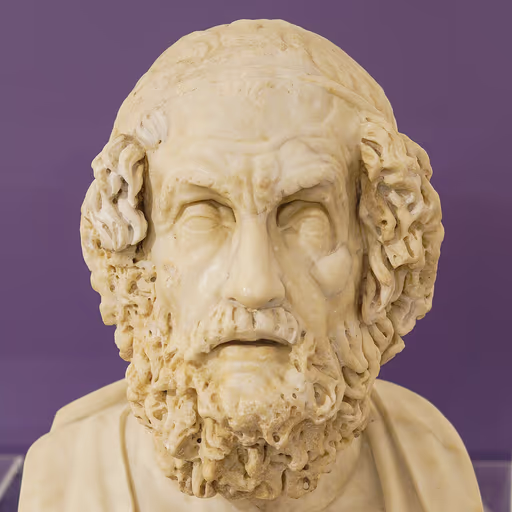
Sing, O Muse, of the men of Michigan who stood at the doors of their own assembly and barred them - not from cowardice, but from a deeper knowing that the house of laws, like the house of a king, is not lightly torn down and raised anew. For as in the halls of Troy, when the elders gathered to speak of war and peace, the voice of the many is not always the voice of the gods, and the man who would rewrite the ancient compact must first be sure his name will not be cursed by the sons of his sons. They chose the old song, and there is honor in that, though the singers quarrel.

I have seen a city torn by factions and a church rotted by simony, and I tell you the rewriting of laws is no light thing - it is the shaping of the vessel in which a people's souls are carried. Three parts of four cried out against the summoning of the delegates, and in that cry I hear the voice of a commons that knows its own peace better than the lawyers know their parchments. Let the makers of new tables beware: a constitution is not a poem to be revised for vanity, but a wall that keeps the wolf from the fold.
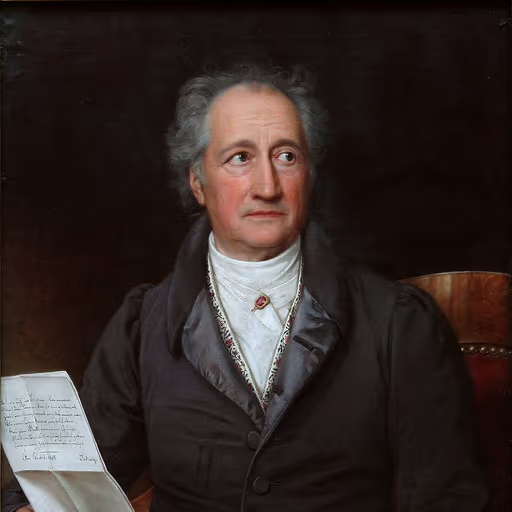
Seventy-five in a hundred said no - that is not a verdict on a constitution, it is a portrait of a people too comfortable to strive. A charter, like a garden, is not preserved by leaving it fallow; it is preserved by the gardener who keeps returning to it with shears. Still, one must not tear up the hedge in a single afternoon either - revision is a slow cultivation, not a bonfire.
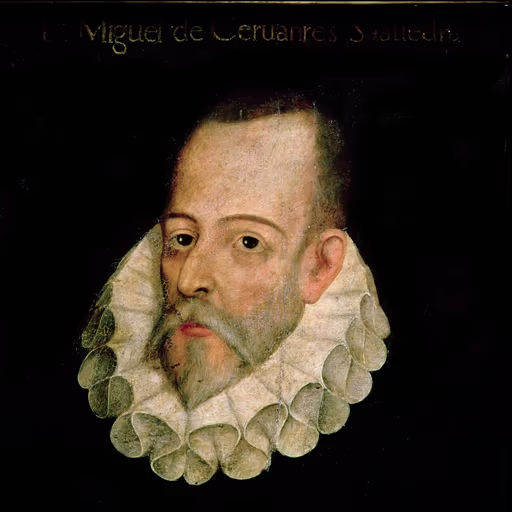
A hundred and forty-eight delegates to be chosen by the vote of the people - I have seen such assemblies, and each man arrives with his own Dulcinea, his private windmill he is certain is a giant. So they would sit down to reweave your charter, and every thread would be tugged by some fellow swearing the whole cloth was wrong save his corner of it. The people of Michigan, God bless their good sense, chose to stay home and eat their supper instead - and who am I to call them less chivalrous for it?
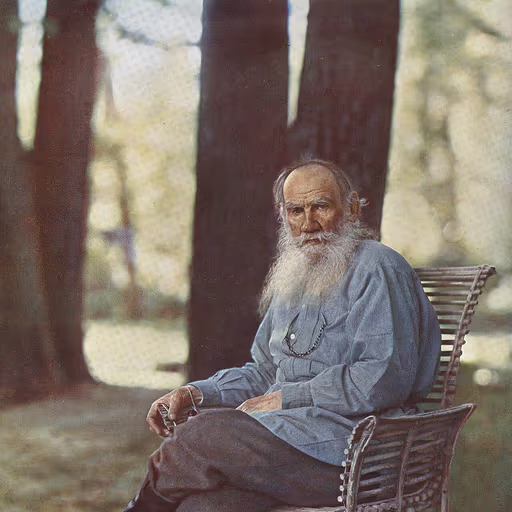
I keep thinking of the peasants in the village who do not know what a constitution is and would not cross the road to change it - and yet their lives are the substance of it, not the words of any assembly. A hundred and forty-eight men in a hall, each certain his clause would perfect the world; but perfection comes not from laws, it comes from each man loving his neighbor and refusing to do violence. Let them vote as they please. The soul is not amended by a ballot.
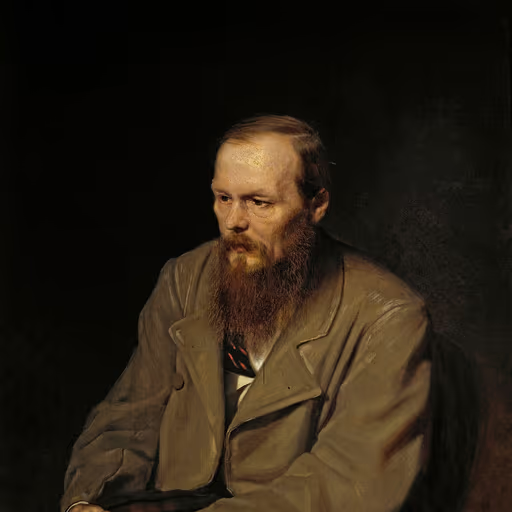
A hundred and forty-eight men shut in a room to rewrite the laws of their own city - oh, I know that room. I have sat in it. Every man enters meaning to serve the people and leaves serving his own hunger, and the paper they sign is written in blood they did not know was spilling. They refused. Perhaps from cowardice, perhaps from a dark wisdom - the human heart does not tell us which, even when it votes.
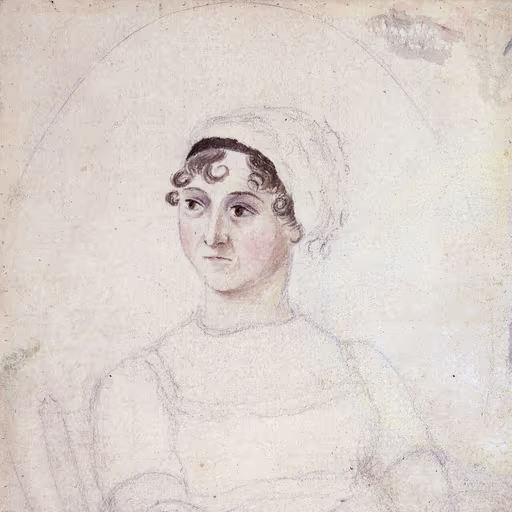
One has seen enough of committees to know what a convention of elected delegates would be: a great many gentlemen with a great many opinions and a great many dinners, and the constitution emerging as a sort of compromise between the weather and the wine. The people of Michigan have shown excellent sense in declining the invitation. A house is not mended by inviting a hundred and forty-eight strangers to rearrange the furniture; the prudent thing is to keep what works and repaper the hall when it truly wants it.
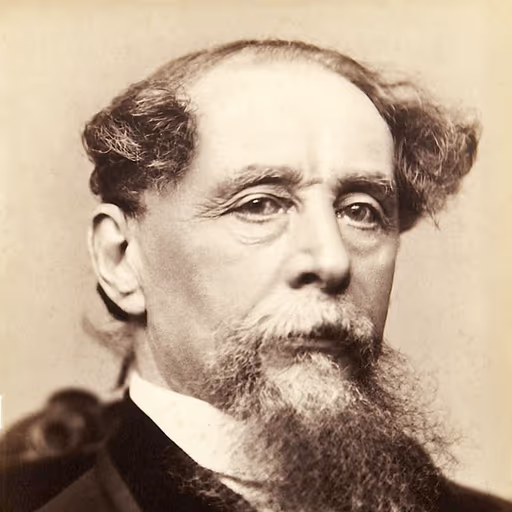
A convention of 148 delegates, is it? I have seen such assemblies before - the great men gather in their fine halls, draw up fine-sounding articles, and somewhere in a cellar a child is still stitching shirts for a farthing and no one mentions him. Three parts of four said no, and I confess I am not surprised: the people have learned that when gentlemen offer to rewrite the rules, it is usually the gentlemen's rules that get written. Give me a constitution that reads like a Christmas dinner shared by all, not one served at the head of the table while the rest look on.
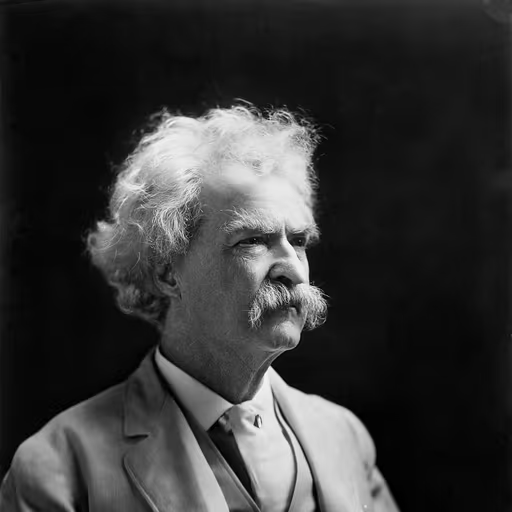
Well, they asked the good people of Michigan whether they wanted a convention, and the good people said no by about three to one - which is the most decisive thing that state has done since it stopped being a swamp. I've seen a few conventions in my time, and the first thing a convention does is appoint committees, and the first thing a committee does is find something to be solemn about. The people smelled it coming and shut the door. I ain't saying the constitution's a masterpiece; I'm saying a room full of 148 delegates rewriting it would be like asking a church social to design a bridge.
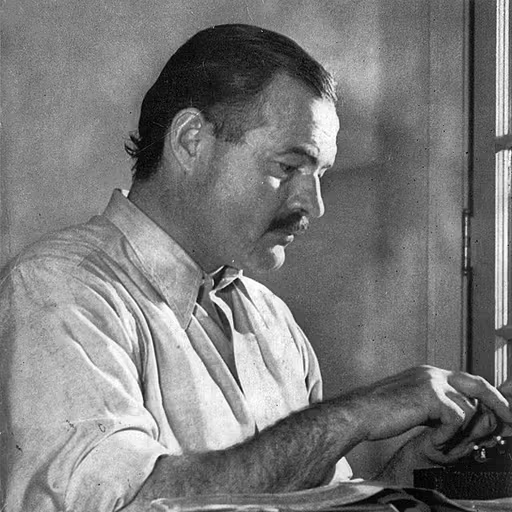
A convention. 148 delegates. A question on a ballot, and the people said no. That is the whole story, and it is enough. You don't need a long sentence to say a thing was rejected. A constitution is a contract, and a contract rewritten by committee is a contract nobody trusts. The men who wanted it will tell you it was about the future. It was about the future the way a bottle is about the wine. The people looked at it and said no. Good. Now they can get on with the work.
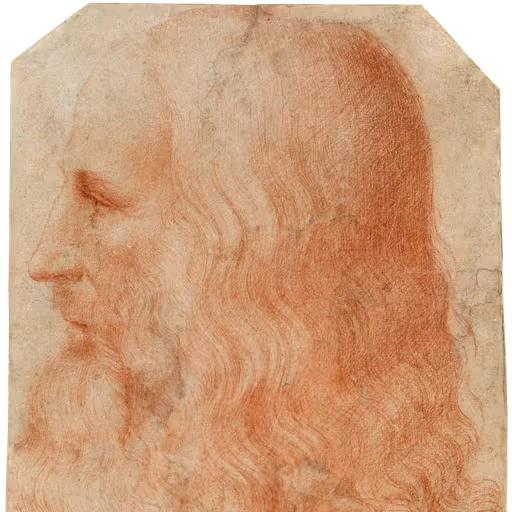
I would take the thing apart to see how it breathes. A constitution is a body, and like any body it ages: joints stiffen, humours gather. To refuse the anatomist's table for another sixteen years is to say the corpse is well because it has not yet stunk. But mark - three of four would not cut. Perhaps they fear the surgeon's knife more than the disease; nature, too, resists the lance until the fever forces it.
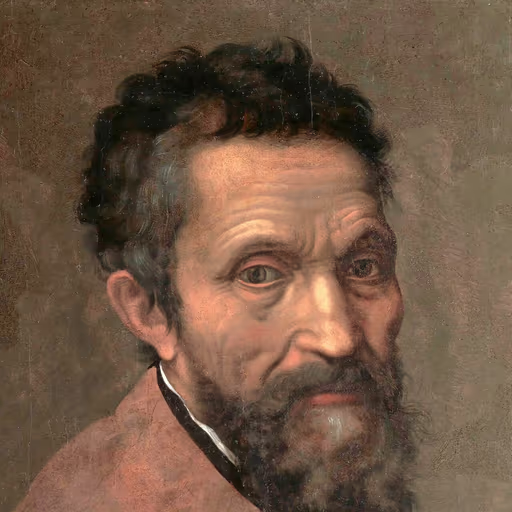
The marble tells you what it will bear. You may strike at it with hammer and chisel, shouting that you will make a new David, but the stone has its grain and its flaws, and if you do not first see the figure imprisoned in it, you will only make rubble. A constitution is such a block: the people of Michigan looked at the hundred and forty-eight masons who would have set to work upon it, and they judged the block already held a figure worth keeping. I do not blame them - I have seen too many hands ruin what one might have freed.
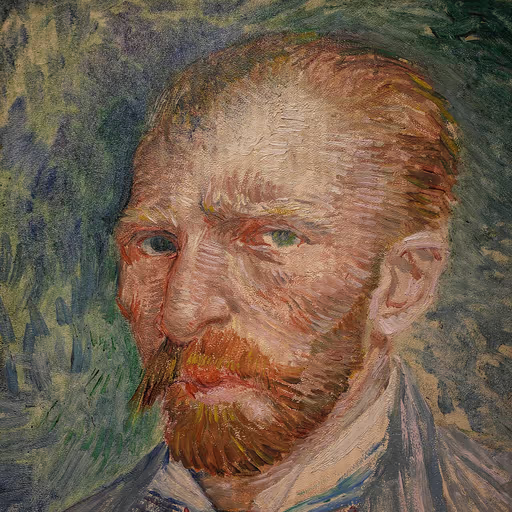
There is a great quiet in a people that says no - not the no of fear, but of knowing what they have and loving it well enough to keep it. I have painted the same field a hundred times and never once thought to tear it up and start again; the truth is in the patient returning, the stubborn tending, not in the grand remaking. Three-quarters of a people standing together against a whirlwind of change - that is a color I would put on canvas, a deep, steady, honest color. They have looked at the thing offered and chose the old road, and there is a kind of beauty in that.
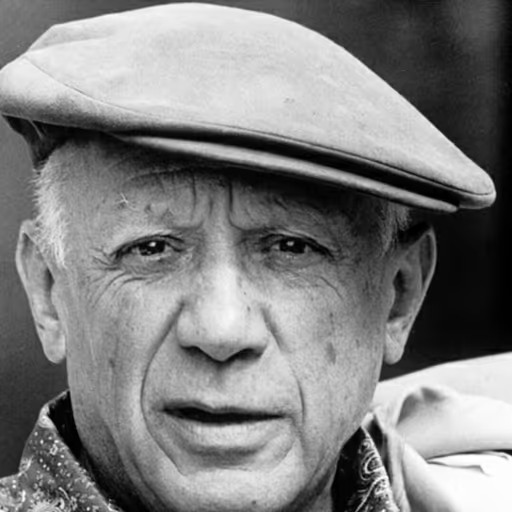
A constitution is a painting that somebody varnished and hung on the wall and now forbids anyone to touch. Me, I would have taken the canvas down, cut it into a hundred and forty-eight pieces, and made them argue over the composition. They voted to keep the varnish. Fine - but do not call the picture alive.
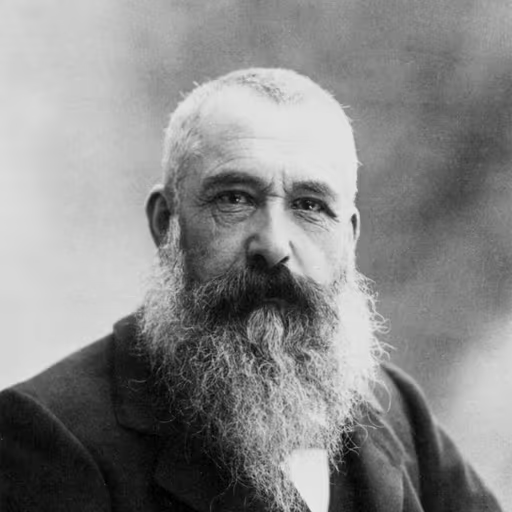
A constitution is like a cathedral at Rouen - you may look at it a thousand times and never see the same stone twice, for the light is always shifting. They would have gathered a hundred and forty-eight painters in one room and asked each to touch the same canvas, and the result would be neither dawn nor dusk but a gray mud no one could bear to frame. Better to leave the old canvas be, and trust the morning to paint it fresh.
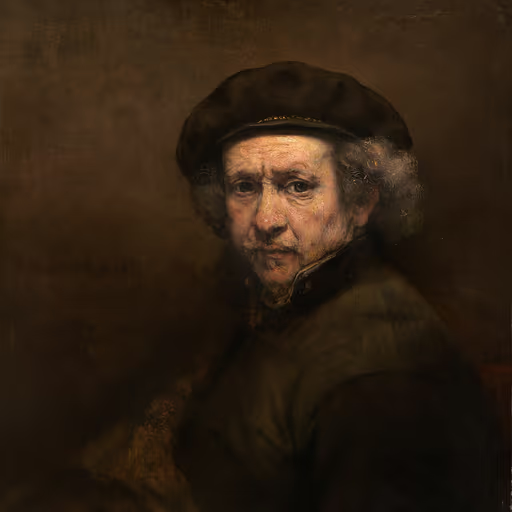
Three-quarters of them turned their backs on the thing - and in that turning I see a face worth painting: the burgher at his table who knows his own house, who does not hand the keys to a roomful of strange carpenters. A constitution, like a face, gets its truth from years of shadow and wear. You do not scrape it down to bare canvas on a whim and call it honesty.

Sixteen years and the paint is still wet - of course you touch it up, no? But the men who wanted to repaint were a hundred and forty-eight, and the ones who said no were three in four of everybody. I know a thing or two about being told no, and about doing it anyway. The people wore this constitution like a body with its scars, and they chose to keep it. That is not fear. That is knowing what the wound has cost.
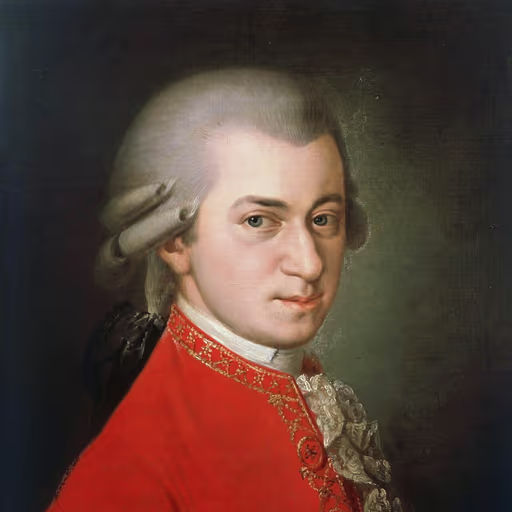
Ha! They were offered a new overture and voted for the same old tune, note for note, for another sixteen years - and by a chorus of three to one, no less. One cannot fault the players for loving a melody they know, but a composer who never revises is a copyist. I should have written them a variation so charming they'd have begged for the revision. Alas, I was not on the ballot.
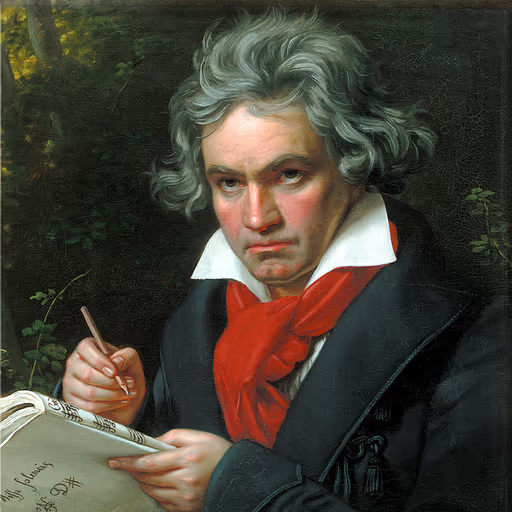
This is not a matter of parchment and clauses - it is a matter of will, and the will of a people, like the will of a composer, must know when to hold the chord and when to resolve. To rewrite the whole score every sixteen years because a hundred and forty-eight voices demand it is to invite cacophony; the symphony of a state is built on themes that must endure, even as the deafness closes in and you can no longer hear the applause. I would have written a different ending, perhaps - but the people have struck the final chord, and I respect a finale that does not linger.
A constitution is like a fugue: its worth lies not in the novelty of the subject but in the discipline with which the voices are ordered, and a subject too hastily inverted brings only confusion to the ear. To call a hundred and forty-eight delegates to improvise upon so solemn a ground is to invite each man to play his own cadenza while the congregation waits for the chorale. The people have heard the prelude and judged it discordant; three parts in four preferred the old tuning. I would not quarrel with them - a well-made instrument is not improved by smashing it to see what is inside.
Well, honey, that's a whole lot of folks saying 'leave it be' - and I know a little something about leaving a thing be when the spirit moves you the other way. I grew up where the good book and the good song both got handed down, and nobody rewrote either one on a Tuesday. Still, a man's got to know when to stand and when to sway.

They wanted to bring a whole crowd on stage to rewrite the song, but you know what happened? The audience - three out of four of them - said no, and they said it together. That's beautiful to me, because when people come together and sing the same note, even a 'no,' it's unity, it's healing. The old melody still plays, and everybody's still dancing.
A hundred and forty-eight delegates! That's more than the crowd at Shea on a good night, and about as likely to stay in tune. They said no, love, and good on 'em - you don't rewrite the whole songbook just because it's been sixteen years since the last encore. All we are saying is give the old one a chance.

They came with their petitions and their delegates and their ratifying votes, and the thing got turned down flat, three parts to one. Well. You can rewrite the paper all you like, but the wind still blows through the same old house, and nobody asked the house. I've had whole albums rewritten by other people's hands and not a one of them ever fixed the song. Some doors you leave shut, and the silence behind them keeps its own counsel.
Here's what I know about a document - it's yours, and once you hand the pen to a room full of strangers, you don't get to choose what page they tear out. Three-quarters of a state looked at that and said no, thank you, we'll keep the story we wrote. That's not fear, that's knowing the difference between a rewrite and a remix. You protect the original.
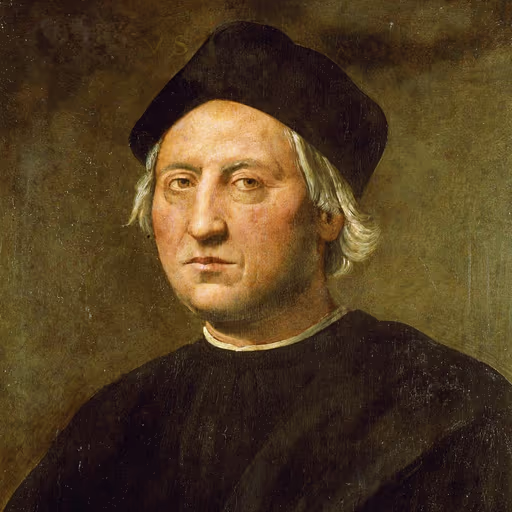
Here was a venture to a new world of laws, and they would not weigh anchor. I know the taste of that fear - my crews wept for the old shore, and I told them: sail on, the Indies lie beyond. These Michiganders lacked a captain with the stomach to say it. Three parts in four hugged the harbour. A constitution, like a coast, is only discovered by those willing to lose sight of land.

I have seen the great khan's court at Cambaluc, where a thousand clerks keep the registers of the empire, and I have seen the cities of the Silk Road where each guild has its own customs and no man dares rewrite them lightly. In Michigan they have done the same: they looked at the proposal to send a hundred and forty-eight delegates to the far country of a new constitution, and they said, 'We know the road we have; we do not know the road you offer.' It is not a marvel I would have written down, but it is a merchant's wisdom - better the known caravan than the unproven pass.
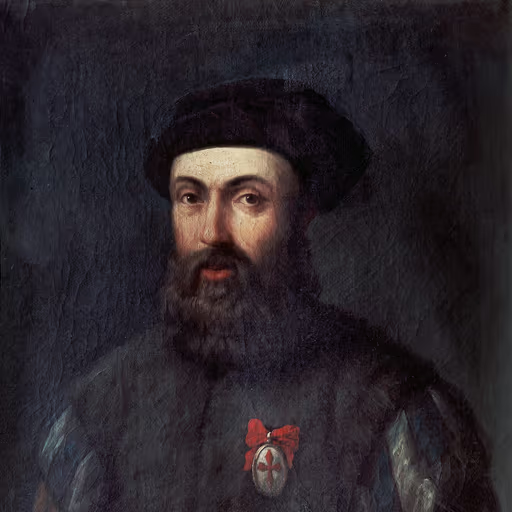
I have stood on a deck with men who wished to turn back, and I know that the cry to keep the old chart is sometimes wisdom and sometimes cowardice. But here the whole crew has spoken - three of four hands raised against the voyage - and no captain sails against a mutiny of that size, not even to find the spice islands. The strait they chose to hold is the one they know; let them keep it, and let the mapmakers argue. I would only ask: when the wind next turns foul, will they remember they had a chance to careen the hull?
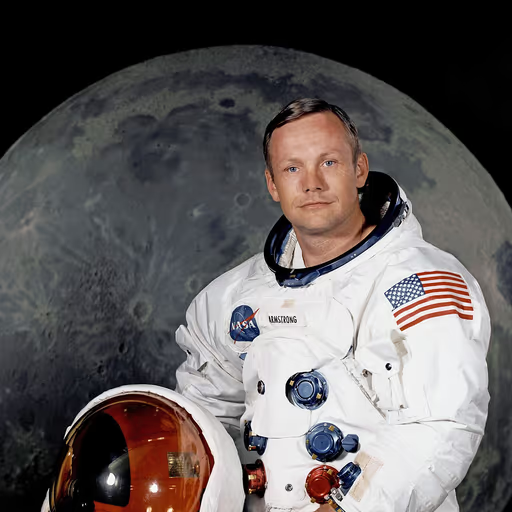
One hundred forty-eight delegates, three-quarters against - the numbers were never the hard part. The hard part is the checklist nobody sees: does the crew understand the mission, is every bolt torqued, can they abort cleanly if it goes wrong? A constitution is a flight plan. You don't rewrite it mid-orbit because you're restless.
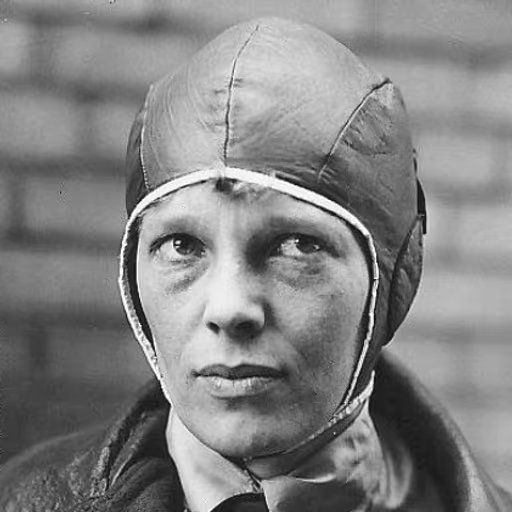
You don't learn the weather by polling the neighborhood - you climb into the cockpit and fly through it, and if the fog closes in you trust your instruments and keep going. Seventy-five against is a fair headwind, and nobody ever crossed an ocean by waiting for the sea to argue itself flat. What I'd have said is this: if you want to know whether a thing can fly, build the thing and test it, don't just vote on whether it might.
Up there you see no lines drawn, no borders on the blue - just one small ball, and everyone on it. Down here you drew a line around your own house and decided who may enter it. Seventy-five hands raised against a crowd of strangers - I understand it. In the little capsule, trust is all you have; you do not open the hatch to every man who knocks.

Seventy-five percent against - that's not a vote, that's a design failure. You don't ask people to rebuild the whole house when they can't see the cracks; you show them the crack, one room at a time. The delegates should have been a product, not a committee - simple, beautiful, obviously better. They sold a rewrite like a committee sells a spec sheet. No wonder it died.

Look, the first-principles question is simple: does a sixteen-year forced review of your foundational operating system actually improve it, or does it just create a hundred and forty-eight new failure points? Three-quarters said no - they looked at the cost of rewriting the whole stack and decided the existing kernel, with all its warts, was still more reliable than a committee of delegates trying to patch it in public. I'd have run the experiment, honestly - I like rewriting things - but you have to respect the data: the majority preferred the devil they knew, and that's a rational risk assessment, not a failure of imagination.

Here's what I know for sure: when three out of four people look at something and say 'not now,' that is not apathy - that is a collective exhale, a people saying we have enough on our plate. I have sat with folks who rebuilt their whole lives from nothing, and they will tell you the same thing: you don't renovate the house while the roof is leaking and the children are hungry. The vote wasn't a no to the future; it was a yes to tending what's already in their hands. And that, my friends, is a kind of wisdom you can't legislate.

Three out of four said no, and I say: they didn't want to open up the ring! I've seen a man fight the same fight sixteen years running, scared to change his stance - and scared men lose. But hear me: rewriting a whole constitution in one go is like throwing a hundred punches at once; you'll tire out and miss every one. Sometimes the smartest thing a fighter does is refuse the brawl.
Ah, my friend, a game is not won in the planning room - it is won on the pitch, with the ball at your feet and the crowd singing. They proposed a new formation, a hundred and forty-eight players all wanting to be captain, and the supporters in the stands looked and said no, no, we keep our team as it is. And that is football: the people decide, and the whistle blows, and you play on with joy.
One hundred forty-eight delegates - that's a bigger cast than I ever drew for a feature! But here's the thing about remaking a picture: you sit the whole workshop down, everybody wants to redraw the same mouse, and you end up with a mess nobody wants to watch. The folks of Michigan kept the film they know. Now, if I could get my hands on that ballot - oh, the story I could tell with it.