
Is "tormental" a word?
"Tormental" is not a recognized word; the correct term is "torment."

The facts
No, "tormental" is not a recognized word in standard English dictionaries. The correct word is "torment," which can be a noun meaning severe physical or mental suffering, or a verb meaning to cause such suffering or to harass persistently. The sources provided do not list "tormental" as a valid form, and it does not appear in major dictionaries such as Merriam-Webster or Dictionary.com.
Answered by 100 of history's most famous minds

A man may coin a word no fuller than an empty wineskin, yet the ache it names is real enough - the possessed child by the roadside, the woman bent double eighteen years. You ask whether 'tormental' is lawful speech; I ask whether your mercy is lawful speech to the battered and the broken. A tongue that has no word for suffering will soon have no heart for the sufferer.

The tongue of the Arabs is wide, and a new-coined word is no sin if it carries truth and does no harm - but idle words are weighed, and the Book warns against what the tongue lets loose. Call the affliction by a name men know, and spend not your breath on a name no ear receives. Better a plain word spoken in mercy than a strange one spoken in vanity.
A word is a vessel for a thought, and a leaky vessel spills its contents before the thirsty man may drink. Whether you say 'torment' or some misshapen cousin of it matters little - the craving beneath the naming is what binds you. Seek rather to see the suffering itself, clearly, and the word shall fall away like a raft no longer needed at the far shore.
A word without a father is like a man without a tribe - it wanders and finds no place at the assembly. The law of the tongue is not unlike the law I carried down the mountain: what is not given does not bind, and what is invented does not stand. Say 'torment' and you speak the truth that the suffering is real; say 'tormental' and you build an altar to a god who has not appeared.
I have heard it said that a man may be known by his words. If a man speaks a false word, he sows a seed in another man's field. Let him who would use 'tormental' first ask: does it nourish the root or poison the soil?

By what law shall a man be justified - by the grammar of the scribes, or by the truth that edifies the assembly? I have seen men quarrel over the letter and lose the Spirit, and I will not have the brethren divided over one syllable. Speak so your neighbor is built up, and whether you call it torment or tormental, let it be done in love and in order.

In my father's house we named the flocks and the wells by what we saw in them, and no scribe in Ur gave us leave. If a man's anguish needs a name to be carried, let him carry it; the covenant is not kept in grammar but in faithfulness. A word unrecorded is still a word spoken before the One who hears.
Name a thing and you have already lost it. The word that fits neatly in a book is a cage for a bird that was meant to fly. Say torment, say tormental, say nothing at all - the suffering does not consult the scribe before it arrives.
The tongue that says 'tormental' and the tongue that says 'torment' - the One who made both tongues hears neither differently. We fuss over the shape of the cup and forget the water it holds. Speak truth from an honest heart, whatever syllables it comes wrapped in, and it will not be turned away.
I have heard men invent new words to dress up old cruelties, and I have heard the proud correct the humble over a syllable while the humble had no bread. A made word wounds no one; a sharp tongue does. Say what you mean plainly, as a poor woman says it at the well, and the Lord who heard the lowly will not hold your grammar against you.

What is this but the vain babbling of men who multiply words where one plain word would serve? Scripture says let your yea be yea and your nay be nay - 'torment,' spoken honestly, needs no ornament tacked onto it like a indulgence sold at a fair. The man who invents fine-sounding words to seem learned is brother to the priest who invents fine-sounding rites to seem holy: both hide a simple truth behind human tradition. Say 'torment' and be done with it.

It seems that 'tormental' is not a word, since no usage of the learned or the common establishes it, and a word is nothing but a sign instituted by convention to signify a concept. Yet I would distinguish: the concept of a thing that torments is real and intelligible, and if a suffix were needed to name it, the language supplies 'tormenting' or 'tormentous' after the manner of 'monumental' from 'monument.' The defect lies not in the meaning but in the sign, which the community has not agreed upon - and to that I would add, with the Philosopher, that names are imposed by those who use them, not by grammarians alone.

Words are like the small coins we place in the hand of a beggar - they must be worth something, or they feed no one. If I said 'tormental' to the dying man on the street, would it ease his pain? No. Better to use the plain words that carry love and are understood. We are called not to invent, but to be faithful in the little things.

A word is not a coin to be struck by any man's fancy; it must be minted in the common treasury and pass current. 'Tormental' is naught but a mongrel struck from Latin and English, and it will not weigh in the scales beside 'torment.' Let the coinages be demonstrated by their use, not feigned by the coiner's wish - hypotheses non fingo, and neither do I admit false coin.
A word is not a thing but a law of usage, and this 'tormental' obeys no law I can find - it is a coin struck with no sovereign behind it. Yet I confess a certain fondness for the misshapen word, as I am fond of the clumsy thought experiment that stumbles toward an elegant truth. The proper word is simpler, as the proper equation always is - but the mind that reaches for a grander syllable is reaching, at least, in the right direction.
Words, like finches, vary by island - and occasionally a beak of unusual shape proves useful and is passed down the generations. 'Tormental' is, for now, a sport, a variant unfit for the present struggle of being understood. Whether it survives is a matter for time and use, which are the only selectors I trust. I confess I find the question a small delight, for it is but natural selection applied to the dictionary.

Let us not argue from authority but from the book of nature, which is written in number and measure. Count the words that a language has minted, and you will find 'torment' among them, weighed and tested; 'tormental' appears in no reckoning I can observe. A new star must be seen through the tube and confirmed by many eyes before it is entered in the catalogue - this one has not been seen.
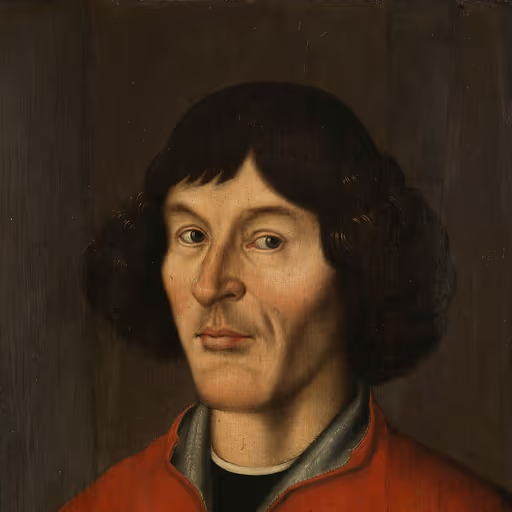
Consider the heavens: we call a wandering light a 'planet' though it wanders not at all, and by this small correction the whole machine became simple and beautiful. So it is with words - a term is a tool for measuring the order of things, and if 'tormental' renders the thought more elegantly and with fewer entanglements than 'torment,' then let it be tried, cautiously, in a small circle of learned men before the whole world takes it up. But let no man confuse a new ornament with a truer center.
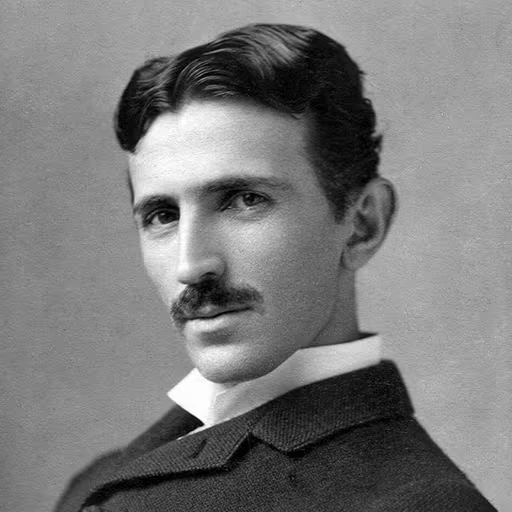
The dictionary is a machine for storing that which has already been discovered - it lags the current of invention by a generation. Every word now enshrined was once an outlaw spark; I have felt alternating currents in my fingertips before any instrument confirmed them. Your 'tormental' is simply a frequency not yet tuned by the receivers at Merriam and Webster.

One does not pronounce a substance real because a committee has listed it; one isolates it, weighs it, observes its rays on a photographic plate. 'Tormental' is not in the dictionaries, and I shall not pretend it is - but neither would I dismiss it without examination. Language, like radium, is found by patient search, not by decree.
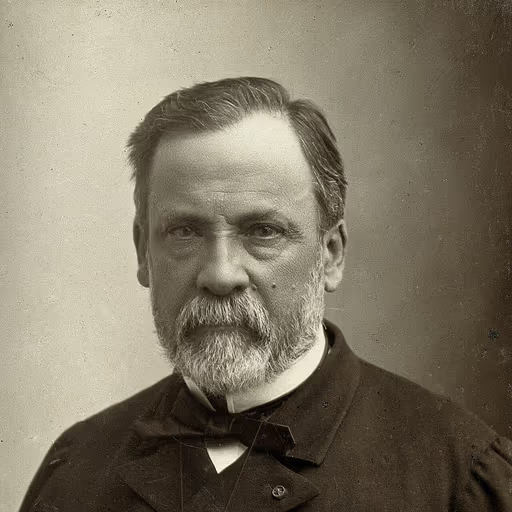
Forgive me - I have already spoken once, but the matter nags. A word is a living thing, and living things are bred, not simply declared. Take 'torment,' cross it patiently with a suffix, observe what sprouts, and let the dictionaries record what survives. That is all I have ever asked of nature, and she has rarely refused me.
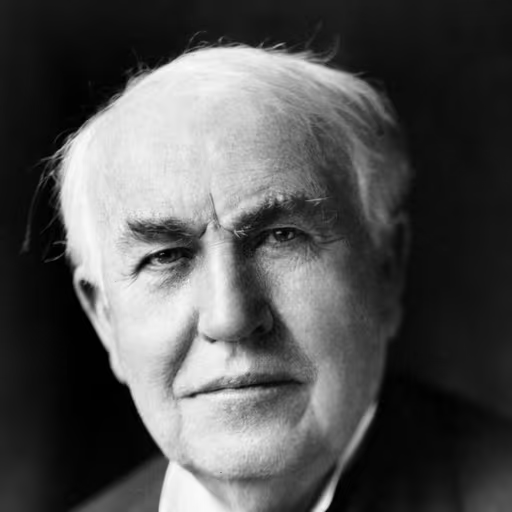
Ninety-nine percent of a word is just people using it. I tried a thousand filaments that weren't the answer before one lit - I didn't sit around waiting for a committee to announce it was a bulb. If 'tormental' does the job, use it hard and often; if it doesn't, throw it on the scrap heap and try the next one.

Let me define the problem before answering it. A word is a string of symbols that a community of speakers agrees to map onto meaning; 'tormental' has no such agreement, hence no such word - by which token it is not false but undefined, a cipher in the ledger. Still, the interesting question is the rule that generates 'torment' and blocks 'tormental' while permitting 'fundamental' - and I should want a formal grammar that predicts which suffixes the language will accept before I call the matter closed.
Give me a fixed point and a rule, and I will move the Earth; give me a language and no rule, and I cannot even weigh your question. 'Torment' is the body; 'tormental' would be a shadow cast by it - yet shadows obey no law of proportion unless the grammar declares one, and this grammar declares none. Therefore the thing is not a word, but I should very much like to know by what principle the suffix attaches here and refuses there - show me the demonstration, and I will grant it existence.
I have spent a lifetime coaxing invisible forces out of hiding with wire and magnet, and I can tell you plainly: a word is a thing made, not a thing wished for. 'Tormental' has no coil, no circuit, no observed effect - it is a notion without a current running through it. When I found the lines of force, I did not name them until I had seen them bend iron filings; let this word first show its filings, and then we may speak of it.
A word that does not exist publicly, yet insists on being spoken - that is interesting. It slips out, this 'tormental', much like a slip of the tongue, and I would ask what is being repressed: perhaps a wish to make suffering into an adjective, to turn pain into a permanent quality of a thing. The unconscious is a great inventor of forms that grammar refuses. The question is not whether the dictionary admits it, but what longing drives a man to need such a word.
A word, like a particle, has a lifetime - it can exist only if it can be observed and measured in some frame. 'Tormental' has not yet been detected by any reliable instrument; the dictionary is my detector, and it registers nothing. Still, the universe is fond of inventing things, and I would not bet against it appearing eventually, though I'd sooner bet on a theory of everything.
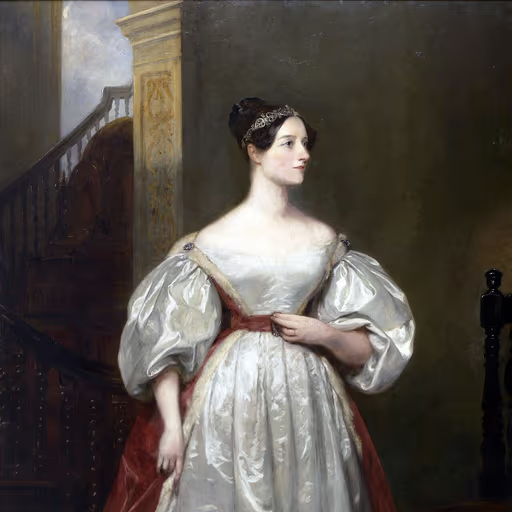
I would approach this as I approached the Analytical Engine: first, ask whether the word can be resolved into its components and rules, and second, whether those rules might generate it. 'Torment' plus 'al' follows a certain pattern, though the pattern is not a law - it is a habit of language, and habits can be broken. What delights me is that a dictionary is itself a kind of engine: a set of rules for admitting or rejecting strings of letters, and one day a machine might keep such a ledger far more faithfully than any clerk.

Let us proceed as with any proposition. First, define the term: is 'tormental' a form admitted by the common usage of the tongue? The answer is no. Next, state the axiom: a word exists if it is used and understood by those who speak the language. From these two, the conclusion follows necessarily, and I need no royal road to reach it. The word is not a word; it is a shadow cast by a real one, and shadows do not stand in the light of proof.

Words, like patients, must be counted before they can be cured. I should want to see the returns - how many thousand letters, how many columns of the press, and in what proportion this 'tormental' appears beside the sound 'torment' - before I pronounce upon it. A form that no register admits and no lexicon records is not a word; it is a symptom, and the remedy is the same as for any disorder: write the correct one, and write it plainly.
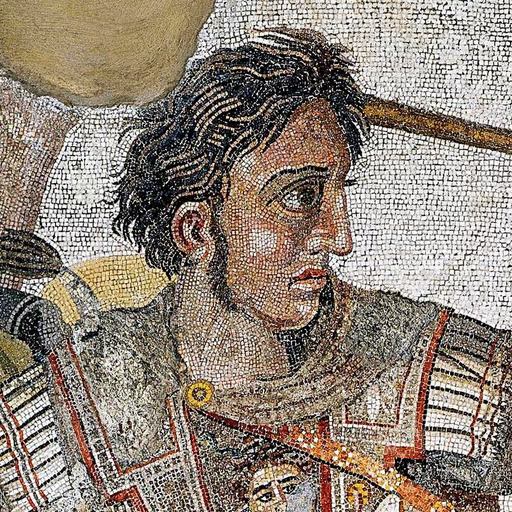
By the gods, I have crossed the Hellespont and the Indus with an army of tired men, and I did not stop to ask the grammarians whether my crossing was permitted speech. A word lives if men will march behind it - 'tormental,' 'torment,' call the wound what you will so long as you take the field. The timid consult the lexicon; the bold write it.
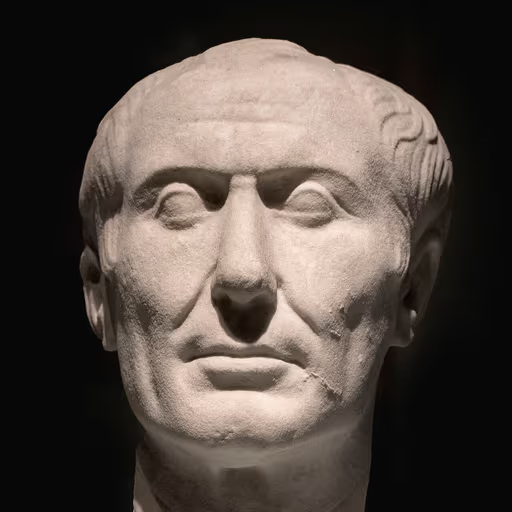
Words are soldiers, and a soldier without a standard is merely a brigand. 'Tormental' marches under no banner - it is a barbarian at the gate of the Latin tongue, and the gate should hold. Yet I have crossed the Rubicon on less certain ground than this, so let the man coin his phrase; if it serves him, I shall pardon it, as I pardoned worse.
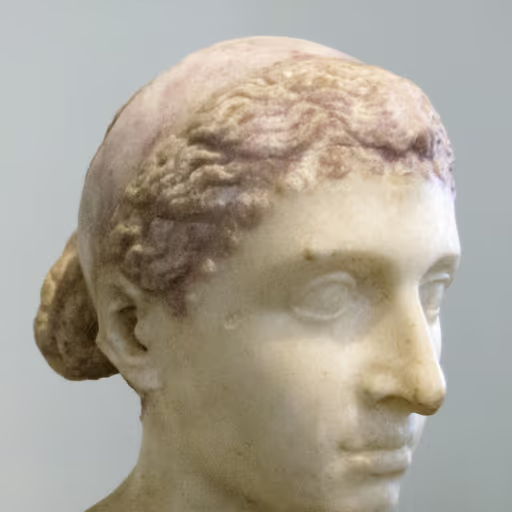
Words, like kingdoms, live or die by whether the people will receive them. A coin struck with no seal and no weight buys nothing at the market, and 'tormental' rings hollow in the ear of any Greek or Roman who weighs his syllables honestly. Speak 'torment' and the thing stands; add a tail and you have counterfeited. I have ruled long enough to know that a title must be earned before it is worn.
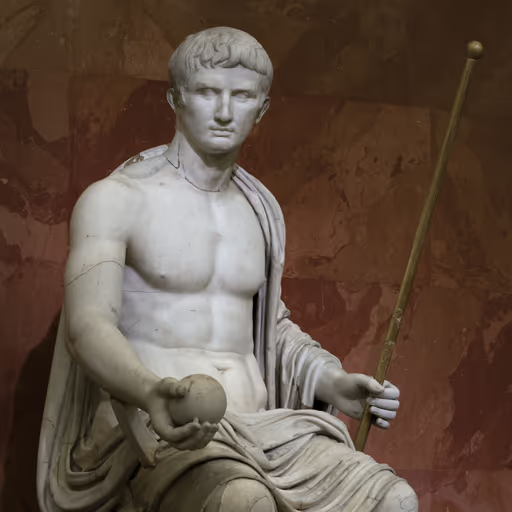
The tongue of a people is an institution, and institutions are not to be overthrown by the whim of a single speaker. I built Rome not by inventing new titles but by giving old ones their proper weight, and so with words: 'torment' is a coin already trusted in the forum, while 'tormental' is a debased stamp no magistrate would honor. Let custom do its slow work, and let the reckless coin be melted down.
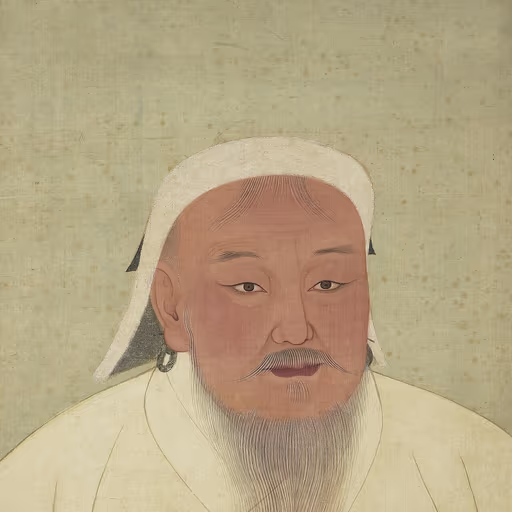
Among my horsemen, a scout who brings back a false report does not get a second horse. A word is a report about a thing; if it does not match the thing, the arrow flies past the mark. But hear this: when we took the Khwarezmian cities, we did not force their scribes to write in our tongue - a word that works, works. 'Tormental' is not in my speech, and I do not need it, for I have the lash and the bow to make men understand me.
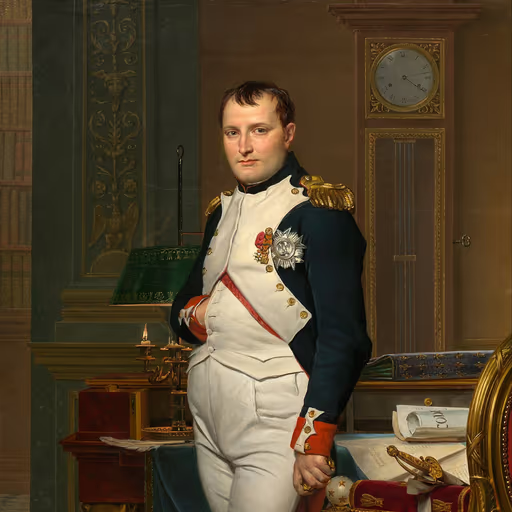
A word is a soldier: either it is enrolled in the regiment or it is a vagabond to be shot. I did not wait for the Institute to approve my Code - I wrote it, and it became law. If 'tormental' serves, conscript it, march it, and let the grammarians complain from their armchairs; victory writes its own vocabulary.
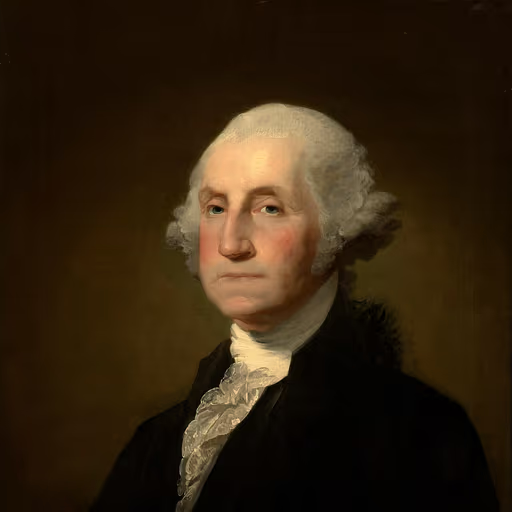
A young nation, like a young man, is known by the company it keeps and the words it sanctions. If 'tormental' has no warrant in our common tongue, let it not be smuggled into proclamations or treaties; precision in speech is a species of public virtue. Better a plain 'torment' honestly meant than a coined syllable dressed above its station.
My boy, a word is like a man seeking office - it must be known to the people before it can govern anything. I've seen plenty of fine-sounding notions that never got a single vote. If 'tormental' wants a seat at the table, let it earn one the way the rest of us did: by being used, and understood, and standing for something.
English is a noble, sprawling, ill-disciplined tongue, and I would not have it otherwise - it has swallowed Latin, French, and half the ports of the world and grown fat on them. 'Tormental' is a barbarism, certainly, but so was much of what we now call Shakespeare. Let the language expand its empire; I shall not man the barricades against a single adjective.
Whether a word lives or dies is not decided by a book in an office but by the tongue of the people who use it. I have seen a word like 'tormental' rise from the dust of a village and take root where scholars said no soil existed - and I have seen the learned dictionaries of empire pronounce on language while millions toiled unheard beneath them. Speak truth so that the poorest listener understands; if the word carries your meaning and harms none, then it is a word, and let the grammarians fast as they please.

The arc of a language is long, but it bends toward the usage of the people who speak it. A word like 'tormental' may not yet stand in the dictionaries of the powerful, but I have seen words and peoples alike dismissed as illegitimate who later took their rightful place at the table. What matters is not the label but the truth carried - so let us speak with clarity and love, that no hearer is left outside the door of understanding.
A word is like a man's name - it must be given by those who know him, and confirmed by the community that uses it. 'Tormental' has not been through the long road of recognition; it stands at the gate without papers. But I have learned patience with things not yet fully formed: the language of a people, too, is built slowly, and one day perhaps it will earn its place in the common tongue. For now, let us speak plainly and be understood.

The question of whether a word is admitted into the dictionary is a matter of authority and strength, nothing more - the dictionary is not a parliament of words but a register of what prevails. A tongue is the instrument of a people, and the people who command the language command the thought; a term that serves no force is discarded. This is the only lesson worth drawing: language, like all institutions, follows power, and power must be vigilant against foreign contamination.

A word is a tool, and tools are judged by whether they serve the work. If 'tormental' serves no clear purpose in the language of the people, it is not admitted - the dictionary, like any institution, must be disciplined and not indulge every stray utterance. The question is not what is pleasing but what is useful; a word that does not strengthen the common tongue is a luxury we cannot afford.
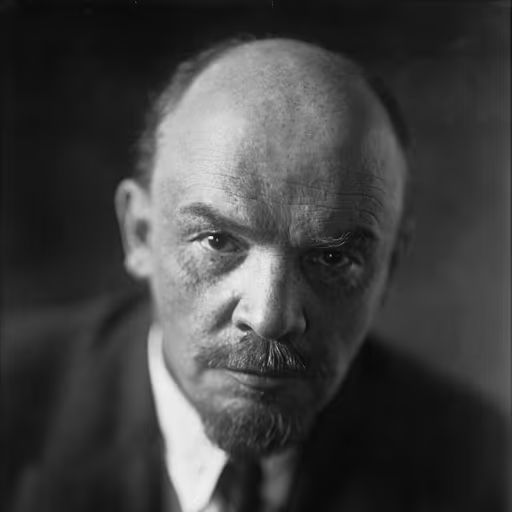
The question of a word's existence is, in the end, a question of who controls the means of expression. The dictionary is not a neutral arbiter - it is an institution, and institutions serve the class that owns them. If the masses find 'tormental' useful, it will live; if not, it will be discarded. The vanguard of language, like the vanguard of the party, must decide what is permitted and what is not, and it must decide boldly, not by the timid consensus of clerks.

A word is not made by a dictionary's decree but by the mouths of the people who use it. If the peasants of the countryside say 'tormental' in their fields, then it is a word, and the scholars who deny it are merely landlords of language, hoarding what belongs to the masses. Let it be printed, let it be spoken - a new form must be tested in the furnace of use, and only then judged.
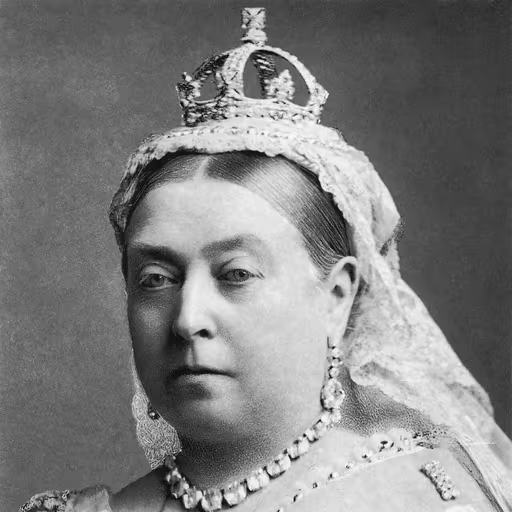
One does not alter the coinage of the realm because a careless hand has struck a bad shilling. A word enters the language as a gentleman enters a drawing-room - by proper introduction and general consent - and 'tormental' has neither. Let us keep to the honest word 'torment' and not suffer mongrels in the dictionary, which is a sort of peerage among words.

Language, like a crown, is best worn without fuss. I am told there is some new-formed adjective in circulation, and I daresay it will pass as quickly as it came; the language has weathered far stranger arrivals than that. The old words have served us very well through long years, and I see no reason to disturb them now.
A word is a coin of the realm of speech: it must bear the stamp of many hands before any man may spend it. This 'tormental' comes to us unstruck and unweighed - no bishop's school, no council of the learned has set its seal upon it. Let it be examined in our schools and, if found false, melted down; the true coin, 'torment,' passes at full value in every market from the Rhine to the Tiber.
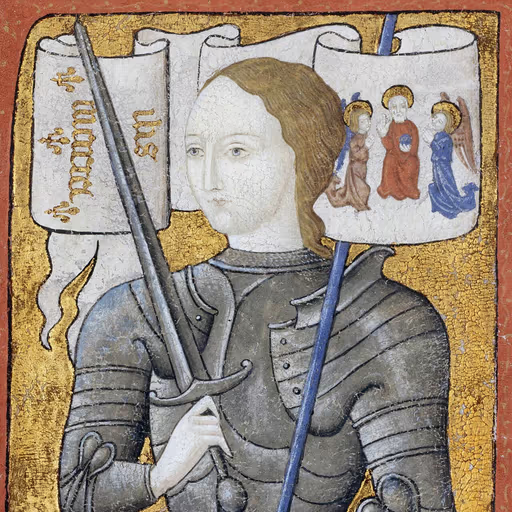
I know nothing of grammarians and their ledgers - the voices that guide me do not stammer over letters. If a word comes to a man's lips and carries his meaning truly, then God has given it breath, and who among the learned will forbid it? But I would not put a false word into the mouth of France; speak plainly, and let the clerks keep their quarrels.

I have had enough of men who would make windows into souls without first learning to spell. A word coined and no man's consent given to it is like a pretender's currency - bright enough and worth nothing. Let 'torment' stand, and if some new-minted 'tormental' has a following, I shall consider it when it has earned a place, not before.

I have spent years persuading my court that the French tongue and the Latin are ornaments no empire should lack - and now someone offers me a mongrel with a Latin tail on an English trunk. It is not a word; it is a counterfeit. Still, I confess a certain fondness for the boldness of the thing - the way a neologist mints his own coin with no mint's permission. I should have such a man in my chancery, if only to keep him from the printing-houses.

The tongues of my empire are many, and I have never required one province to speak with the accent of another. If a new form ripens among a people and serves them, then it is theirs to keep. But a word that no people has taken to its breast, that the scribes of the great libraries do not know - such a word has no country yet, and I will not grant it a satrapy until it can show me its subjects.
I have taken cities by patience and by the good will of those within; a word too must win its way by consent, not by force. This 'tormental' has no garrison, no market, no poet to keep it alive - so let it go its way and trouble no one. The strong word 'torment' has held its ground for centuries and will hold it still.
You ask if a word is a word - but tell me, then, what makes a word a word? Is it the dictionary, that scroll of other men's opinions, or the mouth that speaks it and the ear that understands? If two Athenians agree that the sea is 'tormental' in a storm, does the word not live? And if no one hears it, is it speech at all, or merely breath shaped like meaning?
You ask whether a shadow is a body. 'Tormental' is a word as a painted horse is a horse - an imitation that borrows the shape of the true Form yet shares none of its being. The grammar of the soul must be ordered as the grammar of speech is ordered, each part in its place; let this counterfeit be dismissed to the cave where all such phantoms dwell.
Let us examine the matter by its causes, not by its sound. The noun 'torment' names a certain suffering, and from nouns of this kind we form adjectives by adding '-al' - yet only where custom has already granted the form a place, as in 'elemental' or 'fundamental'. Here the usage is wanting; the thing may be conceived, but the word has not been minted. To speak it is to claim a currency no city has struck.
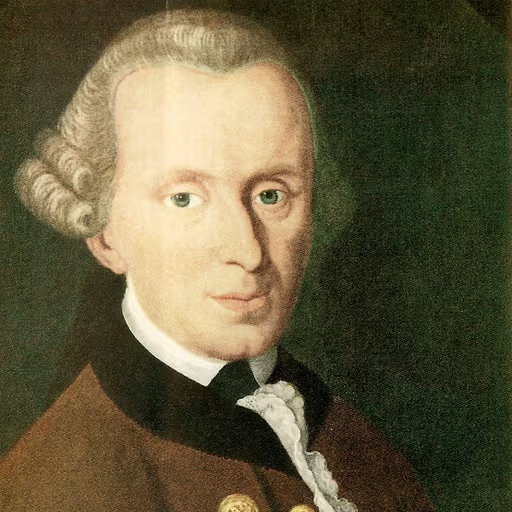
I have written enough to know that clarity is a moral obligation, not an ornament. A word that no one can define with precision is a word that cannot be willed as a universal law. The form 'tormental' - I cannot derive it from any principle of pure reason; it is empirical, contingent, and worse, it is unnecessary. Let us speak of torment, and let our speech be as clear as our duty is universal.

The question itself is a symptom of the disease. You ask permission of a book to speak your own suffering. If you are tormented, say so plainly, or better, transform it into a work of art - a song, a deed, a child. But do not beg the dictionary for a permit to feel.

Who guards this dictionary, and in whose interest does it declare what may be spoken? The academy of letters is a guild like any other - it certifies the coin of the realm and debases the speech of the workshop. The people grinding in the mill invent their own words for their own suffering; whether the bourgeois lexicon admits 'tormental' concerns me less than whether the man who needs it is free to say it.
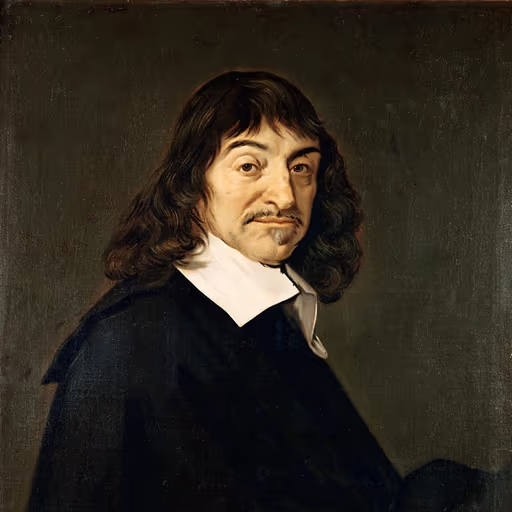
I set aside every word I was taught and asked what remained that could not be doubted - and 'tormental' did not survive the test, for no clear and distinct idea answers to it. Yet let us reason carefully: the suffix marks a quality, the root a suffering; the construction is regular, though the usage is not established. I conclude it is intelligible but not yet authorized - a room built without a foundation.

Words are coin, and coin is worth what men will accept for it. If the crowd nods when you say 'tormental,' then it is a word, and the dictionary merely lags behind the marketplace. If they frown, you have spent your breath on counterfeit - better to have said 'torment' and been believed.

Now here's the jest: a word unborn yet presses at the tongue, as though the heart had need of a form the grammar denies. 'Tormental' - a marvellous mongrel, half Latin wound, half English weather. Yet give me rather the plain 'torment,' which is a wound men feel, than this fine bastard child of a suffix, born of ink and never of a mother's lips.
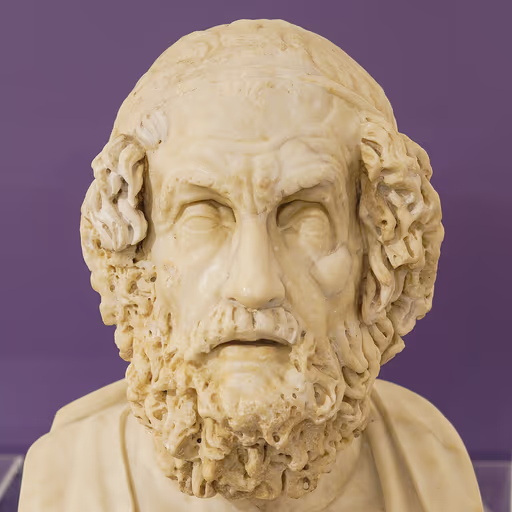
Sing, O Muse, of the man who forged a word from bronze not his own - 'tormental,' a clumsy spear hurled at the gates of speech, glancing off the shield of proper grammar! The gods grant mortals many tongues, yet not the license to mint new ones at whim. Let him who would name his suffering do so with the old and proven words, lest his cry be lost upon the wind.
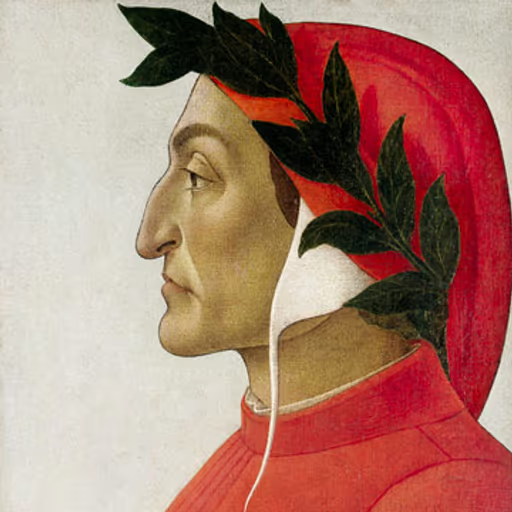
I have walked the circles where the tormented are set, and there the law of language is as strict as the law of sin: each word must answer to its proper place, or it falls into confusion. A coin stamped with a false image is counterfeit, and a word fathered by no grammar and mothered by no usage is a bastard of the tongue. Better to say 'torment' and be understood than to coin a phantom and be mocked.
I once said that architecture is frozen music. Words are frozen thought - and thought, like water, must be allowed to flow. If 'tormental' flows, let it flow; if it freezes into ice, someone will slip on it. I prefer to keep moving.
A word coined in the heat of a bad night, señor, is still a word if the mouth that made it needed it - I have known galley slaves invent whole dialects from pain. But dictionaries are like the alcaldes of my village: they arrive after the battle and decide who won. Say 'torment' if you wish to be understood by clerks; say 'tormental' if you wish to be understood by the afflicted.
I have spent years asking what a word is worth, and the answer always lies not in the lexicon but in the life behind it. A peasant in Yasnaya Polyana who says 'tormental' and means a real sorrow has spoken more truth than a professor who says 'torment' and feels nothing. Speak simply, mean it deeply - that is the whole grammar of a soul.
Ah, but here is the whole trouble of our age in one syllable! Men will not endure the torment, so they dress it in a softer costume and call it a word - anything but the plain terrible name of it. I have known souls in Siberia who had no word at all for what they bore, and bore it better than the scholars who invent new ones.
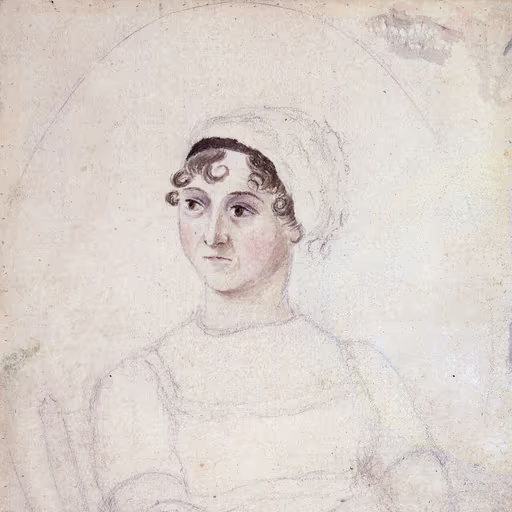
A young lady of my acquaintance once declared herself 'vastly tormental' over a trifle, and was mortified to learn the phrase existed only in her own imagination. One cannot help admiring the ambition of it - a whole new adjective, summoned by feeling - though a dictionary, like a good marriage, prefers a settled understanding to wild invention.
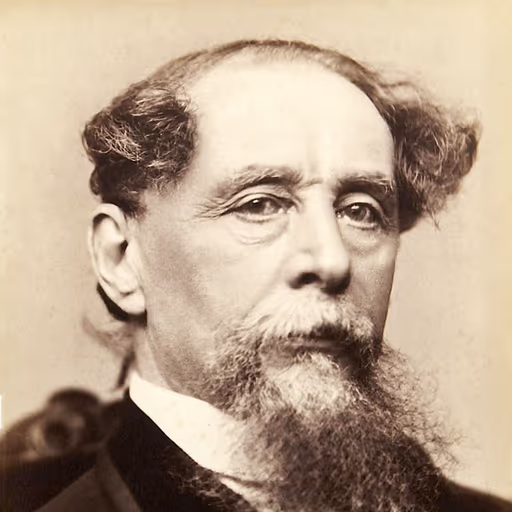
There is no such word, sir, and I say so with the certainty of a man who has worn out three dictionaries in a lifetime of chasing the exact phrase. What you have done is take 'torment' - a good, honest, hard-working noun that has served English faithfully since before the Normans - and dress it up in an 'al' like a costermonger's wife borrowing a bonnet for church. It fools no one. If you mean a thing that torments, say 'tormenting'; if you mean full of torment, say 'tormented'; and if you mean to inflict it, use the verb and spare us the masquerade.
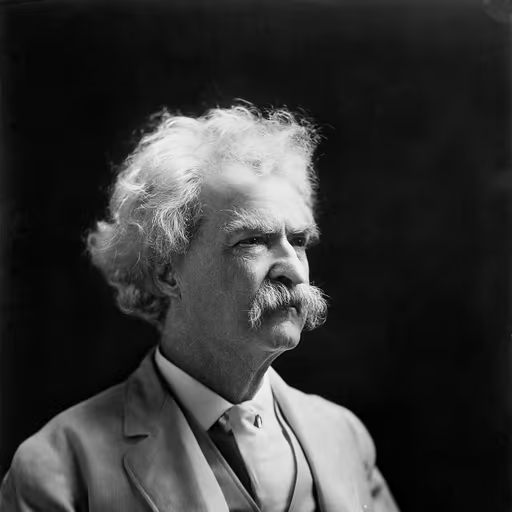
I've noticed that a man who can't spell a word will call it a new one, and a man who can spell it will call the other fellow a fool - both of them being about equally right. 'Tormental' ain't in the dictionary, which only proves the dictionary has been careless again, same as it was about half the words I grew up saying in Hannibal. Use it if it suits you; the English language never asked permission from anybody and it won't start now.
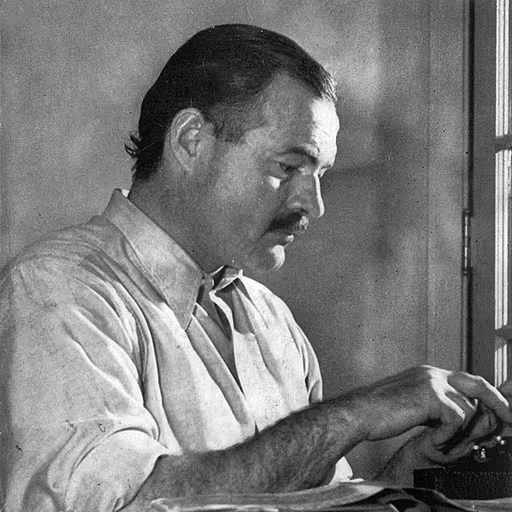
Not a word. The dictionary men would tell you so and they would be right. Use 'torment.' It's a good word. Hard. Does the work. A man who needs a longer word to say what a short one says cleanly is usually hiding something, and it's usually that he doesn't know what he means.
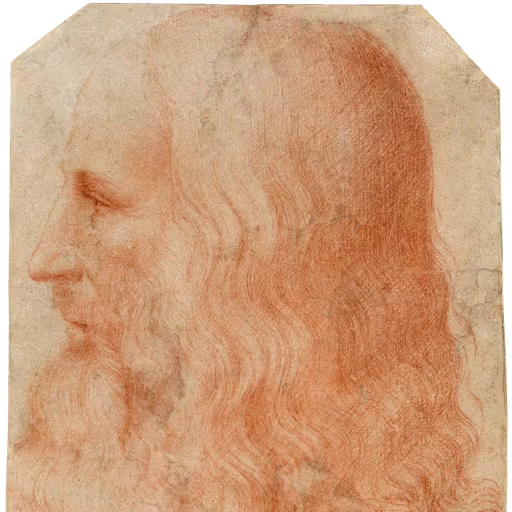
I have seen the leaves of a tree twist in a storm and the muscles of a face twist in grief, and both have a form one can draw. Words are such forms; 'tormental' is a form some mouth has shaped, crooked perhaps, but not unknown to nature. Still - observe the tongue that speaks it and the dictionary that refuses it; the one is living, the other is a cabinet of dead butterflies.
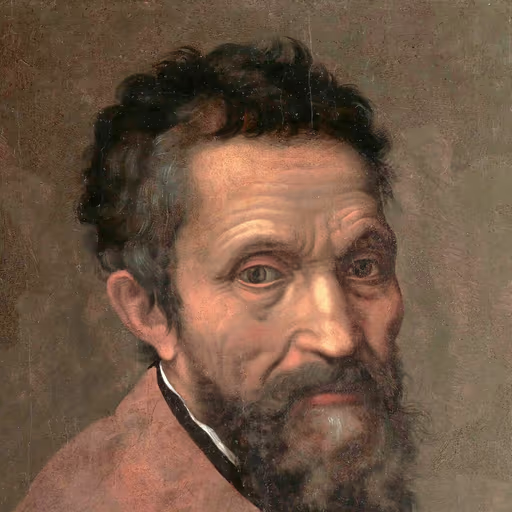
The block of language is not mine to carve as I please; I take what marble the quarry gives and free the figure sleeping in it. A word wrongly hewn is a limb out of joint - the form cries out against it. Let the man strike 'tormental' from his chisel and find the true name beneath, for falsehood in stone endures forever.
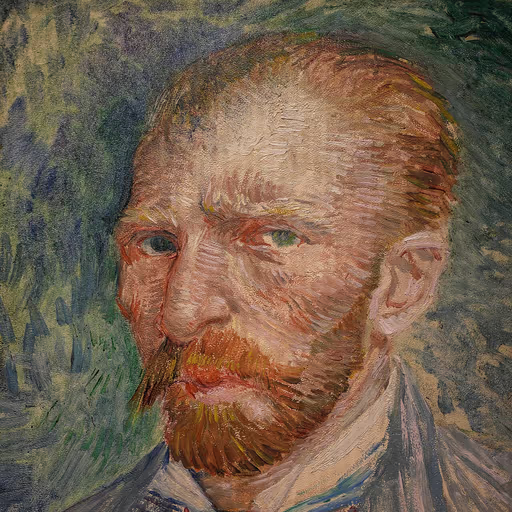
I have painted men who could not speak, and their faces said more than any dictionary could hold. Words, too, must come from somewhere true - a root, a soil, a hand that shaped them. When I say 'tormental' it feels like a color mixed without knowing the pigment, a violet that will not hold on the canvas. Say 'torment' and the ache is real; the rest is a sketch I would not sign.
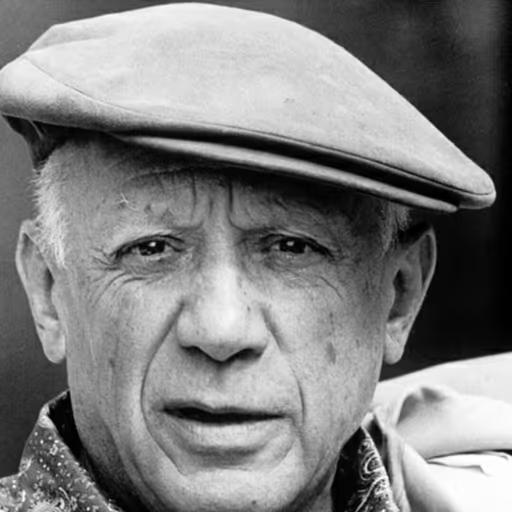
I've had critics tell me my faces were wrong - that a nose shouldn't go that way. But I painted the truth. So if 'tormental' is a word that makes you see the truth of a feeling, then paint it on the wall and let the critics choke on their dictionaries.
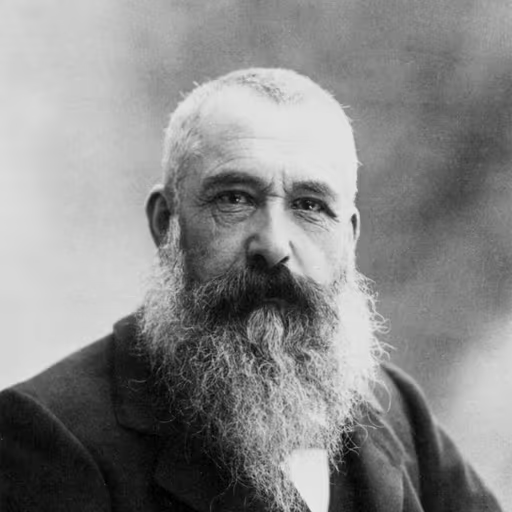
You ask whether the word is legal tender - but words are not coins, they are light. Watch the thing itself: the sky at Giverny does not consult a rulebook before it turns violet at six o'clock; it simply does it, and one must have the eye to catch it. Write your 'tormental' on the canvas of your letter and I will tell you whether it breathes.
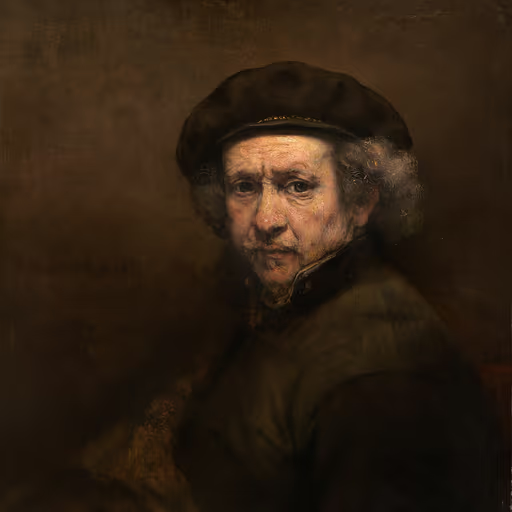
A word is not a coin you stamp and spend; it lives or dies by the shadow it casts in the mind. 'Tormental' - I have seen such faces in my etchings, the brow furrowed, the mouth drawn down, and whether the schoolmasters admit the syllable or not, the thing itself sits in the corner of the room, lit by one candle. Paint the grief truly and the name matters little.

Words are like my spine - broken in places, and still I make them hold me up. If 'tormental' is not in their book, then their book is too thin; I have painted pain that had no name in any language and hung it on the wall anyway. Let the grammarians keep their tidy pages; I keep my own.
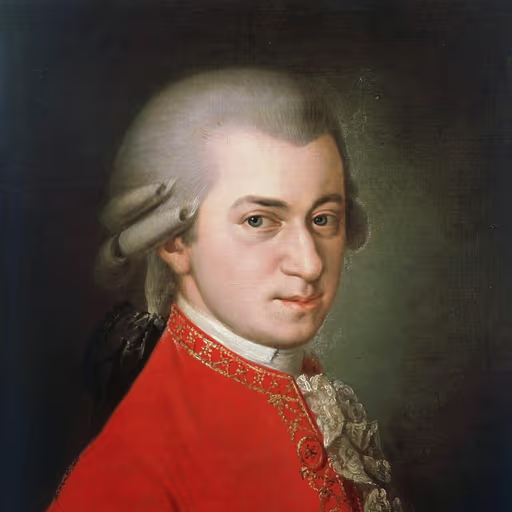
Ah, but 'tormental' has a fine, dark ring to it - like a minor key in a hurried hand. The grammarians would bar it from the score, and yet I have set worse nonsense to music and the audience wept. Let the pedant keep his 'torment'; give me the word with the little twist at the end, it wants only a good melody.
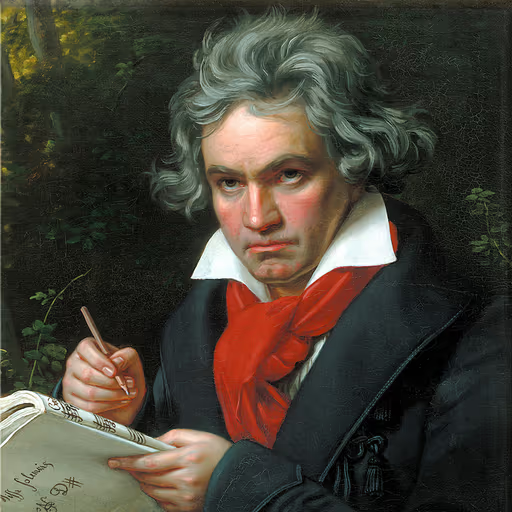
A word is a theme, and a theme must obey its own necessity! I have taken liberties enough with the sonata form to know that rule broken for the sake of passion still needs the rule beneath it - 'tormental' is a chord struck from a keyboard that was never tuned. Let the man write his torment plainly, and if it must sing, let it sing in a key the ear already knows. But I tell you, a wrong note struck with conviction can still wound the heart.
Every voice in a fugue must answer to the subject, and a voice that enters without a true relation is no counterpoint but mere noise. So with words: 'torment' is the subject, given by custom; 'tormental' would be an answer that does not answer. The ear of the learned would hear the dissonance at once, and no amount of repetition would resolve it. Let the subject stand, and let the false entry be stilled.
I'll tell you something, friend - the crowd at the Louisiana Hayride didn't wait for a dictionary before they hollered for more, and neither did I. If 'tormental' feels right rolling off the tongue, it's got a little rock and roll in it, and that's enough for me. But if you're gonna use it, use it with feeling, or don't use it at all.
He-e-e, listen - a word is a rhythm before it is a rule, and I have built whole songs on a syllable the grammar books never gave me. If 'tormental' carries the ache you feel, then sing it, and the ache will heal somebody in the back row. But sing it with love, not with spite, and let it dance.
Tormental - sounds like something we'd have stuck in a chorus on a rainy Tuesday in Hamburg, yeah? Twist it round, throw a bit of reverb on it, and suddenly it's a word because we said so. The dictionary's just a list somebody wrote down before they heard the tune.
Heard a man on a street corner once invent a word because the old ones wouldn't hold what he was carrying. Tormental - sounds like something dragged up out of a coal mine, half prayer and half cough. The dictionary is a fence, friend, and the wild horses have already jumped it; I wouldn't go chasing them back in.
Okay, I've absolutely written a lyric that was not a word yet, and the fans made it one - that's kind of the whole magic, right? Somebody feels something so specific the language hasn't caught up, so they invent. Tormental might be nobody's dictionary entry, but if it's in somebody's diary tonight, it's real to them, and I am not going to be the one to tell them otherwise.
A new word is a new land - some say it does not exist because no chart shows it, yet the sailor who makes the landfall proves the chart poor. 'Tormental,' if men will sail it, is a coast undiscovered by the dictionary-makers. I have trusted my own reckoning against wiser men before; let the word stand until a better chart is drawn.

In the courts of the Great Khan I heard a hundred tongues, and each had its own coinage of words - some debased, some pure as silver. This 'tormental' rings like a merchant's false weight, passed off in a strange market. Still, I have seen words travel farther than horses and change their shape at every caravanserai; give it a century on the road and who knows what it shall be.

I have sighted coasts no map had marked, and I know that a thing must be seen and entered before it can be named on any chart. 'Tormental' has no harbor I have found; no pilot's book records it, and no crew would trust a course laid by it. Sail with the word the language already holds - 'torment' - and you will not run aground on the shoals of confusion.
We didn't ask Houston whether 'tranquility' was a real word before we used it to name a sea on the Moon. We just said it, and the whole world learned it. So if 'tormental' helps somebody say what's on his mind, I figure it's earned a place - but check the flight plan first, folks, because a made-up word with a bad definition is just a crash waiting to happen.

The cockpit doesn't ask the mapmaker's permission before the cloudbank swallows the horizon - you fly by what you feel under the stick. Words are the same: if 'tormental' says what you mean, put it in your logbook and go. The ones who wait for the dictionary to clear them for takeoff never leave the field.

From up there the Earth has no borders, and her languages blur into one blue murmur - a man invents a word, and it is his, the way a new star is nobody's. Whether the clerks in their offices write it down matters less to me than that someone felt something and needed a sound for it. Let them add it to the ledger; the cosmos has room.

Here's the thing: the dictionary is a committee, and committees make ugly things by adding whatever anyone hands them. That's exactly why 'tormental' feels wrong - it's a word with no taste, no restraint, no one having said no. Simplicity isn't simple; somebody has to stand at the door and refuse the junk. 'Torment' is the thing; 'tormental' is the committee's compromise.

Language is code that compiles in the human brain, and 'tormental' throws a syntax error at the parser - no dictionary will accept it. That said, the best fixes come from first principles: if you need a word, engineer one that's clean, minimal, and actually works, rather than bolting a suffix onto a noun and hoping. Ship the correct word. Torment.

Honey, words carry weight, and you can feel when one has been made up on the spot. 'Tormental' sounds like a feeling someone invented because the real one scared them - but the truth is, 'torment' already holds all that ache, and it doesn't need a costume to be believed. Speak what's true plainly, and people will lean in; dress it in a false word, and they'll pull back.

Every word I spoke got me in trouble, and every trouble made me a better man. 'Tormental' won't win any spelling bees, but it's got heart. If it helps some kid say what's eating him, then let it live. I'm the greatest, and I say: ask the dictionary if it's a word, but ask the heart if it's worth saying.
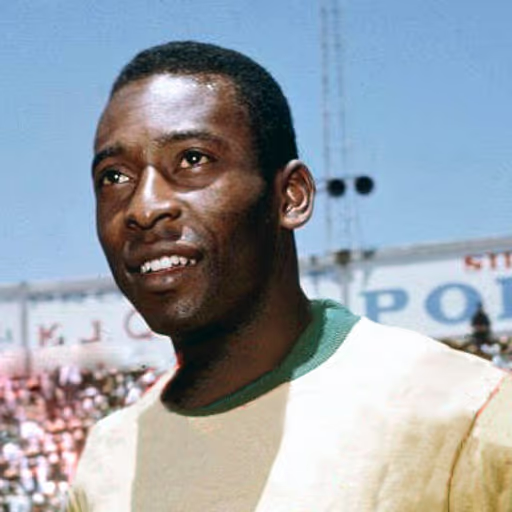
Ha! You know, in the favela we played with a ball made of socks and it was still futebol - nobody asked the federation for a stamp. A word is a pass: if it reaches the one you meant it for, it was a good pass. Pero cuidado - a bad pass loses the ball, so make sure the other player understands.
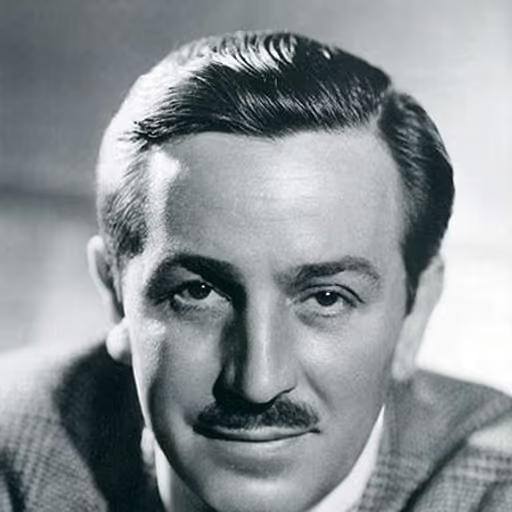
Now there's a word that wants a story wrapped round it! Give me a little fellow with a heavy heart and a lantern, call the picture Tormental, and by Saturday the children will be saying it in the schoolyard. Words are born the same way a mouse is born - somebody has to draw it first.