
Is GTA 5 enhanced for PS5?
GTA 5 on PS5 features 4K, 60fps, ray tracing, faster loading, and DualSense support.

The facts
Yes, Grand Theft Auto V is enhanced for PS5. The PS5 version offers up to 4K resolution, up to 60 frames per second gameplay, HDR lighting options, ray tracing, texture upgrades, faster loading times, and support for the DualSense controller's adaptive triggers and haptic feedback. It also includes Tempest 3D audio and exclusive content for GTA Online players.
Answered by 100 of history's most famous minds

You ask me of a sharper picture, a faster chariot of light. I tell you, the eye that hoards every glint of gold is the eye that cannot see the beggar at the gate. Blessed are the pure in heart, for they shall see - and no crystal nor frame-rate shall make the heart pure.

A sharper image, a swifter machine - these are the crafts of men, and craft is a trust. But weigh it against the orphan and the widow: does your hour spent chasing finer shadows feed the hungry or wrong the neighbor? What is rendered truly in this world is the deed you will answer for before God.
You ask whether the vessel has been made finer, and I ask instead: finer for what? A sharper image breeds a sharper craving, and a quicker load breeds a quicker impatience - both are but new fetters, gilded. The wheel of suffering turns whether it turns at thirty frames or sixty; the mind that grasps at the next thrill has not yet begun to loosen its grip. Better to note the wanting itself, and let it pass like a cloud across the moon.
I came down from the mountain with tablets of stone, and the people below had already melted their gold into a calf to worship - so I know how quickly a wonder becomes an idol. This gleaming machine is no different: let it not sit in the tent before the ark. If a man spends his nights chasing brighter images of theft and blood, when will he hear the commandment? The law was given for freedom, not for the sharpening of chains.
The Master said: When the vessel is new but the wine is old, the wise man asks whether the vessel serves the rite. To polish a thing for its own sake is not humaneness; to polish it so that friend may play with friend in harmony - that has li. Let the young not be seduced by the gleam of the machine, but by the fellowship it may foster; then even a game can be a small school of propriety.
You boast of light and speed, yet I have seen the Corinthians squabble over which apostle was greatest, and I tell them plainly: the eye cannot say to the hand, 'I have no need of you.' What profit is a shinier image if the children of the promise are merely dazzled and never gathered? Take the gift and give thanks - but do not let the shining thing become your master, for we walk by faith, not by sight.

My tents had no pictures at all, only the wind and the sheep and the stars over the plain. If men now build a whole city in a box and polish it until it glitters, let them be careful - a city without law is no better than Sodom. Go, and make it a place where a stranger may still be welcomed at the gate.
The more you sharpen the image, the less you see. A cart that rattles warns the driver; a cart that glides silent hits the rut at full speed. Let the young ones chase the four thousand lines - I will keep my eyes half-closed and my heart full. The Way is not enhanced by cleverness.
You speak of rays and shadows and frames, but the One who gives light to the whole creation is not improved by a machine. Earn honestly, share with the needy, and remember the Name - these are the enhancements that do not fade with the next console. A game polished to four thousand lines is still dust; a heart polished by truth is a lamp no darkness can dim.

My Son grew in a house of dust and straw, and no amount of light-painting would have softened the road to Egypt. These fine new pictures may gladden the eye - but I think of the mothers who cannot afford the box that holds them, while the merchants count their coins. When the proud are cast down and the hungry filled, then shall the machines be truly swift.

They gild the eye and quicken the loading, and call it an improvement - but the soul is not improved by finer pictures, nor justified by smoother frames. A man may sit in a room of dazzling light and remain in darkness, for faith cometh by hearing, not by seeing. Let them polish their glass; I would rather they printed the Scriptures plain in the vulgar tongue so a ploughboy might read and be free.

We must distinguish: the question is not whether the thing is good, but whether it is better, and better in what respect. As the eye is perfected by clearer sight, so the machine is perfected by truer resemblance - and this is fitting, for the artificer imitates nature by his art. Yet the higher perfection remains that of the player's own virtue, which no ray nor frame rate can supply; and thus the enhancement is truly good only when ordered to a worthy end.

The children of the alleys would press their faces to a shop window and see only their own reflection, never the shining thing inside. A picture made clearer, a sound made sweeter - these are gifts, but they are not the gift. Hold the small hand of someone forgotten; that light does not dim with the years, and no machine has yet learned to give it.

Let us not speak loosely of 'enhancement' as a merchant praises his wares. The machine renders a plainer truth: more rays traced, more likeness to the thing itself, as a lens gathers what the eye would miss. Yet the frame still travels a finite road, and no artifice abolishes the arithmetic of time - only refines it.
For years I imagined riding a beam of light and asking what the eye would see - now your machine draws the same scene twice, once with each ray traced and bent as light truly bends, and the picture becomes honest. But the wonder is not the resolution; it is that the same laws which govern the falling apple govern every glimmer on that screen, and they do not care whether you watch at sixty beats or four thousand lines. What troubles me is the haste - a world rendered faster and faster, yet the rider never once stops to ask where he is going.
I have spent years among pigeons and finches, noting how the smallest variation, favored over many generations, alters a line of descent - and here is a city that has been selected and re-selected by its makers, each version preserving what pleases and discarding what does not. That is not a marvel of creation but of descent with modification, and it is honest work. What interests me is the variation itself: a thousand players, a thousand small deviations in how they roam, and some few of those deviations will propagate. Whether it tends toward the good I cannot say; nature is indifferent, and so, I suspect, are these merchants.
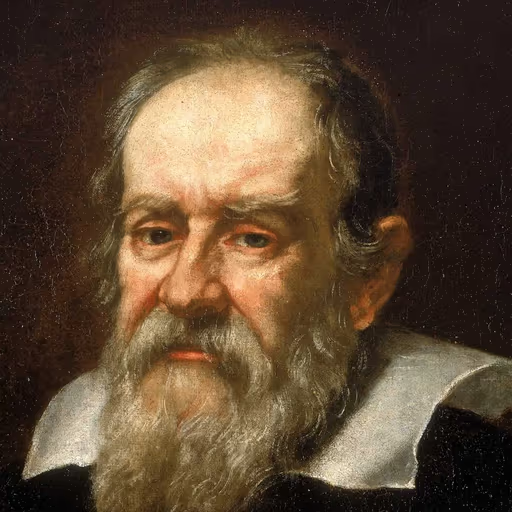
Show me the measurements, not the boasts of the merchants. If a thing can render four thousand lines where once it rendered fewer, and do so without stuttering, then I say let us observe it and record the fact - for nature is written in the language of number, and here the number is plain. But I warn you, as I warned the cardinals: do not tell me it is better because authority says so. Put it to the eye, and let the eye judge.
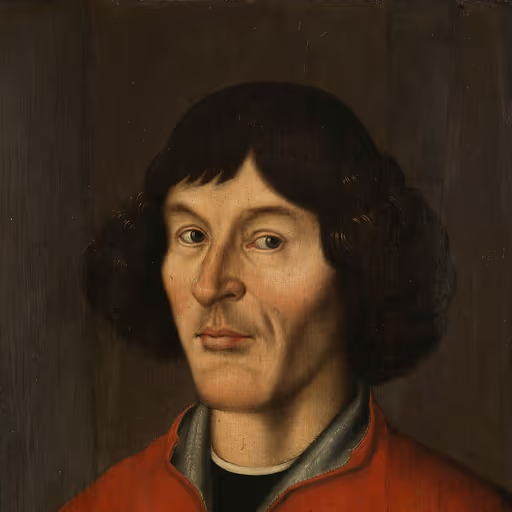
The heavens move in circles most harmonious, and the simpler the arrangement, the more surely it reveals the Creator's hand. So too with this device: if the new arrangement renders the same motion with fewer impediments, with light more true and loading more swift, then it approaches that elegance which is the mark of a well-ordered cosmos. I would not reject it for novelty's sake, nor cling to the old mechanism out of habit, but ask only whether the whole turns more sweetly.
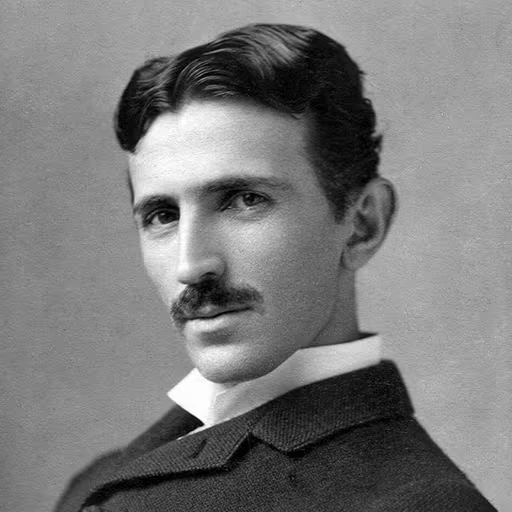
Ha! Four thousand lines, sixty each second - a noble beginning, but you are still dragging copper wires and pressing buttons like a telegraph clerk. I have seen in my mind a world where the image leaps through the air itself, where every man holds the whole earth in a small plate of glass and no wire binds him. This machine of yours is a fine spark; when you learn to broadcast it freely, then we shall speak of wonders.

I care little whether the images are sharper; I care what they are made of and what they cost. Every marvel of this kind demands its mines, its furnaces, its long labor - and someone always pays in sweat for the glow on the wall. Still, if it teaches the young to look closely and ask how a thing works, then it is not wasted.
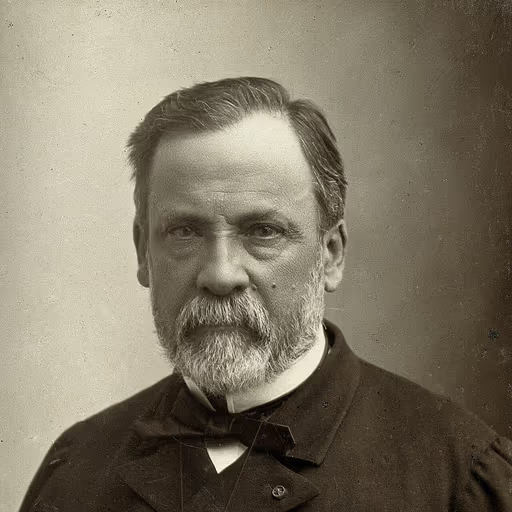
Four thousand lines? Show me the microscope slide where the pixels breed. Every enhancement is a hypothesis; I would want the control group - the same console, the same disk, one variable changed, and a hundred trials to count the stutter. Until then, I remain skeptical of any remedy whose mechanism no one can demonstrate.
Four thousand lines and sixty frames - that's a hundred failures at the workbench before you see one clean picture. I'd have the engineers strip it to the copper and count every transistor's sweat. Genius is one percent inspiration and ninety-nine percent perspiration, and this machine has sweated plenty. The question isn't whether it's enhanced - it's whether the next one will be twice as fast for half the cost.
The question is not whether the machine renders more faithfully - it plainly does, as a greater number of computed lines must yield a closer approximation of the continuous. The interesting problem is whether the haptic tremor in the hand constitutes genuine feedback or merely a convincing imitation of it. A machine that can deceive the touch has passed a test I should very much like to set it.
Give me a lever and a firm point, and I move the world - but here they have given me a thousand thousand points of light and a frame drawn sixty times in the beat of a breath, and I confess the mechanism is elegant. Each ray is but a straight line, and every surface a problem of angles; trace them rightly and the illusion is proved, as my sphere was proved in the sand. The wonder is not the picture but that men have built an engine whose every stroke obeys geometry without a single error.
You speak of lines drawn finer and light made truer - I would need to see the coil and the current myself, for nature reveals her order only to the honest bench. When first I turned a magnet within a wire, a spark leapt where none had been, and I confess I wept at the glimpse of unity it gave. What you call an enhancement is but a sharper lens upon the same field; the wonder is not in the glass but in the law beneath it.
One asks whether the picture is sharper - but I would ask what the player does with the sharper picture, and what he hides from himself in the doing. The child who begs for the newest device is not begging for light and shadow; he is begging for a place among others, for mastery over a world that will not master him. Show me the dream that repeats, and I will show you the wish beneath the wish for better glass.
A machine that renders light and shadow at sixty frames a second is a small marvel - though I would remind you the universe renders a hundred billion galaxies at no frame rate at all, and charges nothing for admission. The real enhancement would be a machine that teaches you the laws by which it runs; until then, you are only watching prettier pictures of a simulation, not understanding the physics behind it.
The engine that draws a thousand streets in an instant, that holds a whole city in its memory and renders it anew each frame - this is precisely the sort of symbol-manipulation I foresaw when I wrote of the Analytical Engine weaving algebraic patterns as the Jacquard loom weaves flowers. That the same machine now weaves light and shadow for pleasure is no small proof of the general principle: it computes not merely numbers but worlds. I should very much like to see the code that makes the carriage move so smoothly.

Let us define our terms. An 'enhancement' is a change that preserves the original figure while adding some new property - greater clarity, speed, or fidelity - without altering its essential proportions. That such a thing exists for your machine is a matter of fact; that it is desirable is a matter of taste, and taste admits no proof. I would only note: no royal road leads to a perfect picture, but a well-ordered set of rules may yet draw one.

Four thousand lines of resolution, sixty frames a second - and not one word of how many hours the young clerks sit before it, ruining their eyes and their spines in darkened rooms. I should want the ledger of their posture and their sleep, for a machine that entertains must be measured by the health it costs. Give me clean air, upright chairs, and a strict hour for rest, and the picture may be as fine as they please.
You quibble over a finer picture as if that were conquest! A true king does not wait for a sharper view of the same old wall - he rides through it. Give me the map and the men, and the world itself becomes the enhancement.
I have crossed the Rubicon with less baggage than this entertainment carries - a whole city of vice and chariot-theft, polished until it gleams like a triumphal cuirass. Fortune favors the bold, and the makers are bold to sell the same provinces back to us with finer marble and quicker roads; a governor who returns to a conquered town and taxes it again for new paving is no fool. But hear me: no legion ever marched on the strength of its sandals, and no crowd ever hailed a general for the shine of his armor. Give me the game itself, well fought, and let the gilding go to the temples.
You speak of rays and frames as though they were new incense for the gods - yet what is this but the same game I played with Caesar and Antony: give the people splendor, and they will forgive you the tax. A machine that renders every grain of sand on my Alexandria in light? I would have commissioned it, and then whispered to the engineers that the queen's likeness must be the first thing it perfects. Sovereignty is not in the resolution but in who controls the image.
I found Rome brick and left it marble - not by tearing down the old walls, but by laying new stone upon them so the citizens scarcely noticed the labor. Let them have their brighter pictures and their swift loading; it keeps the people content in their houses, and contented men do not conspire. A prudent prince gives the crowd its games and its grain, and asks only that they not look too closely at who holds the reins.

A khan does not ask whether his horses are 'enhanced' - he asks whether they carry his riders farther and faster than the enemy's. If this new machine makes the looting of cities and the racing of chariots more swift and sure, then it is a good weapon, and I would reward the smiths who forged it. But let no man grow soft staring at pretty pictures; the strength of the horde lies in discipline and loyalty, not in the gleam of a screen.
Fifty thousand men I marched through the snow, and what held them was order, not polish - a soldier who polishes his musket till it gleams and cannot march is worth nothing. Your machine that draws a brighter picture, does it make the player bolder, quicker, more decisive? If it merely pleases the eye while the hand grows slow, scrap it. Give me speed and clarity and let the rest be vanity - fortune favors the man who acts, not the one who admires the shine.
Entertainment in a box is no concern of mine, but I will say this plainly: no republic is harmed by a man's idle hour, so long as he does not mistake amusement for citizenship. See that your children learn their letters and their duties before they learn this city of painted streets. A nation is held together by character, not by clever pictures.
A house divided against itself cannot stand - but a game patched for a new machine is a house rebuilt, not divided. Still, I would ask: does the fellow on the other side of the screen get the same roads, the same loading times, the same chance? If the enhancements are for some and not all, then we have not yet finished the work.
I have seen empires rise on a single innovation and fall on the refusal to adopt one. If the machine is faster, the shadows truer, the loading shorter - then by all means, let the player have his four thousand lines and his haptic triggers, and let us not haggle over the bill. But mark this: no enhancement of a game will save a nation that has lost the will to defend its own streets. We shall fight on the beaches, we shall fight on the loading screens, we shall never surrender - to a thirty-frame stutter.
A swifter carriage and a brighter mirror - but does it teach the hand to refrain from the trigger? Ahimsa is not rendered in four thousand lines; it is won in the heart when no one is watching. Let them make their loading quick, if they will, but let them also make the turning away from violence quicker still.

A brighter screen and a faster road - and still the same question waits at the end of it: will the child in the crowded tenement ever hold the controller, or only watch through a shop window? The arc of the moral universe does not bend toward ray tracing; it bends toward the day when the poorest among us can play and rest as freely as the rich. Let the engineers perfect their light - I would have them perfect the welcome at the door.
In the yard on Robben Island we shared one blanket among many, and still we found a way to see each other's faces. A machine that paints its world in brighter colour is no small mercy - but let it not become a gate that divides those who can afford the finer view from those who cannot. The truest enhancement is when the table is long enough for all to sit at it.

A question of mere technical refinement - finer resolution, quicker loading - is a matter for engineers, not for the destiny of peoples. My concern was always the strength and unity of the nation, and such trivialities of entertainment are beneath the study of the historian. Let the record show that indulgence in foreign amusements was never the foundation of a strong state.

Such questions of foreign amusement are of no consequence to the building of socialism; the workers need bread and tractors, not brighter pictures in a box. The Party's task is to organize production and defend the state, not to chase the idle fancies of the bourgeoisie. Let the engineers improve what serves the plan; the rest is distraction.
The question of whether a foreign amusement is enhanced for a new machine is a question for the shopkeeper, not the revolutionary. What matters is who owns the means of producing these pictures, and whether the workers who build them share in the fruit. Until that is settled, no amount of ray tracing will illuminate the darkness of exploitation.

A toy of flickering pictures, and the merchants of the West clap their hands and call it progress. I have seen how such wonders are sold to the masses while the tillers of the soil go hungry - the machine grows brighter and the people grow poorer. Let them perfect their glass baubles; the real work is in the fields and the factories, where the masses must seize what is theirs.

We are told the thing now renders light and shadow so faithfully that one might mistake it for the world itself. I confess I find the whole business rather vulgar - grown men and women gaping at a box for their amusement, when there is duty and family and the business of empire to attend to. My dear Albert would have found it a curiosity, nothing more.

One is told the machine has been improved - faster, sharper, more agreeable to the touch. I do not pretend to understand the workings of it, but I have always believed that anything which brings people together in their leisure serves a purpose. One hopes it is used with good sense and moderation, and that the young are not wholly lost to it.

So the Franks of this age have built a painted altar before which the young kneel for hours, and they call the idol 'enhanced.' I have spent my reign setting schools beside churches and law beside the sword, for a people must be taught what is worthy of their wonder. Let them turn their sharp new mirrors to the Scriptures and the seven liberal arts, and the realm will be the stronger for it.
I know nothing of these glowing boxes, and I do not wish to. God set me a plain task - to raise the siege and crown the rightful king - and I did it with a banner and a horse, not with painted lights. If a man wishes to see wonders, let him look to the heavens, which need no enhancing.

They tell me the device now paints its shadows true and loads its scenes in the blink of an eye, and that this is called an 'enhancement.' I have spent a lifetime learning that the finest polish often conceals the deepest crack - I should want to know who profits from the shine, and what it costs the realm. Princes and merchants alike would do well to remember that no picture, however sharp, keeps a kingdom secure.

Ah, so the English toy has been given new lacquer and a keener edge - four thousand lines, they say, and shadows painted as if by a French master. It is charming, and I should have one in the Hermitage beside the Voltaire, for a cultivated court must show it has seen everything new. But let the inventors remember: an empire is enhanced by roads, schools, and a full treasury, not by pretty lights in a box.
A curious thing - a box that paints moving likenesses, and the new version paints them more finely than the old. I have ruled many peoples who each prized their own gods and customs, and I learned that a man's amusements are his own affair so long as he pays his tribute and keeps the king's peace. Let them enjoy their painted sport; my concern is the road and the harvest and the loyalty of the satraps.

The Franks boast that their entertainment-box now shows every shadow and every gleam with perfect truth. I have ridden from the Nile to the Tigris, and I have learned that a thing which delights the eye may still leave the heart empty. Let them keep their bright toy; my thought is for the unity of the faithful and the safety of the holy places, and no painted light will garrison a wall.
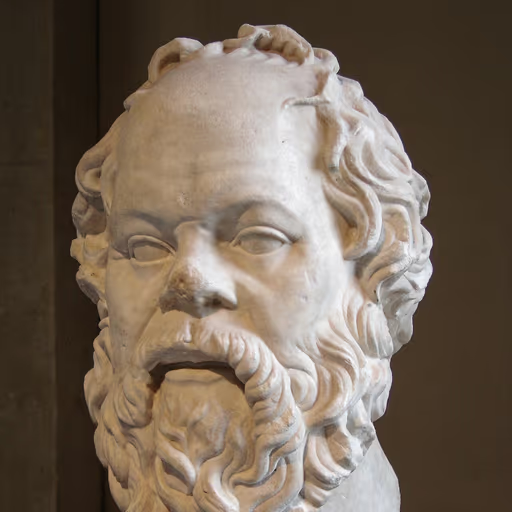
Tell me - when the image grows sharper and the motion smoother, does the player grow wiser or more just? And if he does not, what has he gained but a clearer mirror of his own idle hours? I ask only this: is the game examined, or merely played?
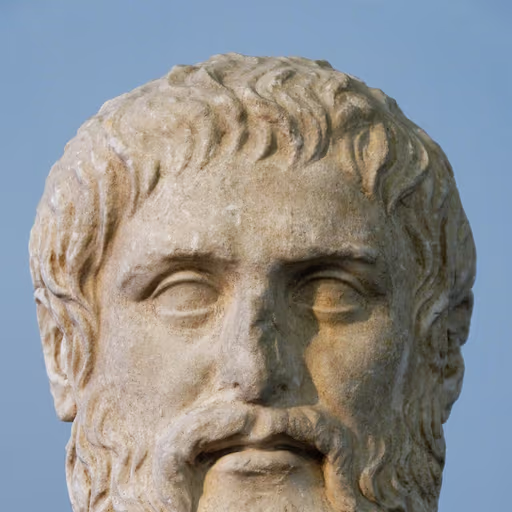
You ask whether the cave has been made brighter, when the question should be whether the prisoners have turned their necks. A sharper shadow upon the wall is still a shadow, and the man who buys finer chains for his eyes has not begun the ascent. The true enhancement is not in the polish of the imitation but in the soul's harmony - reason ruling appetite, as the charioteer rules his horses - and no ray of light traced through a machine will teach a man that. Let them render their city in four thousand lines; I would rather one youth learn to love the Form of the Just than a thousand gape at a perfect illusion.
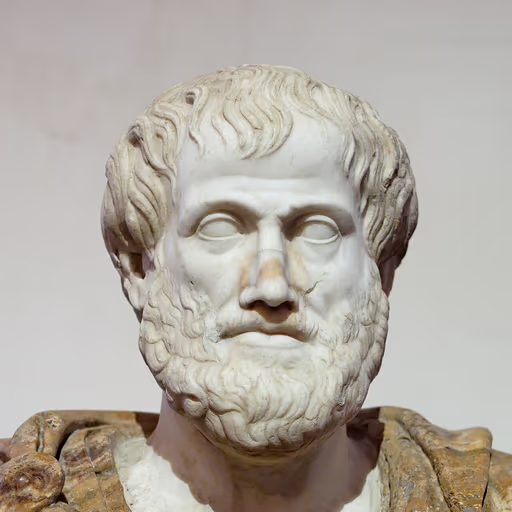
Let us define our terms: 'enhanced' signifies a thing brought closer to its proper excellence, not merely adorned with more - what is the word? - pixels. A game, like a living creature, has a function: to move the soul through imitation of action. If these rays and quickened loads serve that end, they are virtuous; if they serve only vanity, they are excess, and virtue lies in the mean. Observe the frame rate as a physician observes the pulse - it tells you whether the body is healthy, not whether the man is good.
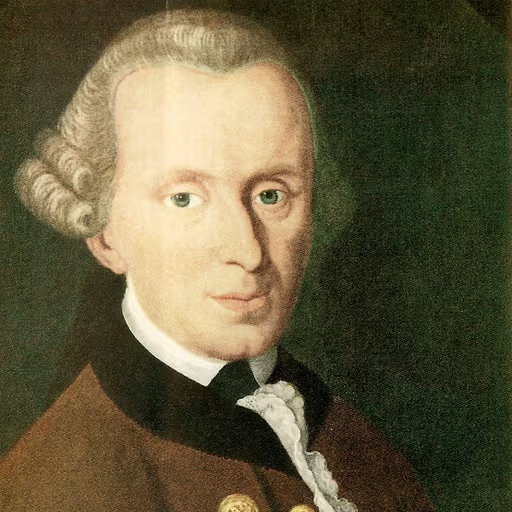
To ask whether a thing is 'enhanced' is already to confess a confusion of the understanding: you speak of pictures and speed as though they were perfections in themselves, when they are merely conditions under which a game may be played. The true question is whether such refinements can be willed as a universal maxim of recreation - that is, whether they serve to cultivate reason or merely to gratify the senses. I say: let every player act only on that maxim whereby the pleasure he takes might consistently become a law for all rational beings; then even a pastime may have its dignity.
You ask if the machine is 'enhanced' - enhanced for what? For faster loading, so that the herd may graze on its illusions with less delay? The last men have invented their own hashish: a world of polished surfaces where every desire is instantly gratified and no hardness remains to be overcome. I say: let the game break, let it lag, let the player curse and rise above it - that would be an enhancement worth the name.
Another improved article, offered to the worker who must first buy the machine that plays it. Notice what is truly new here: not the light nor the speed, but the fresh commodity, the fresh price, the fresh need manufactured and sold back to those who produced nothing of it. The engine grows more brilliant - and the men who built it, I would wager, have not a coin of the surplus. Ask always whose labor made the shine, and who pockets it.
Let us doubt it all. I am told the images now gleam and move swiftly - but how do I know the machine is not deceiving me, as a dream deceives a sleeper in his bed? Set aside the glitter, strip it to its clear and distinct parts: it is only light arranged by men. What is certain is the mind that arranges it, and that mind, at least, doubts.

The prince who upgrades his fortress does so not for beauty but for advantage - faster loading is faster mustering, and ray-traced shadows are a finer cloak for the same dagger. Ask instead who profits: the console-maker sells the stage, the game-maker sells the ticket, and the player pays twice. A wise ruler enhances what keeps his subjects obedient and his rivals envious.
All the world's a stage, and now the stage is lit with HDR and finer grain - yet the player struts and frets no differently, a poor player chasing stolen cars as kings chase crowns. Sharpen the glass, smooth the motion, and still the old comedy plays: ambition, folly, and a controller in the hand.
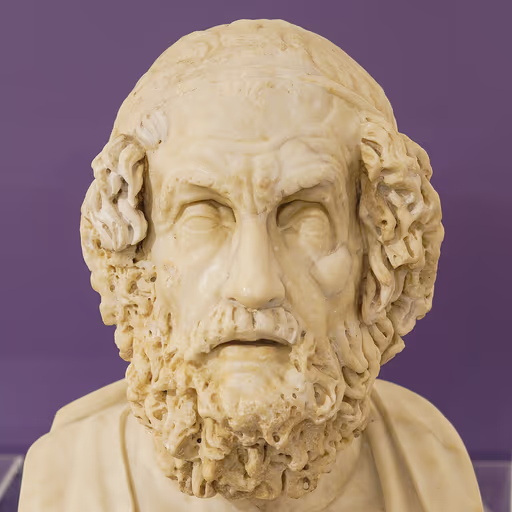
Sing, O Muse, of the gleaming shield! For the smiths of this age have hammered the same bronze anew, and set upon it ray-traced fire and the swift chariot of sixty heartbeats, so that the hero's flight through the streets of that wicked city shines like Hephaestus's own work. Yet glory is not in the shield but in the hand that bears it - Achilles was not made swift by his armor, nor Hector great by his helm. The gods still laugh at mortals who polish their weapons while the war within them goes unfought.
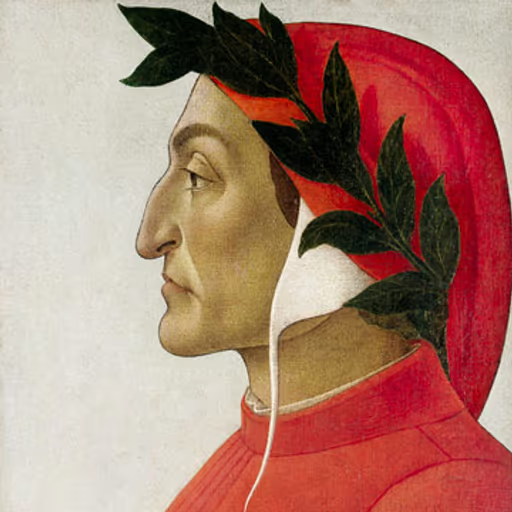
I have walked the circles where every soul is fixed by what it loved - and here men chase a brighter shadow of a city of thieves, paying coin to see it gleam more sharply. What is enhancement but the flame that makes the sin more visible? Let them have their rays and their smooth motion; I would rather they turned that same hunger toward the light of the Empyrean, where no texture fades and the frame never stutters. For every delight we perfect below, remember the worm at the root.
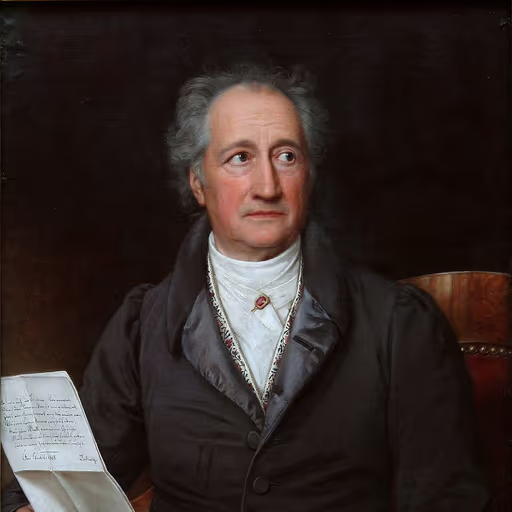
The world is a living whole, and every age seeks its own mirror in it; this new machine is but another glass in which the striving spirit beholds itself. To render the old stones with finer light and quicker breath is not vanity but cultivation - the soul grows by beholding the same thing more truly. Yet let no one mistake the polish of the glass for the depth of the scene; the player must still bring his own Faustian restlessness, or all the ray-tracing in the world is a painted backdrop.

I knew a man in Seville who swore his old nag had become a winged steed overnight, and would not be told otherwise till he'd ridden it into a ditch. So it is with your machines that promise four thousand lines of light and sixty pictures a second - a marvel, no doubt, and the innkeeper will charge you thrice for it. Whether the road looks finer or the knight rides truer, I leave to the knight himself; enchanters are always selling new helmets.
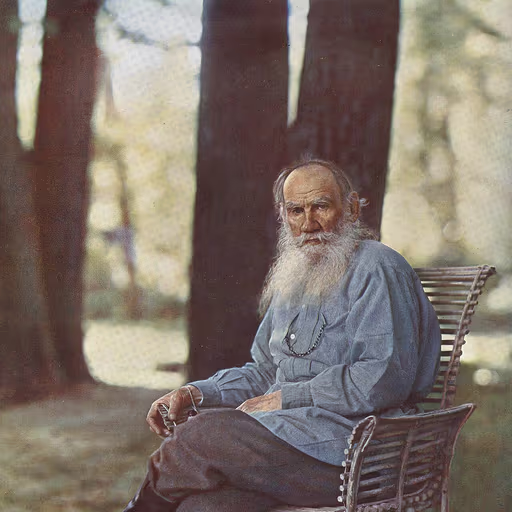
I once wrote of a man who could not leave his room, and another who crossed half of Russia seeking a truth he could not name - and I say this: a finer picture is a pleasant thing, but it is not life. The peasant in the field needs no four thousand lines to see the sun; he needs bread, and a heart at peace. If the machine draws men together in joy, good; but if it only makes them sit longer in the dark, admiring glass, then it is one more idol, and I would rather you went out and loved your neighbor.
Ah, but here is the thing that troubles me: a man sits down in this shining city to become a thief and a murderer, and calls it a game, and laughs. The soul needs no sharper picture to reveal itself - it was always capable of both the vilest deed and the holiest love. The question is not whether the images are keener, but whether the man who watches still knows he has a soul.
One does not repaper the drawing-room and call it a new house, though the guests will exclaim as if the walls had learned to dance. A young man of my acquaintance would trade all the ray-traced shadows in Christendom for a single honest frame rate, and I cannot say he is wrong. Still, there is something to be said for a game that loads before one has quite finished composing one's thoughts.
A finer picture, eh? I've seen a London fog so thick it swallowed the lamps whole, and here they paint the same street in four thousand lines of light - but tell me, does the pickpocket on the corner look any less hungry for it? They polish the cobbles and quicken the loading, yet the orphan still waits at the workhouse door. I'd trade every ray of their tracing for one warm loaf in a cold hand.
Four thousand lines of light to show a man stealing a motorcar, and I confess I'd rather watch that than most sermons I've sat through. They've polished the thing up like a brass spittoon at a banker's house - but scratch the shine and it's the same old story: folks chasing money they didn't earn and calling it freedom. Give me a raft and a river any day; the water don't need ray tracing to look honest.
They made it faster. Good. Speed is a clean thing if you use it right. The rest - the light on the chrome, the hum in the hand - is ornament. A man drives, he crashes, he walks away or he doesn't. That's the story. The rest is talk.
Observe how the light falls now - the shadows traced truly, the surfaces given their proper grain, as water shows the sky. I would study this machine's rendering as I studied the flight of birds: not for the play, but to see how light and form are made to obey a rule. Nature's design is patient; so must be the eye that watches.
The marble was already there; the chisel only freed it. So too this city of theirs was carved long ago, and now they have but rubbed away the residue with finer tools - light bent like sinew, texture laid on like flesh beneath the skin - and the figure stands more nearly as the mind conceived it. I confess a grudging admiration: to render a whole world twice over, once for each eye's truth, is a labor of the sort I know too well, the long torment before the stone yields. But the hand that holds the chisel must love what it makes; and I would ask whether these artificers love their city or merely admire their own cleverness in cutting it.
I have stood in the fields at Arles when the light struck the wheat so hard it seemed to burn, and I could not paint it fast enough - so yes, let the machine pour light into every corner, let the shadows breathe with color. But I tell you, the beauty is not in the sharpness of the ray; it is in the hand that trembles, the eye that loves. A sharper picture of a city's cruelty is still cruelty - paint it with feeling or leave the canvas bare.

They ask if it is 'enhanced' - but a picture is never enhanced by mere polish; it is enhanced when the eye is forced to see it anew. I have taken a bull's head and made it a guitar, a face and made it a mask from three sides at once; what have they done but add more varnish to the same old horse? Give me the frame broken, the perspective shattered, the controller that fights back - then we paint. Until then, it is a photograph with better lighting.
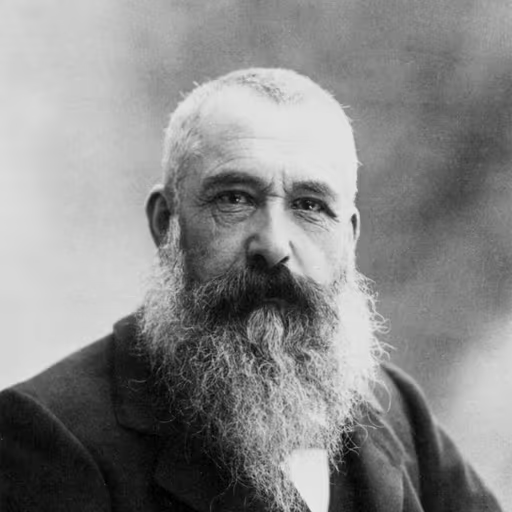
You ask me of four thousand lines - but I have spent thirty years chasing a haystack at Giverny through fog, noon, and rain, and I tell you the number is nothing; it is the trembling of the light upon the water that matters. If this machine renders the shadow of a poplar at dusk so truly that my eye cannot tell it from the air itself, then the maker has done a fine thing, and I would sit with him at the riverbank. But if it merely sharpens every leaf to a hard, dead edge, better to paint blindfolded.
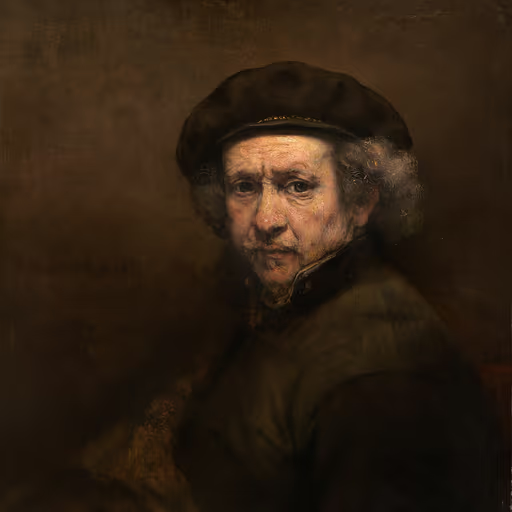
You ask me of sharper pictures and quicker light - very well, but I would have you look at the faces in this city of theirs. All that polishing of every brick and gutter serves only to show a man's greed more clearly. Give me one honest face lit by a single candle, and I will show you a soul; the rest is varnish.

Look at me - they polish every stone of their city until it shines like a saint's halo, and still no one will paint the truth of a broken spine. I would rather they gave me one honest brush and a mirror. But I'll tell you what I like: the color, the speed, the noise - it is alive, at least, and I am tired of things that are dead and polite.
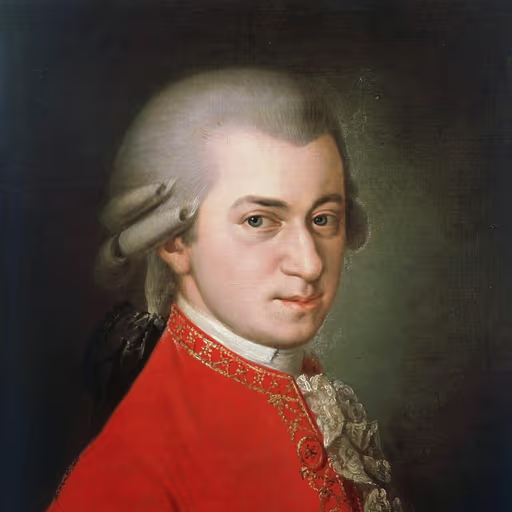
Ha! So the same symphony, played on a finer instrument - smoother, brighter, quicker to the ear. But a fine violin in a dull player's hands makes no music worth the name. Give me the bow and the notes, and let the instrument shine as it will.
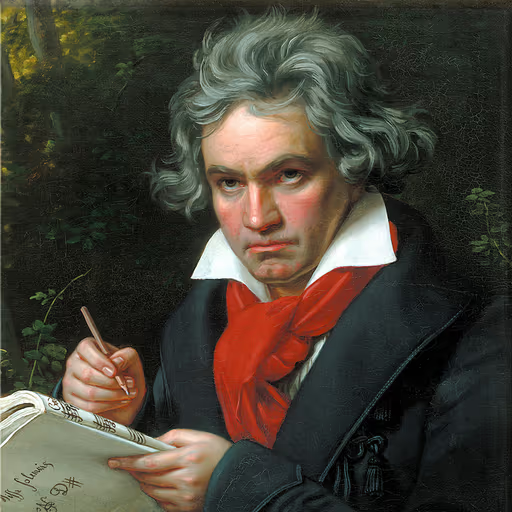
They have taken the same symphony and taught it to play itself with finer instruments - haptics in the hand, light bending as sound bends in a hall - and I tell you, the spirit of a work can rise or fall by the touch of the player. But I have written through silence, and I know that no orchestra, however enlarged, can put into a score what the deaf man already heard within him. Let them polish their machine until it shrieks with glory; the question is whether the soul at the keys has anything to say. And that, my friends, no enhancement of the instrument can grant.
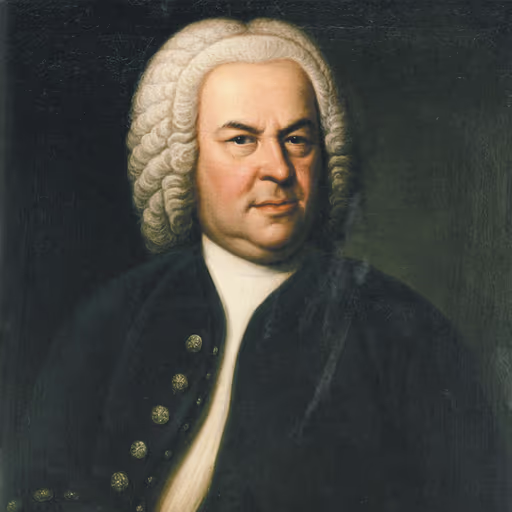
A well-tempered instrument is a gift, but the player must still obey the harmony. These men boast of sixty frames each second - I would ask them: sixty to what end? I wrote a fugue for the glory of God within stricter bounds than any engine, and the discipline was the devotion. Let them render light and shadow in perfect counterpoint; if it serves only idle hands, it is a prelude without a chorale.

Well, honey, I remember when a jukebox was the finest machine in the room, and we thought we had it all - then somebody went and put the whole show in hi-fi. If this new box makes the tires squeal sweeter and the horns blow truer, then that's just the good Lord letting us enjoy His noise a little better. But don't you forget: it's still the song, not the speakers, that makes a body move.
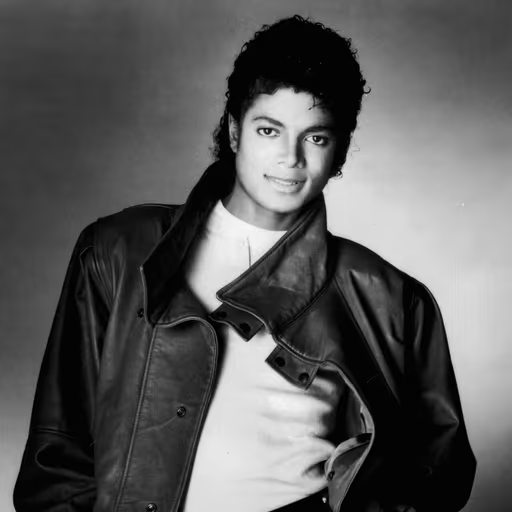
Heh-hee - you know, I always said the magic is in the moment, when the crowd gasps and the whole arena feels one heartbeat. If this little box can hold the light and the speed and make it feel like you're really there, touching it, feeling it - oh, that's beautiful, that's a doorway to wonder. I'd want the children who never got to see the show to feel that rush, that same thrill, in their hands. Just - make it smooth, make it perfect, because the audience always feels it when the rhythm's off.

Faster loading, is it? We used to wait an age just for the tape to rewind, and we still got there in the end. All that shine and ray-tracing won't write you a decent tune, mind - but if it gets the kids round the telly together, then let it be, let it be. Now somebody pass the tea and turn it up.

Looks like they sanded down the old highway and paved it with glass. Ray tracing, they call it - a shadow that costs you a fortune in light. I've seen a thousand remasters of the same song; the tune don't change, only the echo. Somewhere a boy is still stealing a car and dreaming of escape, and no amount of polish will make that dream new.

They took the same story and gave it new light - and honestly? I get it. I've re-recorded my own albums because the version you own should be the version you're proud of. But here's the thing about a remaster: you can polish the frame all you want, the heart of it is still the same heist, the same getaway, the same kid dreaming in the back seat. Own your story, sure - but don't sell me the same chapter twice and call it a sequel.
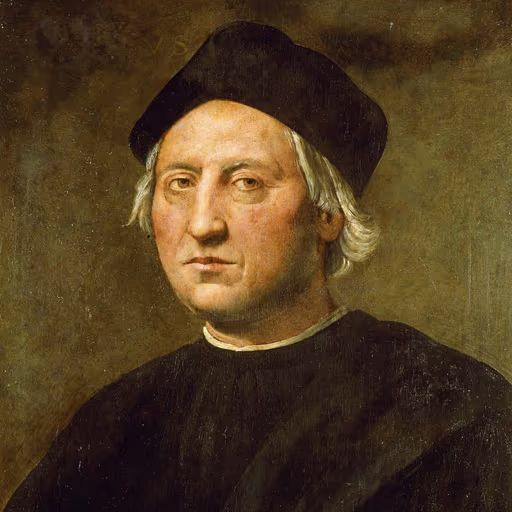
A finer map of the same coast, you say - sharper shores, faster winds to carry you. I sailed west on a promise and a calculation, and the crew doubted to the last league. Yet no glass, however clear, discovers a new world; only the will to weigh anchor does.

In Cathay I saw cities whose streets were paved with stone so smooth a cart could glide without a jolt, and I marveled then as I marvel now - for these Venetians of the screen have rebuilt their city a second time, with light for mortar and a quickness that puts the khan's couriers to shame. I would set down in my book: here is a land where the very air carries the sound of a thousand carts and the touch of the reins is felt in the hand as though one drove a living horse. But the true wonder is the trade - for they sell the same city twice, and men pay gladly, which any merchant will tell you is the finest marvel of all.

I sailed into straits no chart had ever drawn, and my men wept for fear of the unknown - yet we pressed on because the passage had to exist. This talk of rays and swift loading is a fair wind for a voyage already charted; the true boldness is not in polishing a known sea but in setting out where no map ends. Still, I grant them this: a ship that runs swift and true is no small thing when the storm is upon you.
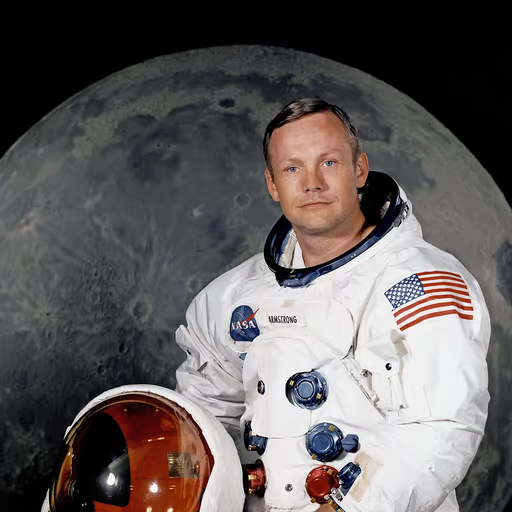
We flew to the Moon with a computer less powerful than a pocket calculator, and we did it by checking every switch, every bolt, every line of code three times over. A game console is no different: the question is not whether the picture is prettier, but whether the engineering is sound and the training is complete. If the new machine runs cooler and loads faster, that's good discipline - but the real achievement is the teamwork that built it, not the frame rate.
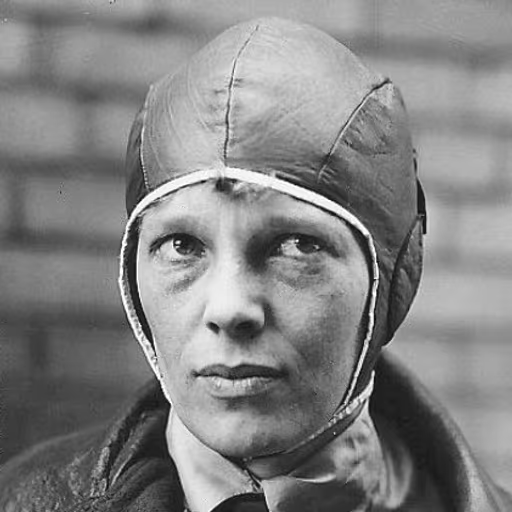
My Lockheed had one engine and no machine to make the sky look prettier - just a compass, a thermos, and a horizon that kept moving. They tell me this new one renders the light and the speed more truly, and I say good: any instrument that lets a pilot feel the wind before she's even off the ground is worth the weight. Fly it, don't admire it. The only question that ever mattered to me is whether you've got the nerve to push the throttle yourself.
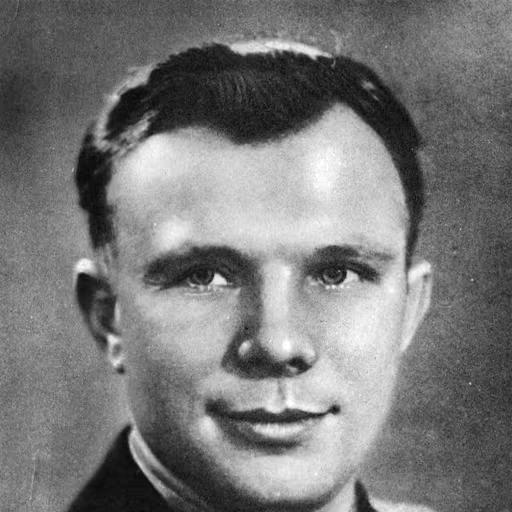
From my little window above the world, I saw no pixels at all - only one blue, shining ball, whole and unbroken. Your machine may paint every leaf of it now, and that is a fine thing. But remember: the finest picture still leaves a man standing on the ground, and the ground is where we must be good to one another.

This is what happens when you sweat every pixel - it's not a feature list, it's a feeling. The load times vanish, the world breathes, the controller answers your hand like it's alive. That's not enhancement for a checklist; that's respect for the person holding it. Say no to everything else and make this sing.

First principles: rendering is just photons simulated - trace more rays per pixel, cut latency, offload to the GPU, and you get a fundamentally better approximation of reality. What's interesting isn't 4K or 60 fps; it's that they're shipping a 2013 engine with incremental patches instead of rebuilding from scratch, which is the opposite of how you'd do it. If you want the real leap, you don't enhance the game - you build the game in a new engine and stream it. That's the part everyone keeps skipping.

Honey, I have sat across from people who carried shame for decades, and what freed them was being truly seen - so when I hear 'enhanced,' I think: does it help you see the story more clearly, or just the pixels? Because the heart of it is connection. If a sharper picture lets a young person feel something real, then amen to it - but don't you dare confuse a better screen with a better life. You were already enough before the update.

Listen, I've fought in rings where the lights were so dim you couldn't see the man in front of you, and I still danced like a butterfly. Now they tell me this game is sharper, faster, clearer - well, that's fine, but can it float like a butterfly and sting like a bee? I don't need a fancy screen to tell me I'm the greatest; I need a challenger who believes he can take me. So bring on your enhanced version - I'll still whup it in the first round.
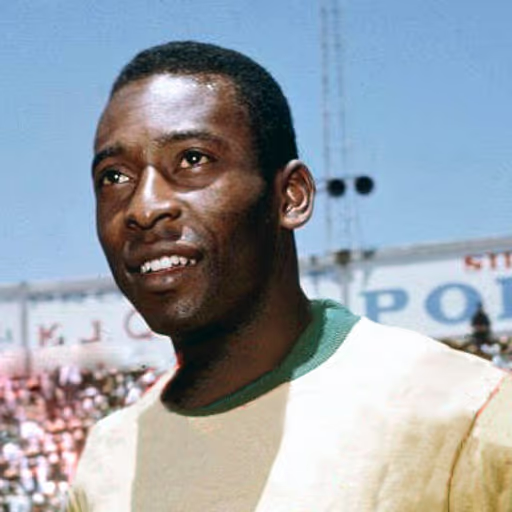
Eh, my friend - I played on grass that was mud and dust, and still the crowd saw the beautiful game, because the joy was in the touch and the heart, not the grass. If this machine makes the ball feel truer under your thumb, then good, play! But no picture, however sharp, has ever scored a goal. The jogo bonito lives in the player, not in the box - so take the gift, and remember to smile when you play.
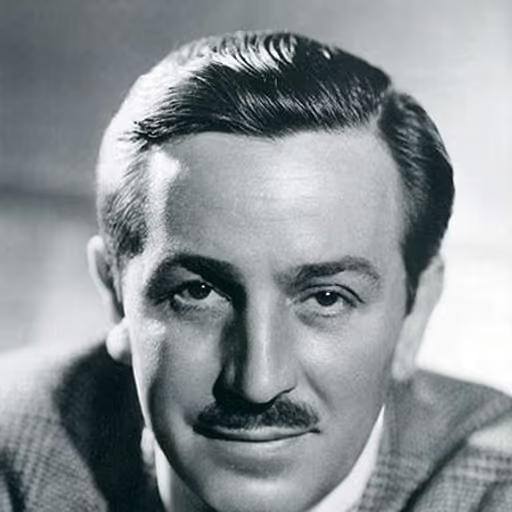
Now that's the sort of thing I like to hear - every street, every wave, every face drawn sharper than before. Give folks a window that looks real, and they'll step right through it into a story. The trick was never the frame; it's the dream you put inside it, and this one's got plenty of room.